
Why Timing Matters in the Serengeti
The Serengeti is extraordinary in every single month of the year, but choosing when to visit dramatically shapes the experience you will have. Timing your Tanzania safari correctly means the difference between witnessing the thundering chaos of a Great Migration river crossing and enjoying an intimate encounter with a pride of lions on a quiet, golden afternoon. Understanding the Serengeti's seasonal rhythm — its rains, its dry spells, its wildlife movements — is the foundation of planning a truly exceptional safari.
The Serengeti ecosystem covers approximately 30,000 square kilometres and experiences two distinct rainy seasons and two dry periods annually. The short rains fall from November through December, and the long rains run from March through May. The two dry seasons — the short dry from January to February and the long dry from June through October — are when most luxury safaris are planned. But each season carries its own wildlife magic, and dismissing the green season entirely is a mistake made by travellers who have not yet seen the Serengeti in full bloom.
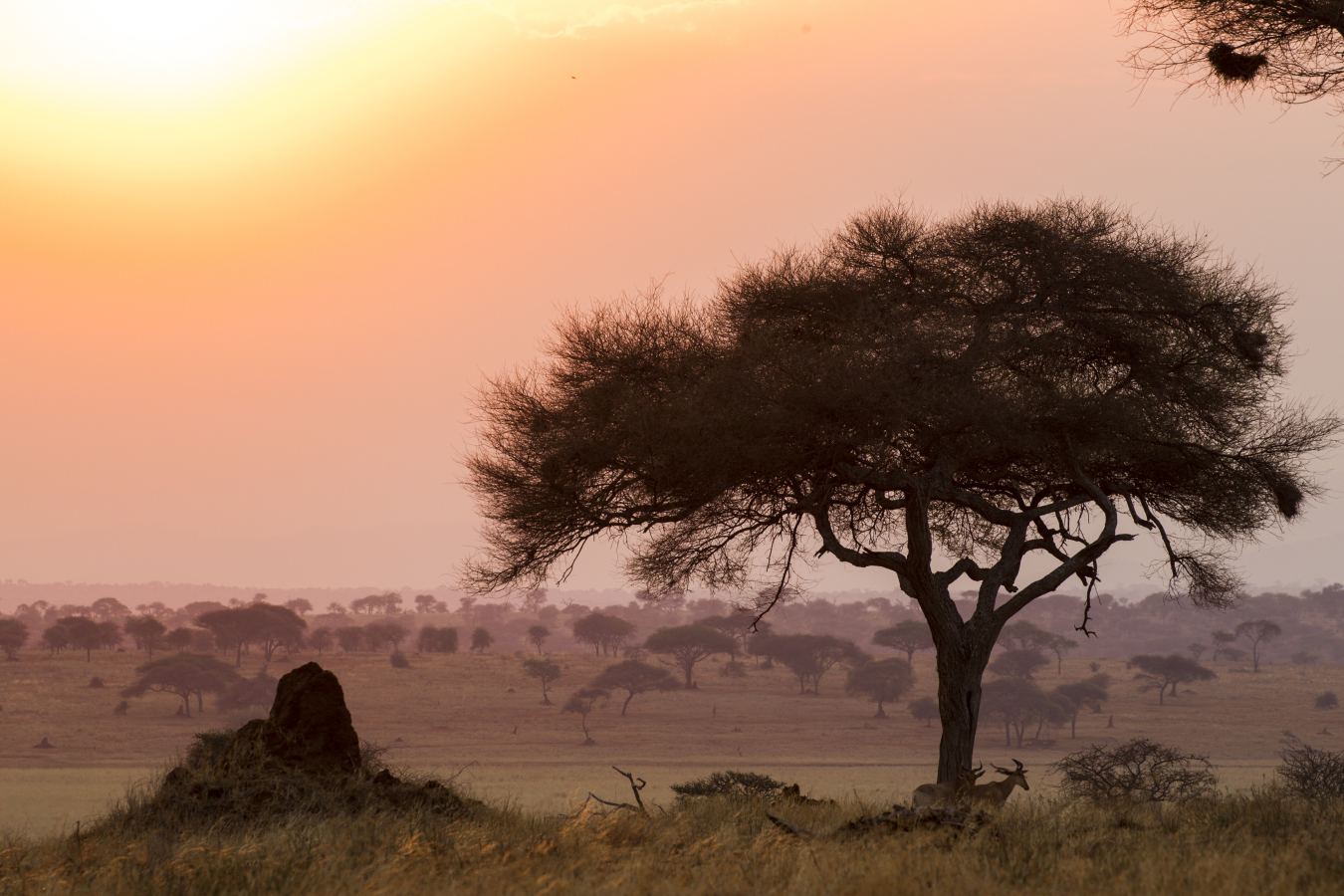
January and February: Calving Season in the Southern Serengeti
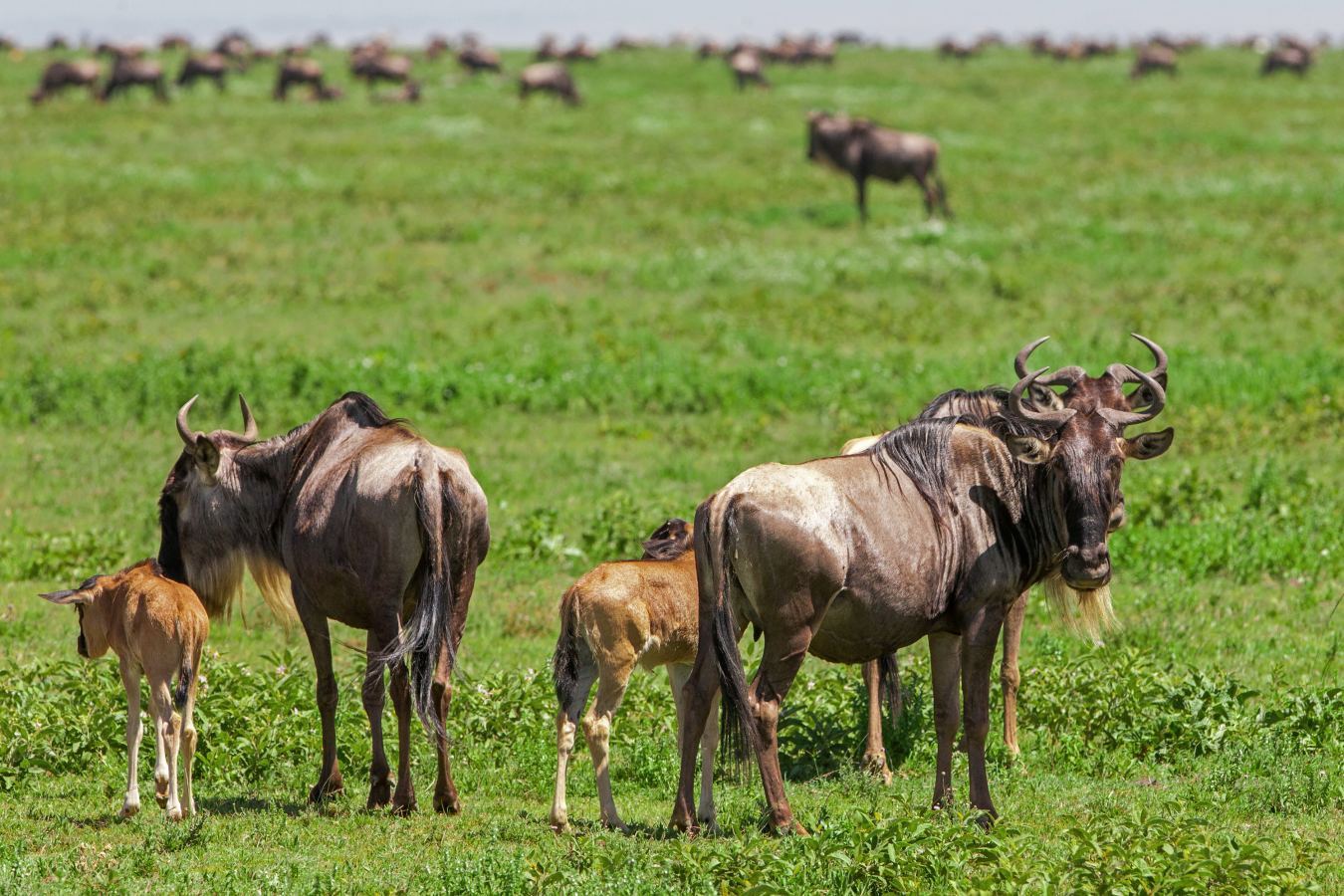
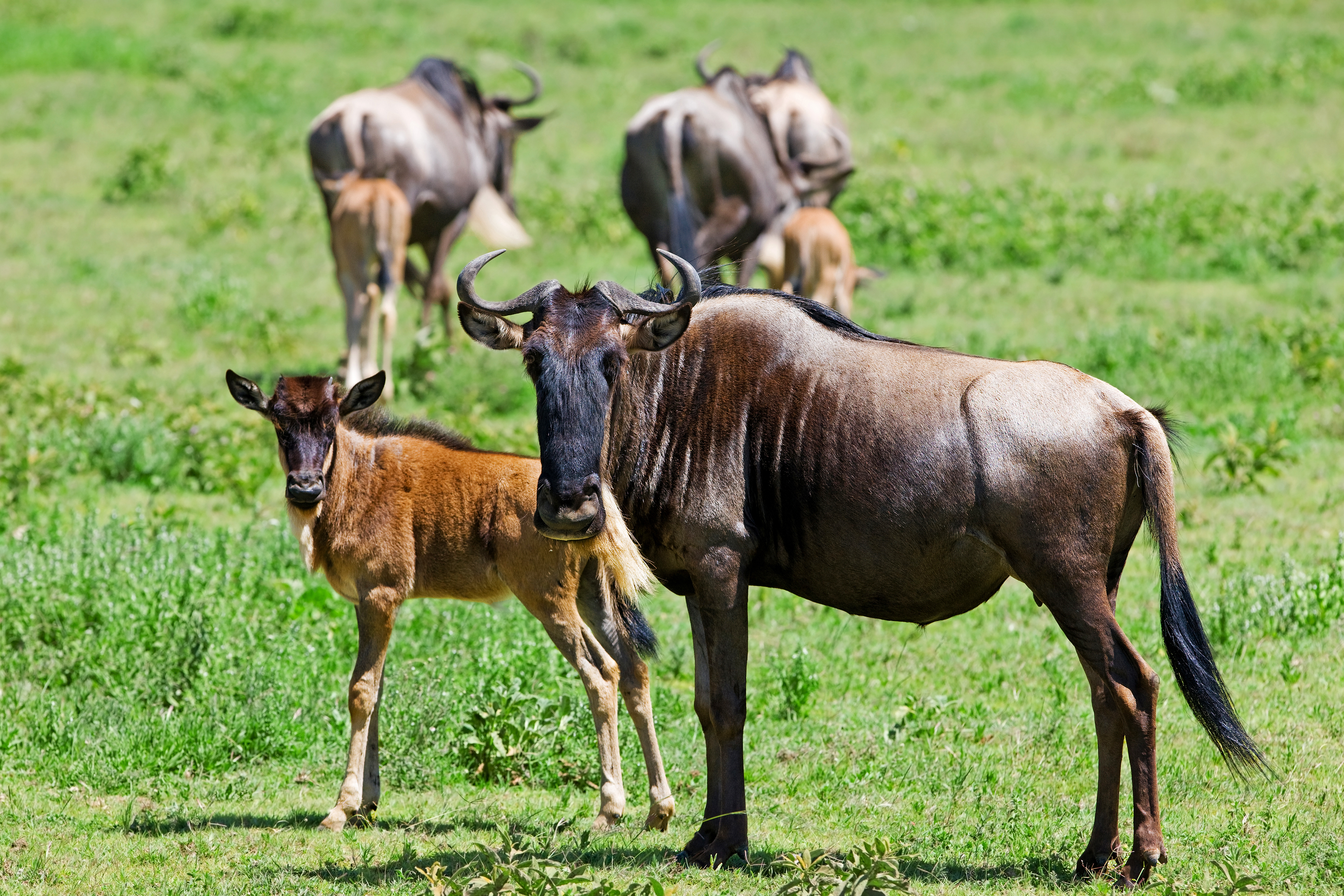
January and February are among the most remarkable months in the entire Serengeti calendar. The short dry season coincides with the wildebeest calving season in the southern Serengeti and Ndutu area. Approximately half a million wildebeest calves are born within a few weeks in January, creating one of the greatest natural spectacles on the planet. The plains are alive with newborns taking their first steps, and predators — lions, cheetahs, leopards, hyenas, and wild dogs — converge on the southern grasslands for the most intensive hunting period of the year.
Ndutu, situated at the border of the Serengeti and Ngorongoro Conservation Area, is the epicentre of the calving season. The short grass plains here are nutrient-rich from the rains, and the visibility is exceptional — you can see for kilometres in every direction. For wildlife photography, January and February offer extraordinary light and unobstructed sight lines. This is also a relatively uncrowded period compared to the July–August peak, making it ideal for travellers who value intimacy and exclusivity.
June to October: The Peak Dry Season and Migration Crossings
June through October is the most popular time to visit the Serengeti, and for good reason. The long dry season brings reliably clear skies, cooler temperatures, and the spectacle of the Great Migration moving through the central and northern Serengeti. The wildebeest, accompanied by hundreds of thousands of zebra and gazelle, follow the rains northward from the southern plains, through the Grumeti ecosystem in June and July, and into the Mara River region from July through September.
The Mara River crossings are the defining image of an East African safari. From late July through October, vast columns of wildebeest gather at the riverbanks, working up the collective courage to plunge into crocodile-filled waters on their journey to the Masai Mara in Kenya. These crossings can last minutes or hours, and no two are ever the same. Positioning with a private guide who understands animal behaviour and river dynamics is essential — and it is exactly the kind of informed, patient, expert experience that Sokwe Africa Safaris delivers.
Wildlife viewing across the entire Serengeti is at its best during the dry season. Animals concentrate around remaining water sources, making them far easier to locate and observe. The bush is thinner and less obscured by vegetation, improving visibility. Big cat activity is intense — lions are denning or raising cubs, and cheetah mothers on the open plains provide extraordinary viewing. Nights are cool and the air is crystalline.
November to December: The Green Season Advantage
The short rains arrive in November and transform the Serengeti into a landscape of vivid emerald. The wildebeest have begun their return journey southward, and the plains are filling with migratory birds — over 500 species are recorded in the Serengeti, and the green season is prime birding time. Resident wildlife remains superb: elephants, buffalo, giraffes, and plains game are abundant and well-watered, and the lush vegetation creates a dramatically different visual backdrop from the dry season's tawny gold.
November and December are also the months when luxury camps offer their most competitive rates. The green season is considered low to shoulder season by most operators, meaning you can access the very same elite camps at significantly reduced prices — often 20 to 30 percent below peak-season rates — while enjoying a Serengeti that is genuinely less crowded. For the seasoned safari traveller who has seen the dry season and wants to discover a different dimension of the ecosystem, the green season is revelatory.
March to May: The Long Rains and the Quiet Serengeti
March through May brings the heaviest rains to the Serengeti, and many camps close during this period. Tracks can become impassable and some areas of the park are inaccessible. However, certain luxury operators who specialise in the deep green season continue operating with appropriate vehicles and offer an experience of the Serengeti that is entirely their own — vast, wild, silent, and astonishingly beautiful. Baby animals are everywhere, the vegetation is explosively lush, and the birdlife is at its absolute peak.
There is no bad time to visit the Serengeti — only different versions of extraordinary. Choose your season and let the bush reveal its secrets.
- January–February: Calving season and big cat predation
- June–July: Grumeti crossing and dry season begins
- July–October: Mara River crossings and peak migration
- November–December: Green season and competitive rates
- March–May: Deep green season and total solitude
Related reading: our packages for first-time visitors.
Related reading: The cheapest time to visit Tanzania (without ruining the safari).
Related reading: Ndutu in the green season: the best predator viewing in Africa.
Related reading: Is a Tanzania safari good in December and January? Weather, wildlife, crowds and prices.
More on this in Best month for a Tanzania safari: a month-by-month guide to weather, wildlife and prices.
Ready to make it real? Explore luxury Tanzania safari or talk to us about dates and prices.