
Why add culture to your safari
A safari shows you the wildlife of Tanzania, but a cultural safari shows you its soul. Tanzania is home to over 120 distinct ethnic groups, each with its own language, traditions and way of life, and weaving genuine cultural encounters into your trip adds a depth and meaning that wildlife alone cannot. Meeting the Maasai, the Hadzabe hunter-gatherers or the Datoga blacksmiths, walking through a farming village, or wandering the historic streets of Stone Town transforms a safari into a fuller understanding of this remarkable country and its people.
These human encounters often become the most cherished memories of a trip. There is something profoundly moving about being welcomed into a community whose life is so different from your own, sharing a moment of genuine connection across cultures. Done thoughtfully and respectfully, a cultural safari benefits both visitor and host — enriching your journey while supporting local livelihoods and the survival of traditional ways of life. This guide explains the peoples you can meet, how to do so respectfully, and how to build culture into your itinerary.
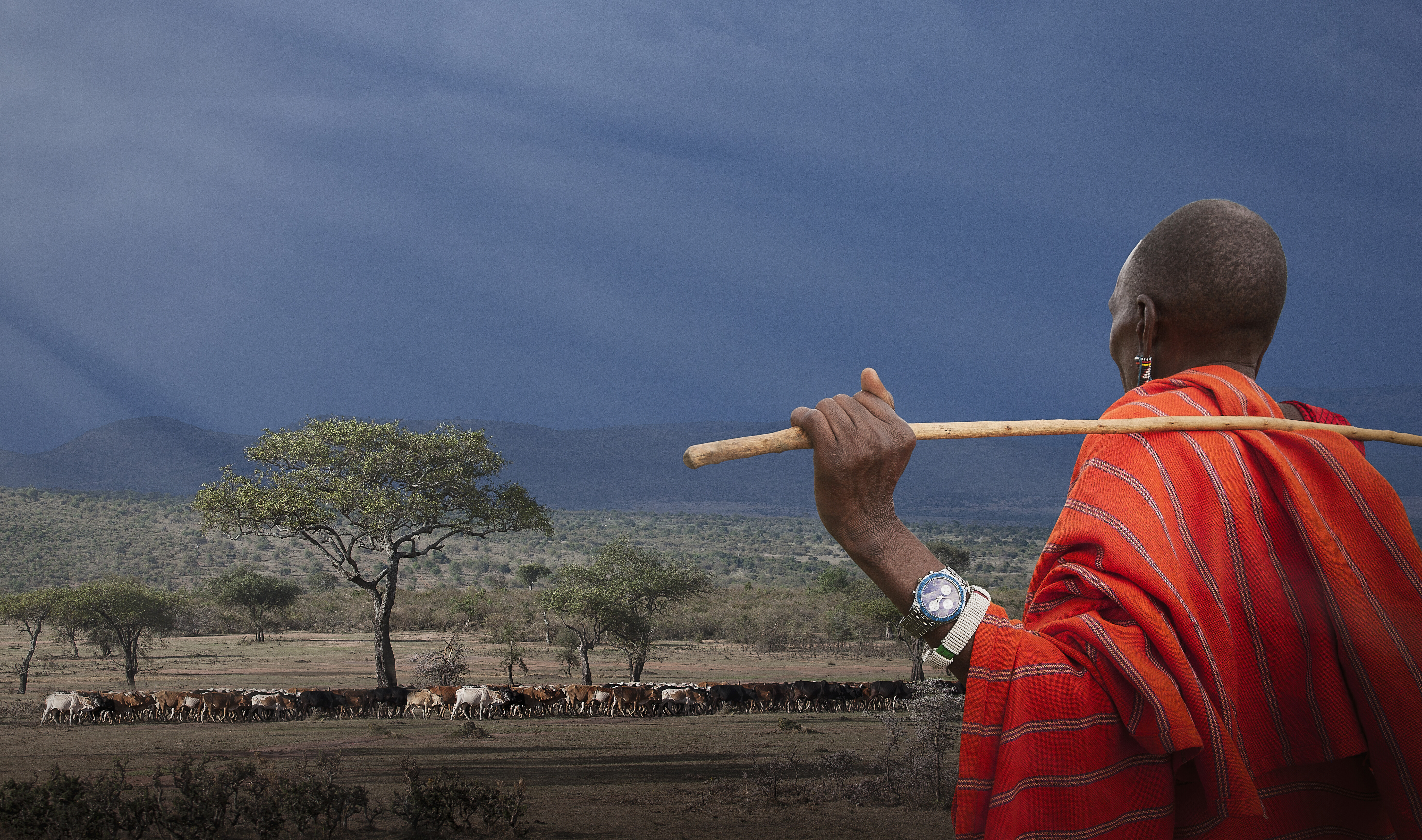
The Maasai: guardians of the plains
The Maasai are the people most associated with the East African safari, and for good reason. Their distinctive red shukas, their cattle-herding way of life, and their close relationship with the land of the Serengeti and Ngorongoro have made them an enduring symbol of the region. Far from being a relic of the past, the Maasai remain a living, thriving culture, and many continue their pastoral traditions across the highlands and plains where the wildlife also roams.
A respectful visit to a Maasai community offers a window into this world — the boma of mud-and-dung houses, the importance of cattle, the songs and the famous adumu, the jumping dance of the warriors, and the warm welcome of the people. Crucially, the Maasai are also partners in conservation: in areas like the Ngorongoro Conservation Area, wildlife and Maasai cattle share the land, and community conservancies give the Maasai a direct stake in protecting the wildlife. Meeting them deepens your appreciation of both the culture and the landscape.
The Hadzabe: one of the world's last hunter-gatherers
For a truly extraordinary cultural encounter, the Hadzabe of the Lake Eyasi region offer one of the most authentic experiences in Africa. The Hadzabe are among the last true hunter-gatherers on Earth, living much as humans did for tens of thousands of years, with no agriculture, no livestock and no permanent dwellings. They hunt with bows and poison-tipped arrows, gather wild tubers and honey, and speak a fascinating click language unrelated to any other.
A visit to the Hadzabe, ideally joining a small group on an early morning hunt or foraging walk, is a humbling glimpse into a way of life almost vanished from the modern world. It is raw, real and unpolished, and it offers perspective on our shared human origins that few experiences can match. Because their way of life is so fragile, visiting through a responsible operator who ensures the community benefits and is treated with dignity is especially important here.
The Datoga and Tanzania's many peoples
Near the Hadzabe live the Datoga, a pastoralist people known for their skilled metalwork, who traditionally craft arrowheads, jewellery and tools, sometimes from recycled metal, at simple forges. A visit to a Datoga community often complements a Hadzabe encounter and reveals another distinct culture and craft tradition. Together these neighbouring peoples — hunter-gatherer and blacksmith-pastoralist — show the remarkable cultural diversity packed into a small corner of Tanzania.
Beyond these, Tanzania's cultural richness extends across the country: the Chagga farmers on the slopes of Kilimanjaro with their ingenious irrigation and banana groves; the Iraqw of the highlands; the Swahili culture of the coast; and dozens more. Cultural tourism initiatives in many regions offer village walks, farm visits, traditional meals and craft demonstrations, providing genuine, community-run experiences that put income directly into local hands and let you engage with everyday Tanzanian life.
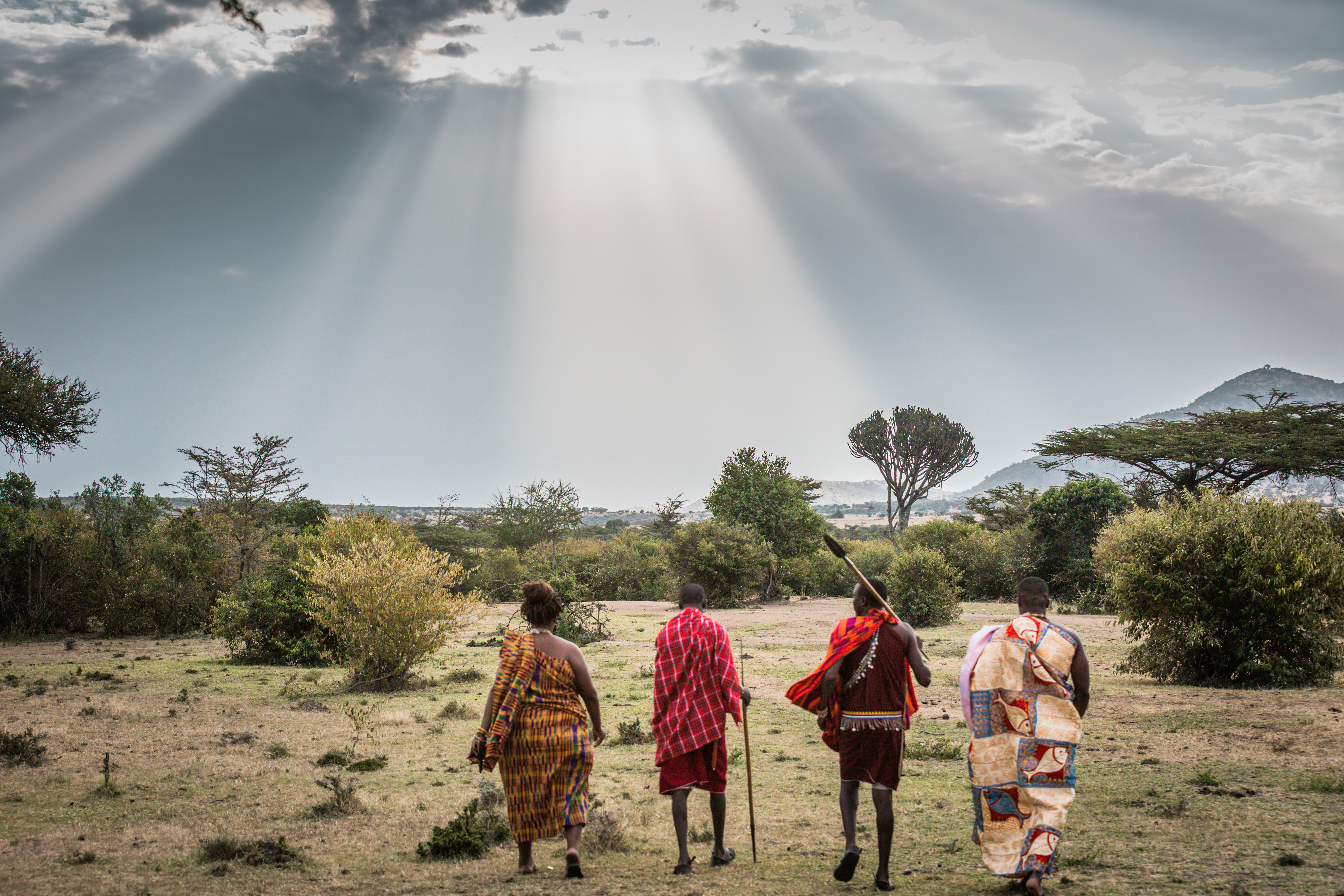
Stone Town and the Swahili coast
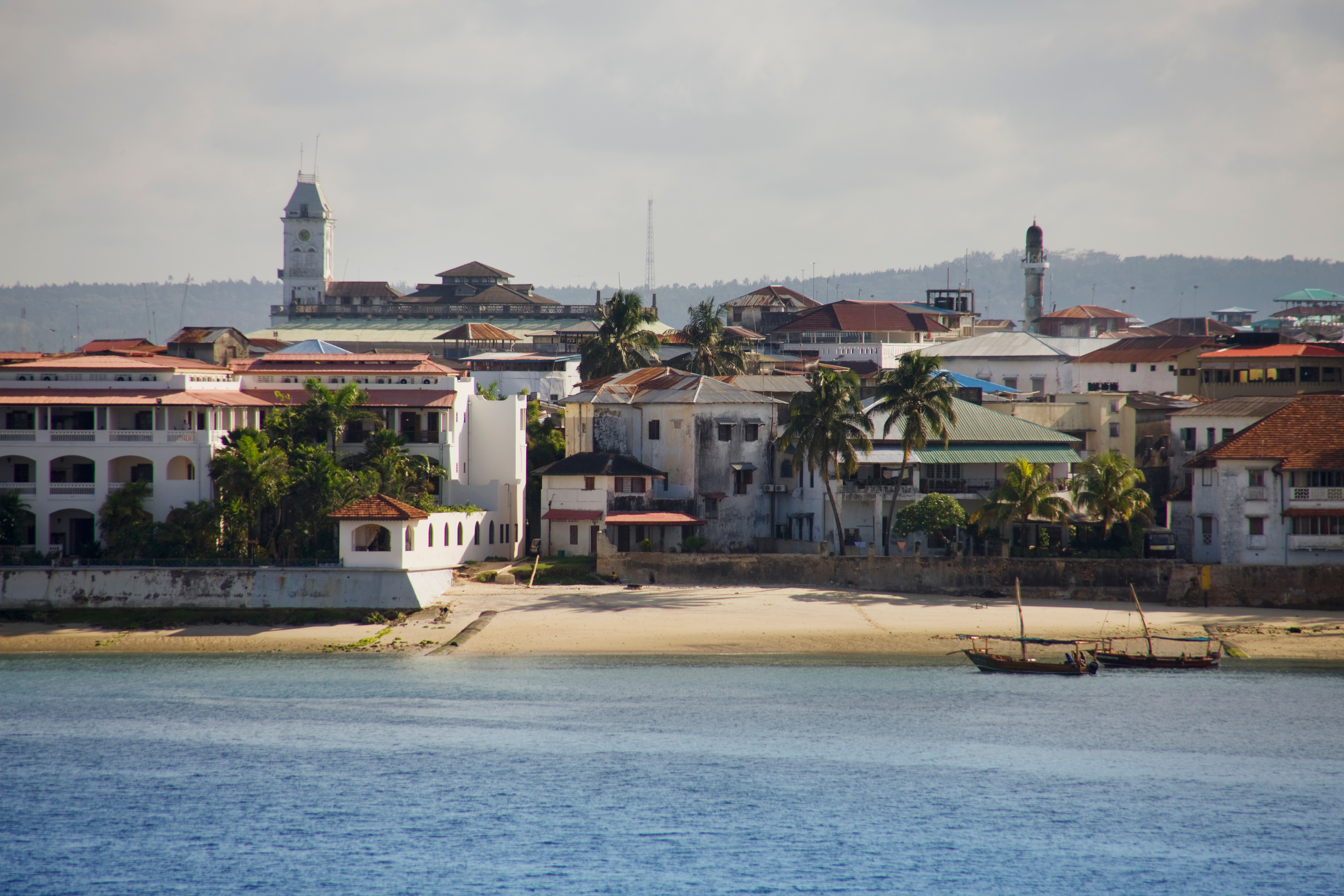
A cultural safari need not be confined to the mainland. The island of Zanzibar offers a completely different cultural world, the product of a thousand years of trade across the Indian Ocean. The historic heart of Stone Town, a UNESCO World Heritage Site, is a labyrinth of narrow lanes, carved wooden doors, bustling bazaars and crumbling palaces, where African, Arab, Indian and European influences blend into the unique Swahili culture.
Wandering Stone Town, visiting a spice farm to learn the trade that shaped the island's fortunes, exploring the poignant history of the slave trade, and tasting Swahili cuisine all add rich cultural texture to a safari-and-beach trip. Pairing the wildlife of the mainland with the cultural depth of Zanzibar makes for an exceptionally well-rounded journey, combining the natural and the human stories of Tanzania in a single, memorable holiday.
How to do cultural visits respectfully
The single most important aspect of a cultural safari is doing it respectfully and authentically, because cultural tourism done badly can feel exploitative or staged. The key is to visit through a responsible operator with genuine, long-standing relationships with the communities, who ensures that a fair share of the money reaches the people you visit and that encounters are conducted with dignity rather than as a performance for tourists. A good operator knows the difference between authentic engagement and a contrived show.
As a visitor, approach with humility, curiosity and good manners. Always ask before taking photographs, dress modestly, accept hospitality graciously, and engage with genuine interest rather than treating people as a spectacle. Buying crafts directly supports artisans, and asking thoughtful questions through your guide opens up real conversation. Approached in this spirit, a cultural visit is a two-way exchange that leaves both visitor and host enriched, and it becomes one of the most rewarding parts of any Tanzanian journey.

How to include culture in your itinerary
Building cultural experiences into a safari is wonderfully easy, because many of the best opportunities lie along the classic routes. A Maasai visit fits naturally near the Ngorongoro Crater or the Serengeti; the Hadzabe and Datoga are reached from the Lake Eyasi area, a short detour from the northern circuit; and Stone Town and the spice farms slot perfectly into a Zanzibar beach extension. Even a half-day cultural visit adds a meaningful human dimension without disrupting the wildlife itinerary.
The richest cultural safaris are designed with intention, choosing genuine, community-run experiences and allowing enough time to engage properly rather than rushing through. Tell us how important the cultural dimension is to you, and we will weave authentic encounters — chosen for their integrity and their benefit to local people — into your Tanzania safari, so you come home having met the people of this extraordinary country as well as its wildlife.
See how culture fits a wider trip in our guide to the best things to do in Tanzania, and plan the route with our Tanzania safari itinerary ideas.
A safari shows you Tanzania's wildlife; a cultural safari introduces you to its people — and it is the people you will find yourself thinking of long after you return home.
- The Maasai — pastoralists and conservation partners
- The Hadzabe — among the last hunter-gatherers
- The Datoga — skilled blacksmiths and herders
- Stone Town & the Swahili coast on Zanzibar
- Always visit respectfully through responsible operators
- Even a half-day adds a rich human dimension
More cultural experiences across Tanzania
Beyond the headline encounters, Tanzania offers a wealth of gentler cultural experiences that enrich any trip. On the lower slopes of Kilimanjaro, the Chagga people farm lush, terraced gardens and grow some of Tanzania's finest coffee; a visit to a Chagga village or a working coffee farm, learning the journey from bean to cup and tasting it at the source, is a delightful and accessible half-day. The Chagga's ingenious traditional irrigation channels and underground tunnels add a fascinating historical dimension.
In the highlands around Karatu and the Ngorongoro highlands, cultural tourism programmes run by local communities offer village and farm walks, traditional meals cooked in family homes, and craft demonstrations, putting income directly into local hands. These community-run experiences are among the most authentic and rewarding, offering genuine glimpses of everyday rural Tanzanian life rather than a performance, and they are easily woven into a northern circuit.
Food is a wonderful gateway to culture, and a cooking class or market visit reveals the flavours of Tanzania and Zanzibar — the Swahili spices, the tropical fruits, the staple dishes of ugali and nyama choma. Wandering a local market with a guide, sampling street food, and learning to prepare a regional dish are immersive, joyful experiences that connect you to daily life in a way few other activities can, and they delight travellers of all ages.
For those interested in crafts, Tanzania's artisans produce beautiful work — Maasai beadwork, Makonde wood carvings, Tingatinga paintings, and the Datoga's metalwork among them. Buying directly from the makers, or visiting a craft cooperative, supports traditional skills and provides meaningful souvenirs with a genuine story behind them. Choosing handmade, locally produced crafts over mass-made imports ensures your money supports the communities and the traditions you have come to appreciate.
The richness of these experiences is a reminder that Tanzania is far more than its wildlife. Building a few cultural encounters into your safari — a coffee farm here, a village walk there, a market or a craft cooperative — adds texture, warmth and human connection to the natural wonder, and it deepens your understanding of the country immeasurably. The best cultural safaris balance the wild and the human, leaving you with a fuller, truer picture of this extraordinary place.
A final thought on why cultural travel matters so much in Tanzania. Tourism is a vital part of the country's economy, and the way you travel shapes who benefits from it. By choosing genuine, community-run cultural experiences, buying directly from local artisans, and travelling with operators committed to fair partnerships, you help ensure that the rewards of your visit reach ordinary Tanzanians and support the survival of traditions and the protection of wildlife alike. A cultural safari, done well, is not only enriching for you but a small force for good — a way of giving back to the country that gives you so much.
Plan your cultural safari in Tanzania
A cultural safari adds heart and meaning to a journey already full of natural wonder, and the secret is choosing genuine, respectful experiences that benefit the communities you meet. Tell us how much you would like to engage with Tanzania's peoples and traditions, and we will weave authentic cultural encounters into your safari — from the Maasai of the plains to the Hadzabe of Lake Eyasi and the Swahili streets of Stone Town — for a trip that touches both the wild and the human soul of Tanzania.
Plan your cultural safari with Sokwe Africa Safari