
Zanzibar beneath the waves
Zanzibar is famous for its white-sand beaches, but some of its greatest treasures lie just beneath the surface. The warm, clear waters of the Indian Ocean around the archipelago harbour vibrant coral reefs, an abundance of marine life, and some of the best diving and snorkelling in East Africa. For travellers combining a Tanzania safari with a beach stay, adding a few days exploring Zanzibar's underwater world turns a relaxing finale into an active adventure, swapping the wildlife of the plains for the wonders of the reef. This guide covers the best spots, what you will see, and how to plan it.
Whether you are a seasoned diver, a complete beginner, or simply want to snorkel over a colourful reef, Zanzibar caters for all. The water is warm year-round, the visibility often excellent, and the marine life rich and varied, from tiny reef fish to dolphins, turtles and, in season, larger pelagics. With reputable dive centres, professional instruction and a range of sites to suit every level, exploring Zanzibar's reefs is accessible, safe and unforgettable.
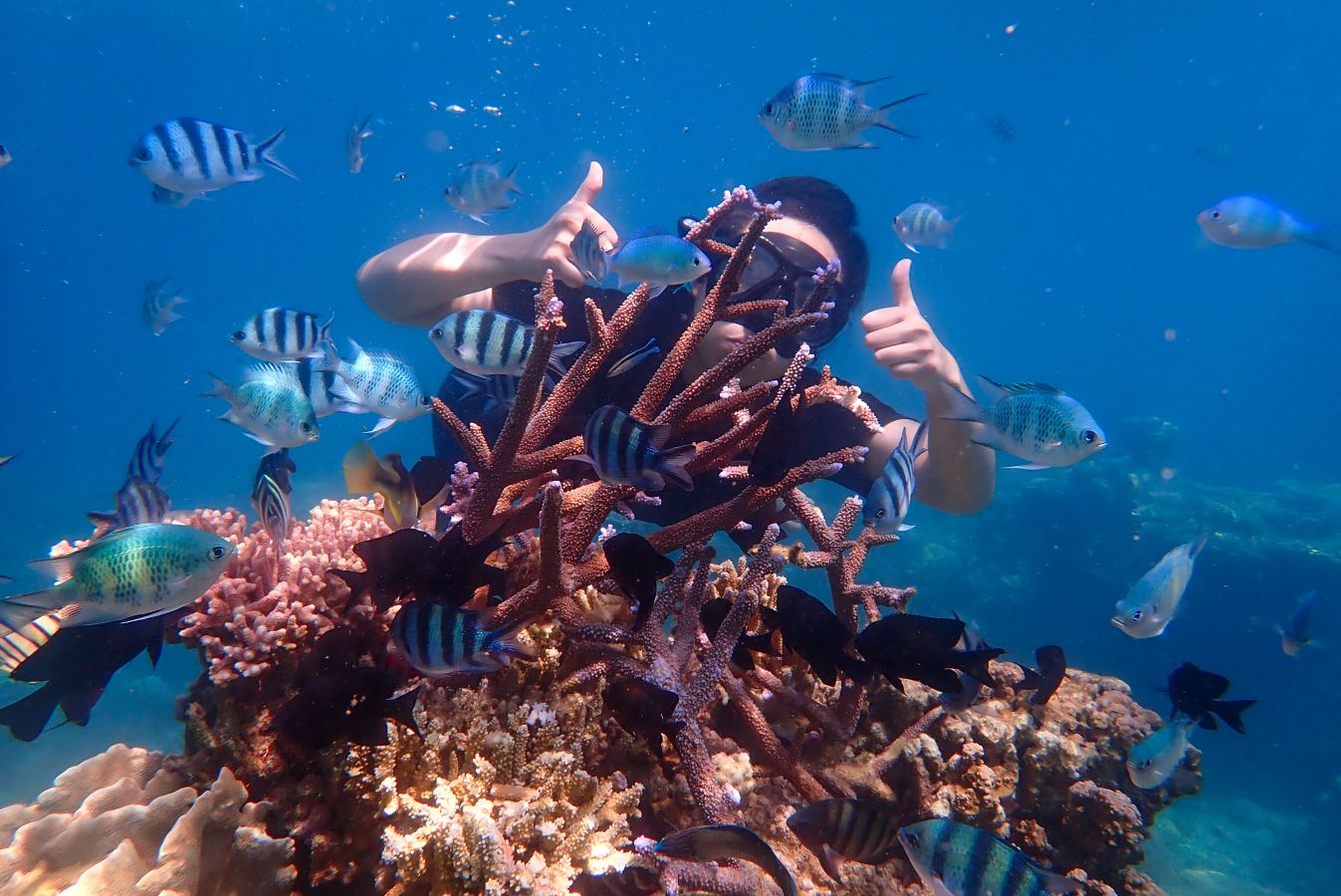
Mnemba Atoll: the jewel of Zanzibar
The undisputed star of Zanzibar's underwater attractions is Mnemba Atoll, a stunning marine conservation area off the northeast coast near Matemwe. This protected ring of reef surrounds a tiny private island and offers the best diving and snorkelling on the main island, with crystal-clear water, healthy coral and an extraordinary abundance of marine life. It is the obvious destination for anyone serious about exploring Zanzibar's reefs, and it is easily reached on a day trip by boat.
At Mnemba you can expect superb visibility and a kaleidoscope of reef fish, alongside the chance to encounter dolphins, turtles, rays and a wonderful variety of corals. Because it is a protected area, the marine life is relatively undisturbed and prolific, making for rewarding diving and exceptional snorkelling even in the shallows. Staying on the northeast coast around Matemwe puts you closest to Mnemba, but day trips run from across the island, and it is a highlight not to be missed.
Pemba Island and other dive sites
For serious and experienced divers, the island of Pemba, north of Zanzibar's main island of Unguja, is a true bucket-list destination. Pemba is far less visited and offers dramatic, pristine diving, with steep walls, channels, and exceptional visibility that attract advanced divers seeking world-class underwater experiences. Its remoteness keeps it uncrowded and its reefs in superb condition, though it requires more planning and is best suited to those with diving experience.
Around the main island, other rewarding sites include Leven Bank, a deep site for experienced divers known for larger marine life and strong currents; the reefs around Tumbatu Island; and the marine park at Chumbe Island, a renowned conservation success with a beautiful, protected reef ideal for snorkelling. Each offers something different, and a good dive operator will match the sites to your experience level, so whether you are a beginner or an old hand, there is excellent diving to be found.
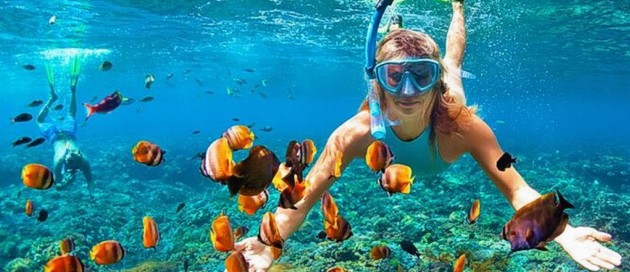
Snorkelling: an underwater world for everyone
You do not need to be a diver to enjoy Zanzibar's underwater wonders. Snorkelling is accessible to almost everyone, requiring no certification or experience, and it opens up the reefs to all ages and abilities. Many of the best sites, including parts of Mnemba and Chumbe, have shallow, calm areas where colourful fish and corals can be admired just below the surface, making snorkelling a wonderful family activity and a gentle introduction to the marine world.
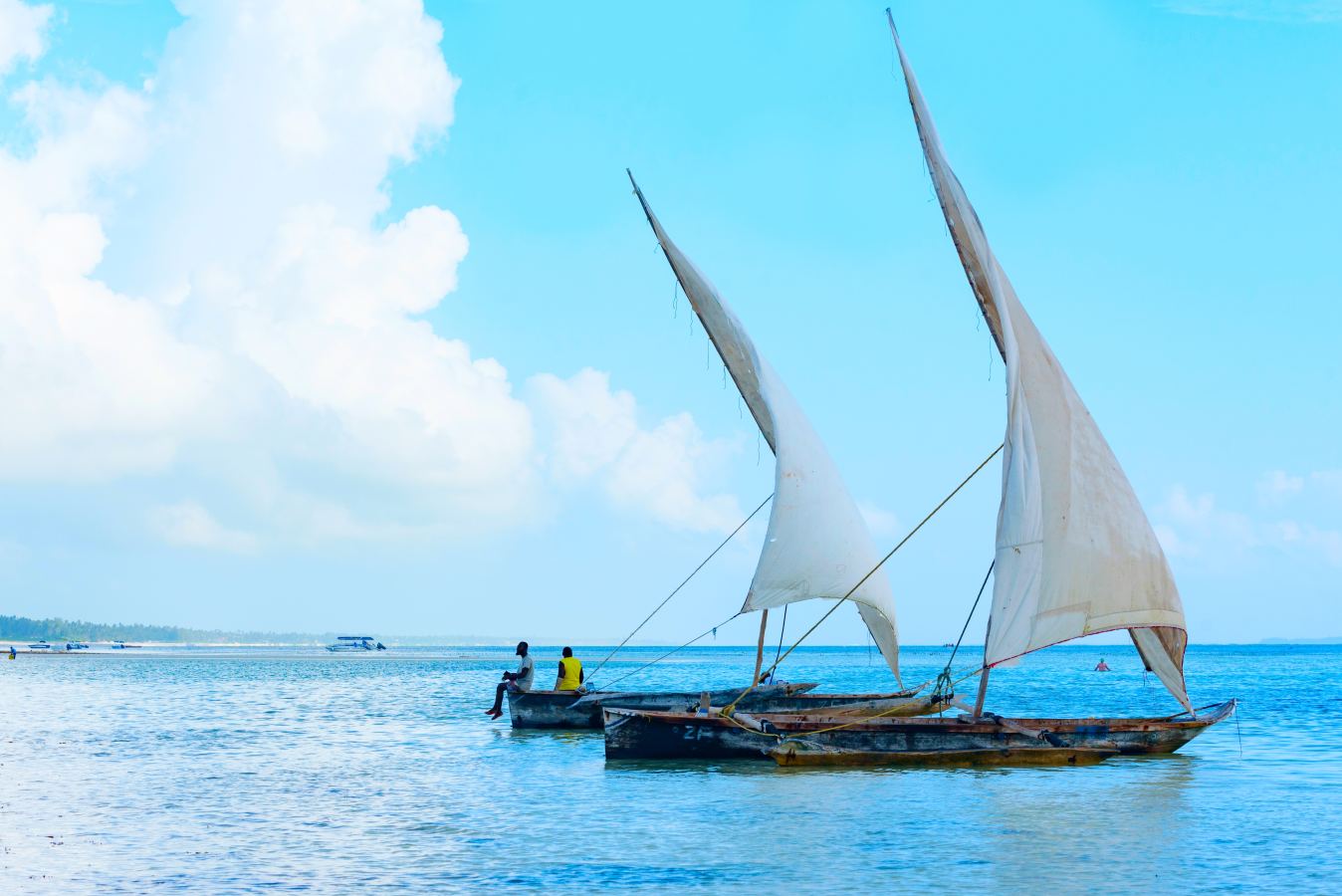
Snorkelling trips are easily arranged from any beach, typically by traditional dhow or motorboat, often combined with a visit to a sandbank or a beach barbecue for a perfect day out on the water. The warm, clear sea and the abundance of life mean even a casual snorkel can be magical, with the chance of seeing turtles, dolphins and countless reef fish. For travellers who want the wonder of the reef without the commitment of diving, snorkelling is the perfect choice.
What you will see underwater
Zanzibar's reefs teem with life. Divers and snorkellers can expect a dazzling array of tropical reef fish — angelfish, parrotfish, butterflyfish, clownfish among anemones, and shoals of snappers and fusiliers — set against colourful hard and soft corals. Green and hawksbill turtles are frequently seen gliding over the reefs, and the area is home to playful pods of dolphins, which can sometimes be encountered on boat trips, swimming in the bow wave or offshore.
Lucky divers may also spot moray eels, octopus, lionfish, rays and, at certain sites and seasons, larger visitors such as reef sharks or, off Pemba, bigger pelagic species. The variety and abundance reflect the health of these warm tropical waters. While no marine encounter is ever guaranteed, the richness of Zanzibar's reefs means that every dive and snorkel is full of colour and life, and the chance of a special sighting adds to the thrill.
The calendar adds its own highlights. Humpback whales migrate past Zanzibar between roughly July and September, and boat crews occasionally spot them breaching offshore during that window. For the ultimate encounter, the island of Mafia, south of Zanzibar, hosts whale sharks between about October and February, and a short detour there can be woven into a longer coastal stay. Seagrass beds off the east coast shelter seahorses and octopus, and night dives reveal an entirely different cast of hunters on the reef. Ask your dive centre what is being seen that week — the ocean has its seasons just as the Serengeti does.
Best time to go and diving courses
Diving and snorkelling are possible year-round in Zanzibar, as the water is always warm, but conditions are best during the drier months. Visibility tends to be excellent from around June to October and again from December to March, with the calmer seas making for the most comfortable and rewarding trips. The long rains around April and May can reduce visibility and bring rougher seas, so these months are less ideal for underwater activities, though diving still continues.
For those who have always wanted to learn to dive, Zanzibar is a wonderful place to start. Reputable dive centres offer beginner courses and discovery dives, from a single supervised try-dive to full open-water certification, taught by professional instructors in warm, clear, welcoming waters. Learning to dive on holiday, with a qualification you can use anywhere in the world, is a hugely rewarding way to spend a few days of your beach stay, and it opens up a lifetime of underwater adventure.
Costs are reasonable by international standards. Expect to pay roughly 100 to 140 US dollars for a two-tank boat dive, around 450 to 550 US dollars for a full PADI Open Water course over three to four days, and 30 to 60 US dollars for a guided snorkelling trip to Mnemba, usually including equipment and marine conservation fees. Discovery try-dives for complete beginners cost in the region of 100 US dollars. Booking through your hotel's dive centre or a well-reviewed local operator keeps things simple, and multi-dive packages bring the per-dive price down nicely for keen divers.
Responsible reef tourism and planning
Zanzibar's reefs are precious and, like coral reefs everywhere, vulnerable, so responsible practices matter. Choose dive and snorkel operators committed to conservation, never touch or stand on coral, do not feed or chase marine life, and use reef-safe sunscreen to protect the delicate ecosystem. Supporting protected areas such as Mnemba and Chumbe, where conservation fees fund reef protection, helps ensure these underwater wonders survive for future visitors. Travelling responsibly keeps the reefs healthy and your conscience clear.
Planning the underwater side of your Zanzibar stay benefits from a little local knowledge — choosing the right base for the best sites, matching the diving to your experience, picking the best season, and arranging reputable, safe operators. Tell us your experience level and what you hope to see, and we will build the perfect diving or snorkelling into your Zanzibar beach finale, pairing the wonders of the reef with the relaxation of the shore for an unforgettable end to your Tanzania adventure.
Combining diving with your Zanzibar beach stay
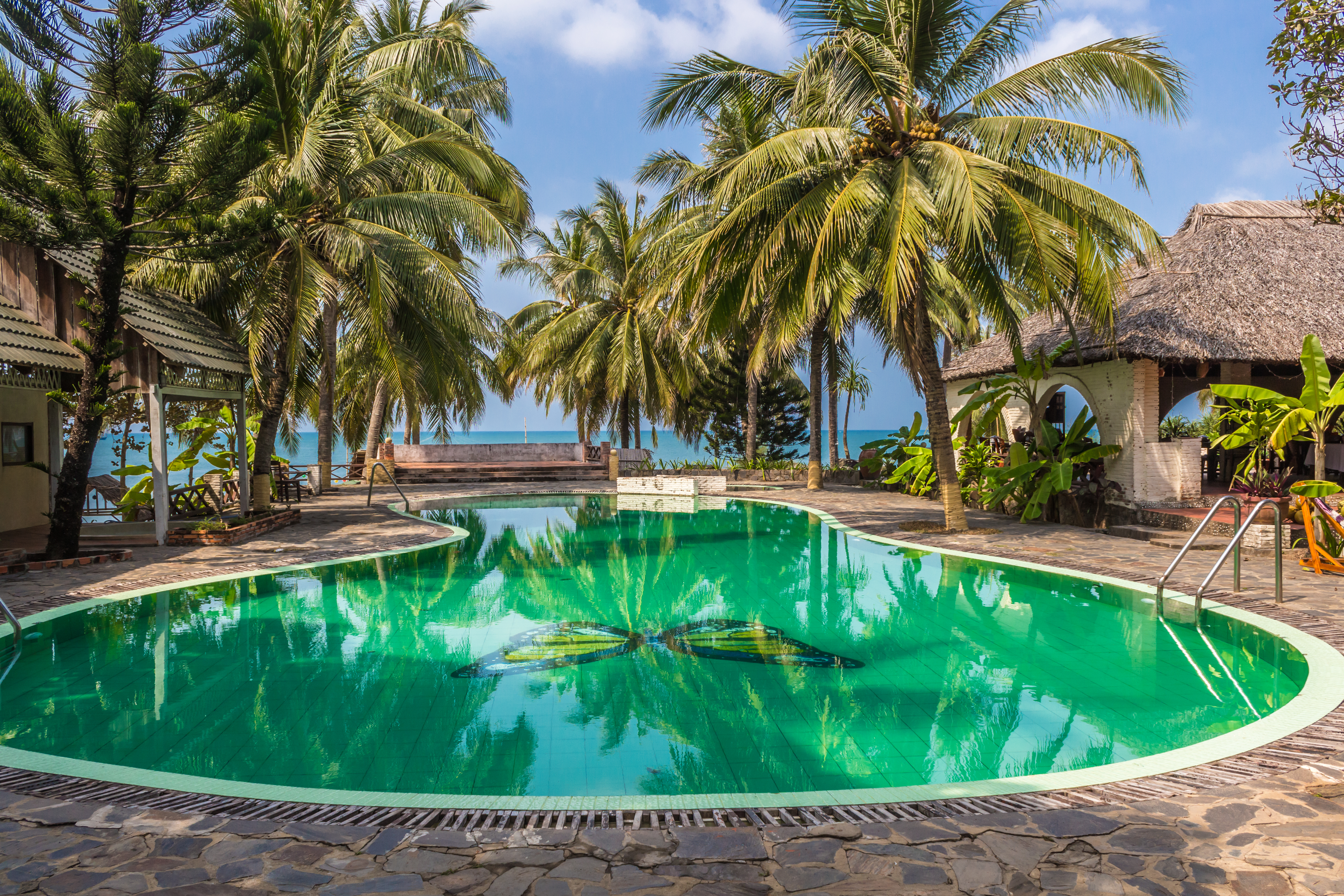
For most travellers, diving and snorkelling are not a trip in themselves but a wonderful enhancement to a Zanzibar beach holiday after safari, so where you base yourself matters. If exploring the reefs is a priority, the northeast coast around Matemwe is ideal, as it lies closest to Mnemba Atoll, while the north around Nungwi also has dive centres and easy boat access. Choosing accommodation near the best sites means less travel and more time in the water, and many beach hotels either have their own dive centre or work closely with a reputable nearby operator.
Balancing underwater adventures with beach relaxation is the key to a perfect stay. A typical rhythm might see a morning dive or snorkelling trip followed by a lazy afternoon on the sand, leaving plenty of time to unwind between excursions. Over a three- or four-night beach finale, even one or two trips to the reef add a thrilling dimension without dominating your holiday, and for keen divers, a stay built around daily dives can easily be arranged. The flexibility is yours, and the warm, welcoming waters reward however much time you give them.
It is worth bearing a couple of practical points in mind when combining diving with the rest of your trip. If your safari includes a Kilimanjaro climb or any flying, remember the standard advice to leave an adequate interval — generally around 18 to 24 hours — between your last dive and flying, which is easily accommodated with a little planning at the end of your stay. Bring any personal kit you prefer, such as a well-fitting mask, though reputable centres provide quality equipment, and remember your certification card if you are a qualified diver.
Because the right base, the right operator and the right balance depend on what you want, planning the underwater side of your trip alongside the rest of your Zanzibar stay pays dividends. Tell us whether you dream of daily dives or the occasional gentle snorkel, and we will choose a beach and hotel that put the reefs within easy reach, arrange reputable operators, and weave the underwater wonders of Zanzibar seamlessly into a beach finale that perfectly complements your Tanzania safari.
See how the beach and reef pair with your safari in our Tanzania safari and Zanzibar guide, and find more in our things to do in Tanzania.
More on this in Tanzania safari from Italy: routes, seasons and costs.
Above the water, Zanzibar dazzles with white sand and palms; beneath it, a second world of coral, turtles and dancing fish waits just offshore.
- Mnemba Atoll — the best diving and snorkelling on the island
- Pemba Island — world-class diving for the experienced
- Chumbe & Tumbatu — protected reefs and rich life
- Snorkelling suits all ages and abilities
- Turtles, dolphins and a kaleidoscope of reef fish
- Best visibility June–October and December–March
Plan your underwater adventure in Zanzibar
Zanzibar's reefs add a thrilling underwater dimension to a beach stay, whether you are a seasoned diver, a curious beginner or a family wanting to snorkel together. Tell us your experience level and what you hope to discover beneath the waves, and we will arrange the perfect diving or snorkelling — at the best sites, in the best season, with reputable operators — woven into your Zanzibar beach finale after the wildlife of your Tanzania safari.
Plan your Zanzibar diving and snorkelling with Sokwe Africa Safari