
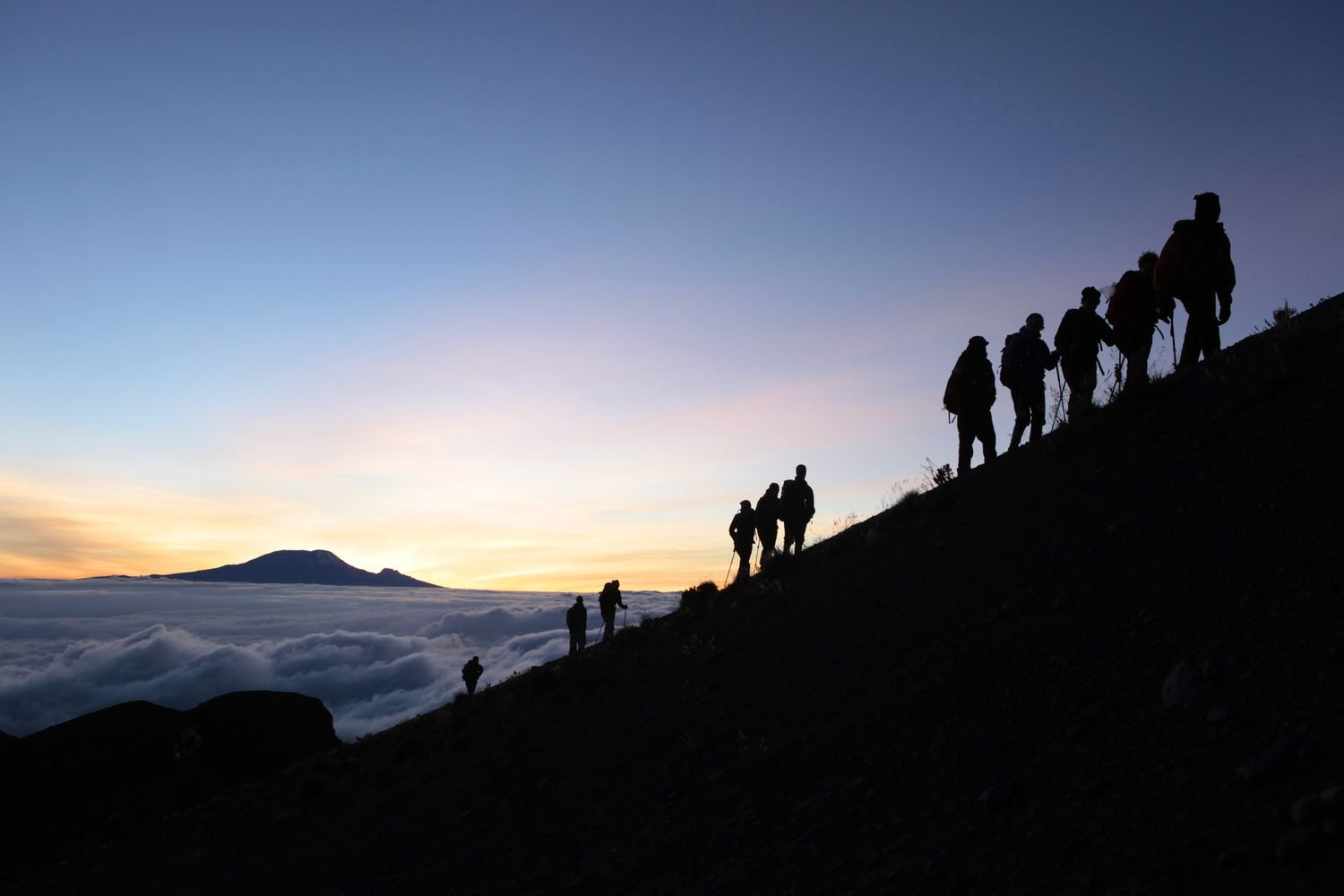
Why combine Kilimanjaro and a safari
There is no finer way to experience the best of Tanzania than to combine a Kilimanjaro climb with a safari. In a single trip you stand on the snow-capped roof of Africa and then descend to track lions across the Serengeti plains — two of the continent's greatest experiences, back to back. A Kilimanjaro climb and safari combo is the ultimate Tanzanian adventure, pairing the personal challenge and triumph of the mountain with the pure wonder of the wildlife, and it is one of the most popular itineraries we build.
The two experiences could hardly be more different, and that is precisely the point. The mountain is about effort, endurance and the elation of the summit; the safari is about ease, abundance and the slow joy of watching wildlife. Done together, each makes the other shine brighter — the hard-won achievement of Kilimanjaro followed by the restorative luxury of a safari, or the gentle introduction of a safari before the great climb. This guide covers how to plan the combination: the order, the timing, the routes, the costs and the practicalities.
The case for doing both in one trip
Many travellers come to Tanzania for one or the other, only to wish they had done both. The logic of combining them is compelling. You have already made the long journey to Tanzania, so adding the second experience costs far less than a separate trip would. Both Kilimanjaro and the northern safari circuit are reached from the same gateway, Kilimanjaro International Airport near Arusha, so there is minimal extra travel between them. And the contrast of the two experiences makes for an unusually rich and complete holiday.
There is also a powerful emotional logic. After the discipline and exertion of a multi-day climb, a safari is the perfect reward — comfortable lodges, fine food, and the gentle thrill of game drives, all without lifting anything heavier than a camera. Conversely, beginning with a relaxed safari lets you acclimatise to Tanzania, adjust to the altitude of the highlands, and ease into the trip before the mountain demands everything of you. Either way, the combination delivers far more than the sum of its parts.
Which order: climb first or safari first?
One of the first decisions is the order. The most common and, for most people, the wisest choice is to climb Kilimanjaro first and then enjoy the safari afterwards. This way you tackle the mountain while you are fresh and at your physical peak, and you reward your achievement with the indulgence of a safari, savouring the camps and game drives knowing the hard part is behind you. Descending from the summit straight into the comfort of a safari lodge is a deeply satisfying way to celebrate.
That said, some travellers prefer to safari first. Spending a few days at altitude in the Ngorongoro highlands before the climb can aid acclimatisation, and starting gently can be appealing if you are nervous about the mountain. The trade-off is that you tackle Kilimanjaro at the end, when a little fatigue may have set in. There is no wrong answer; it depends on your priorities and temperament, and we will advise on the order that suits you best when we design your itinerary.
How many days do you need?
A combined trip needs careful time planning, because Kilimanjaro alone requires a significant commitment. Most climbing routes take between six and nine days on the mountain, with longer itineraries offering better acclimatisation and a higher chance of reaching the summit. Rushing the climb to save days is a false economy that lowers your success rate, so it is worth allocating enough time to do it properly.
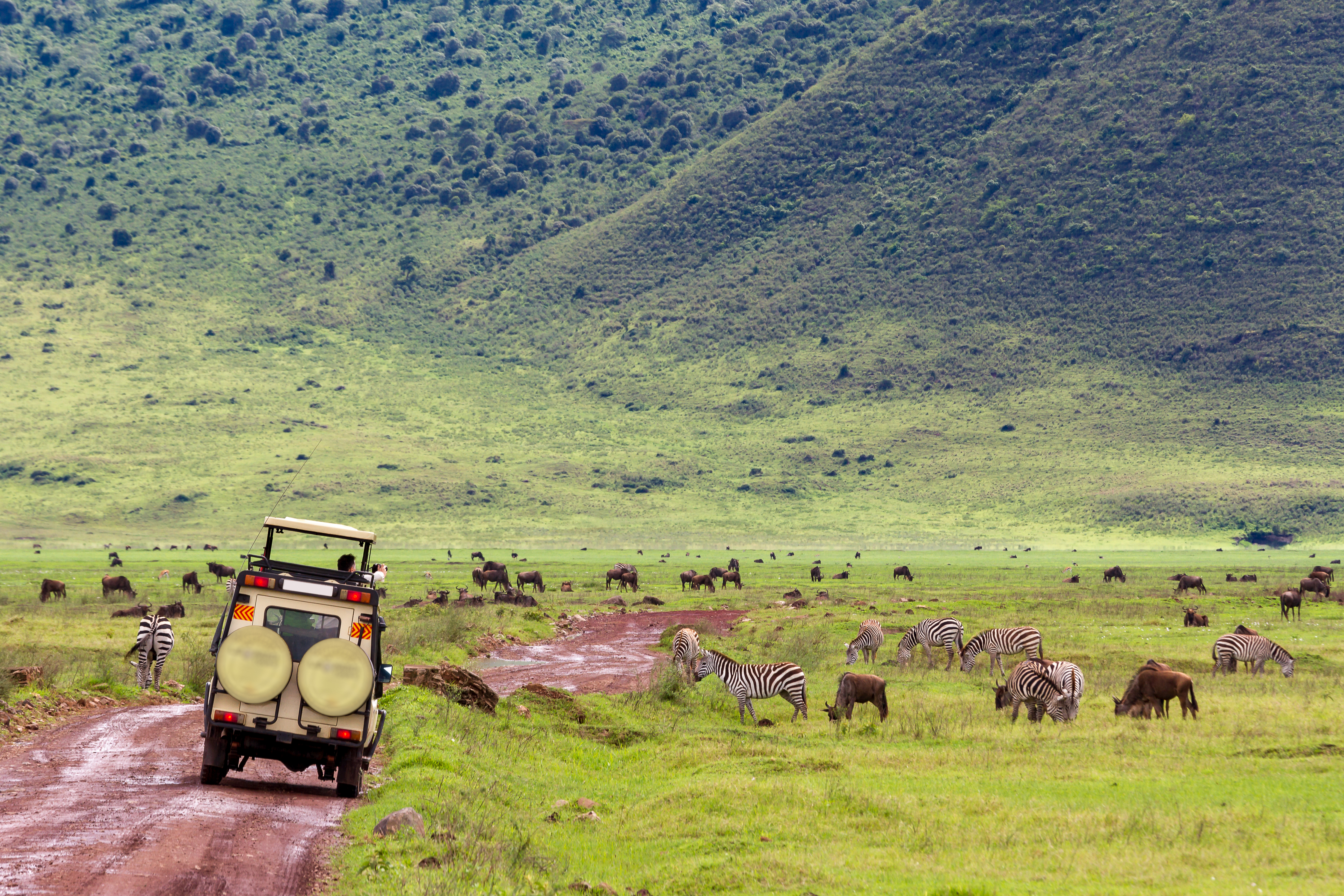
Adding a satisfying safari typically requires a further four to seven days, depending on how many parks you wish to visit. All told, a comfortable climb-and-safari combination runs to roughly ten days to two weeks, plus travel. With a fortnight you can summit Kilimanjaro at a sensible pace and then enjoy a full northern circuit of Tarangire, the Ngorongoro Crater and the Serengeti — a truly complete Tanzanian experience that makes the long-haul journey emphatically worthwhile.
Choosing your Kilimanjaro route
Kilimanjaro has several established routes, each with its own character, scenery and success rate, and choosing the right one matters. The Machame route, often called the "Whiskey route," is the most popular, offering beautiful, varied scenery and good acclimatisation over six or seven days. The Lemosho and Northern Circuit routes are longer and more scenic still, with excellent acclimatisation profiles and higher summit success, making them ideal for those who want the best chance and have the time.
The Marangu route, the only one with hut accommodation rather than camping, is shorter and is sometimes chosen for comfort, though its faster ascent gives it a lower success rate. The Rongai route approaches from the quieter northern side. The key principle across all of them is that more days on the mountain mean better acclimatisation and a greater likelihood of standing on the summit. We will help you choose the route that matches your fitness, your timeframe and your appetite for the climb.
Best time for a climb-and-safari trip
Timing a combined trip means finding a window that suits both the mountain and the parks, which fortunately overlap well. The best months to climb Kilimanjaro are the drier periods of January to mid-March and June to October, when the trails are clearer, the skies more reliable and the summit nights kinder. These months also coincide with excellent safari conditions, so the same windows serve both halves of your trip beautifully.
The dry season from June to October is the classic choice, offering superb climbing weather and prime game viewing, including the Serengeti river crossings of the Great Migration. January to March pairs good climbing conditions with the dramatic calving season on the southern plains. The wetter months are best avoided for the climb. Our guide to the best time to visit Tanzania sets out the calendar so you can choose the ideal dates for your combined adventure.
What the safari adds after the climb
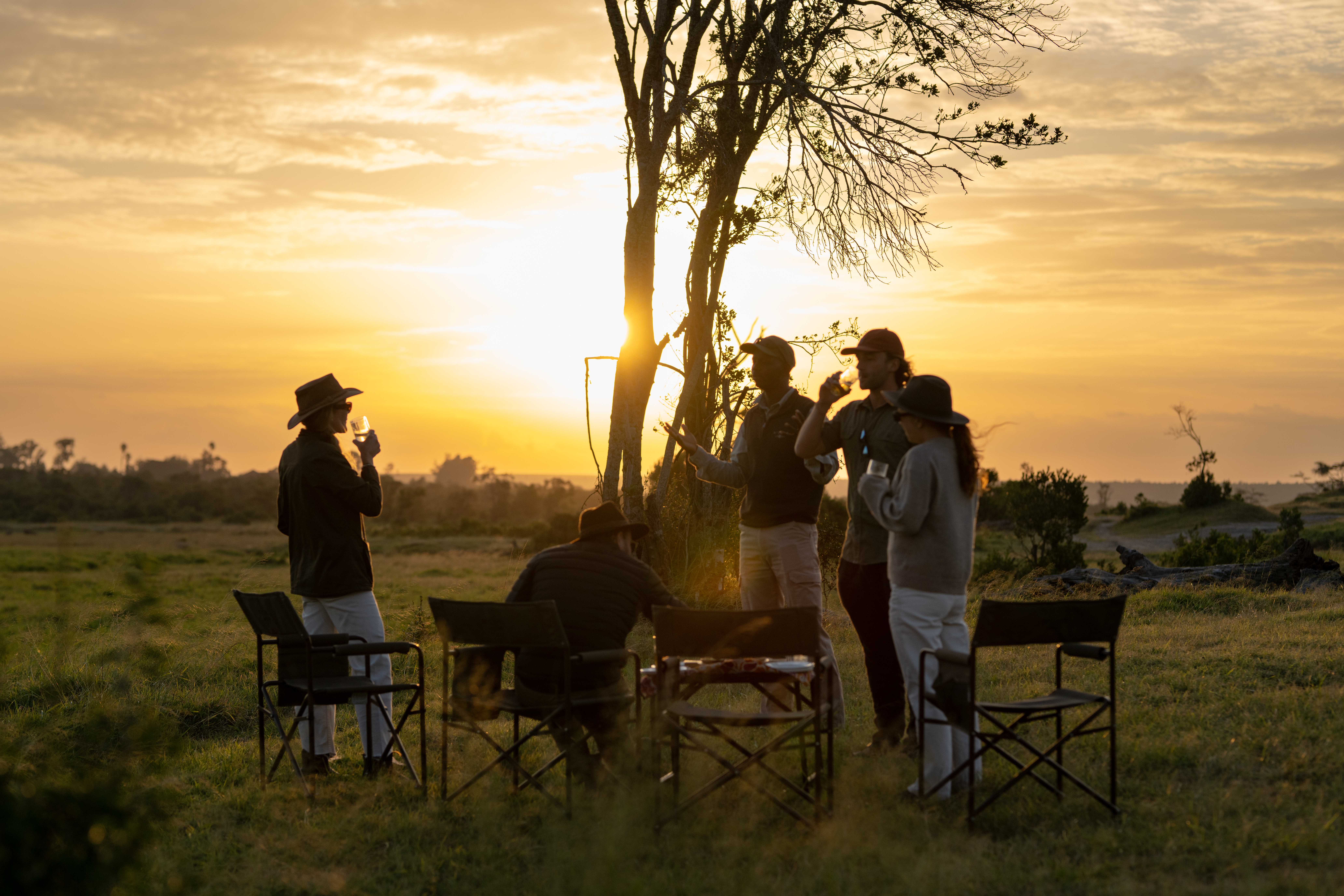
The safari portion is the perfect counterpoint to the mountain, and after the rigours of the climb it feels like a glorious reward. Where Kilimanjaro asks for endurance, the safari offers ease — being driven in comfort, sleeping in beautiful camps, and watching the wildlife unfold without effort. Tired legs are soothed by long lunches and afternoon rests, and the sense of achievement from the summit lends an extra glow to every sundowner on the plains.
Practically, the northern circuit is ideal for a post-climb safari because it begins close to Kilimanjaro. Within a short drive you reach Tarangire and Lake Manyara, and beyond them the Ngorongoro Crater and the Serengeti. Whether you have three days or seven for the safari, the wildlife of these parks provides an unforgettable second act, turning a mountain expedition into a complete celebration of Tanzania's natural wonders, on the ground as well as on high.
Fitness, preparation and costs
Kilimanjaro does not require technical climbing skills, but it does demand reasonable fitness, determination and good preparation. The main challenge is the altitude, so choosing a longer route, walking slowly, and staying well hydrated are far more important than raw strength. Training with hill walks and cardiovascular exercise in the months before your trip pays real dividends, as does packing the right warm, layered clothing for the bitter summit night. Your safari, by contrast, requires no preparation at all beyond a sense of wonder.
On cost, a combined trip is a significant but worthwhile investment. A quality Kilimanjaro climb is priced according to the route and operator and reflects the considerable logistics, crew and park fees involved, while the safari is costed as described in our Tanzania safari cost guide. Combining the two in one trip is more economical than two separate journeys, and we cost every combination transparently so you can see exactly what your money buys across both halves of this extraordinary adventure.
Read more about the climb on our Mount Kilimanjaro trekking page, and time your trip with our best time to visit Tanzania guide.
Worth reading alongside this: our combining a safari with Zanzibar.
Related reading: our adding gorilla trekking to a safari.
Related reading: our choosing a Kilimanjaro operator.
To stand on the roof of Africa at sunrise and then watch lions wake on the Serengeti within the same week is to experience Tanzania at its most complete.
- Same gateway airport for both — minimal extra travel
- Usually climb first, then reward yourself with safari
- Allow 6–9 days for the mountain, 4–7 for safari
- Choose a longer route for better summit success
- Best months: Jan–Mar and Jun–Oct for both
- More economical than two separate trips
Common questions about a climb-and-safari trip
How hard is it to summit Kilimanjaro? The main challenge is altitude rather than technical difficulty, and success rates depend heavily on the route and the number of days. Longer routes of seven to nine days allow proper acclimatisation and have high summit success, while rushed five-day attempts succeed far less often. The golden rule is to go slowly and choose enough days; with sensible preparation and a good route, the great majority of reasonably fit, determined people reach the summit.
Who can do the combination? Kilimanjaro is achievable for most healthy adults with reasonable fitness — it is a long, demanding walk rather than a technical climb — and people of a wide range of ages reach the top each year. Children typically must be at least ten to climb. The safari, of course, suits everyone, making the combined trip wonderful for couples, friends and even families where some climb while others extend the safari. We will advise honestly on suitability for your group.
What is included on the climb? A quality Kilimanjaro climb includes your professional mountain guides, a full support crew of porters and cooks, all meals and camping equipment on the mountain, park and rescue fees, and transfers. The considerable logistics and the welfare of the crew are part of why a proper climb is not cheap, and choosing an ethical operator who treats and pays its porters fairly matters enormously — both morally and for the quality and safety of your climb.
Should I rest between the climb and the safari? A day to rest, shower and celebrate after descending the mountain is a lovely idea before the safari begins, and many itineraries build in a night near Arusha or Moshi for exactly this. It lets your body recover and lets you savour your achievement before swapping hiking boots for a game-drive vehicle. After the effort of the summit, that first relaxed morning on safari, watching elephants over coffee, feels especially sweet.
Finally, remember to budget for tipping the mountain crew, which is an important and expected part of a Kilimanjaro climb, separate from your safari tips. Your operator will brief you on customary amounts. Factoring this in, along with the right gear for the bitterly cold summit night, ensures there are no surprises and that both you and the team who carry you to the roof of Africa are properly looked after.
Plan your Kilimanjaro and safari adventure
Combining Kilimanjaro and a safari is the trip of a lifetime, and getting the order, the route, the timing and the pace right is the key to enjoying both to the full. Tell us your dates, your fitness and how long you can travel, and we will design a seamless climb-and-safari adventure — from the summit of Africa to the heart of the Serengeti — handling every permit, camp, transfer and detail along the way.
Plan your Kilimanjaro and safari trip with Sokwe Africa Safari