
Why Lake Manyara is worth your time
Lake Manyara National Park is small, beautiful and endlessly varied — a jewel that punches far above its size. Tucked at the foot of the dramatic Rift Valley escarpment between Arusha and the Ngorongoro Crater, it packs an astonishing range of habitats into a compact area: groundwater forest, open grassland, acacia woodland, marsh and the great soda lake itself. The result is a concentration of wildlife and birdlife that makes Lake Manyara a rewarding and convenient stop on almost any northern circuit.
Ernest Hemingway famously called the area "the loveliest I had seen in Africa," and the park's scenic drama — the forested escarpment rising behind the shimmering lake — lives up to the praise. Often visited as a half or full day on the way to or from the Ngorongoro Crater and Serengeti, Lake Manyara offers tree-climbing lions, vast flamingo flocks, large elephant herds and superb birding. This guide covers what to see, when to go, and how to fit it into your trip.
The famous tree-climbing lions
Lake Manyara is best known for one extraordinary quirk: its tree-climbing lions. While lions elsewhere occasionally rest in trees, the lions of Manyara are famous for habitually lounging along the branches of acacias and the great fig trees of the forest, draped over the limbs in the heat of the day. Theories vary — escaping biting flies, catching the breeze, or simply local tradition passed down the generations — but the sight of a pride aloft is unforgettable and rare.
Spotting them takes a little luck and a sharp-eyed guide, as the lions blend into the dappled canopy, and they are not guaranteed on every visit. But the possibility adds a special thrill to a Manyara game drive, and even without the lions in the trees, the park's predators, including leopard, are a rewarding presence. It is exactly the kind of distinctive experience that makes Manyara more than just a stopover.
Flamingos and the soda lake
The park takes its name from the lake at its heart, an alkaline soda lake that, in the right season, turns its shallow edges pink with thousands upon thousands of flamingos. Both greater and lesser flamingos gather here to feed on the algae, creating a shimmering rose-coloured spectacle along the shoreline that is among the most beautiful sights in northern Tanzania, particularly when the light is low and the water still.
The lake's level rises and falls with the seasons, so the number of flamingos and the extent of the water vary through the year, but the birdlife around it is reliably spectacular. Pelicans, storks, herons, spoonbills and countless waders throng the shallows, and the open water draws hippos and a constant traffic of wildlife to drink. The lakeshore is the park's defining feature and a photographer's delight.
A mosaic of habitats and wildlife
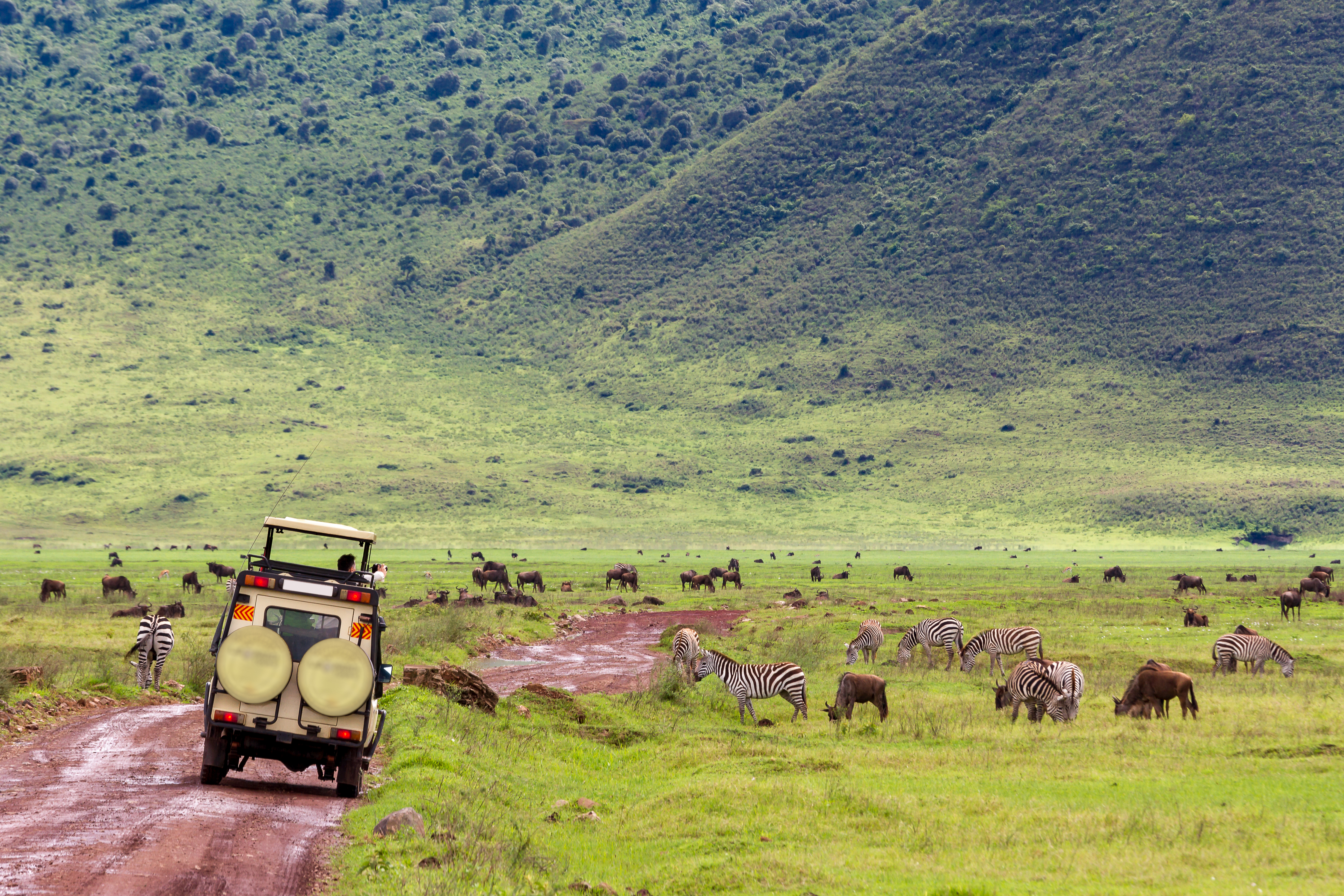
What makes Lake Manyara so rewarding for its size is the sheer diversity of habitats packed within it. As you enter, you pass through a lush groundwater forest fed by springs from the escarpment, alive with blue monkeys, baboons and birdsong. This opens onto grassy floodplains grazed by buffalo, wildebeest, zebra and giraffe, then acacia woodland favoured by elephants, and finally the marshes and lakeshore. Few parks offer such variety in a single short drive.
The park's elephants are a particular highlight, often seen in good numbers feeding among the trees, and the large troops of baboons — among the biggest in Africa — are fascinating to watch. Hippos wallow in the pools, and the forest and woodland edges reward patient observers with bushbuck, warthog and a wealth of smaller creatures. For its size, Manyara delivers a remarkably full safari experience.
Birding at Lake Manyara
Lake Manyara is a paradise for birdwatchers, with over 400 recorded species drawn by its mix of water, forest and woodland. The flamingos are the headline act, but the variety is extraordinary: pink-backed pelicans, yellow-billed storks, African fish eagles calling from the trees, kingfishers, bee-eaters, hornbills and silvery-cheeked turacos in the forest canopy. Even casual visitors find themselves captivated by the colour and abundance.
Because so many habitats meet here, a single morning's birding can produce an enormous and varied list, making Manyara a favourite first taste of East African birdlife. Whether you are a dedicated birder or simply enjoy the colour and movement, the park's avian richness adds a delightful extra dimension to the game viewing, and a knowledgeable guide will help you identify and appreciate the highlights.
Best time to visit and how it fits your trip
Lake Manyara rewards visits year-round, but the seasons shift the experience. The dry season from June to October offers easier game viewing and concentrates animals, while the wet season brings lush scenery, the best birding, and the largest flamingo gatherings when water levels suit. The waterbirds are generally most numerous in and just after the rains. There is no bad time; it simply depends on whether your priority is big game or birds and flamingos.
Manyara fits naturally into the northern circuit as a stop between Tarangire and the Ngorongoro Crater, typically as a half or full day, or with a night at one of the lovely lodges on the escarpment above the park. Because it is compact, even a few hours deliver a satisfying and scenic experience, though birders and photographers will happily spend longer. Our sample Tanzania safari itinerary shows where Manyara sits in a well-paced trip.
See how Lake Manyara fits the route in our Tanzania safari itinerary, and discover more in our guide to things to do in Tanzania.
More on this in Bird watching safari in Tanzania: a complete guide.
Lake Manyara proves that the best safari moments are not always in the biggest parks — a forest of birdsong, a pink shoreline, and a lion asleep in a tree.
- Famous for tree-climbing lions
- Spectacular flamingo flocks on the soda lake
- Lush groundwater forest and diverse habitats
- Big elephant herds and huge baboon troops
- 400+ bird species — superb birding
- A scenic, compact stop on the northern circuit
Beyond the game drive at Lake Manyara
One of Lake Manyara's charms is the range of activities beyond the standard game drive, which set it apart from the bigger parks. In suitable conditions you can take a canoeing safari on the lake when water levels are high, gliding quietly past hippos and birdlife for a completely different perspective. A treetop canopy walkway, a series of suspended bridges through the groundwater forest, offers a bird's-eye view of the canopy and its monkeys and birds — a delight for families and birders alike.
Night game drives are available in some areas bordering the park, revealing nocturnal creatures such as genets, civets, bushbabies and hunting cats that the daytime never shows. These extra activities make Manyara feel less like a quick stop and more like a varied mini-adventure, and they are easily arranged with the right camp and a little advance planning.
The cultural surroundings add another dimension. The nearby town of Mto wa Mbu is a vibrant, multi-ethnic settlement where village and farm walks, market visits and local meals offer genuine insight into rural Tanzanian life. Pairing a Manyara game drive with a cultural visit makes for a rich, rounded day that many travellers remember as fondly as the wildlife itself.
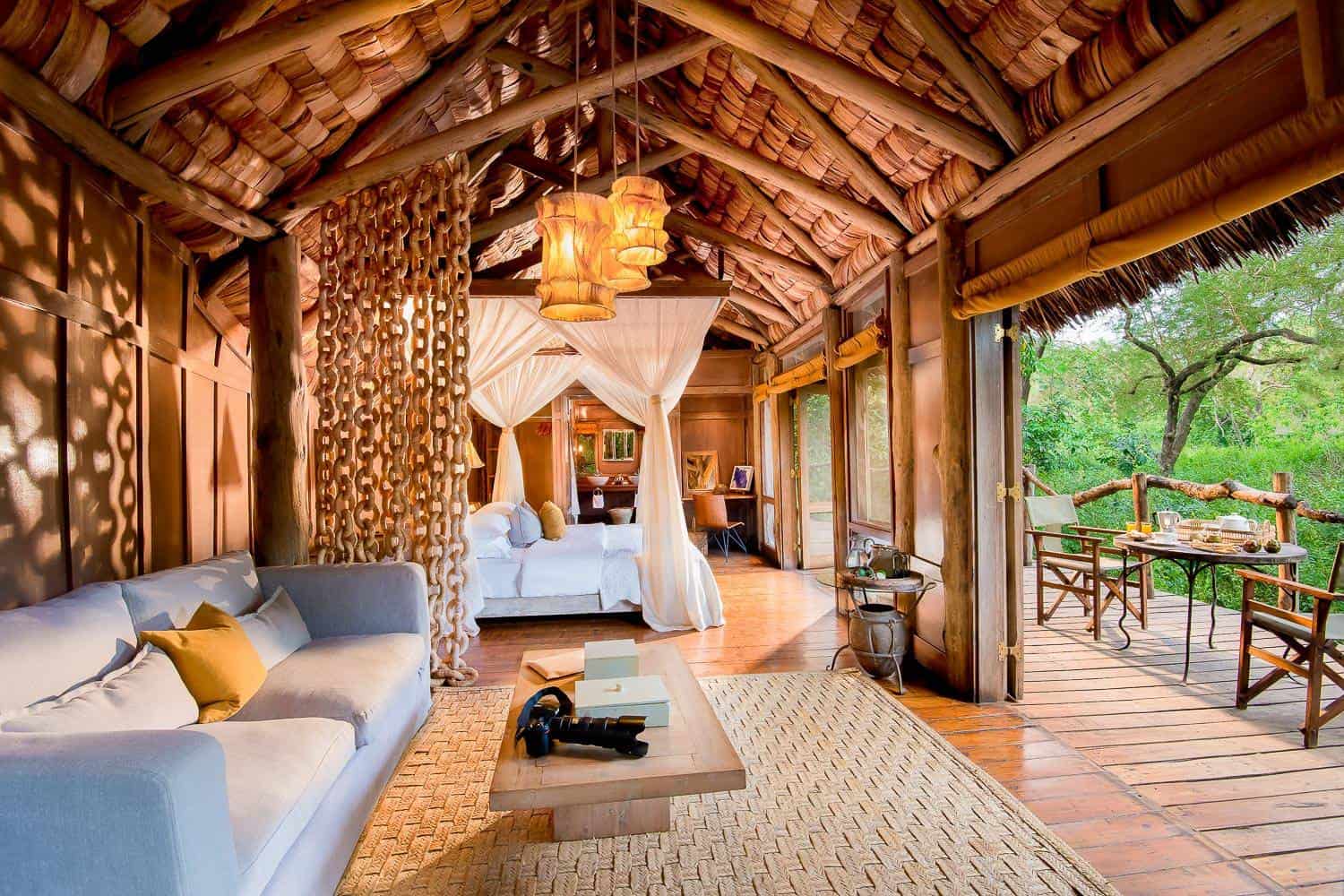
In terms of planning, Lake Manyara sits perfectly between Tarangire and the Ngorongoro Crater, so it slots naturally into the northern circuit without any detour. Many itineraries include it as a half or full day in transit, while those who want to enjoy its activities and birding at leisure stay a night at one of the escarpment lodges, waking to spectacular views over the lake and the Rift Valley below.
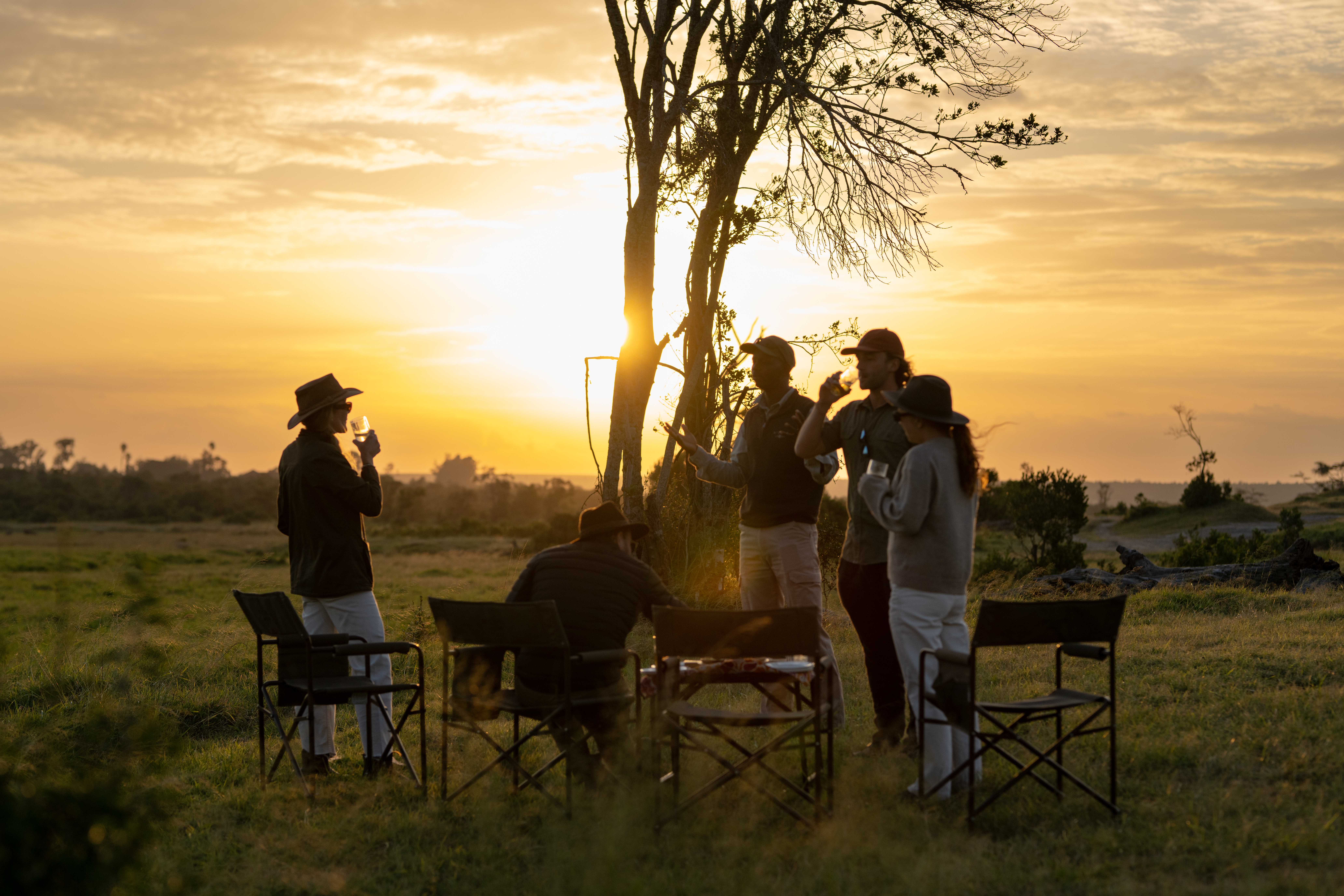
However you visit, the key to Manyara is to slow down and appreciate its variety rather than treating it as a box to tick on the way to the Serengeti. Its compact size means even a few hours deliver a rich experience, but a little extra time reveals a park of surprising depth — forest, lake, woodland and escarpment, each with its own life. For many travellers, this unassuming little park turns out to be a quiet highlight of the whole trip.
Getting to Lake Manyara and how it compares
Lake Manyara is among the most accessible of Tanzania's parks, lying around ninety minutes to two hours by road from Arusha, on the main route towards the Ngorongoro Crater and the Serengeti. This convenient position is precisely why it features on so many northern circuits — it requires no detour and breaks up the journey beautifully with a few hours or a day of rewarding game viewing. The drive itself, climbing the Rift Valley escarpment with views over the lake, is memorable in its own right.
Compared with its larger neighbours, Manyara's strength is variety packed into a small, scenic space. It cannot rival the Serengeti's scale or the crater's density, but few parks anywhere offer such a range of habitats — forest, lake, woodland, marsh and escarpment — in so compact an area, nor its signature combination of tree-climbing lions, flamingos and big baboon troops. It is a park of intimacy and surprise rather than grand spectacle, and it complements the bigger parks perfectly.
This is why Manyara is best appreciated as a distinctive chapter in a wider trip rather than judged against the Serengeti. Slotted between Tarangire and the Ngorongoro Crater, it adds a lush, bird-rich, scenically dramatic counterpoint to the open plains elsewhere. Travellers who give it a little time, rather than treating it as a mere stop, are consistently charmed by its beauty and diversity, and many rate it among the most pleasant surprises of their safari.
Manyara also plays a valuable conservation role, protecting the groundwater forest, the soda lake ecosystem and an important wildlife corridor along the base of the escarpment. As elsewhere in Tanzania, visitor fees support this protection and the surrounding communities, so your visit helps sustain the park. Compact, convenient and full of character, Lake Manyara proves that a memorable safari is about quality and variety, not just the size of the park you are in.
Plan your Lake Manyara safari
Lake Manyara is the kind of park that surprises and delights travellers who give it a little time, and it slots beautifully into a northern Tanzania safari. Tell us your dates and what you most want to see — the tree-climbing lions, the flamingos, the birdlife — and we will build Manyara into a perfectly paced itinerary alongside Tarangire, the Ngorongoro Crater and the Serengeti.
Plan your Lake Manyara safari with Sokwe Africa Safari
Frequently asked questions
Are there tree-climbing lions in Lake Manyara?
Yes. Manyara's lions are famous for habitually draping themselves along acacia and great fig branches through the heat of the day, whether to escape biting flies, catch the breeze, or simply because the habit is passed down the generations. They are never guaranteed, as they blend into the dappled canopy, so a sharp-eyed guide matters.
Why is Lake Manyara famous?
For three things above all: its tree-climbing lions, the vast flamingo flocks on its alkaline soda lake, and some of the largest baboon troops in Africa. Hemingway called the area the loveliest he had seen in Africa, and the forested Rift Valley escarpment rising behind the shimmering lake still earns that praise today.
Are there flamingos at Lake Manyara?
Often in their thousands. Both greater and lesser flamingos gather to feed on the algae, turning the shallow edges of the soda lake rose-pink, at their most beautiful when the light is low and the water still. Numbers vary with water levels through the year, but pelicans, storks, herons and waders are reliably spectacular.
How far is Lake Manyara from Arusha?
Around ninety minutes to two hours by road, on the main route towards the Ngorongoro Crater and the Serengeti, so it requires no detour at all. That convenient position is why it features on so many northern circuits, and the drive itself, climbing the Rift Valley escarpment with views over the lake, is memorable.
How long do you need at Lake Manyara?
Because the park is so compact, even a few hours deliver a satisfying and scenic experience, and most itineraries include it as a half or full day between Tarangire and the crater. Birders, photographers, and anyone wanting the canopy walkway or a canoe trip, should stay a night at a lodge on the escarpment above.
What can you do at Lake Manyara besides a game drive?
Rather more than at most Tanzanian parks. When water levels are high you can take a canoeing safari past hippos and birdlife, and a treetop canopy walkway of suspended bridges carries you through the groundwater forest among monkeys and birds. Night drives run in some bordering areas, and nearby Mto wa Mbu offers village walks and market visits.