
Why Tanzania is a photographer's dream
Few places on Earth reward a camera like Tanzania. A photographic safari here offers an unmatched combination of dramatic wildlife, vast and varied landscapes, and that famous golden East African light. The Serengeti's endless plains, the volcanic amphitheatre of the Ngorongoro Crater, the baobab-studded scenes of Tarangire — each provides not just animals but the settings, scale and atmosphere that turn a snapshot into a photograph. For amateurs and professionals alike, Tanzania is one of the great wildlife-photography destinations.
What makes it special is not only the abundance of subjects but the quality of the encounters. With the right planning, a private vehicle and a guide who understands photography, you can position yourself for the light, wait patiently for behaviour, and shoot from the eye-level angles that give wildlife images their power. This guide covers where to go, when, the gear to bring, and the technique and ethics that will help you come home with images you are proud of.
Best parks for a photographic safari
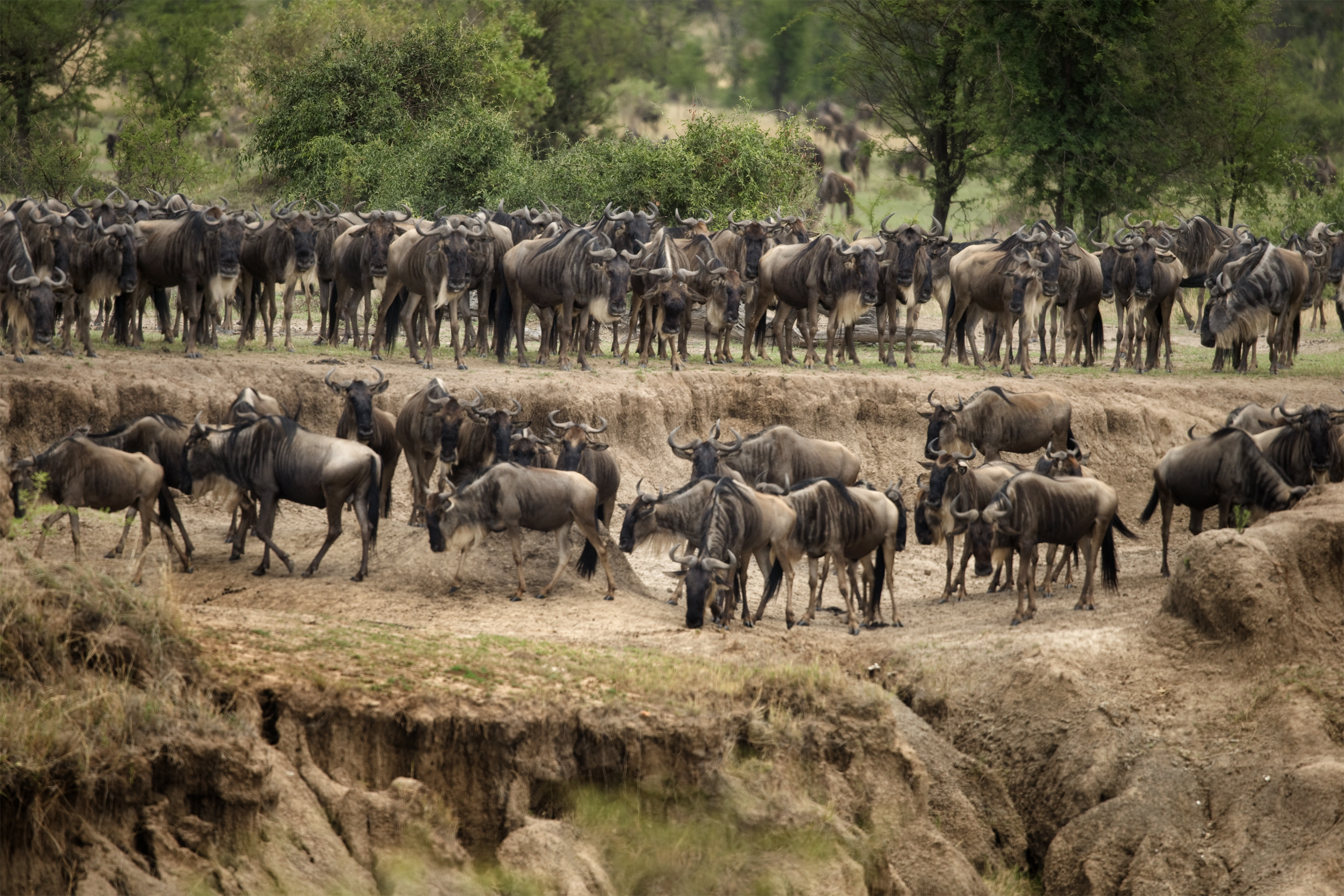
The Serengeti is the centrepiece of most photographic safaris, offering big cats, the Great Migration, and limitless open compositions under huge skies. The central Seronera region is superb for predators year-round, while the north delivers the dramatic river crossings. The Ngorongoro Crater concentrates an extraordinary density of wildlife within a single breathtaking setting, ideal for varied images in a compact area, including the chance of black rhino.
Tarangire is a photographer's favourite for its ancient baobabs and enormous elephant herds, especially in the dry season, while Lake Manyara adds flamingos, forest and its famous tree-climbing lions. For those seeking solitude and unusual subjects, the southern parks of Ruaha and Nyerere offer wild dog, dramatic landscapes and the chance to shoot without other vehicles in frame. A well-planned route combines two or three of these for variety.
When to go for the best photography
Timing shapes both your subjects and your light. The dry season from June to October concentrates wildlife around water, thins the vegetation for clearer shots, and coincides with the migration's river crossings — prime time for dramatic action photography. The light is reliably clear, and the classic dust-and-gold safari aesthetic is at its strongest.
The green season from November to March offers a different palette: lush emerald backdrops, dramatic skies, newborn animals during the calving season, and superb predator action on the southern plains. Photographers who love rich colour, moody weather and fewer vehicles often prefer it. Whatever the season, the magic hours are dawn and the last hour before sunset, when the low, warm light transforms every scene — which is exactly why a flexible, private schedule matters so much.
The gear to bring
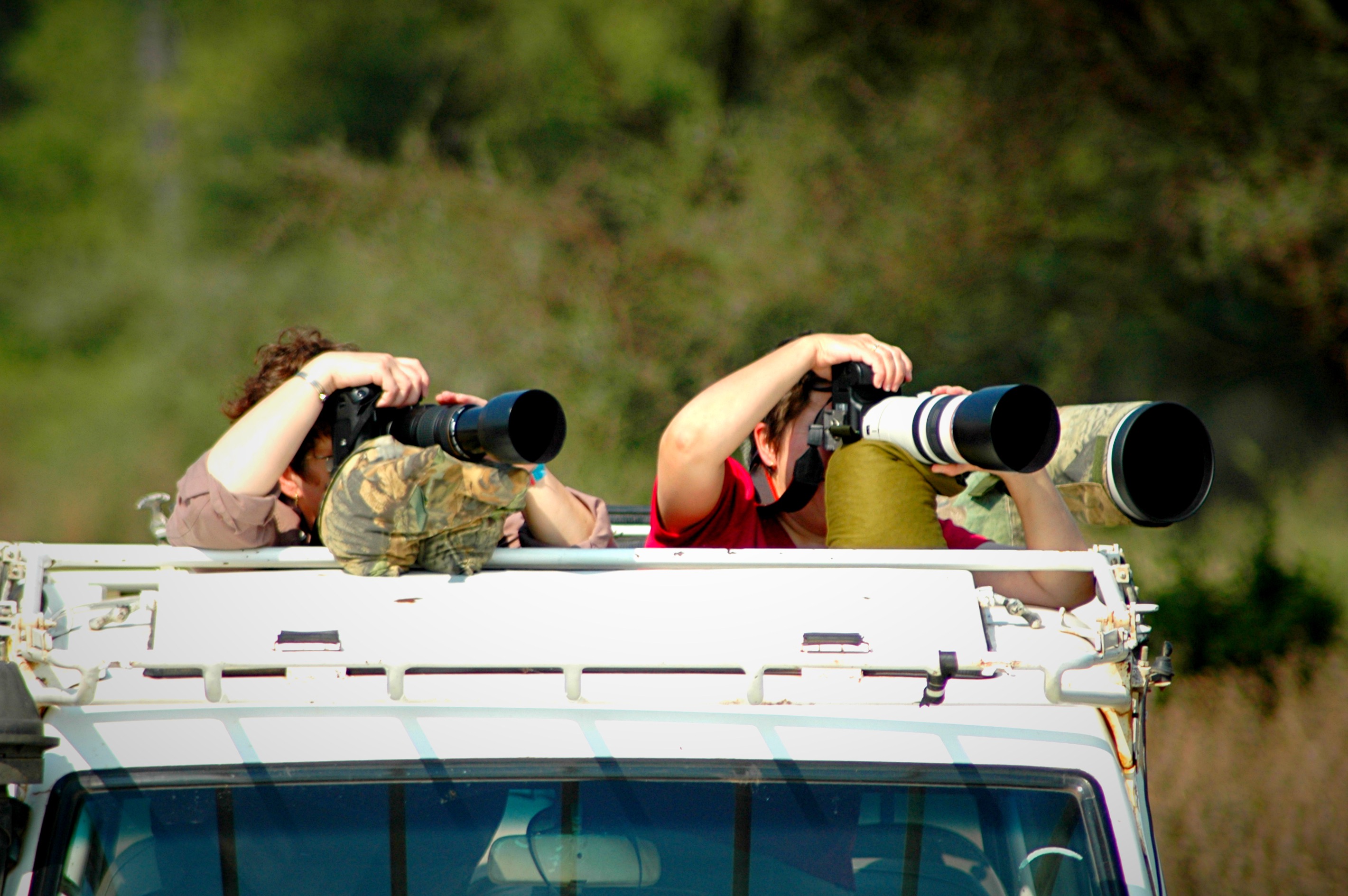
You do not need professional equipment to enjoy a photographic safari, but a few choices make a real difference. A telephoto lens reaching at least 300mm, and ideally 400mm or more, is the most important item for frame-filling wildlife shots; a second body or a mid-range zoom lets you capture landscapes and scenes without changing lenses in the dust. Bring more memory cards and batteries than you think you need, as you will shoot far more than expected and charging in remote camps can be limited.
A beanbag is invaluable for steadying long lenses on the vehicle's edge — far more practical than a tripod on safari. Pack a dust blower and cleaning cloths, since dust is the constant enemy, and keep gear in a sealed bag during transfers. If you are travelling on light aircraft between parks, remember the strict soft-bag weight limits and pack your camera gear as carry-on. A good guide will also help protect and position your equipment in the field.
Camera settings and technique for safari
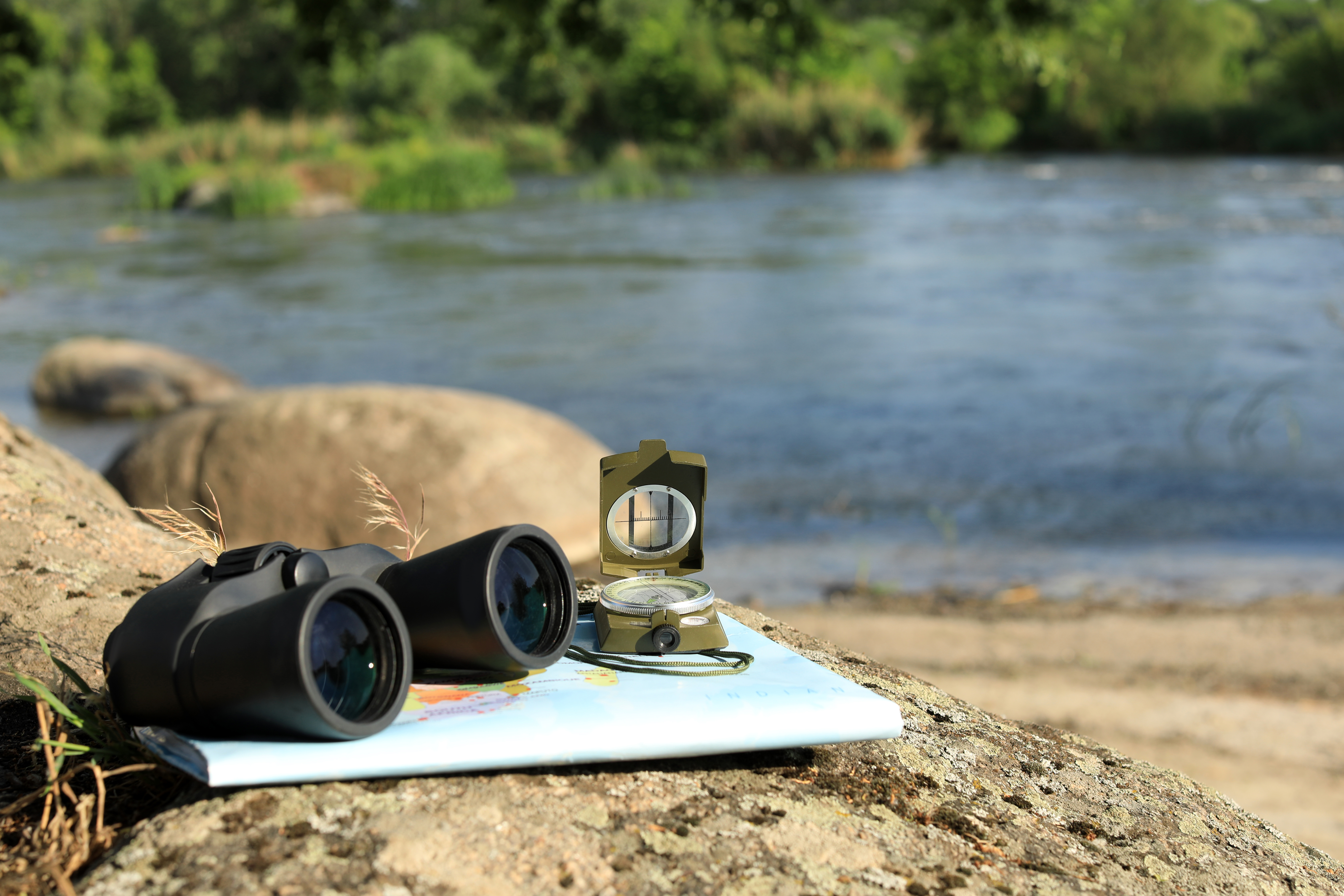
A few principles will improve your safari images dramatically. Shoot in the early morning and late afternoon for the best light, and use a fast shutter speed — at least 1/1000s — to freeze moving animals, raising your ISO as needed rather than risking blur. Get down to eye level with your subject wherever possible, as low angles create intimacy and impact, and leave space in the frame in the direction the animal is looking or moving.
Beyond the technical, the real skill on safari is patience and anticipation. The finest images come not from the first glimpse but from waiting with a subject until behaviour unfolds — a yawn, a stretch, a hunt, an interaction. This is where a private vehicle and an understanding guide are priceless: they let you stay, wait and reposition without the pressure of a group wanting to move on. Photography rewards those who linger, and your itinerary should be built to allow it.
How a photographic safari differs from a regular one
A dedicated photographic safari is structured around the camera in ways a standard trip is not. You travel privately so the schedule bends to the light and the action; you go out earlier and stay out longer to catch the magic hours; and your guide understands angles, patience and positioning rather than simply finding animals and moving on. Some camps even offer specialist photographic vehicles with beanbags, charging points and extra space.
It also means choosing camps and routes for their photographic potential — proximity to predators, good light, uncluttered backgrounds — rather than convenience alone. None of this requires you to be a professional; it simply means the trip is designed so that, whatever your level, you have the best possible chance of exceptional images. We tailor the pace, the timing and the guiding to exactly that end.
The ethics of wildlife photography
Great wildlife photography is also responsible photography. The welfare of the animal and the integrity of the sighting always come before the shot: that means keeping a respectful distance, never surrounding or pressuring an animal, never baiting or luring, and never asking a guide to break park rules for a better angle. Ethical practice is not a constraint on good images — it is part of them, and it protects the very wildlife you have come to capture.
It also tends to produce better photographs. Animals that are relaxed and undisturbed behave naturally, revealing the moments that make memorable images, whereas pressured animals flee or freeze. A good guide models this ethic instinctively, and travelling with a conservation-minded operator means your photography supports, rather than disturbs, the wild places you are there to celebrate.
Time your trip with our best time to visit Tanzania calendar, and read our Serengeti migration guide to catch the action.
The best safari photograph is rarely the first frame — it is the one you earn by waiting, quietly and respectfully, until the wild reveals its moment.
- Serengeti & Ngorongoro for big cats and density
- Tarangire for elephants and baobabs
- Dry season for action; green season for colour
- Bring a 300mm+ lens, a beanbag and spare cards
- Shoot at dawn and dusk, at eye level
- Travel privately so the schedule follows the light
Working with your guide and planning the trip
On a photographic safari, your guide is your most important piece of equipment. A guide who understands photography will position the vehicle for the light rather than just the view, anticipate animal behaviour so you are ready before the action, cut the engine to steady your shots, and have the patience to wait with a subject for as long as it takes. When you book, make clear that photography is your priority, so you are paired with the right guide and, ideally, a vehicle suited to camera work.
Communicate constantly in the field: tell your guide what you are trying to achieve, whether that is a low angle, a particular background, or simply more time. Good guides relish the challenge and become genuine collaborators. This is also why a private vehicle matters so much for photography — there is no group impatient to move on while you wait for a lion to lift its head into the perfect light.
Plan your daily routine around the light. Aim to be in the field for the entire golden hour at dawn and again before sunset, even if that means earlier starts and later returns than a standard safari. Use the harsh midday hours to back up your images, recharge batteries and rest, so you are ready for the productive light. A little discipline with routine pays off enormously in results.
Speaking of backups, protect your work as you go. Carry enough memory cards to avoid deleting in the field, and back up to a laptop or portable drive each evening if you can — losing a card of irreplaceable images is a heartbreak easily avoided. Bring more batteries than you expect to need, as charging in remote camps can be limited to certain hours.
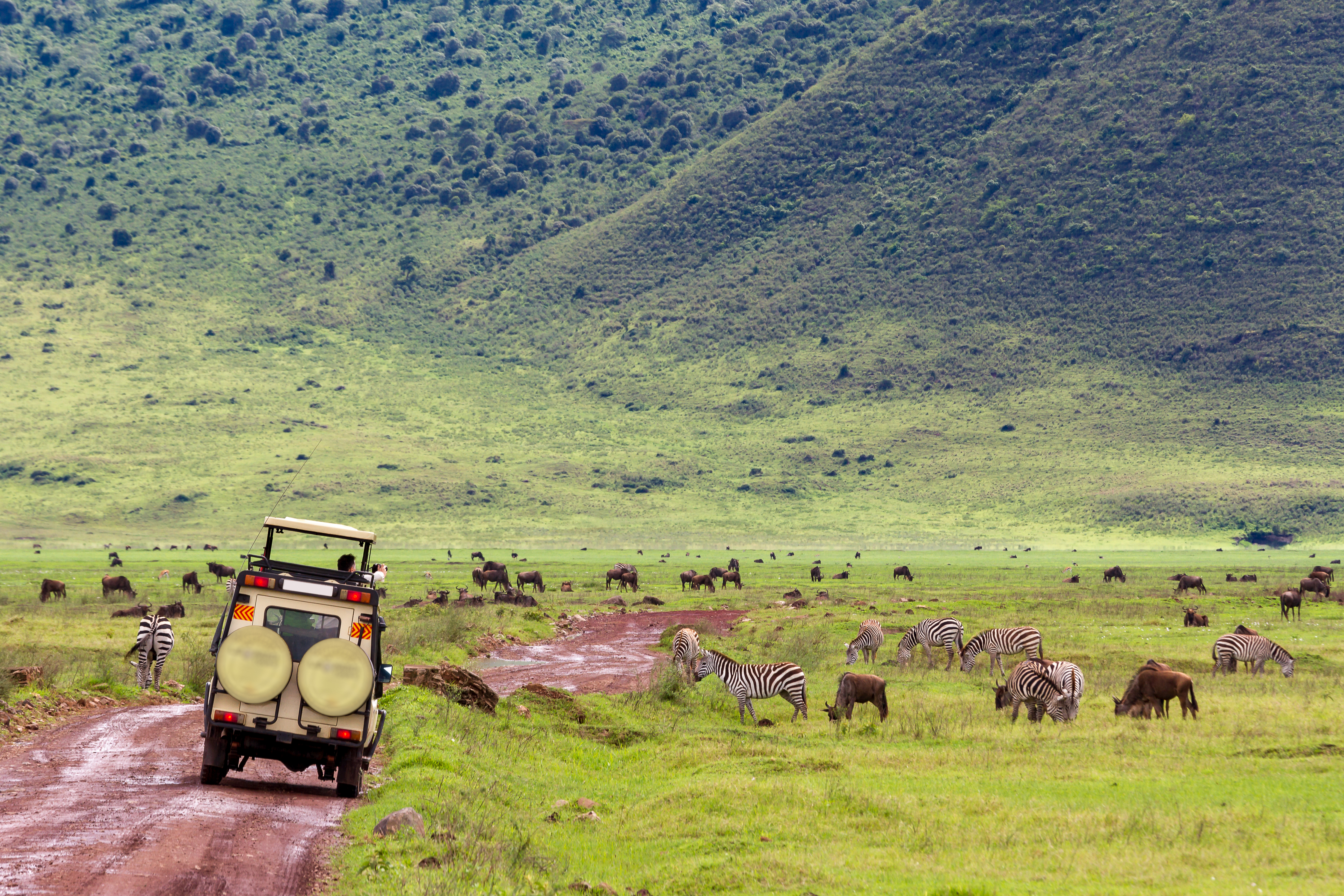
Finally, manage expectations and savour the process. Not every drive produces a portfolio image, and the pursuit itself — the patience, the anticipation, the quiet hours of watching — is much of the pleasure. If you are travelling with non-photographers, a private trip lets everyone enjoy the safari at a shared pace, while a dedicated photographic departure suits serious shooters who want every moment optimised for the camera. Either way, Tanzania will give you more keepers than you imagined.
A quick word on drones and phone photography, as both come up often. Drones are not permitted in Tanzania's national parks without special, hard-to-obtain authorisation, so plan to leave yours at home rather than risk confiscation or fines. Modern smartphones, on the other hand, are surprisingly capable for landscapes, camp scenes and wide environmental shots, and make a great lightweight complement to a proper camera for wildlife. Many travellers capture their favourite scene-setting images on a phone and their wildlife close-ups on a zoom lens.
Do not overlook video, either. Even a few short clips — a lion's tail flicking, elephants crossing a river, the dawn light spreading over the plains — can capture the atmosphere of safari in a way stills cannot, and they make wonderful keepsakes. Whatever your tools and your level, the essentials remain the same: be out in the best light, travel privately so you can wait for the moment, work with a guide who understands photography, and shoot ethically. Do that, and Tanzania will fill your cards with images you will treasure.
Plan your photographic safari in Tanzania
A photographic safari is all in the details — the timing, the light, the positioning and the patience — and that is exactly where a thoughtfully designed private trip pays off. Tell us what you most want to photograph, whether that is the migration, big cats, elephants or landscapes, and your level of experience, and we will build a private photographic safari around the light and the wildlife, with guiding to match.
Plan your photographic safari with Sokwe Africa Safari