
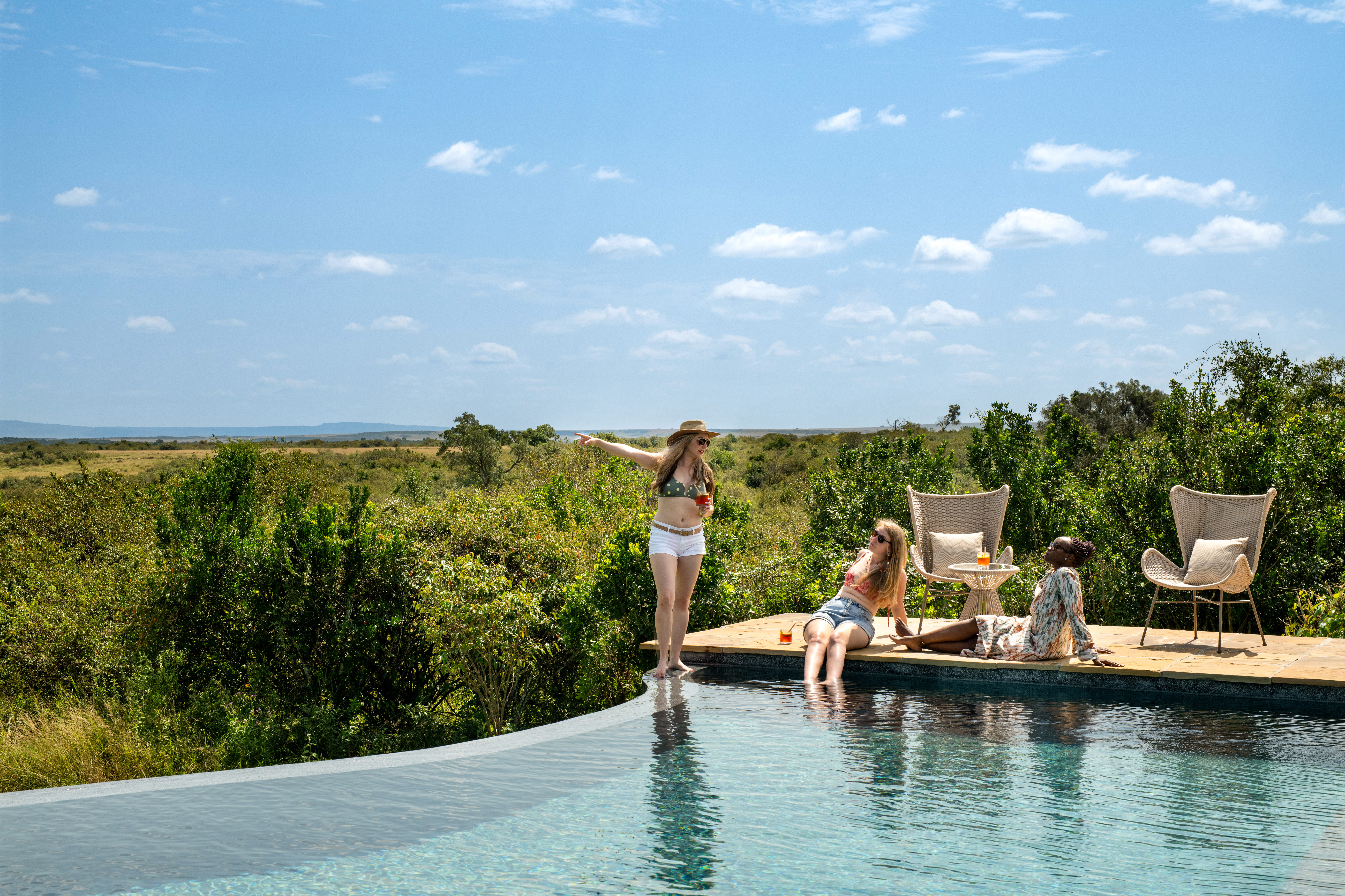
The best places to visit in Tanzania, at a glance
Ask ten travellers to name the best places to visit in Tanzania and you will get ten different answers, because few countries on earth pack so much into one border. The Serengeti and the Ngorongoro Crater are the icons, but Tanzania also holds Africa's highest mountain, the spice island of Zanzibar, a flamingo-pink soda lake beneath an active volcano, chimpanzee forests on Lake Tanganyika, and vast southern parks where you can drive all day without seeing another vehicle. This guide ranks our fifteen unmissable destinations, with what each is best for, how long it needs and when to go.
A quick note on how we have organised things. We are Sokwe Africa Safaris, a Tanzanian operator based in Arusha, and we have grouped the fifteen by region because that is how you actually travel them — the northern circuit parks link by road, the coast links by short flights, and the west and south are fly-in territory. If you are still deciding what kind of trip you want, our things to do in Tanzania article covers experiences and activities; this one is about the places themselves. Here is the full list before we dig in.
- 1 Serengeti
- 2 Ngorongoro Crater
- 3 Tarangire
- 4 Lake Manyara
- 5 Mount Kilimanjaro
- 6 Arusha and Arusha National Park
- 7 Stone Town
- 8 Zanzibar's beaches
- 9 Lake Natron
- 10 Lake Eyasi
- 11 Mahale Mountains
- 12 Ruaha
- 13 Nyerere
- 14 Mafia Island
- 15 Usambara Mountains
The northern icons: Serengeti and Ngorongoro
1. Serengeti National Park
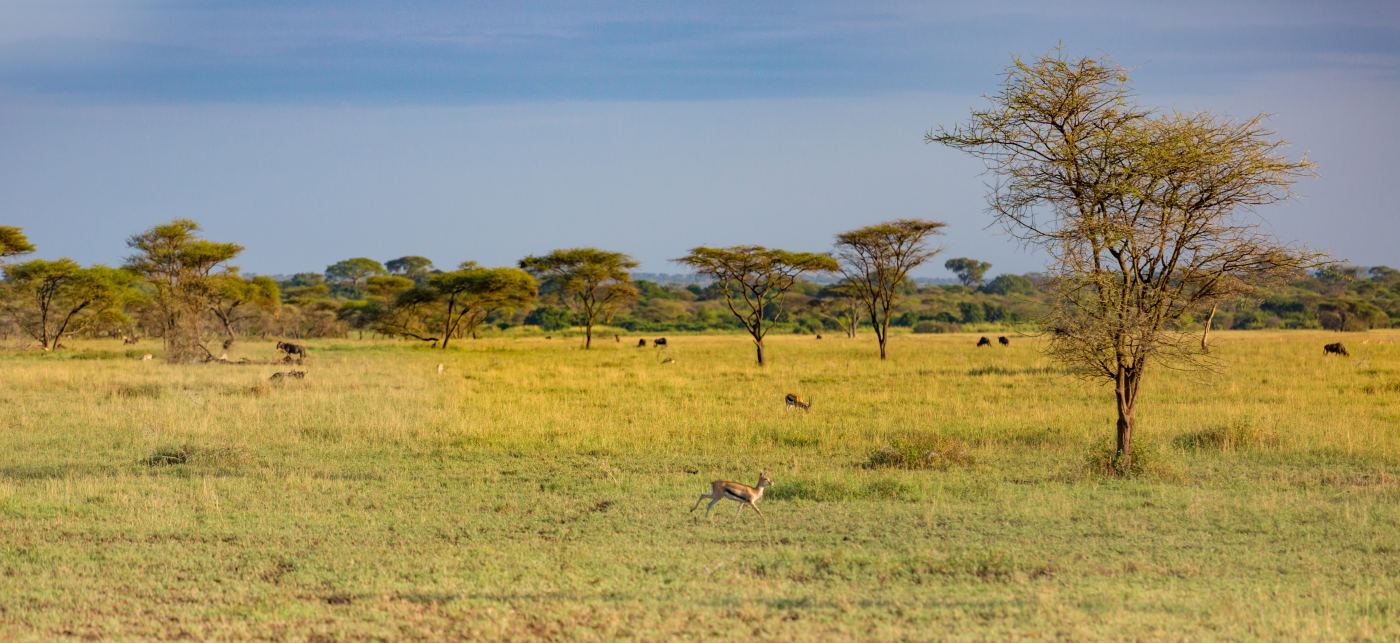
The Serengeti tops every list of places to visit in Tanzania, and deservedly so. Nearly 15,000 square kilometres of grassland, kopjes and woodland host the Great Migration — some two million wildebeest and zebra on a permanent circuit of the ecosystem — along with the densest lion population in Africa. It is best for first-time safari-goers, big cats and the migration river crossings, which peak in the Mara River area from roughly July to September. Give it a minimum of three nights; the park is so large that where you stay matters more than when, and we position guests by season.
2. Ngorongoro Crater
Two hours from the Serengeti's eastern gate, the Ngorongoro Crater is the world's largest intact volcanic caldera, a 260-square-kilometre natural amphitheatre holding around 25,000 large animals, including the last easily seen black rhinos in northern Tanzania. It is best for guaranteed density — lion, elephant, buffalo, rhino and flamingo-lined lakes in a single morning — and it works year-round because the resident game barely moves. One full crater day is enough, ideally starting at the gate by 6am to beat the queue. Budget for the crater service fee of around 295 dollars per vehicle on top of park fees; it is worth every cent.
The rest of the northern circuit: Tarangire and Manyara
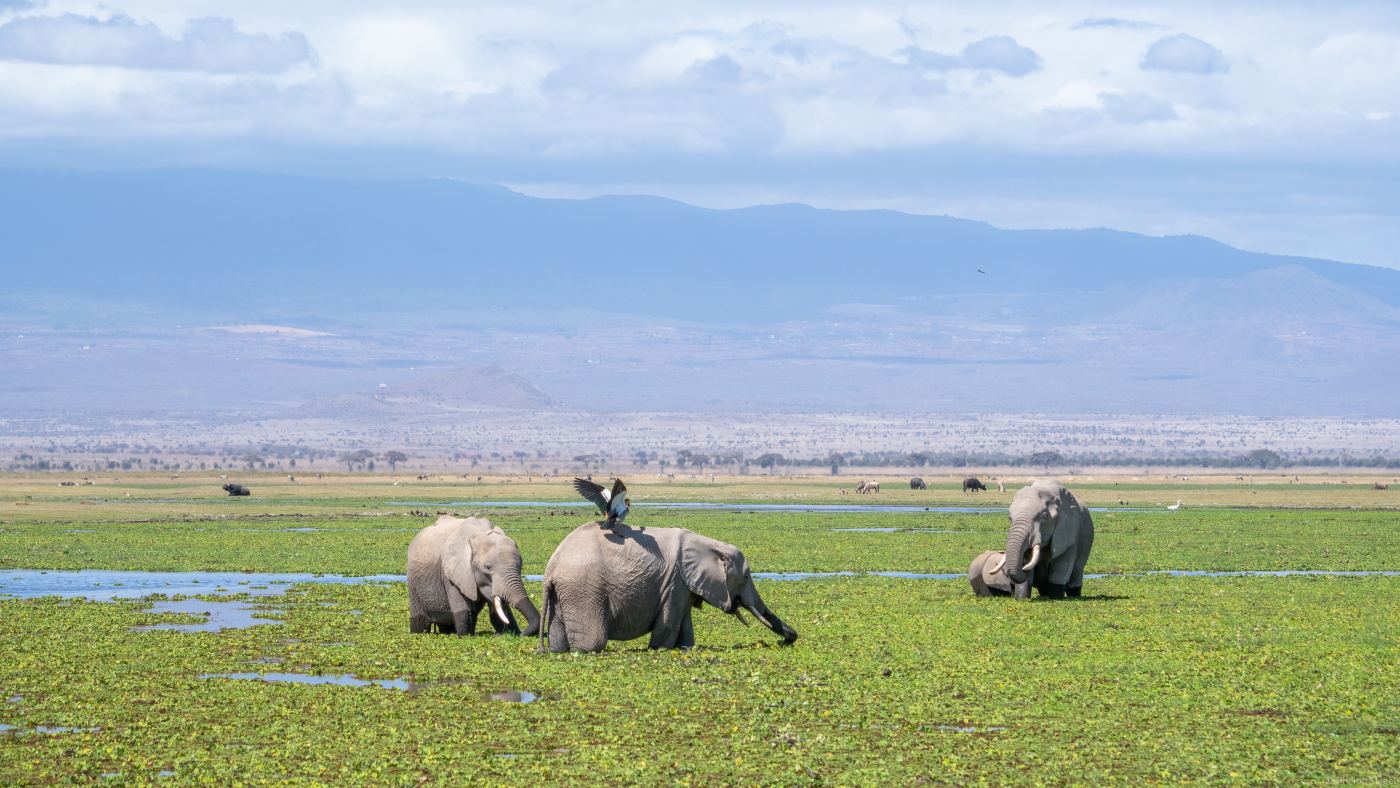
Number three is Tarangire National Park, the northern circuit's most underrated stop. In the dry season from June to October the Tarangire River becomes the only water for miles, drawing elephant herds hundreds strong beneath ancient baobabs — arguably the best elephant viewing in East Africa. It is best for elephants, baobab landscapes and quieter game drives than the Serengeti, and two nights is the sweet spot. Come in the green season, November to March, and you will trade some game density for lush scenery, superb birding and lodge rates that drop by a third or more.
Fourth is Lake Manyara National Park, a compact strip of groundwater forest, soda lake and escarpment at the foot of the Rift Valley wall. It is best as a half-day or one-night stop between Arusha and the crater highlands: expect troops of baboons, forest elephants, hippo pools, huge flamingo flocks when the lake level is right, and the famous tree-climbing lions if your luck is in. Manyara rarely justifies a long stay on its own, but as a gentle first game drive to open a northern circuit itinerary it is close to perfect, and the escarpment sunsets are glorious.
Mountains and gateways: Kilimanjaro and Arusha
Fifth on the list is Mount Kilimanjaro, at 5,895 metres the highest mountain in Africa and the tallest free-standing peak on earth. It is best for trekkers who want a genuine summit without technical climbing: no ropes, no crampons on most routes, just seven or eight hard, unforgettable days. The Machame and Lemosho routes offer the best acclimatisation and scenery, with realistic 2026 costs of roughly 2,500 to 4,500 dollars per person for a properly staffed, well-run climb. January to mid-March and June to October are the driest windows. Add two rest days either side, and treat cheap sub-2,000-dollar offers with suspicion.
Sixth is Arusha, the safari capital of Tanzania and almost certainly where your trip will start. Most travellers rush through, which is a mistake: the town sits between Mount Meru and Kilimanjaro, and a day here cures jet lag before the early starts begin. Arusha National Park, forty minutes away, packs waterfalls, crater lakes, colobus monkeys and giraffe into a single day trip, and it is one of the few northern parks where you can do a walking safari. It is best for acclimatisation, coffee-farm visits and canoeing on the Momella lakes; one or two nights is plenty.
Zanzibar: Stone Town and the beaches
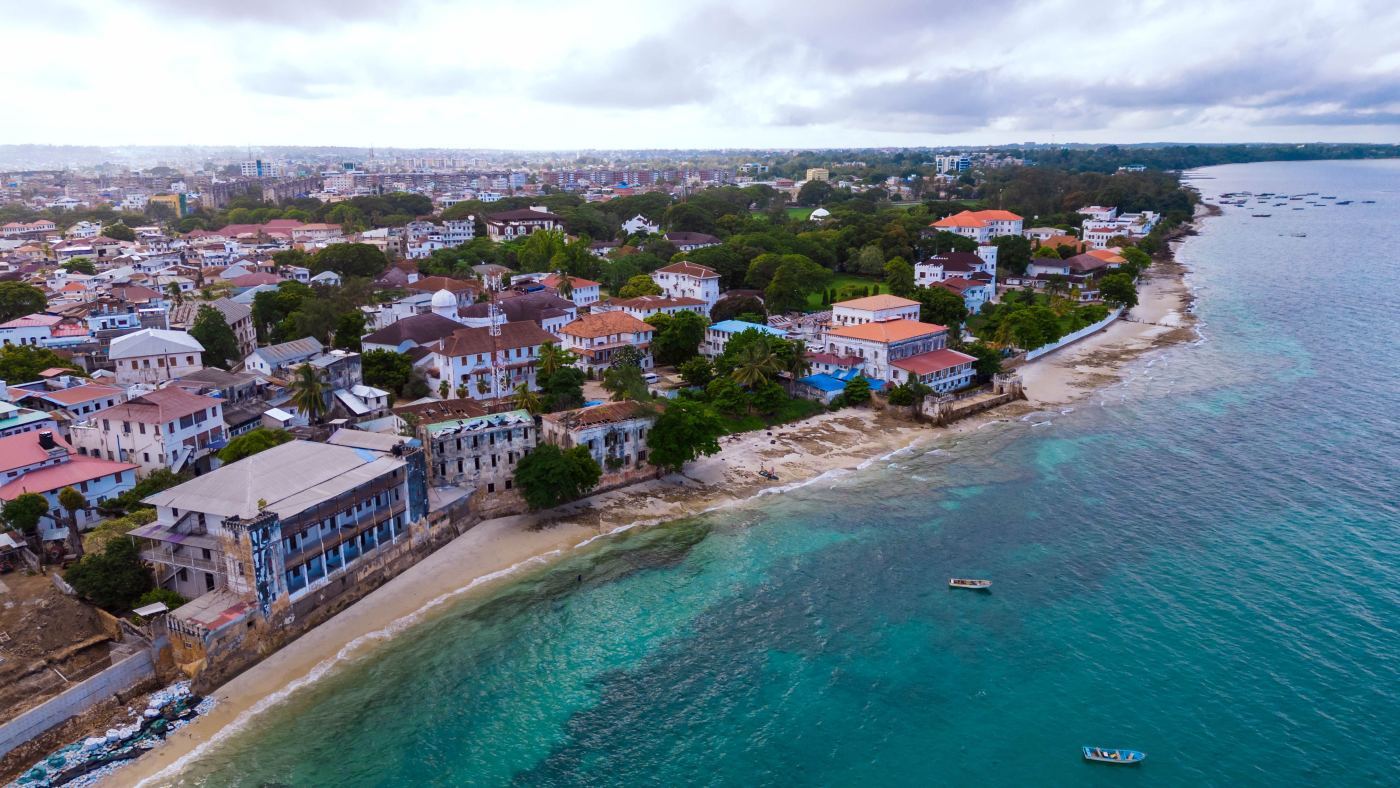
Seventh comes Stone Town, the old heart of Zanzibar and a UNESCO World Heritage Site. Its labyrinth of coral-stone alleys, carved doors, bazaars and rooftop terraces tells a thousand years of Swahili, Arab, Indian and European trade history — including, soberingly, the East African slave trade, whose memorial site is essential visiting. It is best for history, food and photography: take a guided walking tour, a spice farm visit and dinner at the Forodhani night market. One or two nights before the beach is the classic pattern, and the evening dhow harbour views alone justify the stop.
Eighth, and inseparable from it, are Zanzibar's beaches. The island's east coast — Paje, Jambiani, Michamvi — offers powder-white sand, kitesurfing and tidal lagoons, while Nungwi and Kendwa in the north give deep swimmable water at all tides and the island's best sunsets. Offshore, snorkelling and diving around Mnemba Atoll are world class. Zanzibar is best as the finale to a safari: a fifty-minute flight from Arusha or the Serengeti airstrips, roughly 80 to 250 dollars one way depending on routing, delivers you from dust to turquoise in an afternoon. Four to five nights is ideal; June to October and December to February are the driest months.
Off the beaten track in the north: Natron and Eyasi
Ninth is Lake Natron, the strangest and most dramatic landscape in northern Tanzania. This shallow soda lake glows red and pink beneath Ol Doinyo Lengai, the Maasai's sacred and still-active volcano, and it is the breeding ground for most of East Africa's lesser flamingos. It is best for photographers, adventurers and travellers who want raw Tanzania: hike to the Ngare Sero waterfalls, walk the lake flats at dawn, and — for the very fit — climb Lengai overnight to watch sunrise from the crater rim. It is hot, remote and basic, and utterly worth one or two nights on the drive between the Serengeti's northern reaches and Arusha.
Tenth is Lake Eyasi, south-west of Ngorongoro, and it earns its place for culture rather than wildlife. This is the homeland of the Hadzabe, one of the last hunter-gatherer peoples in Africa, and of the Datoga blacksmiths. Visiting responsibly — at dawn, in small numbers, through community-agreed arrangements — you can join a Hadzabe hunting walk that has changed little in ten thousand years. It is best as a one-night cultural detour from Karatu, and it pairs naturally with the crater. Done well, it is the encounter guests still talk about years later; done cheaply and badly, it is a zoo, so choose your operator with care.
The wild west and far south: Mahale, Ruaha and Nyerere
Eleventh, and the most remote entry on this list, is Mahale Mountains National Park on the shore of Lake Tanganyika. Forested peaks fall straight into the clearest freshwater lake in Africa, and in those forests live around 800 wild chimpanzees, including a habituated community that researchers have followed for over sixty years. Trekking to sit metres from wild chimps, then swimming in the lake off a white-sand beach in the afternoon, is one of the great African experiences. It is fly-in only, with charters from Arusha typically twice weekly, so it needs three or four nights and a healthy budget — but for many guests it is the trip of a lifetime.
Twelfth is Ruaha National Park, Tanzania's largest, a 20,000-square-kilometre wilderness of baobabs, rocky hills and the Great Ruaha River. It holds one of East Africa's biggest elephant populations, roughly a tenth of the world's lions, and excellent odds of wild dog — with barely a handful of camps sharing all of it. It is best for second-time safari-goers, big-cat enthusiasts and anyone allergic to crowds. Thirteenth is Nyerere National Park, carved from the old Selous, where the Rufiji River adds boat safaris and walking safaris to the classic game drive. Both are fly-in parks, best from June to October, and three nights in either — or a week across both — is a genuinely wild southern circuit.
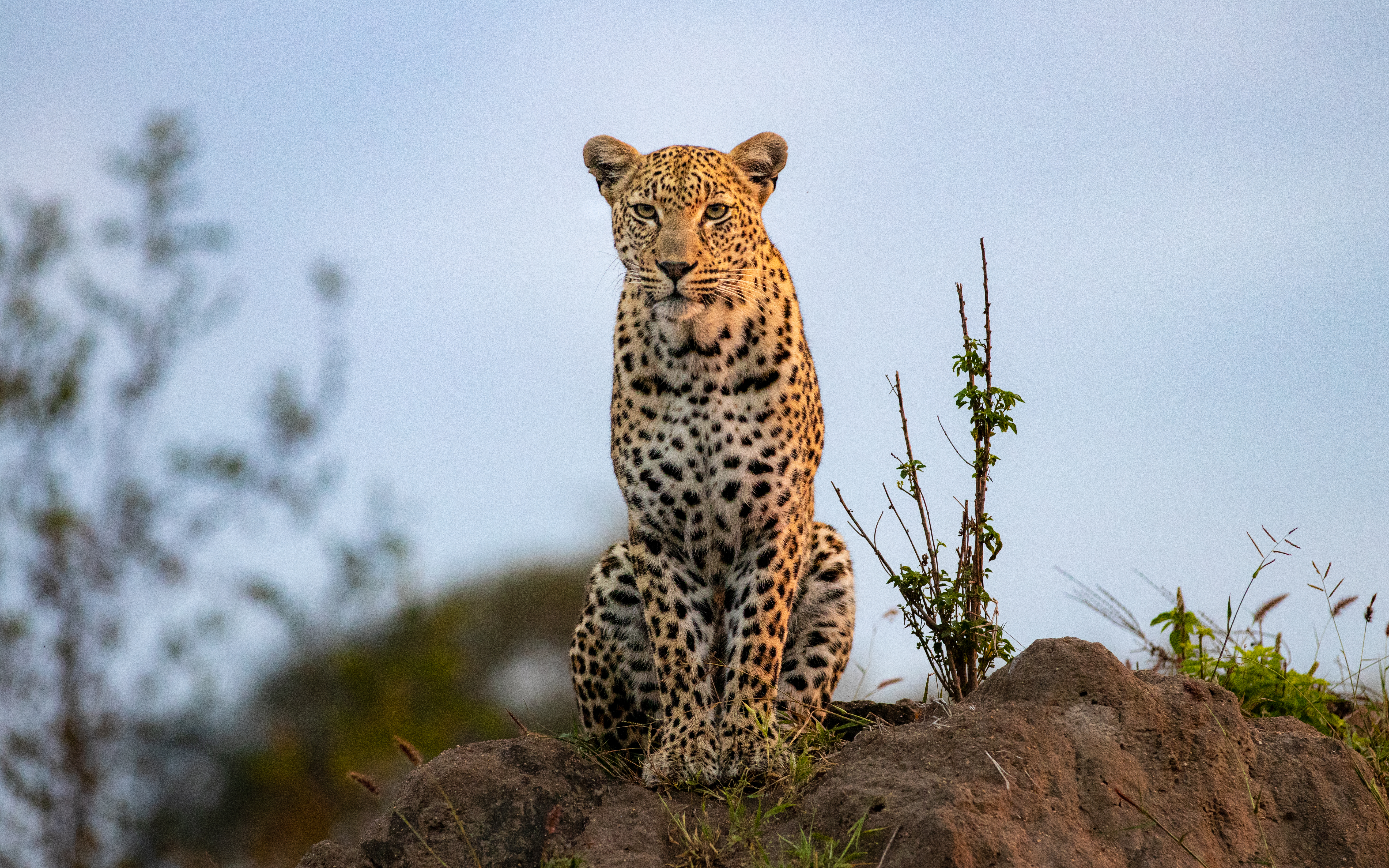
The coast beyond Zanzibar, and the green mountains
Fourteenth is Mafia Island, Zanzibar's quiet southern sister and the finest marine destination in Tanzania. Mafia Island Marine Park protects coral reefs that dwarf anything off Unguja, and from roughly October to March the plankton-rich channel draws whale sharks that snorkellers can swim alongside — one of the most reliable encounters anywhere in the world. There is no party scene and only a scattering of small lodges, which is exactly the point. It is best for divers, snorkellers and honeymooners who want barefoot quiet; four nights, reached by a short flight from Dar es Salaam, is about right.
Fifteenth, and the wildcard, are the Usambara Mountains near Lushoto in north-eastern Tanzania. These ancient, forest-capped ranges — botanists call them the Galapagos of Africa for their endemic plants — offer village-to-village hiking, colonial-era farm stays, cool air and the astonishing Irente viewpoint, where the escarpment drops a sheer kilometre to the Maasai plains. It is best for hikers, birders and slow travellers on a budget: guesthouses run 30 to 80 dollars a night rather than safari-lodge prices. Two or three nights breaks up the road journey between Arusha and the coast beautifully, and you will meet more Tanzanians than tourists.
How to combine them into one trip
Fifteen destinations is a menu, not an itinerary, so here is how the combinations actually work. The classic first visit is seven to ten days: Tarangire, Ngorongoro and the Serengeti, then a flight to Zanzibar for Stone Town and the beach. Trekkers put Kilimanjaro first and recover on the sand afterwards. Adventurous second-timers swap the famous names for Natron and Eyasi, or fly south to Ruaha and Nyerere, or west to Mahale. Divers trade Zanzibar for Mafia. The one mistake we see constantly is cramming: every park added means hours in transit, and three nights in two places always beats one night in six.
Season is the other lever. June to October is the dry season everywhere — prime game viewing, crossing season in the northern Serengeti, dry trails on Kilimanjaro and sunny beaches, but peak prices and the busiest crater road. January to March brings the wildebeest calving in the southern Serengeti, prime Kilimanjaro weather and whale sharks off Mafia. The long rains of April and May close some southern and western camps but bring the year's lowest rates and an emerald-green, crowd-free north. For a deeper dive into logistics, visas, costs and packing, our Tanzania travel guide covers the practicalities end to end.
See also our guide: Safari from Arusha: day trips and short safaris that deliver.
More on this in Serengeti vs Ngorongoro: Which Safari Destination Is Right for You?.
Tanzania is not one destination but fifteen — the art is choosing the three or four that fit your days, your budget and your idea of adventure.
Which places should be on your shortlist?
If you take one thing from this guide, let it be this: the best places to visit in Tanzania depend entirely on who you are. First safari and limited days? Serengeti, Ngorongoro, Tarangire, Zanzibar — the classics are classics for a reason. Returning traveller? Ruaha, Nyerere or Mahale will remind you what wilderness felt like before the crowds. Culture and landscape over big game? Stone Town, Eyasi, Natron and the Usambaras deliver a Tanzania most visitors never see. Active traveller? Kilimanjaro, then Mafia's reefs. There is no wrong answer here, only routes that fit your time and budget better or worse.
What genuinely separates a good Tanzanian trip from a great one is sequencing — matching the month to the migration, booking the crater at dawn rather than mid-morning, knowing which Zanzibar coast suits swimmers and which suits kitesurfers, and leaving enough nights in each place to actually inhabit it. That is local knowledge, and it is the entire reason Sokwe Africa Safaris exists: we live at the foot of Mount Meru, we drive these roads every week, and we have slept in the camps we recommend. A route built on that knowledge simply works harder than one assembled from browser tabs.
Ready to choose? Let us shape the route
Overwhelmed by choice? That is the correct response to Tanzania, and it is easily fixed. Tell us your interests, your travel dates and the number of days you have, and we will shape the route — which of these fifteen places make your shortlist, in what order, and at which camps and lodges — into a single seamless itinerary with honest advice on where to spend and where to save. Get in touch with Sokwe Africa Safaris through our contact page and start the conversation today; the first proposal is free, tailored to you, and usually with you within a day or two.