
Is Tanzania safe for a solo female traveller?
Tanzania is one of the most rewarding and reassuring destinations in the world for a solo female traveller, and a safari is among the safest ways to experience it. On an organised safari you are looked after from the moment you land — met at the airport, accompanied by a professional guide throughout, and hosted at camps and lodges where the staff know your name and your plans. You are rarely, if ever, truly on your own, which removes much of the uncertainty that can make solo travel daunting elsewhere.
That is not to say you should travel without sensible precautions, as you would anywhere. But the structured nature of a safari — pre-arranged transport, vetted accommodation, an experienced guide, and an operator on call — creates a uniquely secure framework. Thousands of women travel solo to Tanzania every year and return raving about the warmth of the welcome and the confidence the experience gave them. This guide offers honest, practical advice on safety, cost, choosing the right tour and what to expect.
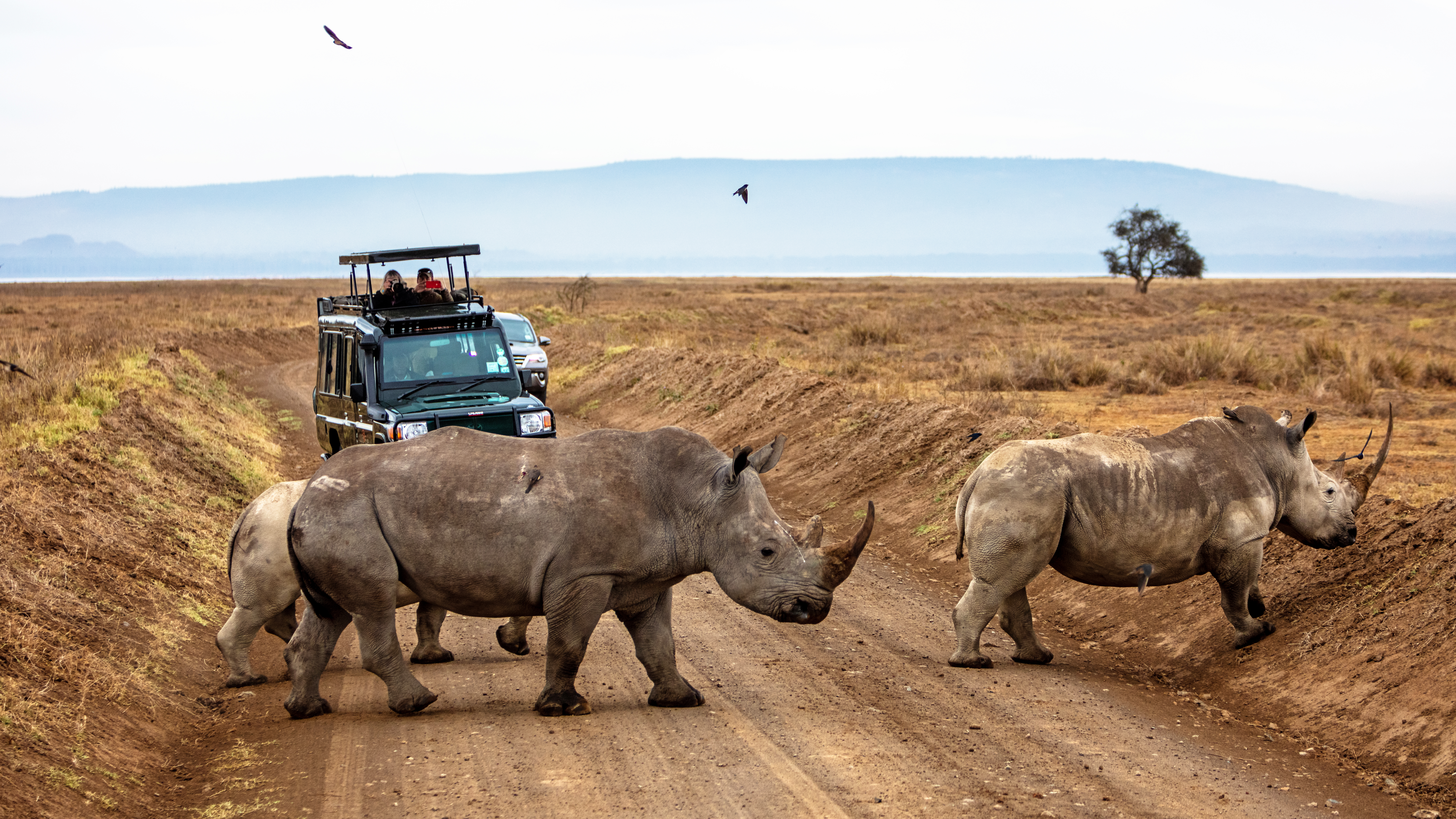
Why a safari is ideal for solo travel
A safari suits solo travel particularly well because so much is taken care of for you. There are no complicated logistics to navigate alone, no public transport to figure out, and no need to find your own way between remote places — your guide and operator handle all of it. This lets you focus entirely on the experience rather than the practicalities, which is exactly what makes solo travel relaxing rather than stressful.
A safari is also deeply restorative for solo travellers. The early mornings, the unhurried days, the time in nature and the absence of everyday demands create space to think, reset and simply be present. Many women describe a solo safari as not just a holiday but a genuinely transformative experience — a chance to step out of routine, test their independence in a supported setting, and return with a renewed sense of confidence and perspective.
Group versus private for solo travellers
Solo travellers face a choice between joining a small-group safari and travelling privately. A group safari is the more affordable option and brings ready-made company — you share the vehicle, meals and experiences with other travellers, often forming friendships along the way. For sociable solo travellers on a budget, a quality small-group departure is an excellent choice, and many people specifically choose it for the company.
A private safari, by contrast, gives you your own guide, vehicle and schedule, with total flexibility and a more personal experience. It costs more for a solo traveller, since you bear the vehicle and guide cost alone, but it offers complete freedom and a closer relationship with your guide. Some women prefer the independence and privacy; others prefer the sociability of a group. Neither is right or wrong — it comes down to your budget and your temperament, and we are happy to price both.
Practical safety tips
A few sensible habits make a solo safari worry-free. Book with a reputable, licensed operator and confirm your full itinerary in advance, so you always know who is collecting you and where you are going. Keep digital and paper copies of your passport, visa and insurance, and share your itinerary with someone at home. In towns such as Arusha, dress modestly, keep valuables out of sight, use transport arranged by your lodge rather than hailing vehicles on the street, and avoid walking alone after dark.
In the camps and parks themselves, you are in a very secure environment, but it is wise to follow staff guidance — for instance, being escorted to your tent after dark, as is standard at many camps. Trust your instincts, keep your operator's contact details to hand, and do not be afraid to ask for help; the hospitality culture in Tanzania means people are generally eager to assist. These simple measures, combined with the structure of a safari, make solo travel here genuinely low-stress.
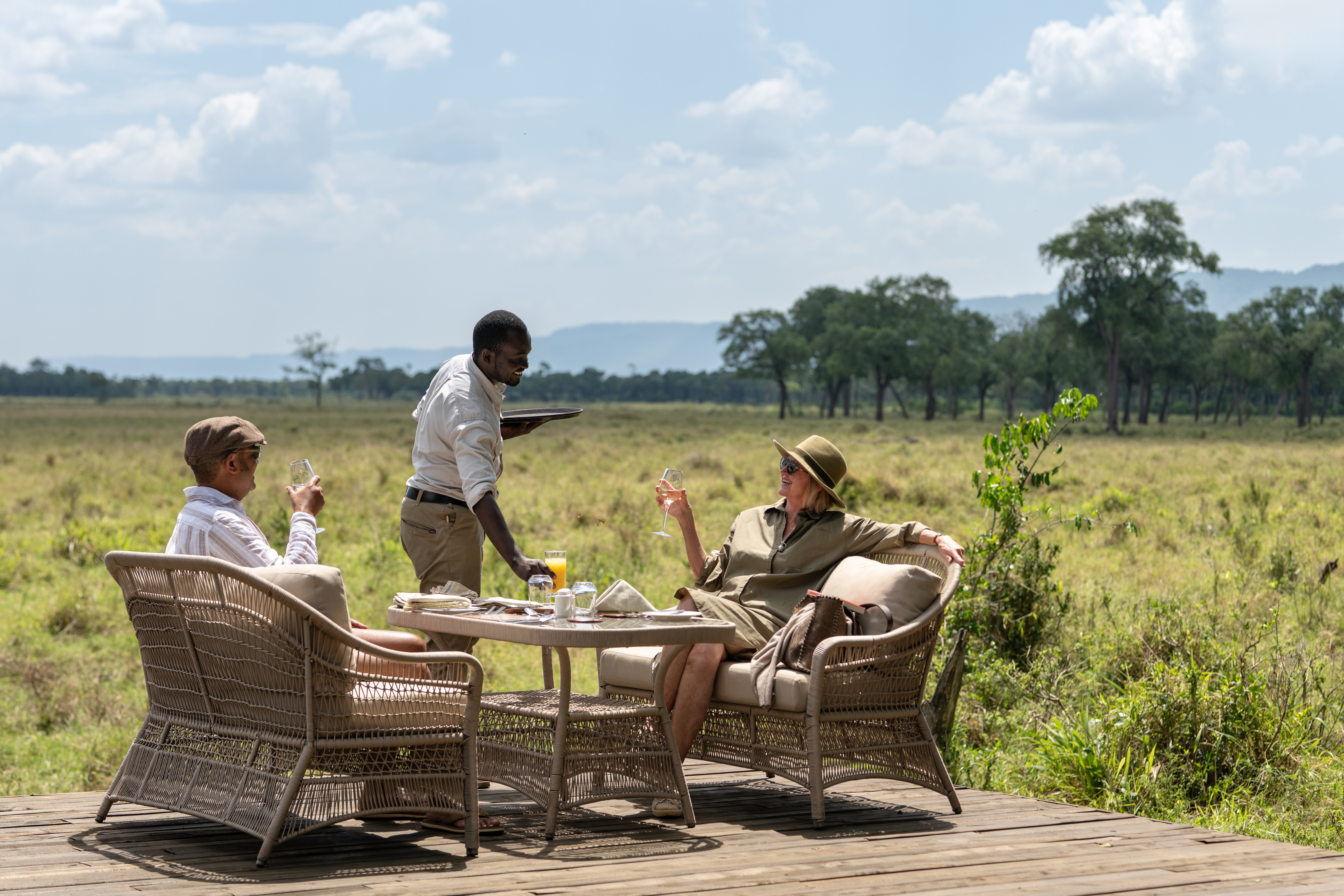
Cost and the single supplement
The main financial consideration for solo travellers is the single supplement. Because accommodation is usually priced on two people sharing a room or tent, travelling alone often incurs an extra charge for sole occupancy. This is standard across the industry, but its impact varies, and a good operator can help you minimise it — for example by choosing camps with favourable solo rates or, on a group safari, by matching you with a roommate where you are comfortable doing so.
Joining a small-group safari is the most effective way to keep solo costs down, since the largest expenses — the vehicle and guide — are shared across the group, and some operators waive or reduce the single supplement on set departures. If you prefer to travel privately, we will be transparent about the supplement up front so there are no surprises, and we will look for ways to give you the best possible value for a solo trip. Our Tanzania safari cost guide explains the wider pricing picture.
What to expect day to day
A solo safari day follows the same gentle, rewarding rhythm as any other: an early game drive when wildlife is active, a relaxed midday break, and an afternoon outing ending with sundowners. As a solo traveller you have the freedom to engage as much or as little as you like — chatting with your guide and fellow guests, or enjoying quiet time with a book and the view. Mealtimes at camps are often communal and convivial, which makes it easy to meet other travellers without any pressure.
Far from feeling isolating, a solo safari tends to feel sociable and safe in equal measure. Guides are wonderful company and a mine of knowledge, camp staff are attentive, and the shared wonder of a great sighting naturally brings people together. Many solo women say they never once felt lonely — only free, looked after, and fully immersed in one of the most extraordinary experiences of their lives.
Choosing the right camps and operator as a solo traveller
For a solo traveller, the choice of operator and camps matters even more than usual, because they shape both your safety and your sense of welcome. Choose a established, licensed operator with strong, recent reviews — ideally including reviews from other solo women — and confirm that you will be met on arrival and accompanied throughout. A good operator will also check in with you during the trip, giving you a reliable point of contact at every stage.
When it comes to camps, smaller, owner-run or boutique properties often suit solo travellers beautifully: the staff get to know you, mealtimes are sociable, and the atmosphere is warm rather than anonymous. Mention that you are travelling solo when booking, and a thoughtful operator will steer you towards camps with a friendly, communal feel and favourable solo rates, helping you feel at home rather than conspicuous.
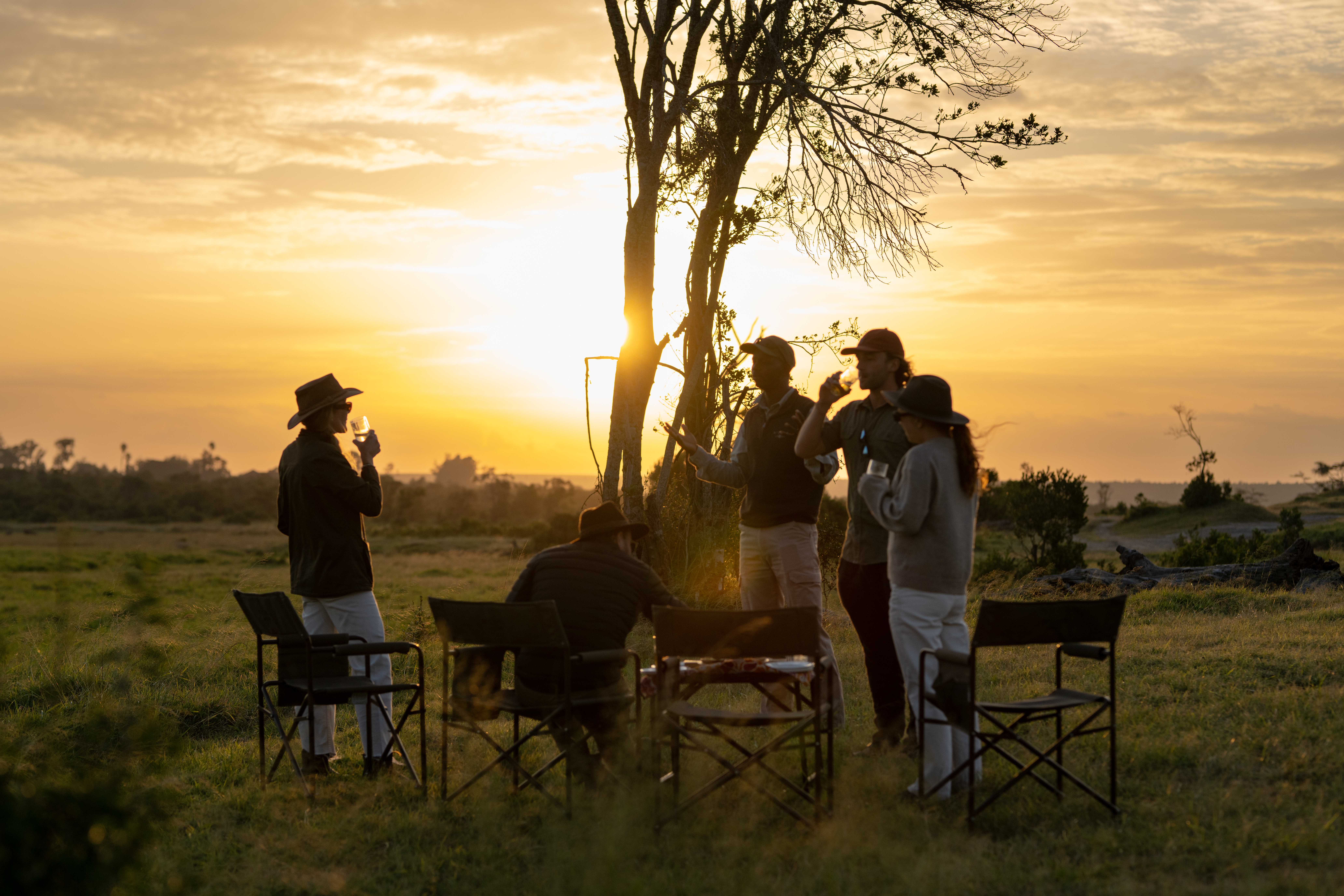
Many solo women worry about feeling out of place at dinner or on drives, but on safari the opposite is usually true. The shared wonder of the day's sightings is a natural conversation starter, guides are engaging company, and fellow guests — couples, families and other solos — tend to be friendly and inclusive. It is remarkably easy to strike up connections, and just as easy to enjoy your own quiet company when you prefer it.
If meeting people is a priority, a small-group safari almost guarantees ready-made companions, and some camps host communal dinners that bring everyone together. If you treasure solitude, a private trip or a quieter lodge gives you all the space you want. The key is knowing yourself and communicating it, so your trip is shaped around the experience you actually want.
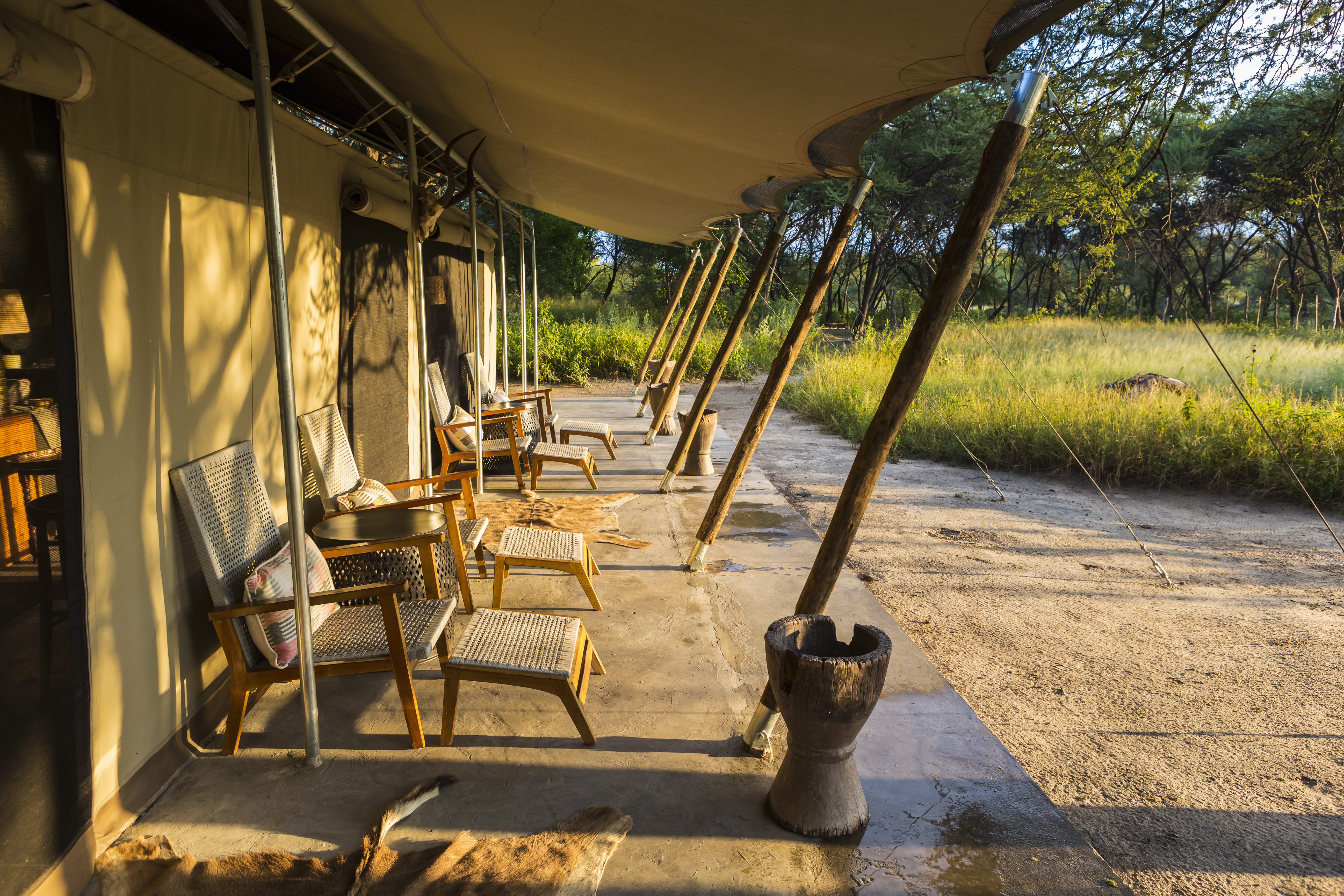
Above all, travel with confidence and a spirit of openness. Tanzania's hospitality is genuine and warm, the safari structure keeps you supported at every turn, and thousands of women make this journey alone each year and return exhilarated. Trust your instincts, lean on your operator and guide, and let yourself fully enjoy the freedom and pride of experiencing one of the world's greatest wildernesses entirely on your own terms.
How to make the most of a solo safari
To get the most from a solo trip, lean into the things that solo travel does best: flexibility, reflection and connection. Choose a pace that suits you, build in a little downtime, and do not over-schedule. If you crave company, a small-group departure or a sociable camp will provide it; if you crave solitude, a private trip or a quieter lodge will give you space. Tell your operator what you are looking for emotionally as well as practically, and a thoughtful one will shape the trip accordingly.
Above all, travel with confidence. A solo female safari in Tanzania is a well-trodden, well-supported experience, not an intrepid expedition into the unknown. With a trustworthy operator handling the details and a professional guide at your side, you are free to focus on the joy of it — the lions at dawn, the vastness of the plains, and the quiet pride of having made the journey on your own terms.
Considering shared travel for company and value? See our Tanzania group safari guide, or simply tell us your plans and we will advise.
More on this in Private Safari Tanzania: Everything You Need to Know in 2026.
See also our guide: Private safari Tanzania: why going private changes everything.
More on this in Safari vacations: ideas for every kind of traveller.
A solo safari in Tanzania is not a leap into the unknown — it is a beautifully supported adventure that sends most women home braver than they arrived.
- A safari is among the safest ways to travel Tanzania solo
- Group tours offer company and lower cost
- Private trips offer freedom, at a higher solo price
- Book a licensed operator and confirm every detail
- Ask about the single supplement up front
- You are accompanied and looked after throughout
A couple of practical points round off the picture. Staying connected gives both you and your family peace of mind: buy a local SIM with data on arrival for use in and around the towns, and let someone at home have your full itinerary and your operator's contact details. Many camps have wifi, though the remoter ones may not — a chance to disconnect that most solo travellers come to relish. Knowing you can reach out when you want to, and that someone knows your plans, makes solo travel feel secure rather than isolating.
When packing, the usual safari advice applies — neutral, lightweight layers, a warm fleece for cool mornings, and a soft bag for any internal flights — with a few solo-friendly additions: a doorstop or simple travel lock if it reassures you, a good book or two for downtime, and copies of your documents stored separately. Pack light and practical, and you will move through your trip with ease. With sensible preparation and a trusted operator, a solo safari in Tanzania is not only safe but genuinely empowering.
Plan your solo safari in Tanzania
A solo safari should feel exciting, not stressful, and the key is travelling with people who look after you from arrival to departure. Tell us your dates, your budget and whether you would prefer the company of a small group or the freedom of a private trip, and we will design a safe, rewarding solo safari in Tanzania built entirely around you — with honest advice every step of the way.
Ready to make it real? Explore private Tanzania safari or talk to us about dates and prices.
Plan your solo safari with Sokwe Africa Safari
Frequently asked questions
Is Tanzania safe for solo female travellers?
Very much so, and an organised safari is among the safest ways to see the country. You are met at the airport, accompanied by a professional guide throughout, and hosted at camps where the staff know your name and your plans. Take the sensible precautions you would anywhere, and you will find Tanzania genuinely reassuring rather than daunting.
Should a solo woman choose a group safari or a private one?
It comes down to budget and temperament, and neither is wrong. A small-group departure is more affordable and brings ready-made company, which many women choose quite deliberately. A private trip gives you your own guide, vehicle and schedule, with complete freedom, though you carry those costs alone. Tell us which way you lean and we will happily price both.
What is the single supplement on a solo safari?
Accommodation is normally priced on two people sharing, so travelling alone usually attracts an extra charge for sole occupancy. It is standard across the industry, but its impact varies and a good operator can soften it, whether by choosing camps with favourable solo rates or, on a set departure, by matching you with a roommate. We quote it openly.
Will I feel lonely on a solo safari?
Rarely, in our experience. Mealtimes at camps are often communal and convivial, your guide is wonderful company and a mine of knowledge, and the shared wonder of a great sighting brings people together quite naturally. Equally, nobody will press you. You are free to retreat to a book and the view whenever you want your own quiet company.
Is it safe to walk around Arusha alone?
By day, with sensible care, most visitors are perfectly comfortable. Dress modestly, keep valuables out of sight and stay as alert as you would in any busy town. After dark we would not recommend walking alone; use transport arranged by your lodge rather than hailing a vehicle on the street. Your hotel can always advise on the immediate area.
What should a solo female traveller pack for a Tanzania safari?
The usual safari kit applies: neutral, lightweight layers, a warm fleece for chilly early mornings, and a soft bag if you have internal flights. Solo travellers often add a doorstop or simple travel lock for reassurance, copies of documents stored separately from the originals, and a good book for quiet afternoons. Pack light and practical and you will move through the trip with ease.