
Getting to Tanzania from the United States
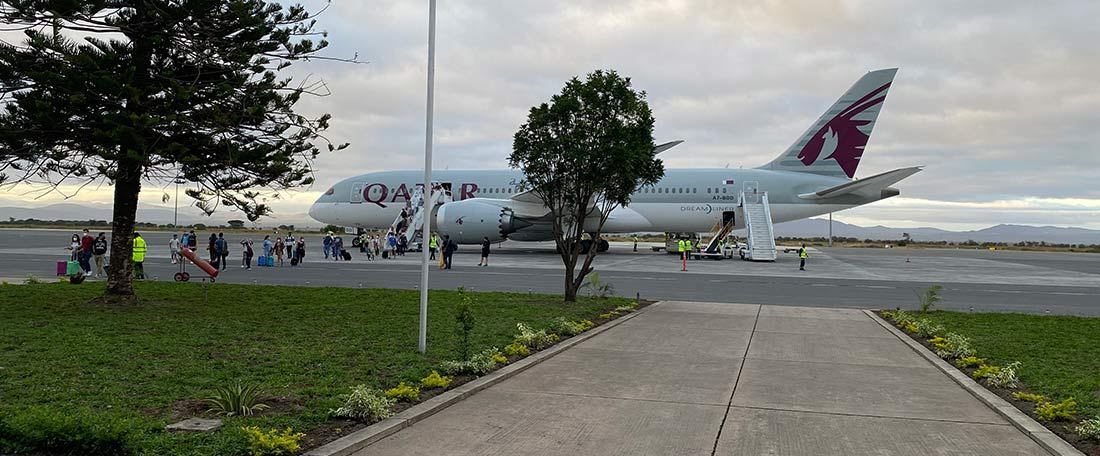
A Tanzania safari from the USA begins with a long but entirely manageable international journey. There are no direct non-stop flights from the United States to Tanzania, so all itineraries involve at least one connection. The most common and frequently most cost-effective routing is through major European hubs — Amsterdam, London, Frankfurt, Paris, or Istanbul — with onward connections to Kilimanjaro International Airport (JRO) near Arusha, or Julius Nyerere International Airport (DAR) in Dar es Salaam. Total journey times from the East Coast of the USA typically run 18 to 22 hours door-to-door, while travellers from the West Coast should budget 20 to 25 hours.
From New York, the most popular routing is via Klm through Amsterdam, or via Turkish Airlines through Istanbul, both of which offer excellent onward connections to Kilimanjaro. From Los Angeles or other West Coast cities, Emirates via Dubai is a highly competitive option with superb in-flight service and good connections. The standard advice for travellers from the USA planning a Tanzania safari is to book your international flights early — particularly for travel during the July to October peak migration season — as capacity on onward connections to Kilimanjaro fills quickly.
Visa Requirements for US Citizens Travelling to Tanzania
American citizens require a visa to enter Tanzania. The good news is that the process is straightforward and can be completed entirely online before departure. Tanzania's e-Visa portal allows US citizens to apply for a tourist visa online at least two weeks before travel. The standard single-entry tourist visa costs $50 USD and is valid for a stay of up to 90 days. Processing typically takes three to five business days, though applying two to three weeks in advance is recommended to allow for any administrative delays.
US citizens do not require a yellow fever vaccination certificate to enter Tanzania unless arriving from a yellow fever endemic country. However, many travel medicine specialists recommend the yellow fever vaccine regardless, as it is required for re-entry to some neighbouring East African countries if you are extending your trip. All US travellers to Tanzania's wildlife areas should take anti-malarial medication — consult your doctor or a travel medicine clinic at least six weeks before departure for the most appropriate prescription.
Travel insurance is strongly recommended for all Tanzania safari travellers from the USA, and for good reason. A comprehensive travel insurance policy should include medical evacuation cover, as treatment in Tanzania's national park areas requires transfer to Arusha or Nairobi for serious medical needs. Evacuation by air ambulance from a remote Serengeti airstrip to the nearest major hospital is a real-world scenario that your insurance policy should be designed to cover without financial catastrophe.
Time Zone and Jet Lag: Practical Advice
Tanzania operates on East Africa Time (EAT), which is UTC+3. From the US Eastern timezone, Tanzania is 8 hours ahead in winter (EST) and 7 hours ahead in summer (EDT). From US Pacific time, the difference is 11 hours. This is a significant time shift, and planning for it can dramatically improve your first days on safari. We recommend arriving in Arusha at least one day before your safari begins — the majority of our US guests fly into Arusha the night before their first game drive day, which means that first game drive often involves the added challenge of significant jet lag.
Arriving two days before your first game drive is the strategy we recommend to all our American guests. Spend the first day in Arusha — visit the market, take a cultural tour, rest, and eat well. By the time you depart for the bush on day two, your body has made at least partial peace with the new timezone and you will be awake and alert for that critical first dawn drive in the Serengeti or Tarangire. Safari time starts early — 5:30 am wake-up calls are standard — and missing the dawn because you are still on New York time is a genuine waste of the most productive wildlife hours of the day.
What Americans Typically Find Surprising About Tanzania
Travellers from the USA planning their first Tanzania safari are frequently surprised by how genuinely wild the experience is. Tanzania's national parks are not zoos or wildlife parks with fences and managed animal populations. They are vast, wild, functioning ecosystems where animals live and die by their own rules, predation happens, and the wilderness is under no obligation to perform on schedule. This is precisely what makes a Tanzania safari extraordinary — but it also means that seeing a specific animal is never guaranteed, even on a ten-day itinerary.
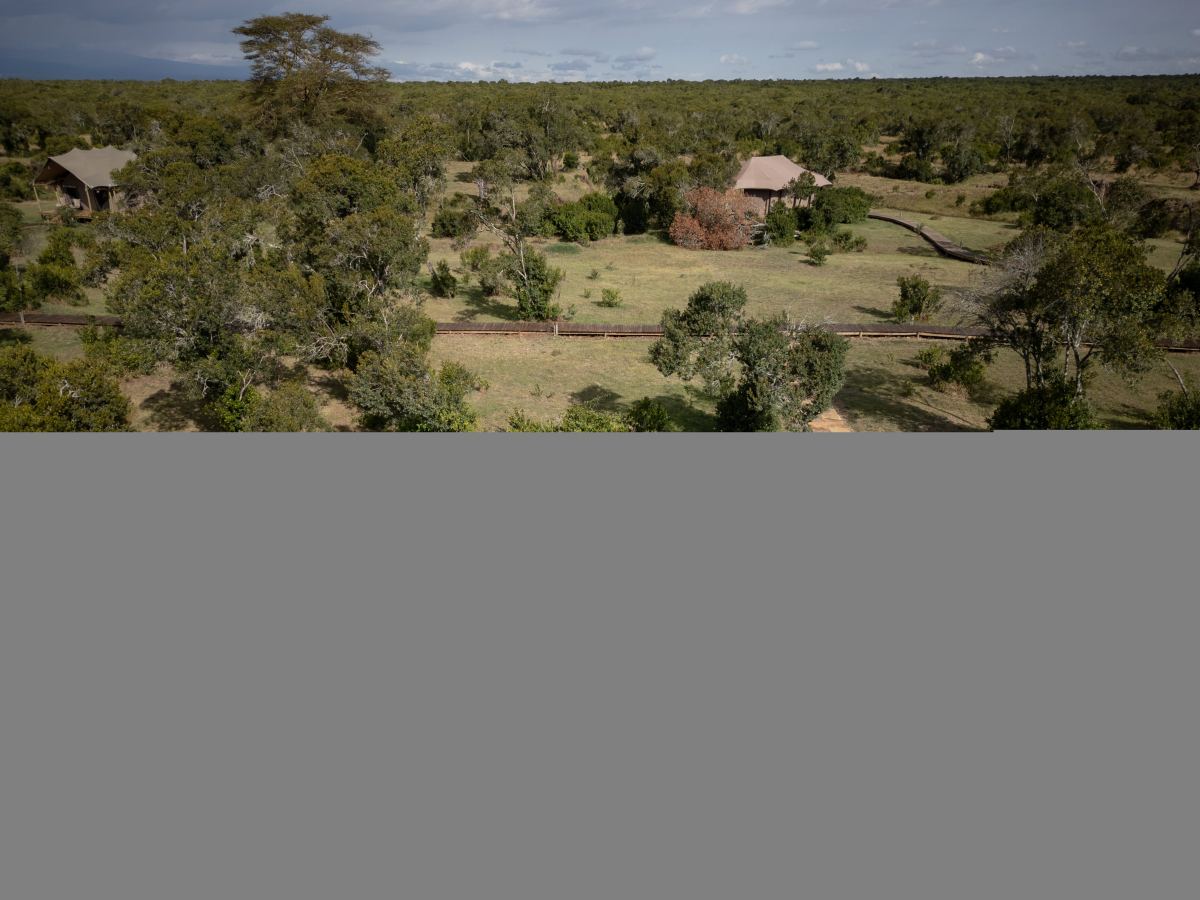
The quality of luxury infrastructure in Tanzania also surprises many first-time visitors from the USA. World-class luxury tented lodges and safari camps in the Serengeti, Ngorongoro, and Tarangire offer accommodation that rivals the finest boutique hotels anywhere in the world — private plunge pools, gourmet dining, spa treatments, excellent wine selections, and impeccably trained hospitality staff. The contrast between the raw wilderness visible from your tent and the elegance of the camp within is one of the things guests consistently describe as one of the most remarkable aspects of a Tanzanian luxury safari.
Budget Planning for a Tanzania Safari from the USA
For American travellers planning a Tanzania safari, the total budget should account for international airfare, visa fees, travel insurance, the safari package itself, and spending money for extras and tips. Round-trip international airfare from US East Coast cities to Kilimanjaro typically runs $1,400 to $2,500 per person in economy class and $4,000 to $8,000 in business class. Adding these costs to a ten-day luxury safari package brings the total investment for a couple to approximately $30,000 to $50,000 — a significant expenditure that reflects the true scope of the journey.
Tipping is customary in Tanzania's safari industry and should be budgeted in advance. Sokwe Africa Safaris provides a tipping guide to all guests as part of the pre-departure briefing document. As a general reference, a private guide typically receives $20 to $30 USD per day from the group, camp staff collectively $10 to $15 USD per person per day, and camp managers a discretionary amount. Cash in USD is the standard currency for tips and should be prepared in small denominations before departure from the USA.
Why Book Through a Specialist Operator Like Sokwe Africa Safaris
US travellers booking a Tanzania safari have two primary options: a large international tour operator with Africa as part of a broad portfolio, or a specialist on-the-ground Tanzania operator like Sokwe Africa Safaris. The difference in experience quality between these two approaches is substantial. Specialist operators have daily on-the-ground relationships with camps, guides, and park management. They know which camps are performing at their best in a given season, which guides are the most exceptional interpreters of the bush, and how to respond rapidly when circumstances — weather, wildlife movements, vehicle breakdowns — require a change of plan.
Tanzania is not simply a destination — it is a standard of wilderness. Americans who make the journey almost universally say the same thing on the flight home: I need to come back.
- Fly via Amsterdam, Istanbul, or Dubai for best connections
- E-Visa required: apply online minimum 2 weeks before travel
- Arrive 1-2 days early in Arusha for jet lag recovery
- Budget $1,400-$2,500 per person for international airfare
- Total 10-day luxury safari budget (couple): $30,000-$50,000
- Book with a specialist Tanzania operator for best experience
Related reading: our Lake Manyara safari guide.
Ready to make it real? Explore Tanzania safari from the USA or talk to us about dates and prices.