
Is a Tanzania safari safe?
A Tanzania safari is, for the overwhelming majority of travellers, a safe and trouble-free experience, but sensible preparation makes all the difference to your peace of mind and your wellbeing. Concerns about health and safety are completely natural when planning a trip to Africa, and this honest, practical guide is designed to answer them — covering vaccinations, malaria, food and water, wildlife, the sun, insurance and personal safety. The reality is that, with the right precautions and a reputable operator, a safari is no more risky than many other long-haul holidays, and the rewards are immeasurable.
The structured nature of a safari is itself reassuring. You travel with a professional guide, stay in vetted accommodation, and have an operator on call throughout, so you are well looked after at every stage. The main health considerations are straightforward and easily managed with a little advance planning. Below we walk through each one, so you can travel confidently and focus on the wildlife rather than worrying about the practicalities.
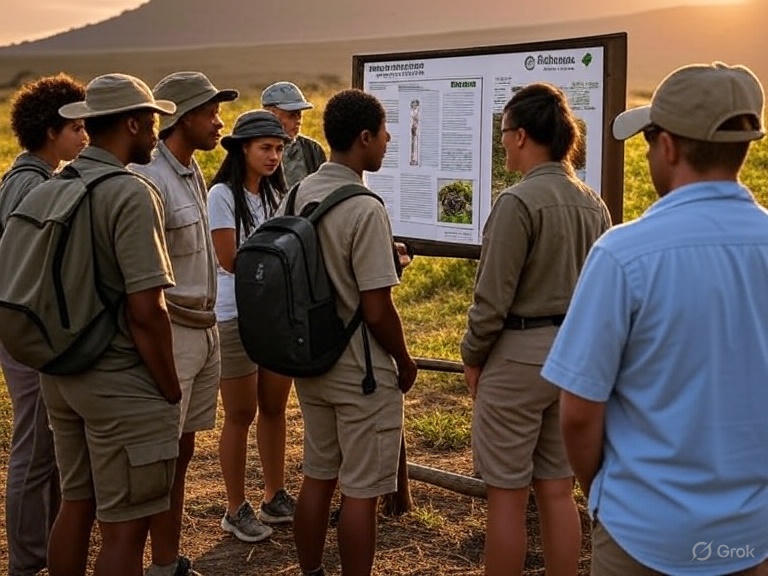
Vaccinations and yellow fever
Several weeks before you travel, consult your doctor or a travel clinic about vaccinations, as recommendations depend on your medical history and itinerary. Commonly advised vaccinations for Tanzania include hepatitis A and typhoid, and it is wise to ensure your routine immunisations, such as tetanus, are up to date. Your travel-health professional is the best source of personalised advice, so book an appointment in good time rather than leaving it to the last minute.
A particular point of confusion is yellow fever. A yellow fever vaccination certificate is required only if you are arriving in Tanzania from, or have recently transited through, a country with risk of yellow fever transmission. Travellers coming directly from countries without that risk, such as those in Europe or North America, do not normally need it for entry, though requirements can change, so always confirm the current rules for your specific routing before you travel. We are happy to advise based on your journey.
Malaria prevention
Tanzania's safari areas are malarial, so malaria prevention is the most important health consideration for most travellers. The good news is that it is very manageable. Consult your doctor about antimalarial medication well before you travel, as there are several options to suit different people, and take the course exactly as prescribed, including before and after your trip. This chemical protection is highly effective and gives great peace of mind.
Alongside medication, simple bite-prevention measures further reduce the risk: use insect repellent containing DEET, especially around dusk and dawn when mosquitoes are most active, wear long sleeves and trousers in the evenings, and sleep under the mosquito nets provided at camps. Combining antimalarials with these practical steps makes the risk very small. Many travellers worry about malaria more than they need to; with proper precautions, it is a well-controlled and minor concern on a well-run safari.
One further biting insect deserves a mention: the tsetse fly, found in wooded areas of parks such as Tarangire and parts of the Serengeti. Tsetse bites are a daytime nuisance rather than a serious danger — sleeping sickness in tourists is vanishingly rare — but the flies are drawn to dark colours, particularly blue and black, which is one good reason safari clothing tends towards khaki, green and beige. Neutral colours and a little repellent on game drives keep the bites to a minimum. It is also worth knowing that high-altitude areas such as the Ngorongoro Crater rim, at over 2,200 metres, carry a far lower malaria risk than the lowlands.
Food, water and staying well
Stomach upsets are among the more common minor complaints for any traveller, but they are largely avoidable with a few sensible habits. Drink only bottled or filtered water, which camps and lodges provide in abundance, and avoid tap water, including for brushing your teeth in some areas. The food at safari camps and reputable lodges is generally of a high standard and prepared with hygiene in mind, so you can eat with confidence.
When you are out and about, particularly in towns and markets, apply the usual common sense: favour freshly cooked, hot food, be cautious with raw salads and unpeeled fruit washed in tap water, and carry hand sanitiser. Staying well hydrated, especially in the heat, also helps your body cope. With these simple precautions, most travellers eat and drink their way happily through a safari without any trouble at all, enjoying the excellent food that good camps provide.
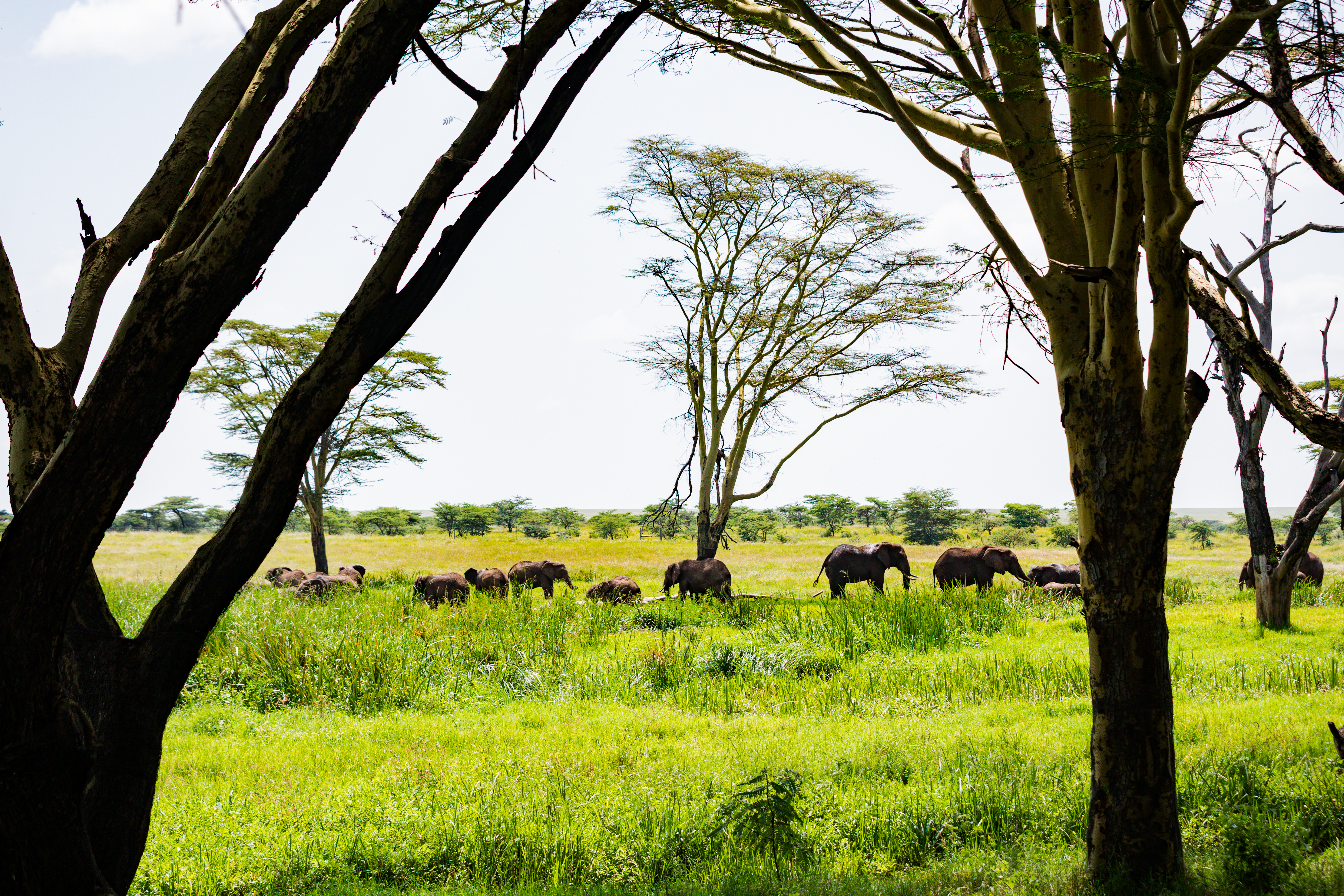
Wildlife safety on safari
Many first-time visitors worry about the danger of the wild animals, but on a properly run safari the risk is very low. The golden rule is to listen to and follow your guide at all times. During game drives you stay in the vehicle, which the animals perceive as a single, non-threatening shape, allowing remarkably close yet safe encounters. Standing up, leaning out excessively, or making sudden movements and loud noises is discouraged precisely because the safety of game viewing depends on calm, sensible behaviour.
At camps, especially the more remote, unfenced ones, follow the staff's guidance — for example, being escorted to your tent after dark, keeping your tent zipped, and not leaving food inside. These simple rules exist because wildlife may pass through camp, and respecting them keeps everyone safe. Walking safaris are conducted by armed, trained guides who manage the experience carefully. Incidents are extremely rare, and by following professional guidance you can enjoy close encounters with Africa's wildlife in complete safety.
Sun, heat, altitude and travel insurance
The equatorial sun is strong, so protect yourself with high-factor sunscreen, a wide-brimmed hat, sunglasses and plenty of water; sunburn and dehydration are far more common problems than any exotic disease. If your trip includes the Ngorongoro highlands or a Kilimanjaro climb, be aware that altitude brings cooler temperatures and, on the mountain, the need for gradual acclimatisation. Packing warm layers for cool mornings and high areas is essential even on a hot-weather safari.
Above all, comprehensive travel insurance is non-negotiable for any safari. Ensure your policy covers medical treatment, emergency medical evacuation — which is vital given the remoteness of many safari areas — repatriation, and any activities you plan, such as a Kilimanjaro climb. Good operators can also arrange flying-doctor cover for added security. The cost of insurance is small against the reassurance it provides, and arranging it as soon as you book your trip is the wise course.
It is also reassuring to know what medical care is available on the ground. Arusha and Moshi, the gateway towns for the northern safari circuit and Kilimanjaro, have good private clinics and hospitals, and pharmacies there are well stocked with everyday medicines. In the parks, guides carry first-aid kits and stay in radio or telephone contact with base, and AMREF Flying Doctors operates air-ambulance evacuation across East Africa, with short-term tourist cover available for around 15 to 30 US dollars. Serious incidents are rare, but the infrastructure to deal with them exists — which is precisely why comprehensive insurance completes the picture.
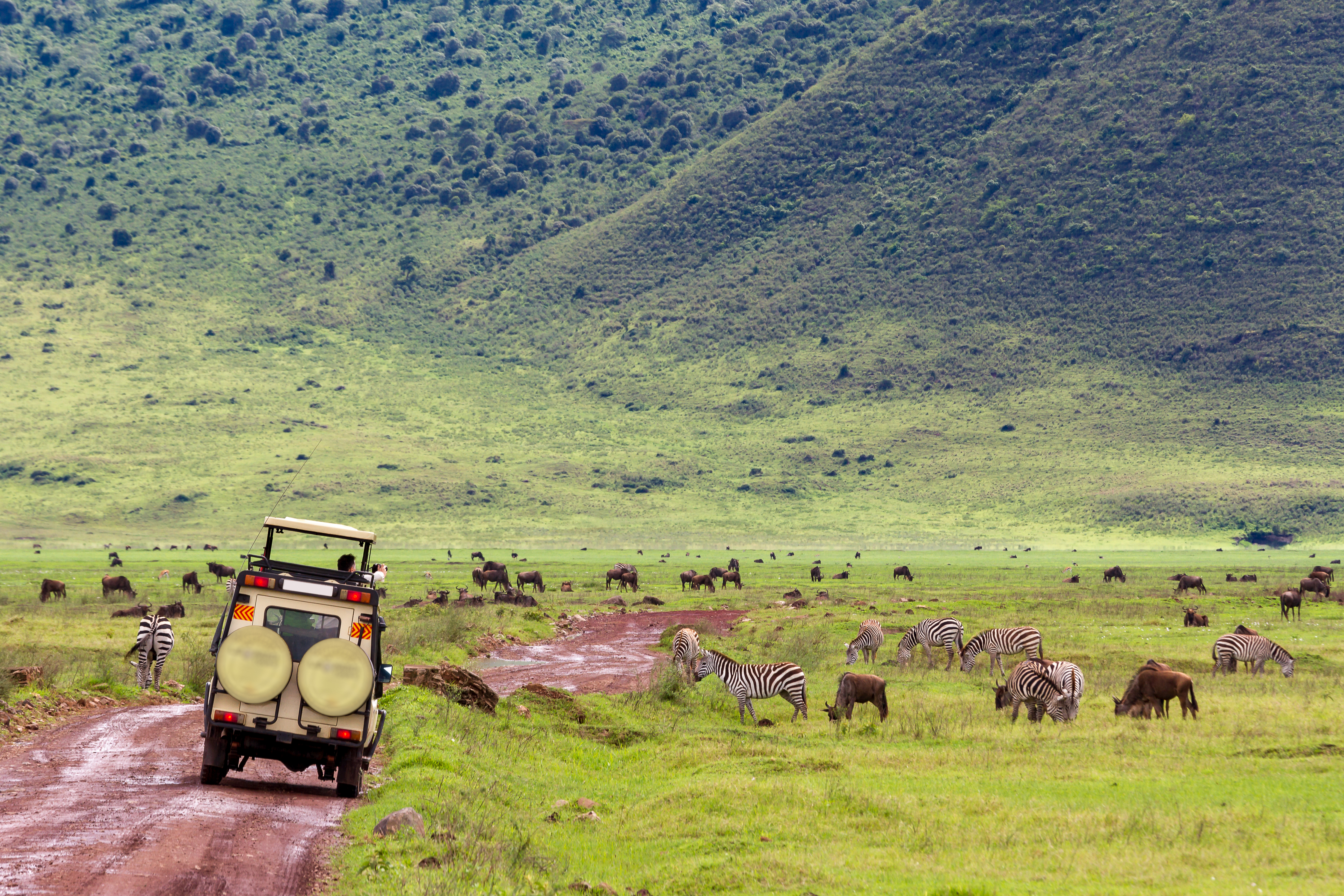
Personal safety and peace of mind
In terms of personal safety, the safari areas, the main tourist routes and Zanzibar are well established and generally trouble-free, and Tanzanians are famously warm and welcoming. As anywhere in the world, ordinary common sense applies, particularly in towns and cities: keep valuables and large amounts of cash out of sight, use transport arranged by your lodge or operator rather than hailing vehicles on the street, avoid walking alone after dark in urban areas, and keep copies of your important documents.
Travelling with a reputable, established operator adds a valuable layer of security and reassurance, since you always have a professional team looking out for you and a reliable point of contact if anything is needed. The combination of sensible personal precautions and the support of a good operator means that the vast majority of travellers experience Tanzania as not only one of the most rewarding but also one of the most relaxed and welcoming destinations they have visited. Prepared properly, you are free to simply enjoy it.
A personal medical kit and what to pack
While reputable camps and your operator carry first-aid supplies, it is sensible to bring a small personal medical kit for everyday complaints. Useful items include any regular prescription medications in sufficient quantity, kept in your hand luggage in their original packaging; your antimalarial tablets; painkillers; rehydration sachets and something for an upset stomach; antihistamines; plasters and antiseptic for minor cuts; and high-factor sunscreen, lip balm and a good insect repellent containing DEET. A few personal extras, such as motion-sickness tablets for bumpy roads or light aircraft, can also make the trip more comfortable.
Pack your kit thoughtfully and keep the essentials with you rather than in your main luggage, in case bags are delayed. It is also wise to carry a written list of your medications and any allergies or conditions, along with your travel insurance details and emergency contacts, so the information is to hand if needed. None of this is cause for anxiety — it is simply the kind of sensible preparation that lets you relax, knowing you are equipped for the small, everyday things that can crop up on any trip.
Travelling with children and family safety
Families often ask whether a safari is safe for children, and the answer is a confident yes, provided the trip is planned with their ages in mind. Many camps and lodges welcome families and some offer dedicated family accommodation and activities, while a private safari with your own guide and vehicle gives the flexibility to set the pace, take breaks, and adapt the day to younger travellers. The same health precautions apply, with particular care over sun protection, hydration and antimalarial advice suitable for children, which your doctor can provide.
For families, as for everyone, the golden rules of wildlife and camp safety are easily followed and keep children safe: staying in the vehicle on game drives, following the guide's and camp staff's instructions, and being escorted around camp after dark. With a reputable operator, an itinerary paced for the family, and a little extra planning, a safari is a magical and entirely safe adventure for children and a wonderful experience to share across the generations. We are always happy to advise on the best family-friendly options for your group.
Plan the wider trip with our best time to visit Tanzania guide, and just ask us any health or safety question you have.
Related reading: Safari with children in Tanzania: an honest guide.
More on this in Solo female safari in Tanzania: a practical guide.
More on this in Tanzania safari for seniors: comfort, pace and accessibility.
A safari is far safer than most travellers fear — a few sensible precautions before you go leave you free to enjoy the wild with complete peace of mind.
- See a travel clinic weeks ahead for vaccinations
- Take antimalarials and prevent bites
- Drink bottled or filtered water
- Always follow your guide for wildlife safety
- Protect against the strong equatorial sun
- Get insurance with medical evacuation cover
Plan a safe and healthy safari
Good preparation is the foundation of a safe, healthy and relaxed safari, and we are always glad to help with honest, practical advice. Tell us your plans and any concerns you have, and we will guide you on the health precautions for your specific itinerary, recommend reputable, well-run camps, and ensure you are properly looked after from the moment you arrive to the moment you fly home — so you can focus entirely on the wonder of Tanzania.
Plan your Tanzania safari with Sokwe Africa Safari