
How to Pack for a Tanzania Safari
Packing for a Tanzania safari involves a specific kind of discipline: you want to be comfortable, prepared, and properly equipped, but you also need to be practical. Most internal safari flights in Tanzania operate with a strict luggage weight limit of 15 kilograms per person in a soft-sided bag, and many mobile camps have limited storage space. Knowing what to include — and more importantly what to leave behind — makes the difference between arriving at camp feeling prepared and arriving with a suitcase full of the wrong things.
The fundamental principle of safari packing is layers. Tanzania's wildlife areas span a range of altitudes and microclimates. The Serengeti plains can be intensely hot at midday and surprisingly cold at night and on early morning game drives. The Ngorongoro Crater rim sits at 2,300 metres and can be genuinely cold with morning mist. Tarangire is a lower-elevation, drier ecosystem where midday temperatures can exceed 35 degrees Celsius. One trip may take you through all three environments within a week, so the ability to add and remove layers efficiently is essential.
Clothing: What to Wear on Safari
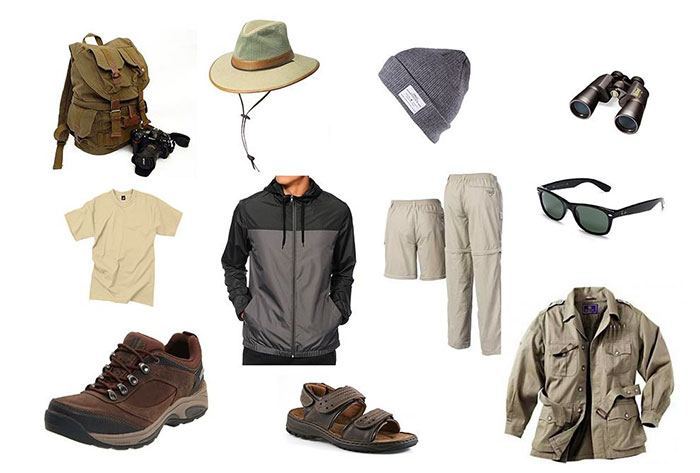
The most important rule of safari clothing is neutral colours. Khaki, olive green, tan, brown, and grey are ideal — these tones blend with the environment and do not startle wildlife. Avoid white (highly visible, stains easily in the bush), blue and black (colours associated with tsetse fly attraction in some areas), and bright colours of any kind. Military-style camouflage is not appropriate for safari in Tanzania and is actually prohibited in some national park contexts.
For the actual clothing list, pack three to four lightweight long-sleeved shirts in neutral tones — long sleeves protect against sun exposure on open-vehicle drives and provide some protection against insects at dawn and dusk. Bring two to three pairs of lightweight trousers or convertible zip-off trousers. A fleece or light down jacket is essential for cold morning and evening drives. Shorts are fine for midday camp time but are not recommended on dawn and dusk drives when mosquito and tsetse activity is highest.
Footwear should be practical. Comfortable, closed-toe walking shoes or lightweight hiking boots are ideal — you will be walking between your vehicle and camp, sometimes on uneven ground, and robust footwear prevents rolled ankles. Flip-flops or sandals are useful around camp but not for game drives. Pack one pair of smart-casual clothes for evenings at camp — dinner at a luxury tented lodge is a relaxed affair but many guests appreciate having a light linen shirt or dress to change into after a long day in the field.
Essential Equipment: What Your Guide Wishes You Would Bring
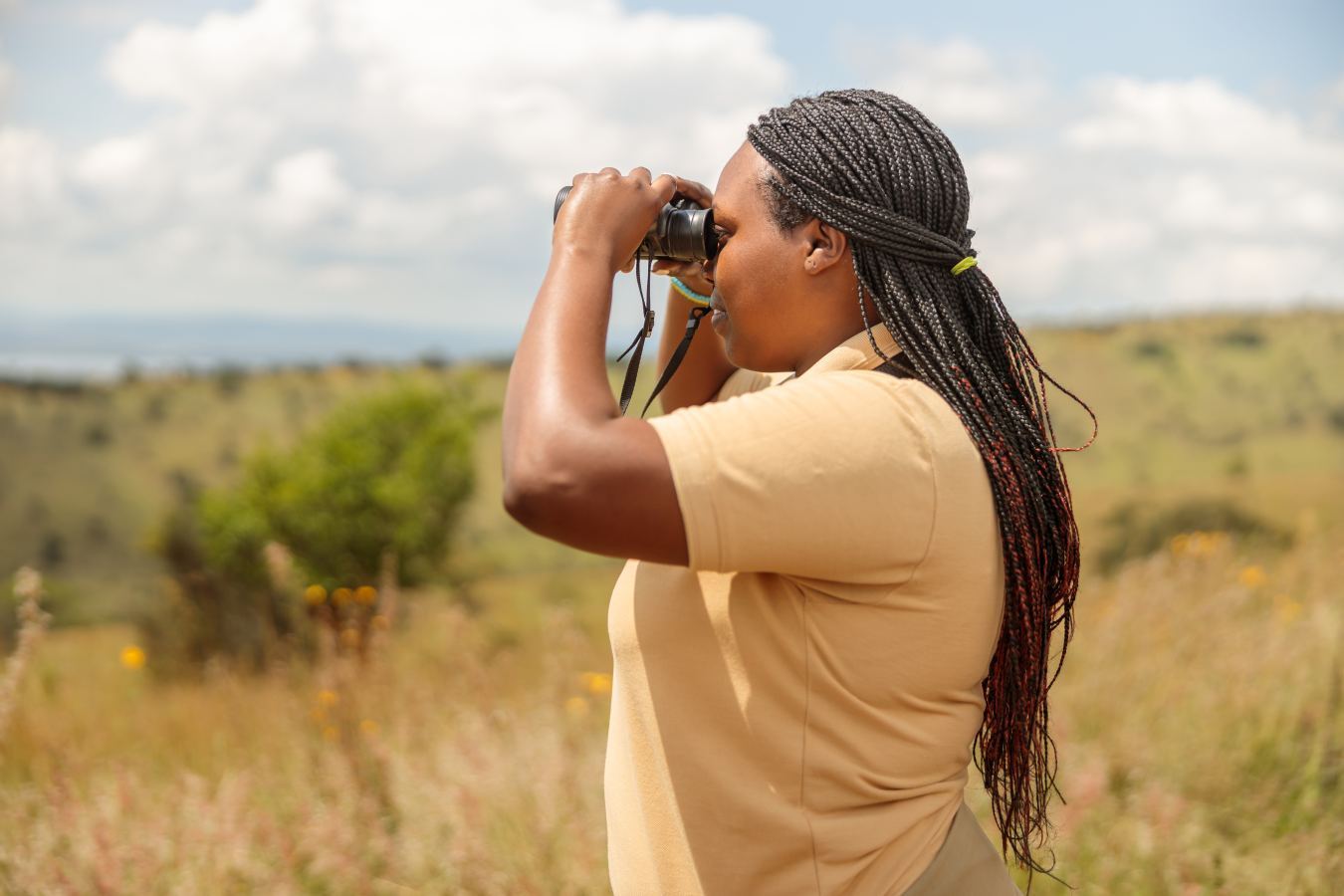
Binoculars are the single most transformative piece of equipment you can bring on a Tanzania safari. A good pair of binoculars — 8x42 or 10x42 magnification from a reputable brand — turns a distant shape in the grass into a full scene of animal behaviour. They are equally essential for birding, where Tanzania's 1,100-plus species include extraordinary colours and details that are simply invisible without magnification. Invest in quality binoculars before your safari — it is one of the best purchases you will ever make for wildlife travel.
Camera equipment is a personal choice, but a few principles apply broadly. A DSLR or mirrorless camera with a telephoto lens of at least 300mm focal length will allow you to fill the frame with animals at reasonable distances. Bring more memory cards and batteries than you think you need — you will take more photographs than you expect, and battery charging in remote camps can be intermittent. A dust-proof bag or cover is valuable on dry-season drives when the tracks throw up significant red laterite dust that will find its way into any unprotected equipment.
Sun protection is critical. A wide-brimmed hat with a neck cover is essential for game drives where the equatorial sun is direct and intense, especially when standing through the roof hatch for extended periods. SPF50 sunscreen, UV-protective sunglasses, and a buff or neck gaiter for dust protection complete the sun kit. Bring a small, powerful torch — load shedding is uncommon at premium camps but walking between tents after dark in the African bush requires a reliable light.
Health and Medical Essentials
Consult your doctor or a travel medicine specialist at least six to eight weeks before your Tanzania safari. Malaria prophylaxis is recommended for all wildlife areas in Tanzania — your doctor will advise on the most appropriate medication for your health profile and travel duration. Yellow fever vaccination may be required depending on your country of origin and transit countries. Bring a comprehensive travel health kit including antiseptic, plasters, rehydration salts, antihistamine, and any prescription medications in sufficient supply plus backup.
Insect repellent containing DEET at a minimum concentration of 30 to 50 percent is essential, particularly for dawn and dusk hours when mosquito activity peaks. Apply it to all exposed skin before evening drives and dinners. Most luxury camps provide mosquito nets over beds, but personal repellent remains important for time spent outdoors. Hand sanitiser, wet wipes for dusty game drives, and a high-quality travel insurance policy that covers medical evacuation are all essential components of a responsible Tanzania safari packing strategy.
Luggage: The Right Bag for Safari
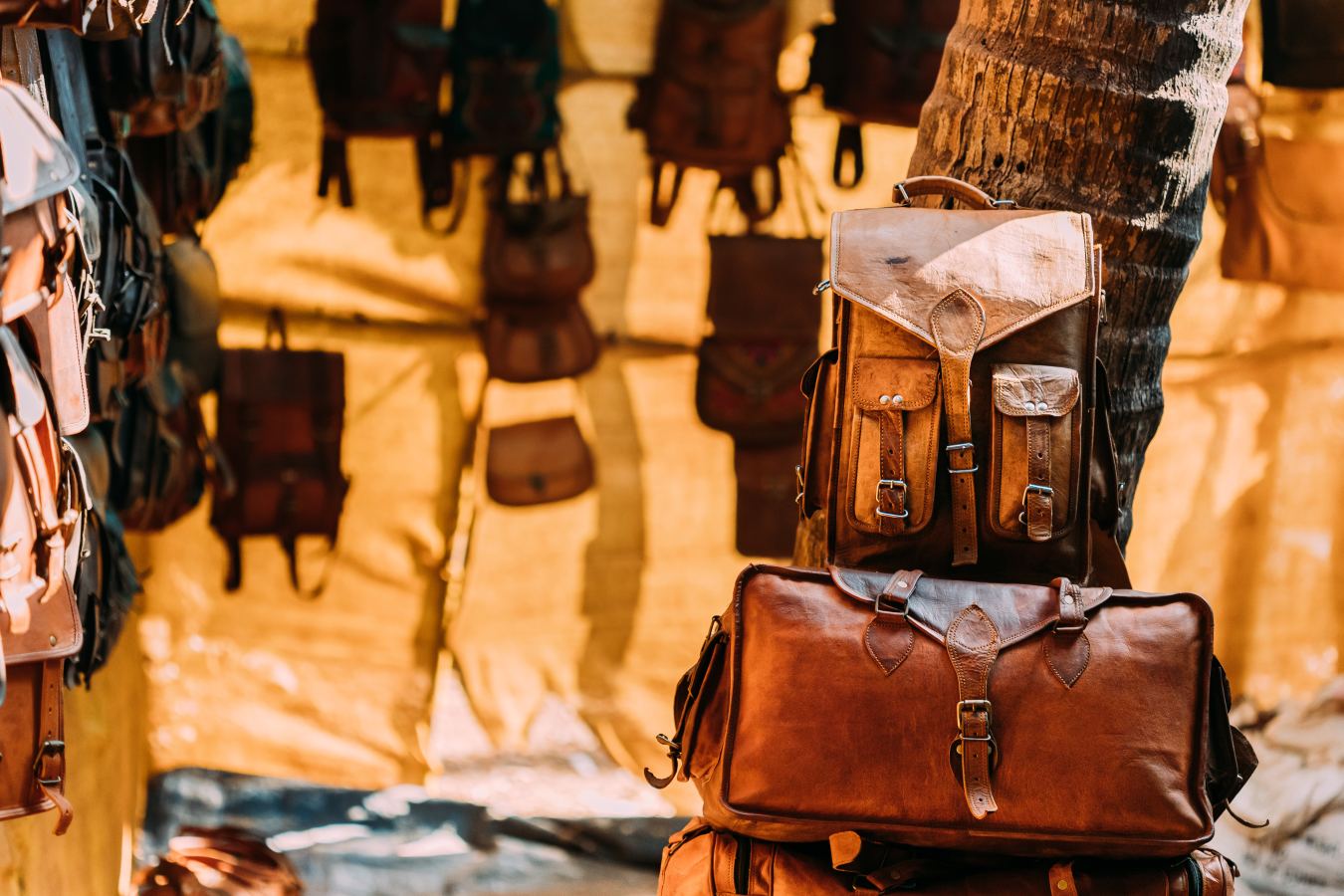
As noted, most internal Tanzania flights require soft-sided bags with a maximum weight of 15 kilograms. Hard-shell suitcases cannot be accepted on most bush aircraft. A soft-sided duffel bag of 70 to 80 litres capacity is ideal — it compresses when not fully packed, fits in aircraft cargo holds, and can be stored easily in tent cupboards. Pack a small daypack separately for carrying items you want in the vehicle: camera, binoculars, sunscreen, water bottle, snacks, and a light layer for early-morning temperature changes.
The right kit does not make a safari — but the wrong kit can certainly diminish one. Pack with intention, travel with lightness, and let Tanzania do the rest.
- Neutral-coloured clothing only (khaki, olive, tan)
- Long-sleeved shirts and light fleece or jacket
- Quality binoculars 8x42 or 10x42
- Telephoto camera with spare batteries and cards
- Wide-brim hat and SPF50 sunscreen
- DEET-based insect repellent
- Soft-sided duffel bag maximum 15kg
- Malaria prophylaxis prescribed by your doctor
Related reading: our safari and Zanzibar honeymoon.
If you are weighing this up, see our combining a safari with Zanzibar.
More on this in our Lake Manyara safari guide.
Related reading: Can you wear shorts on safari in Tanzania? What to wear, what to avoid and local dress norms.