
Why Tarangire is special
Tarangire National Park is one of Tanzania's most underrated treasures, often overshadowed by the famous Serengeti and Ngorongoro yet beloved by those who know it. Lying just two to three hours from Arusha, it is the perfect first stop on a northern circuit, and it offers a landscape and atmosphere quite unlike anywhere else in the country. Vast herds of elephants, ancient baobab trees, and a remarkable density of wildlife in the dry season make Tarangire a genuine highlight rather than a mere warm-up act.
Covering around 2,850 square kilometres, the park is defined by the life-giving Tarangire River, which winds through its heart and draws extraordinary concentrations of animals during the dry months. While many travellers give it only a day, those who linger discover one of the most rewarding and photogenic parks in East Africa. This guide covers what makes Tarangire special, when to visit, what you will see, and how to weave it into a wider Tanzania safari.
The elephants of Tarangire
Tarangire is, above all, elephant country. During the dry season the park hosts one of the greatest concentrations of elephants anywhere in Africa, with herds of two and three hundred not unusual as families converge on the Tarangire River, the only permanent water for many kilometres around. Watching these great processions of mothers, calves and towering bulls move down to drink and bathe is one of the most moving wildlife spectacles in Tanzania.
The elephants here are relaxed and well habituated to vehicles, allowing wonderfully close, respectful encounters. You will see tiny calves sheltering beneath their mothers, adolescents play-fighting, and old bulls with magnificent tusks moving with slow dignity through the bush. For anyone who loves elephants — and few leave Tarangire without falling for them — the park delivers sightings of a quality and abundance that rival anywhere on the continent.
The baobab landscape
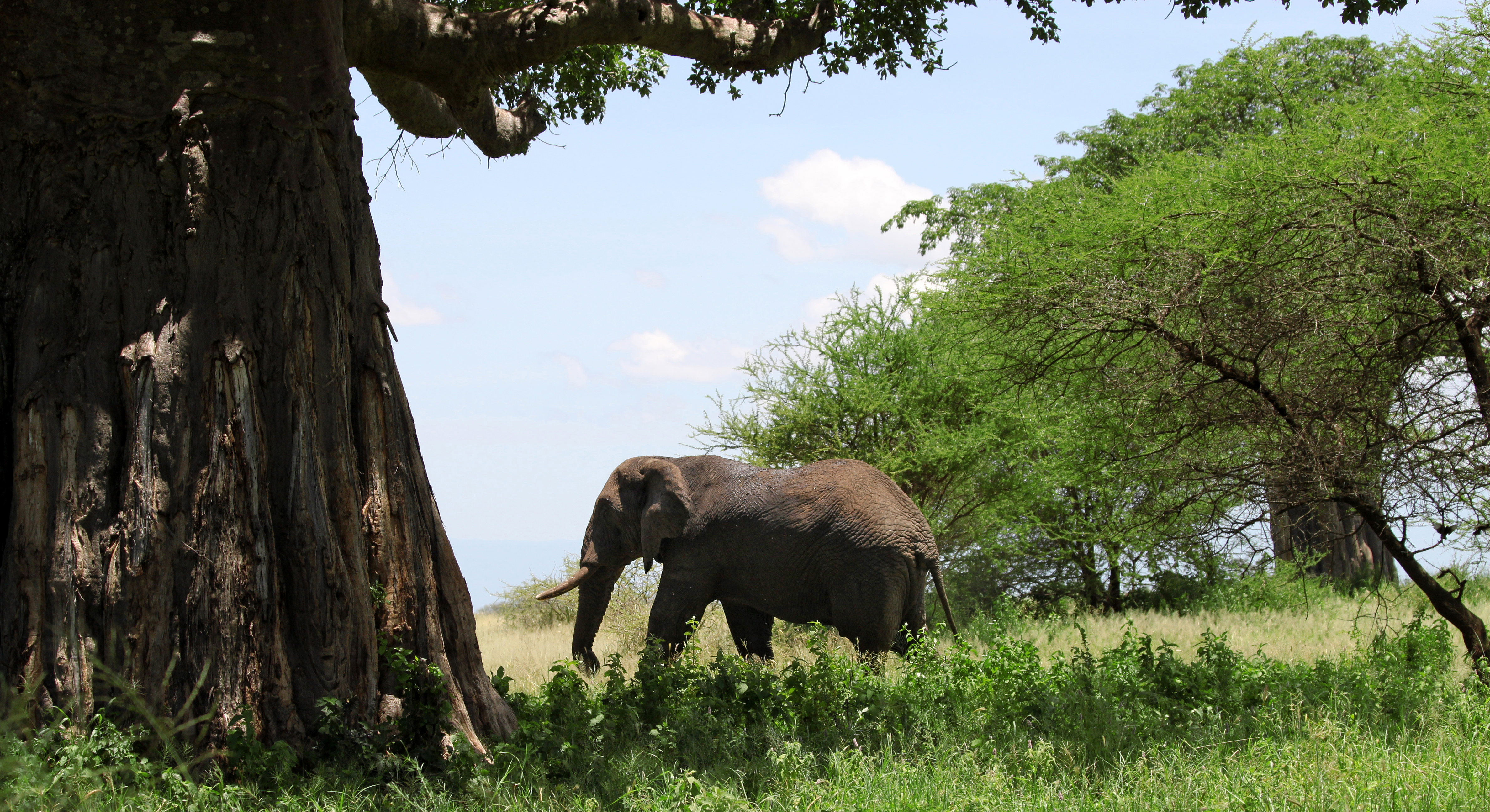
If the elephants are Tarangire's heart, the baobabs are its soul. The park is studded with these extraordinary trees, some over a thousand years old, their swollen trunks and root-like branches creating a primeval, almost otherworldly landscape. Often called the "tree of life," the baobab stores water in its massive trunk and provides food and shelter for countless creatures; elephants sometimes strip its bark in the dry season for moisture.
The baobabs make Tarangire one of the most photogenic parks in Tanzania, especially in the golden light of early morning and late afternoon, when their dramatic silhouettes stand against the sky. Combined with the rolling, open terrain and the swamps in the south of the park, they give Tarangire a distinctive character that sets it apart from the grasslands of the Serengeti and the forest of Manyara — a landscape you will not forget.
Wildlife beyond the elephants
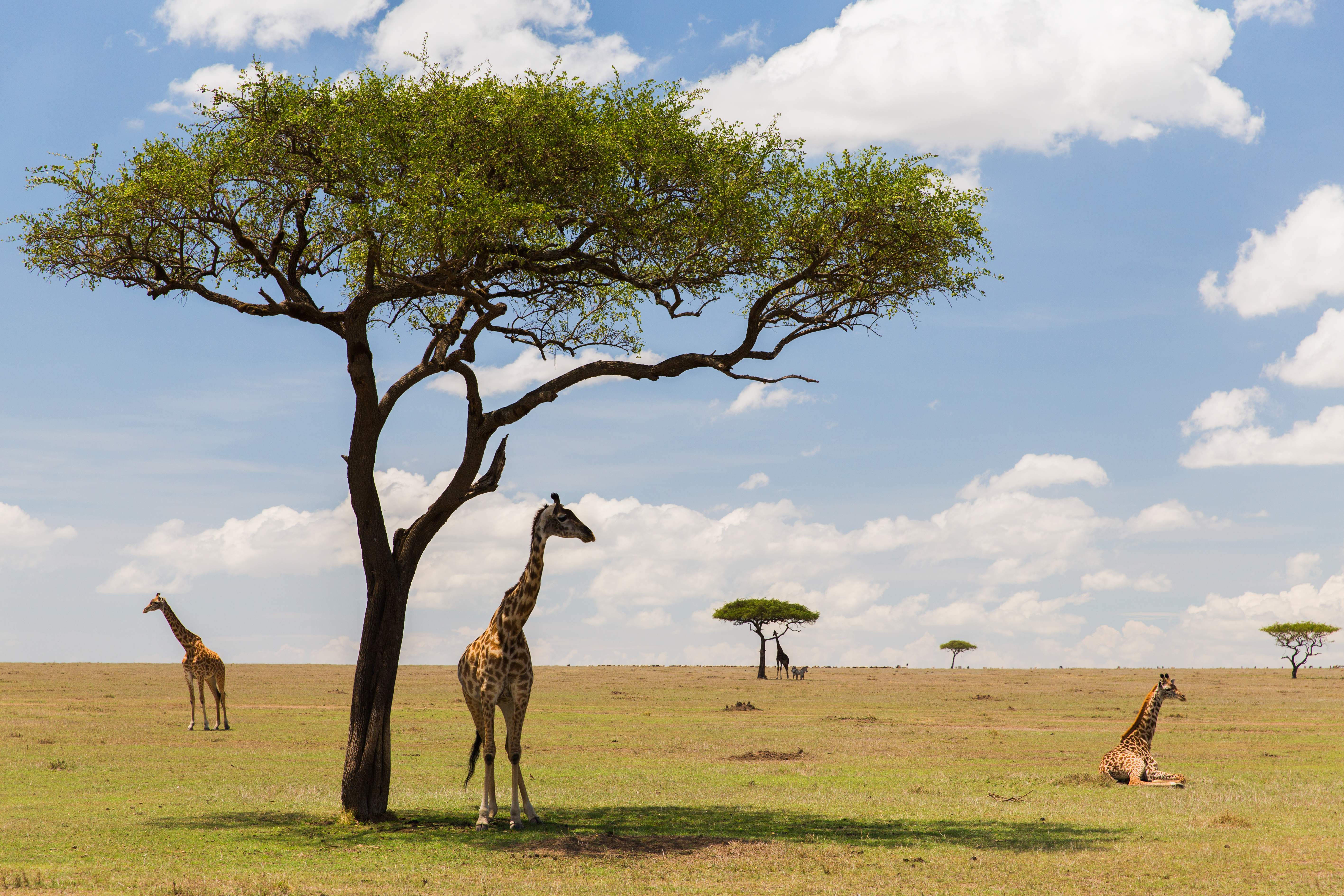
While elephants and baobabs define Tarangire, the park rewards far beyond them. Lion, leopard and cheetah are all present, and the dry season concentrations of zebra, wildebeest, buffalo, giraffe, impala and eland draw the predators into excellent action. Tarangire is also one of the best places in Tanzania to see less common species such as the fringe-eared oryx, the long-necked gerenuk and the greater kudu, giving keen wildlife watchers a richer list than the more famous parks.
Birdlife is exceptional, with over 550 recorded species making Tarangire one of East Africa's premier birding destinations. Flocks of colourful bee-eaters, hornbills, the comical ground hornbill, raptors and the huge kori bustard are all readily seen, and the swamps teem with waterbirds. Whether your passion is big game, predators or birds, Tarangire offers a depth and variety that repays a proper visit rather than a hurried half-day.
Best time to visit Tarangire
Tarangire is at its most spectacular in the dry season, from around June to October, when the surrounding plains dry out and wildlife concentrates along the Tarangire River in astonishing numbers. This is when the great elephant herds gather and the game viewing is at its peak — for sheer density of animals, few places in Tanzania can match Tarangire in the dry months. It is the prime window for a Tarangire-focused visit.
The green season, from November to May, transforms the park into a lush, bird-rich landscape with newborn animals and dramatic skies, though the wildlife disperses more widely as water becomes plentiful elsewhere. It is a beautiful, quieter time with excellent birding, even if the headline elephant concentrations are less intense. Our guide to the best time to visit Tanzania sets out how Tarangire's seasons fit the wider safari calendar.
How Tarangire fits a northern circuit
Tarangire's location makes it a natural opening chapter for the classic northern circuit. Most itineraries begin here, just a couple of hours from Arusha, before continuing to Lake Manyara, the Ngorongoro Crater and the Serengeti. Starting with Tarangire eases you gently into safari with superb, relaxed game viewing, and its proximity to Arusha means little time is lost in transit.
We generally recommend at least one full day in Tarangire, and ideally a night or two at a camp within or beside the park, so you can enjoy both morning and late-afternoon game drives when the light and the wildlife are at their best. Rushing through in a few hours, as some tours do, sells the park short. Given a proper visit, Tarangire often turns out to be a trip highlight that travellers did not see coming.
See how Tarangire fits the wider trip in our Tanzania safari itinerary, and time it with our best time to visit Tanzania guide.
Related reading: Tarangire Safari Lodge: the view that sells itself.
Tarangire is the park travellers underestimate and then never forget — a landscape of ancient baobabs and rivers of elephants, just two hours from Arusha.
- Famous for huge dry-season elephant herds
- Ancient, dramatic baobab landscapes
- 550+ bird species — superb birding
- Less common game: oryx, gerenuk, kudu
- Best June–October; lush and quiet in green season
- The ideal first stop on a northern circuit
Where to stay and how long to visit
Tarangire offers a good range of accommodation, from comfortable lodges on the escarpment overlooking the park to intimate tented camps set within or beside it. Staying inside or right next to the park is well worth it, as it lets you be out at dawn and dusk when the light is golden and the wildlife most active, rather than losing the best hours to driving in from afar. Several lovely camps sit in private concessions bordering Tarangire, where walking safaris and night drives — not permitted inside the national park — are also possible.
For how long, we suggest at least one full day and ideally a night or two. A single day allows a satisfying loop and good elephant viewing, but a second day lets you explore the quieter southern swamps, enjoy both morning and afternoon drives, and appreciate the park's depth. Birders and photographers in particular will happily fill two or three days here without running out of subjects.
Many travellers combine their Tarangire stay with the nearby cultural attractions of the region, such as a visit to a local Maasai or Datoga community, or the vibrant markets of the area, adding a human dimension to the wildlife. The drive between Tarangire and the next stops on the northern circuit also passes through beautiful country, so the park integrates seamlessly into a wider trip.
A practical tip: because Tarangire is so close to Arusha, it works equally well as the first park of a longer circuit or as a rewarding short safari in its own right for travellers with limited time. Even a two- or three-day Tarangire-focused trip delivers a genuine, high-quality safari without the longer drives of the full circuit, making it a wonderful option for a first taste of Tanzania or a return visit.
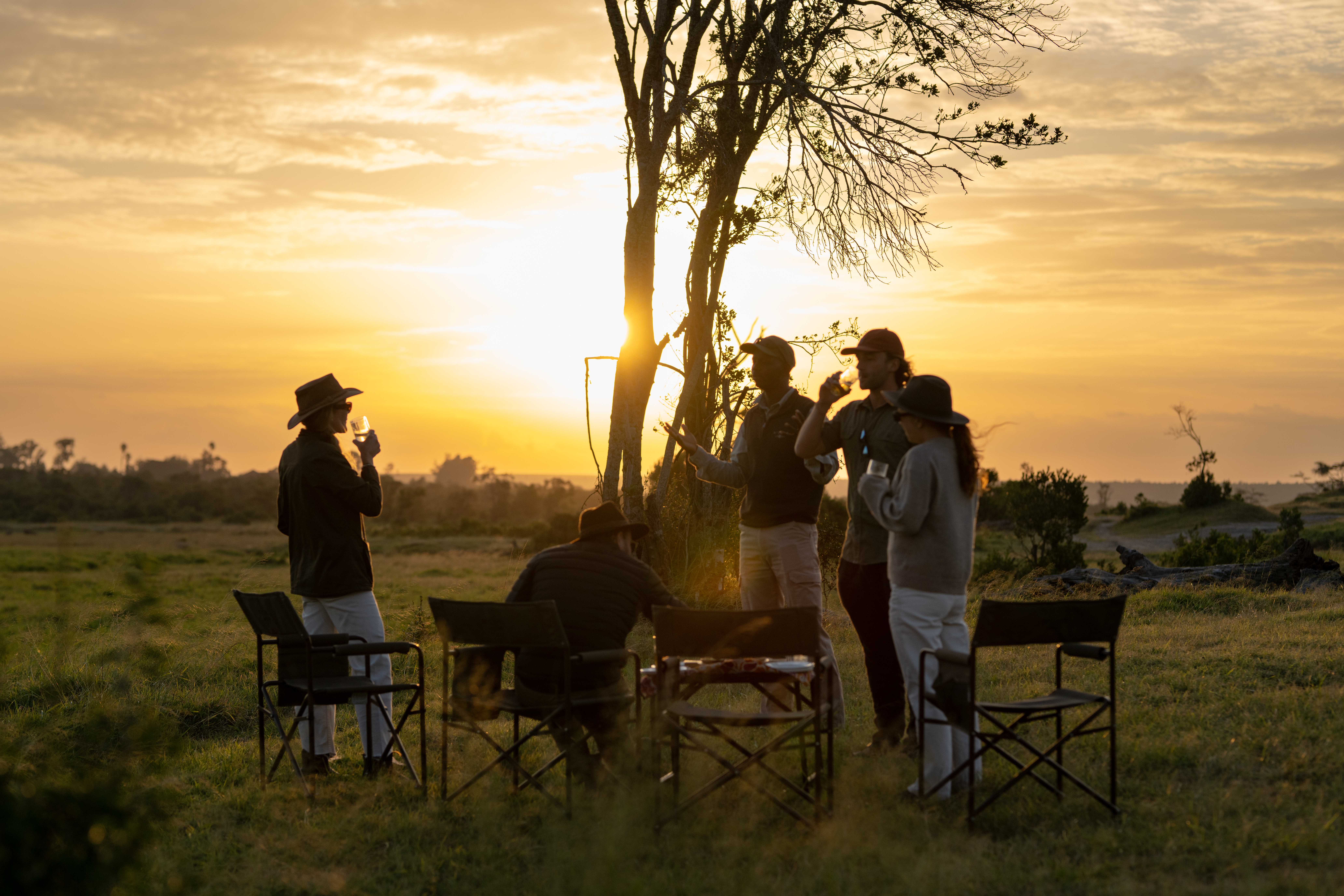
Whenever you visit, a knowledgeable guide transforms Tarangire. The park's wildlife is concentrated and seasonal, its birds numerous and varied, and its landscapes endlessly photogenic, so a guide who knows where the herds are gathering and which areas are productive makes all the difference. With the right planning and a little time, Tarangire consistently ranks among travellers' favourite parks — the quiet gem of the northern circuit.
Getting to Tarangire and how it compares
Reaching Tarangire is wonderfully easy, which is a large part of its appeal. The main gate lies roughly two to three hours by road from Arusha and Kilimanjaro Airport, on good tarmac for most of the way, making it the natural first stop on a northern circuit and an easy introduction to safari after a long flight. For those on a fly-in itinerary, the park has its own airstrips served by light aircraft, allowing a quick hop from the Serengeti or Arusha. Either way, little time is lost getting there, leaving more for the wildlife.
Compared with Tanzania's other northern parks, Tarangire occupies a special niche. It cannot match the Serengeti for sheer scale or the drama of the migration, nor the Ngorongoro Crater for concentrated density, but it surpasses both for elephants and baobabs, and it is far quieter than either. Where the Serengeti is about endless plains and the crater about a contained wildlife amphitheatre, Tarangire is about atmosphere — ancient trees, winding river, and the slow procession of great elephant herds through a timeless landscape.
That distinctiveness is exactly why Tarangire deserves its place on any well-rounded itinerary rather than being skipped or rushed. It offers a different mood and a different cast, complementing the more famous parks rather than competing with them. Travellers who include a proper Tarangire visit come away with a fuller, more varied picture of Tanzania — and very often with the park near the top of their list of favourites, precisely because it surprised them.
Tarangire is also an important stronghold for conservation, protecting a vital dry-season refuge and a key elephant population within the wider ecosystem that extends well beyond the park's boundaries. The fees you pay as a visitor directly support this protection and the surrounding communities, so a Tarangire safari is not only a joy but a small act of support for the wildlife and people of the region. It is a place that rewards the curious and gives back to the wild in equal measure.
Plan your Tarangire safari
Tarangire deserves more than the fleeting half-day many itineraries give it, and building in a proper visit — ideally with a night in the park — turns it into a genuine highlight. Tell us your dates and interests, and we will weave Tarangire into a perfectly paced northern Tanzania safari alongside Manyara, Ngorongoro and the Serengeti, with the timing set to catch the park at its very best.
Plan your Tarangire safari with Sokwe Africa Safari