
Dubai to the African Wilderness: Closer Than You Think
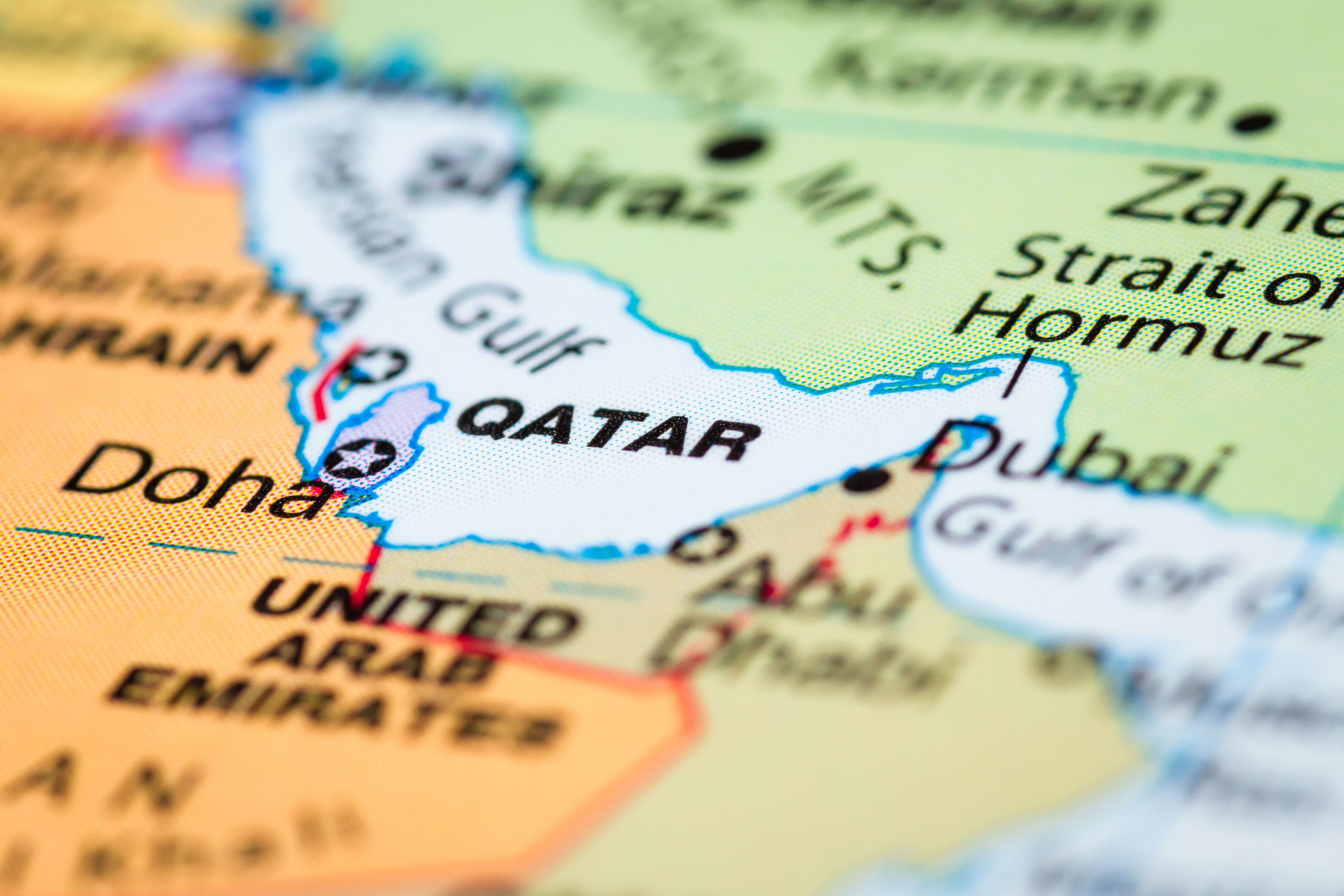
For residents of the UAE and travellers passing through Dubai's extraordinary international hub, Africa's greatest wildlife destinations are among the most logistically accessible safari markets in the world. While travellers from London or New York face journey times of ten to twenty hours to reach the savannahs of East Africa, Dubai sits at a geographic midpoint between the Gulf and the African continent that makes the distance feel almost negligible by comparison. An African safari from Dubai is not a distant aspiration requiring weeks of planning and a long-haul commitment — it is a journey of five to seven hours, operated daily by some of the world's finest airlines, to one of the most extraordinary experiences the natural world has to offer.
For the luxury traveller based in Dubai — whether a UAE resident, a GCC national, or an international visitor using Dubai as a gateway — the African safari represents a particular kind of counterpoint to urban life in one of the world's most built environments. The contrast between the glass towers of the Marina and the open infinite horizon of the Serengeti is total, deliberate, and deeply restorative in ways that other luxury travel experiences rarely match. This guide covers everything the Dubai-based luxury traveller needs to know: the best African safari destinations accessible from Dubai, the optimal flight routes and airlines, how to structure an itinerary from the UAE, the best seasons to travel, and how to ensure the experience delivers at the level that discerning travellers from the Gulf region rightly expect.

Why Tanzania Is the Ideal African Safari Destination from Dubai
Of all Africa's premier safari destinations, Tanzania offers the most compelling combination of factors for the traveller departing from Dubai. Flight connections are exceptional — Emirates operates daily services from Dubai International Airport to both Kilimanjaro International Airport and Julius Nyerere International Airport in Dar es Salaam, with journey times of approximately five to six hours. This means a Dubai resident can leave the office on a Thursday evening, land in Arusha on Friday morning, and be on a game drive in the Serengeti by Friday afternoon — a transition from urban to wilderness that no comparable destination can match in terms of both speed and quality of experience.
Tanzania's safari credentials require no elaboration to anyone who has researched the African wilderness seriously. The Serengeti National Park and its annual Great Wildebeest Migration, the Ngorongoro Crater, the remote southern parks of Ruaha and Nyerere, and the beach paradise of Zanzibar — all within a single country and all accessible via the same entry point — give Tanzania a breadth of safari and travel experience that East Africa's other destinations cannot offer in isolation. For the UAE-based traveller who values efficiency of access alongside depth of experience, Tanzania from Dubai is the most logical and rewarding African safari choice available.

Flight Options: Getting from Dubai to Africa's Safari Destinations
The flight landscape from Dubai to Africa's primary safari destinations is exceptional by global standards, reflecting both the geographic positioning of the UAE and the extraordinary hub infrastructure of Emirates, Etihad, and flydubai. For Tanzania — the most direct and logistically elegant safari destination from Dubai — Emirates operates daily non-stop flights from Dubai International (DXB) to Kilimanjaro International Airport (JRO) and to Julius Nyerere International Airport in Dar es Salaam (DAR). Flight times run approximately five hours and thirty minutes to Kilimanjaro and five hours to Dar es Salaam — shorter than the Dubai-to-London route, and significantly shorter than any routing from North America or Western Europe to the same destinations.
For travellers considering Kenya as a standalone destination or as part of a combined Kenya and Tanzania itinerary, Emirates and Kenya Airways operate daily connections from Dubai to Nairobi's Jomo Kenyatta International Airport, with journey times of approximately four hours and thirty minutes. South Africa — specifically Johannesburg and Cape Town — is served by Emirates with daily non-stop flights from Dubai, with journey times of approximately eight to nine hours. For the UAE-based traveller who has not previously visited Africa's safari destinations, the recommendation is to begin with Tanzania: the combination of direct access, exceptional wildlife, and the Zanzibar beach extension makes it the most complete and rewarding first African safari experience available from the Gulf.
The Best African Safari Destinations from Dubai
Tanzania: The Premier Choice
Tanzania's position as the premier African safari destination from Dubai rests on three pillars: direct flight access, unmatched wildlife diversity, and the completeness of the experience it offers from a single entry point. The Serengeti alone — with its year-round resident big cat populations, the annual wildebeest migration, and the extraordinary quality of its private concession camps — would justify the journey. Add Ngorongoro's self-contained caldera ecosystem, Tarangire's elephant gatherings, Ruaha's remote wilderness, and Zanzibar's Indian Ocean beaches, and Tanzania becomes not simply a safari destination but an entire travel universe accessible within a week from Dubai.
Kenya: Intimate Conservancies and the Masai Mara
Kenya offers the UAE-based traveller a different but equally compelling safari experience, anchored by the Masai Mara ecosystem and its network of private conservancies where exclusivity, personalised guiding, and the full range of safari activities — off-road driving, night drives, guided walks, and Maasai cultural engagement — are available in a setting of exceptional natural beauty. Amboseli, with its elephant herds framed by Kilimanjaro, and Laikipia, with its rhino populations and dramatic escarpment scenery, add dimensions to the Kenya safari that the Mara alone cannot provide. The flight from Dubai to Nairobi is just over four hours, making Kenya an ideal destination for shorter safari windows of five to eight nights.
South Africa: A Different Safari Character
South Africa offers the Dubai-based traveller a safari experience of a different character — malaria-free options in the Eastern Cape and KwaZulu-Natal, the world-famous Sabi Sand Game Reserve adjacent to Kruger National Park, and the extraordinary combination of safari and Cape Town city and winelands that no other African destination can match. The Sabi Sand's leopard sightings are among the most consistent in Africa, and the quality of its luxury lodges — some of the most celebrated on the continent — is exceptional. The eight-to-nine-hour flight from Dubai to Johannesburg is the longest of Africa's primary safari routings from the Gulf but is comfortably manageable in Emirates' business class.

Structuring an African Safari Itinerary from Dubai
The geographic advantage of travelling from Dubai to Africa is most powerfully expressed in the itinerary structures it makes possible. A UAE-based traveller with a ten-day window — which for a UAE resident typically means a long weekend extended by annual leave — can achieve a genuinely comprehensive luxury safari experience that would require a traveller from London or New York to commit considerably more total travel time to accomplish. A practical and deeply rewarding ten-night Tanzania safari from Dubai might look as follows: depart Dubai Thursday evening on Emirates, land Kilimanjaro Friday morning, connect via domestic charter to the Serengeti for four nights, transfer to Ngorongoro for two nights, fly to Zanzibar for three nights, and return to Dubai from Zanzibar's Abeid Amani Karume International Airport via a brief connection — arriving back in the UAE having experienced three of East Africa's most celebrated destinations with a total journey time from home to first game drive of under twenty-four hours.
For the traveller with a longer window of fourteen to sixteen nights, the itinerary expands beautifully: Tanzania's northern circuit in full, with Tarangire added to the Serengeti and Ngorongoro sequence, followed by either a southern circuit addition — Ruaha or Nyerere for absolute wilderness — or a cross-border extension into Kenya's Masai Mara conservancies, before the Zanzibar conclusion. This structure delivers a comprehensive East Africa safari that covers the full spectrum of landscape, wildlife, and ecosystem diversity available on the continent, and it is entirely achievable as a return journey from Dubai within a standard annual leave allocation.
Seasonal Considerations for UAE Travellers
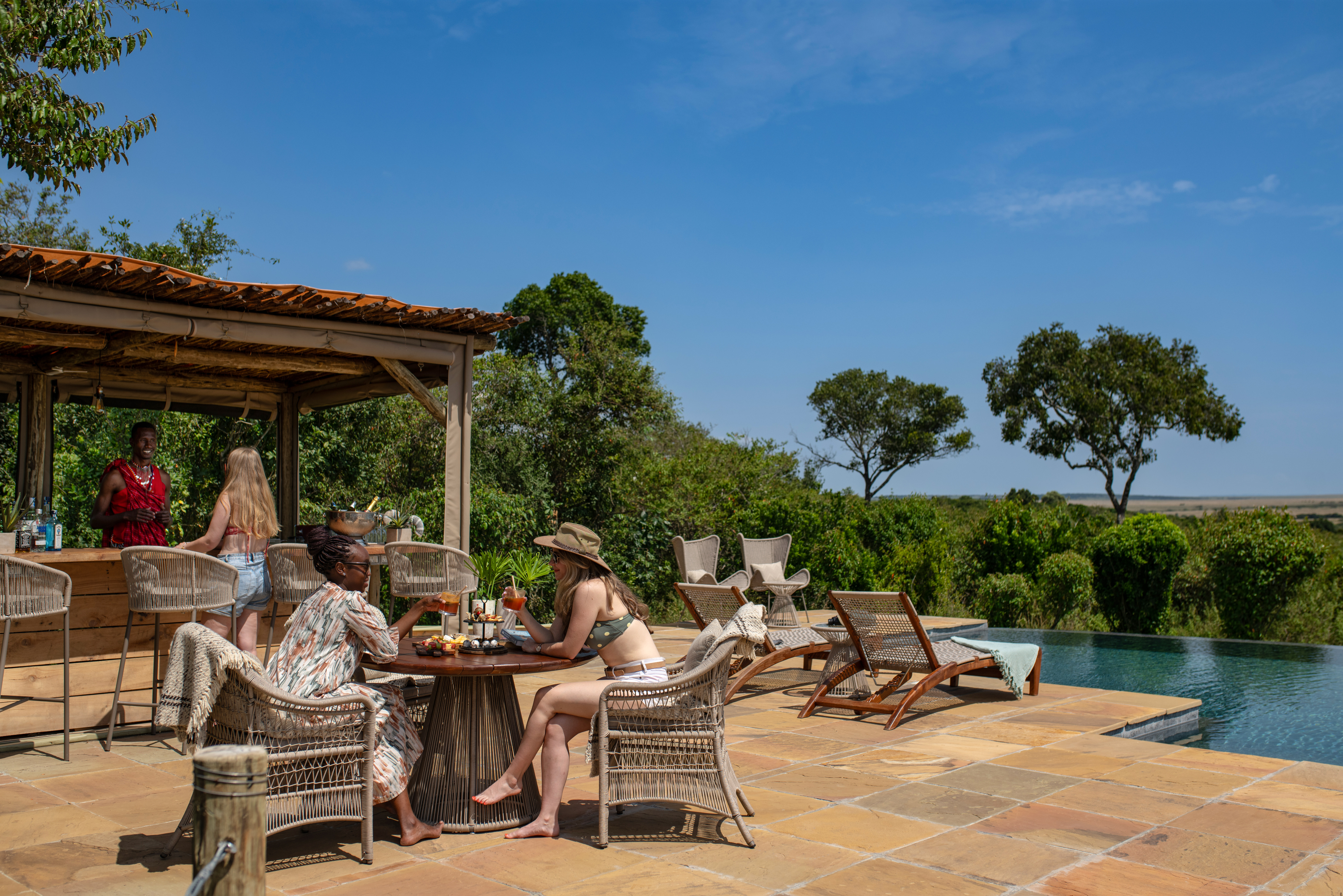
One of the practical advantages of planning an African safari from Dubai is that Tanzania's peak safari season aligns conveniently with a period when the UAE climate is at its most demanding. The Serengeti's dry season — June through October — coincides precisely with the height of the Gulf summer, when temperatures in Dubai routinely exceed 40°C and outdoor life in the UAE becomes genuinely challenging. Escaping to the Serengeti in July or August, where daytime temperatures sit comfortably between 22°C and 28°C and nights are cool and clear, is not merely a wildlife decision — it is a quality-of-life decision that makes excellent practical sense for UAE residents.
The other major consideration for UAE-based travellers is the Islamic holiday calendar and UAE public holiday schedule, which creates predictable high-demand windows when luxury safari camps book out quickly. Eid Al Fitr and Eid Al Adha — both of which generate extended public holiday periods in the UAE — have become among the most competitive booking windows for East African safari camps as the Gulf market for luxury safari travel has grown substantially in recent years. UAE residents and GCC nationals planning safaris around these holiday periods should book twelve to eighteen months in advance for peak-quality camps during peak safari season, and should not underestimate the demand that the growing Gulf safari market generates at the finest properties.
What to Expect From Luxury Safari Camps as a UAE Traveller
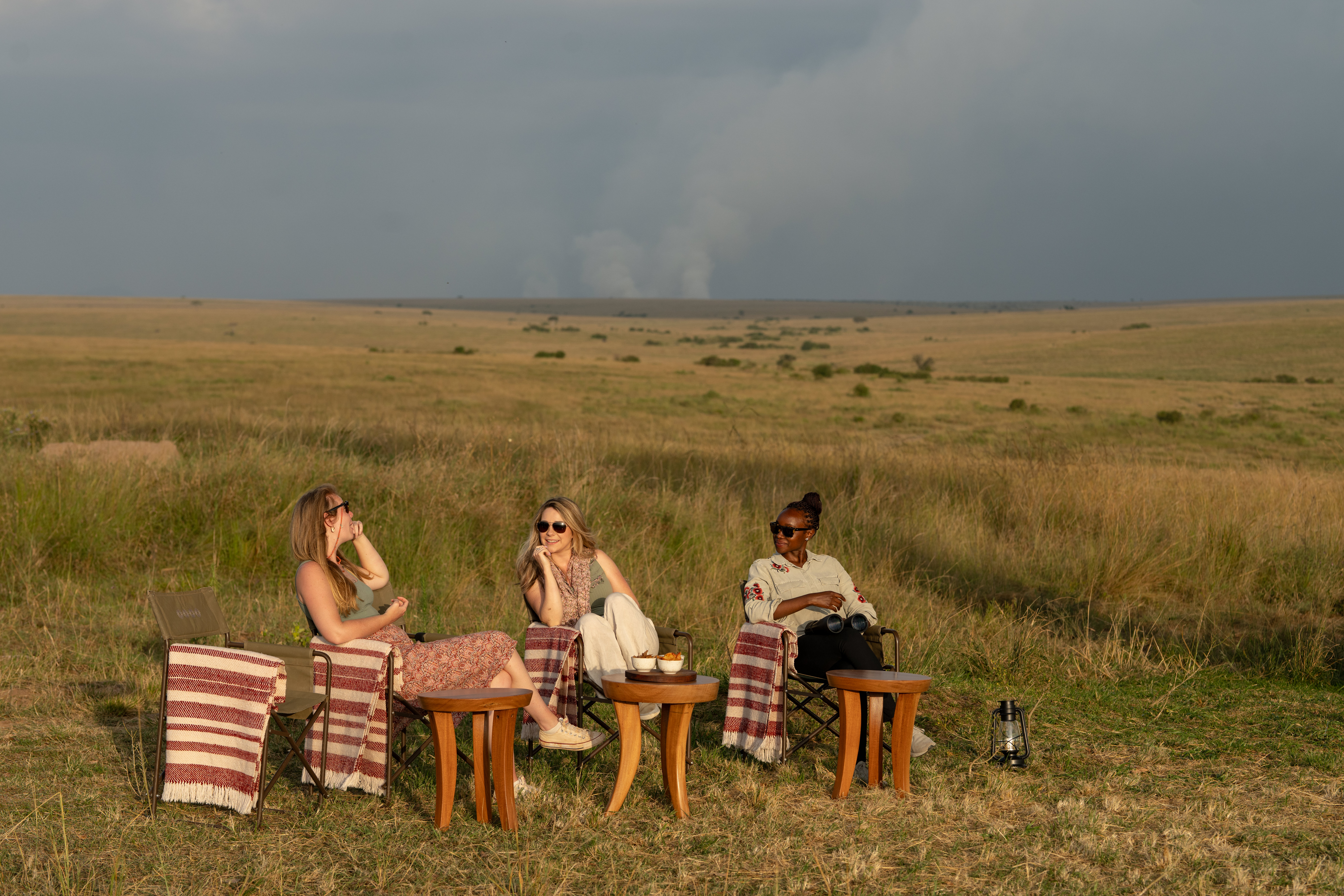
Tanzania and Kenya's finest luxury safari camps operate to international standards that will be immediately familiar and comfortable to the discerning UAE-based traveller. The service ethic, the quality of food and beverage, the attention to individual preference, and the physical comfort of the accommodation all reflect the same values of personalised excellence that characterise luxury hospitality in Dubai — delivered in a wilderness context that gives those values an entirely different dimension of meaning. Many of the finest camps in Tanzania and Kenya have developed specific experience frameworks for Gulf market guests, with particular attention to dietary requirements, halal food options, prayer times and facilities, and the cultural nuances that ensure every guest — regardless of background — feels genuinely welcomed and accommodated.
The experiential difference between a luxury safari camp and a luxury urban hotel is not one of quality but of orientation. Where a five-star hotel in Dubai delivers comfort, service, and convenience as ends in themselves, a luxury safari camp delivers them as the platform from which an encounter with the natural world becomes possible. The butler who brings coffee to the tent at dawn is doing so because in twenty minutes, a leopard will be visible in the acacia tree above the dry riverbed, and the guest should be ready. The chef who prepares an outdoor bush dinner is creating the table at which the conversation about today's lion encounter will find its natural home. Every element of the camp exists in service of the wilderness experience — and that inversion of priorities, for the UAE traveller accustomed to the city as the primary frame of reference, is profoundly and unexpectedly liberating.
The Dubai-based traveller who arrives in the Serengeti for the first time often describes the same sensation: a sudden, complete silence inside themselves that the city had made them forget was possible. Africa has that effect. And from Dubai, it is closer than most people realise.

Practical Logistics for Travelling from Dubai to Africa
The practical preparation for an African safari from Dubai follows the same essential steps as for any international traveller, with a few specific considerations relevant to UAE residents and GCC nationals. Visa requirements for Tanzania are straightforward for most nationalities — US, UK, EU, and most GCC passport holders can obtain an e-visa online through Tanzania's immigration portal prior to travel. UAE national passport holders should confirm current visa-on-arrival and e-visa eligibility for Tanzania and Kenya with their safari operator at the time of booking, as requirements are periodically updated and vary by nationality.
Health preparation for a Tanzania safari requires malaria prophylaxis — recommended for all travellers regardless of nationality or previous exposure — and a yellow fever vaccination certificate for those arriving from certain countries. UAE residents travelling from Dubai directly to Tanzania are not currently required to present a yellow fever certificate, but this should be confirmed with a travel medicine physician prior to departure. Comprehensive travel insurance including helicopter medical evacuation coverage is essential and should be purchased immediately after booking confirmation. Currency for all in-camp expenses in Tanzania and Kenya is US dollars, easily obtained at any UAE exchange house or bank prior to departure. Emirates and other Gulf carriers operating the Dubai-Kilimanjaro route offer generous business class baggage allowances, though the domestic light aircraft connecting camps within Tanzania impose a strict fifteen-kilogram soft-bag limit that must be respected.
Start planning your African safari from Dubai with our team on our Private Tanzania Safari page — specialists in designing seamless itineraries for UAE and Gulf-based luxury travellers.
Explore our Luxury Tanzania Safari packages as the ideal starting point for your first or next East Africa safari from the UAE.
We cover this further in our 7, 10 and 12-day itineraries.
See also our guide: How to Plan a Safari in Tanzania in 2026: The Ultimate Luxury Guide.
See also our guide: Kenya safari tours to the Masai Mara: the complete guide.
See also our guide: Luxury safari Kenya: the complete guide.
If you are planning this route, read Safari vacations: ideas for every kind of traveller.
Related reading: Tanzania Honeymoon Safari: The Ultimate Luxury Experience Guide for 2026.
Combining a Tanzania Safari With Zanzibar: Perfect for Dubai Travellers
The Zanzibar extension is, for the UAE-based traveller, among the most naturally appealing aspects of the Tanzania safari experience. As a predominantly Muslim island with a deep Swahili and Arabic cultural heritage — Zanzibar's Stone Town reveals centuries of Omani influence in its carved doorways, its mosques, its spice trade history, and its hospitality — the archipelago holds a particular resonance for Gulf travellers that purely East African mainland destinations cannot match. The cultural familiarity, the halal food availability throughout the island, and the extraordinary beauty of the Indian Ocean beaches create an experience that functions simultaneously as a beach holiday, a cultural journey, and the perfect restorative conclusion to a wildlife safari.
Stone Town — Zanzibar's UNESCO-listed capital — is best explored over two nights, with guided walking tours through the historic quarter, visits to the former slave market, sunset dhow cruises in the harbour, and evenings at rooftop restaurants serving fragrant Swahili coastal cuisine. The northern beaches of Nungwi and Kendwa, or the private island experience of Mnemba Atoll, provide three to four additional nights of complete relaxation before the short return flight to Zanzibar's airport and the connection back to Dubai. The total journey — safari, beach, cultural immersion, and return — fits within twelve nights from Dubai with days to spare.
Discover the perfect safari and beach combination on our Tanzania Safari and Zanzibar Packages page — designed with the UAE and Gulf traveller's preferences and practicalities in mind.

- Emirates operates daily direct flights from Dubai to Kilimanjaro and Dar es Salaam — approximately five to six hours
- Tanzania is the most complete and accessible African safari destination from Dubai
- Peak Serengeti dry season (June–October) perfectly coincides with Dubai's summer — a natural escape
- Book twelve to eighteen months ahead for peak season during UAE public holidays and Eid periods
- Luxury camps across Tanzania accommodate Gulf travellers with halal options and cultural sensitivity
- US dollars for all camp transactions — easily obtained in Dubai before departure
- Zanzibar's Swahili-Arabic heritage and halal hospitality make it a particularly resonant beach extension for UAE travellers
- Domestic charter weight limit of fifteen kilograms in soft bags applies within Tanzania regardless of international allowance
- Comprehensive travel insurance with medical evacuation coverage is non-negotiable — purchase immediately after booking
FAQs: African Safari from Dubai
Frequently asked questions
Which is the best African country for a safari from Dubai?
Tanzania is the most compelling choice for Dubai-based travellers, combining direct daily flights on Emirates with the Serengeti, Ngorongoro, and Zanzibar — the most complete safari and beach experience in Africa accessible from a single entry point. Kenya is an excellent alternative or addition, particularly for the Masai Mara conservancy experience and the shorter four-and-a-half-hour flight from Dubai to Nairobi.
How long is the flight from Dubai to Tanzania?
Emirates operates daily non-stop flights from Dubai International Airport to Kilimanjaro International Airport in approximately five hours and thirty minutes, and to Julius Nyerere International Airport in Dar es Salaam in approximately five hours. Both routes offer business and economy class options with Emirates' signature in-flight service.
What is the best time of year for a safari from Dubai?
The Serengeti dry season from June through October coincides with Dubai's summer and represents the best game viewing conditions in Tanzania. This timing is ideal for UAE residents seeking relief from Gulf summer temperatures. January and February offer Tanzania's calving season — equally spectacular and typically more affordable. Eid holiday periods require very early booking given high demand from the Gulf market.
Do UAE nationals need a visa for Tanzania?
Visa requirements vary by passport nationality. Most travellers can obtain a Tanzania e-visa online prior to departure. UAE national passport holders should confirm current eligibility with their safari operator at the time of booking, as requirements are subject to change. The process typically takes three to five business days regardless of nationality.
Are there halal food options at Tanzania's luxury safari camps?
Yes. The finest luxury camps in Tanzania are experienced in accommodating dietary requirements including halal, and most properties can provide halal-certified meals upon advance request. Zanzibar — as a predominantly Muslim island — has extensive halal food availability throughout. Dietary requirements should be communicated to the safari operator at the time of booking to ensure seamless accommodation throughout the itinerary.
How much does an African safari from Dubai cost?
A seven-to-ten-night luxury Tanzania safari from Dubai, inclusive of Emirates business class flights, domestic charter connections, three to four premium safari camps, and a Zanzibar extension, typically requires a budget of $15,000 to $30,000 per person depending on camp tier and season. Peak season and exclusive-use bookings carry premium pricing. A specialist operator will provide a fully itemised quotation based on specific dates, camp preferences, and group size.
Is Tanzania suitable for first-time safari travellers from the Gulf?
Absolutely. Tanzania is widely considered one of the most welcoming and accessible safari destinations in Africa for first-time visitors. The combination of outstanding wildlife, excellent luxury camp infrastructure, the cultural familiarity of Zanzibar for Gulf travellers, and the efficiency of the Emirates flight connection makes Tanzania from Dubai an ideal introduction to the African safari experience.