
Why Tanzania is a birding paradise
Tanzania is one of the finest birding destinations on Earth, and a bird watching safari here reveals a side of the country that big-game visitors often miss. With over 1,100 recorded species packed into an extraordinary range of habitats — from the soda lakes of the Rift Valley to montane forest, savannah, wetland and coast — Tanzania offers birders an almost overwhelming abundance and variety. Whether you are a dedicated lister or simply someone who loves colour and song, the birdlife adds a rich and constant dimension to any safari.
What makes the country so special for birding is the diversity within easy reach. On a single northern circuit you can move from flamingo-fringed lakes to acacia woodland to crater grassland to highland forest, each with its own distinctive birds, while the south and west hold further treasures. Add a number of endemic and near-endemic species found nowhere else, and Tanzania becomes a destination birders return to again and again. This guide covers the best parks, the best timing, the special species, and how to plan a birding safari.
Over 1,100 species in one country
The sheer scale of Tanzania's birdlife is hard to overstate. The country's official list exceeds 1,100 species, ranging from the towering ostrich and the stately kori bustard to jewel-like bee-eaters, kingfishers and sunbirds, and from great flocks of flamingos to powerful eagles and vultures. On a well-planned birding safari it is entirely possible to record several hundred species in a couple of weeks, and even a casual safari-goer will notice dozens of striking birds without trying.
This richness reflects Tanzania's position and geography — a meeting point of East African savannah, Rift Valley wetlands, coastal and montane forests, and the great lakes. Resident species are joined, in the right months, by Palearctic and intra-African migrants, swelling the numbers further. For the birder, this means a constantly changing cast and the genuine thrill of the unexpected, sighting after sighting, throughout the trip.
The best parks for birding
Each northern park offers something distinct for the birder. Lake Manyara is a superb introduction, its soda lake drawing flamingos, pelicans and storks while its groundwater forest holds silvery-cheeked turacos and crowned eagles. Tarangire, with over 550 species, is arguably the northern circuit's birding star, famous for dry-country specials, the huge ground hornbill and abundant raptors among its baobabs. The Ngorongoro Crater adds grassland and wetland species, including flamingos on its soda lake and raptors quartering the crater floor.
The Serengeti, beyond its big game, offers classic savannah birding — secretary birds striding the plains, bustards, rollers and a wealth of raptors — while Arusha National Park, with its forest and crater lakes, is a rewarding and accessible birding spot near town. For the truly committed, the southern parks of Ruaha and Nyerere, the Eastern Arc mountain forests and the Usambara highlands hold endemics and specialities that draw serious birders deeper into the country. A tailored route can string together the habitats that matter most to you.
Endemics and special species
For keen birders, Tanzania's endemic and near-endemic species are a particular draw. The country hosts a number of birds found nowhere else, including specialities such as the grey-breasted spurfowl and Fischer's lovebird of the northern parks, the rufous-tailed weaver, and a suite of forest endemics in the Eastern Arc mountains and the Usambaras. Seeking these out adds a rewarding sense of quest to a birding safari and takes you into beautiful, less-visited corners of the country.
Beyond the strict endemics, Tanzania offers superb opportunities for sought-after African specials — from the shoebill's distant relatives among the wetlands to spectacular turacos, hornbills, bee-eaters and rollers in dazzling variety. A knowledgeable specialist guide makes all the difference here, knowing the calls, the habitats and the precise spots where the special species can be found, turning a good birding trip into a memorable one.
Best time for a birding safari
Tanzania offers excellent birding year-round, but the green season from November to April is the prime time for birders. This is when the resident species are in their brightest breeding plumage, many are nesting and displaying, and the country fills with migrants from Europe and Asia as well as intra-African movers, swelling the lists dramatically. The lush landscapes and full wetlands also concentrate waterbirds spectacularly.
The dry season from June to October remains very rewarding, with birds concentrated around water and easily seen alongside the peak big-game viewing, so birders combining their passion with a classic safari lose nothing by travelling then. As a rule, if birds are your primary focus, aim for the green season; if you want the best of both birds and big game, the dry season serves you well. Our best time to visit Tanzania guide sets out the calendar in detail.
Combining birding with big game
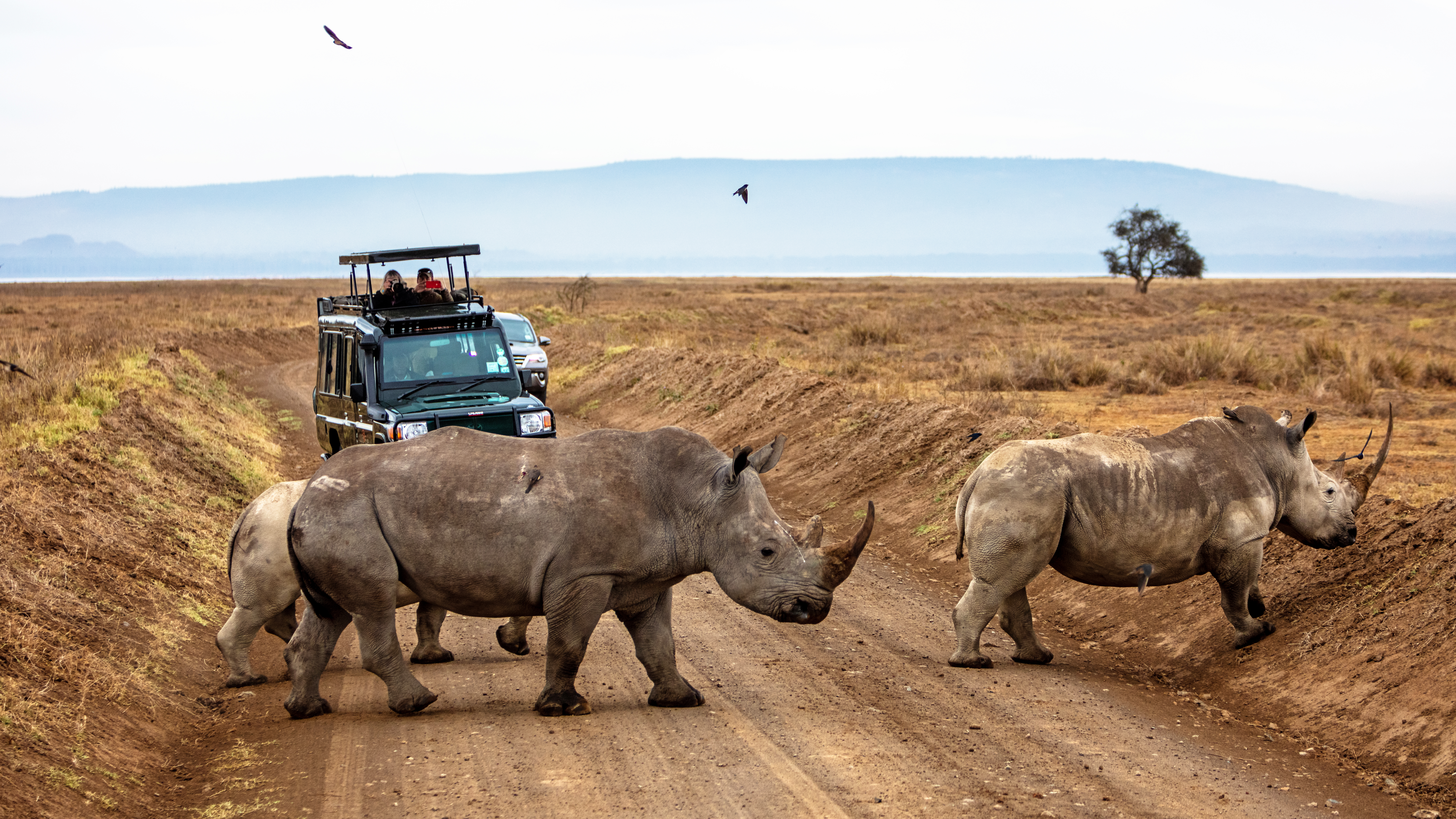
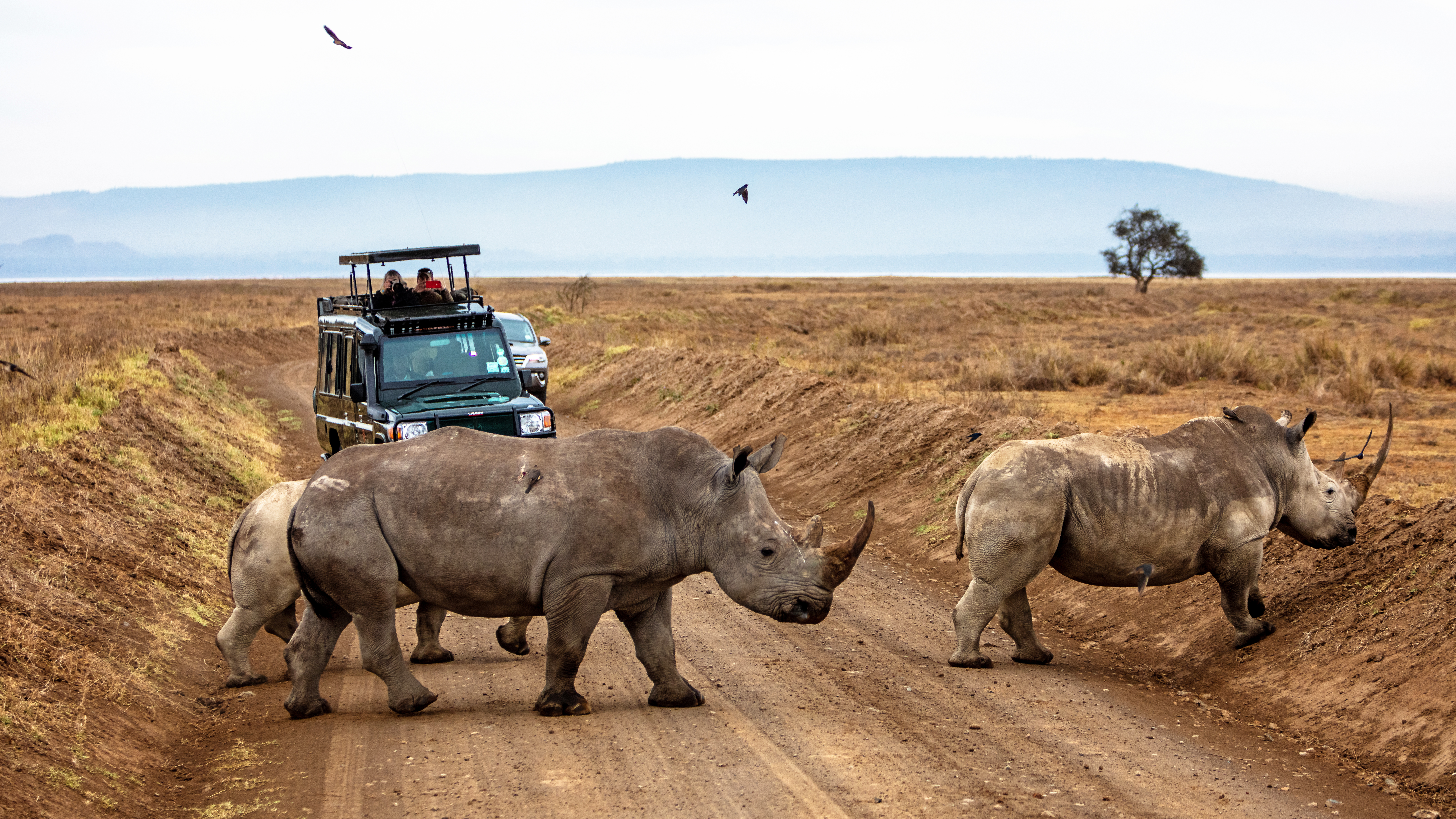
One of the joys of a Tanzanian birding safari is that you rarely have to choose between birds and big game — you get both, often in the same drive. While you wait at a waterhole for elephants, the trees around you fill with rollers, hornbills and weavers; while you scan for lions, a martial eagle soars overhead or a secretary bird strides past. This effortless overlap makes Tanzania ideal for mixed-interest groups, where one traveller is fixated on cats and another on warblers.
For dedicated birders, a private safari with a specialist bird guide is the ideal, allowing the pace and stops to suit the birding without frustrating non-birding companions, or catering entirely to a birding group. For mixed parties, a good general guide with strong bird knowledge keeps everyone happy. Either way, the richness of Tanzania means a birding focus enhances rather than competes with the broader safari experience.
Tarangire is a birding highlight — see our Tarangire safari guide — and time your trip with our best time to visit Tanzania calendar.
On a Tanzanian safari the birds are not a sideshow — with over 1,100 species, they are a second safari unfolding above and around the first.
- Over 1,100 species across diverse habitats
- Tarangire & Lake Manyara are northern birding stars
- Endemics in the parks and Eastern Arc forests
- Green season (Nov–Apr) is prime for birders
- Dry season pairs birding with peak big game
- Specialist bird guides available for keen listers
Tips for a rewarding birding safari
A few practical tips will transform your birding safari. First and most important, travel with a specialist or bird-knowledgeable guide. Tanzania's birdlife is so rich that an expert who knows the calls, the habitats and the precise spots for special species will multiply your sightings many times over compared with a general guide. Make your birding focus clear when booking, so you are paired with the right person and, ideally, others who share the interest.
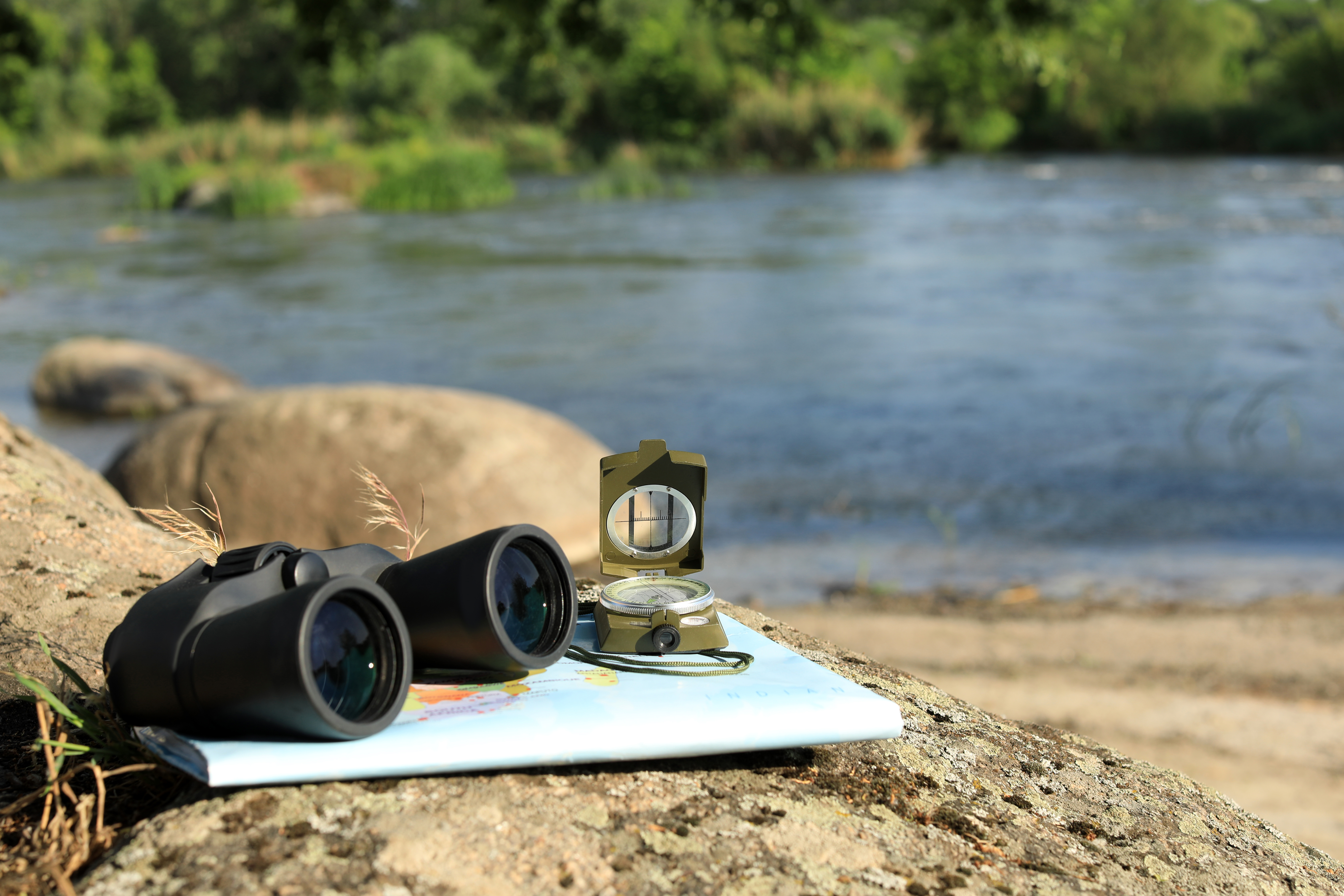
Bring the right kit: a good pair of binoculars is essential — ideally 8x42 or similar — and a field guide to East African birds, whether a book or a reliable app, greatly enhances the experience. A camera with a decent zoom lets you document and later confirm tricky identifications, and a notebook or birding app helps you keep your list. Comfortable, neutral clothing and patience complete the birder's toolkit.
Pace and timing within the day matter. Birds are most active and vocal in the early morning, so start early and linger in productive spots rather than rushing between big-game sightings. A dedicated birding pace means stopping often, scanning carefully and listening — quite different from a big-game drive that covers ground quickly. If you are travelling with non-birders, a private vehicle lets you balance everyone's interests, while a birding-focused departure caters entirely to the listers.
Maximise habitat variety on your route. Because so much of Tanzania's diversity comes from its range of habitats, an itinerary that strings together the soda lakes, woodlands, grasslands, wetlands and forests will produce a far longer and more varied list than time spent in a single environment. Combining Lake Manyara, Tarangire, the Ngorongoro highlands and, for the dedicated, a forest or southern extension is a classic recipe for a rich birding trip.
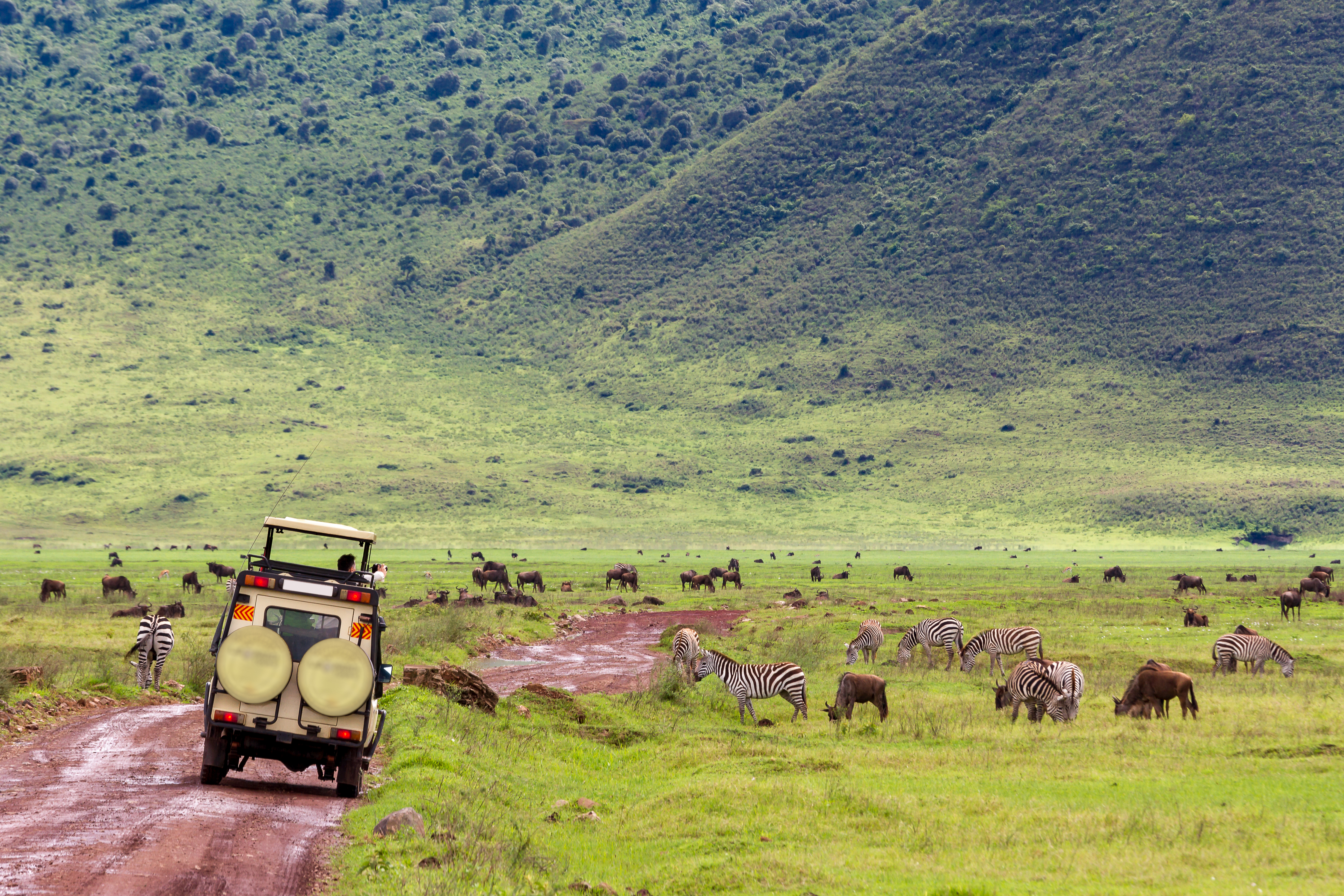
Finally, set realistic and joyful expectations. Even the keenest lister will not see every species, and part of the pleasure is the surprise of what each day brings. Whether you are chasing endemics, building a big trip list, or simply delighting in the colour and song that accompany every game drive, Tanzania rewards the birder generously. Combined with its world-famous big game, it offers what few destinations can: two extraordinary safaris, of feather and of fur, unfolding side by side.
Birding etiquette and combining interests
Responsible birding, like all wildlife watching, puts the welfare of the birds first. That means observing from a respectful distance, avoiding disturbing nesting birds, using playback of calls sparingly and ethically if at all, and never damaging habitat for a better view. Good birding guides model this instinctively, and ethical practice not only protects the birds but tends to produce better, more natural sightings, as undisturbed birds behave freely and stay in view longer.
A practical reality of many trips is balancing birders with companions who are focused on big game. The good news is that Tanzania makes this easy: the birds are everywhere the big game is, so a single drive satisfies both interests, with raptors overhead while you watch lions and weavers busy in the trees by the waterhole. On a private safari, a flexible guide can give the birders their stops without frustrating the rest of the party.
For couples or groups with mixed enthusiasm, a private vehicle is the ideal solution, allowing the pace to flex between dedicated birding and general game viewing. Dedicated birding groups, meanwhile, are best served by a private trip with a specialist bird guide and a route designed around habitats and target species. Either way, no one need feel short-changed — Tanzania's richness means the birds enhance rather than compete with the wider safari.
Finally, keep a record and enjoy the learning. Whether you use a notebook, a checklist or a birding app, logging your sightings deepens the experience and builds a wonderful memento of your trip. Many travellers who arrive as casual observers leave as committed birders, hooked by the colour, variety and the satisfying challenge of identification. However seriously you take it, a birding lens adds a rich, rewarding dimension to any Tanzanian safari, turning every pause into a fresh discovery.
Plan your birding safari in Tanzania
Whether birds are your sole passion or a delightful bonus alongside the big game, Tanzania rewards a little planning around the right parks, the right season and the right guide. Tell us how serious your birding is and when you would like to travel, and we will design a birding safari — with a specialist guide if you wish — that maximises your list while showing you the best of Tanzania's wild places.
Ready to make it real? Explore luxury Tanzania safari or talk to us about dates and prices.
Plan your birding safari with Sokwe Africa Safari
Frequently asked questions
How many bird species are in Tanzania?
The official list exceeds 1,100 species, running from towering ostriches and stately kori bustards to bee-eaters, kingfishers and sunbirds. On a well-planned birding safari you can record several hundred in a fortnight, and even a casual safari-goer notices dozens without trying. The richness comes from Tanzania's habitats meeting in one country: soda lakes, savannah, wetland, montane forest and coast.
Do you need binoculars on safari?
Bring your own pair. It is the item guests most often wish they had packed, and for birding 8x42 is the sensible choice. Good glass transforms far more than warblers: a distant raptor, a secretary bird striding the plains, a leopard's tail hanging from a branch. One pair per person rather than one shared between two, which never works well.
What is the biggest bird in the world?
The ostrich, and you will very likely meet one striding across the Serengeti plains or the grassland of the Ngorongoro Crater floor. Males stand well over two metres tall and can outpace a safari vehicle on a park track. They headline a Tanzanian list of over 1,100 species that runs all the way down to jewel-like sunbirds.
Which Tanzanian park is best for birdwatching?
Tarangire takes the northern crown, with over 550 species, dry-country specials, the huge ground hornbill and abundant raptors among the baobabs. Lake Manyara runs it close: its soda lake draws flamingos, pelicans and storks, while the groundwater forest holds silvery-cheeked turacos and crowned eagles. For endemics, the Eastern Arc and Usambara forests reward the committed birder.
When is the best time for a birding safari in Tanzania?
The green season from November to April is prime. Residents wear their brightest breeding plumage, many are nesting and displaying, and Palearctic and intra-African migrants swell the lists dramatically, while full wetlands concentrate waterbirds. The dry season from June to October remains very rewarding and pairs birding with peak big game, so it depends where your priority sits.
Can you combine birdwatching with a big-game safari?
Easily, and in Tanzania you rarely have to choose. While you wait at a waterhole for elephants, the trees around you fill with rollers, hornbills and weavers; while you scan for lions, a martial eagle soars overhead. For mixed parties a private vehicle is the answer, letting the birders take their stops without frustrating the rest of the group.