
Why Sustainable Safari Travel Matters
The wildlife of Tanzania's national parks exists because people have decided it should. That decision — enshrined in law, funded by conservation budgets, defended by rangers on the ground — is not automatic or inevitable. It is a continuous choice, made every year, by governments, communities, and the international travel industry that generates the economic value justifying wildlife protection against competing land uses. The single most important thing any visitor to Tanzania's wilderness can do for its long-term future is to travel responsibly — choosing operators who contribute to conservation, minimising environmental impact, supporting local communities, and understanding that a sustainable safari is not a compromise on quality. It is, in fact, the highest quality safari available.
Eco-friendly safari travel in Tanzania has matured significantly in recent years. The era when "sustainable" meant a basic tented camp with composting toilets and no electricity has been replaced by a new generation of luxury camps that combine world-class accommodation and guiding with genuine conservation commitments, community benefit programmes, and measurable environmental performance. You do not have to choose between an extraordinary experience and responsible travel. The best operators, including Sokwe Africa Safaris, have made that a false choice entirely.
Tip 1: Choose Operators and Camps with Genuine Conservation Credentials
The most impactful sustainable travel decision you will make is choosing the right operator and the right camps. Look for operators who can describe specific, verifiable conservation partnerships rather than general claims of environmental responsibility. Meaningful indicators include: partnerships with named anti-poaching programmes, conservation levies paid directly to park authorities beyond the standard park fees, documented community employment and training policies, and participation in habitat restoration or wildlife monitoring initiatives. At Sokwe Africa Safaris, we partner exclusively with camps whose conservation commitments we have personally verified and whose community relationships we understand in detail.
Camp-level sustainability indicators worth examining include: solar or wind power generation (many of the finest bush camps are entirely off-grid), water harvesting and recycling systems, locally sourced food procurement (reducing transport emissions and supporting regional agriculture), waste management programmes including composting and recycling, and construction methods that minimise habitat disturbance. Camps built on existing cleared land, using natural and locally sourced materials, with a design footprint that can be fully removed when no longer in use, represent the highest standard of eco-conscious safari infrastructure.
Tip 2: Support Community-Based Tourism Initiatives
The communities living adjacent to Tanzania's national parks are the most important allies in long-term wildlife conservation. When local people derive meaningful economic benefit from the presence of wildlife — through employment in the safari industry, community tourism revenue, and conservation incentive payments — they become active protectors of the animals and landscapes that generate that income. Conversely, when wildlife has no economic value for local communities, the pressure to convert habitat to agriculture or to allow poaching increases dramatically.
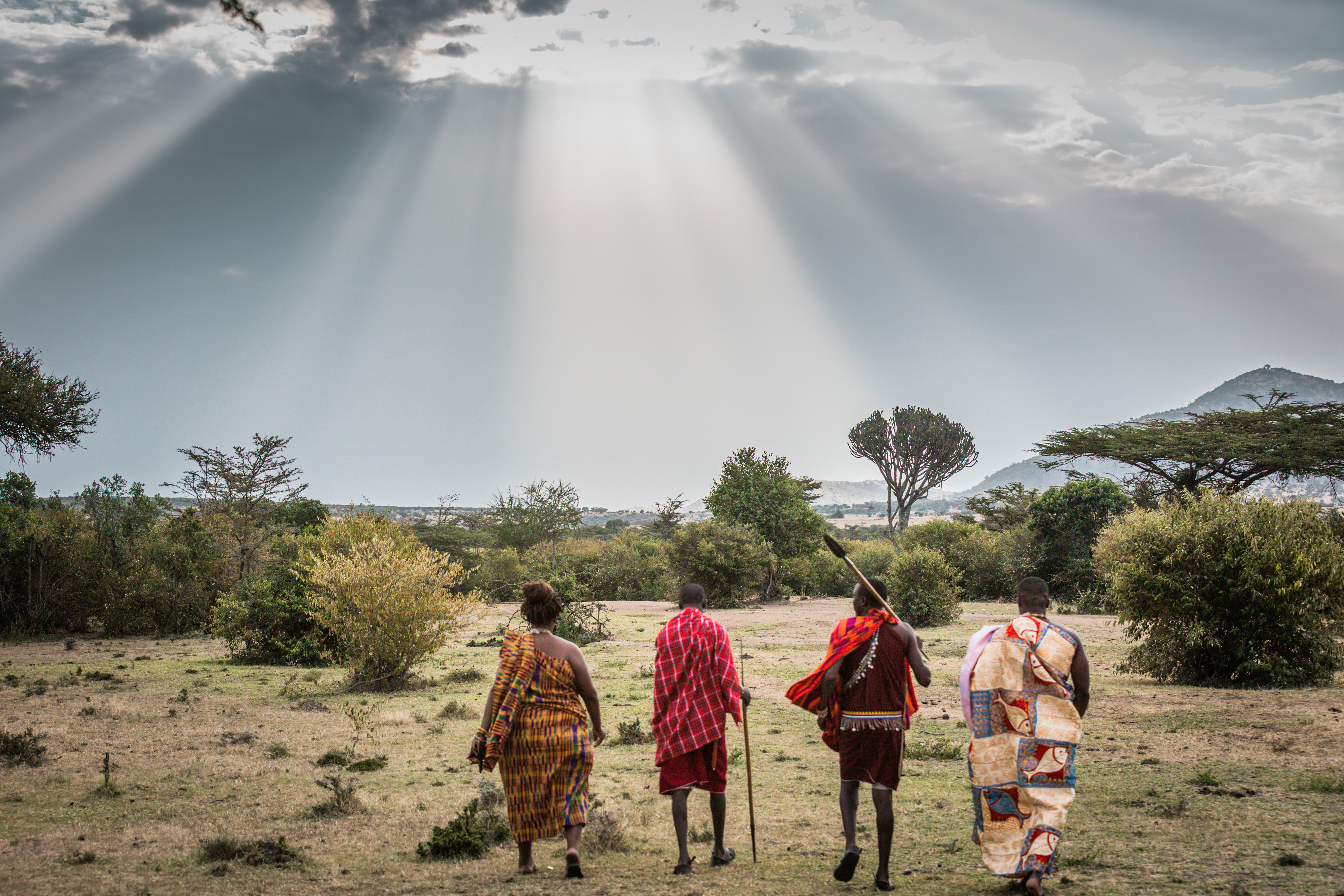
As a safari traveller, you can actively support community benefit by choosing camps that employ and train local staff at all levels — not just in service roles, but in guiding, management, and leadership positions. Visiting community cultural experiences — Maasai cultural bomas, local spice farms, women's craft cooperatives — and paying fair prices for locally made goods directly supports the families and villages whose land borders the parks. Sokwe Africa Safaris incorporates community visits into our itineraries for guests who want to engage with the human landscape of Tanzania as well as its wildlife.
Tip 3: Minimise Your Plastic Use in the Field
Single-use plastic waste is a significant environmental challenge in Tanzania's wilderness areas, and the responsibility for reducing it begins with the individual traveller. The most impactful changes are simple: carry a reusable water bottle and use the filtered water available at all quality safari camps; refuse single-use plastic bags when purchasing souvenirs or supplies; bring solid toiletries (shampoo bars, soap bars) rather than liquid products in single-use packaging; and avoid bringing unnecessary single-use packaging from your country of origin.
Quality safari camps are increasingly eliminating single-use plastics entirely, providing filtered water in glass or stainless containers, using beeswax wraps instead of plastic film for packed lunches, and composting organic waste. When evaluating camps, asking about their plastic reduction policy is a reasonable and increasingly common part of the booking conversation. The bush is pristine because people who care about it keep it that way — and the responsibility for that begins with every traveller who enters it.
Tip 4: Respect Wildlife and Stick to Ethical Viewing Practices
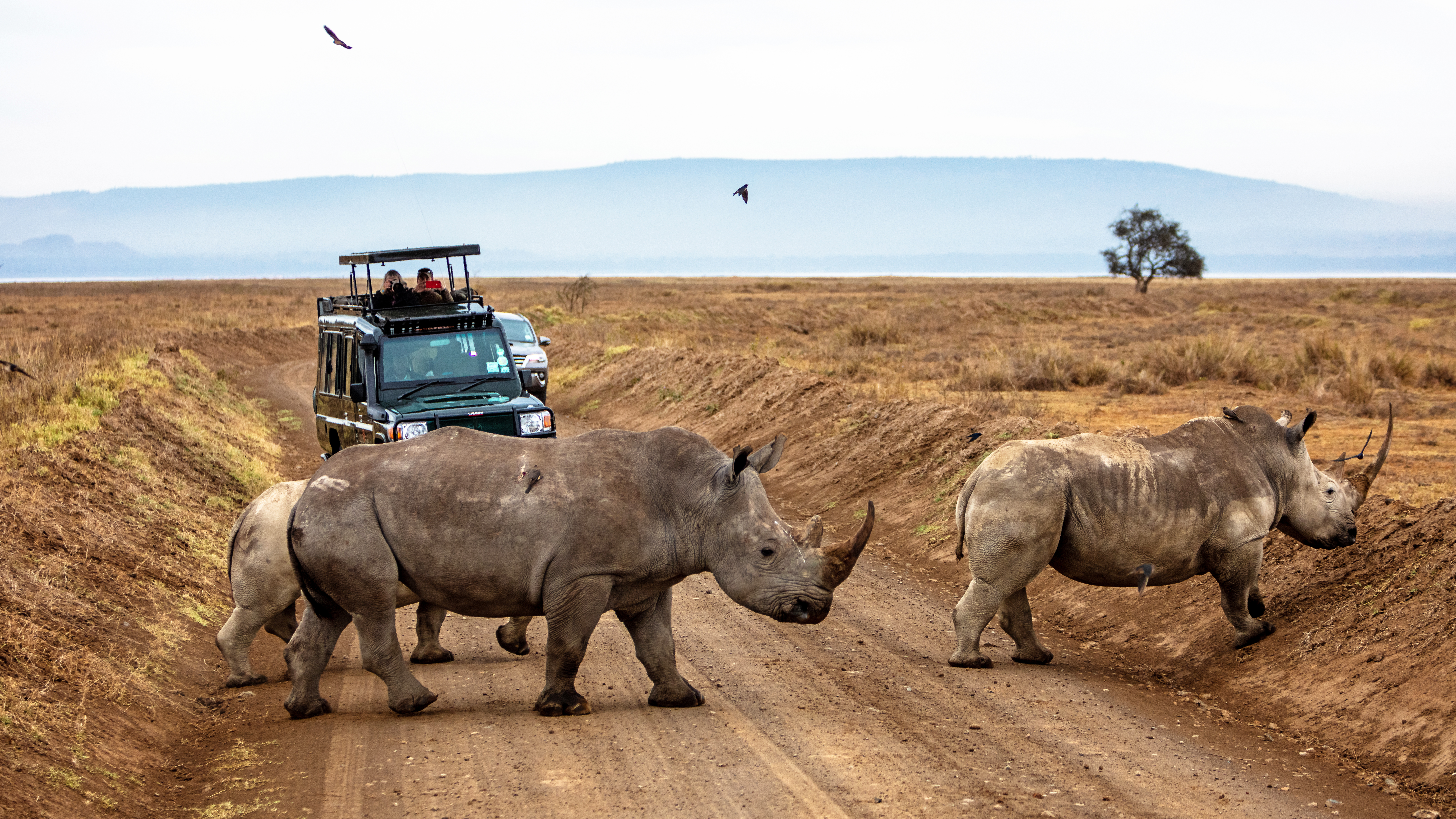
Sustainable safari travel is not only about environmental infrastructure — it is about behaviour in the field. The most important ethical wildlife viewing principle is simple: do not disturb the animals. This means maintaining appropriate distances, keeping noise to a minimum around sensitive sightings such as denning predators and nursing mothers, never using flash photography, never baiting or attempting to attract wildlife, and following your guide's instructions at all times regarding safe and appropriate viewing behaviour.
Vehicle crowding at popular sightings is one of the most significant sources of disturbance at high-traffic tourist parks. The antidote is choosing a private safari with a dedicated vehicle and a guide who prioritises quality of encounter over quantity of sightings — and who has the judgment to position your vehicle in the right place without adding to a crowd. When a leopard or cheetah is already surrounded by eight vehicles, a responsible guide moves on or waits at a distance rather than contributing to the pressure. This is the kind of ethical field behaviour that Sokwe Africa Safaris builds into our guiding philosophy.
Tip 5: Offset Your Carbon Footprint
Long-haul air travel generates significant carbon emissions, and no honest discussion of sustainable safari travel can ignore this reality. The most responsible approach is to reduce emissions where possible — choosing direct flights over connections, flying economy rather than business class (which occupies significantly more space per passenger and therefore generates proportionally more emissions per seat), and combining multiple destinations into a single trip rather than making multiple shorter journeys.
Beyond reduction, carbon offsetting — contributing financially to verified carbon removal or avoidance projects — allows travellers to take responsibility for the emissions their journey generates. Credible offsetting programmes include reforestation initiatives, clean cookstove distribution in East Africa, and methane capture projects. Sokwe Africa Safaris partners with a verified Tanzanian reforestation programme and can facilitate carbon offsetting for our guests as part of the booking process, ensuring that the emissions of your journey to Tanzania contribute to the health of the landscapes you have come to experience.
All Sokwe Africa Safaris packages are built around conservation-committed camps and community-supporting operators. See our Sustainable Luxury Safari packages and travel with confidence.
Learn more about how we integrate conservation into every itinerary on our Private Tanzania Safari page.
Related reading: Can you self-drive a safari in Tanzania? What is possible, what is not and why most people do not.
For information on Tanzania's wildlife conservation programmes and protected area management, visit Tanzania National Parks Authority and Ngorongoro Conservation Area Authority.
The wilderness does not belong to us. It belongs to the future — and sustainable travel is how we honour that debt.
- Choose operators with verified conservation partnerships
- Select solar-powered, community-employing camps
- Carry a reusable water bottle — refuse single-use plastic
- Respect wildlife: distance, silence, and guide-led behaviour
- Support community tourism initiatives with fair payment
- Offset your carbon footprint through verified programmes