
Why Tanzania Is Perfect for Families
The idea of bringing children on an African safari often generates a mixture of excitement and anxiety in equal measure. The excitement is obvious — what could be more extraordinary than your child's first encounter with a wild lion, a towering giraffe, or an elephant so close they can hear it breathing? The anxiety is equally understandable — the distances, the wildlife, the unfamiliar environment, and the fear of long hours in a vehicle testing the patience of young travellers. The truth, as every family that has made the journey will tell you, is that the excitement is fully justified and the anxiety is largely unfounded. Tanzania, when planned properly, is one of the most extraordinary family travel experiences on Earth.
The key phrase is "when planned properly." A family safari is not simply an adult safari with children added — it requires specific thought about itinerary pacing, camp selection, guide experience with younger guests, activity variety, and age-appropriate expectations. Get these elements right, and you will return home with children who talk about nothing else for months and parents who have discovered a new dimension of family life together in the wild. This guide covers everything you need to know to plan a family Tanzania safari that works beautifully for travellers of every age.
What Age Is Right for a Tanzania Safari?
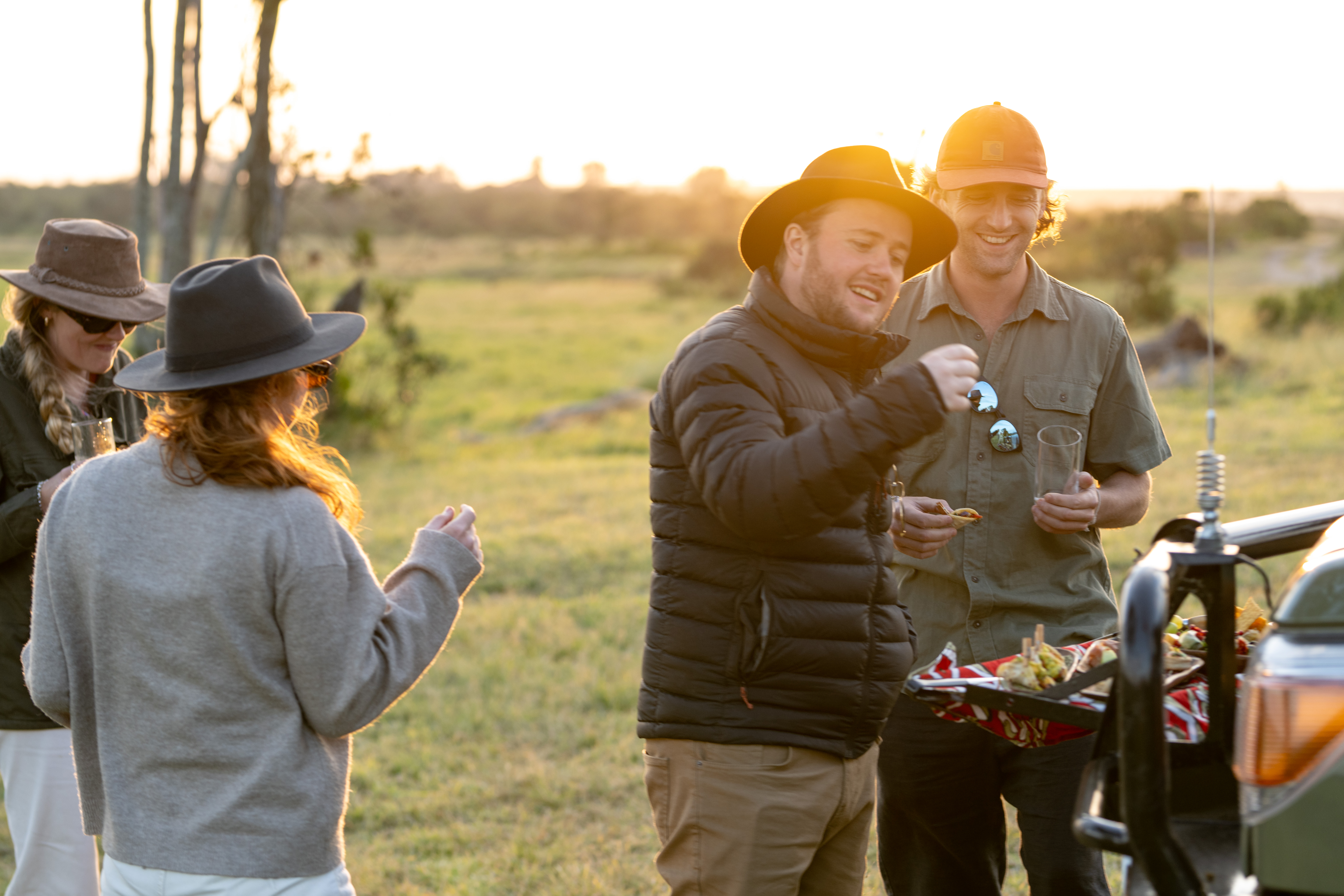
There is no single right answer to the question of minimum safari age, but there are useful guidelines. Most luxury camps accept children from the age of five or six for standard game drives, and some exclusive-use and private concession properties accept children of any age. Sokwe Africa Safaris recommends a minimum age of six for a first Tanzania safari — at this age, children can sit still for reasonable periods in a vehicle, engage meaningfully with what they are seeing, and retain and articulate experiences in ways that create lasting memories. Children younger than six can have wonderful safari experiences, but the itinerary needs to be shorter, the game drive durations more limited, and the overall pace significantly more relaxed.
The upper end of the age range is equally important. Teenagers, particularly those with an interest in wildlife, photography, conservation, or adventure, often have the most transformative safari experiences of anyone in the family group. A fifteen-year-old who has spent a week in the Serengeti with an expert guide discussing predator behaviour, tracking techniques, and ecosystem ecology may return home with a changed relationship to the natural world that shapes the course of their entire life. We have seen it happen, and it is one of the most rewarding outcomes of any safari we design.
Choosing the Right Camps for Families
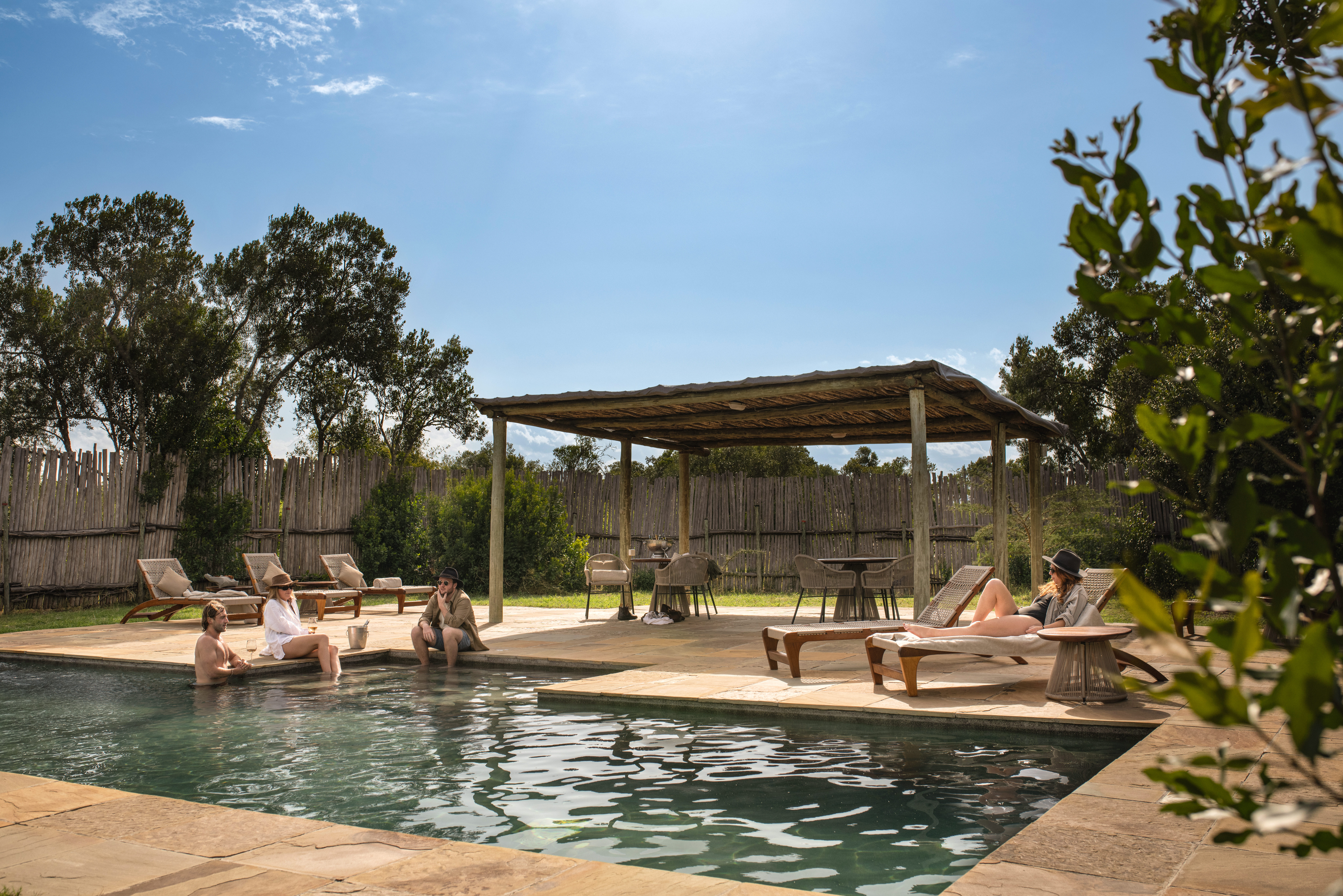
Not all safari camps are appropriate for families, and choosing family-friendly accommodation is one of the most important decisions in the planning process. Family-appropriate camps offer family tents or interconnected suites that accommodate parents and children in the same unit; child-friendly menus and flexible meal timing that accommodates earlier dining; swimming pools or other outdoor recreational facilities for the heat of the afternoon when game drives are not running; and guides who have genuine experience with and enthusiasm for young guests — who can explain the bush in ways that captivate a seven-year-old as effectively as a forty-five-year-old.
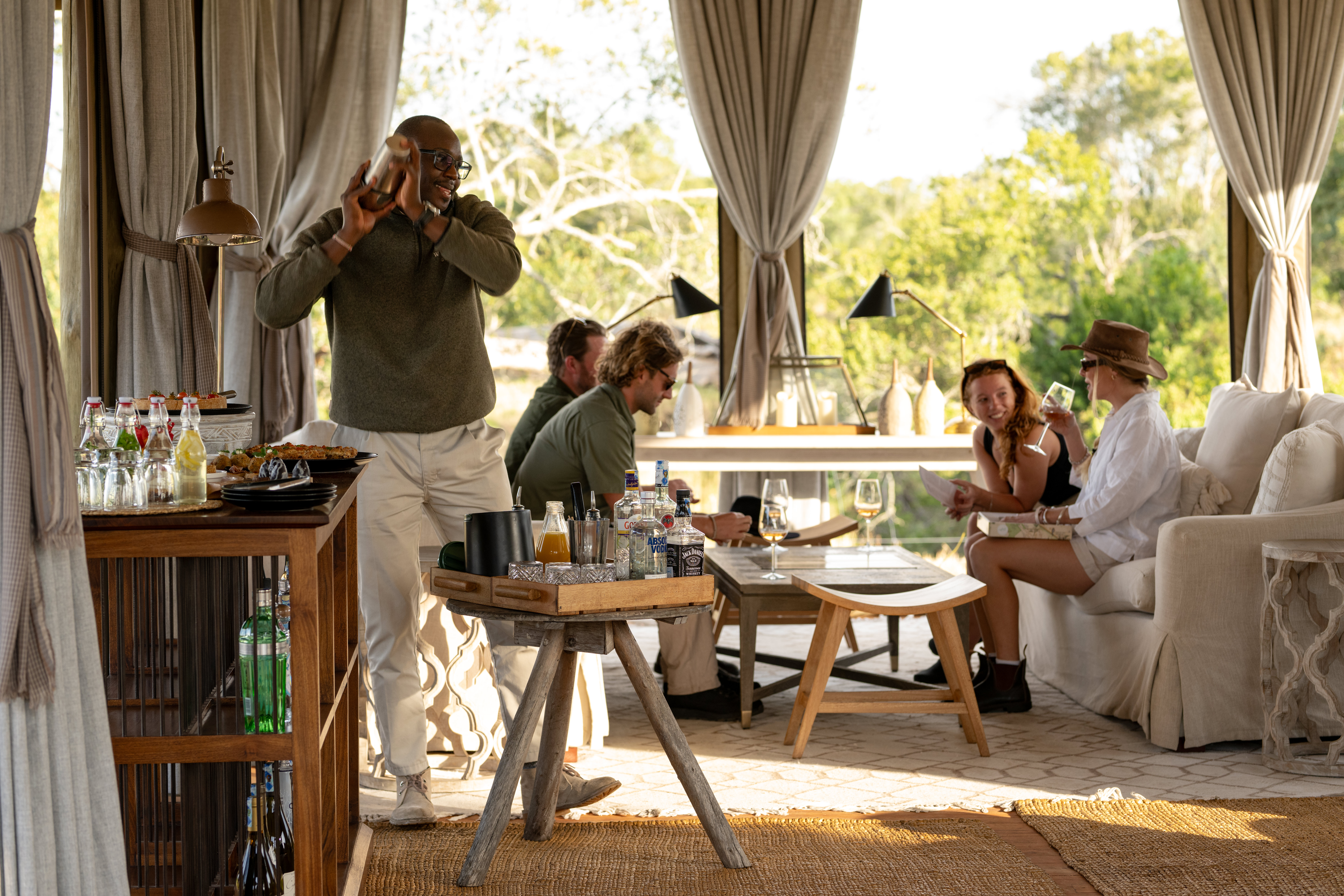
Exclusive-use properties — entire camps reserved for a single family — are the gold standard for family safaris. When the camp is yours alone, the schedule is set entirely by your family's rhythms, the dining menu reflects your children's preferences, the guide can adjust the pace and content of every drive based on what the youngest family member is engaging with, and the atmosphere of the camp is relaxed, warm, and completely private. These properties tend to be booked well in advance and represent a premium investment, but for families who want a completely tailored experience, they are incomparably rewarding.
Keeping Children Engaged on Game Drives
The biggest practical challenge of a family safari is managing children's attention and energy during game drives. A three-hour morning drive may be perfect for adult travellers, but for a seven-year-old who has already seen six giraffes, the ninth giraffe may be met with significantly less enthusiasm. The solutions are straightforward and well-established among experienced family safari guides. Shorter drives are more effective than long ones for younger children — two hours in the morning and two hours in the late afternoon, with a substantial camp break in between, works far better than an eight-hour marathon. Junior ranger programmes, wildlife journals, and photography challenges (finding and photographing specific species or behaviours) give children active roles in the game drive rather than passive observer status.
The guide is the most important factor in keeping children engaged. A guide who genuinely enjoys working with families — who crouches to a child's height to show them a dung beetle or a hornbill nest, who explains predator behaviour through stories rather than textbook facts, who involves the children in tracking exercises and identification challenges — transforms game drives from passive observation into active adventure. At Sokwe Africa Safaris, we specifically match family groups with guides who excel at this kind of multi-generational engagement, and the results consistently exceed every expectation.
Health and Safety: What Parents Need to Know
Tanzania's national parks are wild environments, and appropriate health and safety preparation is the responsible parent's first priority. All children should take anti-malarial prophylaxis — consult your paediatric travel medicine specialist at least six to eight weeks before departure for the correct medication and dosage for your child's age and weight. Children's DEET-based insect repellent, applied carefully to all exposed skin at dawn and dusk, is essential. Sunscreen at SPF50 or higher is critical — the equatorial sun is intense, and children burn quickly during long game drives with the roof hatch open.
In the camp environment, children should never walk unaccompanied between tents after dark — the wildlife that makes Tanzania extraordinary outside the vehicle is equally real inside the camp perimeter, and escorting children between accommodation and communal areas at night is standard safety practice at all responsible camps. Swimming pools, where present, should be supervised at all times. The camps themselves are designed with wildlife awareness in mind, and the staff are trained to manage the relationship between guests and the animals that move through the camp's environment.
The Magic That Stays
Parents who have taken children on a Tanzania safari almost universally describe it as one of the most significant family experiences of their lives — not simply because of the wildlife, extraordinary as it is, but because of what the experience does to relationships. The shared encounter with something genuinely wild and genuinely large — something that operates entirely outside the human world of screens and schedules — creates a quality of attention and presence in children and adults alike that is difficult to find anywhere else in modern life. The conversations that happen in a safari vehicle, the questions children ask when they are confronted with the reality of predation and birth and the ecology of life and death on the Serengeti plains, are conversations that parents treasure for years.
A family Tanzania safari with Sokwe Africa Safaris is designed from the ground up around the specific needs, rhythms, and aspirations of your family group. We listen carefully to the ages, interests, and experience levels of every family member before designing a single day of the itinerary. We select camps based on their genuine family-friendliness, assign guides based on their track record with younger guests, and structure every day to create the best possible conditions for family connection in the wild. When your children grow up and take their own children to Tanzania — and many of them do — that is when we know we did our job right.
Planning a family safari? Explore our Family Tanzania Safari packages — every detail designed around the specific ages, interests, and rhythms of your family group.
For complete family privacy, our Private Tanzania Safari options include exclusive-use camps where the schedule, menu, and pace are entirely yours.
See also our guide: Safari with children in Tanzania: an honest guide.
If you are planning this route, read Tanzania safari for seniors: comfort, pace and accessibility.
Related reading: Is Tanzania safe to travel with kids? A parent's guide to safari with children.
Related reading: Is Tanzania tap water safe to drink? What to drink, what to avoid and how camps manage it.
For child health and vaccination requirements for Tanzania travel, consult World Health Organization — Tanzania and your paediatric travel medicine specialist.
The bush gives children something that nothing else can — a sense of their own smallness in a world that is vastly, beautifully alive without them at its centre.
- Recommended minimum age: 6 years for standard game drives
- Exclusive-use camps ideal for families — complete privacy and flexibility
- Shorter drives (2 hours) work better for younger children
- Junior ranger programmes and wildlife journals keep children engaged
- Anti-malarial prophylaxis essential — consult paediatrician 6–8 weeks ahead
- DEET repellent and SPF50 sunscreen required for all children
- Request a guide with specific family safari experience
Frequently asked questions
What is the minimum age for a safari?
There is no single right answer, but most luxury camps accept children from the age of five or six for standard game drives, and some exclusive-use and private concession properties accept any age. Sokwe Africa Safaris recommends a minimum of six for a first Tanzania safari, when children engage meaningfully and retain the memories.
Are safaris suitable for children?
Wonderfully so, when planned properly. A family safari is not simply an adult safari with children added; it needs considered pacing, the right camps, guides who genuinely enjoy younger guests, and age-appropriate expectations. Get those elements right and children come home talking about nothing else for months afterwards.
Do children pay full park fees?
No. Tanzania's national parks and conservation areas apply reduced rates for children, with the youngest entering free and older children charged a fraction of the adult fee until they reach adult age. Camps offer child rates and family tent pricing too, so we confirm the current figures within every family quotation.
How long should game drives be with young children?
Shorter drives work far better than long ones. Two hours in the morning and two in the late afternoon, with a substantial camp break in between, is much more effective than an eight-hour marathon. By the ninth giraffe a seven-year-old's enthusiasm fades, so we build pace and rest into every family itinerary.
What makes a safari camp family friendly?
Family tents or interconnected suites, child-friendly menus with flexible earlier dining, a pool or outdoor space for the heat of the afternoon, and guides with real enthusiasm for young guests. Exclusive-use properties, where the entire camp is yours alone, are the gold standard because the schedule follows your family's rhythms.
What health precautions do children need on a Tanzania safari?
All children should take anti-malarial prophylaxis, so consult your paediatric travel medicine specialist six to eight weeks before departure for the correct medication and dosage. Pack children's DEET-based repellent for dawn and dusk and sunscreen at SPF50 or higher, as the equatorial sun burns quickly with the roof hatch open.