
What is the food like on a safari?
One of the most pleasant surprises for first-time safari-goers is just how good the food is. Far from roughing it, travellers on a Tanzania safari are typically treated to fresh, varied and often excellent meals, even in the most remote camps deep in the bush. The quality and creativity of safari cuisine, given the logistical challenges of cooking in the middle of the wilderness, regularly astonishes guests, and dining becomes one of the unexpected highlights of the experience. This guide explains what to expect at the table, from bush breakfasts to candlelit dinners.
Of course, the style and standard of food vary with the level of your safari, from hearty, simple fare on a budget camping trip to gourmet, multi-course menus at luxury lodges. But across the board, you will be well fed, with hygiene taken seriously and a genuine effort made to please. Whether you are a curious foodie or simply want reassurance that you will eat well, this honest overview of food on a Tanzania safari covers everything you need to know.
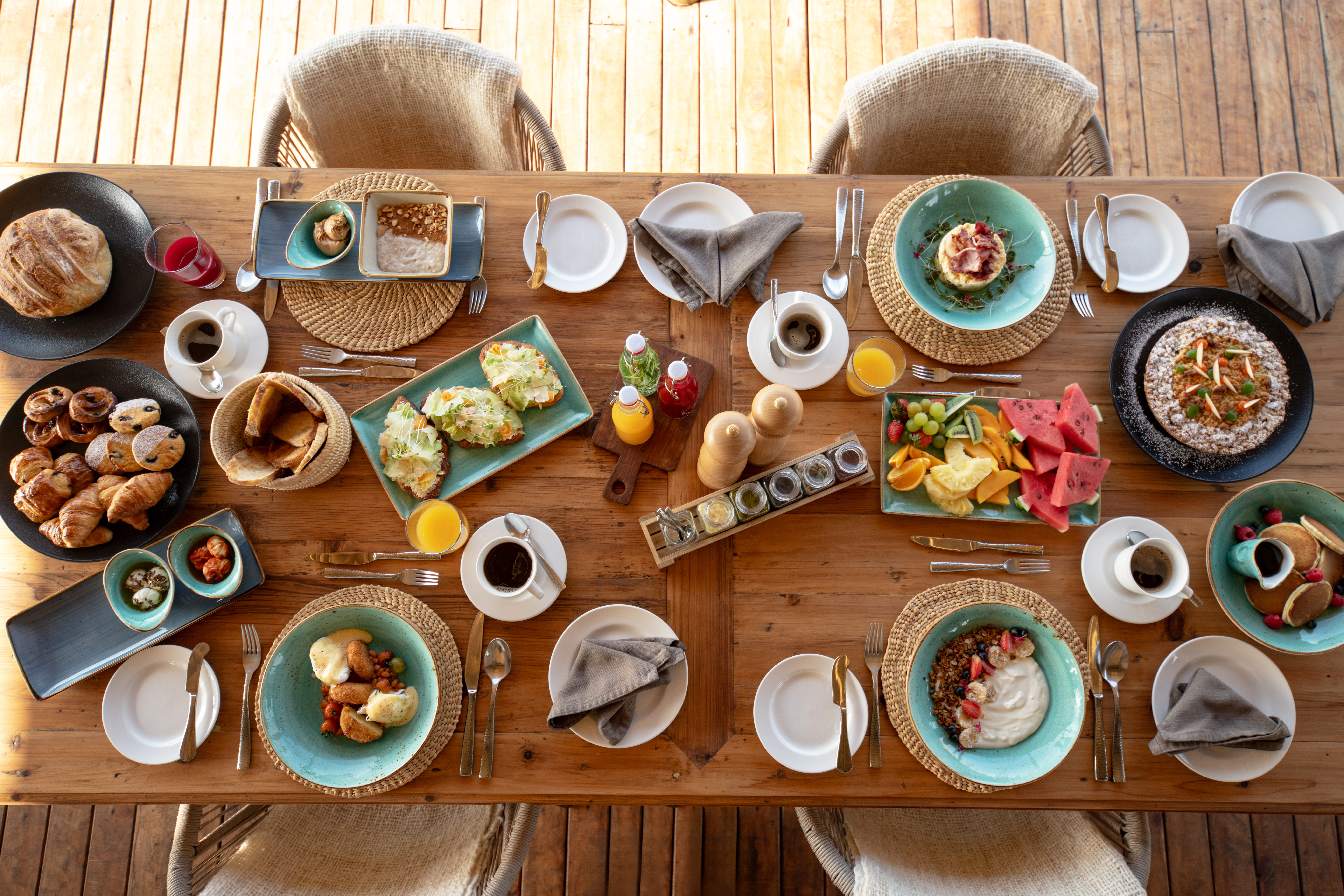
A typical day of meals on safari
Safari days are structured around game viewing, and the meals follow suit. The day usually begins with an early wake-up and a light breakfast or coffee and pastries before the morning game drive, when wildlife is most active. After a few hours in the field, you return for a fuller, leisurely brunch or breakfast, or enjoy a bush breakfast out in the wilderness. The middle of the day, when animals rest, is a relaxed time for a proper lunch back at camp followed by a siesta.
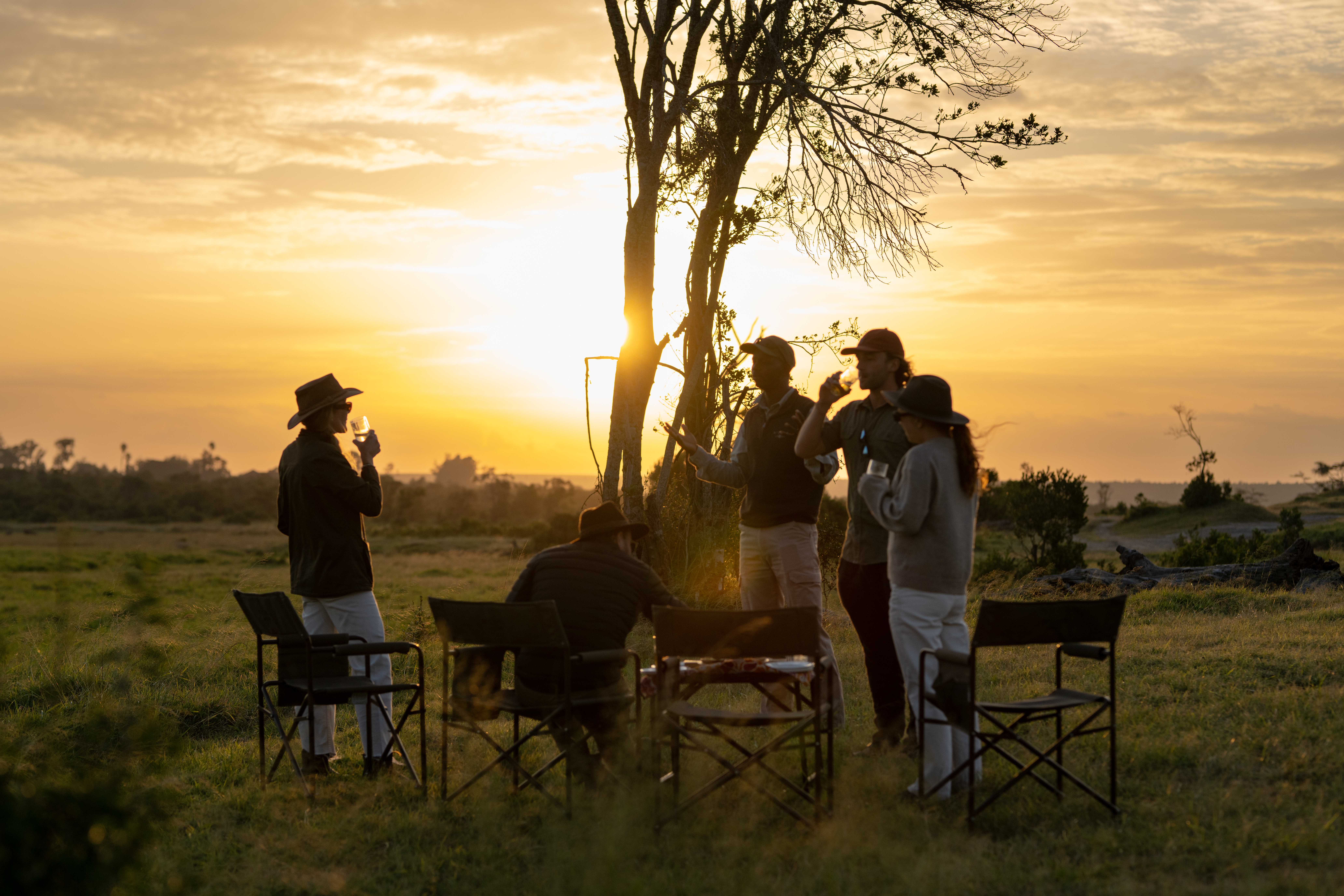
As the afternoon cools, you head out again for the second game drive, often pausing for sundowners — drinks and snacks as the sun sets over the plains. The day culminates in dinner back at camp, frequently a sociable, multi-course affair under the stars or in a characterful mess tent. This rhythm of generous, well-timed meals punctuating the game drives keeps you energised and is part of the pleasure and pace of safari life.
Bush breakfasts, picnic lunches and sundowners
Some of the most magical dining on safari happens not at the table but in the wild. A bush breakfast — a full spread laid out on a folding table in a scenic spot, with cooked dishes, fruit and coffee, as wildlife grazes nearby — is an experience many travellers treasure above almost any other. Similarly, a picnic lunch enjoyed in the shade of an acacia, surrounded by the sounds of the bush, turns a simple meal into a memory.
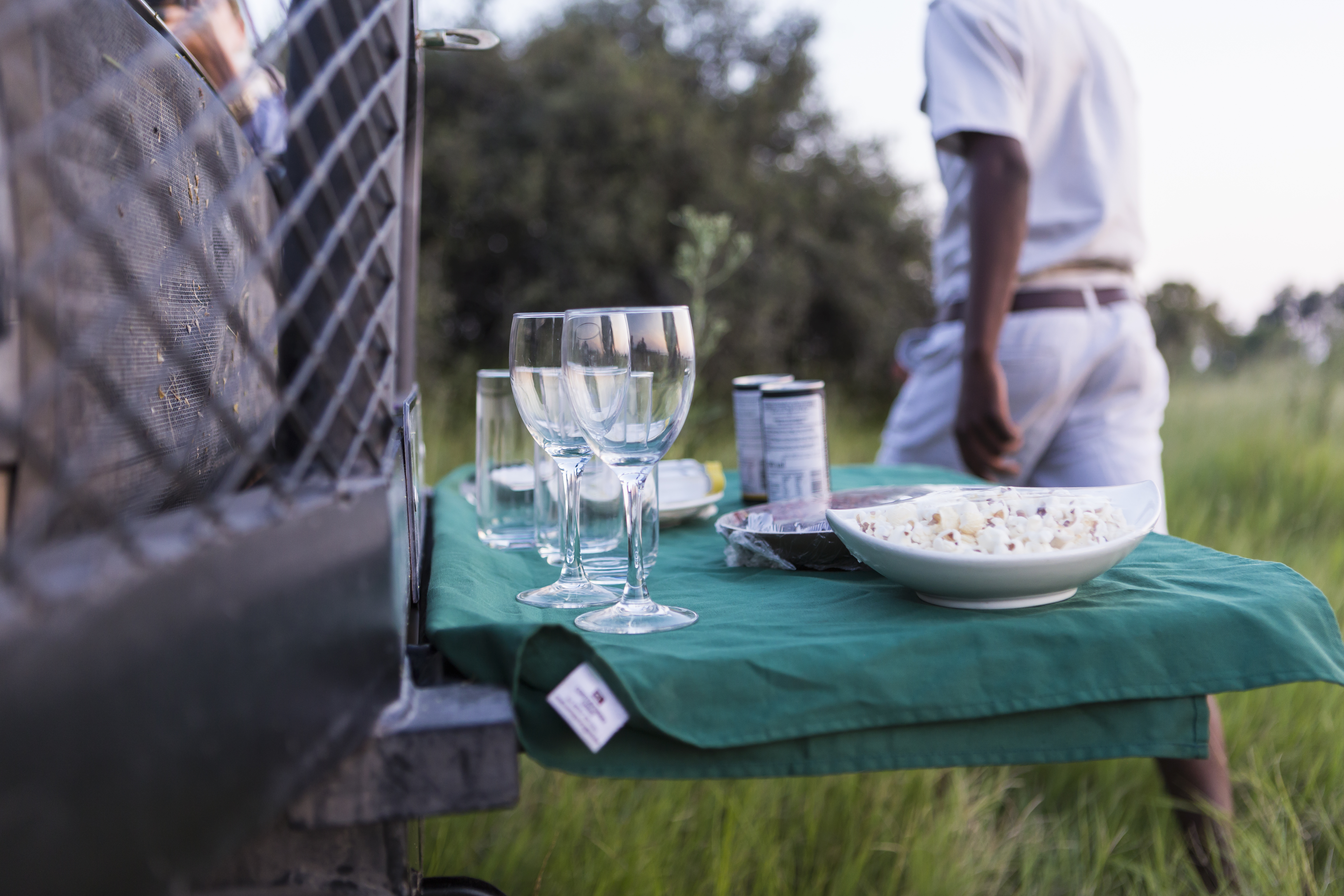
Sundowners are a cherished safari tradition: as the day's last game drive winds down, your guide stops at a beautiful vantage point and produces drinks and snacks, and you toast the sunset over the African plains. Whether it is a gin and tonic, a local Kilimanjaro beer or a soft drink, sipped as the sky turns gold and the nocturnal world stirs, the sundowner is one of the defining, romantic rituals of a safari, and a delightful daily highlight.
Dinner at camp: from simple to gourmet
Dinner is the social heart of the safari day, and its style depends on your camp. At luxury lodges and tented camps, expect impressive multi-course menus prepared by skilled chefs, with international and local dishes, fine presentation, and often a thoughtful wine list, all served in beautiful surroundings. The standard at the top end rivals fine restaurants, which is remarkable given the remoteness. Many camps offer communal dining that brings guests together to share the day's sightings, or private tables for couples seeking intimacy.
On mid-range and budget safaris, the food is simpler but still satisfying and plentiful — hearty stews, grilled meats, fresh vegetables, pasta, rice and good bread, with fruit and desserts. Camp cooks are adept at producing a surprising variety from limited supplies, and you will not go hungry. Across all levels, the emphasis is on fresh, generous, comforting food that fuels your adventures, and the warmth of the hospitality is a constant whatever the price point.
Local Tanzanian and Swahili flavours
A safari is also a chance to sample Tanzania's own cuisine, which reflects the country's rich cultural mix. Many camps include local dishes alongside international fare, giving you a taste of the flavours of East Africa. Staples include ugali, a maize porridge eaten with stews and grilled meats, and nyama choma, the much-loved barbecued meat. Coastal and Zanzibari cuisine, infused with the island's famous spices and coconut, offers fragrant curries, pilau rice and fresh seafood.
Tanzania's tropical fruits are a daily delight — sweet pineapples, mangoes, passion fruit and bananas in abundance — and the country grows some of the world's finest coffee on the slopes of Kilimanjaro, so a good cup is rarely far away. Asking to try local specialities, or including a meal in a local home or a market visit as part of a cultural experience, adds a delicious cultural dimension to your trip, connecting you to the flavours of the country as well as its wildlife.
Beyond the camps, keep an eye out for the everyday tastes of Tanzania as you travel between parks. Roadside stops and town cafés serve chapati and mandazi — soft, lightly sweet fried dough — with hot, spiced chai, while mishkaki skewers and chipsi mayai, a cheerfully filling chip omelette, are much-loved street foods. In Zanzibar, the evening stalls of Forodhani Gardens in Stone Town grill fresh seafood and press sugarcane juice with lime and ginger. Your guide will know the safe, good places to stop, and these small, authentic tastes along the way are as much a part of the journey as the camp dining itself.
Dietary requirements and food safety
Travellers with dietary requirements need not worry: safari camps are well used to catering for vegetarians, vegans, and those with gluten intolerance, nut allergies or other specific needs, provided you give advance notice. Because supplies must be planned and transported to remote locations, it is essential to inform your operator of any dietary needs or allergies well before your trip, so the camps can prepare. With notice, even quite specific requirements are accommodated graciously and well.
On food safety, reputable camps and lodges maintain high standards of hygiene, so the food prepared for you is generally very safe to eat with confidence. As covered in any good safari health guidance, the main precaution is to drink bottled or filtered water rather than tap water. Beyond that, you can relax and enjoy the meals, which are a genuine pleasure of the safari experience rather than something to be endured.
Special dining experiences
For special occasions — a honeymoon, an anniversary or simply a memorable treat — many camps can arrange private dining experiences that elevate the food into an event. A private candlelit dinner for two set up in a secluded spot, a surprise bush breakfast, or a celebratory feast under the stars are the kind of touches that turn a safari into an unforgettable romantic or celebratory journey. These experiences combine the wonderful food with the magic of the setting in a way that lingers long in the memory.
If dining is important to you, whether for celebration, for romance or simply because you love good food, it is well worth mentioning when planning your trip. We can recommend camps known for exceptional cuisine, arrange special private dining moments, and ensure your dietary needs and preferences are perfectly catered for. Good food is one of the quiet joys of a safari, and with a little planning it becomes a highlight in its own right alongside the wildlife.
Drinks, coffee and how camps cook in the bush
Drinks on safari are generally well catered for, and most camps and lodges offer a good range. Bottled water is provided in abundance and should always be your choice over tap water, and soft drinks, beers such as the popular local Kilimanjaro and Serengeti lagers, wines and spirits are widely available, though the range and whether they are included in your rate varies with the level of your safari. Tanzania also grows superb coffee on the volcanic slopes of Kilimanjaro and in the southern highlands, so a freshly brewed cup, often served at your tent at dawn before the morning drive, is one of the small daily pleasures of the bush.
What surprises many travellers most is how such good food appears in the middle of nowhere. Behind every meal is a feat of logistics and skill: supplies are planned carefully and transported, sometimes by light aircraft, to remote camps, where talented cooks produce impressive dishes from compact kitchens, often with little more than a wood fire, a charcoal oven and great ingenuity. The bread baked in a pit oven, the cakes that emerge from a camp kitchen, and the multi-course dinners conjured far from any town are a testament to the resourcefulness of safari chefs.
On a budget or camping safari, you will often see this magic up close, as the camp cook prepares hearty, satisfying meals over a fire at your campsite, filling the air with wonderful smells as the sun goes down. It is a sociable, atmospheric way to eat, and the food — generous stews, grilled meats, fresh vegetables and warming soups — is exactly what you want after a long day in the field. Far from a compromise, dining around the campfire under a vast, star-filled sky is for many travellers one of the most memorable parts of the whole experience.
Whatever the style of your safari, the effort and care that go into feeding you well, in some of the remotest places on earth, is genuinely impressive, and it reflects the warmth of Tanzanian hospitality. Understanding what goes on behind the scenes only deepens the appreciation of each meal. From the dawn coffee to the campfire dinner, the food and drink of a safari are woven through the day in a way that becomes, for many, an unexpectedly treasured part of the journey.
Discover more in our guide to the best things to do in Tanzania, and see where the finest dining happens in our best luxury safari lodges guide.
A bush breakfast with elephants on the horizon, or a candlelit dinner beneath the stars — on safari, the food is not just sustenance but part of the magic.
- Food is fresh, varied and often excellent, even in remote camps
- Bush breakfasts and picnic lunches in the wild
- Sundowners — drinks and snacks at sunset
- Luxury camps offer gourmet, multi-course menus
- Local Swahili and Tanzanian flavours to try
- Dietary needs catered for with advance notice
Plan your safari with great food in mind
Whether you are a dedicated foodie, have specific dietary needs, or simply want reassurance that you will eat wonderfully well, the dining on your safari can be tailored to delight you. Tell us your preferences and requirements, and we will recommend camps celebrated for their cuisine, arrange special dining experiences for any occasion, and ensure every meal of your Tanzania safari is a pleasure — because great food, beautifully set against the wild, is one of the lasting joys of the journey.
Plan your safari with Sokwe Africa Safari