
What is the green season?
The green season, sometimes called the low or emerald season, is the period of Tanzania's rains, running broadly from November through May with a short dry spell around January and February. Most first-time visitors are steered towards the dry months of June to October, and for good reason, but in doing so they overlook one of the most rewarding and best-value times to be on safari. The green season transforms the landscape and the experience, and for many seasoned travellers it is their favourite time of all.
Far from being a washout, the green season brings lush, photogenic scenery, dramatic skies, abundant newborn wildlife, superb birding, thinner crowds and noticeably lower prices. The rains are usually short, localised afternoon showers rather than all-day downpours, and the game viewing remains excellent. This guide explains what the green season really involves, its many advantages, the honest trade-offs, and how to plan a green-season safari that makes the most of them.
Why the green season is a secret
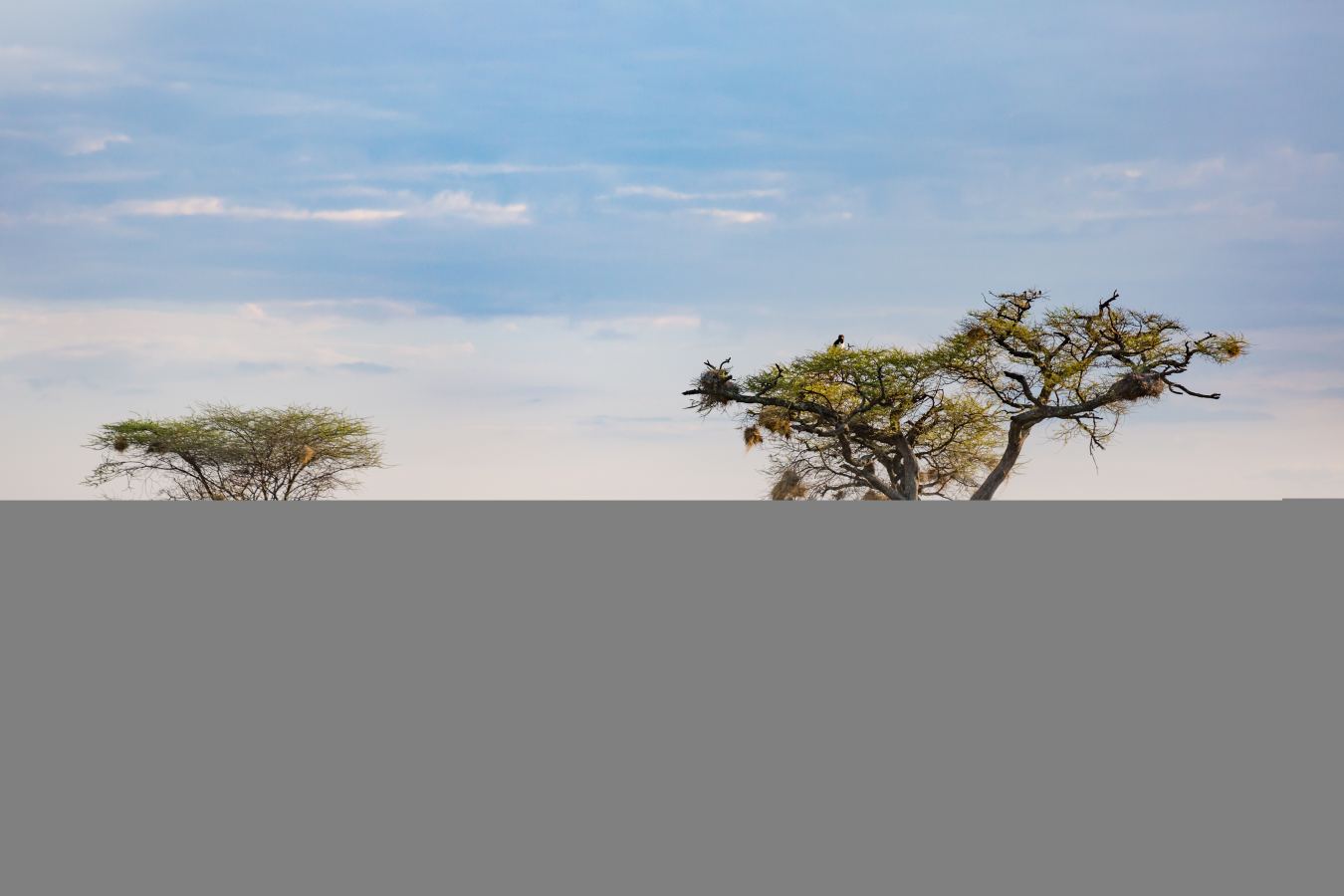
The green season is a secret mainly because of a misunderstanding: travellers hear "rainy season" and imagine days lost to relentless downpours. The reality is very different. Across much of the safari calendar the rain comes as brief, dramatic afternoon storms that clear quickly, leaving fresh, clean air and spectacular light. Mornings are frequently bright and perfect for game drives, and the showers often pass while you are relaxing at camp through the heat of the day.
What you gain in return is considerable. The bush turns a vivid green, the dust disappears, the skies fill with towering clouds that make for extraordinary photography, and migratory birds arrive in their thousands. The parks are quiet, sightings are shared with far fewer vehicles, and the rates at even the finest camps soften significantly. For travellers willing to look past the label, the green season offers a richer, more intimate and better-value safari.
The calving season: nature's great drama
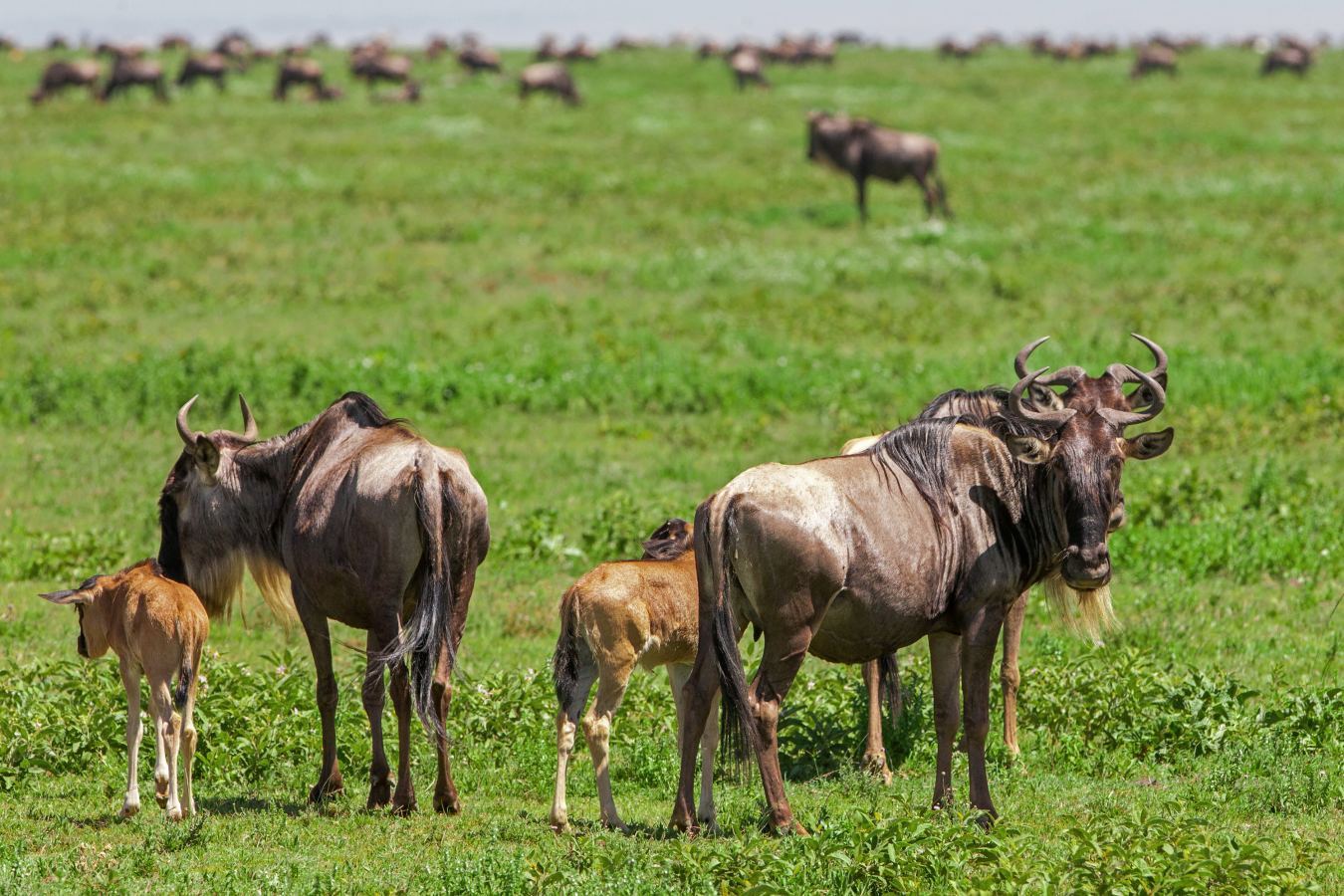
The jewel of the green season is the calving season. From roughly late January to March, the wildebeest of the Great Migration gather on the short-grass plains of the southern Serengeti and the Ndutu area to give birth, with hundreds of thousands of calves arriving within a few short weeks. It is one of the most concentrated and dramatic wildlife events on the planet — a vast nursery of new life spread across the green plains.
Where there is abundant vulnerable prey, predators follow, and the calving season offers some of the most intense big-cat action of the entire year. Lions, cheetahs and hyenas are constantly active, and the sheer density of animals on the open plains makes for superb viewing and photography. For wildlife enthusiasts, witnessing the calving and the predator drama that accompanies it is reason enough to choose a green-season safari over the busier dry months.
Lush landscapes and dramatic photography
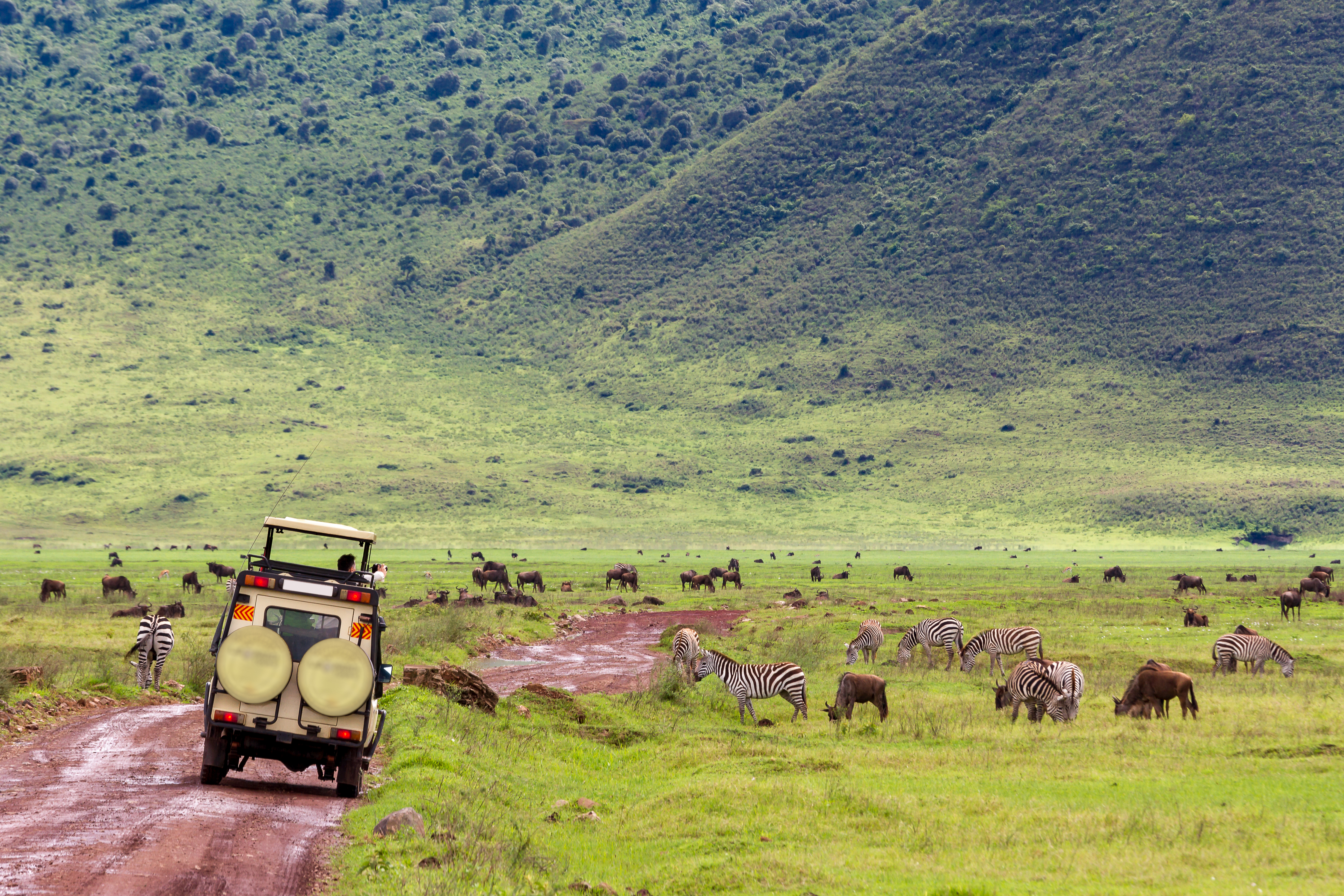
For photographers, the green season is a revelation. The emerald plains, the wildflowers, the glossy, well-fed animals and above all the magnificent skies — great banks of cloud lit by low sun, with the occasional rainbow arching over the plains — create images impossible to capture in the dry, dusty months. The light after a passing shower is some of the most beautiful you will ever shoot, soft and golden against a freshly washed landscape.
The newborn animals add irresistible subjects, from wobbly wildebeest calves to baby elephants and impala, while the migratory birds in full breeding plumage bring vivid colour. With fewer vehicles around, you also have more freedom to position for the perfect composition and to wait undisturbed for behaviour. Many photographers, once they have experienced it, return specifically for the green season's drama and colour.
Fewer crowds and better value
Two of the green season's greatest practical advantages are space and price. The popular parks that can feel busy at the height of the dry season are wonderfully quiet, meaning more sightings to yourself, a more peaceful atmosphere, and that precious sense of having the wilderness to yourself. For travellers who value solitude and authenticity, this alone makes the green season worthwhile.
The financial advantage is just as compelling. Camps and lodges drop their rates substantially in the low season, and some of the most exclusive properties become attainable at green-season prices. The same budget stretches to a higher level of luxury, a longer trip, or simply a more comfortable one. Combined with lower demand on flights, the green season is comfortably the best-value time to experience a Tanzania safari without compromising on the wildlife.
What about the rain?
An honest account must address the rain. Within the green season there are two patterns: the "short rains" of November and December, which are light and intermittent, and the "long rains" of roughly April and May, which are heavier and the one period some camps close. The sweet spot for most green-season travellers is the warm, largely dry window of late December to March, which combines the calving season with generally excellent conditions.
Even in the wetter months, rain rarely ruins a safari — it punctuates it. Game drives continue, vehicles are equipped for the conditions, and the showers are part of the dramatic beauty. The main practical points are to pack a light waterproof and to expect that some remote tracks may be muddy. With sensible timing and a good operator guiding your choice of dates and parks, the rain is a minor footnote against the season's many rewards.
Pin down your dates with our best time to visit Tanzania calendar, and see how green-season value works in our Tanzania safari cost guide.
If you are planning this route, read Last-minute safari in Tanzania: how late can you book?.
More on this in Ndutu in the green season: the best predator viewing in Africa.
The green season is the safari the crowds miss — emerald plains, newborn herds, storm-lit skies, and the finest camps at a fraction of the price.
- Lush scenery and dramatic, photogenic skies
- The calving season (Jan–Mar) and intense predator action
- Far fewer vehicles and a quieter, intimate feel
- Significantly lower prices at even the best camps
- Rain is usually short afternoon showers
- Sweet spot: late December to March
Planning and packing for a green-season safari
A little planning makes a green-season safari shine. The most important decision is timing within the season: the warm, largely dry window of late December to March combines the calving spectacle with reliable conditions and is the sweet spot for most travellers, while the heavier long rains of April and May are best approached with flexibility and local advice. A good operator will steer you to the dates and parks that maximise the season's rewards and minimise its drawbacks.
Choice of region matters too. During the green season the southern Serengeti and Ndutu come into their own for the calving and predator action, while parks like Tarangire and Lake Manyara offer superb green-season birding. Building your route around where the season is strongest, rather than defaulting to the standard dry-season circuit, is how you unlock the green season's best experiences.
Packing is simple but worth getting right. Bring a light, packable waterproof jacket and a small umbrella for the occasional shower, quick-drying clothing in neutral colours, and waterproof protection for your camera gear. Mornings can still be cool, so include a warm layer. None of this is onerous — the showers are usually brief — but being prepared means the rain enhances the drama rather than dampening your day.
It is also wise to keep your itinerary a little flexible during the wetter weeks, as some remote tracks can become muddy and the occasional plan may shift. Travelling with a capable local operator and well-equipped vehicles means this is handled smoothly, and the trade-off — emerald landscapes, abundant wildlife and far fewer people — is more than worth a little adaptability.
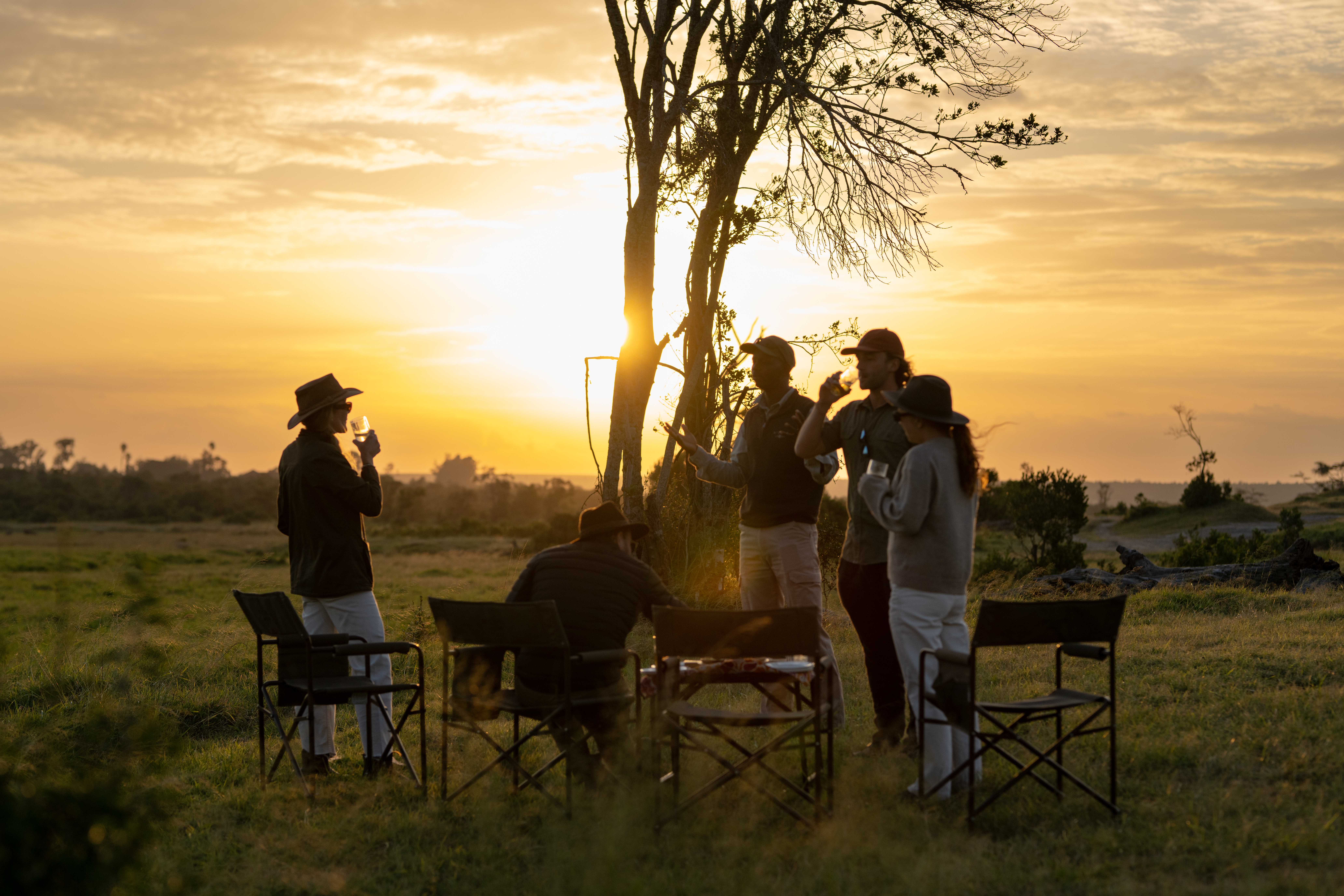
Above all, approach the green season with the right mindset. This is not a compromise or a budget fallback; for many experienced safari-goers it is the connoisseur's choice — the time of newborn life, dramatic skies, quiet parks and exceptional value. Come expecting beauty, drama and space rather than wall-to-wall sunshine, and the green season will reward you with a safari every bit as memorable as the peak months, often at half the price.
Green season month by month
It helps to understand the green season month by month, because it is not one uniform period. November brings the short rains, light and scattered, freshening the landscape after the dry season and marking the start of the green months — a lovely, quiet time with good game viewing. December continues this, warming up and greening further, with the festive period being popular despite the occasional shower. By late December the southern Serengeti begins to fill as the herds move down to the calving grounds.
January and February are the jewels of the green season: warm, often surprisingly dry between showers, and home to the spectacular wildebeest calving on the southern plains, with intense predator action in attendance. This is prime green-season time and arguably one of the best wildlife windows of the entire year. March sees the calving wind down and the landscape at its lushest, still excellent and very quiet before the heavier rains arrive.
April and May are the long rains, the wettest period, when some remote camps close and travel can be more affected by mud and showers — though the scenery is gloriously green, prices are at their lowest, and the parks are emptiest of all for the hardy and flexible traveller. Understanding this progression lets you target the window that best suits your priorities, whether that is the calving, the value, the solitude or the lush beauty.
For first-timers wondering whether the green season is a wise choice, the answer is a confident yes, provided you travel in the right window and plan with good advice. The wildlife is abundant, the experience is arguably richer for the drama and the space, and the value is exceptional. With sensible timing — ideally that late-December-to-March sweet spot — a green-season safari makes a superb first trip as well as a connoisseur's return, and it leaves most travellers wondering why anyone insists on only the dry months.
Plan your green season safari
The green season rewards travellers who look past the label, and getting the dates and parks right is the key to enjoying its best — the calving, the value, the quiet and the light — while sidestepping the wettest weeks. Tell us when you can travel, and we will design a green-season safari that puts you in the right place at the right time, often at a level of luxury that would cost far more in peak season.
Plan your green season safari with Sokwe Africa Safari