
The Journey Begins Before You Arrive
Tanzania stands apart. In a world of over-curated experiences and algorithm-driven itineraries, this East African nation remains one of the last places on earth where the wild writes its own story — and where a traveller, if prepared well, can step into it without interruption. To plan a safari in Tanzania in 2026 is to embark on one of the most intentional journeys a person can make: a deliberate pursuit of something elemental, awe-inspiring, and entirely irreplaceable.
For the luxury traveller arriving from New York, London, Paris, or Zurich, Tanzania offers far more than wildlife. It offers context — an encounter with the Serengeti's ancient migration cycles, the still volcanic grandeur of Ngorongoro, the secretive corridors of Ruaha, and the crystalline archipelago of Zanzibar waiting at the end of every great safari. Planning this experience well requires more than choosing a camp and booking flights. It requires understanding the landscape of options, the nuance of seasons, the intelligence of private guides, and the art of sequencing days so that each one amplifies the last.
Why Tanzania Remains the World's Premier Safari Destination
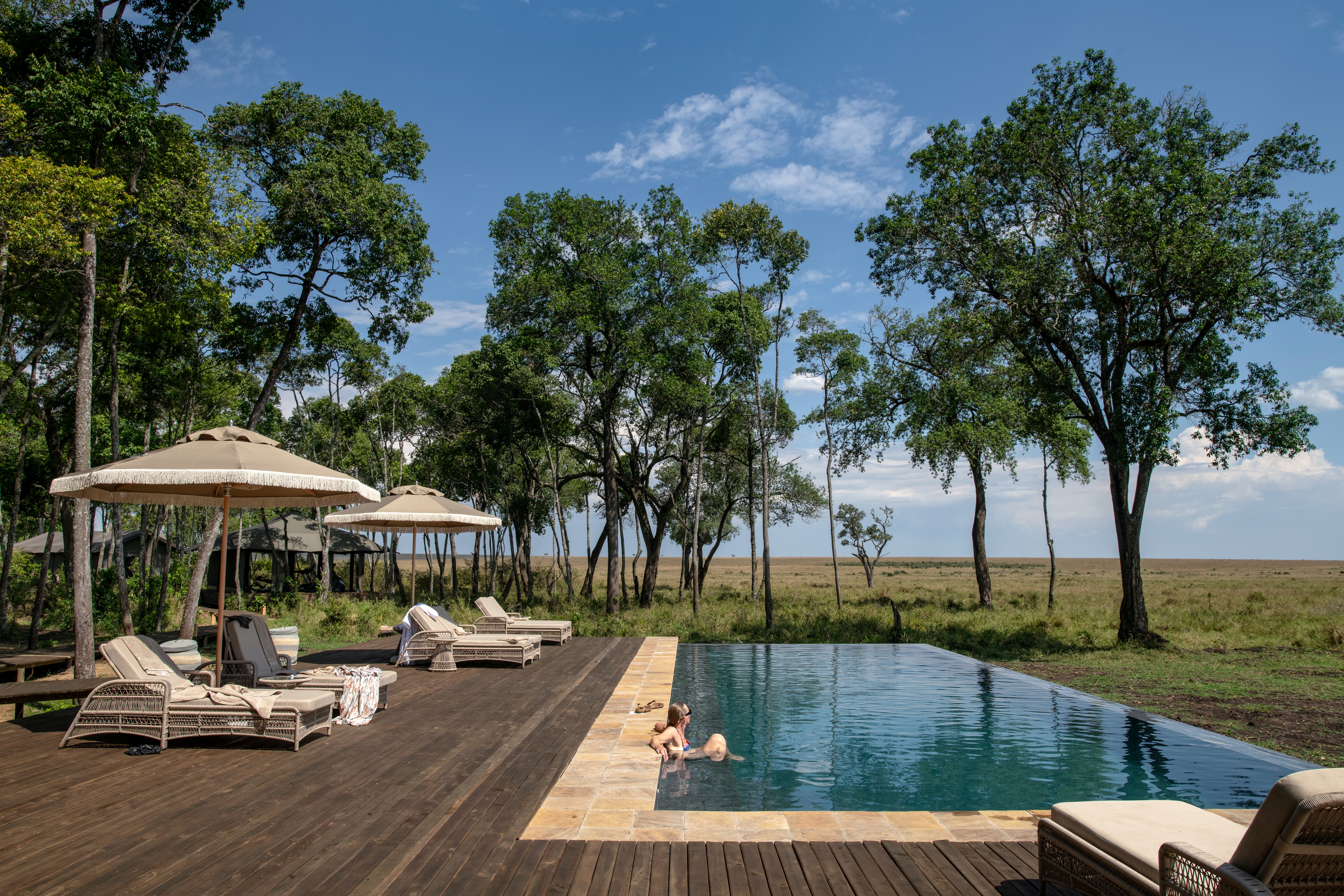
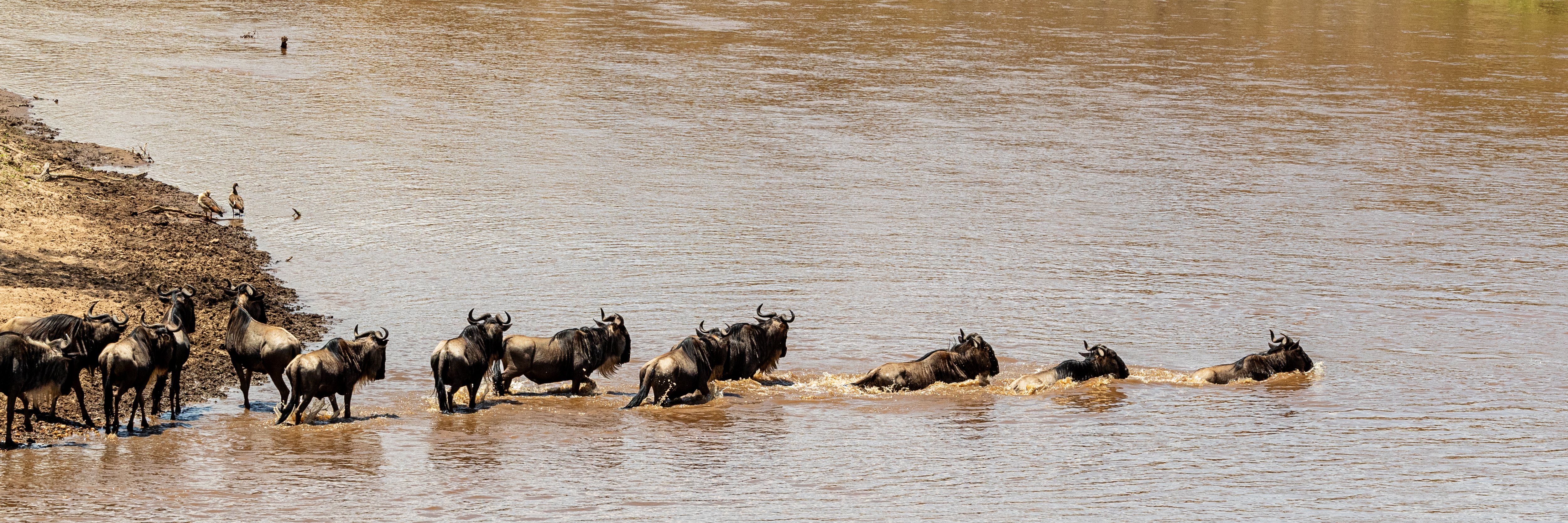
Tanzania hosts more UNESCO World Heritage Sites related to wildlife and natural landscapes than any other country in sub-Saharan Africa. The Serengeti National Park alone covers nearly 15,000 square kilometres and anchors one of the most extraordinary wildlife spectacles on the planet — the Great Wildebeest Migration — in which over 1.5 million wildebeest, accompanied by hundreds of thousands of zebra and gazelle, trace a circular route across Tanzania and into Kenya's Masai Mara in an endless search for fresh grass and water.
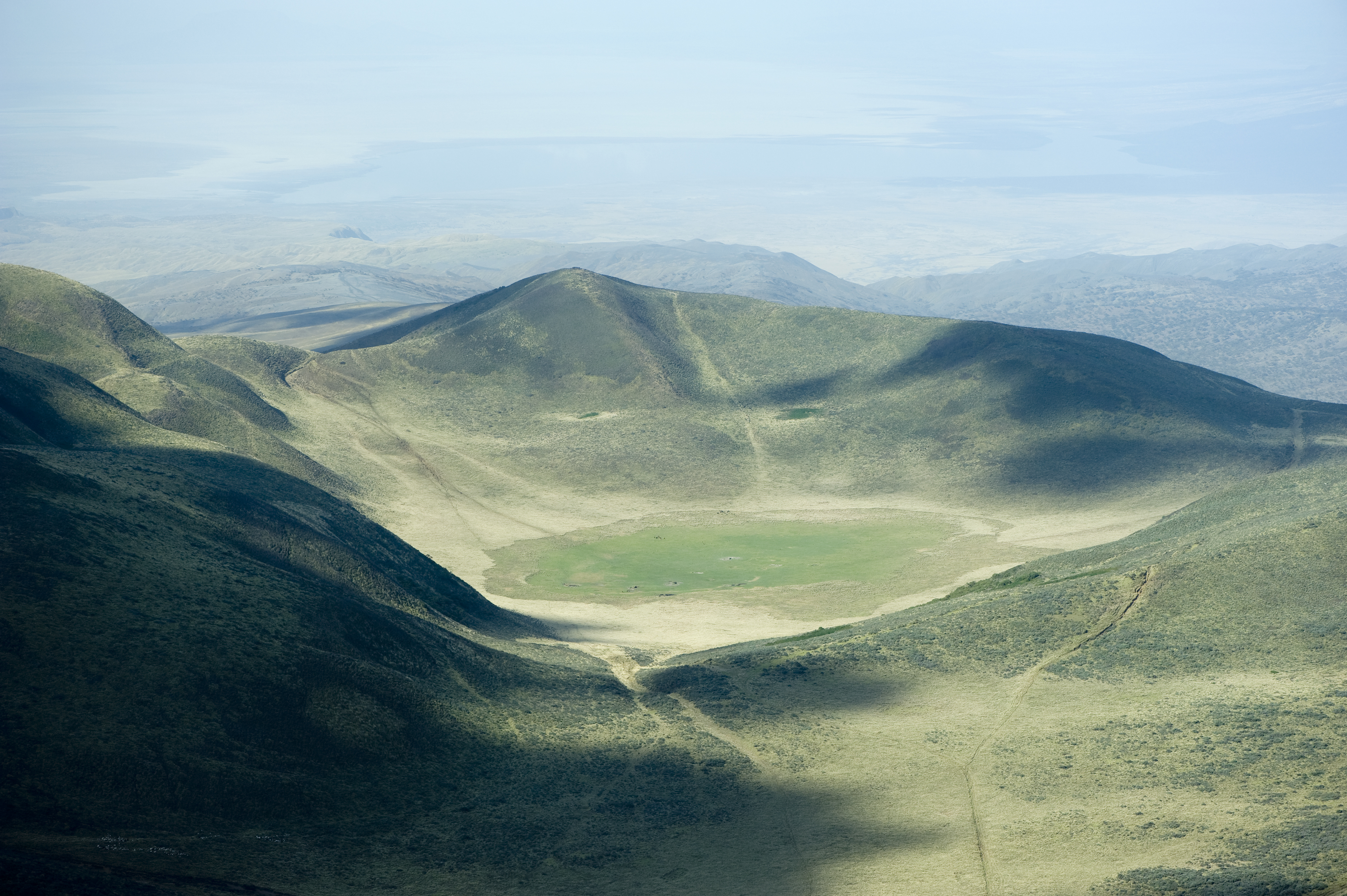
Tanzania's safari appeal extends well beyond this single event. Ngorongoro Crater — a collapsed volcanic caldera and a self-contained ecosystem — shelters one of the densest concentrations of wildlife on earth, including a significant population of black rhinoceros, among the rarest of Africa's megafauna. The remote Ruaha National Park in the south offers a genuinely untouched wilderness experience, with far fewer visitors and a greater sense of solitude than the northern circuit parks. Nyerere National Park, formerly the Selous Game Reserve, stretches across a territory larger than Switzerland and allows boat safaris along the Rufiji River — an experience that no land-based game drive can replicate.
Understanding Tanzania's Safari Seasons
Tanzania's climate follows a broadly predictable seasonal rhythm, though micro-climates across its diverse parks require a nuanced understanding for effective trip planning. The dry season — spanning roughly June through October — is widely considered the prime safari season. Vegetation thins as water sources diminish, driving wildlife to permanent rivers and waterholes where they concentrate in extraordinary numbers. Game viewing during this period is consistently excellent across all major parks, and daytime temperatures are comfortable, typically between 20°C and 28°C. This is also peak travel season, meaning camps fill quickly and prices reach their highest point. Travellers intending to visit during July and August — the peak of the wildebeest river crossings — should book accommodation twelve to eighteen months in advance.
The short dry season in January and February offers a compelling alternative. During these months, the wildebeest calving season unfolds in the southern Serengeti near Ndutu, where hundreds of thousands of calves are born within a compressed window of weeks. Predator activity during this period is among the most intense of the entire year — lions, cheetahs, and hyenas converge in response to the abundance — making January and February one of the finest times for wildlife photography and intimate game encounters. The long rains of March through May bring reduced rates at most luxury camps and a landscape transformed into cinematic green. November's short rains offer excellent shoulder-season value without significantly compromising the experience.
The Key Safari Circuits: Choosing the Right Itinerary
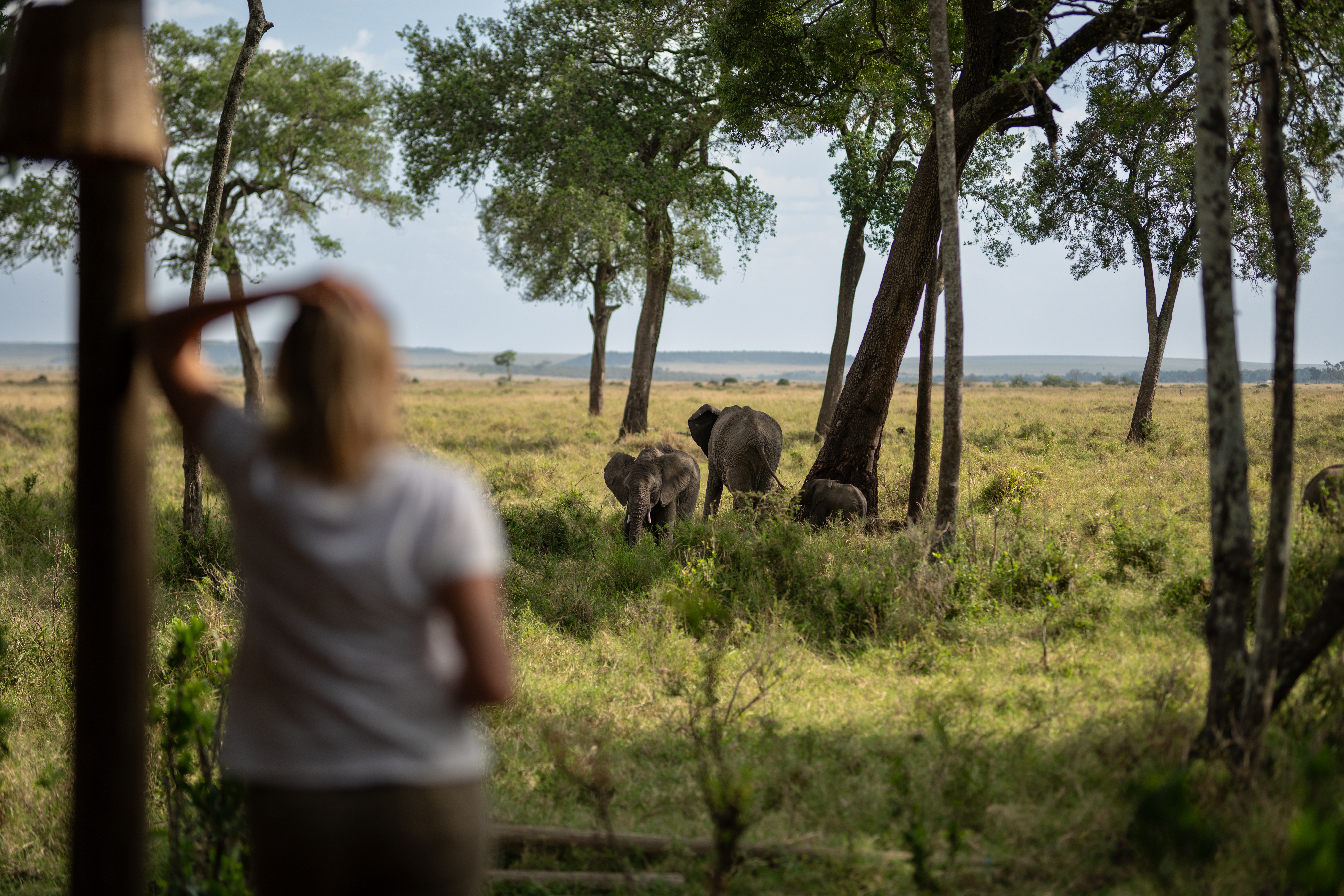
Tanzania organises naturally into three distinct safari circuits, each with its own character, pace, and defining experiences. The Northern Circuit — comprising the Serengeti, Ngorongoro Conservation Area, Lake Manyara, and Tarangire National Parks — is Tanzania's most celebrated safari route. It offers the widest variety of ecosystems in a concentrated geography and is supported by the greatest number of luxury lodges and tented camps. Tarangire is particularly remarkable from June to October when elephants congregate along its river in herds of fifty, one hundred, even two hundred animals moving through an ancient baobab landscape. Lake Manyara's tree-climbing lions remain one of Tanzania's most enigmatic wildlife curiosities.
The Southern Circuit — encompassing Nyerere National Park, Ruaha, and Mikumi — delivers a fundamentally different experience: wilder, more remote, and considerably less visited. Ruaha is Tanzania's largest national park and one of Africa's best-kept safari secrets. Its semi-arid landscape and Great Ruaha River corridors host wild dogs, greater kudu, and roan antelope — species rarely encountered in the north. The Western Circuit, anchored by Mahale Mountains and Gombe Stream on the shore of Lake Tanganyika, caters to the traveller seeking the extraordinary privilege of trekking through montane forest to sit with wild chimpanzee communities — one of the most exclusive wildlife encounters on earth. Zanzibar, the spice island archipelago off Tanzania's Indian Ocean coast, serves as the natural and deeply satisfying conclusion to any circuit.
Choosing the Right Luxury Safari Camp
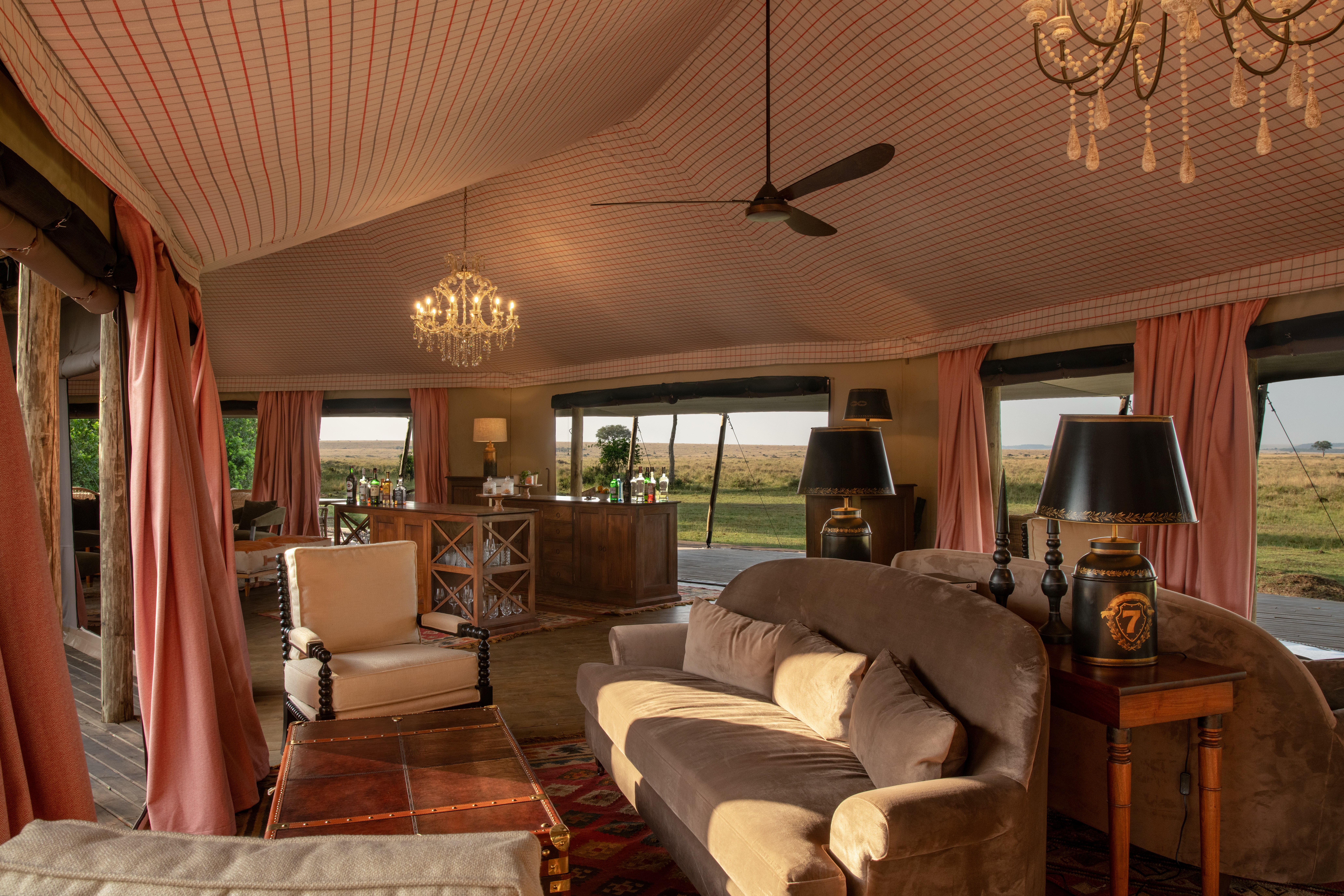
The camp is not merely accommodation — in Tanzania's finest properties, it is an experience unto itself, and the choice of camp shapes the character of every day spent in the bush. In 2026, Tanzania's luxury safari landscape includes some of the world's most celebrated wilderness properties, each occupying prime wildlife habitat and offering service standards that rival the finest urban hotels. In the Serengeti, mobile camps follow the migration — repositioning seasonally to place guests exactly where the greatest wildlife action unfolds. Fixed properties in private concessions offer a permanent sense of place, with exclusive access to vast tracts of land where off-road driving, walking safaris, and night drives are permitted without restriction.
In Ngorongoro, crater rim lodges with unobstructed views over the caldera floor deliver one of Africa's most theatrical experiences. Breakfast on a private veranda overlooking the crater at dawn, then descending 600 metres to game drive on the extraordinary floor below — this is what luxury safari travel at its finest looks and feels like. In the southern parks, intimate camps accommodating twelve guests or fewer provide the kind of exclusivity and personal attention that the busier northern circuit cannot always match. When evaluating camps for a 2026 Tanzania safari, the most important considerations are proximity to core wildlife areas, the quality and tenure of the guiding team, activity flexibility, and the sustainability credentials of the operation.
The greatest luxury in the Serengeti is not the thread count of the linen or the vintage of the wine — it is the silence between the sounds: the pause before a lion calls, the moment before the river crossing begins. Tanzania teaches you to live inside those pauses.
How Much Does a Luxury Tanzania Safari Cost in 2026?
Budgeting for a luxury Tanzania safari in 2026 requires understanding the components that drive cost rather than seeking a single price-per-day figure, which varies enormously based on camp category, season, itinerary complexity, and group size. At the entry point of the luxury segment — private lodges with ensuite tented suites, full-board meals, and shared game drives — travellers should anticipate spending between USD $800 and $1,200 per person per night, inclusive of accommodation, meals, beverages, and standard activities. Properties at the top of the market, including exclusive-use options, mobile migration camps, and ultra-private concessions, range from $1,500 to $3,500 per person per night.
Charter flights — essential for accessing remote parks like Ruaha and Mahale or for moving efficiently between northern circuit parks — add approximately $800 to $1,500 per person depending on routing and aircraft type. A well-designed luxury Tanzania safari of ten to fourteen days, inclusive of international business class airfare, domestic charters, three to four premium camps, and a Zanzibar extension, will typically require a total budget of $20,000 to $35,000 per person. Tanzania's conservation fees form a non-negotiable component of all safari costs — park fees in the Serengeti run approximately $70 to $80 per person per day, with Ngorongoro carrying an additional crater descent fee. Reputable operators include all fees transparently within their quotations.
Working With a Private Safari Operator
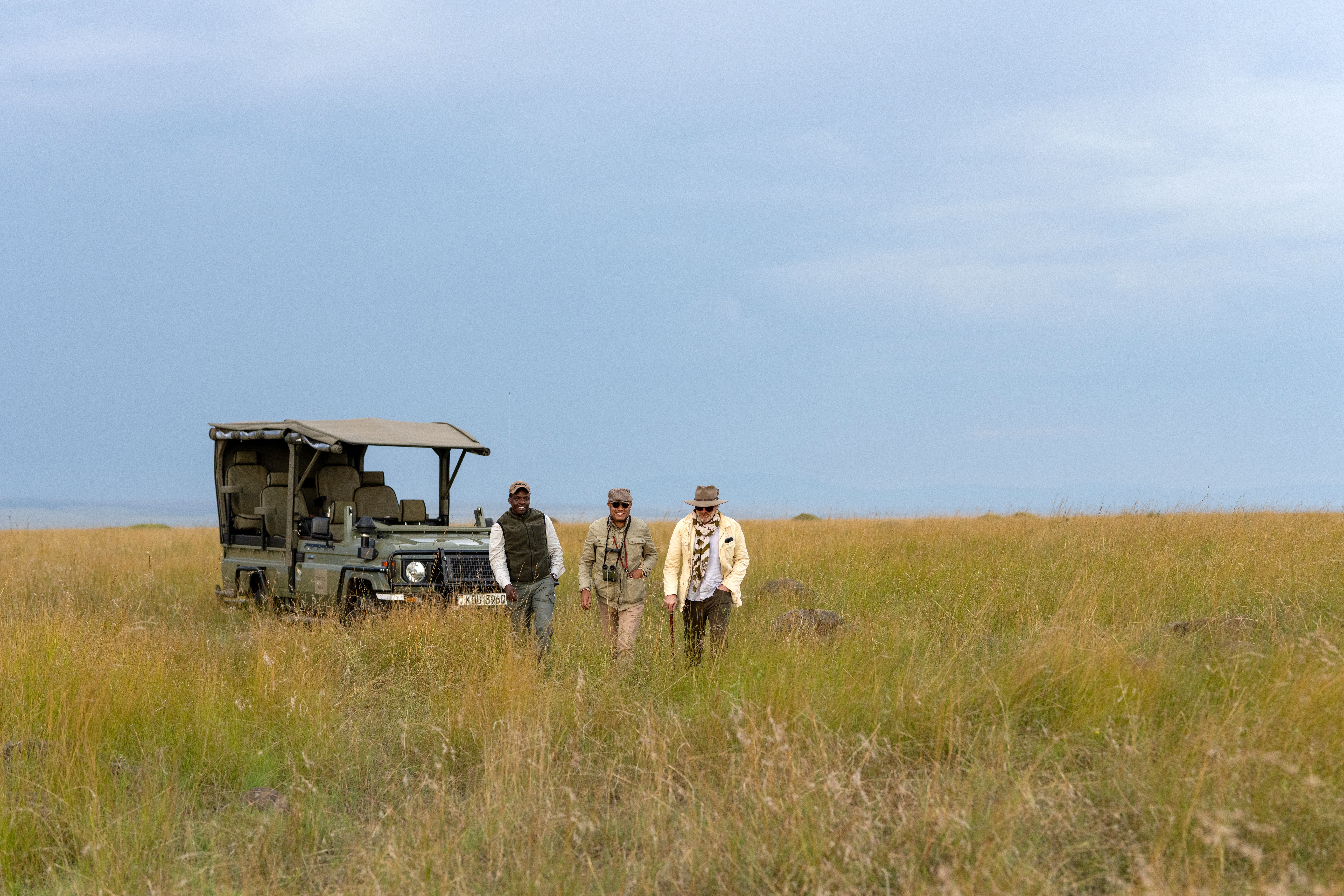
The most transformative luxury Tanzania safaris are invariably built by private operators who specialise exclusively in East Africa — not generalist travel agencies managing Tanzania as one destination among dozens. A specialist operator holds established relationships with camp managers, field guides, and conservation programmes that translate directly into enhanced experiences: early morning exclusive access to Ngorongoro Crater before other vehicles arrive, private bush dinners arranged at camps that don't typically offer them, charter routings adjusted to capture a lion pride den discovered the previous week.
In 2026, the finest Tanzania safari operators combine deep field knowledge with genuine hospitality intelligence — understanding that a couple celebrating an anniversary requires a fundamentally different itinerary than a family with teenagers or a solo wildlife photographer. The private safari should feel less like a product and more like a conversation about what matters most to the traveller, translated faithfully into an experience. Travellers are advised to seek operators who offer in-country ground support, provide references from verified clients, maintain direct contracts with camps rather than working through third-party booking agents, and demonstrate fully transparent pricing without hidden surcharges.
Explore our curated Private Safari Tours in Tanzania — fully bespoke itineraries designed for discerning travellers seeking exclusivity, expert guidance, and the finest camps across the Serengeti, Ruaha, and beyond.
View our full range of Luxury Tanzania Safari packages built around the best camps and most experienced guides in East Africa.
If you are weighing this up, see our Kenya and Tanzania luxury safari.
We cover this further in our what a safari costs per person.
If you are weighing this up, see our 7, 10 and 12-day itineraries.
More on this in African Safari from Dubai: The Complete Luxury Guide for UAE Travellers.
More on this in How Many Days for a Tanzania Safari? The Honest Answer from Expert Guides.
Essential Logistics: Getting There and Getting Ready
International gateway airports into Tanzania include Julius Nyerere International Airport in Dar es Salaam and Kilimanjaro International Airport near Arusha — the preferred entry point for the northern circuit. Connections from London, New York, and major European cities route typically through Amsterdam, Doha, or Nairobi, with total journey times ranging from sixteen to twenty hours. A Tanzania tourist visa for US, UK, and EU passport holders is obtainable online through the government's e-visa portal in advance of travel, a process that typically takes three to five business days.
Health preparation requires a yellow fever vaccination certificate — mandatory when arriving from certain countries — alongside a malaria prevention strategy recommended by a travel medicine physician. Comprehensive travel insurance including medical evacuation coverage is non-negotiable given the remote locations of many safari camps. Currency throughout Tanzania is the Tanzanian Shilling, though virtually all luxury camps operate in US dollars. Tips — an important element of safari camp culture — are paid in cash, and travellers should arrive with sufficient small-denomination USD bills for this purpose. Packing for a Tanzania safari centres on neutral-coloured, lightweight clothing in layers, quality binoculars, a camera with a long lens, and sun protection appropriate for the equatorial altitude.
Combining Tanzania Safari With Zanzibar
No luxury Tanzania safari itinerary is truly complete without the Zanzibar extension. This UNESCO-listed archipelago, positioned forty kilometres off the Tanzanian coast, offers a civilisational contrast to the bush that deepens the meaning of everything that came before it. Stone Town — Zanzibar's ancient capital — rewards at least two nights of exploration: labyrinthine alleyways lined with carved Omani doorways, rooftop restaurants serving fragrant coastal cuisine, spice markets and dhow harbours conjuring eight centuries of Indian Ocean trade history.
The beaches of northern Zanzibar — Nungwi and Kendwa — or the private island of Mnemba represent the finest Indian Ocean beach experiences in this latitude. Reef diving and snorkelling around Mnemba Atoll is world-class, with manta rays, green sea turtles, and spinner dolphins regularly encountered within a short boat ride of shore. A standard Zanzibar extension runs four to five nights, arriving by light aircraft from any mainland airstrip, and provides the restorative counterpoint that allows the safari — with all its emotional weight and sensory intensity — to settle fully and permanently into memory.
Discover our exclusive Tanzania Safari and Zanzibar Packages — seamlessly combining the Serengeti's wilderness drama with the Indian Ocean's most beautiful island escape.
Sustainability and Responsible Luxury Safari
The luxury safari traveller in 2026 is, increasingly, also a conservation stakeholder. The finest operators and camps in Tanzania are not simply providing accommodation in beautiful places — they are active participants in the ecosystems and communities that make those places worth visiting. The high per-bed cost of ultra-luxury camps is, by design, a conservation model: fewer guests, higher revenue, lower ecological footprint, and greater financial contribution per visitor to anti-poaching initiatives, community development, and habitat protection.
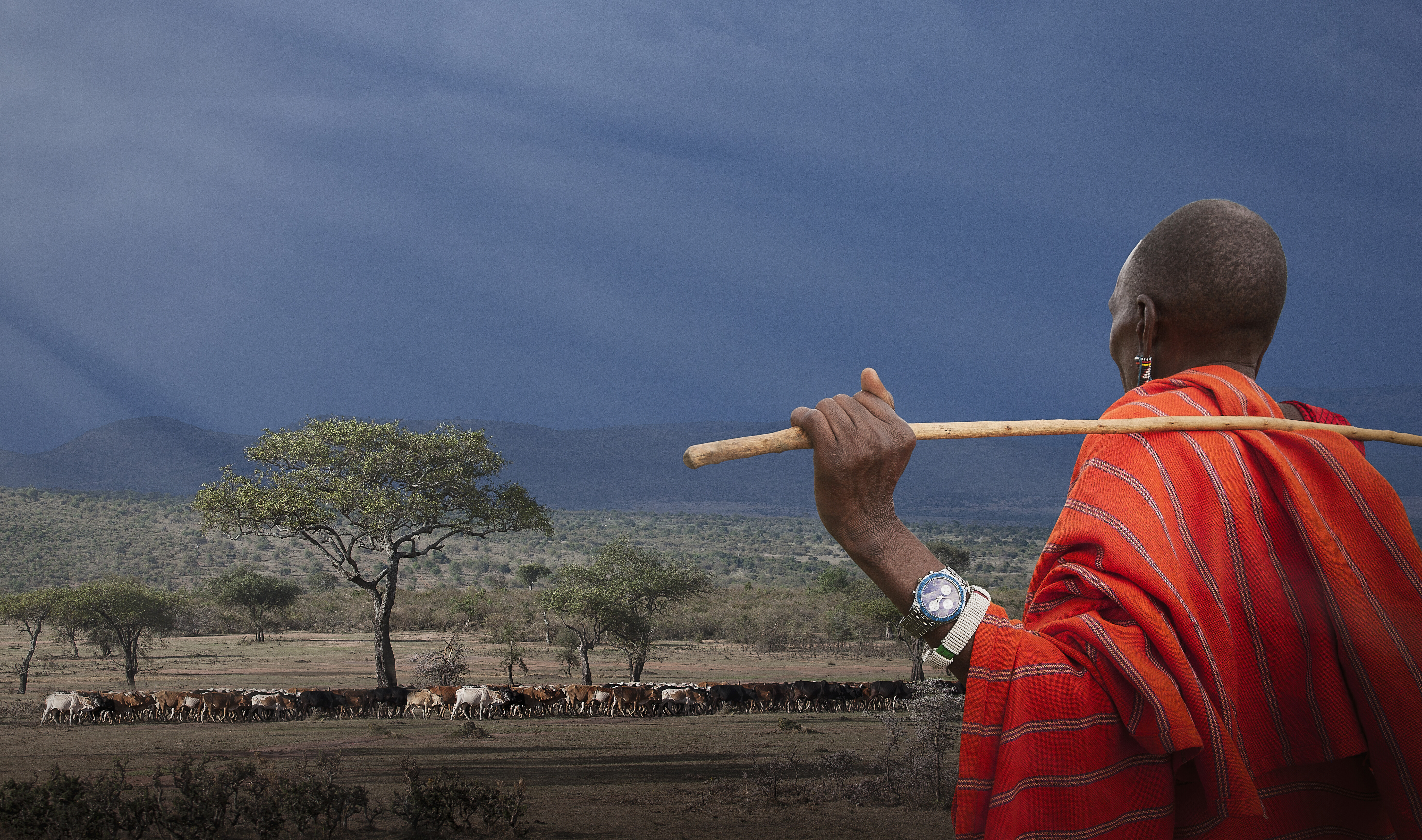
Tanzania's community conservation areas demonstrate that when local Maasai and Tanzanian communities receive direct economic benefit from wildlife tourism, they become its most effective guardians. Operators who direct a meaningful portion of per-night rates toward community trust funds, employ local guides at senior levels, and source food from regional producers are delivering not merely a more ethical experience but a more durable one — ensuring that the Tanzania their clients encounter in 2026 still exists in 2036 and beyond. When selecting an operator, ask directly: what percentage of staff are Tanzanian citizens, what conservation partnerships does the camp maintain, and is there a published social impact report.
- Book peak season (July–August) twelve to eighteen months in advance
- Choose between Northern Circuit, Southern Circuit, or a combination of both
- Prioritise camps inside private concessions for off-road driving and walking safaris
- Use domestic charter flights to connect parks efficiently and access remote areas
- Budget $800–$3,500 per person per night depending on camp tier and season
- Add a Zanzibar extension of four to five nights to complete the Tanzania experience
- Select operators with transparent pricing, direct camp contracts, and conservation credentials
- Consult a travel medicine specialist at least six weeks before departure
FAQs: Planning a Luxury Safari in Tanzania in 2026
Frequently asked questions
What is the best time of year to go on a luxury safari in Tanzania?
The dry season from June to October offers peak game viewing across all parks, with the Great Migration river crossings peaking in July and August. January and February deliver the calving season and intense predator activity in the southern Serengeti. Shoulder seasons in November and March offer reduced rates with consistently good wildlife encounters.
How far in advance should I book a luxury Tanzania safari?
For peak season travel at the most sought-after camps and mobile migration properties, twelve to eighteen months in advance is strongly recommended. For shoulder seasons, six to nine months ahead is typically sufficient, though exclusive-use properties and top-tier camps can close at any time of year.
Do I need a visa to visit Tanzania in 2026?
Most nationalities including US, UK, and EU passport holders can apply for a Tanzania tourist visa online through the government's e-visa portal. The process typically takes three to five business days. Confirm current requirements with your safari operator prior to travel as requirements may be updated.
What is the average cost of a luxury Tanzania safari per person?
Mid-range luxury camps cost $800–$1,200 per person per night fully inclusive. Ultra-luxury properties range from $1,500 to $3,500 per person per night. A complete ten-to-fourteen-day itinerary inclusive of international flights, domestic charters, multiple camps, and a Zanzibar extension typically falls between $20,000 and $35,000 per person.
Is Tanzania safe for luxury safari travellers?
Tanzania is one of Africa's most stable and welcoming travel destinations. Safari areas managed by the Tanzania National Parks Authority are safe, well-patrolled, and operate under established visitor protocols. All reputable luxury operators maintain up-to-date safety protocols and in-country emergency support networks.
What vaccinations are required for a Tanzania safari?
A yellow fever vaccination certificate is mandatory when arriving from certain countries. Malaria prophylaxis is strongly recommended for all safari areas in Tanzania. Consult a travel medicine physician at least six to eight weeks before departure for personalised medical advice.
Can I combine a Tanzania safari with a visit to Zanzibar?
Absolutely — and most luxury operators recommend it. A Zanzibar extension of four to five nights is easily added to any northern or southern circuit safari via light aircraft. Stone Town, Mnemba Island, and the northern beaches provide an exceptional and restorative conclusion to the Tanzania safari experience.
How do I plan a safari?
Begin with four honest answers: your realistic total budget, the nights genuinely available, the wildlife experience you most want to prioritise, and which circuit suits you. Season and park selection follow from those, and only then do camps, charter flight routings and a Zanzibar extension get sequenced into a finished itinerary.
What should I book first?
Camps come first. For peak July and August travel the finest properties and mobile migration camps fill twelve to eighteen months ahead, so we secure dates and beds before anything else is confirmed. International flights, charter connections, the e-visa and your travel medicine appointment all follow once the itinerary skeleton is fixed.
How far in advance should I plan?
For peak season travel at the most sought-after camps and mobile migration properties, twelve to eighteen months ahead is strongly recommended. For shoulder seasons, six to nine months is typically sufficient, though exclusive-use and top-tier properties can close at any time of year. Planning earlier simply means more choice.
Which Tanzania safari circuit should I choose?
The Northern Circuit of Serengeti, Ngorongoro, Lake Manyara and Tarangire offers the widest variety of ecosystems in a concentrated geography and the greatest choice of luxury camps. The Southern Circuit, with Nyerere and Ruaha, is wilder and far less visited. The Western Circuit at Mahale is for chimpanzee trekking.
How do I choose a safari camp in Tanzania?
Judge camps on proximity to core wildlife areas, the quality and tenure of the guiding team, activity flexibility and sustainability credentials. Mobile camps reposition seasonally with the migration, private concession properties permit off-road driving, walking safaris and night drives, and intimate southern camps of twelve guests deliver exceptional exclusivity.
Should I plan a Tanzania safari myself or use a specialist operator?
A specialist who works only in East Africa holds relationships you cannot book online: early access to the Ngorongoro Crater before other vehicles arrive, private bush dinners, charter routings adjusted for a lion pride found last week. Look for in-country support, direct camp contracts, verified references and fully transparent pricing.