
Quick answer
A combined Kenya and Tanzania luxury safari links the Masai Mara and the Serengeti, usually by light aircraft in about 45 to 90 minutes, so there is no ground border crossing. Twelve nights is the recommended minimum, and sixteen or more allows a Zanzibar beach extension.
The best months are July to October for the river crossings (the Serengeti from July, the Masai Mara from August), and January to February for calving season in Tanzania. Our Arusha team plans both countries as one journey. Request a tailored proposal and we will reply within 24 hours.
Two Countries, One Extraordinary Journey
There is a moment, somewhere above the Rift Valley at altitude, when the enormity of East Africa becomes briefly comprehensible — a vast, ancient landscape stretching in every direction, bisected by borders that the wildlife beneath has never acknowledged and never will. The Great Wildebeest Migration does not pause at the Tanzanian frontier when it crosses into Kenya's Masai Mara. The elephant herds that range between Amboseli and the Kilimanjaro foothills move according to the logic of water and grass, not geopolitics. A Kenya and Tanzania luxury safari understands this geography instinctively — treating the two countries not as separate destinations but as the two halves of a single, magnificent whole.
For the luxury traveller with the time and appetite to experience East Africa at its most complete, the combined Kenya and Tanzania safari represents the pinnacle of what this part of the world has to offer. It delivers the iconic alongside the remote, the celebrated alongside the secret, the open savannah alongside the forested highlands — woven together into an itinerary that no single country could provide alone. This guide explores what a combined Kenya and Tanzania luxury safari involves, how to structure it intelligently, what each country contributes to the whole, and why the experience of crossing that invisible line between the Serengeti and the Masai Mara remains one of the most extraordinary things a traveller can do.
What Each Country Brings to the Safari
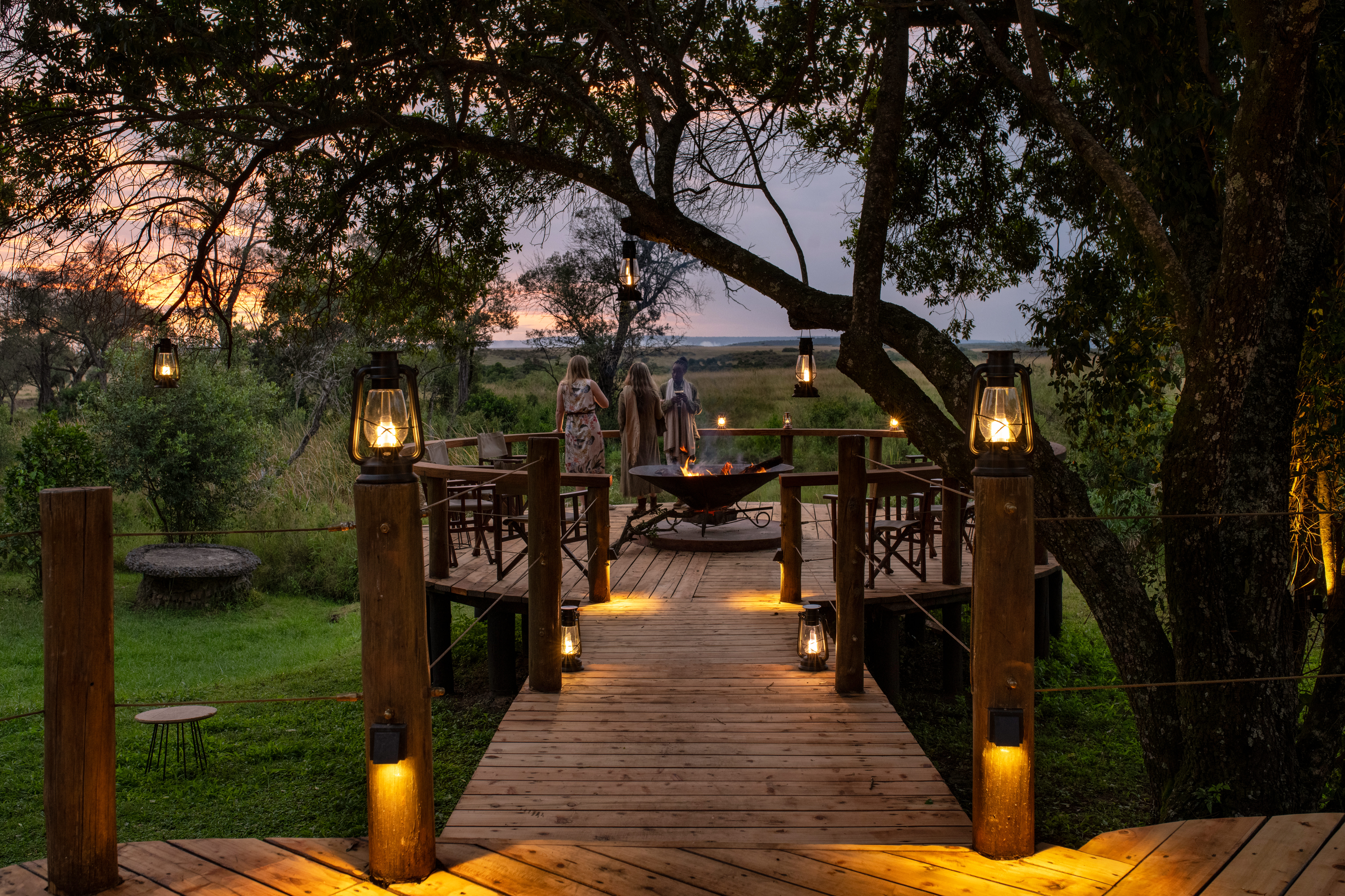
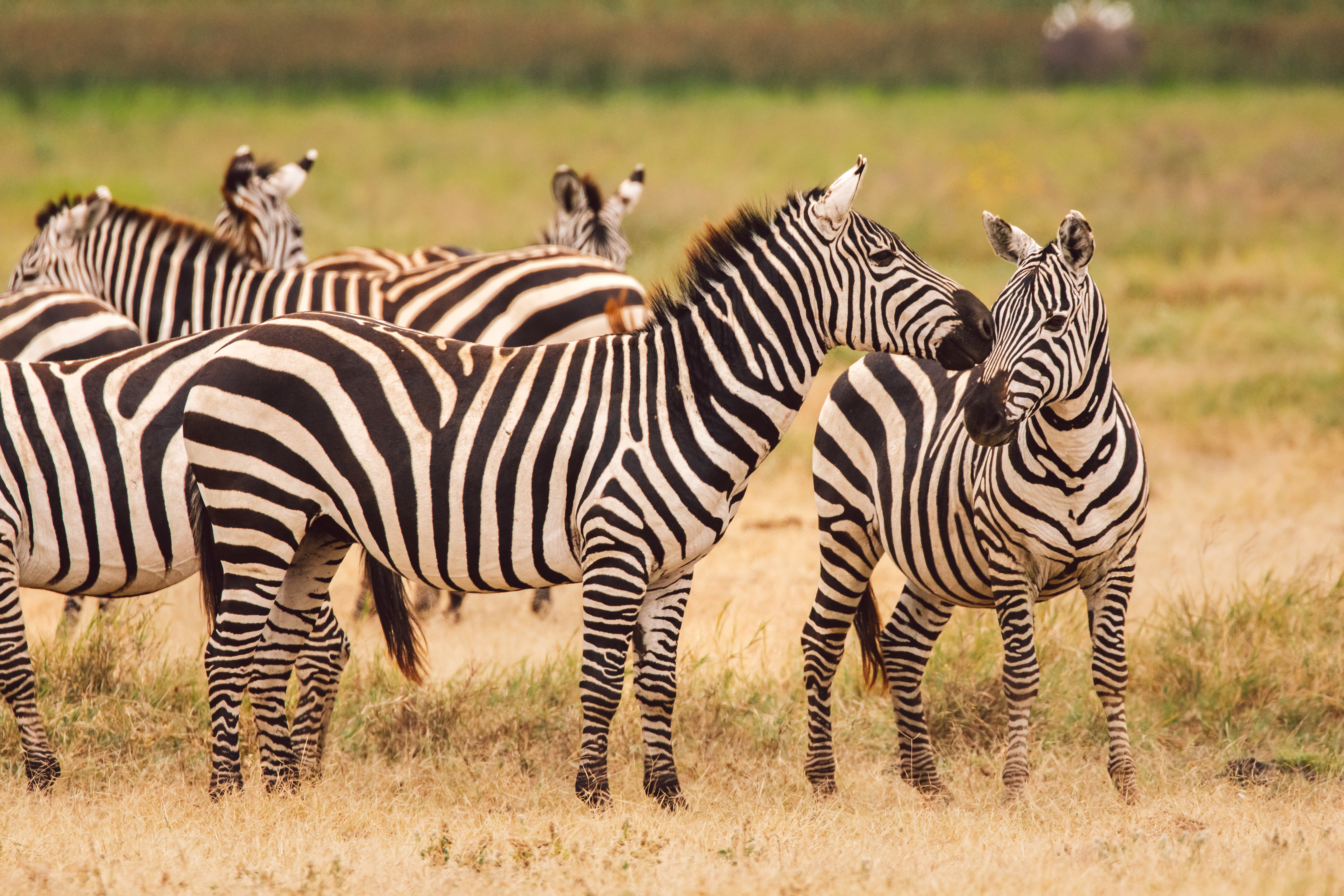
Kenya and Tanzania are neighbouring countries sharing both a border and the greatest wildlife spectacle on earth, but they are distinct in character, atmosphere, and the specific quality of experience they deliver. Understanding what each contributes is the foundation of a well-designed combined itinerary. Tanzania is the larger of the two safari destinations in terms of protected land area, and it anchors the combined experience with sheer scale and ecological diversity. The Serengeti — Tanzania's crown jewel — is nearly three times the size of the Masai Mara and supports the full annual cycle of the wildebeest migration, from the calving grounds of the south to the river crossing drama of the north. Ngorongoro, Tarangire, Ruaha, and Nyerere add layers of ecosystem and wildlife diversity that Kenya cannot match in a comparable geography.
Kenya brings a different energy — one of extraordinary intimacy, cultural richness, and landscape variety compressed into a more accessible geography. The Masai Mara is smaller than the Serengeti but delivers some of the most concentrated game viewing on earth, particularly during the migration months when the northern Serengeti and Mara ecosystem function as a single, seamless wildlife arena. Beyond the Mara, Kenya offers Amboseli's elephant herds framed by Kilimanjaro, the private conservancies of Laikipia with their rhino populations and extraordinary big cat concentrations, and Samburu's arid north with its specialist species — reticulated giraffe, Grevy's zebra, gerenuk — found nowhere else in East Africa. Together, the two countries offer the traveller an East Africa that is greater than the sum of its parts.
The Great Migration Across Two Countries
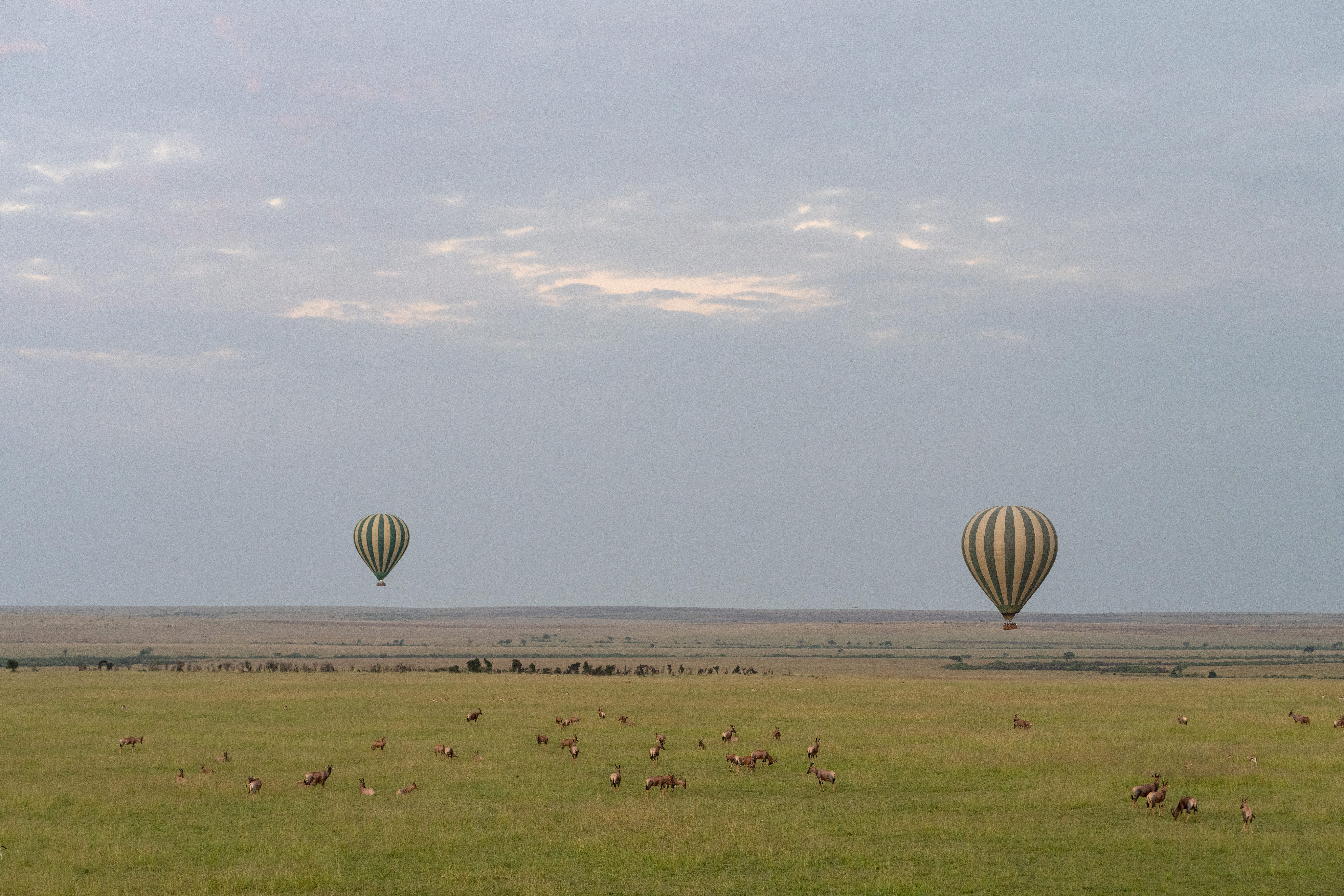
The Great Wildebeest Migration is the world's largest overland movement of mammals, and it is the experience that draws more luxury travellers to East Africa than any other single event. What relatively few first-time visitors appreciate is that the migration does not happen in one place — it is a continuous, year-round circuit that moves through both Tanzania and Kenya according to the seasonal rhythm of rainfall and grass growth, and a combined itinerary is the only way to follow it across its full geographic range.
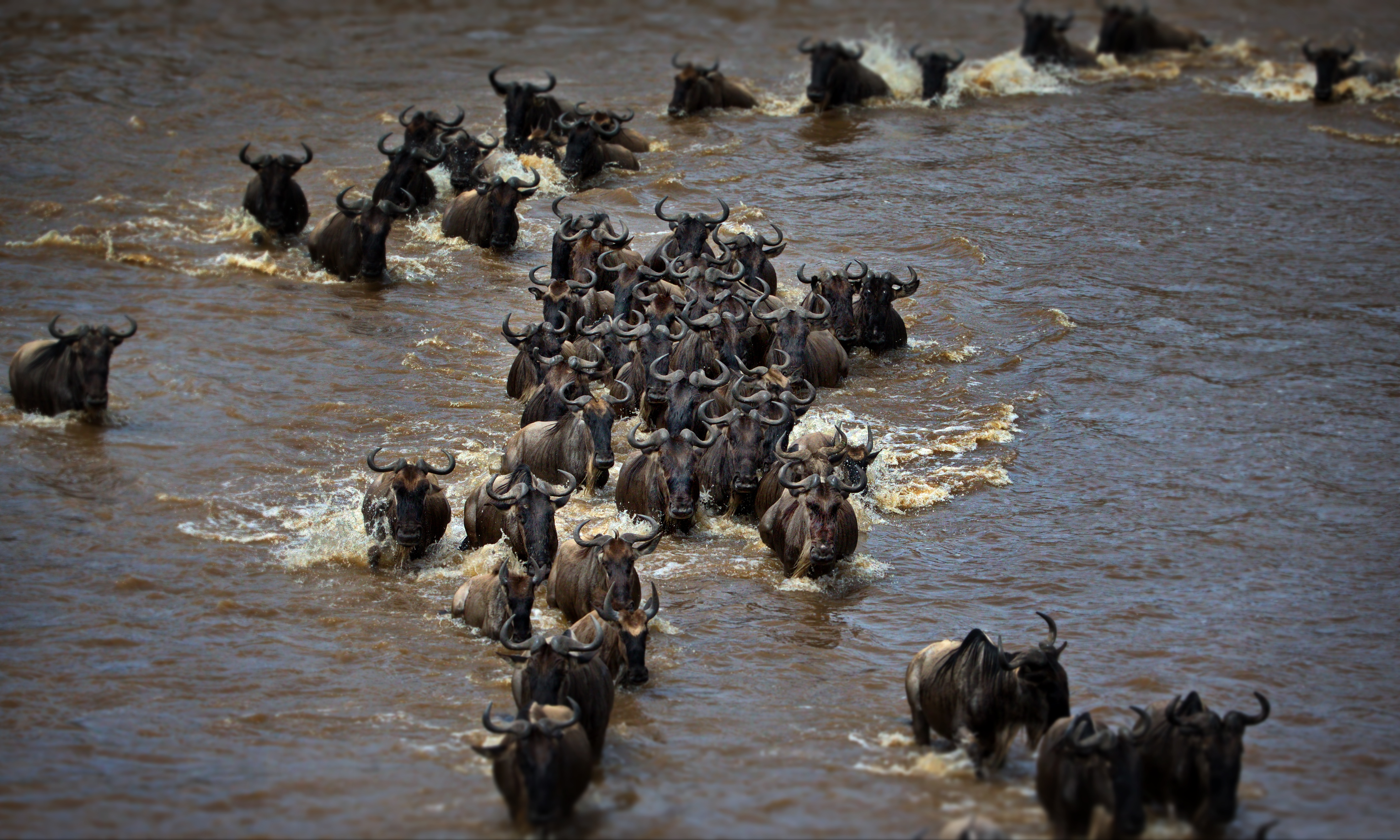
Between December and March, the migration concentrates in the southern Serengeti and Ndutu plains of Tanzania, where the calving season produces one of nature's most extraordinary spectacles — hundreds of thousands of wildebeest calves born within weeks of each other, and the predator activity that this abundance generates. From April through June, the herds begin moving northward through the central and western Serengeti, grazing the green corridors left by the long rains. By July, the leading edge of the migration is approaching the Mara River in Tanzania's northern Serengeti and, from August through October, crossing repeatedly into Kenya's Masai Mara — the river crossings that have become the defining image of the East African safari. A combined Kenya and Tanzania itinerary timed around the migration can position the traveller in the southern Serengeti for the calving and in the Masai Mara for the crossings within a single journey.
Structuring the Perfect Combined Itinerary
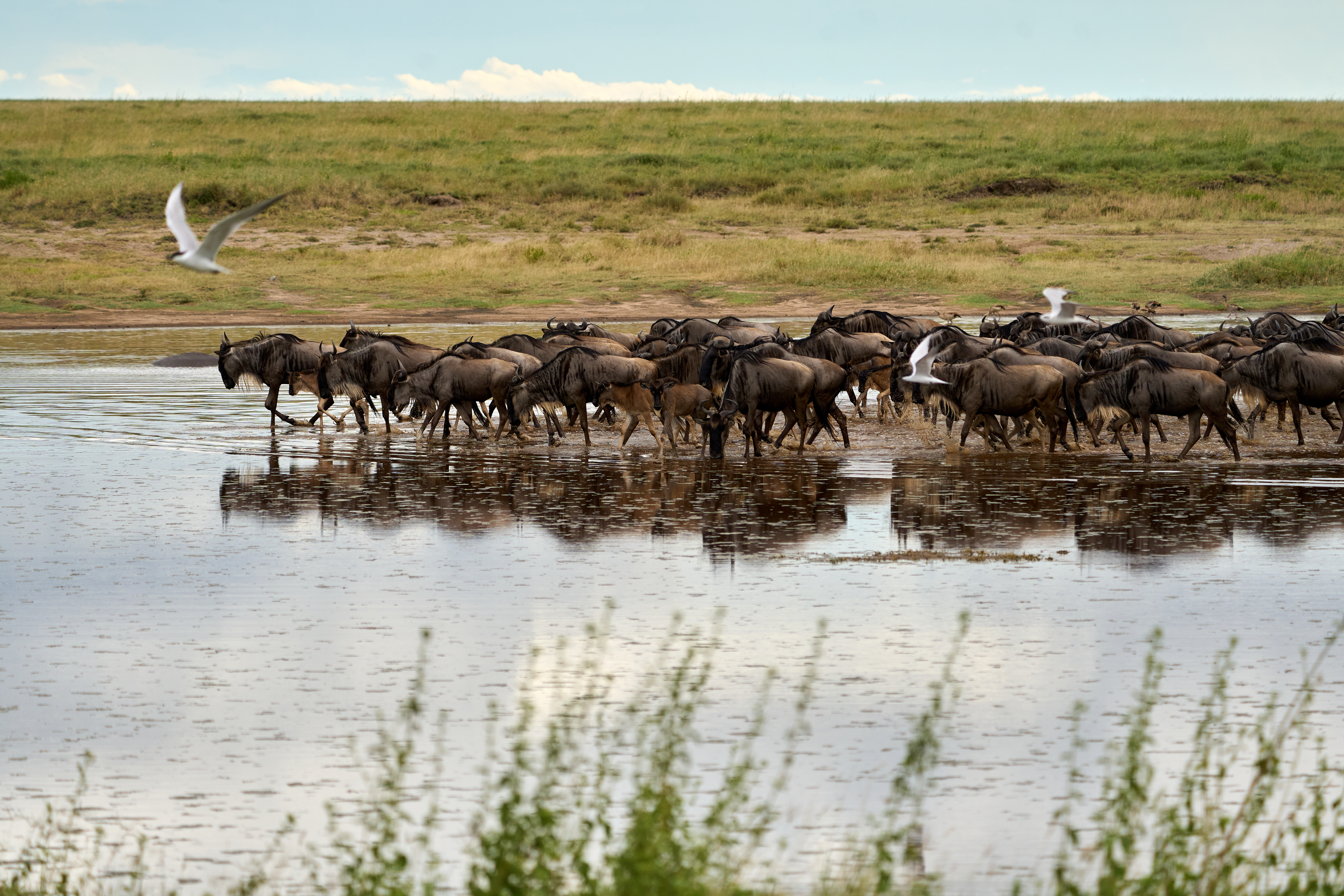
The architecture of a Kenya and Tanzania luxury safari requires careful thought, because the two countries are connected by both geography and safari logic, but the specific structure of the itinerary determines whether the experience flows coherently or feels fragmented. The most common approach for a combined itinerary of twelve to sixteen nights is to begin in Tanzania — taking advantage of the country's depth of parks and the foundational quality of the Serengeti experience — before crossing into Kenya for the final section. This sequence works particularly well during the July-to-October migration season, when the narrative of following the herds northward from the Serengeti to the Masai Mara is built into the itinerary's natural momentum.
A classic twelve-night combined structure might allocate four nights in the Serengeti — positioned in the north during migration season, or in the Ndutu area during calving season — two nights at Ngorongoro, and two nights in Tarangire, before crossing into Kenya for four nights in the Masai Mara. A more expansive sixteen-night version might add Amboseli for its elephant and Kilimanjaro scenery, or Laikipia for rhino tracking and big cat encounters in a dramatically different landscape. The Zanzibar beach extension, most naturally appended to the Tanzanian portion of the trip, adds four to five nights of Indian Ocean recovery at either the beginning or end of the wildlife circuit. The precise structure should be designed with a specialist operator who understands the seasonal dynamics of both countries and can position the traveller optimally for their specific travel dates.
Plan your Kenya and Tanzania safari
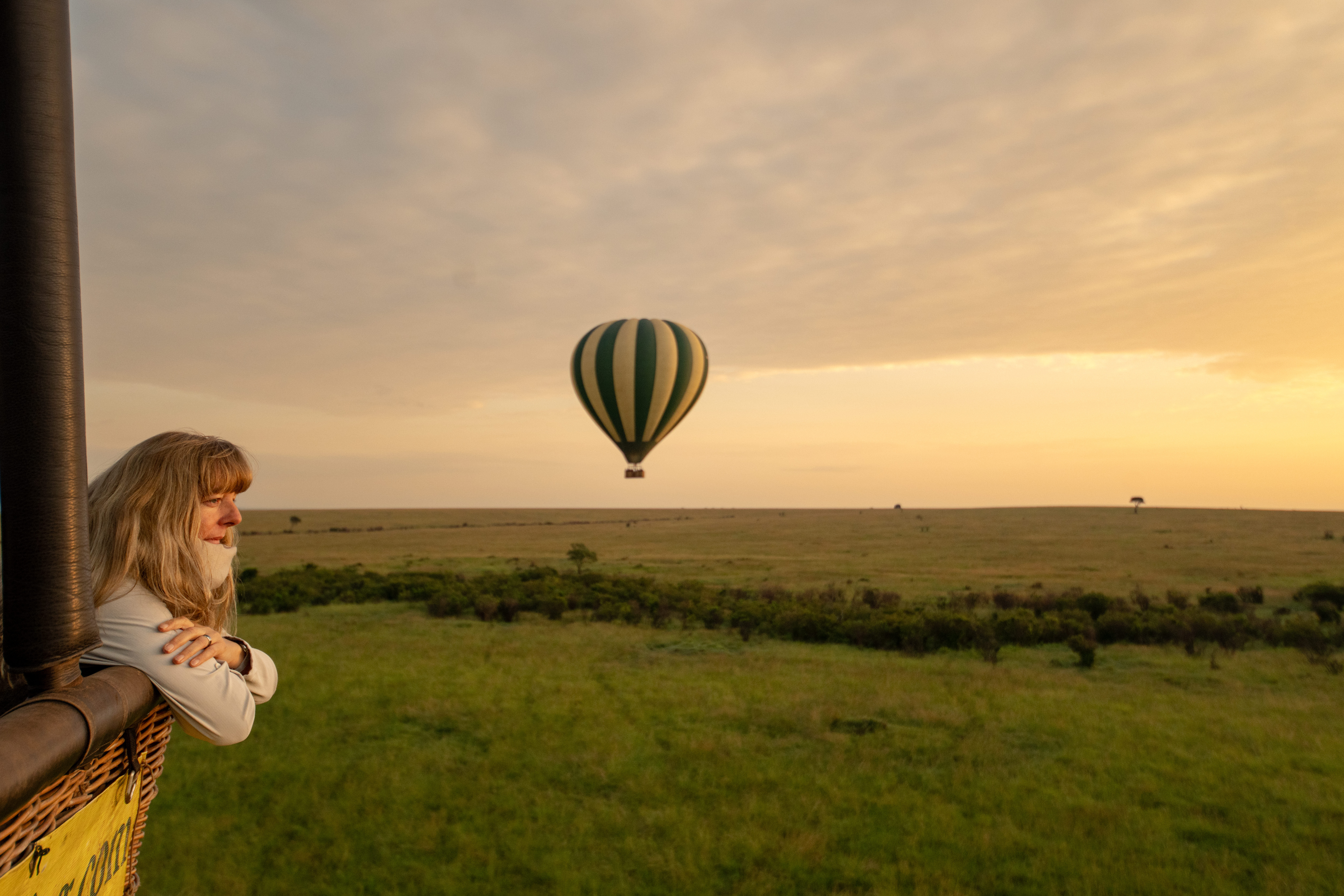
Tell us when you want to travel and what you would like to see. Our Arusha team replies with a tailored proposal, usually within 24 hours.
The Masai Mara: Kenya's Crown Jewel
The Masai Mara National Reserve and its surrounding network of private conservancies represent Kenya's finest and most celebrated safari destination — and among the greatest game-viewing areas anywhere on earth. Covering approximately 1,500 square kilometres of open grassland, riverine forest, and achelian plains, the Mara supports year-round populations of lion, leopard, cheetah, elephant, buffalo, hippopotamus, and crocodile, alongside the vast herds of resident wildebeest and zebra that the migrating animals join between August and October.
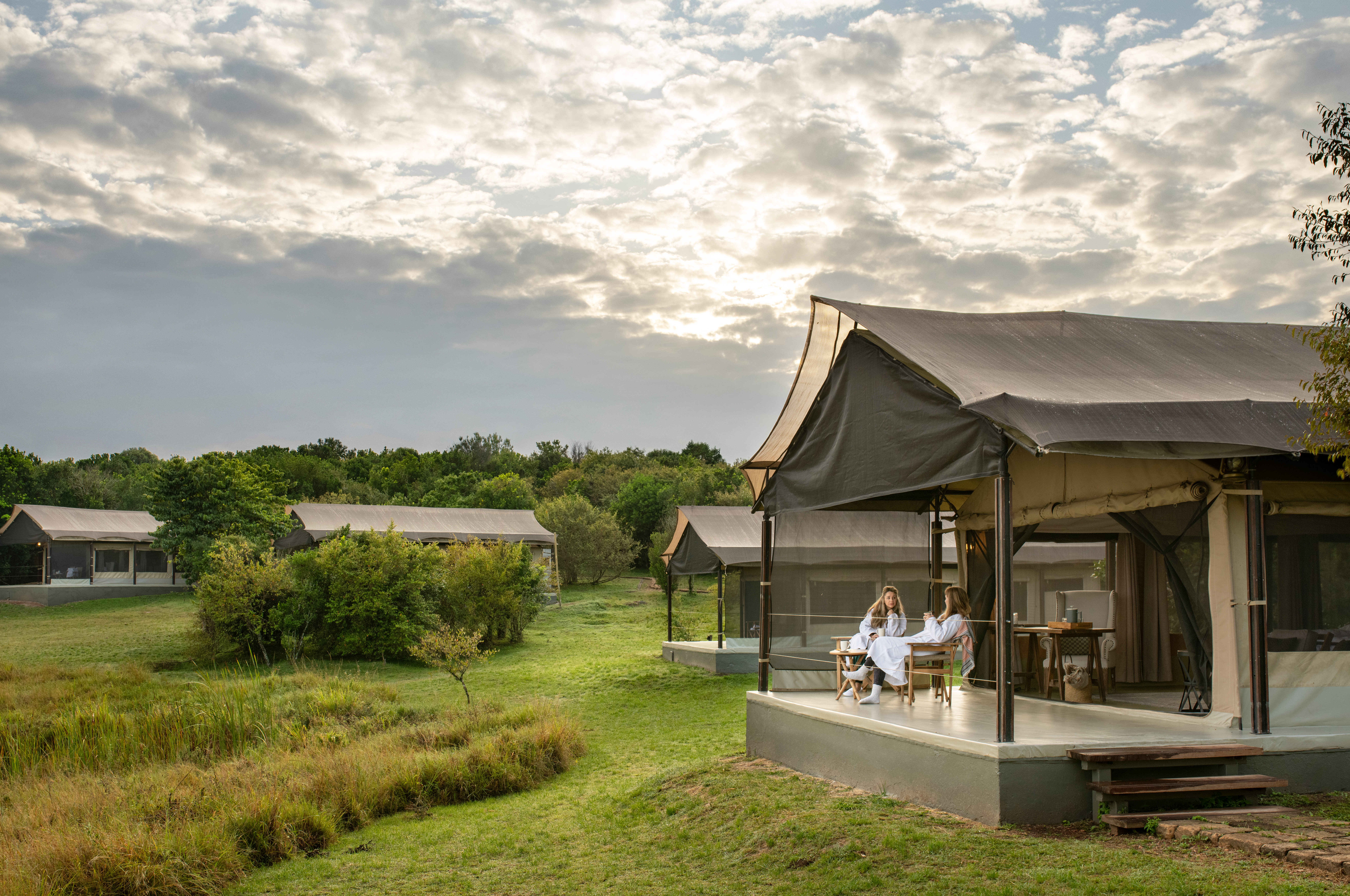
The private conservancies surrounding the national reserve — Olare Motorogi, Naboisho, Mara North, Ol Kinyei, and others — are where the luxury safari experience in Kenya reaches its zenith. These community-owned, low-impact conservation areas limit the number of vehicles and camps to levels that ensure genuine exclusivity, and they permit activities — off-road driving, night game drives, bush walks with Maasai guides — that are not available within the national reserve itself. The conservancy experience is fundamentally different from the busy reserve roads during peak migration season, and the finest luxury camps in the Mara ecosystem are overwhelmingly positioned within these private conservancies rather than adjacent to the public reserve boundary.
Tanzania's Northern Circuit: The Foundation of the Journey
For the combined itinerary traveller beginning in Tanzania, the northern circuit provides the essential foundation — an immersion in the Serengeti ecosystem that contextualises everything that follows in Kenya and gives the journey its deep wildlife grounding. The Serengeti's scale is its defining quality: the sense of standing at the edge of something genuinely limitless, where the horizon holds only grass and sky and the movement of animals across a landscape that has remained essentially unchanged for millions of years. No other safari destination in the world produces this specific feeling, and it makes the Serengeti an irreplaceable opening chapter for any East Africa itinerary.
Ngorongoro adds a completely different dimension — the intense, close-quarters game viewing of the crater floor, the geological drama of the caldera rim, and the encounter with black rhinoceros that Tanzania's northern circuit uniquely provides. Tarangire, often underestimated by first-time visitors in favour of the more famous parks, delivers the most extraordinary elephant concentrations in East Africa during the dry season and a landscape of ancient baobab trees that is unlike anything in the Masai Mara. Together, these three parks provide a Tanzania experience that stands completely on its own terms — enriching rather than simply preceding the Kenyan chapter of the journey.
Crossing from the Serengeti into the Masai Mara on a combined East Africa safari is not simply a border crossing. It is a deepening — the same landscape, the same animals, the same ancient drama, experienced with entirely new eyes.
Luxury Accommodation Across Both Countries
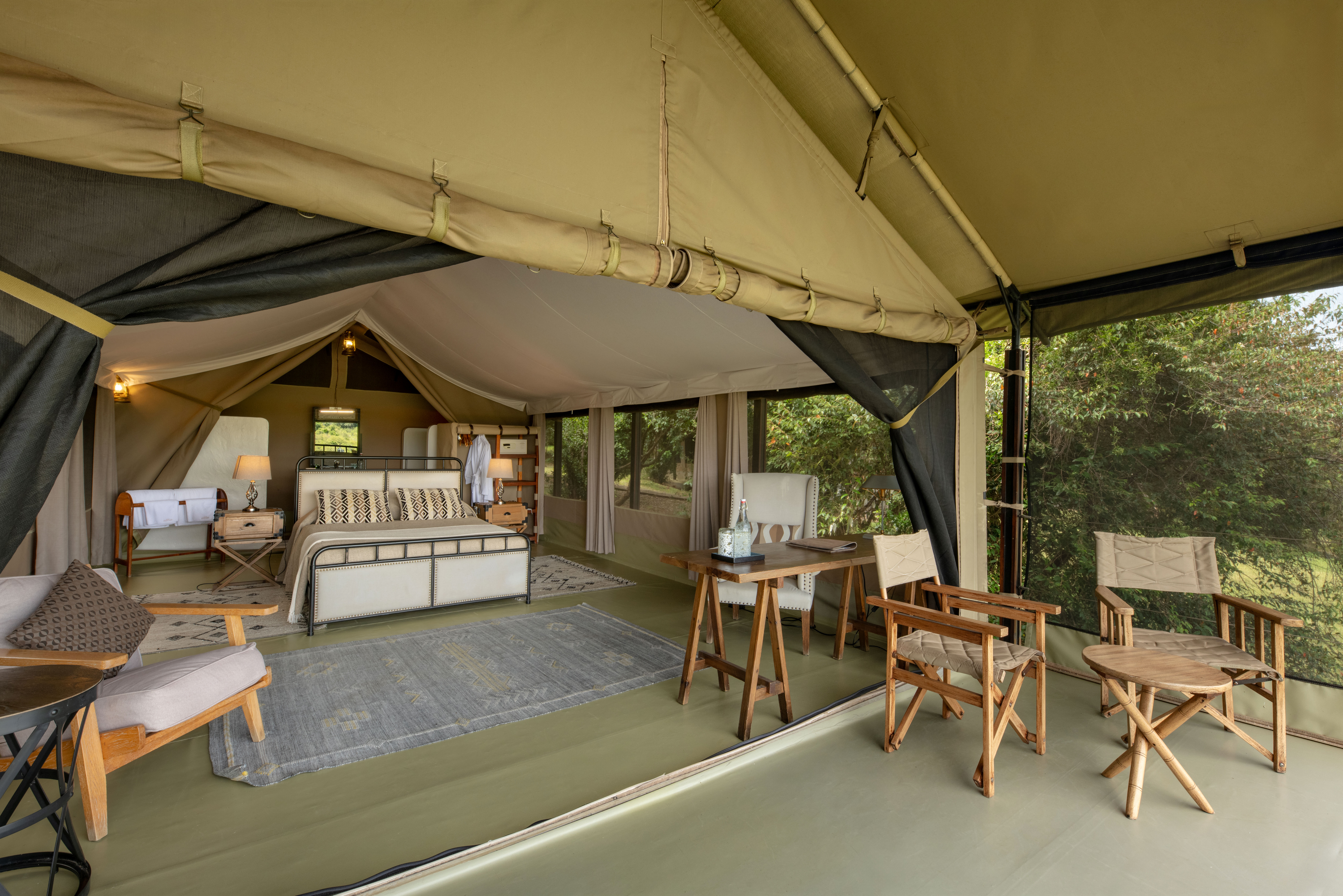
The luxury accommodation landscape across Kenya and Tanzania together represents perhaps the finest collection of wilderness properties anywhere on earth. In Tanzania, the benchmark is set by camps in the Serengeti's private concessions — properties that combine extraordinary location, experienced guiding, and design that connects the guest inescapably to the landscape around them. The Ngorongoro crater rim lodges add a category of their own: dramatic elevation, panoramic views, and the theatrical experience of the caldera seen from above before the descent each morning.
In Kenya, the Masai Mara conservancies host some of the world's most celebrated and consistently awarded luxury safari camps — intimate properties of eight to twelve tents, guided by naturalists with deep knowledge of the specific animal individuals in their territory, offering a level of personalisation that larger properties cannot match. Beyond the Mara, Laikipia's wilderness lodges occupy dramatic escarpment positions and private ranch lands where rhino, wild dog, and lion are tracked on foot and horseback as well as by vehicle. Amboseli's finest camps position guests with direct sightlines to Kilimanjaro — the snow-capped summit rising above the elephant-filled wetlands in a composition that has no equal in African photography. A well-designed combined itinerary draws on the finest properties in both countries, ensuring that every night spent in the bush is spent in a property that justifies the journey that brought the traveller there.
Crossing the Border: Logistics Made Simple
The practicalities of crossing between Tanzania and Kenya on a luxury combined safari are considerably simpler than many travellers assume, particularly when the itinerary is managed by a specialist operator who handles the logistics as a matter of routine. The most common crossing method for luxury travellers is by light aircraft — a charter flight from any Serengeti airstrip to Wilson Airport in Nairobi or directly to one of the Masai Mara's private airstrips takes approximately forty-five minutes to an hour and a half depending on routing, and entirely eliminates the ground border crossing at Namanga or Isebania, which involves queuing and processing that is inconsistent with a luxury travel experience.
Both Tanzania and Kenya offer e-visa facilities for US, UK, and EU passport holders, and the East African Tourist Visa — available at the point of entry or online — covers multiple entries into Kenya, Uganda, and Rwanda for a single fee, though it does not currently include Tanzania, which requires a separate visa. Travellers should confirm current visa requirements with their operator prior to booking, as East African immigration arrangements are periodically updated. For the luxury traveller, currency considerations across both countries are straightforward: US dollars are accepted at all luxury camps in both Tanzania and Kenya, and all camp transactions — including tips — can be conducted in USD throughout the combined itinerary.
Start planning your combined East Africa journey on our Private Tanzania Safari page — our specialists design seamless Kenya and Tanzania itineraries with first-hand knowledge of both countries.
Explore our Luxury Tanzania Safari packages as the Tanzania foundation for your combined East Africa experience.
See also our guide: African Safari from Dubai: The Complete Luxury Guide for UAE Travellers.
See also our guide: Best Time to Visit the Serengeti: A Month-by-Month Safari Guide.
Related reading: How to Plan a Safari in Tanzania in 2026: The Ultimate Luxury Guide.
More on this in Kenya safari tours to the Masai Mara: the complete guide.
More on this in Luxury safari Kenya: the complete guide.
See also our guide: Serengeti vs Masai Mara: which safari is right for you?.
Related reading: Kenya or Tanzania: which is better for a safari? An honest comparison from a Tanzanian operator.
When to Go: Timing a Combined Kenya and Tanzania Safari
The timing of a combined Kenya and Tanzania safari should be driven by the specific experiences being prioritised, because the two countries peak at slightly different moments within the overall migration cycle. For the river crossing experience — the iconic image of wildebeest plunging into the Mara River — the window of July through October delivers the most consistent action, with the crossings occurring first in Tanzania's northern Serengeti before the herds move into Kenya's Mara. An itinerary that begins in Tanzania in July and crosses into Kenya in August or September follows this natural progression beautifully.
For the calving season experience in Tanzania combined with the resident wildlife of the Masai Mara conservancies, January and February present an excellent alternative — quieter in Kenya, exceptional in the southern Serengeti, and significantly more affordable at most camps than the peak migration months. The shoulder months of November and March offer the attractive combination of reduced rates, fewer vehicles, and the extraordinary photographic quality of the green season landscape, when the East African sky produces light of a quality that the dry season cannot match. Whatever the chosen timing, a combined Kenya and Tanzania itinerary of at least twelve nights — and ideally sixteen or more — is required to do justice to both countries without the experience feeling rushed.
Conservation and Community Across Both Countries
One of the most compelling reasons to invest in a luxury combined Kenya and Tanzania safari in 2026 is the direct conservation impact that the luxury safari model generates across both countries. In Tanzania, the revenue generated by high-value, low-volume luxury tourism supports TANAPA's park management operations, funds anti-poaching ranger networks, and contributes through conservation-linked camp models to community benefit programmes across the Maasai and other communities living alongside protected areas. In Kenya, the private conservancy model in the Masai Mara ecosystem has become one of the most celebrated community conservation success stories in Africa — demonstrating that when local Maasai landowners receive direct financial benefit from wildlife tourism through lease payments and employment, they choose conservation over alternative land uses, with transformative effects on wildlife populations and habitat quality.
The luxury traveller who chooses camps committed to this model in both countries is not simply purchasing an exceptional experience — they are participating in an economic mechanism that makes the continued existence of the Serengeti-Mara ecosystem financially viable for the communities who are ultimately its most essential guardians. This reality gives the combined Kenya and Tanzania safari a dimension of meaning that extends beyond the extraordinary privilege of witnessing it firsthand.
Discover our approach to responsible luxury travel on our Tanzania Safari and Zanzibar Packages page — where conservation and community are built into every itinerary we design.
How We Plan a Kenya and Tanzania Safari
Sokwe Africa Safaris plans combined safaris from our office in Arusha, Tanzania. You deal with one team for both countries. We shape the route around your dates, arrange the flights between the Serengeti and the Masai Mara, and send you a written proposal before you pay anything.
Kenya and Tanzania are only part of what we plan. We also arrange safaris in southern Africa, including Victoria Falls, and journeys that combine southern Africa with Tanzania.
Going further across Africa? See our Southern Africa Safari packages, our Victoria Falls Safari packages and the Southern Africa & Tanzania Grand High-End Safari.
Prefer to start with Tanzania? Explore our Luxury Tanzania Safari or a Private Tanzania Safari.
What Our Guests Say
“Our Tanzania Safari was beyond our expectations!”
“…a rare breed of guide who is genuinely interested in his guests…”
“…we had a truly unforgettable experience, and we highly recommend him and his company.”
Sokwe Africa Safaris Limited is based in Arusha and holds Tourism Class A licence No. 033510 from Tanzania’s Ministry of Natural Resources and Tourism. Read all our reviews on TripAdvisor.
- Tanzania provides the scale and ecological depth — Serengeti, Ngorongoro, Tarangire, Ruaha
- Kenya provides intimacy, conservancy exclusivity, and the northern Mara crossing experience
- The combined itinerary is the only way to follow the full migration circuit across both countries
- Cross between countries by light aircraft for a seamless, luxury-standard border experience
- Minimum twelve nights recommended — sixteen or more for a truly comprehensive combined journey
- Peak migration crossings occur July to October across both the northern Serengeti and Masai Mara
- Private conservancies in Kenya offer off-road driving, night drives, and walking unavailable in the national reserve
- Both countries operate in US dollars at all luxury camps — no currency complications
- Conservation fees and community benefit programmes in both countries are supported by luxury camp rates
FAQs: Kenya and Tanzania Luxury Safari
Frequently asked questions
Is it better to visit Kenya or Tanzania for a safari?
Neither country is objectively better — they are complementary. Tanzania offers greater scale, more national parks, and the full migration circuit from calving to crossing. Kenya offers the conservancy experience, Amboseli's elephants beneath Kilimanjaro, and the northern Mara crossings. A combined itinerary delivers the best of both countries and is the most complete East Africa safari experience available.
How long should a combined Kenya and Tanzania safari be?
A minimum of twelve nights is recommended to experience both countries meaningfully without feeling rushed. Sixteen nights or more allows for a more relaxed pace, additional parks in either country, and a Zanzibar beach extension at the end of the Tanzanian portion.
What is the best time of year for a combined Kenya and Tanzania safari?
July to October is peak season for the migration river crossings, experienced in Tanzania's northern Serengeti from July and in Kenya's Masai Mara from August through October. January and February are exceptional for Tanzania's calving season and offer quieter, more affordable conditions in Kenya. All months offer outstanding wildlife viewing with different seasonal emphases.
How do I travel between Tanzania and Kenya on a luxury safari?
Light aircraft charter between the Serengeti and the Masai Mara is the standard approach for luxury travellers, taking approximately forty-five minutes to ninety minutes depending on routing. This eliminates the ground border crossing entirely and is coordinated by the safari operator as part of the integrated itinerary.
Do I need separate visas for Kenya and Tanzania?
Yes. Tanzania requires its own visa, available online through the e-visa portal. Kenya offers both a standard e-visa and the East African Tourist Visa covering multiple entries into Kenya, Uganda, and Rwanda. Visa requirements should be confirmed with your operator prior to booking as arrangements are periodically updated.
Can I add Zanzibar to a combined Kenya and Tanzania safari?
Absolutely — and it is highly recommended. Zanzibar is most naturally positioned at the end of the Tanzanian portion of the itinerary, with a light aircraft connection from any mainland airstrip to Zanzibar airport taking approximately one hour. A four-to-five-night Zanzibar extension provides the perfect restorative conclusion to an East Africa wildlife journey.
Does Sokwe Africa Safaris arrange Kenya as well as Tanzania?
Yes. Our Arusha team plans combined Kenya and Tanzania safaris as a single journey, including the flights between the Serengeti and the Masai Mara. We also arrange safaris in southern Africa, such as Victoria Falls, and combinations with Tanzania.
Is Sokwe Africa Safaris licensed?
Sokwe Africa Safaris Limited is based in Arusha and holds Tourism Class A licence No. 033510, issued under Tanzania's Tourism Act by the Ministry of Natural Resources and Tourism. Ask us for a copy at any time.