
Two Countries, One Unforgettable Journey
There is a particular kind of safari traveller — experienced, ambitious, unwilling to settle for a single chapter when the full story is available — who arrives at the planning stage of an East Africa journey and asks the question that changes everything: why choose between Kenya and Tanzania when both are accessible, connected, and extraordinary in ways that complement rather than replicate each other? The answer, of course, is that there is no good reason to choose. A Kenya and Tanzania safari is not simply the addition of one country to another. It is the creation of a journey that is qualitatively greater than the sum of its parts — a complete East African narrative that no single-country safari can deliver, regardless of how many parks it visits or how many nights it allocates to each.
Tanzania brings scale, ecological depth, and the foundational grandeur of the Serengeti ecosystem — the world's greatest wildlife arena, the Ngorongoro Crater's geological drama, the remote southern parks of Ruaha and Nyerere, and the Indian Ocean paradise of Zanzibar. Kenya brings intimacy, conservancy exclusivity, landscape diversity, and the northern chapter of the migration story — the Masai Mara's extraordinary game concentrations, Amboseli's elephants beneath Kilimanjaro, and Laikipia's rhino populations and dramatic escarpment wilderness. Together, they offer the most complete expression of East African safari travel available anywhere on earth.
Before planning the combined itinerary, it helps to understand the full cost landscape. Our complete tanzania safari cost guide provides a transparent breakdown of every expense across all market tiers — from park fees and accommodation to charter flights and tips for the Tanzania component of a combined journey.
Why Combine Kenya and Tanzania on a Single Safari?
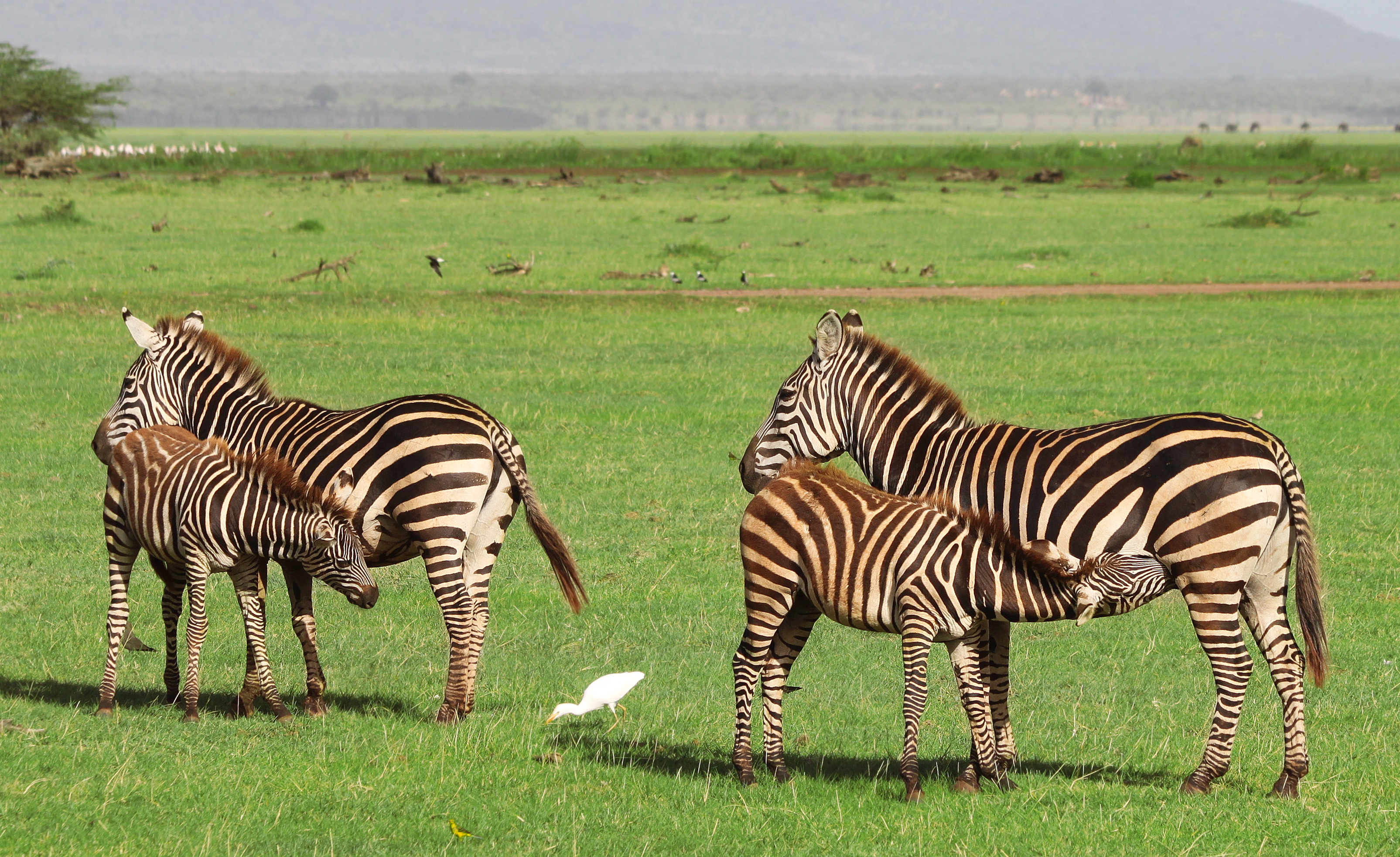
The most compelling argument for a Kenya and Tanzania safari is geographic and ecological. The two countries share the Mara-Serengeti ecosystem — a single, continuous wildlife arena that the international border bisects without biological logic. The wildebeest migration does not pause at the frontier. The lion prides that range across the Mara-Serengeti boundary are not Kenyan lions and Tanzanian lions — they are lions, moving according to prey availability and territorial logic that predates the existence of either country by several million years. A combined itinerary acknowledges this reality and positions the traveller to follow the migration across its full geographic range rather than experiencing only one chapter of it.
Beyond the migration, the combination works because the two countries are genuinely different in character and deliver different dimensions of the East African safari experience. Tanzania's northern circuit parks operate under a national park management model that prioritises high visitor numbers on public road networks — creating game viewing of extraordinary quality but inevitably some crowding at the most famous sighting locations during peak season. Kenya's private conservancies surrounding the Masai Mara operate under a community-owned, low-impact model that strictly limits the number of vehicles and camps, creating conditions of genuine exclusivity — off-road driving, night game drives, and intimate wildlife encounters — that the national park setting cannot consistently provide. A combined itinerary delivers both dimensions: the scale and iconic status of Tanzania alongside the exclusivity and intimacy of Kenya's finest conservancies.
The Great Migration Across Both Countries
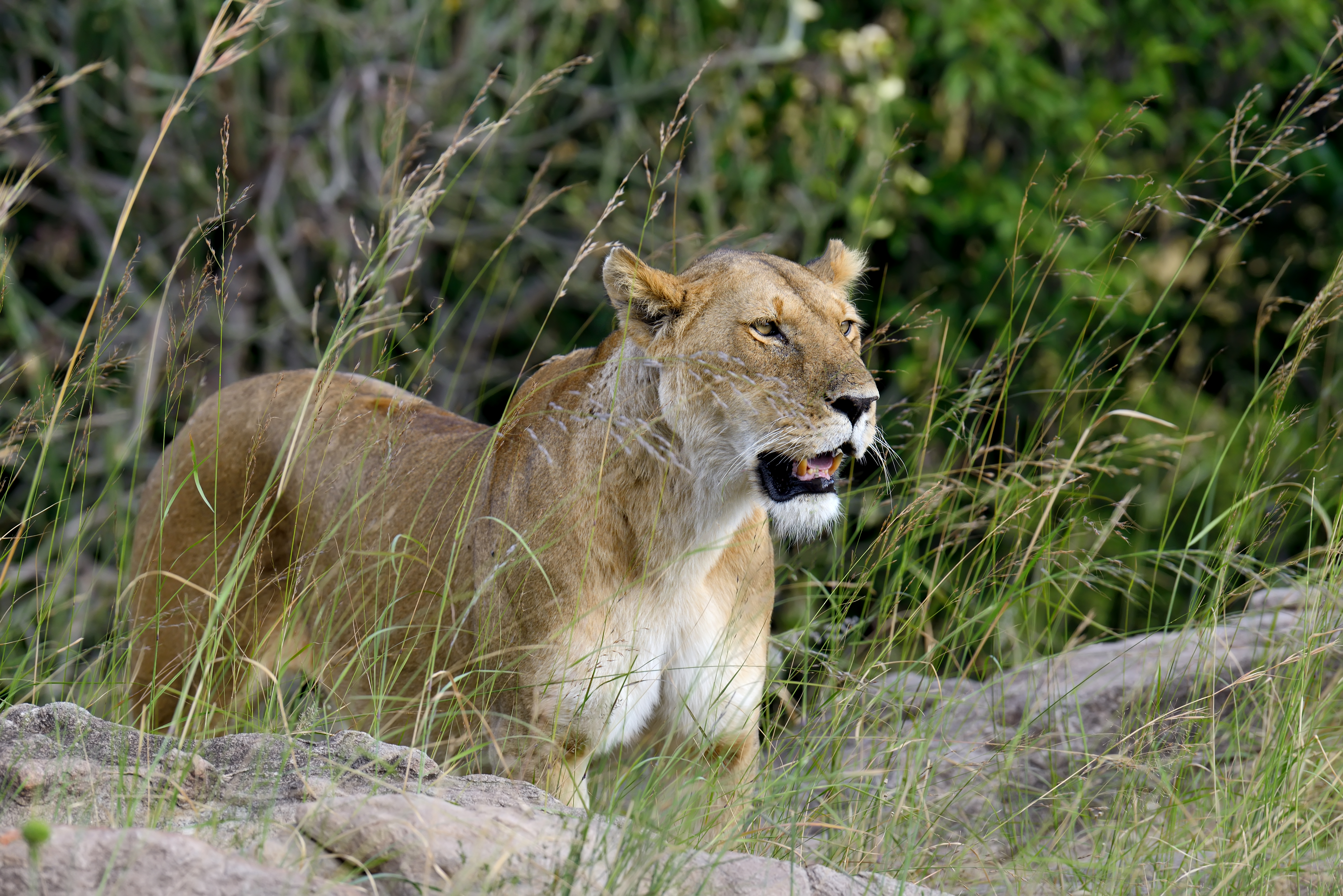
The Great Wildebeest Migration is the experience that draws more luxury safari travellers to East Africa than any other event, and a Kenya and Tanzania safari is the only way to follow it across its complete geographic range. The migration is a year-round circuit — not a single seasonal event — and it offers a different but equally extraordinary experience in each of its phases. Understanding the migration's movement between Tanzania and Kenya is the foundation of designing a combined itinerary that positions the traveller optimally for the specific experience being sought.
From December through March, the migration concentrates in Tanzania's southern Serengeti and Ndutu plains for the calving season — one of the most intense wildlife spectacles on earth, with hundreds of thousands of calves born within weeks and the predator activity this generates reaching its annual peak. From April through June, the herds move northward through Tanzania's central and western Serengeti, with the Grumeti River crossings providing the first dramatic water crossing of the annual cycle in May and June. From July through October, the migration crosses into Kenya's Masai Mara — the Mara River crossings that have become the defining image of East African safari travel occur repeatedly across this period, with the herds moving back and forth between Tanzania and Kenya as the Kenyan rains and grass growth dictate. A combined Kenya and Tanzania safari, timed to follow this northward movement, allows the traveller to experience the calving season in Tanzania and the river crossings in Kenya within a single journey.

Tanzania's Contribution to the Combined Safari
The Serengeti — The Foundation
The Serengeti is the natural anchor of any Kenya and Tanzania safari, providing the foundational wildlife experience that contextualises and enriches everything that follows in Kenya. Four nights in the Serengeti — positioned in the appropriate zone for the season of travel — delivers the scale, the openness, and the year-round wildlife density that no other park in the combined itinerary can match in terms of sheer grandeur. The Serengeti's big cat populations — among the densest on earth — are accessible year-round regardless of the migration's current position, and the private concessions that border the park to the north and west provide the exclusive territory and full activity range that the finest luxury combined itineraries are built around.
Ngorongoro — A World Apart
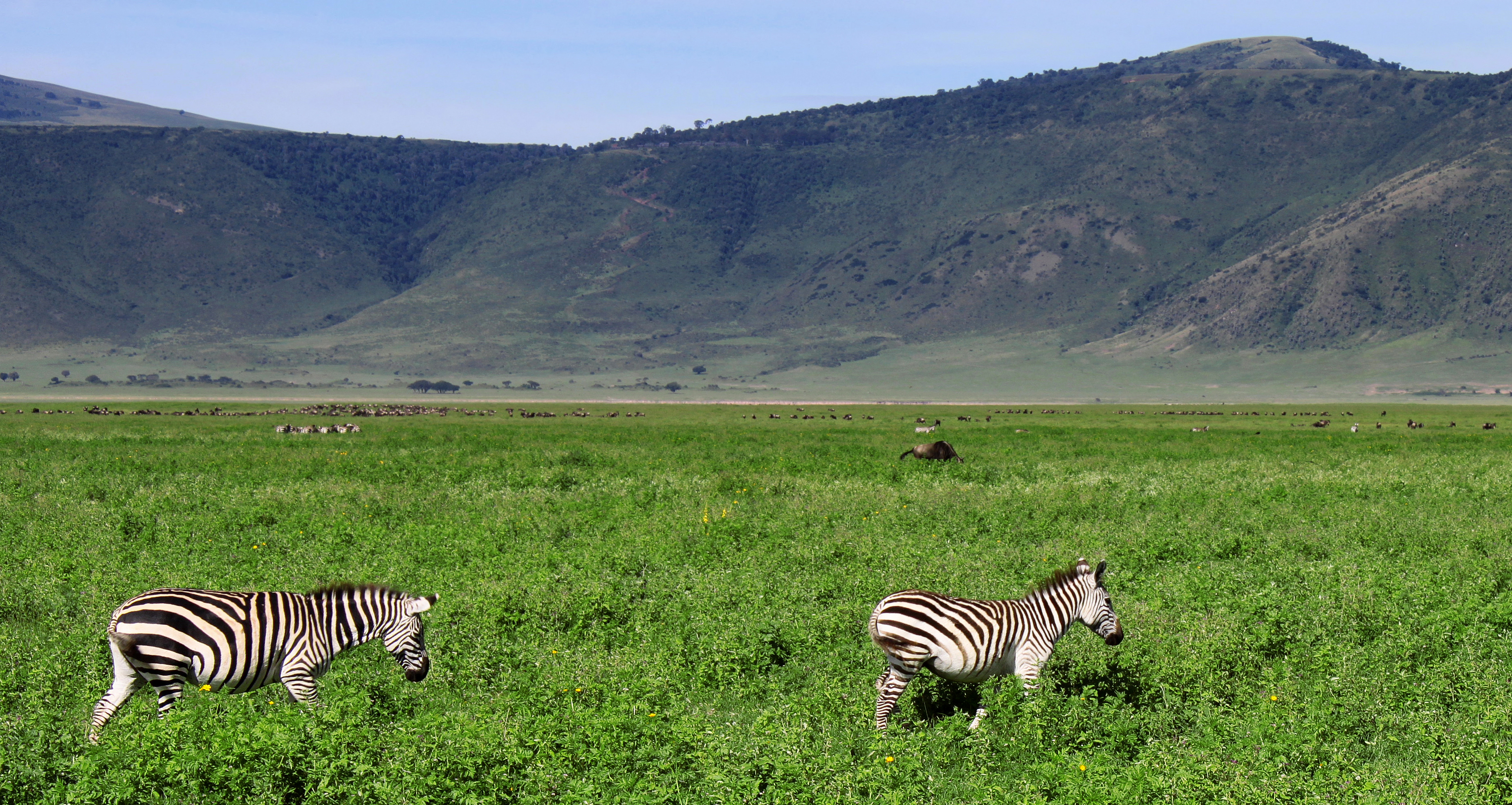
No combined Kenya and Tanzania safari itinerary is complete without at least two nights at Ngorongoro. The crater offers an experience that is categorically different from anything available in Kenya — the black rhinoceros, the enclosed caldera ecosystem, the rim lodge perspective over the crater floor at dawn, and the daily descent through montane forest to game drive in one of Africa's most concentrated wildlife environments. Ngorongoro adds a dimension of geological drama and ecological intimacy to the combined journey that even the Masai Mara's finest conservancies cannot provide, and it positions the traveller with a depth of Tanzania experience that enriches their understanding of the Kenyan chapter that follows.
Tarangire — The Elephant Park
Tarangire National Park is the third element of the Tanzania contribution to a comprehensive combined itinerary, and the one most frequently underestimated by first-time visitors. From June through October, the Tarangire River is Tanzania's most important dry-season wildlife magnet — attracting elephant herds of extraordinary size, large buffalo populations, and the predators that follow them, in a landscape of ancient baobab trees that is the most visually distinctive in the entire northern circuit. Two nights in Tarangire at the beginning of a combined itinerary provides a gentle and beautiful introduction to Tanzania's wildlife before the scale of the Serengeti becomes the dominant experience.
Kenya's Contribution to the Combined Safari
The Masai Mara and Its Private Conservancies
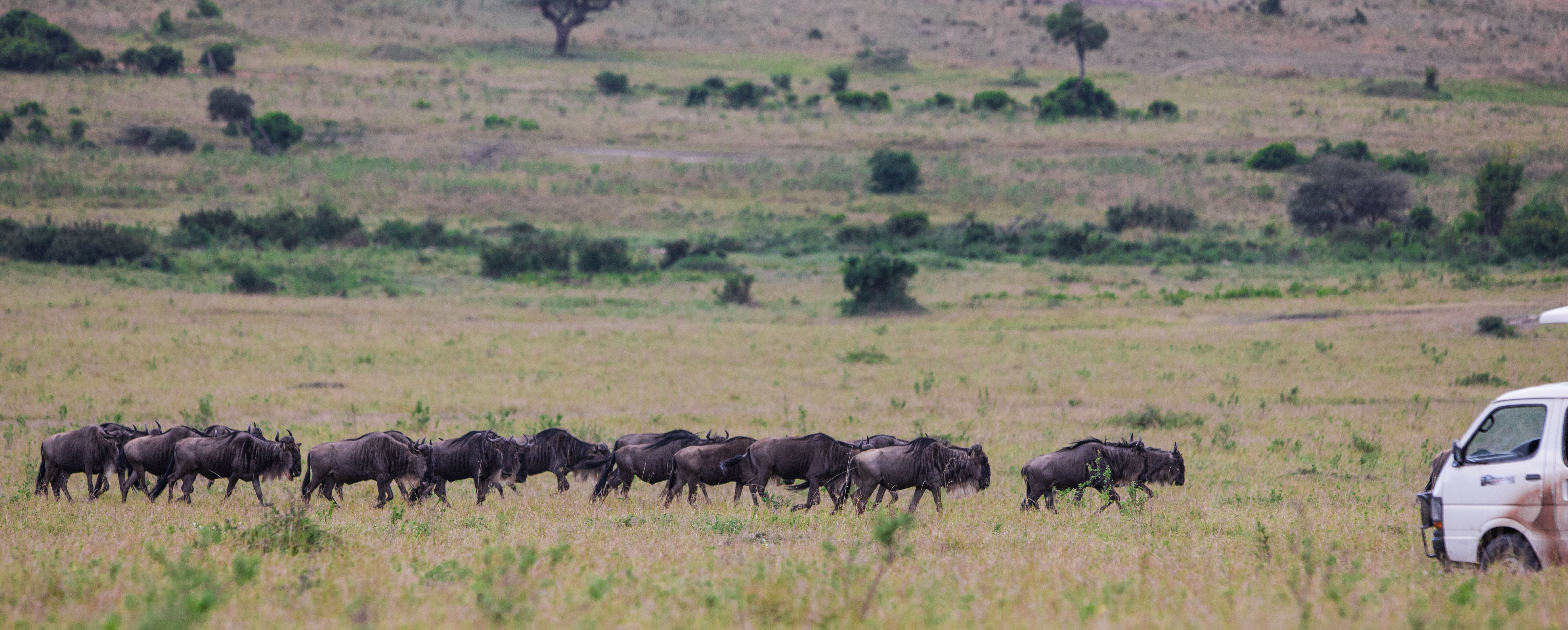
The Masai Mara National Reserve and its surrounding network of private conservancies represent Kenya's finest and most celebrated contribution to the combined safari — and the component that most powerfully differentiates the Kenya experience from what Tanzania alone can provide. The conservancies surrounding the national reserve — Olare Motorogi, Naboisho, Mara North, Ol Kinyei, and others — are community-owned, low-impact conservation areas that limit the number of vehicles and camps to levels that ensure genuine exclusivity. Within the conservancies, off-road driving, night game drives, and guided walks with Maasai rangers are all available as standard, creating a quality of wildlife encounter and daily programme flexibility that the national reserve itself cannot offer.
The game viewing in the Mara ecosystem is extraordinary year-round — resident populations of lion, leopard, cheetah, elephant, buffalo, hippopotamus, and crocodile are present in every month regardless of the migration. During the migration season from August through October, the arrival of the wildebeest herds from Tanzania transforms the Mara into one of the most wildlife-dense environments on earth, and the river crossings that occur repeatedly along the Mara River during this period are the most dramatic and celebrated wildlife spectacle in the combined itinerary.
Amboseli — Elephants and Kilimanjaro
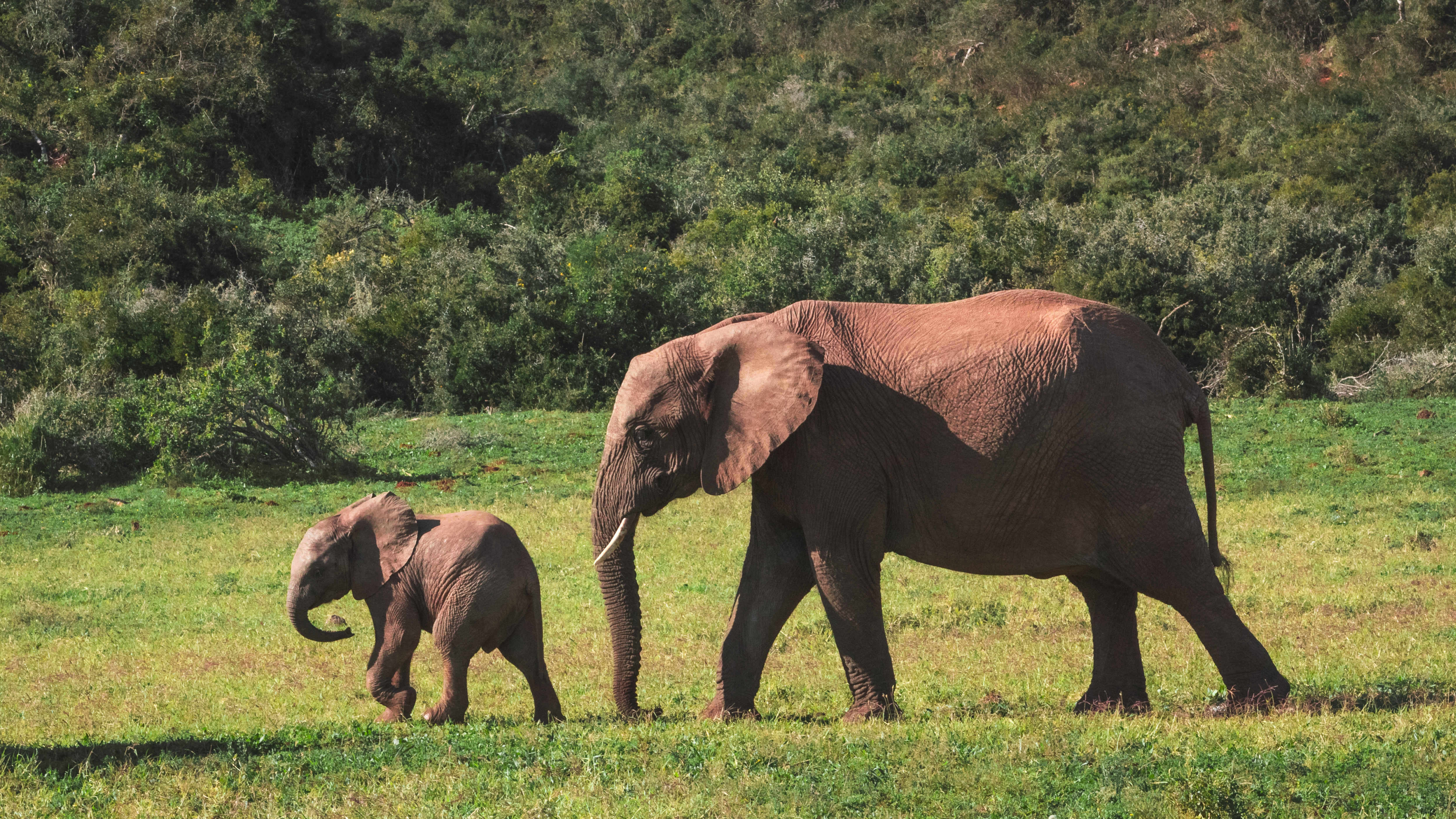
Amboseli National Park is Kenya's second great contribution to the combined safari, and the destination that produces arguably the most iconic single image in East African wildlife photography: elephant herds moving across the open Amboseli plains with the snow-capped summit of Kilimanjaro rising above them. The park supports one of Africa's most studied and most habituated elephant populations — families whose individual members have been known to researchers for generations — allowing a quality of close, relaxed elephant observation that few other destinations in East Africa can match. Two nights in Amboseli add a completely different landscape and a unique wildlife focus to the combined itinerary, bridging the Tanzania and Kenya components with a destination that belongs geographically to both ecosystems.
Laikipia — Rhino, Wild Dogs and the Escarpment
Laikipia Plateau represents Kenya's most compelling off-circuit destination for the combined safari traveller who has time to go beyond the Mara. This vast highland wilderness — a mosaic of private ranches and community conservancies north of the equator — supports Kenya's largest black and white rhino populations outside of formal national parks, one of the most significant wild dog populations in East Africa, and a landscape of dramatic escarpment and open savannah that produces a completely different visual and emotional experience from either the Mara or the Serengeti. Laikipia's finest lodges offer horseback safaris, night drives, and walking safaris in big game country that rank among the finest activity programmes available anywhere in Kenya.
Structuring the Perfect Kenya and Tanzania Safari Itinerary
The architecture of a combined Kenya and Tanzania safari requires careful sequential thinking, because the two countries are connected by both geography and safari logic, and the specific structure of the itinerary determines whether the experience flows coherently or feels fragmented. The most common and most effective approach for a combined itinerary of twelve to sixteen nights is to begin in Tanzania — establishing the safari's wildlife foundation in the Serengeti ecosystem — before crossing into Kenya for the final chapter. This sequence works particularly well during the July-to-October migration season, when the narrative of following the herds northward from the Serengeti into the Masai Mara is built naturally into the itinerary's momentum.
A classic twelve-night combined structure allocates three nights in the Serengeti, two nights in Ngorongoro, and two nights in Tarangire in Tanzania, before crossing by charter flight into Kenya for four nights in the Masai Mara conservancies and one night in Amboseli. A more expansive sixteen-night version adds Ruaha or Nyerere for the southern circuit experience in Tanzania, and Laikipia for the rhino and wild dog encounter in Kenya, creating an itinerary of exceptional ecological diversity across the full range of East Africa's finest safari destinations. The Zanzibar beach extension — most naturally appended to the Tanzanian portion of the journey — adds four to five nights of Indian Ocean recovery at either the beginning or the end of the wildlife circuit.
Our tanzania safari and zanzibar packages are specifically designed to integrate seamlessly with the Kenya component of a combined itinerary — creating a complete East Africa journey that covers wildlife, beach, and cultural experiences within a single elegantly managed trip.
Crossing the Border: Logistics Made Simple
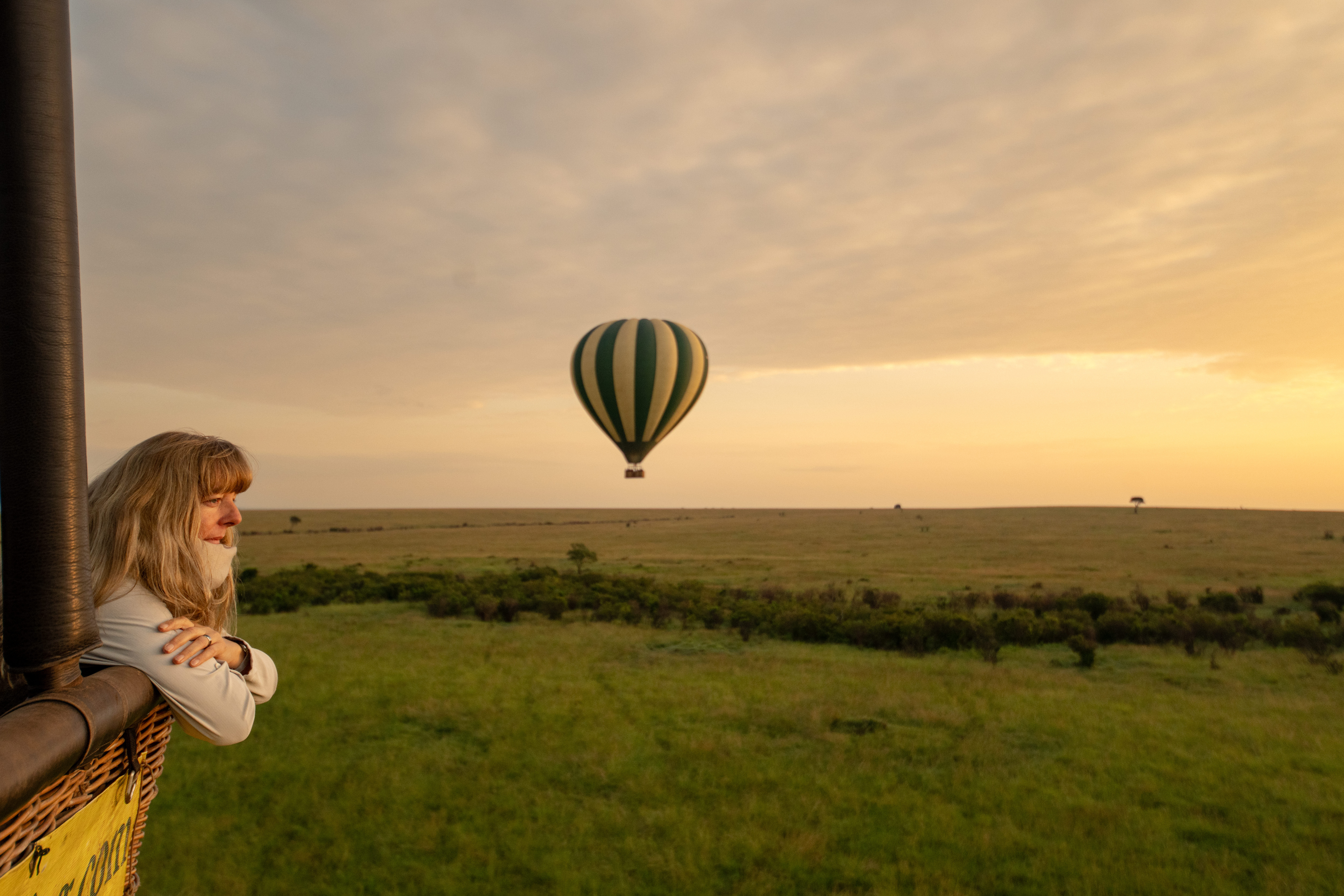
The practicalities of crossing between Tanzania and Kenya on a luxury combined safari are considerably simpler than many travellers assume, particularly when the itinerary is managed by a specialist operator who handles the logistics as a matter of routine. The most common and recommended crossing method for luxury travellers is by light aircraft — a charter flight from any Serengeti airstrip to one of the Masai Mara's private conservancy airstrips takes approximately forty-five minutes to one hour and eliminates the ground border crossing entirely. This is the standard approach on all premium combined itineraries, and its operational elegance is one of the most satisfying logistical aspects of the combined safari.
Both Tanzania and Kenya offer e-visa facilities for US, UK, and EU passport holders. Tanzania requires its own online e-visa, available through the government portal and typically processed within three to five business days. Kenya offers an Electronic Travel Authorisation for most nationalities, which has replaced the previous e-visa system and is similarly available online. Travellers should confirm current requirements for both countries with their safari operator at the time of booking, as immigration arrangements in East Africa are periodically updated. US dollars are accepted at all luxury camps throughout both Tanzania and Kenya, and the entire combined journey — from arrival in Tanzania to departure from Kenya or Nairobi — can be conducted without any currency exchange.
For a detailed step-by-step guide to booking a combined East Africa safari, including visa requirements, health preparation, and luggage logistics, our guide to how to book a safari in tanzania covers the full planning process from first enquiry to confirmed itinerary.
What a Combined Kenya and Tanzania Safari Costs in 2026
The cost of a combined Kenya and Tanzania safari in 2026 reflects the comprehensive nature of the experience and the premium quality of the camps and concessions that define it at the luxury level. A combined itinerary of twelve nights — three parks in Tanzania, two nights in the Masai Mara conservancies, and a Zanzibar extension — at the mid-to-luxury level typically requires a total budget of $20,000 to $35,000 per person inclusive of international business class flights from London or New York, domestic and cross-border charter flights, all inclusive camp rates, and the Zanzibar beach component.
At the premium luxury level — private concession camps in both Tanzania and Kenya, exclusive-use options, and the finest properties in the Mara ecosystem — the total for a sixteen-night combined itinerary ranges from $35,000 to $55,000 per person inclusive of all travel. These figures represent exceptional value when considered in terms of what they deliver: the most complete East African safari experience available, operated at the highest standard of camp quality, guiding, and service, in a way that is genuinely irreplaceable.
Planning your Tanzania safari starts with the right operator. Whether you are researching a kenya and tanzania safari or ready to commit to dates, our team at Sokwe Africa Safaris is here to help. Get a personalised quote built around your budget, travel style, and preferred parks. You can also explore our all inclusive tanzania safari packages, read our complete tanzania safari cost guide, or learn exactly how to book a safari in tanzania before making any decisions.
Explore our all inclusive tanzania safari packages as the Tanzania foundation of your combined journey — each built around transparent pricing, first-hand camp knowledge, and the finest guides in East Africa.
Start planning your combined East Africa journey on our luxury tanzania safari page — where specialists in both Tanzania and Kenya design seamless combined itineraries with first-hand knowledge of every park, camp, and seasonal dynamic across the region.
For the complete Tanzania experience before crossing into Kenya, explore our luxury serengeti safari page — the world's greatest wildlife arena and the natural starting point of every Kenya and Tanzania combined safari.
For official information on Tanzania's national parks and current conservation area regulations, visit the Tanzania National Parks Authority. For general Tanzania travel information including visa requirements and entry documentation, the Tanzania Tourist Board provides current official guidance.
A Kenya and Tanzania safari is not a longer safari — it is a deeper one. Tanzania gives you the foundation: the scale, the ancient geology, the migration in its most complete form. Kenya gives you the intimacy: the conservancy, the night drive, the Maasai guide who has walked this land his entire life. Together they give you East Africa entire.
- A combined Kenya and Tanzania safari follows the full migration circuit — calving in Tanzania, river crossings in Kenya
- Tanzania provides scale and ecological depth — Serengeti, Ngorongoro, Tarangire, Ruaha
- Kenya provides conservancy exclusivity — off-road driving, night drives, and walking unavailable in Tanzania's national parks
- Twelve nights minimum recommended — sixteen nights for a truly comprehensive combined experience
- Cross between countries by light aircraft — forty-five minutes from Serengeti to Masai Mara conservancy airstrips
- July to October is peak season for the combined migration experience across both countries
- January and February offer Tanzania calving season plus quiet, affordable Masai Mara conditions
- Both countries operate entirely in US dollars at all luxury camps — no currency complications
- Amboseli adds the Kilimanjaro elephant experience that neither the Serengeti nor the Mara can replicate
- Budget $20,000–$55,000 per person for a fully inclusive combined luxury safari of twelve to sixteen nights
FAQs: Kenya and Tanzania Safari
Is it better to go on safari in Kenya or Tanzania? Neither country is objectively superior — they are genuinely complementary. Tanzania offers greater scale, more national parks, the complete migration circuit, and the Zanzibar beach extension. Kenya offers conservancy exclusivity, off-road driving and night drives unavailable in Tanzania's national parks, and Amboseli's iconic Kilimanjaro elephant experience. A combined Kenya and Tanzania safari delivers the best of both countries and is the most complete East African safari experience available.
How long should a combined Kenya and Tanzania safari be? A minimum of twelve nights is recommended to experience both countries meaningfully without feeling rushed. Sixteen nights or more allows for a more relaxed pace, additional parks in both countries, and a Zanzibar beach extension. For the most comprehensive combined experience — including Tanzania's northern and southern circuits plus Kenya's Mara and Laikipia — eighteen to twenty nights is ideal.
What is the best time of year for a combined Kenya and Tanzania safari? July to October is the peak season for the migration river crossings, experienced in Tanzania's northern Serengeti from July and in Kenya's Masai Mara from August through October. January and February are exceptional for Tanzania's calving season and offer quieter, more affordable conditions in Kenya. All months offer outstanding wildlife viewing with different seasonal emphases — the best timing depends on specific wildlife priorities.
How do I travel between Tanzania and Kenya on a safari? Light aircraft charter between the Serengeti and the Masai Mara is the standard and recommended approach for luxury travellers, taking approximately forty-five minutes to one hour. This eliminates the ground border crossing entirely and is coordinated by the safari operator as part of the integrated itinerary. Ground border crossings at Namanga or Isebania are available for budget travellers but are not recommended at the luxury level.
Do I need separate visas for Kenya and Tanzania? Yes. Tanzania requires its own e-visa available through the government portal online. Kenya requires an Electronic Travel Authorisation for most nationalities, also available online. Both should be obtained before departure. Travellers should confirm current requirements for both countries with their safari operator at the time of booking, as requirements are periodically updated.
Can I add Zanzibar to a combined Kenya and Tanzania safari? Absolutely — and it is strongly recommended. Zanzibar is most naturally positioned at the end of the Tanzanian portion of the itinerary, with a light aircraft connection from any mainland airstrip taking approximately one hour. A four-to-five-night Zanzibar extension provides the perfect restorative beach conclusion to what is otherwise an intensely wildlife-focused combined journey.
What does a combined Kenya and Tanzania safari cost in 2026? A combined luxury safari of twelve nights inclusive of international business class flights, domestic and cross-border charters, all inclusive camps in both countries, and a Zanzibar extension typically requires a budget of $20,000 to $35,000 per person. A more expansive sixteen-night premium itinerary ranges from $35,000 to $55,000 per person. A specialist operator will provide a fully itemised quotation based on specific dates, camp preferences, and group size.