
Kenya's most famous safari, explained honestly
Ask anyone to picture an African safari and the chances are they are picturing the Masai Mara: lion prides on open golden grassland, a million wildebeest pouring across a river, a hot-air balloon drifting over it all at dawn. Kenya safari tours to the Masai Mara are the most searched-for, most photographed and most booked safaris on the continent, and the reserve has earned every bit of that fame. But fame brings crowds, confusing price ranges and a great deal of marketing, so it pays to understand what you are actually buying before you book.
This guide is written from a slightly unusual vantage point. Sokwe Africa Safaris is a Tanzanian operator based in Arusha, and our speciality is combined Kenya and Tanzania itineraries — which means we sell the Mara, we love the Mara, but we have no reason to oversell it against its southern neighbour, the Serengeti. In the pages below we cover what makes the Mara iconic, when to travel, what Masai Mara tours genuinely cost, why the conservancies matter so much, how the Mara really compares with the Serengeti, and why the strongest itinerary of all combines both countries in one seamless trip.
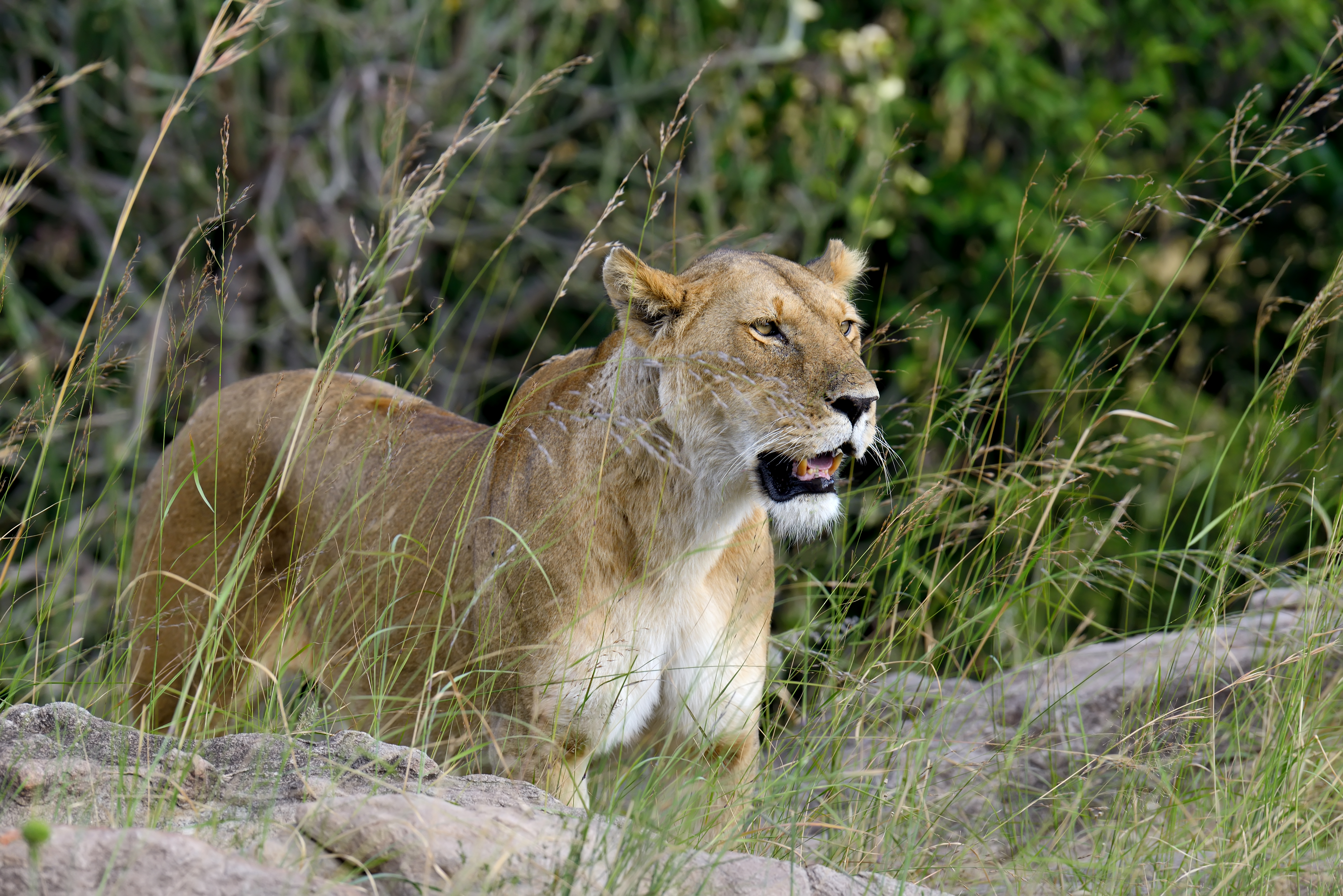
What makes the Masai Mara iconic
The Masai Mara National Reserve sits in south-western Kenya and forms the northern tip of the great Mara-Serengeti ecosystem, separated from Tanzania's Serengeti by nothing more than an unfenced border. At roughly 1,510 square kilometres the reserve itself is compact by East African standards, and that is precisely its magic: an extraordinary density of wildlife packed into rolling, open grassland where visibility stretches for miles. Big cats are the Mara's calling card — decades of television documentaries were filmed here for good reason — and few places on earth offer a better chance of watching lion, leopard and cheetah in a single day.
The Mara is also a genuinely year-round destination. Even outside the migration months the reserve holds superb resident game: big herds of elephant, buffalo and topi, healthy resident wildebeest and zebra populations, and those famous predators, which do not migrate anywhere. Add the Maasai people themselves, whose land this is and whose communities surround and increasingly manage the wider ecosystem, and you have a safari destination with wildlife, landscape and culture in rare balance. It is a small place with an outsized reputation, and on a good morning game drive you will understand exactly why.
When to go: the migration and the rest of the year
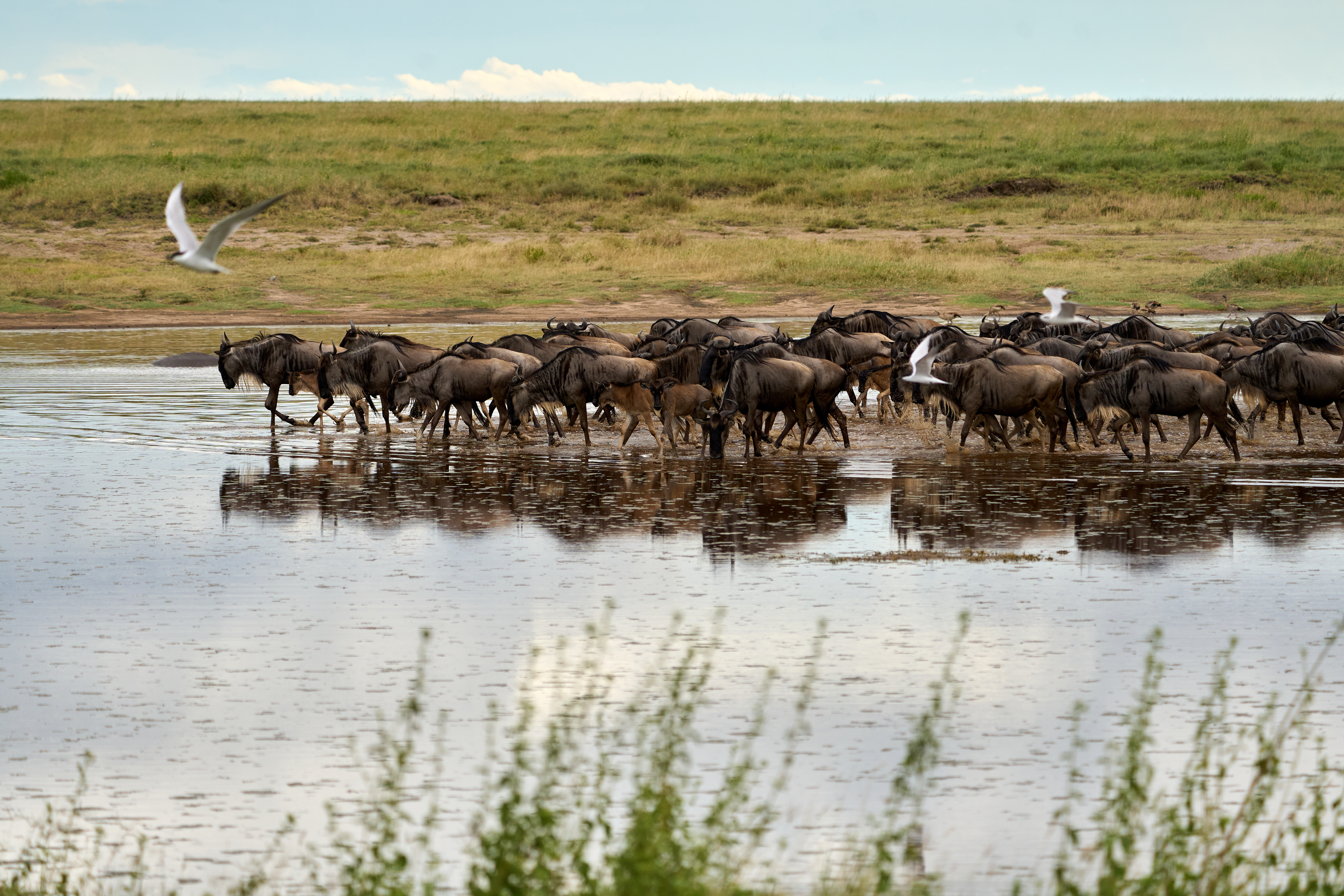
The headline season is July to October, when the great migration is usually in residence. Over a million wildebeest and hundreds of thousands of zebra move up from the Serengeti into the Mara's grasslands, and the drama peaks at the Mara River, where the herds mass and plunge across crocodile-filled water in the crossings that have become the most famous wildlife spectacle on the planet. August and September are typically the most reliable crossing months, though the herds follow rain rather than calendars, so no honest operator will guarantee a crossing on any given day.
The rest of the year has real merit, and real savings. January to March is dry, warm and much quieter, with excellent big-cat viewing and newborn resident game on the plains. April and May bring the long rains — some camps close and roads suffer, but rates drop sharply and the Mara turns emerald green. November's short rains are usually brief afternoon affairs and the low-season pricing can be superb value. If your dream is specifically the river crossings, travel July to October and book a year ahead; if your dream is simply the Mara's cats and landscapes, almost any month will reward you.
Masai Mara tour styles and what they really cost
Masai Mara tours come in three broad styles. Road safaris from Nairobi are the classic budget route: a five-to-six-hour drive each way, group departures in pop-top vans or Land Cruisers, and camps just outside the reserve gates. Fly-in safaris swap the drive for a forty-five-minute flight from Nairobi's Wilson Airport straight to an airstrip inside the ecosystem, landing you at your camp in time for an afternoon game drive. Private safaris, our own focus, give you a dedicated vehicle and guide throughout, with the freedom to sit at a sighting for as long as you wish.
On cost, be realistic: the Mara is not a cheap destination, and the reserve's non-resident park fee alone is around 200 US dollars per person per day in high season. Budget group road tours start around 250 to 350 dollars per person per day all-in. Mid-range fly-in or private safaris typically run 450 to 700 dollars per day. The top conservancy camps, with everything included, sit anywhere from 800 to over 1,500 dollars per person per day in migration season. A balloon flight adds roughly 450 to 600 dollars per person. Anything priced dramatically below these ranges is usually cutting corners on vehicles, guides or park fees.
- Budget road safari from Nairobi — from around 250 USD per person per day
- Mid-range fly-in or private safari — roughly 450–700 USD per day
- Luxury conservancy camps — 800–1,500+ USD per day in peak season
- Park fees — around 200 USD per person per day in high season
- Balloon safari — an optional 450–600 USD per person extra
The conservancy advantage
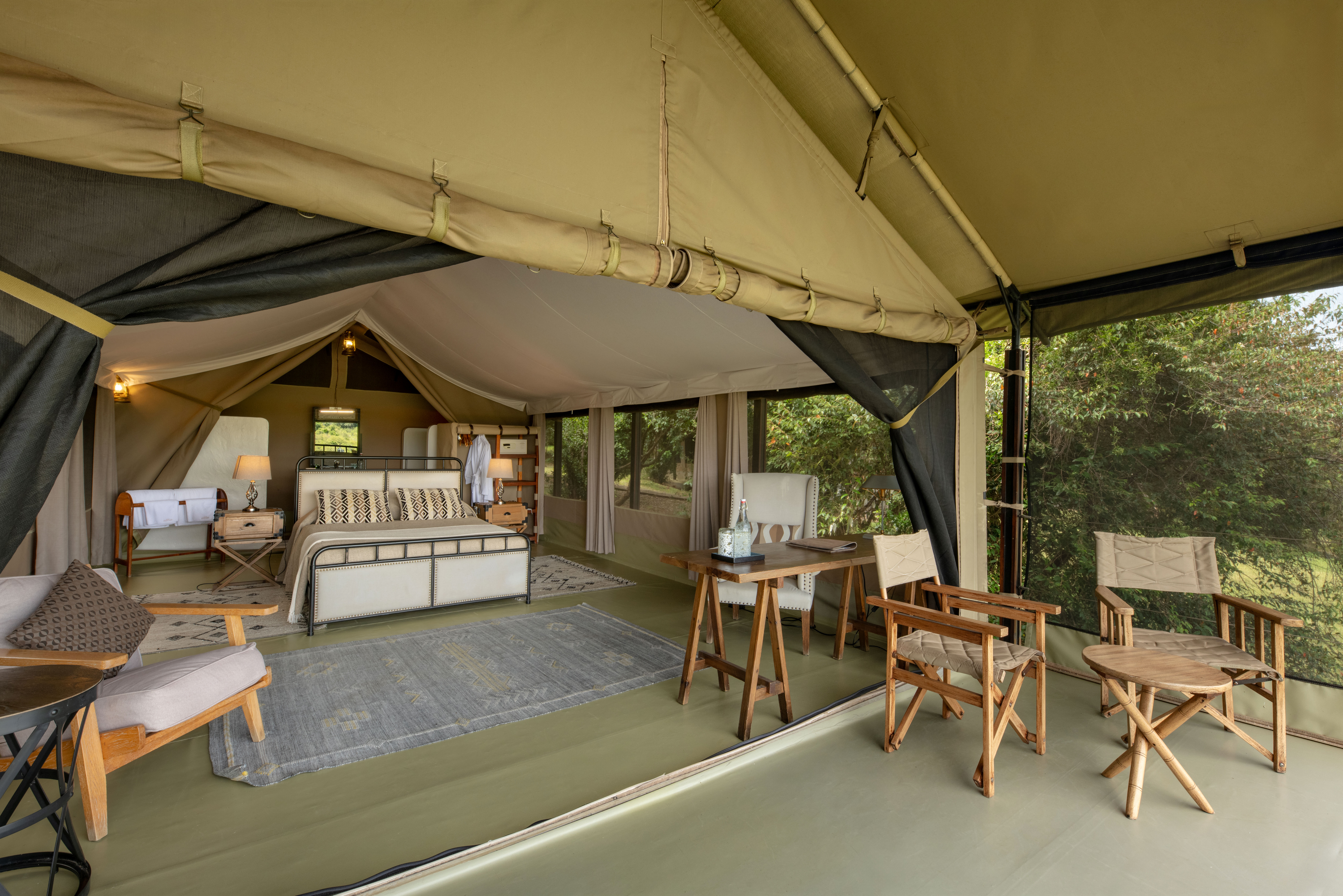
The single most useful thing to understand about the modern Mara is the difference between the national reserve and the private conservancies that border it. Conservancies such as Naboisho, Olare Motorogi, Mara North and Ol Kinyei are Maasai-owned lands leased directly from local families by a small number of camps. The wildlife moves freely between reserve and conservancy — the animals recognise no boundary — but the visitor experience is profoundly different, because each conservancy strictly limits the number of camps, beds and vehicles allowed on its land.
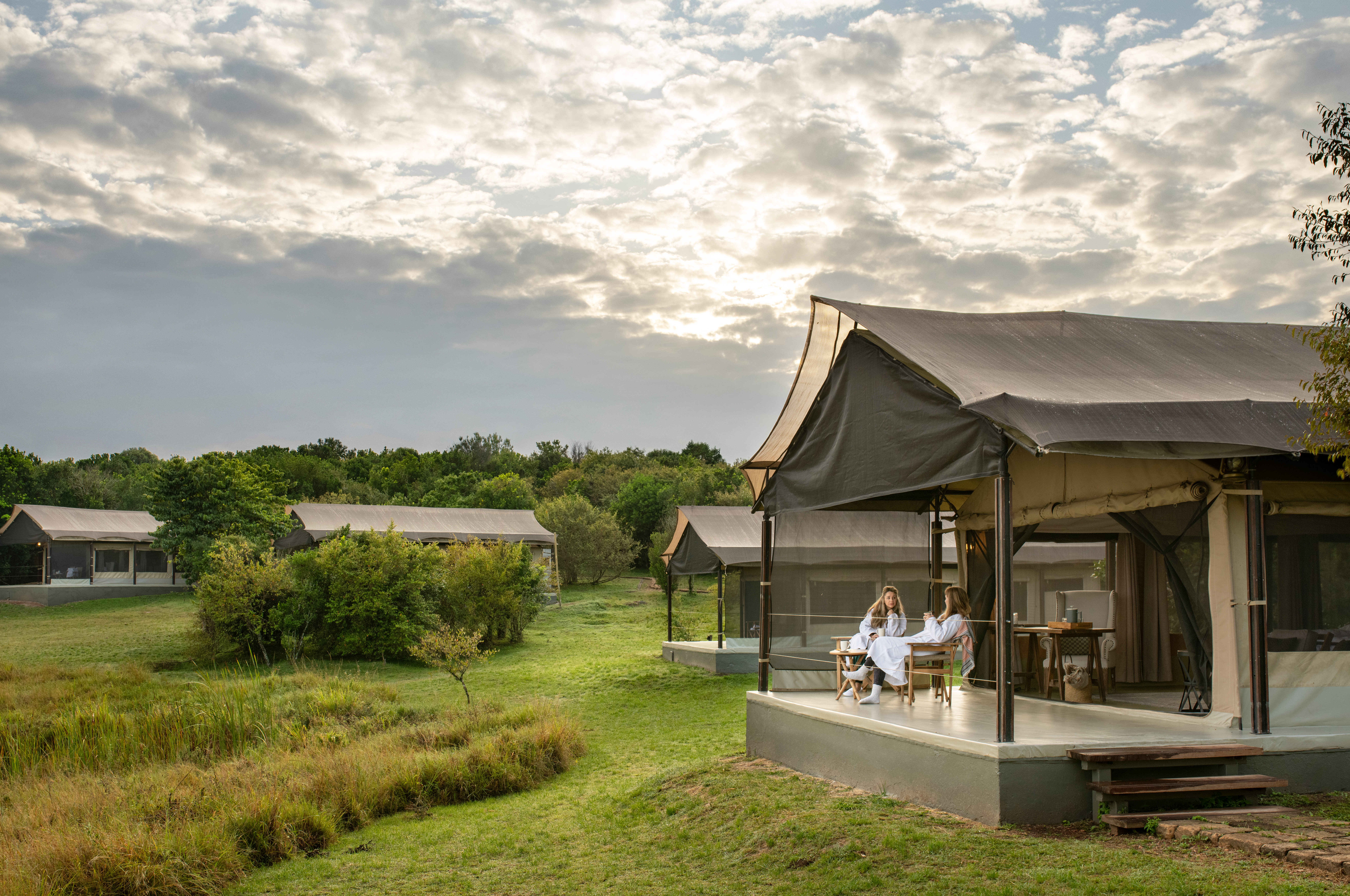
The practical benefits are enormous. In the conservancies you will rarely share a sighting with more than a couple of vehicles, and your camp is permitted activities the reserve forbids: off-road driving to get properly close to the cats, night game drives, and guided walking safaris with Maasai guides. Your fees also flow directly to the landowning families, making the conservancies one of the best community-conservation models in Africa. The trade-offs are a higher nightly price and the fact that the famous river crossings happen inside the reserve — though conservancy camps simply drive in for the day when the herds are crossing.
Balloon safaris and beyond the game drive
No experience is more associated with the Mara than the dawn balloon safari, and it deserves the hype: you lift off in darkness, watch the sun rise over the grasslands, drift silently above herds and rivers for around an hour, and land to a champagne breakfast set up in the bush. At 450 to 600 dollars per person it is a significant extra, but for honeymooners and photographers especially it tends to be the memory that outlasts all others. Beyond the balloon, consider a visit to a genuine Maasai community, a bush breakfast on the plains, or a photography-focused day with a specialist guide — all easily woven into a well-planned itinerary.
Masai Mara vs Serengeti: the straight answer
Here is the comparison told straight, from an operator that sells both. The Mara and the Serengeti are one ecosystem, not two rivals — the same grasslands, the same migration, many of the same lion bloodlines. The differences are scale and rhythm. The Serengeti is nearly ten times the size, at around 14,750 square kilometres, which means longer drives between sightings but a far greater sense of space and solitude. The Mara is compact and concentrated: you see more, faster, with less driving, which is why short Kenya safari itineraries work so well there.
The honest trade-offs follow from that. In peak season the reserve's most famous crossing points can draw genuine crowds of vehicles, something the vast Serengeti largely dilutes — although the Mara's conservancies restore the exclusivity the reserve has lost. The migration spends roughly July to October in the Mara but eight or more months on the Tanzanian side, including the February calving season in the south and the dramatic Grumeti crossings in June. Neither park is better; they are two views of the same wonder, and the travellers who insist on picking a winner are asking the wrong question.
The Mara and the Serengeti are not rivals — they are two windows onto the same great ecosystem, and the finest safari of all looks through both.
The strongest play: two countries, one safari
This brings us to the itinerary we believe in most, and the one Sokwe has built its reputation on: combining the Masai Mara and Tanzania in a single seamless trip. A combined Kenya and Tanzania safari lets you follow the ecosystem rather than the border — the Mara's concentrated big-cat country and river crossings, then the Serengeti's endless plains, the Ngorongoro Crater's wildlife-packed caldera, and if you wish a barefoot finish on a Zanzibar beach. It also acts as migration insurance: with time on both sides of the river, your odds of witnessing the herds in full spate roughly double.
A classic shape looks like this: land in Nairobi and fly straight to the Mara for three nights, ideally split between the reserve and a conservancy; cross into Tanzania for three or four nights in the Serengeti, timed to where the herds are; continue south to Ngorongoro and Tarangire; then fly to Zanzibar or home from Kilimanjaro. Ten to fourteen nights covers it without rushing. Because we operate on the ground in Tanzania and work with trusted partner camps in Kenya, the whole journey runs on one thread, with one point of contact from first flight to final transfer.
Plan your safari: our full guide to a Kenya and Tanzania safari · understanding the Mara-Serengeti ecosystem · our luxury Kenya safari guide · browse every safari package
Practical logistics: Nairobi, flights and the border
Almost every Mara safari begins in Nairobi, whose Jomo Kenyatta International Airport is one of Africa's best-connected hubs. From there you either drive — five to six hours on a road that has improved greatly but still tests patience — or take the short scheduled flight from Wilson Airport to one of the Mara's dozen airstrips, which we recommend for anyone whose time is precious. Most travellers add a night in Nairobi on arrival to land softly, and the city's giraffe centre and elephant orphanage make it a genuinely worthwhile stop rather than a mere transit point.
Crossing to Tanzania takes light planning, which is exactly what a good operator handles for you. The overland route runs from the Mara through Migori to the Isebania border post and on to Tarime and the northern Serengeti — a scenic half-day that keeps you inside the ecosystem the whole way. The alternative is flying back through Nairobi to Kilimanjaro International Airport and starting the Tanzanian circuit from Arusha. Note that Tanzania requires its own visa — the East Africa Tourist Visa covers Kenya, Uganda and Rwanda but not Tanzania — and a yellow fever certificate is checked when entering Tanzania from Kenya, so carry both documents to keep the crossing smooth.
Plan your Masai Mara safari with Sokwe
The Masai Mara deserves its place at the top of the world's safari wish lists, and the way to enjoy it at its best is simple: travel in the right season for what you want to see, spend at least part of your stay in a conservancy, and — if you can — let the journey continue south across the border into Tanzania, where the same great ecosystem opens out into something even vaster. Two countries, one seamless safari: tell us your dates and how you like to travel, and we will build the Mara into an itinerary that delivers the whole story, not just the famous first chapter.
Plan your Kenya and Tanzania safari with Sokwe Africa Safaris