
Serengeti vs Masai Mara: which is better?
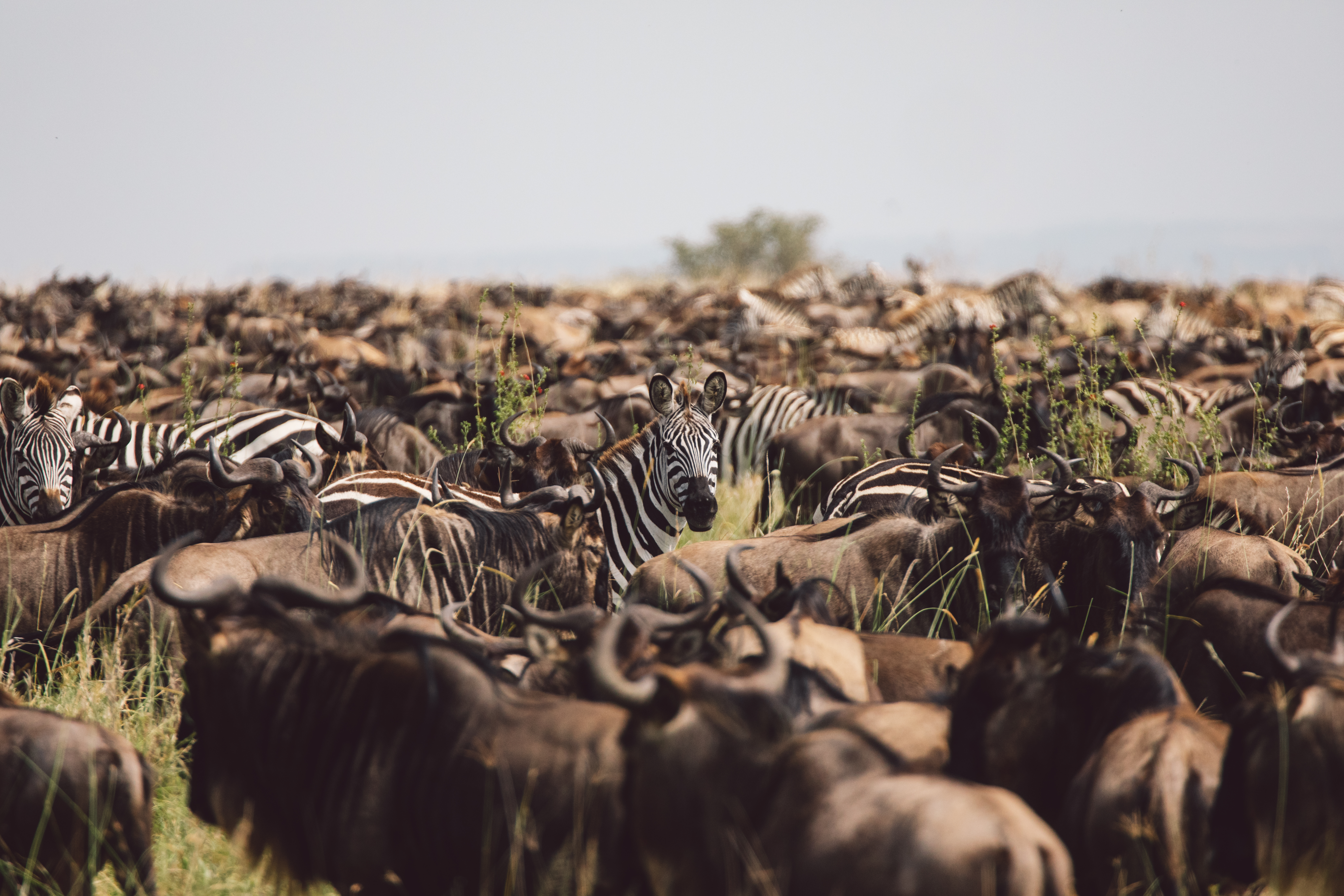
A combined Kenya and Tanzania safari is, for many travellers, the ultimate East Africa adventure — and the question that starts every plan is the same: Serengeti or Masai Mara? The honest answer is that they are two halves of one ecosystem. The Masai Mara is Kenya's crown jewel, a compact, wildlife-dense reserve famous for its big cats and its dramatic Mara River crossings. The Serengeti is vastly larger, wilder and more varied, holding the greater share of the migration's circuit and an extraordinary year-round resident population. You do not really choose between them; you experience how they connect.
For most visitors the Serengeti offers more space, more exclusivity and a longer migration season, while the Mara delivers concentrated action and those iconic crossing photographs in a short, punchy window. The Mara's open, rolling grasslands make for superb predator viewing and easier sightings, but the reserve can feel busy at peak times. The Serengeti's sheer scale means you can drive for an hour without seeing another vehicle, even in high season. Combining the two — the heart of any great kenya and tanzania safari — gives you the best of both: the scale and solitude of Tanzania and the intensity of Kenya, linked by the same wildebeest herds that move between them.
There is also a cultural and logistical dimension worth understanding. Kenya pioneered the modern safari and has a polished, well-trodden tourism industry; Tanzania protects a larger share of wild land and feels, in places, genuinely remote. Travelling through both in one trip gives you a richer, more complete picture of East Africa than either could alone, and it is why discerning, experienced travellers so often choose the two-country route over a single destination.
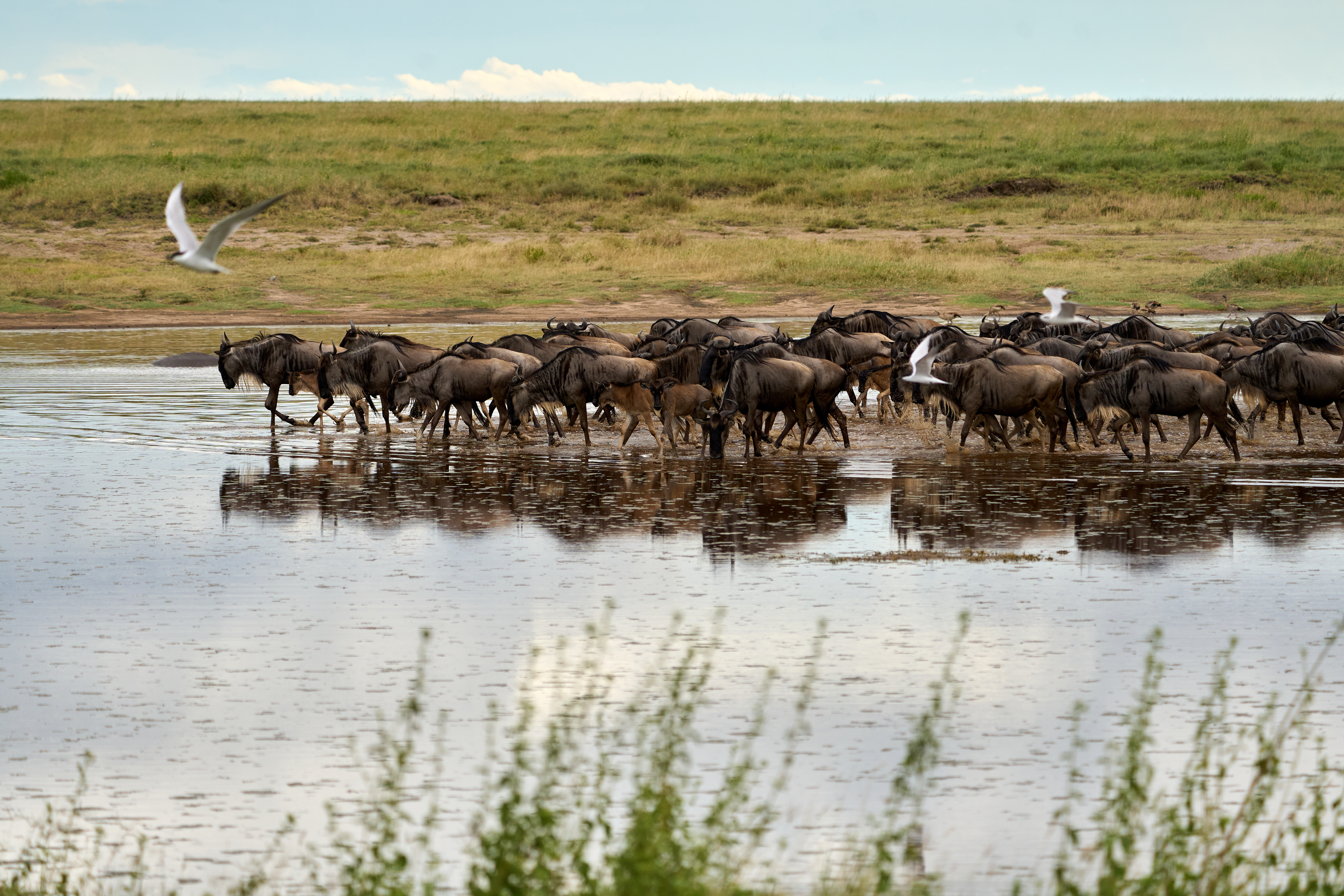
The best Kenya & Tanzania combined itinerary (14 days)
Fourteen days is the sweet spot for kenya and tanzania safaris. It allows a full, unhurried exploration of Tanzania's northern circuit followed by Kenya's signature parks, without the punishing pace that ruins a shorter two-country trip. Anything less than ten days and you spend too much of your holiday in transit between two countries; fourteen gives each side room to breathe. The structure below is the framework we most often build, and it is fully customisable to your interests, budget and travel dates.
Days 1–8: Tanzania — Serengeti, Ngorongoro, Tarangire
Your journey begins in Tanzania, flying into Kilimanjaro and working through Tarangire's elephant country, the unmatched wildlife amphitheatre of the Ngorongoro Crater, and several immersive days in the Serengeti. This is the wilder, more expansive half of the trip, and starting here lets you settle into the rhythm of safari before the faster pace of the Mara.
We generally recommend at least three nights in the Serengeti, positioned according to where the migration sits during your dates, plus a night on the Ngorongoro rim and a night or two in Tarangire or Lake Manyara on the way in. Travelling privately throughout means your guide can follow the wildlife rather than a fixed schedule, and can adjust each day based on what you saw — and did not see — the day before. It is this flexibility that turns a good safari into a great one.
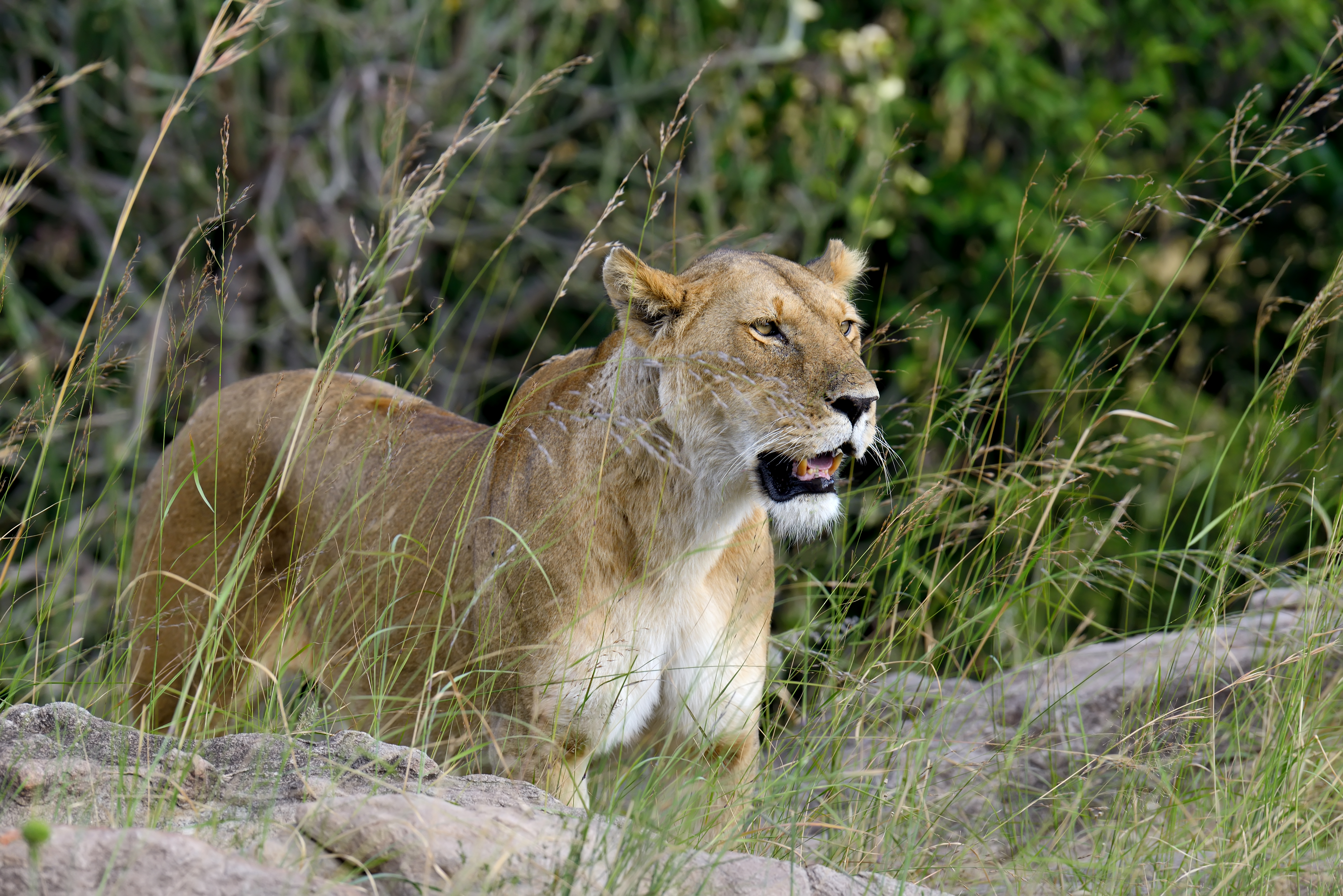
Days 9–14: Kenya — Masai Mara & Amboseli
You then cross into Kenya, typically by a short flight, for the Masai Mara's famous predator action and, if time allows, Amboseli's elephant herds framed by the snows of Mount Kilimanjaro. These final days are about intensity and iconic scenes — the kind of big-cat sightings and crossing drama that the Mara is celebrated for, and the classic photograph of elephants beneath Africa's highest peak.
Many travellers choose to stay in one of the Mara's private conservancies rather than the national reserve itself, trading a slightly higher cost for far fewer vehicles, night drives and walking safaris that the reserve does not permit. Together with the Tanzanian leg, you will have seen the full East African safari story unfold, from vast wilderness to concentrated spectacle, and from the heart of the migration to its northern reaches.
When to go for the wildebeest migration
Timing is everything on a two-country safari. The migration spends roughly December to March in the southern Serengeti for the calving season, moves through the central and western Serengeti from April to June, reaches the northern Serengeti and Mara River from July to September for the celebrated crossings, and begins its return south from October. A well-planned mara serengeti itinerary positions you in the right country at the right moment, rather than chasing the herds after they have already moved on.
If the river crossings are your priority, the July-to-September window straddling the Serengeti and Mara is ideal — and it is also the busiest and most expensive, so book well ahead. If you prefer fewer crowds and newborn wildlife, the green months in the south are magical and far better value. There is no truly bad time for an East Africa safari; there is only the time that best matches what you most want to see, and a knowledgeable operator will steer you to the right months for your wish list. Our guide to the best time to visit Tanzania breaks the calendar down month by month.
Crossing from Tanzania to Kenya: logistics & visas
Moving between the two countries is more straightforward than most travellers expect, but it does require planning. Citizens of most nations need a visa for each country, both easily obtained online in advance, and you should budget for separate park and conservancy fees on each side of the border, which are charged independently and are a significant part of the cost. The most comfortable connection is by light aircraft between the Serengeti and the Mara, avoiding long road transfers and the busy Namanga land border.
There are a few practical details that catch people out: the East Africa Tourist Visa can sometimes cover both countries depending on your nationality and routing; luggage on light aircraft is limited to soft bags of around 15 kilograms; and timing your flights around park departure rules takes local knowledge. We handle all of this for you — visa guidance, internal flights, transfers and the timing of your crossing — so the two halves of your trip flow together seamlessly. The logistics of a two-country safari are exactly where a knowledgeable local operator earns its place, and where do-it-yourself plans most often come unstuck.
Dig deeper into the wildlife with our Serengeti migration guide, and time your trip using our best time to visit Tanzania calendar.
Choosing where to stay? See the best luxury Serengeti lodge options.
More on this in our Kenya and Tanzania luxury safari.
See also our East Africa tours compared.
More on this in Lake Nakuru safari guide.
Kenya and Tanzania are not rivals — they are two chapters of the same great migration story, and seeing both is how you read the whole book.
Best safari operators for East Africa tours
A combined East Africa safari has more moving parts than a single-country trip, which makes your choice of operator the single biggest factor in how well it runs. Large international agencies often sub-contract the ground work to local companies and add a substantial margin; a strong local operator manages it directly and passes on both the savings and the expertise. As an Arusha-based company with more than a decade of experience and trusted partners across the border, we build and run the Tanzanian heart of your trip ourselves and coordinate the Kenyan leg with people we know and rely on personally.
That continuity matters more than travellers realise. When one team oversees both countries, nothing falls through the cracks at the border, your preferences carry across from one camp to the next, and there is always someone accountable if plans need to change. It is the difference between a trip that merely works and one that feels genuinely effortless from the first morning to the last — and it is why we encourage travellers to book the whole journey through a single, trusted local operator rather than stitching together separate bookings.
- One team coordinating both countries
- Private guiding on the Tanzanian leg
- Light-aircraft connections to skip the land border
- Migration-timed itineraries, not fixed departures
- Honest advice on where each country shines
- A single point of contact accountable throughout
Where to stay across Kenya and Tanzania
Accommodation shapes a two-country safari as much as the wildlife. In Tanzania, the Serengeti offers everything from permanent lodges to luxurious mobile camps that move with the migration, positioning you within easy reach of the herds whatever the season. The Ngorongoro rim has grand lodges with sweeping crater views, while Tarangire and Manyara hold intimate camps that see far fewer visitors. Matching the camp to the season and to where the wildlife will be is the heart of good planning.
In Kenya, the choice between the national reserve and the private conservancies that border it is the key decision. The reserve guarantees the classic Mara scenery and the main river crossings, but it can be crowded at peak times. The conservancies offer fewer vehicles, exclusive traversing rights, and the freedom to do night drives and guided walks that the reserve does not permit — often for a modest premium that serious wildlife travellers consider well worth it.
Across both countries, we favour camps that are small, well-sited and genuinely committed to their guides and communities. A beautifully designed camp in the wrong location is a poor trade; a simpler camp in the heart of the action almost always delivers the better safari. We will steer you towards the properties that combine comfort with the right position for your dates, on both sides of the border.
A final word on guiding, which is the thread that runs through a great two-country trip. Because we run the Tanzanian leg ourselves and hand you over to trusted partners in Kenya, the standard of guiding stays high from the first morning to the last. Your guides talk to one another, your preferences travel with you, and nothing is lost in the handover at the border. That continuity is rare on a combined safari booked piecemeal, and it is one of the quiet reasons our guests so often say the East Africa trip was the best they have ever taken — every day in expert hands, across two countries and one great migration.
Get your custom Kenya & Tanzania itinerary
The perfect East Africa safari depends on your dates, your interests and how much time you have. Tell us how many days you can travel and which parks excite you most — the crossings, the big cats, the elephants of Amboseli — and we will create a free, fully customised Kenya and Tanzania itinerary, usually within 48 hours, built around the migration and around you. There is no obligation and no pressure; just honest, expert advice from people who run these journeys for a living.
Plan your East Africa safari with Sokwe Africa Safari