
Who are the Maasai?
The Maasai are among the most recognisable peoples in Africa — semi-nomadic pastoralists of the Great Rift Valley whose red cloth, intricate beadwork and cattle-centred way of life have become, for better or worse, the image on a thousand safari brochures. The reality of the Maasai tribe is richer and far more interesting than the postcard. Numbering well over a million people across northern Tanzania and southern Kenya, the Maasai are a living, adapting society with a deep history, a sophisticated social structure and a complicated modern relationship with land, conservation and tourism itself.
This guide is written from Arusha, in the heart of Maasai country, where we at Sokwe Africa Safaris live and work alongside Maasai colleagues, guides and neighbouring communities. It covers who the Masai people are, where they came from, how their society is organised and how their lives are changing today. It then turns to the question travellers ask us most often: how do you actually meet the Maasai on safari in a way that is genuine and respectful, rather than a staged performance that leaves everyone involved feeling slightly uncomfortable?
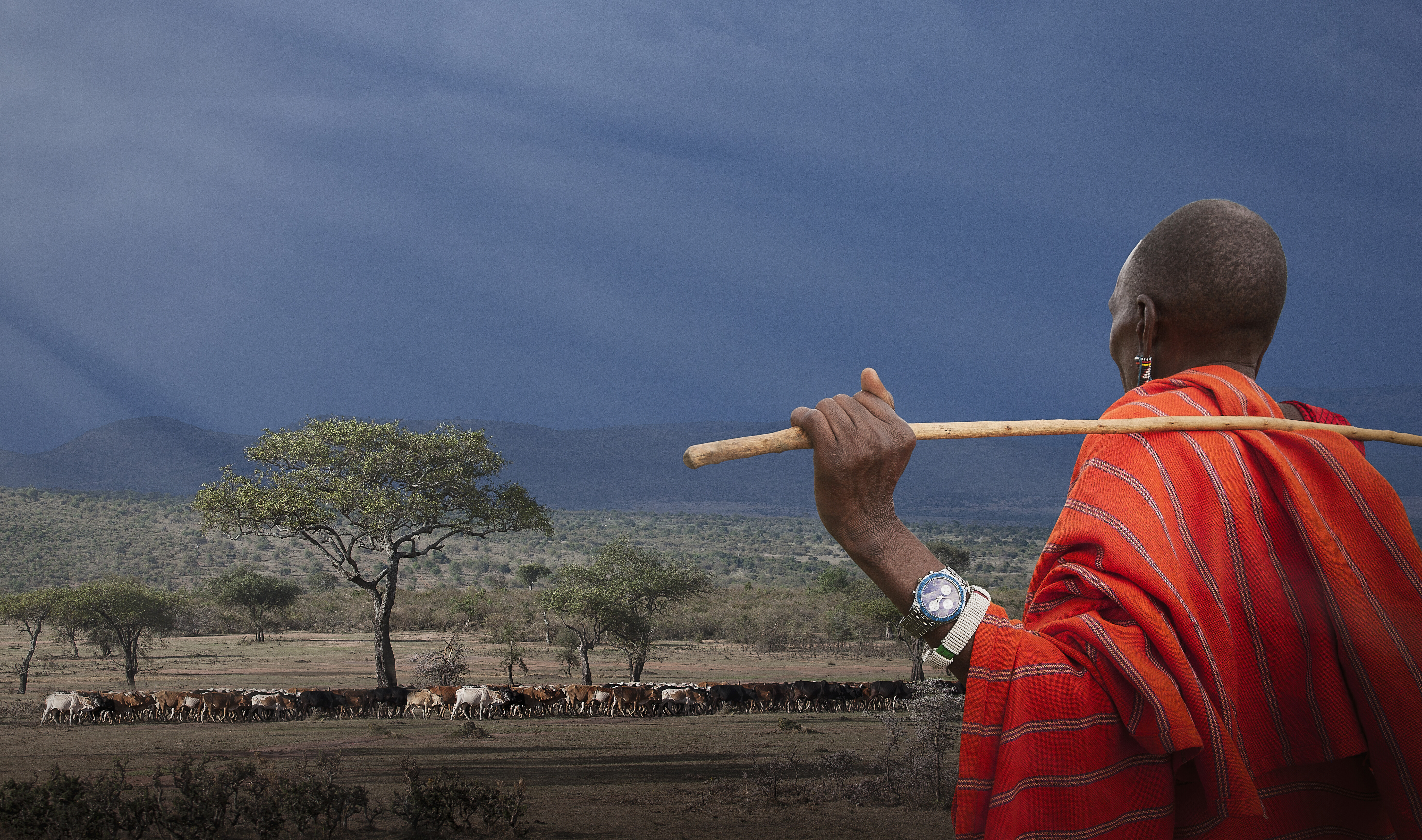
A history of movement and land
The Maasai are a Nilotic people, and their oral history tells of a long migration south from the lower Nile valley, arriving in the Rift Valley region of Kenya and Tanzania several centuries ago. Skilled herders and formidable warriors, they expanded steadily until, by the mid-nineteenth century, Maasai grazing lands stretched from central Kenya deep into what is now central Tanzania. Theirs was never a centralised kingdom but a federation of sections sharing the Maa language, a pastoral economy and a powerful common identity that has proved remarkably durable through everything that followed.
The twentieth century treated the Maasai harshly. Colonial treaties in Kenya moved communities off their best pasture, and the creation of national parks — including the Serengeti, from which Maasai residents were moved in the late 1950s — removed vast grazing areas from pastoral use. The Ngorongoro Conservation Area was established in 1959 as a compromise, a multiple-use land where Maasai and wildlife would share the highlands. Land remains a live and sometimes painful issue today, including well-publicised disputes in Loliondo, and understanding this history is part of visiting Maasai country respectfully.
Cattle at the centre of everything
To understand Maasai culture, start with cattle. Cows are wealth, food, savings account, social currency and blessing all at once. Traditional belief holds that Enkai, God, entrusted cattle to the Maasai, and a family's herd remains the deepest measure of its standing. Milk is the staple food, blood is drawn on ceremonial occasions or in times of need, and meat is eaten mainly at celebrations. Cattle pay bridewealth, seal friendships and settle disputes, and a proper Maasai greeting traditionally asks after the health of both your children and your cattle.
Pastoralism shapes daily rhythm and movement. Herds go out at first light with boys and young men and return at dusk to the safety of the homestead, and families historically moved between wet-season and dry-season pastures with the rains. That mobility is exactly what modern land boundaries have squeezed, and drought years in recent decades have hit herds hard. Many families now combine livestock with small-scale trade, farming where permitted, or wage work — but even for a Maasai teacher or safari guide in town, cattle at home usually remain the anchor.
Age-sets, morans and how society works
Maasai society is organised around age-sets, a system that moves men through life's stages as a cohort rather than as individuals. Boys herd goats and calves; initiation in the teenage years brings entry to the moran, or warrior, stage, a period of responsibility for the community's security traditionally spent partly in the bush with age-mates. Great ceremonies such as the Eunoto mark the passage from moran to junior elder, when a man may marry and settle, and eventually to senior elderhood, where authority over community decisions resides.
Women build and own the houses, milk the cattle, manage the household and produce the beadwork for which the Maasai are famous, and senior women carry real influence in family and ceremonial life. The homestead itself — the boma or enkang — is a ring of houses around a central livestock enclosure, fenced with thorn against predators, usually home to an extended family. Decisions are made by councils of elders under a tree, disputes are settled by discussion and fines paid in livestock, and oral tradition carries law, history and story from one generation down to the next.
Shukas, beadwork and the adumu
The visual identity of the Maasai is unmistakable. The shuka — the checked or plain cloth worn wrapped around the body, most famously in red — is practical, warm and proudly worn, with red associated with bravery and with protection of the herds. Many men and women stretch and adorn their earlobes, and jewellery marks age, status and life events. None of this is costume; it is everyday dress, and you will see shukas worn while herding cattle, riding motorbikes and waiting for the bus in Arusha alike.
Beadwork is the great Maasai art form, made by women and rich with meaning: red for bravery and unity, blue for the sky and rain, green for the land, white for milk and purity, orange and yellow for hospitality. Collars, bracelets and wedding ornaments communicate a wearer's age-set, marital status and family standing. The adumu, the famous jumping dance, belongs to the ceremonies of the moran — young men leaping straight-backed from a standing position, each trying to jump highest, to song and rhythmic chanting. You may be shown it on a village visit, but its home is Maasai ceremony, not tourism.
The Maasai today: tradition and modernity
The Maasai are not a museum exhibit, and the fastest way to disrespect them is to expect one. Today's Maasai communities send children to school, carry smartphones, run businesses, win elections and work across every profession in Tanzania and Kenya — as doctors, lawyers, pilots, conservationists and some of the best safari guides in East Africa. A young man may spend the morning herding the family cattle and the afternoon checking Premier League scores; his sister may be studying in Dar es Salaam. Maasai culture is adapting on its own terms, as living cultures do.
Change brings real debate within the community itself. Maasai activists — many of them women — lead campaigns for girls' education and against practices such as early marriage and female cutting, which are declining. Land pressure, drought and population growth are pushing livelihood diversification, and there is an honest generational conversation about which traditions to carry forward and how. Visitors who arrive curious about this real, contemporary Maasai life — rather than hunting for an untouched tribe that exists mainly in marketing — tend to have far richer conversations and a far better visit.
The Maasai of the Ngorongoro Conservation Area
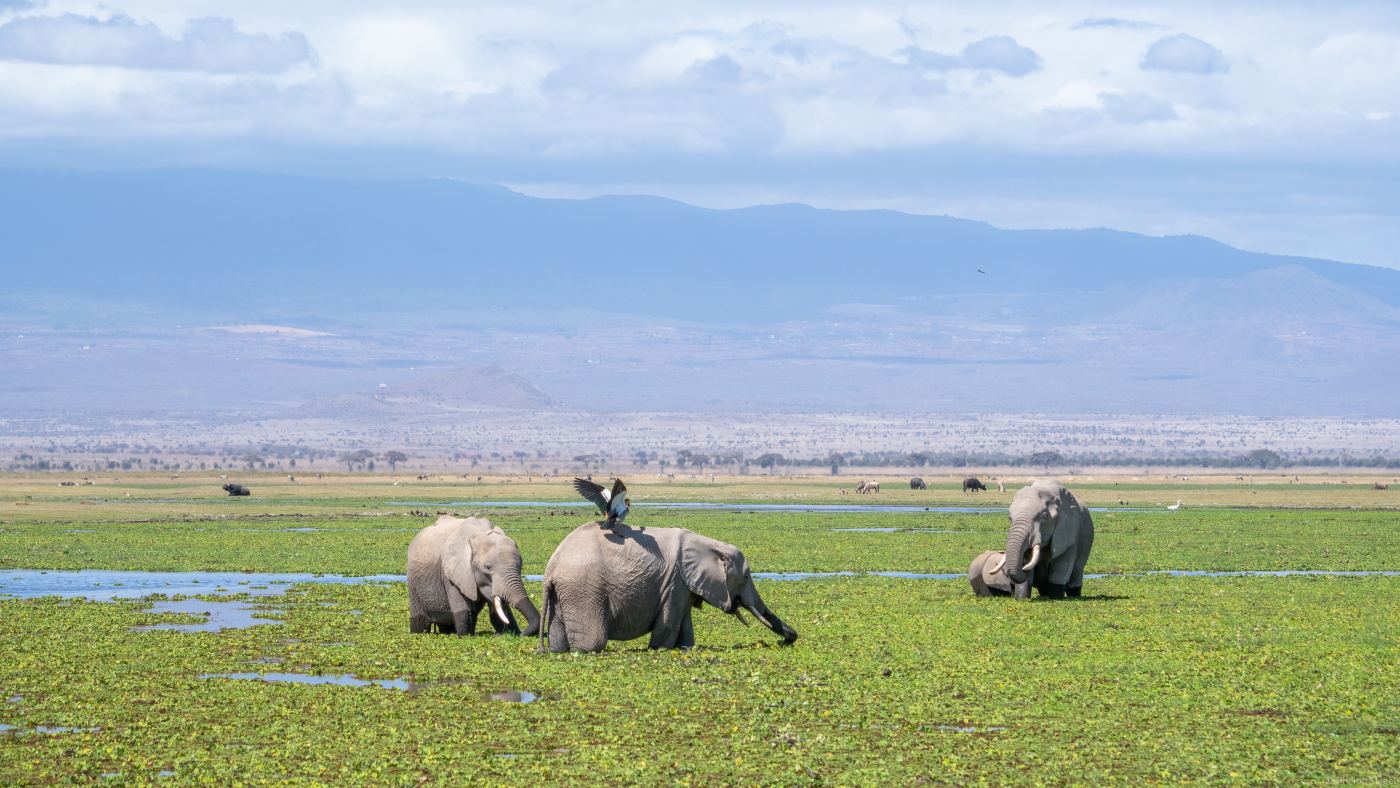
Nowhere is the Maasai relationship with conservation more visible than in the Ngorongoro Conservation Area, the vast multiple-use highland region around the famous crater where tens of thousands of Maasai live and graze their herds alongside some of the densest wildlife populations on earth. Driving to the crater you will pass bomas on the green slopes and herders in red shukas moving cattle across plains shared with zebra and wildebeest — one of the very few places in Africa where pastoralism and big wildlife still openly coexist at this scale.
That coexistence is genuinely impressive and genuinely strained. Restrictions on cultivation, limits on grazing and long-running government debates about relocation make life in the conservation area complicated, and the Maasai voice in how the land is managed remains a contested subject in Tanzania. As a traveller you do not need to take sides, but it changes the experience to understand that the Ngorongoro highlands are not simply scenery: they are a homeland. Seen that way, the herder on the crater rim is as much a part of the story as the lions on the crater floor.
Visiting a Maasai boma: the honest version
Now the practical question, answered honestly: cultural visits in northern Tanzania range from genuinely rewarding to frankly awful, and the difference is not luck but arrangement. At the poor end are the roadside tourist bomas, where minibuses stop for a fixed circuit — a hurried dance, a house tour, then a high-pressure ring of curio sellers — and where the visit is a transaction performed many times a day. Travellers leave feeling awkward, hosts earn less than you would hope, and nobody has actually met anybody. We do not sell these visits, and we advise you to be wary of any itinerary that includes a vague, unnamed village stop.
A good Maasai village visit looks different because it is built on a relationship. Your operator works with a specific community, the visit fee is agreed with the village leadership, groups are small, and there is time — to walk out with the herders, sit with the women over beadwork, see the school your fee helps support, and above all to talk, through a guide who speaks Maa. Expect ordinariness as well as ceremony: children doing homework, phones charging from a solar panel, questions aimed back at you about your own family and cattle. That ordinariness is not a disappointment. It is the authenticity everyone says they are looking for.
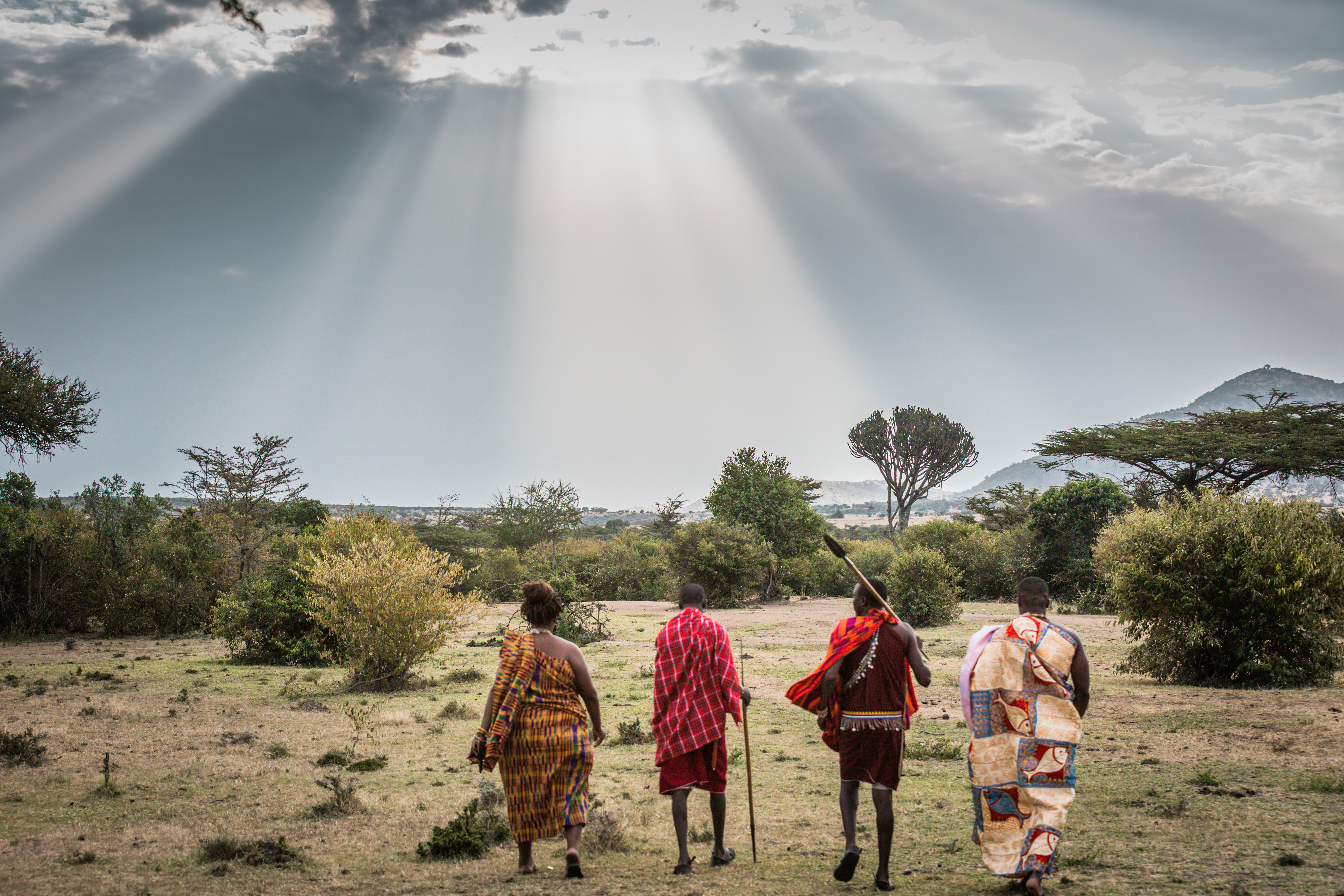
A good boma visit feels like being someone's guest. A bad one feels like a show you paid for. The difference is the relationship your operator has with the village.
Etiquette, photography and consent
Good manners in a Maasai homestead are mostly common sense, applied with a little local knowledge. Greet people properly and take your time — rushing is rude. Dress modestly, accept what is offered graciously, and let your hosts lead you through their home rather than wandering between houses as if the boma were a film set. Do not hand out sweets, pens or money to children; it teaches begging and undermines parents. If you want to give something, put it through the visit fee, the school or the women's craft group, where it does real good.
- Greet elders first and unhurriedly
- Dress modestly and follow your host's lead
- Always ask before photographing anyone
- No drones over homesteads or livestock
- Give through the village fee or school, never sweets to children
- Buy beadwork directly from the women who made it
Photography deserves its own paragraph, because it causes the most discomfort. Always ask before photographing a person, ideally through your guide, and accept a refusal cheerfully — some people will decline, some will expect a small payment, and both positions are entirely reasonable. Photograph children only with a parent's clear permission. Never fly a drone over a homestead or livestock, and put the camera down for part of the visit: the best moments in a boma are conversations, and nobody has a good conversation through a lens. Ask, connect first and shoot second, and you will take home better photographs anyway.
Where your money goes: fair payment, real benefit
Done properly, cultural tourism puts meaningful income into pastoralist communities on their own terms. In the visits we arrange, the fee is agreed openly with village leadership and goes into community priorities — classrooms, water, medicine, drought support — while beadwork is bought directly from the women's group that made it, so the maker keeps the money. Add the Maasai guides, camp staff and cultural hosts employed across the safari industry, and tourism becomes one of the few ways the wider safari economy pays the people whose land made it possible.
This matters beyond fairness. Where communities benefit from visitors, wildlife on village land is an asset rather than a competitor, and the coexistence that makes northern Tanzania extraordinary becomes easier to sustain. So ask your operator hard questions: which village, what fee, agreed with whom, and what did it fund last year? A good operator will answer specifically and happily. If the answers are vague, book elsewhere — including, we would gently say, not with us if we ever failed that test. The standard exists because travellers insist on it.
Plan the wider trip: see our guide to a cultural safari in Tanzania, our Ngorongoro crater guide, our safari packages — or plan your safari with us directly.
Meet the Maasai with Sokwe
A respectful cultural day fits naturally into any northern circuit itinerary — most often between Tarangire or Lake Manyara and the Ngorongoro highlands, where a morning with a Maasai community pairs beautifully with an afternoon game drive. Allow a half day rather than a rushed hour, budget roughly 30 to 50 US dollars per person for a fairly arranged community visit, and come with questions as well as a camera. Travellers consistently tell us afterwards that it was one of the most memorable days of their safari, precisely because it felt real.
We are an Arusha-based operator, and the Maasai communities we work with are our neighbours, colleagues and friends — which is exactly why we arrange these visits carefully and honestly. Tell us what interests you, from beadwork to herding to a village school, and we will build a respectful cultural day into your safari with a community we know personally, on terms the community set. Get in touch through our contact page and we will start planning a safari that introduces you to the Maasai properly: as hosts, not as a photo stop.