
Why go south?
While the northern circuit draws the crowds, a southern Tanzania safari offers something increasingly rare and precious: genuine wilderness and solitude. The great southern parks of Ruaha and Nyerere — the latter incorporating much of the former Selous Game Reserve — are vast, wild and gloriously uncrowded, the kind of places where you can drive for hours and see no other vehicle. For travellers who have done the famous north, or who want a wilder, more exclusive first safari, the south is Tanzania's best-kept secret.
The appeal of the south is not just space but variety. Here you can combine classic game drives with boat safaris along great rivers and guided walks through the bush — activities largely impossible in the busy northern parks. The wildlife is abundant and the landscapes dramatic and different, and the sense of being a genuine explorer in untrammelled wilderness is profound. This guide introduces Ruaha and Nyerere, what makes them special, when to go, and how to plan a southern Tanzania safari.
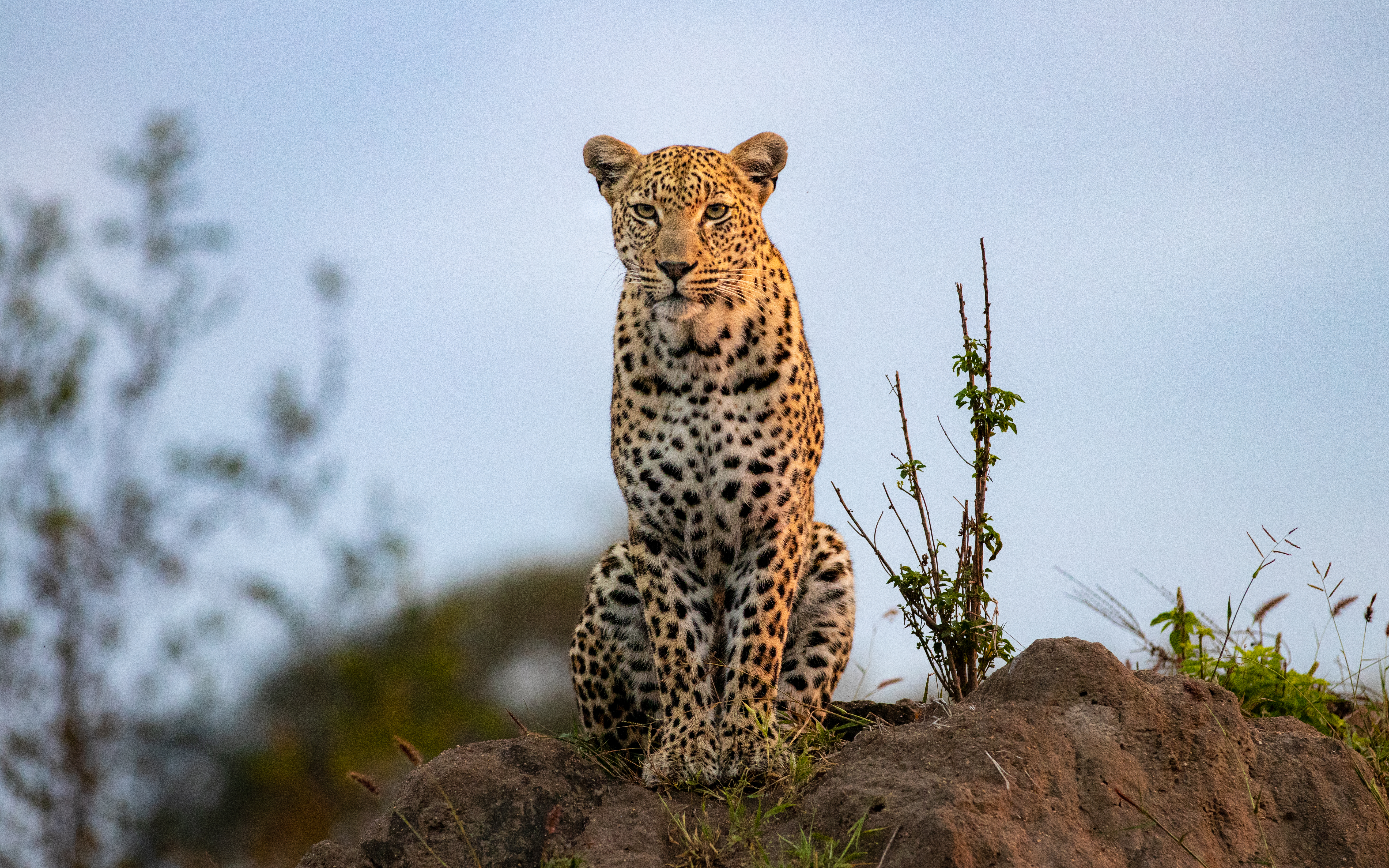
Ruaha National Park: Tanzania's largest wilderness
Ruaha is Tanzania's largest national park and one of its most magnificent, a vast expanse of over 20,000 square kilometres of rugged, beautiful wilderness in the centre-south of the country. Defined by the Great Ruaha River, which draws wildlife in extraordinary numbers during the dry season, Ruaha holds one of the largest elephant populations in East Africa, exceptional numbers of lion, leopard and cheetah, and a healthy population of the endangered African wild dog — one of the best places on the continent to see this rare predator.
What sets Ruaha apart, beyond its wildlife, is its remoteness and its dramatic, varied terrain of rolling hills, rocky outcrops, ancient baobabs and riverine forest. It sits at a crossroads of southern and eastern African ecosystems, so it hosts species found in few other Tanzanian parks, including greater and lesser kudu, sable and roan antelope. With very few camps and even fewer vehicles, Ruaha offers an intimate, exclusive safari that feels a world away from the crowds, and it consistently ranks among the favourite parks of seasoned safari-goers.
Nyerere National Park: rivers, boats and walks
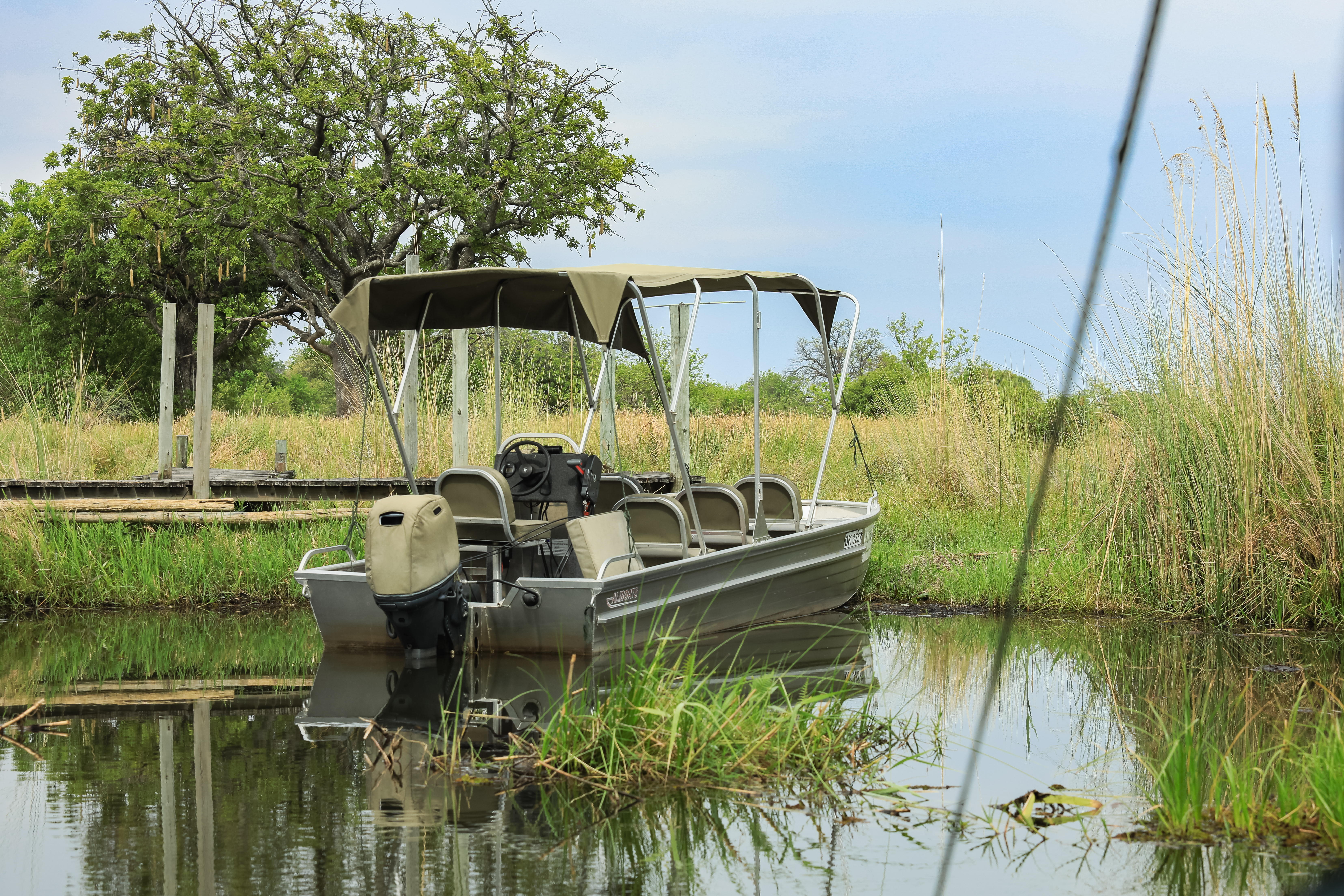
Nyerere National Park, created from the northern part of the legendary Selous Game Reserve, is another southern giant — one of the largest protected areas in Africa, defined by the broad, braided channels of the Rufiji River and its network of lakes and lagoons. This watery landscape gives Nyerere its distinctive character and its signature activities: boat safaris that glide past hippos, enormous crocodiles and a spectacular array of waterbirds, offering a completely different perspective from the game-drive vehicle.
The park teems with wildlife, including large herds of elephant and buffalo, lion, leopard, and one of Africa's most important populations of wild dog. Walking safaris with armed guides add a further dimension, letting you experience the bush on foot in a way the northern parks rarely permit. The combination of game drives, boat safaris and walking safaris, set in a wild river landscape with few other visitors, makes Nyerere one of the most varied and rewarding safari destinations in all of Africa.
What makes the south different
The southern parks differ from the famous north in several important ways, and understanding them helps you decide whether the south is right for your trip. First and foremost is the solitude: the south receives a small fraction of the visitors the north does, so sightings are uncrowded and the sense of wilderness is complete. Second is the range of activities — boat safaris and walking safaris, largely unavailable in the northern national parks, are signature southern experiences that add wonderful variety.
Third is the style of travel. The southern parks are remote, so they are almost always reached by light aircraft rather than road, making a southern safari a fly-in experience. The camps tend to be small, exclusive and characterful, suited to travellers who value intimacy and authenticity over grand lodges. The trade-off for all this is a slightly higher cost and the need to fly, but for the reward of genuine, uncrowded wilderness, most travellers find it well worth it.
The wildlife of the south
Wildlife enthusiasts are richly rewarded in southern Tanzania. Both Ruaha and Nyerere boast huge elephant herds, excellent big-cat populations, and the chance to see the endangered wild dog, which thrives in the south as in few other places. The dry season concentrations of game along the rivers — elephants, buffalo, antelope and the predators that follow them — rival anything in the north for drama, while the lower visitor numbers mean you often have these spectacles entirely to yourself.
The south also offers species and experiences harder to find in the north. Ruaha's position between ecosystems brings unusual antelope such as sable, roan and both greater and lesser kudu, while Nyerere's waterways support exceptional birdlife and the chance to watch hippos and crocodiles at close range from a boat. For repeat visitors and keen naturalists especially, the southern parks deliver a depth and exclusivity that make the journey south thoroughly worthwhile.
Best time to visit and how to get there
The southern parks are at their best in the dry season, from around June to October and into early November, when the vegetation thins, the rivers shrink, and wildlife concentrates dramatically around the remaining water. This is the prime time for a southern safari, with superb game viewing and comfortable conditions. The green season brings lush scenery and excellent birding, though some southern camps close during the heaviest rains around March to May, so timing matters more here than in the north.
Getting to the south is part of the adventure. Both Ruaha and Nyerere are reached by short, scenic light-aircraft flights — Nyerere from Dar es Salaam or Zanzibar, Ruaha from Dar es Salaam or via the northern circuit. This makes a southern safari a fly-in trip, swapping long drives for spectacular flights over the wilderness. The remoteness that requires flying is exactly what keeps these parks so wild and uncrowded, so it is a trade well worth making.
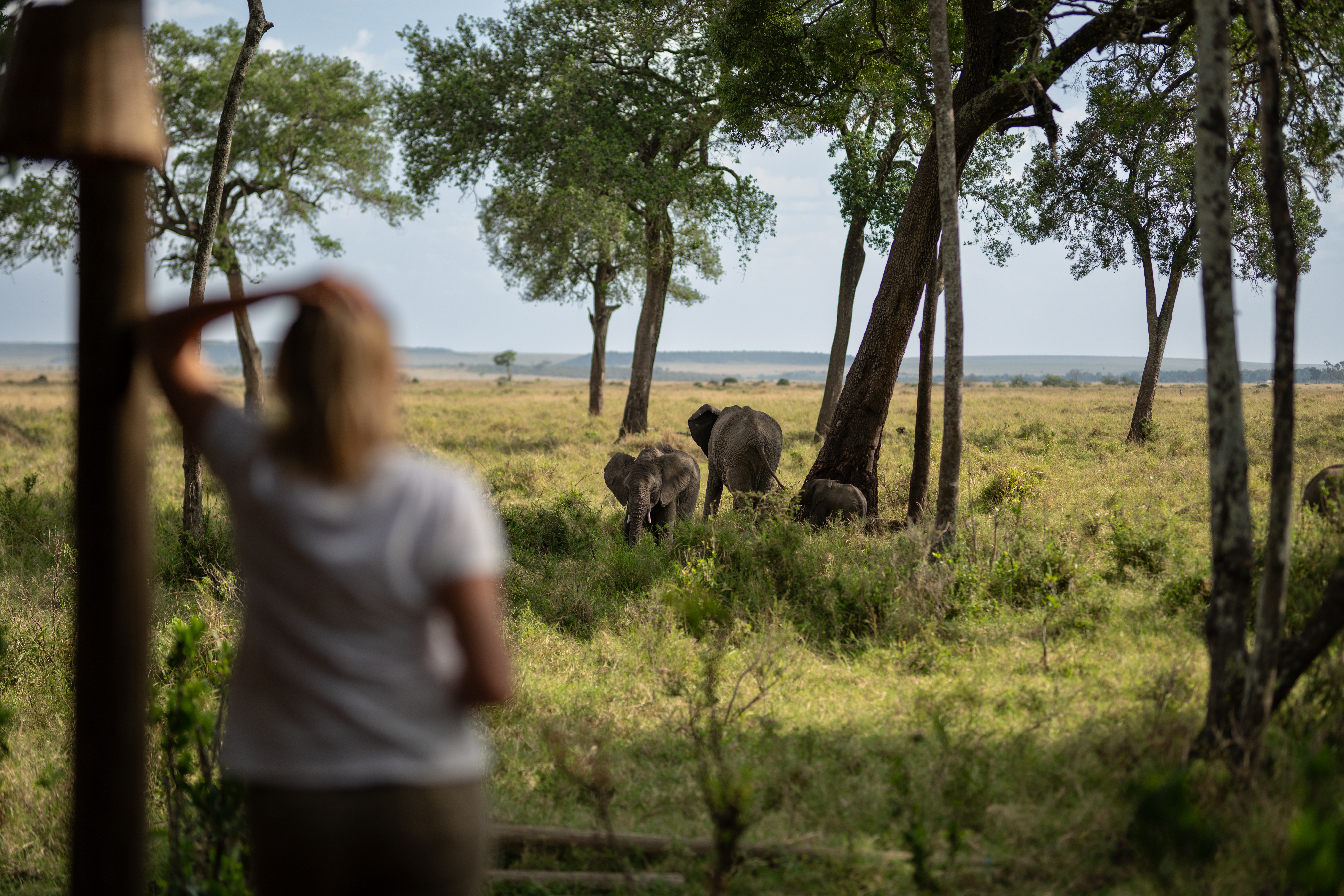
How to plan and combine a southern safari
A southern safari works beautifully either on its own or combined with other parts of Tanzania. As a standalone trip, four to seven days split between Ruaha and Nyerere delivers a deeply rewarding, wild and varied safari. Alternatively, the south pairs superbly with a beach finale on Zanzibar, reached by a short flight, or with a northern circuit for travellers who want to experience both the famous parks and the wild south in one grand journey.
Because the southern parks are remote and the camps few, planning a southern safari benefits enormously from local expertise — knowing which camps offer the best location and activities, how to sequence the flights, and how to time the visit to the season. Tell us what draws you south, whether that is the wild dogs, the boat safaris, the solitude or simply the road less travelled, and we will design a southern Tanzania safari that delivers the genuine wilderness experience the region is famous for.
Compare safari styles in our guide to the best luxury safari tours, and understand the budget with our Tanzania safari cost guide.
More on this in South Africa vs Tanzania safari: an honest comparison.
The northern parks made Tanzania famous, but the wild south is where you go to have the wilderness — and the wild dogs, the rivers and the silence — all to yourself.
- Ruaha — Tanzania's largest park, huge game, few vehicles
- Nyerere — Rufiji River, boat and walking safaris
- Among the best places in Africa for wild dog
- Uncrowded, exclusive and genuinely wild
- Best June–October; reached by light aircraft
- Superb on its own or combined with Zanzibar or the north
Where to stay and a sample southern itinerary
Accommodation in southern Tanzania is, by design, small-scale and exclusive. Both Ruaha and Nyerere have only a handful of camps and lodges compared with the dozens in the north, which is a large part of their appeal — far fewer beds means far fewer vehicles and a genuine sense of wilderness. The camps tend to be intimate, characterful and beautifully sited, many along the rivers, offering wonderful game viewing from camp itself and a personal, unhurried atmosphere where the staff quickly come to know you.
This exclusivity does mean that the best southern camps book up well ahead in the peak dry season, so early planning is wise. The reward is a safari of real intimacy and quality, where you may share a sighting with no one and dine under the stars with the sounds of the river and the bush all around. For travellers who value privacy and authenticity over grand scale, the southern camps are exactly the kind of places that define a trip.
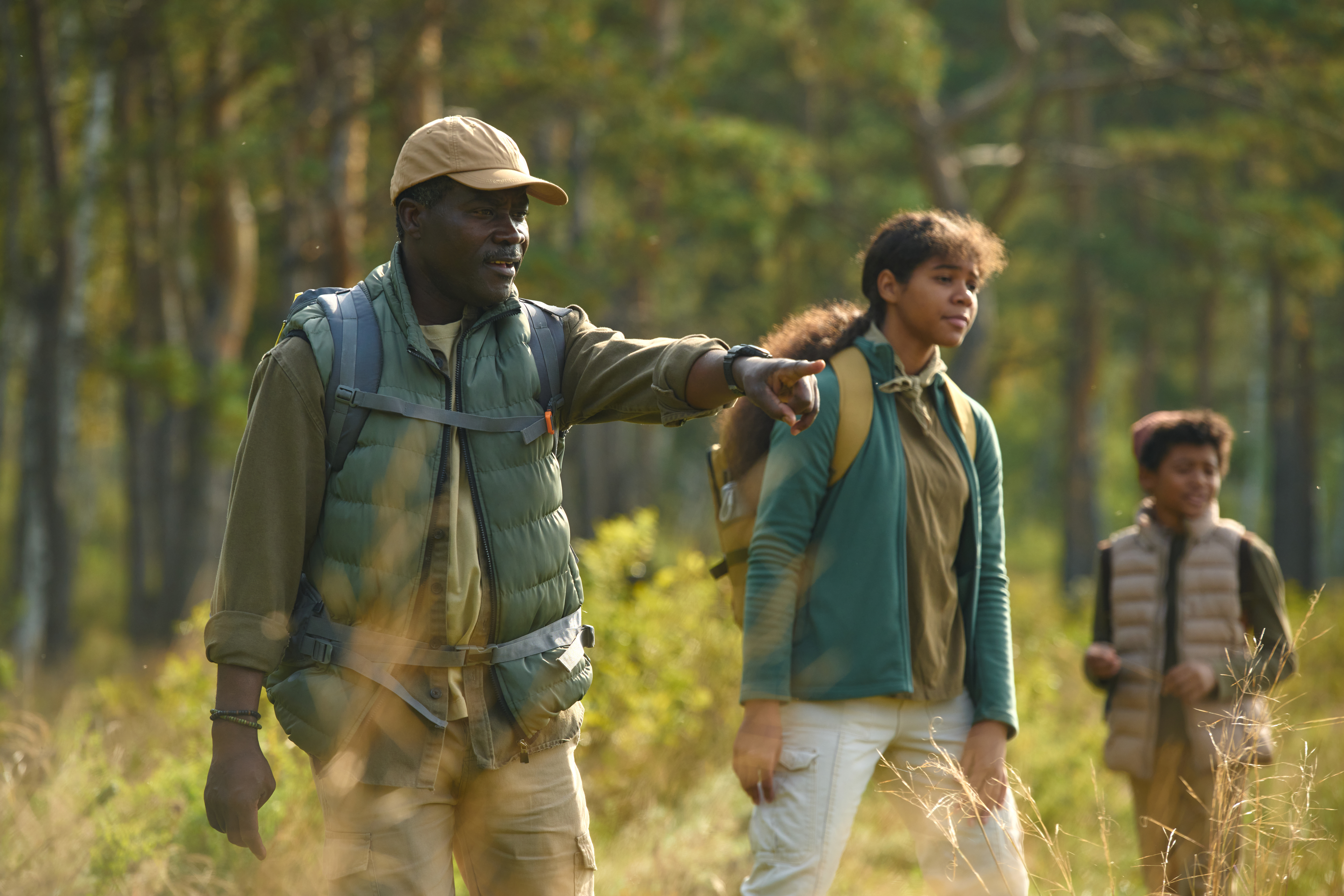
A classic southern itinerary might combine three or four nights in Ruaha with three in Nyerere, linked by a short flight, giving a full and varied taste of the wild south — game drives among Ruaha's elephants and predators, then boat and walking safaris along Nyerere's Rufiji River. This week-long southern circuit delivers a wonderfully complete and exclusive safari, quite different in character from the famous north.
Alternatively, the south combines beautifully with other regions. A few days in Nyerere pair perfectly with a Zanzibar beach finale, both reached easily by short flights, for a classic bush-and-beach holiday away from the crowds. Or, for the ultimate trip, the southern parks can be added to a northern circuit, giving you the famous Serengeti and Ngorongoro alongside the wild solitude of Ruaha and Nyerere — the full breadth of Tanzania in one grand journey.
Whichever shape your trip takes, the southern parks reward travellers who seek something beyond the standard safari. The combination of abundant wildlife, varied activities, intimate camps and genuine solitude makes southern Tanzania one of the most rewarding and underrated safari regions in all of Africa. With a little local know-how to handle the flights, camps and timing, a southern safari delivers the wild, exclusive experience that the discerning traveller dreams of.
It is worth saying, finally, that the south is not necessarily better than the north — it is gloriously different. The northern circuit offers the Serengeti, the migration and the Ngorongoro Crater, icons that earn their fame, while the south offers wilderness, water, walking and solitude. For a first safari, many travellers rightly choose the north; for a second, or for those who crave the road less travelled, the south is incomparable. The happiest answer, for those with the time, is to experience both, and to discover for yourself the full, astonishing breadth of what Tanzania has to offer.
Plan your southern Tanzania safari
Southern Tanzania offers the wild, uncrowded, activity-rich safari that experienced travellers dream of, and the key to enjoying it is planning the flights, camps and timing well. Tell us your dates and what draws you to the south, and we will design a Ruaha and Nyerere safari — on its own, with a Zanzibar beach finale, or alongside the northern circuit — that delivers real wilderness, remarkable wildlife and the rare luxury of having it all to yourself.
Plan your southern Tanzania safari with Sokwe Africa Safari
Frequently asked questions
What is the southern circuit?
It is the route through Tanzania's great southern parks, chiefly Ruaha and Nyerere, the latter created from much of the former Selous Game Reserve, as opposed to the northern circuit of Serengeti, Ngorongoro and Tarangire. The south is vast, wild and gloriously uncrowded, reached by light aircraft, and known for its boat and walking safaris.
How do you get to Ruaha?
By a short, scenic light-aircraft flight, usually from Dar es Salaam, or connecting across from the northern circuit. The southern parks are remote, so a southern safari is essentially a fly-in trip, swapping long drives for spectacular flights over wilderness. That very remoteness is what keeps Ruaha so wild and so free of other vehicles.
How big is Ruaha National Park?
Ruaha is Tanzania's largest national park, over 20,000 square kilometres of rugged, beautiful wilderness in the centre-south of the country, defined by the Great Ruaha River. It holds one of the largest elephant populations in East Africa, exceptional lion, leopard and cheetah numbers, and healthy wild dog, with very few camps and even fewer vehicles.
Is Nyerere National Park the same as the Selous?
Nyerere was created from the northern part of the legendary Selous Game Reserve, so it covers much of what travellers once knew by that name. It is one of the largest protected areas in Africa, defined by the broad, braided channels of the Rufiji River and its network of lakes and lagoons.
Can you do walking and boat safaris in southern Tanzania?
Yes, and they are the region's signature. Boat safaris on the Rufiji in Nyerere glide past hippos, enormous crocodiles and a spectacular array of waterbirds, while walking safaris with armed guides let you experience the bush on foot. Both are largely unavailable in the northern national parks, and they add wonderful variety to your game drives.
How many days do you need in southern Tanzania?
Four to seven days is the sweet spot. A classic week combines three or four nights in Ruaha with three in Nyerere, linked by a short flight: game drives among Ruaha's elephants and predators, then boat and walking safaris along the Rufiji. It also pairs beautifully with a Zanzibar beach finale.