

One trip, three very different places to sleep
Searching for Tanzania hotels can be confusing, because a Tanzanian holiday is really three holidays stitched together. You will likely spend a night or two in a city hotel in Arusha or Dar es Salaam, several nights in safari lodges or tented camps inside the national parks, and a final stretch in a beach resort on Zanzibar. Each of these is booked differently, priced differently and chosen by completely different criteria, so the usual approach of scrolling a single booking site simply does not work well for Tanzania. This guide walks through each leg of the journey in turn.
As a safari operator based in Arusha, we at Sokwe Africa Safaris book every one of these categories daily, and we see the same mistakes repeated: travellers who overspend on an Arusha hotel they will barely see, or who pick a Zanzibar beach resort on the wrong coast for the season, or who assume a safari lodge is booked like a city hotel when in reality it is sold as part of a package with vehicle, guide and park fees. Read this guide by the leg of the journey you are planning, and the whole picture falls into place.
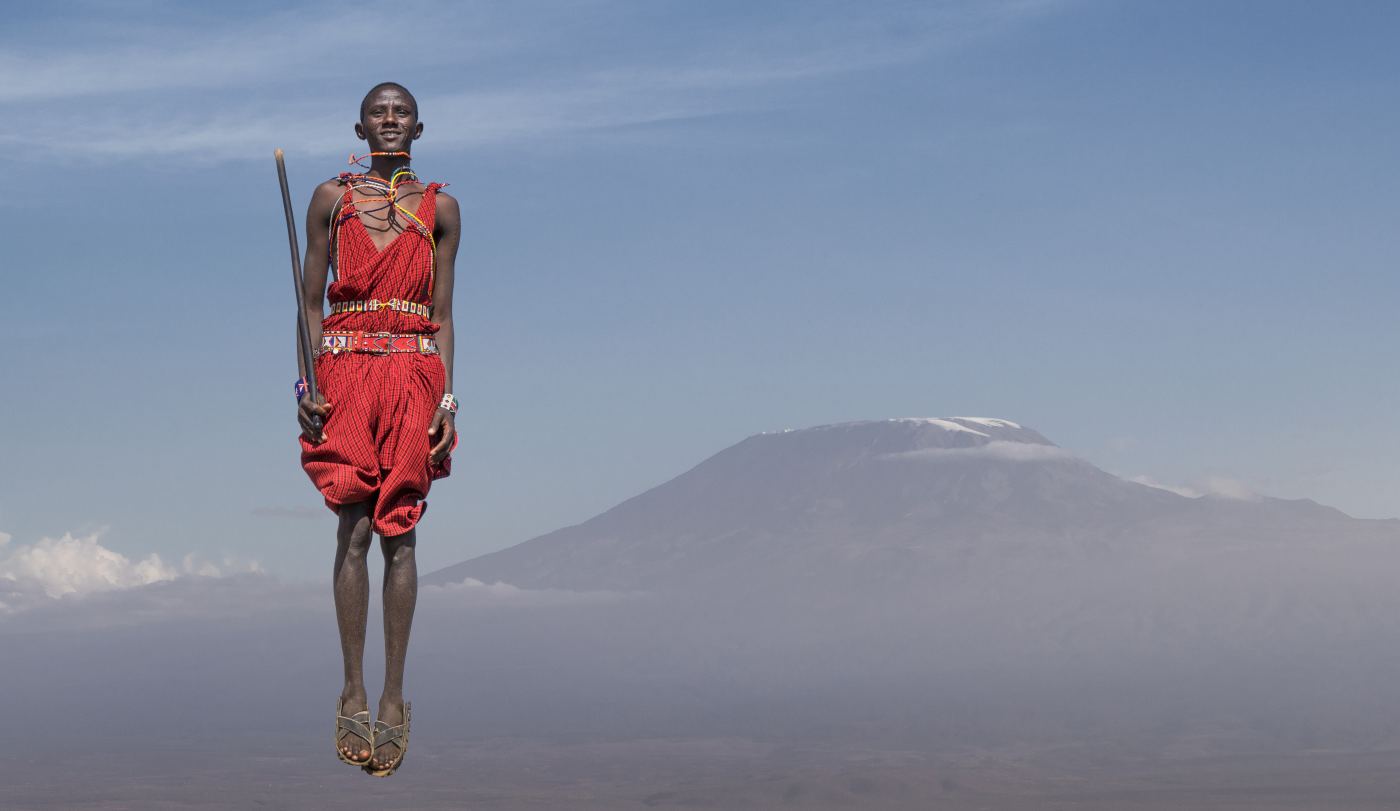
Arusha hotels: the safari gateway
Almost every northern circuit safari begins and ends in Arusha, the busy, green town beneath Mount Meru that serves Kilimanjaro International Airport. Most travellers spend one night here before the safari and sometimes one after, which shapes how you should choose. You do not need a resort; you need a comfortable, secure Tanzania hotel with reliable hot water, good food, fast Wi-Fi to reassure the family back home, and easy access for your safari vehicle in the morning. Arusha hotels cluster into lodges set in coffee plantations on the outskirts and smaller boutique hotel options closer to the town centre.
In 2026, realistic Arusha prices run from around 40 to 80 US dollars for a clean guesthouse, 100 to 180 dollars for the solid mid-range lodges most of our guests use, and 250 to 450 dollars for the famous coffee-estate properties with pools and manicured gardens. Our honest advice is to spend modestly here: you arrive in the evening, leave after breakfast, and every dollar saved in Arusha buys noticeably better accommodation inside the parks, where you spend far more waking hours. The exception is a rest day before Kilimanjaro trekking or after a long safari, when a garden lodge earns its keep.
Day rooms and night flights: the Arusha trick
Here is a piece of local knowledge that saves both money and misery. Most international flights out of Kilimanjaro depart late in the evening, while safari vehicles return to Arusha by mid-afternoon, leaving an awkward six-hour gap in which travellers are dusty, tired and homeless. The answer is a day room: many Arusha hotels sell rooms from roughly midday to 6pm at half the overnight rate, typically 50 to 90 dollars, giving you a shower, a rest, a proper meal and somewhere to repack before the airport transfer. We build day rooms into itineraries automatically, and guests are always grateful.
The same logic applies in reverse on arrival. Flights from Europe and the Middle East often land at Kilimanjaro late at night, and there is no sense starting a safari on four hours of sleep. A full first night in Arusha, with a relaxed morning departure, makes the opening day in Tarangire or Lake Manyara vastly more enjoyable. If your flight lands before noon, however, you can drive straight to Tarangire and be watching elephants by mid-afternoon — one of several routing decisions where a good operator earns their fee before the safari has even begun.
On safari: lodges, tented camps and what you are really booking
Once you enter the parks, the word hotel gives way to safari lodge and tented camp, and the booking logic changes completely. Tanzania safari lodges are almost never sold as a room-only rate; they come as part of a package that bundles full board, game drives, a private vehicle and guide, park fees and transfers. This is why comparing a lodge's notional nightly rate with a city hotel is meaningless. What matters is the total daily cost of the safari and, crucially, the location — a modest camp deep inside the Serengeti beats a palatial lodge an hour from the wildlife every single time.
Accommodation on safari falls into three broad styles. Permanent lodges are solid buildings with pools and large dining rooms, ideal for families and first-timers who want familiar comforts. Permanent tented camps offer spacious canvas rooms on decks with full en-suite bathrooms — the classic safari aesthetic with hotel-level comfort. Mobile and seasonal camps move with the wildebeest migration and put you closest to the action with the smallest footprint. Each has passionate devotees, and our guide comparing camps vs lodges goes deeper, but most itineraries sensibly mix two or three styles across the route.
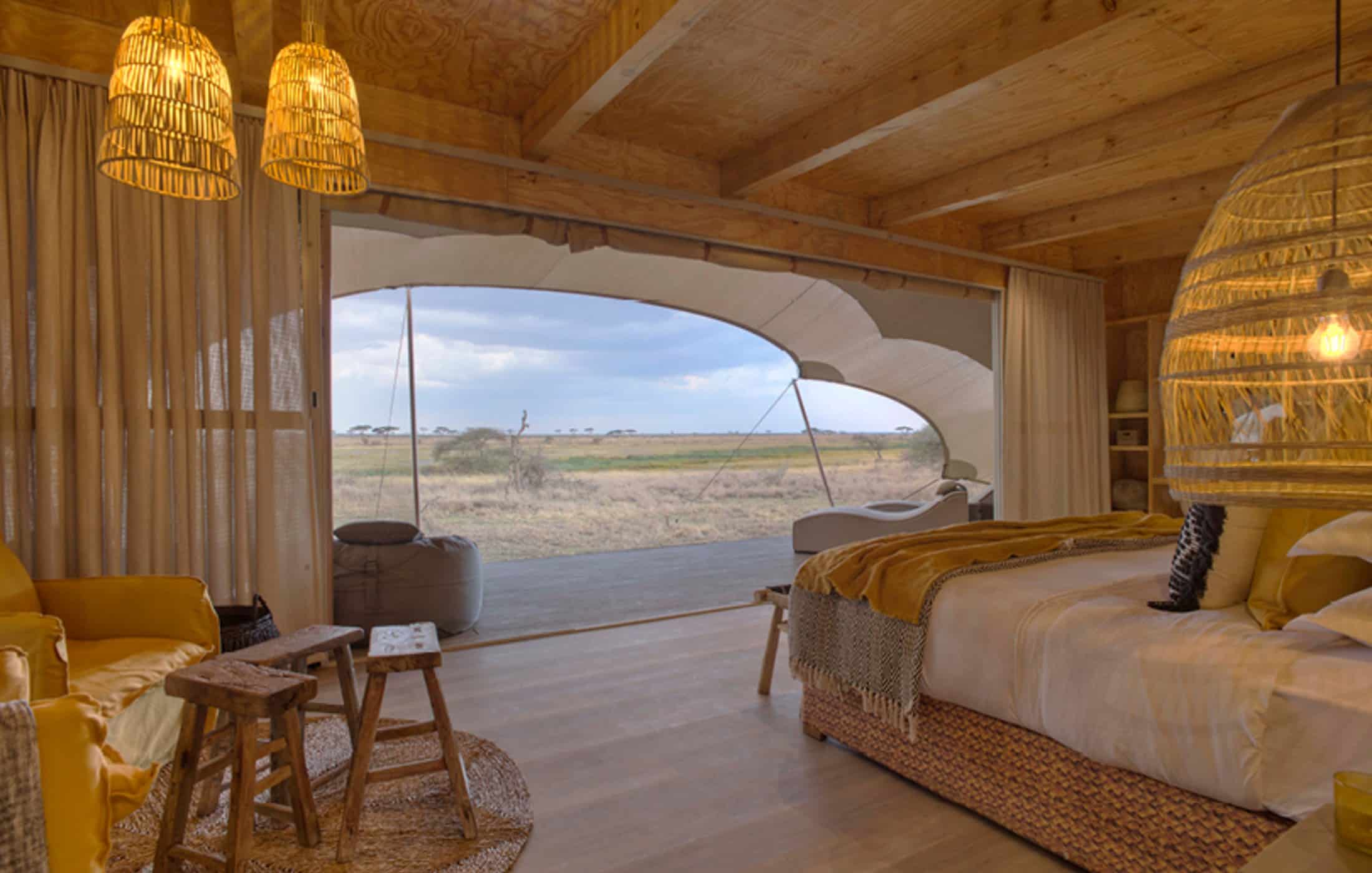
Realistic 2026 safari price bands
Speaking plainly about money: in 2026, a budget safari using public campsites and simple bandas runs around 200 to 300 dollars per person per night all-inclusive. Mid-range safari lodges and tented camps — where most of our guests are happiest — put the full package at roughly 350 to 600 dollars per person per night. Luxury camps and lodges, with their private plunge pools, superb guiding and champagne sundowners, take the all-in figure to 800 to 1,500 dollars and beyond in peak season. These figures include park fees of 70 to 80 dollars per day, which surprises travellers comparing quotes.
Season moves these numbers substantially. July to October and the Christmas fortnight are peak, when the best properties charge full rates and sell out six to twelve months ahead. The green season, from November to May excluding the holidays, brings discounts of 20 to 40 per cent at many lodges, along with dramatic skies, newborn animals and far fewer vehicles. April and May are the long rains and the cheapest months of all, with some camps closing but the ones that stay open offering remarkable value. Our full guide on where to stay for safari maps the options park by park.
Dar es Salaam: when you need a city hotel and when you don't
Dar es Salaam is Tanzania's largest city and busiest airport, and whether you need a hotel there depends entirely on your routing. Travellers flying the classic northern circuit through Kilimanjaro can skip Dar entirely. But if you are connecting to the southern parks of Nyerere and Ruaha, or catching a morning flight to Zanzibar after a late international arrival, a night in Dar es Salaam becomes necessary. The city has a solid stock of international business hotels on the waterfront and around the Msasani peninsula, with reliable rooms in 2026 running 90 to 200 dollars.
Treat Dar as functional rather than a destination. Choose a hotel close to the airport or with easy expressway access, confirm an early breakfast if you have a dawn flight to the parks, and pre-arrange the transfer, because arriving at Julius Nyerere International without a driver booked means negotiating taxis at midnight. For travellers with a genuine free day, the fish market, the National Museum and a seafood dinner on the peninsula fill it pleasantly, but nobody should sacrifice a night in the Serengeti or on a Zanzibar beach for an extra night in the city.
Zanzibar: Stone Town, east coast or the north?
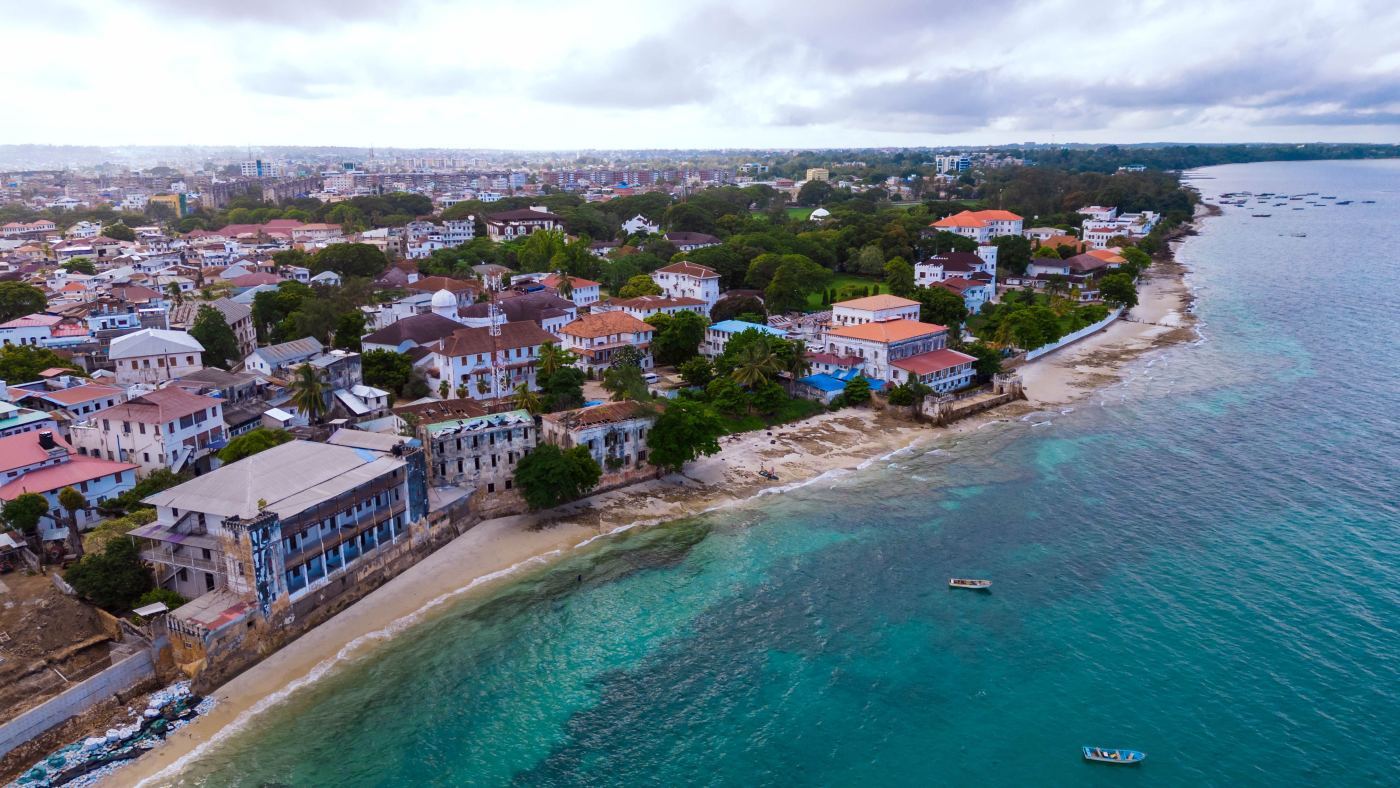
Zanzibar is where most Tanzania vacations end, and the island genuinely offers three different holidays depending on where you sleep. Stone Town, the UNESCO-listed old quarter, is for atmosphere rather than beaches: carved doors, spice markets, rooftop restaurants and boutique hotel conversions of merchant houses with 2026 rates of roughly 100 to 250 dollars. One or two nights here at the start of your beach stay is the sweet spot — enough for a spice tour, a Prison Island trip and a sunset dhow cruise, before the narrow streets and evening bustle send you off to the coast for quiet.
The east coast, from Paje through Bwejuu to Michamvi and Matemwe, has the postcard beaches: blinding white sand, turquoise water and a barrier reef offshore. The trade-off is a dramatic tide that retreats hundreds of metres twice daily, which delights kitesurfers and reef-walkers but frustrates dedicated swimmers. East coast lodges range from barefoot bungalows at 80 to 150 dollars to a serious luxury zanzibar beach resort at 400 to 900 dollars per night. The north, around Nungwi and Kendwa, barely tides at all, so you can swim at any hour, and it hosts the island's biggest resorts and liveliest evening scene.
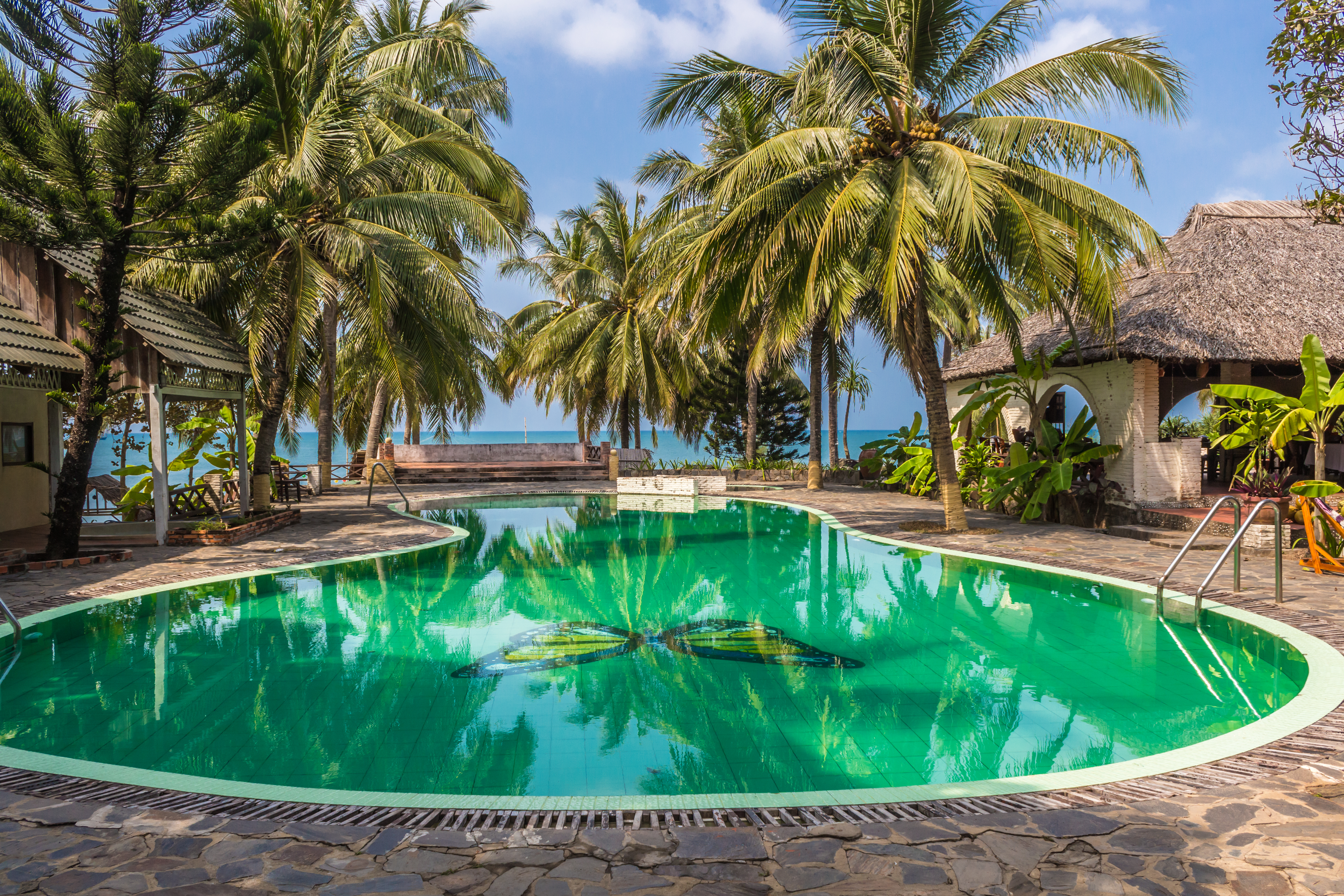
Our honest steer: swimmers, honeymooners who want all-day water and travellers who like a bit of buzz should go north; those seeking quiet, kitesurfing or the most photogenic sand should go east; and everyone should give Stone Town at least one night. Season matters here too — the north-east monsoon from December to February brings hot, calm weather, June to October is dry and breezy, and April and May are rainy and best avoided. Our Zanzibar page covers the areas in more detail, and we can pair any resort with any safari seamlessly.
Booking tips that save money and headaches
A few hard-won rules from two decades of booking Tanzania hotels for guests. Book the safari first and fit the city and beach nights around it, because safari lodges have the least capacity and sell out earliest — the reverse order leaves you rebuilding the whole trip. Confirm that quotes include park fees, taxes and transfers, as these routinely add 25 per cent to a price that looked cheap. Check the property's actual location on a map, since names like Serengeti View can sit an hour from the gate. And in Zanzibar, verify the tide situation before falling in love with photographs.
Payment and paperwork deserve attention too. Many smaller lodges and camps cannot process cards on site, so settle balances in advance through your operator; carry some US dollars in cash, printed after 2009, for tips and extras. Reconfirm internal flights, as the light aircraft linking Arusha, the Serengeti airstrips and Zanzibar adjust schedules with demand. Finally, travel insurance covering medical evacuation is essential for the parks. None of this is difficult when someone local handles it — which is precisely the argument for booking the whole chain of accommodation through one operator rather than assembling it yourself.
- Arusha — spend modestly, one night each side of safari, day room before night flights
- On safari — location beats luxury, packages include meals, guide and park fees
- Budget 200–300, mid-range 350–600, luxury 800+ dollars per person per night all-in
- Dar es Salaam — only if routing south or connecting, 90–200 dollars
- Zanzibar — Stone Town for culture, east coast for scenery and kitesurfing, north for swimming
- Book the safari legs first; beach and city nights are easy to add
Plan every night: see our guides on where to stay for safari and camps vs lodges, browse our safari accommodation, or explore Zanzibar — then plan your safari with us.
Related: how to check a tour operator in Arusha.
See also our guide to the Amboseli to Arusha crossing day.
See also our guide: Best African safari resorts: luxury stays worth flying for.
Related reading: Tanzania resorts: beach, bush and everything between.
How packages bundle it all together
The simplest way to handle this three-part puzzle is a single packaged itinerary, which is how the vast majority of Tanzania vacations are actually booked. A typical ten-day package might run: one night in an Arusha garden lodge, two nights at a Tarangire tented camp, one on the Ngorongoro Crater rim, three in the central Serengeti, then a flight to the island for three nights at a Zanzibar beach resort, with every transfer, flight, meal plan and park fee threaded together. Booked as one itinerary, the pieces are guaranteed to connect — no orphaned nights, no impossible drive times, no missed flights.
Packages also unlock pricing that independent booking cannot reach. Operators hold contracted rates with safari lodges and beach resorts well below public prices, and bundling lets those savings offset the fixed costs of vehicle and guide. Just as importantly, one operator carries responsibility for the whole chain: if weather delays a bush flight, we rebook the beach hotel while you are still in the air. That safety net, invisible until you need it, is the real difference between a string of hotel reservations and a properly organised trip through a country where logistics reward local knowledge.
A Tanzania trip is three holidays in one — city, bush and beach — and the secret is booking them as a single, connected chain rather than a pile of separate reservations.
We book every night, from city to bush to beach
This is exactly what we do at Sokwe Africa Safaris: we book every night of your trip — city, bush and beach — in one seamless itinerary, from your first Arusha hotel through the safari lodges and camps of the Serengeti and Ngorongoro to a final barefoot week on Zanzibar. Because we are based in Arusha, we know these properties first-hand, we hold rates you will not find online, and we sequence the logistics so every night simply works. Tell us your dates, your budget band and the kind of trip you dream of, and contact us today — we will send a complete, honestly priced itinerary within a day or two.
Plan your Tanzania trip with Sokwe Africa Safaris