
The Right Address Changes Everything
In the world of luxury safari travel, where you stay is not simply a logistical detail — it is the single decision that most powerfully determines the character of the entire experience. The camp or lodge that a traveller chooses in Tanzania defines what they see each morning when they open the canvas flap of their tent, how far they are from the wildlife that brought them there, how intimate or shared their game drives will be, what activities are available to them, and how deeply they will feel the specific quality of the wilderness they have come to inhabit. Two travellers visiting Tanzania in the same week, staying in different properties, can return home with experiences so different in texture and intensity that they might be describing entirely separate countries.
Tanzania is a vast and ecologically diverse safari destination, and its accommodation landscape reflects that diversity in full. From the mobile camps that follow the wildebeest migration across the Serengeti plains to the dramatic crater rim lodges of Ngorongoro, from the intimate twelve-guest bush camps of Ruaha to the open-air tree houses of Tarangire — the range of where to stay in Tanzania for safari is extraordinary, and navigating it intelligently requires both geographical knowledge and an understanding of what each area and property is genuinely best at. This guide provides that knowledge, area by area, with honest assessments of what each destination offers and the kinds of travellers who will find it most rewarding.
The Serengeti: Tanzania's Greatest Safari Address
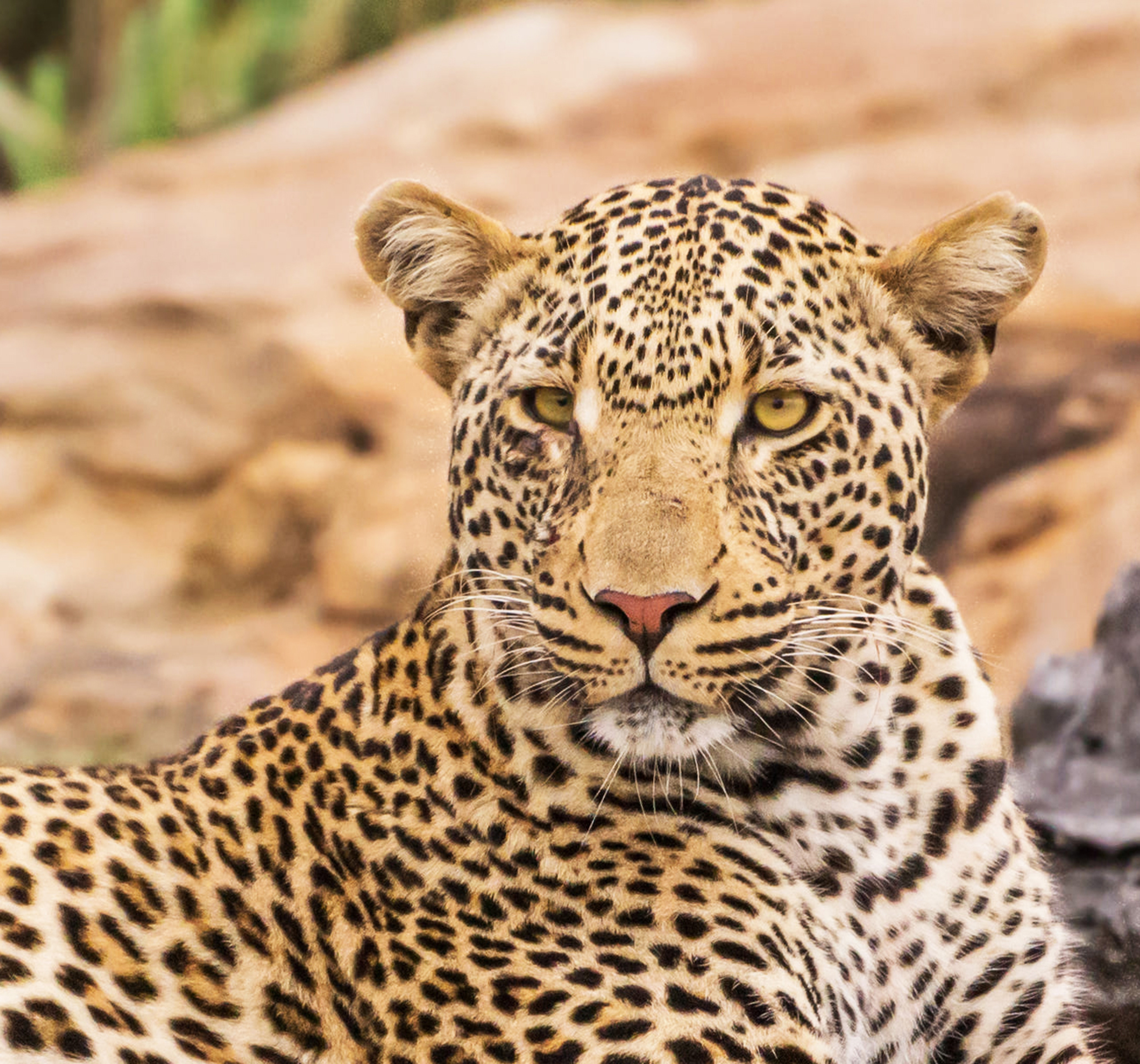
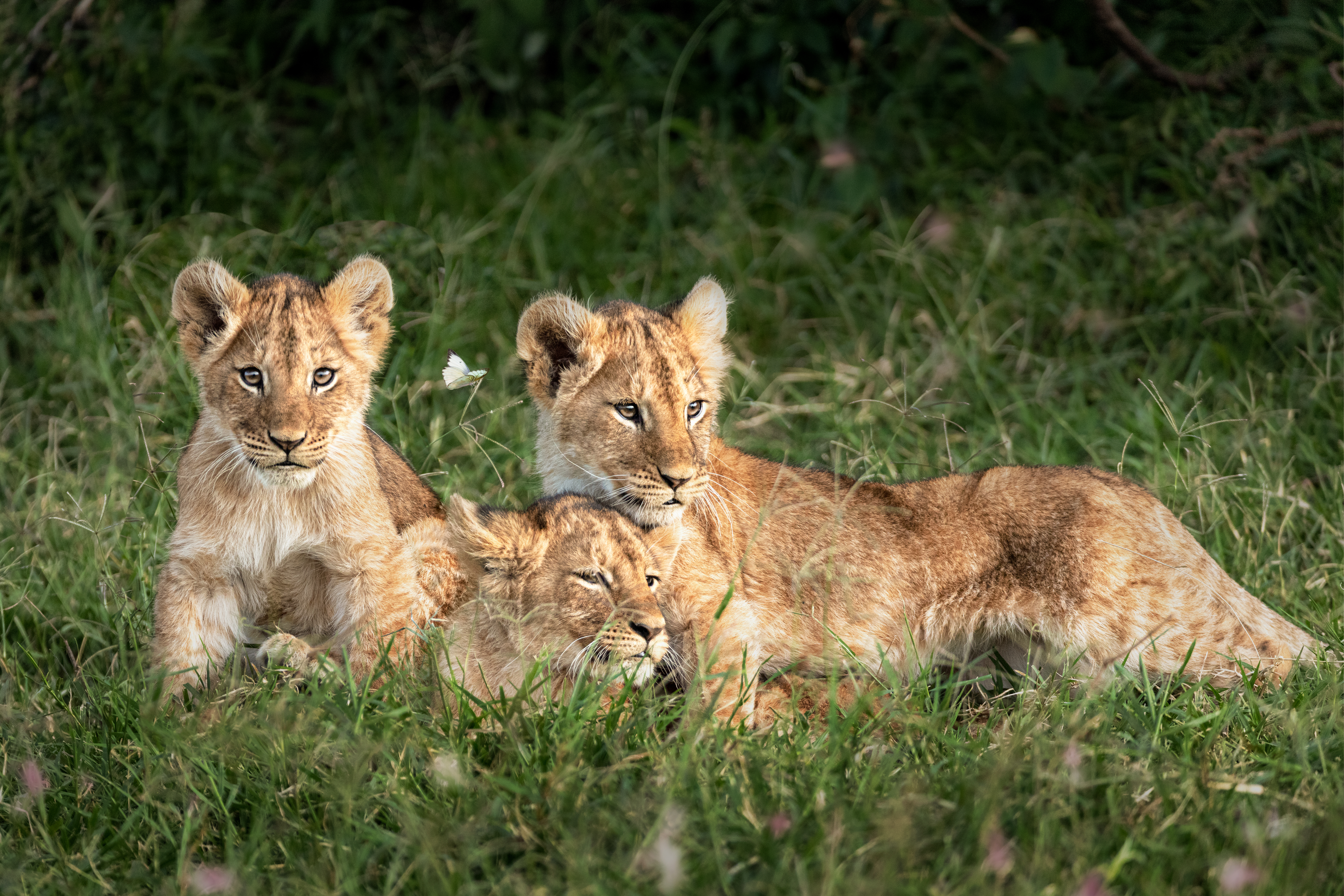
The Serengeti National Park is where most travellers begin when thinking about where to stay in Tanzania for safari, and for very good reason. This 14,763-square-kilometre expanse of open grassland, kopje-studded plains, and riverine woodland is the setting for the world's greatest wildlife spectacle — the annual Great Wildebeest Migration — and it supports year-round populations of lion, leopard, cheetah, elephant, buffalo, wild dog, and hundreds of bird species that make it one of the most rewarding game-viewing areas on earth even outside migration season. The question for the luxury traveller is not whether to include the Serengeti, but where within it to stay — and that question is more important and nuanced than it might initially appear.
The Serengeti divides naturally into distinct zones, each offering a different experience at different times of year. The southern Serengeti — particularly the Ndutu plains on the border with the Ngorongoro Conservation Area — is the destination from December through March, when the calving season brings wildebeest, zebra, and gazelle in vast concentrations and the predator activity they generate reaches its annual peak. The central Serengeti, around Seronera, offers year-round wildlife viewing and is home to a well-established population of resident leopards in the riverine fig trees. The western corridor hosts the Grumeti River crossings in June and July. The northern Serengeti's Lamai and Lobo areas are the destination from July through October, when the Mara River crossings define the migration experience and game concentrations are at their most dramatic. Staying in the right zone at the right time is the foundation of a great Serengeti safari.
Where to Stay in the Serengeti
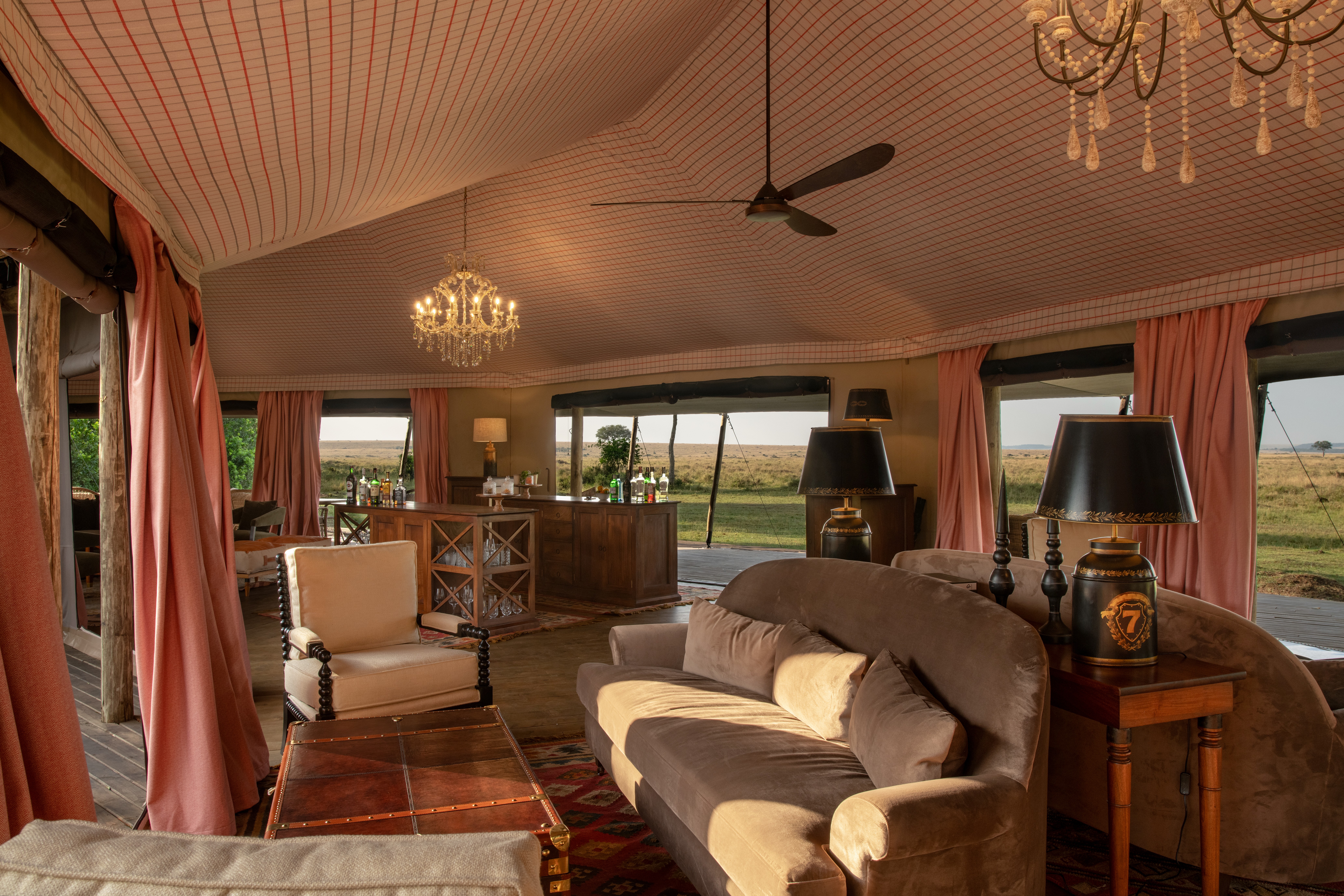
Within the Serengeti, the finest luxury accommodation occupies either private concessions outside the national park boundaries or prime locations within the park itself. Private concession camps — positioned on the Grumeti Reserves, the Singita concession, and other exclusive wildlife management areas adjacent to the park — offer the most complete luxury safari experience: exclusive territory with no other vehicles, the full range of activities including off-road driving and night game drives, and a level of personalised service and exclusivity that the public park cannot match. These properties are among the most celebrated luxury safari camps in the world, and their waiting lists during peak season reflect their reputation.
Within the national park itself, the finest permanent camps occupy locations of extraordinary natural advantage — elevated kopje positions with panoramic views across the plains, riverine settings where resident wildlife gathers year-round, and northern positions that place guests within reach of the Mara River crossing sites during peak migration season. Mobile camps — the most experientially pure way to follow the migration — are erected and dismantled seasonally to place guests in the optimal location as the herds move, and represent the finest integration of comfort and wild immediacy available anywhere in Tanzania.
Ngorongoro: The World's Most Dramatic Safari Setting
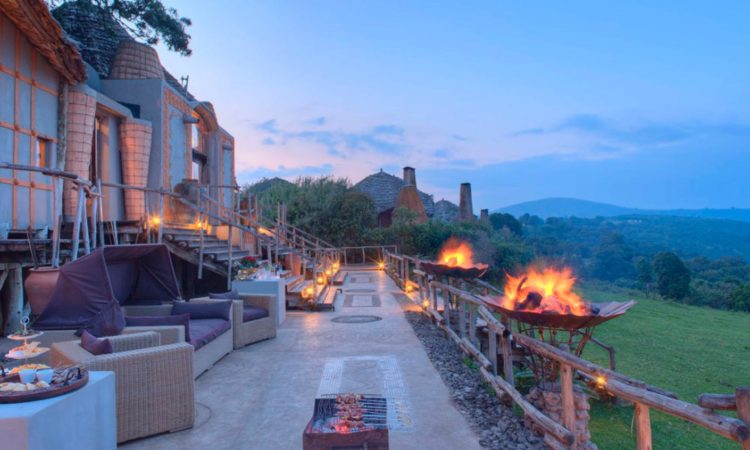
The Ngorongoro Conservation Area, and specifically the rim and floor of the Ngorongoro Crater itself, offers a safari experience that is fundamentally unlike anything else in Tanzania — or indeed anywhere in the world. The crater is a collapsed volcanic caldera twelve kilometres in diameter, its floor sitting 600 metres below the rim, and within that enclosed world lives one of the most extraordinary concentrations of wildlife on earth: approximately 25,000 large mammals including lion, leopard, hyena, elephant, hippo, flamingo, and — most significantly — one of Africa's last significant populations of black rhinoceros, a species reduced to critical numbers elsewhere on the continent.
Where to stay in the Ngorongoro area comes down to a choice between crater rim lodges — which offer the theatrical experience of looking down into the caldera from elevation, with the mist rising from the forest below at dawn — and lodges within the Conservation Area that position guests closer to the access road down to the crater floor. The rim lodges are among the most dramatically situated hotels anywhere in Africa, combining genuine luxury with a setting of geological grandeur that cannot be replicated. Waking at altitude with the crater spread below, descending each morning through montane forest to game drive on the extraordinary floor, and returning to a warm shower and a sundowner on the rim as night falls over the caldera — this is the Ngorongoro experience at its finest, and it rewards at least two nights of dedicated stay.
Tarangire National Park: Tanzania's Underrated Treasure
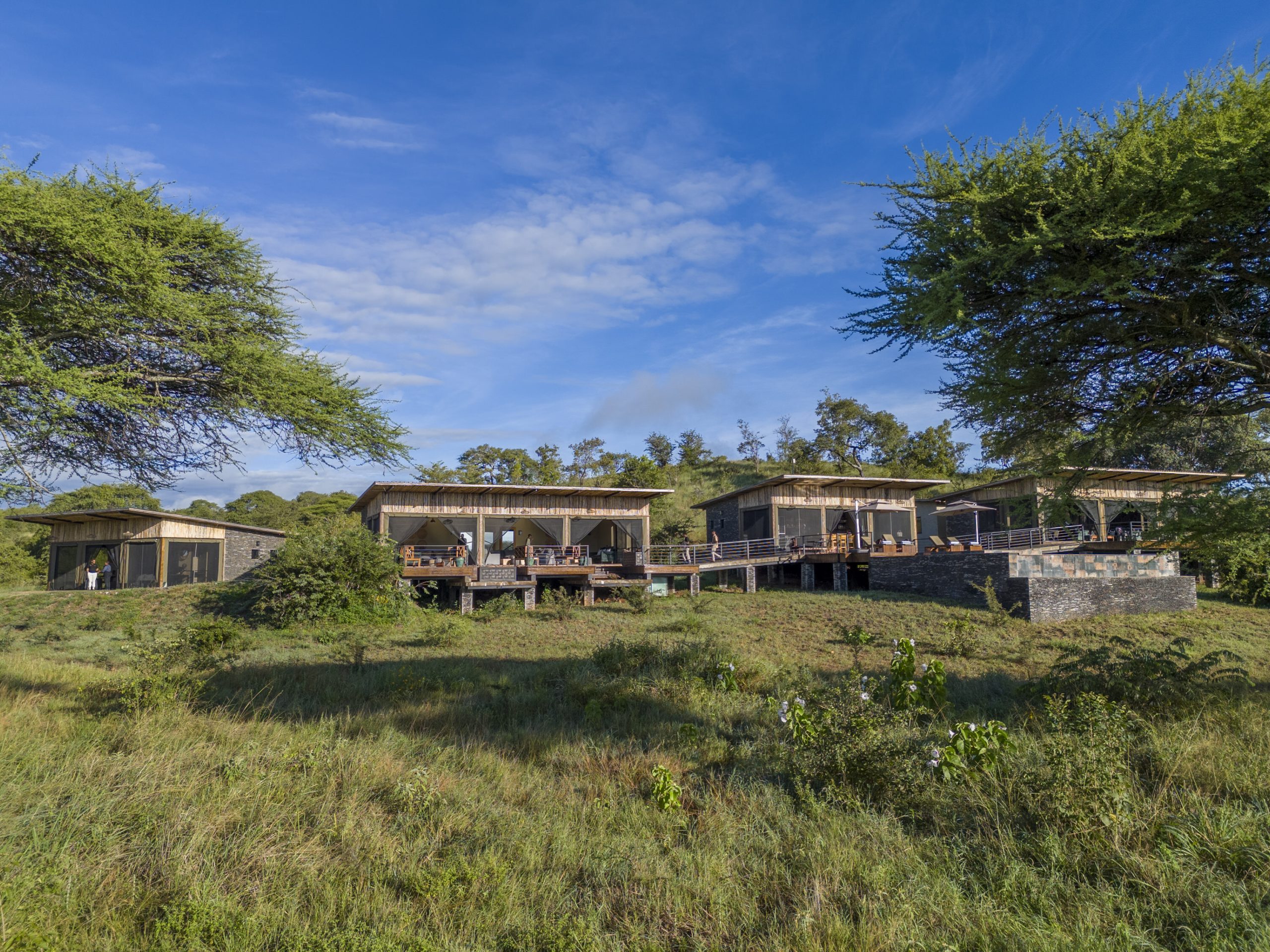
Tarangire National Park occupies a curious position in the Tanzania safari hierarchy — widely acknowledged by experienced safari travellers as one of East Africa's finest wildlife destinations, yet consistently underestimated by first-time visitors drawn to the more famous names of the Serengeti and Ngorongoro. This underestimation is an opportunity. During the dry season from June through October, Tarangire supports one of Africa's great elephant spectacles — herds of fifty, one hundred, even two hundred animals converging on the Tarangire River, which provides the only permanent water in the area as the surrounding landscape dries. The density and intimacy of the elephant viewing during this period is surpassed nowhere else in Tanzania.
The landscape of Tarangire is also among the most visually distinctive in East Africa — a semi-arid environment of ancient baobab trees, commiphora scrub, and red-earthed riverbeds that provides a completely different visual palette from the open Serengeti plains or the lush Ngorongoro highlands. Beyond elephants, Tarangire supports large populations of buffalo, wildebeest, zebra, giraffe, and an exceptional diversity of raptors and other birds. Where to stay in Tarangire for the finest luxury experience centres on properties positioned along the Tarangire River itself — camps where elephants and other wildlife pass through the camp boundaries as a matter of daily routine, and where the boundary between accommodation and wilderness is delightfully unclear.
Lake Manyara: A Short Stay With Outsized Rewards
Lake Manyara National Park is typically included in the northern circuit as a shorter stop of one to two nights, positioned between Arusha and Ngorongoro on the overland route or as a charter flight destination in its own right. Its reputation rests on three distinctive features: the tree-climbing lions of the groundwater forest — a behaviour observed here and in very few other locations in East Africa; the flamingo gatherings on the alkaline lake shore, which at peak season paint the water pink for kilometres; and the dense, lush vegetation of the forest zone that produces a completely different visual experience from the open-country parks.
Accommodation in the Manyara area ranges from crater rim properties with views across the lake and the Rift Valley escarpment to lodges within the Conservation Area adjacent to the park. For the luxury traveller, a single night in a well-positioned Manyara property — with an afternoon game drive to search for the tree-climbing lions and an evening at elevation watching the sun descend over the Rift Valley — provides a perfect transitional experience between Arusha and the deeper safari circuit to the west and south.
Ruaha National Park: Tanzania's Wild South
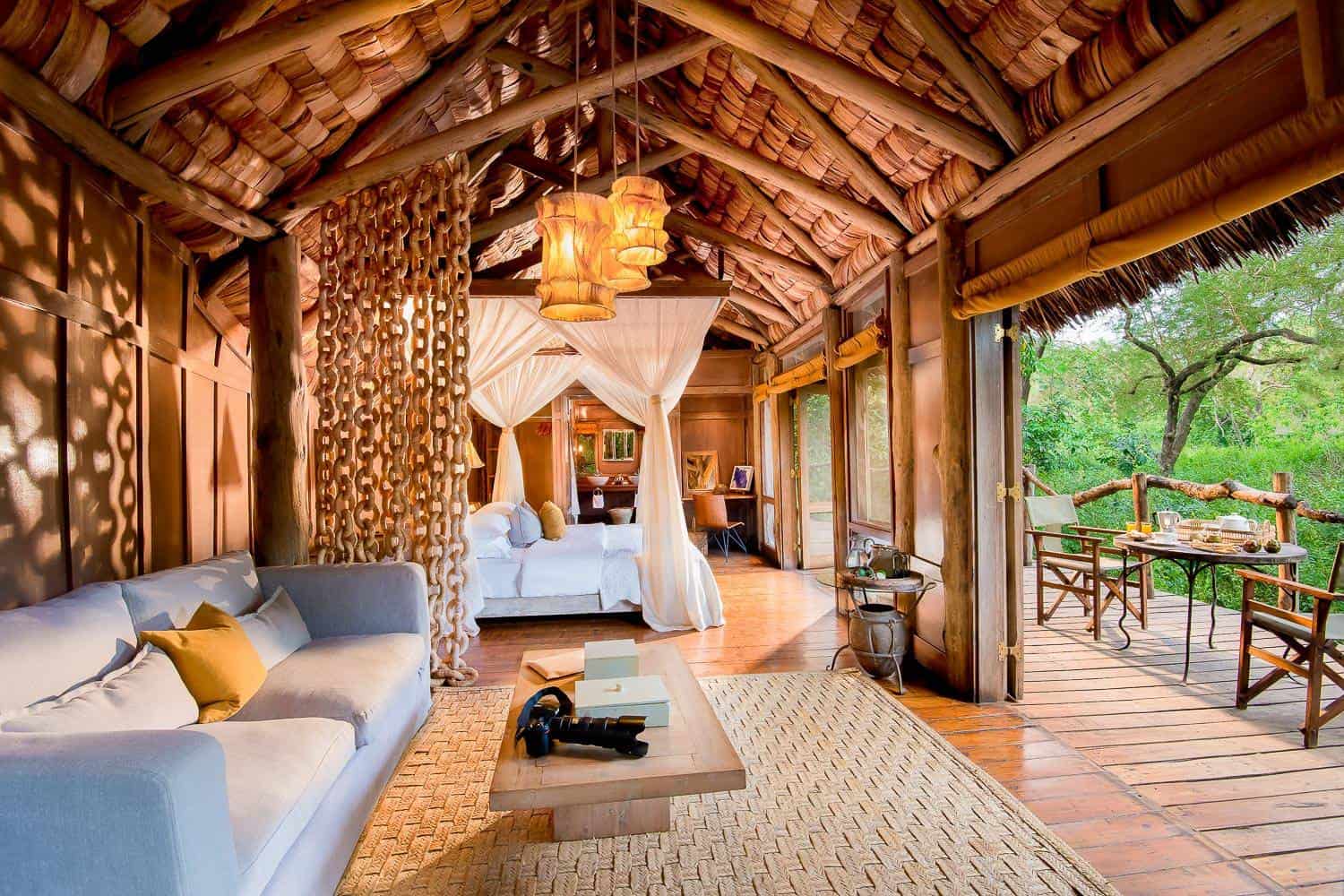
Ruaha National Park is Tanzania's largest protected area and one of Africa's most compelling wilderness destinations — a fact that remains, for now, largely unknown outside the community of experienced safari travellers who return to it repeatedly. Its relative obscurity is the source of its primary appeal: Ruaha receives a fraction of the visitor numbers of the Serengeti, operates a much smaller number of luxury camps, and as a result delivers a quality of wilderness solitude and exclusivity that the northern circuit cannot consistently match during peak season. A full day in Ruaha might produce the tracks of an entire vehicle convoy in the Serengeti — a single set, belonging to one other camp's vehicle, seen once at a distance.
The wildlife of Ruaha is distinct from the northern circuit in several significant respects. Greater kudu, roan antelope, sable antelope, and wild dog — species that are either absent or rarely seen in the Serengeti ecosystem — are regular sightings here. The elephant population of Ruaha is one of Tanzania's largest, and the buffalo herds that gather along the Great Ruaha River during the dry season create extraordinary predator-prey dynamics that generate some of the most intense lion activity anywhere in Tanzania. Where to stay in Ruaha for the finest luxury experience means choosing from a small number of exceptional camps positioned along the river or on elevated positions above it — properties where the guiding is outstanding, the guest numbers are small, and the sense of being genuinely alone in wild Africa is real and daily.
Ruaha does not perform for you. It simply exists, on its own vast terms, and invites you to pay attention. For the traveller willing to accept that invitation, it is among the most rewarding safari experiences on earth.
Nyerere National Park (Selous): Boat Safaris and Southern Solitude
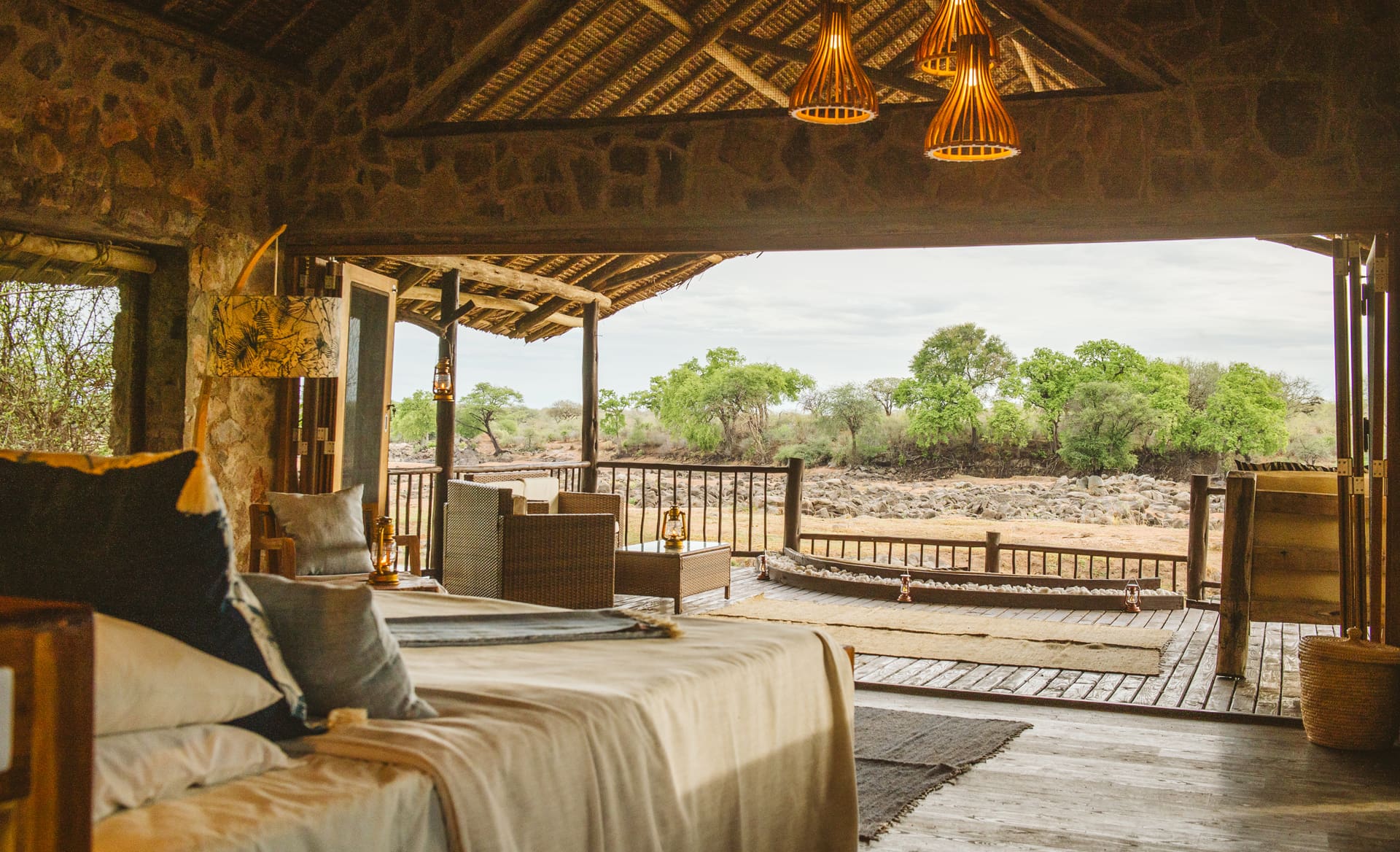
Nyerere National Park — formerly and still commonly known as the Selous Game Reserve — is one of the largest protected areas in Africa and a UNESCO World Heritage Site of exceptional wildlife and ecological significance. Positioned in Tanzania's south, it is accessible by charter flight from Dar es Salaam in approximately forty-five minutes and represents one of the most distinctive safari experiences in East Africa — distinctive primarily because of what it offers that no northern circuit park can: boat safaris on the Rufiji River, one of Tanzania's great waterways, where hippo, crocodile, elephant, and an extraordinary variety of waterbirds can be observed from the water's surface in a way that land-based game viewing cannot replicate.
The luxury accommodation in Nyerere is deliberately limited — the park's UNESCO status and management philosophy prioritise low-impact, high-value tourism — and the camps that operate within it are among the most intimate and atmospherically wild in Tanzania. The combination of boat safari, walking safari with armed ranger, and traditional vehicle game drive gives Nyerere a breadth of activity that the northern parks cannot fully match, and the absence of crowds — even during peak season — gives the entire experience a quality of rawness and authenticity that appeals deeply to experienced safari travellers who have already encountered the more visited north.
Zanzibar: Where the Safari Ends and the Ocean Begins
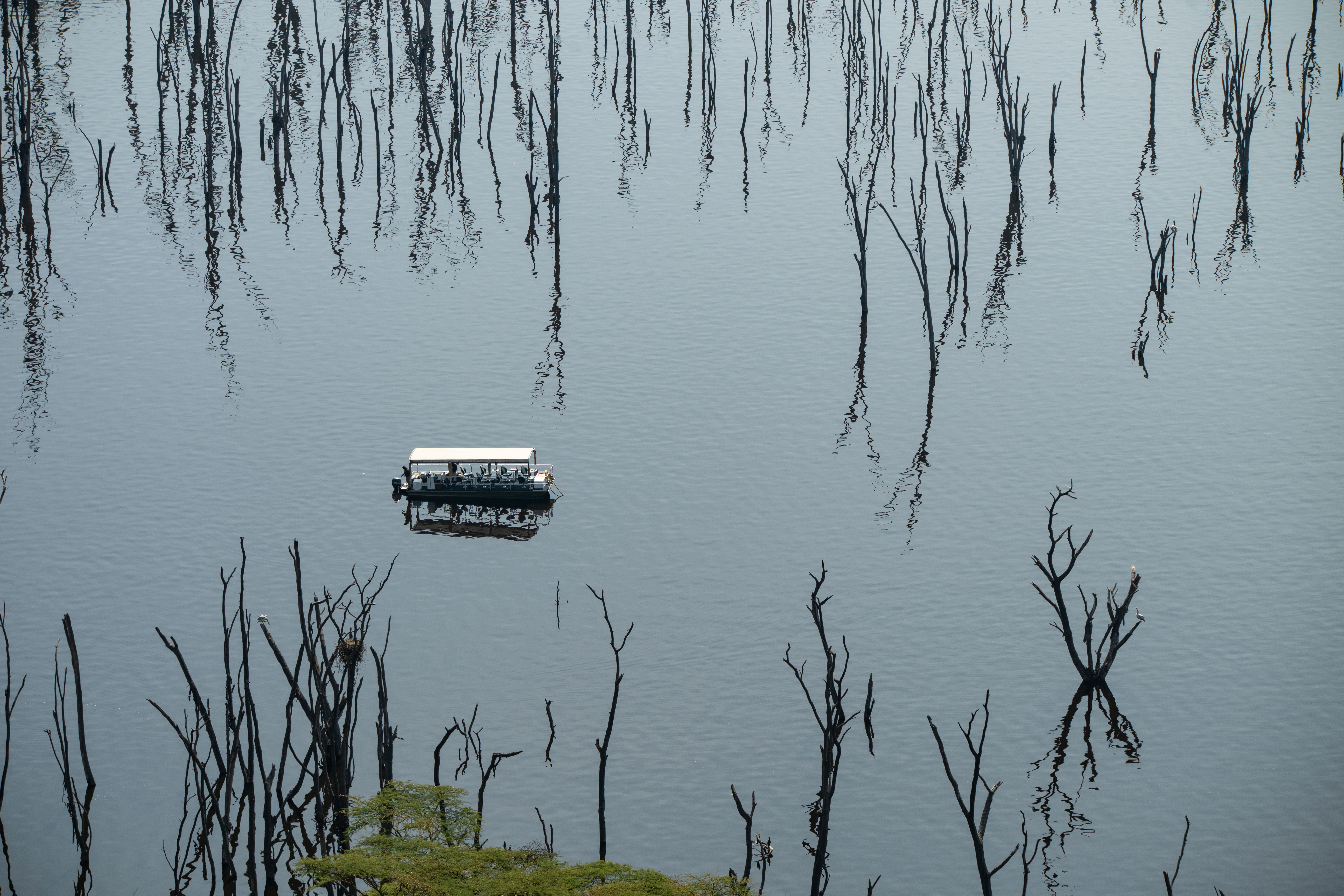
No guide to where to stay in Tanzania for safari is complete without addressing Zanzibar — not as an afterthought but as an integral and essential element of the full Tanzania experience. The island is positioned forty kilometres off the Tanzanian coast and is accessible by light aircraft from any mainland airstrip in approximately one hour, making it the natural and deeply satisfying conclusion to any northern or southern circuit safari. The contrast between the red dust and open skies of the Serengeti and the turquoise shallows and white sand of Zanzibar's northern coast is total, deliberate, and profoundly restorative.
Where to stay in Zanzibar for the luxury traveller depends on priorities. Stone Town — the UNESCO-listed historic capital — is best experienced for two nights in a heritage boutique hotel, with guided exploration of the labyrinthine old quarter and evenings on the rooftop restaurants overlooking the dhow harbour. The northern beaches of Nungwi and Kendwa offer the finest combination of swimming conditions, luxury beach resort accommodation, and sunset views. For absolute exclusivity, Mnemba Island — a tiny private coral island accessible only by dhow and home to one of Tanzania's most celebrated boutique lodges — provides an Indian Ocean experience of rare beauty and complete seclusion that forms the ultimate conclusion to a Tanzania safari.
Explore our handpicked selection of Tanzania's finest camps across every area on our Luxury Tanzania Safari page — each property personally known to our team and matched carefully to the traveller.
For a fully bespoke itinerary combining the best areas and lodges in Tanzania, visit our Private Tanzania Safari page and speak with a specialist.
We cover this further in our Kenya and Tanzania luxury safari.
More on this in our luxury Serengeti safari.
If you are weighing this up, see our what a safari costs per person.
More on this in Best African safari resorts: luxury stays worth flying for.
If you are planning this route, read What to Expect at a Tanzania Safari Lodge, Tier by Tier.
See also our guide: Lake Manyara or Tarangire: which park should you visit? Facts, differences and how to choose.
How to Choose Between Tanzania's Safari Areas
The question of which area to prioritise in Tanzania — or which combination to build into an itinerary — has no single correct answer, because the right choice depends entirely on the specific traveller: their wildlife priorities, their sensitivity to crowds, their available time, their physical comfort level, and whether this is a first visit to Tanzania or a return journey building on previous experience. For first-time visitors with ten to fourteen nights, the northern circuit — Serengeti, Ngorongoro, and Tarangire — provides the most comprehensive and varied introduction to Tanzania's wildlife and landscapes, supported by the finest and most diverse range of luxury accommodation.
For returning visitors who have experienced the north and seek something more remote, more exclusive, and more demanding in the best possible sense, Ruaha or Nyerere in the south, combined with a northern circuit park for continuity, delivers an experience that most safari travellers describe as transformative. A combination of north and south — perhaps three nights in the Serengeti, two in Ngorongoro, and three in Ruaha, connected by charter flights — creates an itinerary of exceptional diversity within a ten-night framework that showcases Tanzania's full range without requiring the traveller to sacrifice depth for breadth. In all cases, the addition of Zanzibar at the conclusion transforms a great safari into a complete and perfectly balanced Tanzania journey.
Begin building your Tanzania stay with our Tanzania Safari and Zanzibar Package — combining the finest safari areas with the Indian Ocean's most beautiful island destination.
- Serengeti — position in the right zone for the season: south for calving, north for river crossings
- Ngorongoro — crater rim lodges deliver the most dramatic setting and the black rhino encounter
- Tarangire — the finest elephant viewing in Tanzania during the June-to-October dry season
- Lake Manyara — one to two nights for tree-climbing lions and Rift Valley escarpment views
- Ruaha — Tanzania's most remote and exclusive luxury safari experience with outstanding wildlife diversity
- Nyerere — boat safaris on the Rufiji River and walking safaris in a vast, uncrowded wilderness
- Zanzibar — the essential beach conclusion to any Tanzania safari, two to five nights depending on itinerary
- Private concession camps offer off-road driving and night drives unavailable inside national parks
- Combine north and south circuits for the most complete Tanzania safari experience available
FAQs: Where to Stay in Tanzania for Safari
Frequently asked questions
What is the best area to stay in Tanzania for a first safari?
The northern circuit — combining the Serengeti, Ngorongoro Crater, and Tarangire — is the ideal starting point for first-time visitors to Tanzania. It offers the greatest diversity of landscapes and wildlife, the widest range of luxury accommodation options, and the most accessible introduction to East African safari travel. Most specialist operators recommend a minimum of eight to ten nights across these three areas.
Should I stay inside the Serengeti or in a private concession?
Both offer exceptional experiences, but private concession camps outside the national park boundaries provide significant advantages: exclusive wildlife territory with no other vehicles, off-road driving, night game drives, and walking safaris — all of which are restricted or unavailable inside the national park. For the luxury traveller seeking the most complete and exclusive Serengeti experience, a concession camp is the preferred choice.
How many nights should I spend in each Tanzania safari area?
As a general guideline, three to four nights in the Serengeti, two nights at Ngorongoro, and two nights in Tarangire provides a solid northern circuit foundation. Ruaha and Nyerere reward three to four nights each for a meaningful southern circuit experience. Zanzibar benefits from a minimum of three nights and ideally four to five.
What is the best lodge area for seeing the Great Migration in Tanzania?
The northern Serengeti — specifically the Lamai Wedge and Lobo areas — provides the best positioning for the Mara River crossings between July and October. The southern Serengeti near Ndutu is the best location for the calving season between December and March. Mobile camps that reposition seasonally offer the most dynamic migration-following experience.
Is Ruaha worth visiting compared to the Serengeti?
Absolutely — and most experienced safari travellers who visit both rank Ruaha among their finest East Africa experiences. Its remoteness, exclusivity, wildlife diversity including species absent from the north, and the quality of its small luxury camps make it a deeply rewarding destination for travellers who have experienced the northern circuit and seek something more demanding and less visited.
Can I combine multiple Tanzania safari areas in one trip?
Yes — and a combination itinerary is strongly recommended for travellers with ten nights or more. A northern and southern combination, connected by charter flights, provides Tanzania's full range of landscape, ecosystem, and wildlife diversity within a single journey. A specialist operator can design a seamlessly connected itinerary across multiple areas with all logistics coordinated.
Where should I stay in Tanzania for the best leopard sightings?
The central Serengeti around Seronera is consistently one of the finest areas in Africa for leopard sightings, with a well-established resident population that has adapted to safari vehicles and is reliably encountered in the riverine fig trees along the Seronera River. Private concession camps adjacent to the Serengeti also offer outstanding leopard viewing in exclusive territory.