
The Question Every Safari Traveller Asks First
How much does a Tanzania safari cost? It is the most searched question in the East African safari market, and it is also the most difficult to answer accurately without context — because the cost of a Tanzania safari varies more widely than almost any other travel experience on earth. A solo backpacker camping in a public campsite on the edge of the Serengeti and a couple occupying an exclusive-use tented villa in a private Serengeti concession are technically both on a Tanzania safari, but the financial reality of each experience differs by a factor of twenty or more. Understanding the Tanzania safari cost across its full spectrum — from the budget end through the mid-range to the luxury tier — is the foundation of intelligent safari planning.
This guide provides the most honest and detailed breakdown of Tanzania safari costs per person available for 2026. It covers what drives cost at each tier of the market, what the traveller actually gets for their money at each level, where the significant jumps in quality occur, and how to approach budgeting for a safari that delivers the experience being sought without either overspending on elements that do not matter or underspending on the ones that do.
Our complete tanzania safari cost guide goes even deeper into every line item — but this article provides the essential framework across all three market tiers.
What Drives the Cost of a Tanzania Safari?
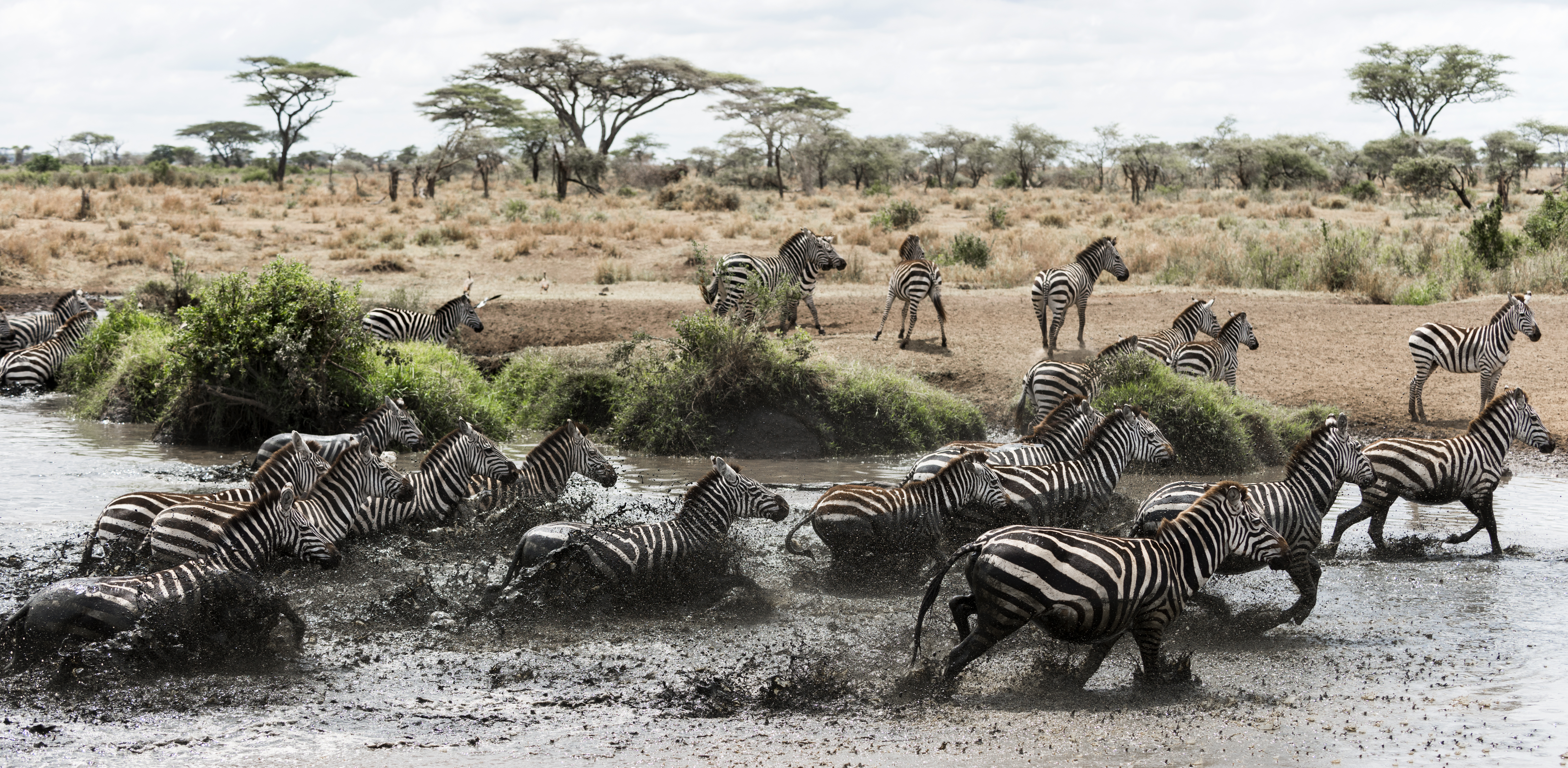
Before breaking down the specific cost tiers, it is worth understanding the factors that drive safari costs in Tanzania — because many travellers approach the safari market with the assumption that price reflects primarily accommodation quality, when in reality it reflects a more complex combination of factors. The single biggest driver of safari cost in Tanzania is the accommodation itself — the daily rate at the camp or lodge where the traveller sleeps determines the majority of the total budget. But within that accommodation cost, the price reflects not just the physical quality of the tent or room but the exclusivity of the location, the ratio of guides to guests, the range of included activities, the quality of the guiding team, and the size of the private concession or wildlife territory that the camp controls.
Conservation fees and park entry fees represent the second major cost component and one that surprises many first-time safari planners. Tanzania's national park fees are among the highest in Africa, reflecting the government's commitment to funding conservation through tourism revenue. In the Serengeti, park fees run approximately $70 to $80 per person per day for international visitors. Ngorongoro carries both a conservation area fee and a crater service fee for each vehicle descent. These fees are non-negotiable and apply regardless of which tier of safari accommodation the traveller chooses — meaning that a budget camper and a luxury guest pay the same park fees, but the luxury guest's per-night accommodation rate is significantly higher.
Transportation — domestic charter flights, road transfers, and airport connections — forms the third major cost component. For a detailed daily breakdown, read our guide on how much does a safari in tanzania cost per day.
Budget Safari in Tanzania: What to Expect
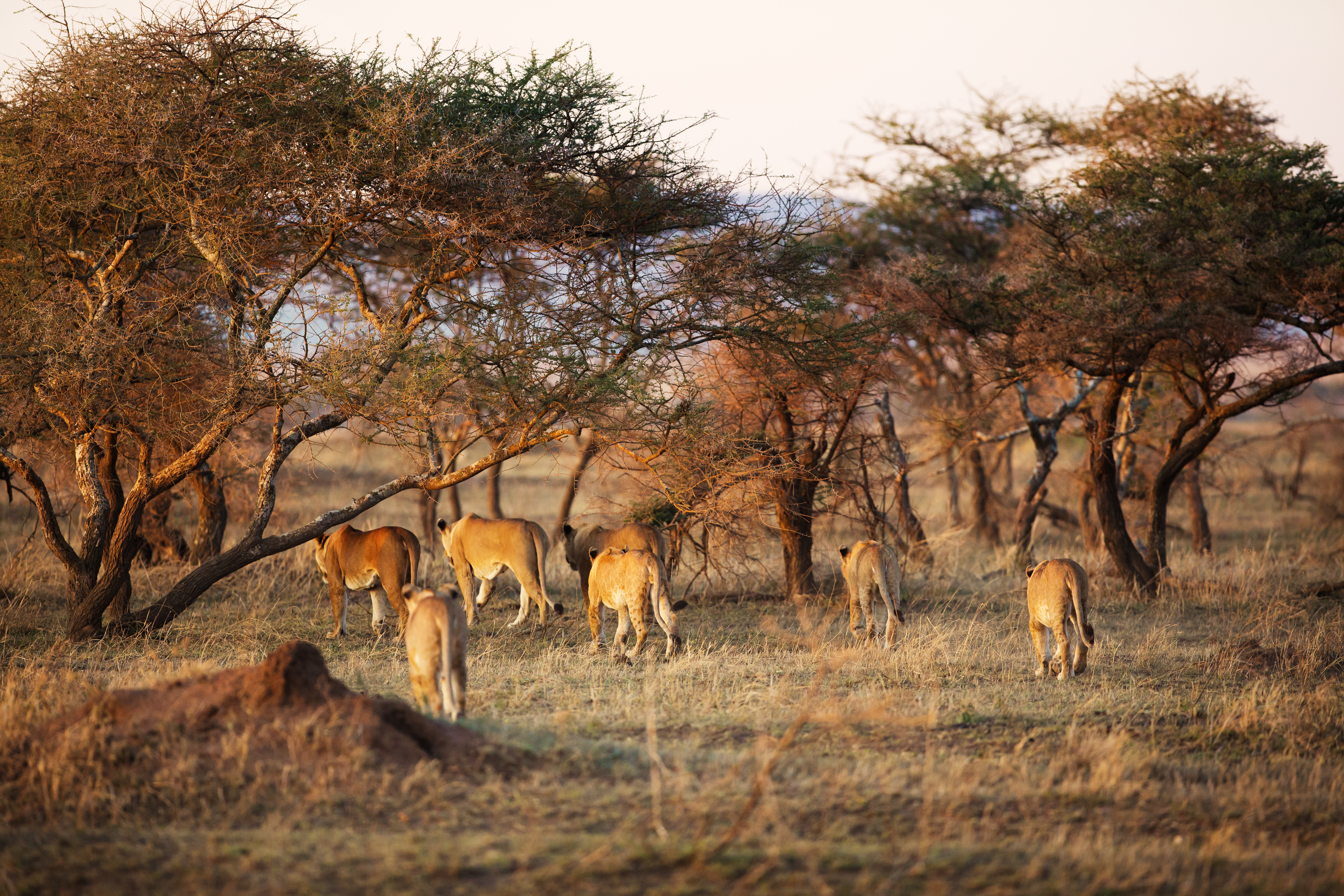
The budget tier of the Tanzania safari market — typically defined as accommodation costing under $200 per person per night — encompasses public campsites, basic guesthouses in gateway towns, and a small number of budget safari lodges with shared facilities. At this level, the traveller sleeps in a tent they have brought or hired, uses shared bathroom facilities, and joins group safari vehicles with other budget travellers for game drives conducted by drivers of varying experience levels. Park fees apply in full, meals are basic, and the level of guiding expertise is typically limited.
For a seven-night budget Tanzania safari using public campsites in the Serengeti and Ngorongoro, including shared game drives, basic meals, and road transfers from Arusha, a realistic total cost falls between $1,500 and $2,500 per person, exclusive of international flights. The wildlife of Tanzania does not discriminate on the basis of accommodation quality — a lion kill witnessed from a budget safari vehicle is exactly as extraordinary as one seen from a luxury Land Cruiser. However, the budget safari experience involves significant trade-offs: shared vehicles with strangers whose pace and priorities may differ from the traveller's own, limited flexibility to pursue specific sightings or extend game drives, basic food and accommodation, and guides who may lack the depth of ecological knowledge that defines the premium safari experience.
Mid-Range Safari in Tanzania: The Quality Jump
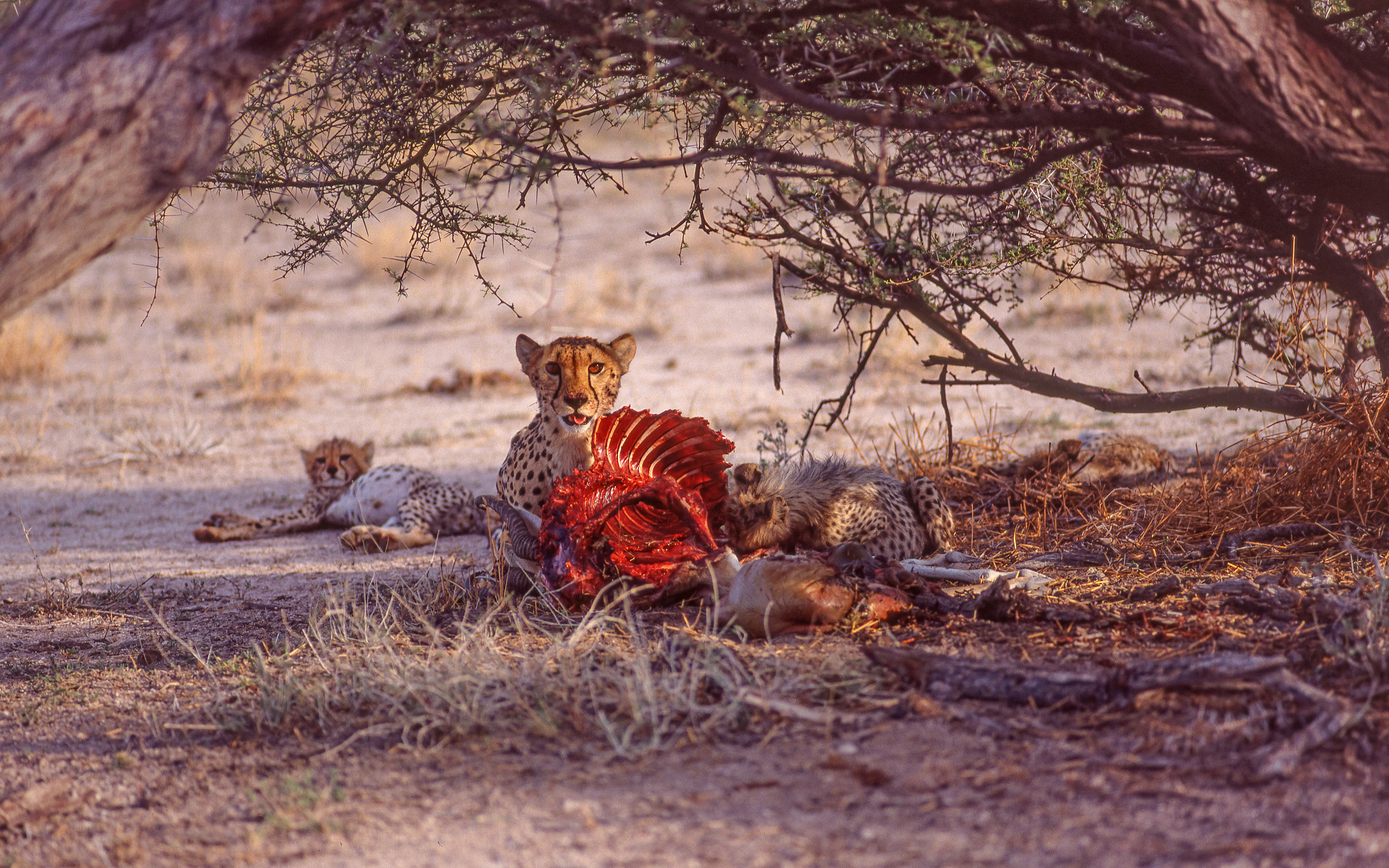
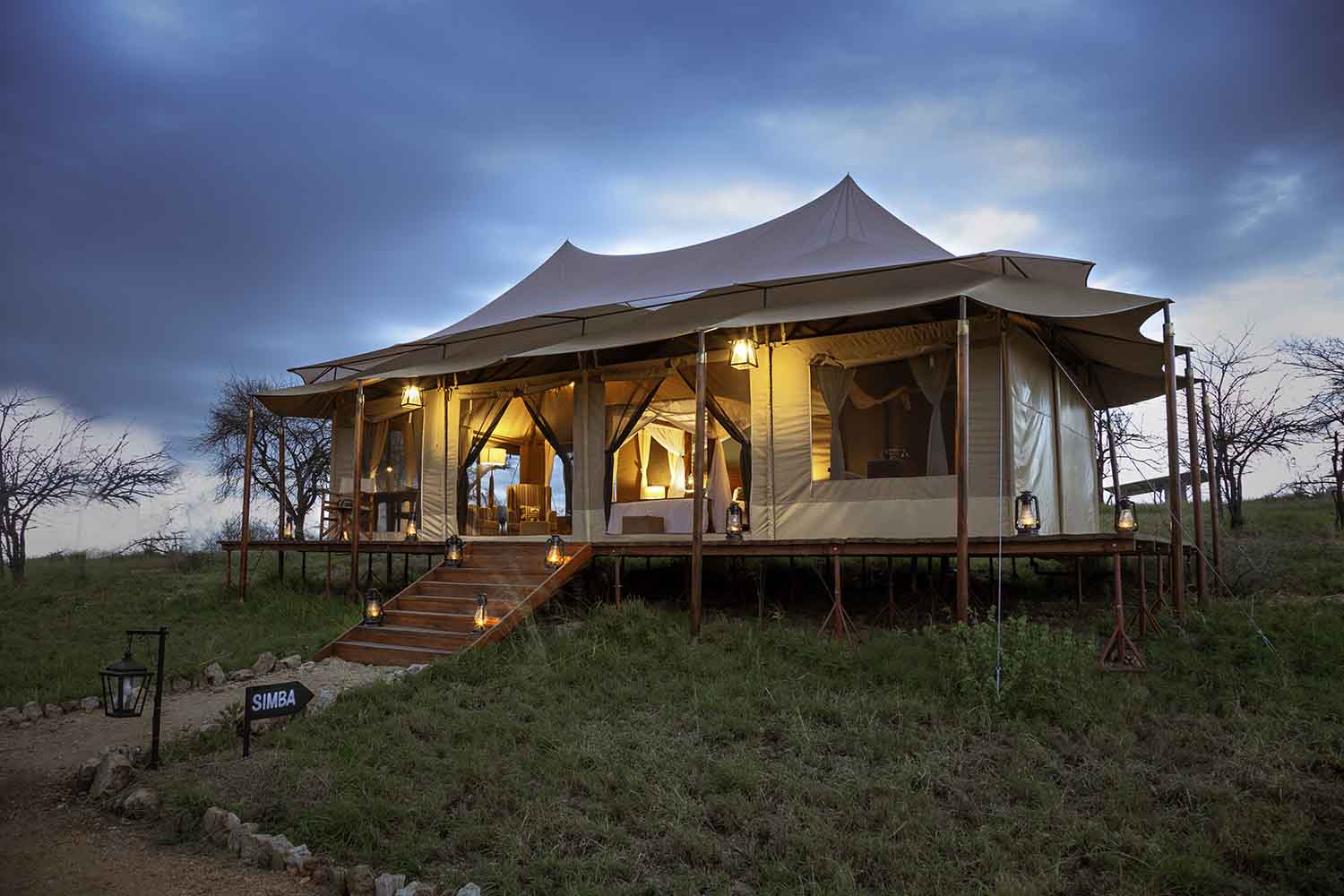
The mid-range safari tier — typically defined as accommodation between $200 and $600 per person per night on a full-board basis — represents the level at which the safari experience begins to feel genuinely comfortable and at which the quality of guiding starts to be consistently good rather than variable. Mid-range safari lodges and tented camps in Tanzania offer ensuite accommodation, proper beds with quality linen, full-board meals of reasonable quality, and game drives in dedicated safari vehicles with qualified guides. The step up from budget to mid-range is one of the most significant quality jumps in the Tanzania safari market, and it is one that most experienced travellers — having done a budget safari once — make permanently.
At the mid-range level, the traveller is typically sharing a game drive vehicle with other guests from the same property — two to six people per vehicle is standard — and the guide is a qualified Tanzanian naturalist with solid wildlife knowledge and a good understanding of the parks. Game drives follow the public road network within national parks, meaning off-road driving and night drives are not available. Meals are served at fixed times in a central dining area, and the camp or lodge may host twenty to forty guests simultaneously, creating a more social and less exclusive atmosphere than the luxury tier. A seven-to-ten-night mid-range Tanzania safari covering the Serengeti, Ngorongoro, and Tarangire, with domestic charter flights and full-board accommodation, realistically costs between $5,000 and $9,000 per person exclusive of international flights.
Luxury Safari in Tanzania: The Full Experience
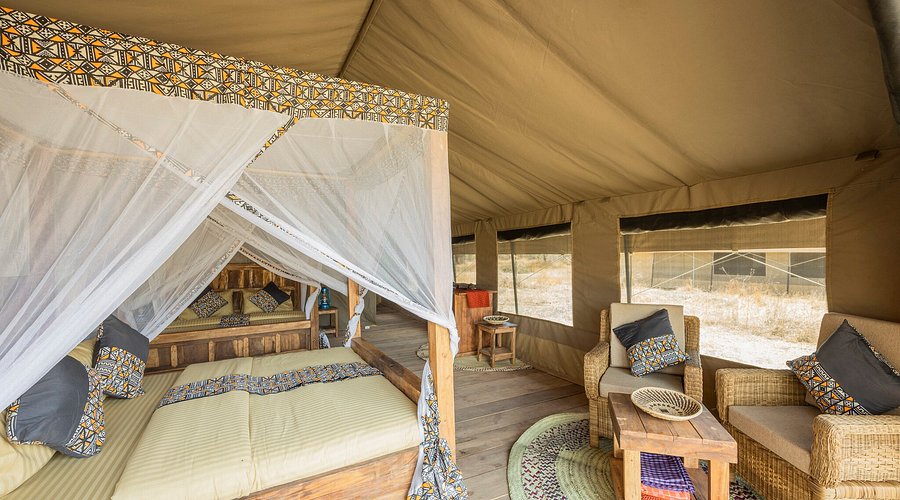
The luxury tier of the Tanzania safari market — covering accommodation from $600 to $3,500 or more per person per night on an all inclusive basis — is where the safari experience reaches its fullest and most complete expression. At this level, the differences from the mid-range are not merely incremental improvements in comfort — they are fundamental changes in the nature of the experience itself. Private game drives replace shared vehicles entirely, meaning the daily programme is designed exclusively around the traveller's interests, pace, and wildlife priorities. Private concession access replaces the public park road network, opening up off-road driving, night game drives, and guided bush walks that transform the relationship between guest and landscape from observer to participant.
The guiding at luxury level is among the most significant differentiators. The finest luxury camps in Tanzania employ guides who have spent years — sometimes decades — learning their specific territory to a level of ecological and behavioural knowledge that most travellers have never encountered in any context. These are naturalists, storytellers, and interpreters who know the individual animals in their area, read tracks and signs with extraordinary precision, and transform every game drive from a wildlife-spotting exercise into a genuine education in how the African ecosystem functions.
For a comprehensive understanding of what drives these costs at the luxury end, our tanzania safari cost guide provides a detailed line-by-line breakdown across every cost component. To understand exactly what a premium rate covers, read our full guide to what an all inclusive tanzania safari includes.
A well-structured luxury all inclusive Tanzania safari of ten to fourteen nights, covering two to three premium camps across the northern circuit and a Zanzibar beach extension, represents a total investment — inclusive of international business class flights — of between $20,000 and $40,000 per person.
Breaking Down the Costs: A Tier-by-Tier Comparison
Accommodation Costs Per Person Per Night
Budget tier accommodation in Tanzania's public campsites runs $20 to $50 per person per night for a campsite pitch, or $80 to $150 per person per night at the most basic lodge options near park gates. Mid-range tented camps and lodges — ensuite, full-board, shared game drives — run $200 to $600 per person per night depending on location, season, and camp quality. Entry-level luxury — private game drives, premium inclusions, concession access — begins at $600 to $900 per person per night. Mid-tier luxury covers $900 to $2,000 per person per night and encompasses the majority of Tanzania's most celebrated camps. Ultra-luxury sits at $2,000 to $5,000 or more per person per night for the most exclusive and remote properties.
Park Fees and Conservation Levies
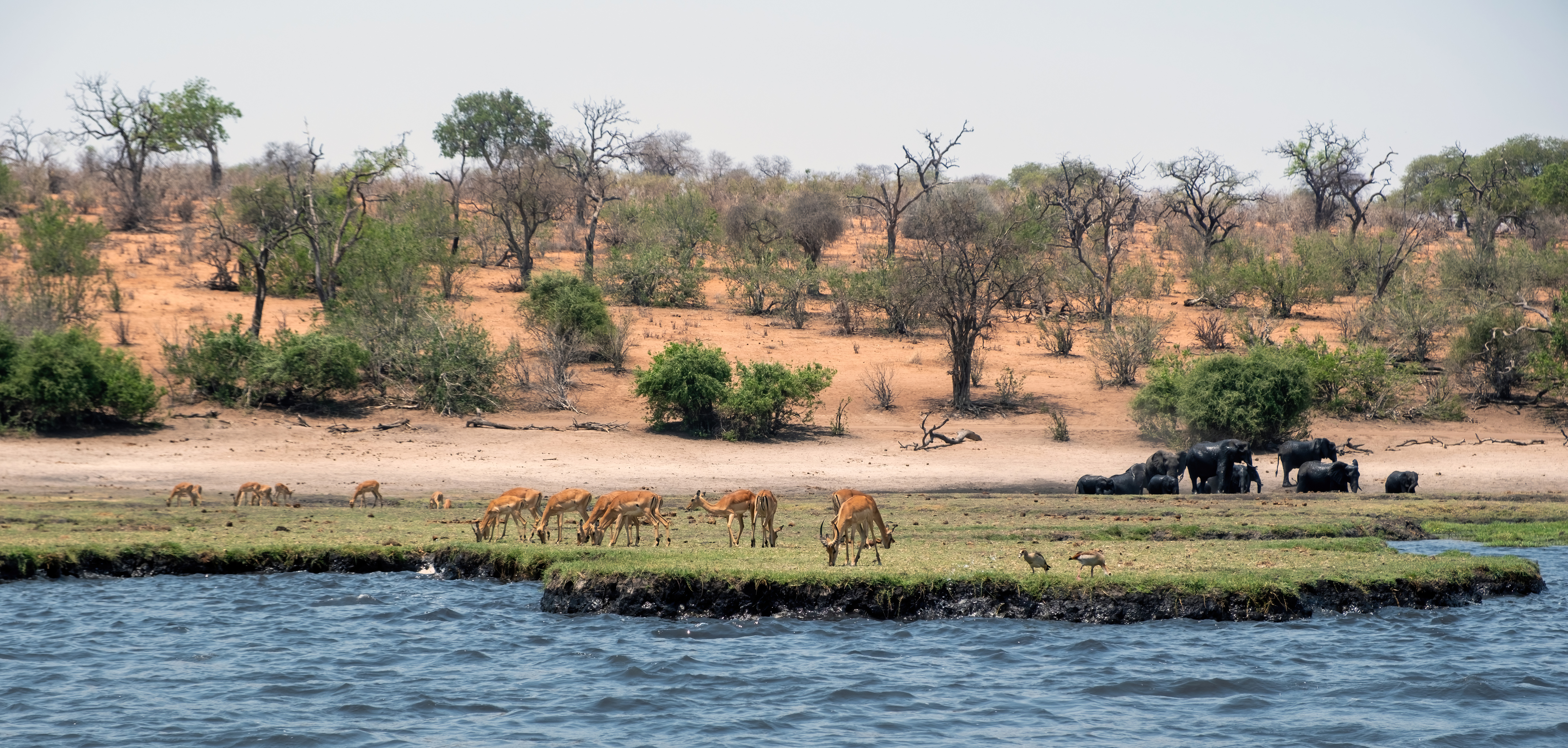
Tanzania's national park fees apply uniformly regardless of accommodation tier. Serengeti entry costs approximately $70 to $80 per person per day. Ngorongoro Conservation Area fees add a further $60 per person per visit, with a crater service fee of $200 per vehicle per descent. Tarangire runs approximately $50 to $60 per person per day. Ruaha and Nyerere carry fees in a similar range. On a seven-night northern circuit safari visiting three parks, the park fee component alone can reach $500 to $600 per person — a significant fixed cost that applies equally across all accommodation tiers and is frequently not included in quoted rates at the budget and mid-range levels, making it an important item to confirm explicitly with any operator.
Domestic Charter Flights
Domestic charter flights within Tanzania represent one of the most significant cost variables in the total safari budget, and one of the most worthwhile investments at the luxury tier. Charter flights between parks — connecting Arusha to the Serengeti, Serengeti to Ngorongoro, Ngorongoro to Ruaha, and any park to Zanzibar — cost approximately $200 to $500 per person per flight sector depending on aircraft type, number of passengers, and routing. A complete northern circuit charter itinerary of four to five flight sectors adds $800 to $1,500 per person to the total budget. Budget travellers typically use road transfers between parks, which are significantly cheaper but considerably longer, less comfortable, and in some cases higher-risk than flying.
International Flights
International flights to Tanzania represent a fixed cost component that applies across all safari tiers but varies significantly by booking class, airline, and routing. Economy class flights from London to Kilimanjaro via Nairobi or Amsterdam run approximately $800 to $1,400 return. Business class — the standard for luxury safari travellers given the journey length of sixteen to twenty hours — runs $4,000 to $8,000 per person return from London or New York, depending on the carrier and booking timing. Early booking — typically six to twelve months ahead for peak season travel — produces the most competitive pricing at both economy and business class level.
For travellers based in the Middle East or Asia, the economics of international flights to Tanzania are considerably more favourable. Our tanzania safari cost 2025 article provides a detailed analysis of flight cost trends and how early booking affects the total budget.
The Value Question: Where Does Quality Actually Jump?
For the traveller approaching the Tanzania safari market for the first time, or reassessing their budget for a return visit with upgraded expectations, the most useful question is not "how much does a Tanzania safari cost?" but "where in the price spectrum does quality make a genuinely significant leap?" The honest answer, based on extensive knowledge of the Tanzania safari market, is that there are two critical threshold points.
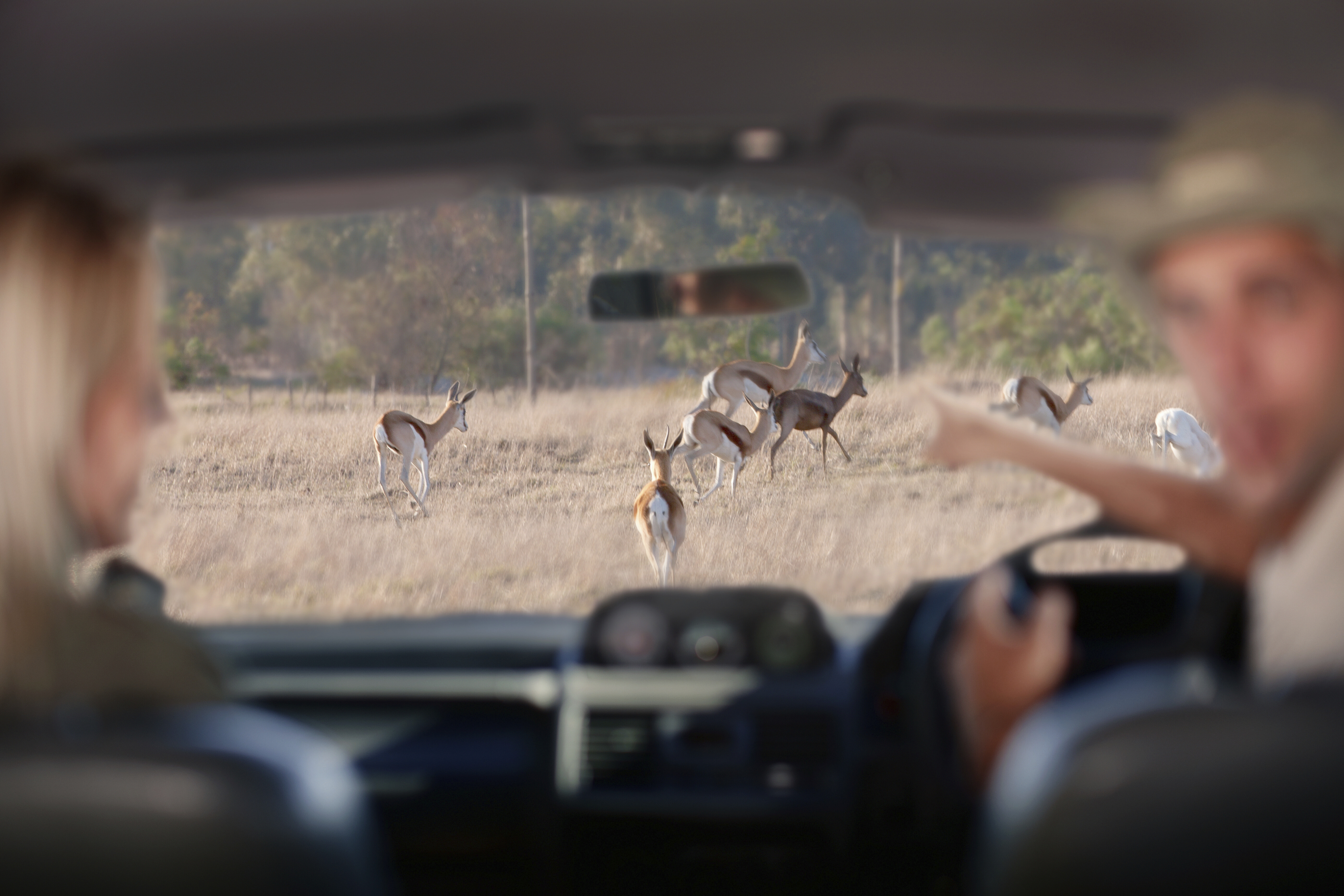
The first threshold is the jump from budget to mid-range — roughly from under $200 to $300 to $500 per person per night. This jump brings ensuite accommodation, proper meals, qualified guides, and a safari vehicle dedicated to the property's guests rather than a shared group vehicle with strangers. The improvement in daily experience is substantial and immediately felt. The second and more significant threshold is the jump from mid-range to entry-level luxury — from shared to private game drives, from public park roads to private concession access, from variable to consistently outstanding guiding. This jump, which typically occurs around $600 to $800 per person per night, transforms the nature of the safari experience rather than simply improving its comfort level. Above $1,500 per person per night, the improvements are primarily in exclusivity, intimacy, and the depth of personalisation rather than in any fundamental change to the quality of the wildlife experience itself.
The most important safari investment is not in the finest tent or the most remote camp — it is in the private vehicle and the exceptional guide. Everything else in the Tanzania safari cost equation supports those two things, or it does not.
How to Get the Best Value at Every Budget Level
Regardless of which tier of the Tanzania safari market represents the right investment for a given traveller, there are consistent principles that produce the best value at every price point. Travelling in shoulder season — June, November, or January and February — produces rates that are typically fifteen to thirty percent below peak season pricing at mid-range and luxury camps while delivering wildlife experiences that are, for specific objectives such as the calving season, genuinely superior to the peak season alternative. Combining a shorter stay at a higher-quality camp with a longer stay at a solid mid-range property produces a better overall experience than an equivalent budget spread thinly across a longer stay at lower quality throughout.
Working with a specialist operator who has direct contractual relationships with camps — rather than booking through a general online platform — produces better availability, better pricing, and the kind of insider knowledge about specific guides and seasonal wildlife positioning that no booking algorithm can replicate.
Planning your Tanzania safari starts with understanding your options and your budget. Whether you are looking for a fully managed all inclusive tanzania safari experience or want to understand the full tanzania safari cost before making any decisions, Sokwe Africa Safaris has the expertise and the transparency to help you plan with complete confidence. For those who want to combine the magic of the bush with the beauty of the Indian Ocean, our tanzania safari and zanzibar packages offer the most complete Tanzania experience available. Contact us today to start planning your luxury tanzania safari and discover what Tanzania has waiting for you.
For the most detailed line-by-line analysis of every cost component in a Tanzania safari, read our complete Tanzania Safari Cost Guide — the most comprehensive budget breakdown available for 2026.
Explore our range of Luxury Tanzania Safari packages — transparently priced, all inclusive, and designed around the finest camps and most experienced guides in East Africa.
For official Tanzania national park fees and conservation area regulations, visit the Tanzania National Parks Authority. For independent wildlife conservation context across East Africa, the African Wildlife Foundation provides authoritative research and field reporting.
- Budget tier: $1,500–$2,500 per person total for seven nights including park fees and road transfers, excluding international flights
- Mid-range tier: $5,000–$9,000 per person for seven to ten nights full-board with shared game drives and domestic charters
- Entry luxury: $600–$900 per person per night all inclusive with private game drives and concession access
- Mid luxury: $900–$2,000 per person per night at Tanzania's most celebrated camps with full inclusion
- Ultra luxury: $2,000–$5,000-plus per person per night for exclusive-use and iconic concession properties
- Park fees add $500–$600 per person for a seven-night northern circuit safari — confirm inclusion with your operator
- Domestic charter flights add $800–$1,500 per person depending on routing and aircraft type
- The two critical quality thresholds: budget to mid-range ($300 per night) and mid-range to private luxury ($600–$800 per night)
- Shoulder season travel (June, November, January–February) saves fifteen to thirty percent below peak rates
- Total luxury safari budget for ten to fourteen nights inclusive of business class international flights: $20,000–$40,000 per person
FAQs: Tanzania Safari Cost Per Person
Frequently asked questions
How much does a Tanzania safari cost per person in 2026?
Tanzania safari costs vary significantly by tier. Budget safaris cost $1,500 to $2,500 per person for seven nights excluding international flights. Mid-range safaris run $5,000 to $9,000 per person for seven to ten nights with domestic charters. Luxury safaris cost $800 to $3,500 or more per person per night all inclusive, with a complete ten-to-fourteen-night luxury itinerary including international flights typically totalling $20,000 to $40,000 per person.
What is included in the cost of a luxury Tanzania safari?
A genuine luxury all inclusive Tanzania safari rate covers accommodation, all meals, all beverages including premium wines and spirits, private game drives, guided bush walks, night drives, airstrip transfers, and laundry. Conservation fees and park entry fees should be confirmed as included. Items typically outside the rate include hot air balloon safaris, spa treatments, and tips for guides and staff.
Are Tanzania national park fees included in safari prices?
Not always — and this is one of the most important questions to ask any operator before booking. Park fees in Tanzania run $50 to $80 per person per day depending on the park, adding $500 to $600 per person to a seven-night northern circuit safari. Reputable luxury operators include these fees transparently within the quoted rate. Budget and some mid-range operators quote them separately.
What is the cheapest time to go on safari in Tanzania?
April and May — the long rains — represent the lowest rates of the year, with reductions of forty to sixty percent at open properties. March and November offer solid shoulder-season value with fifteen to thirty percent reductions. January and February deliver exceptional wildlife during the calving season at rates significantly below the July-August peak.
Is a luxury Tanzania safari worth the cost?
For the traveller who values private game drives, outstanding guiding, exclusive wildlife territory, and a fully inclusive experience in which every detail has been anticipated, the answer is unambiguously yes. The difference between a mid-range and a luxury Tanzania safari is not primarily one of comfort — it is one of the depth, intimacy, and transformative quality of the wildlife experience itself.
How much should I budget for tips on a Tanzania safari?
A general guideline is $15 to $20 per guest per day for the guiding team and a similar amount for the camp team, payable in small-denomination US dollars at the end of the stay. For a ten-night safari, budget $200 to $400 per person in cash specifically for tips. This is in addition to the all inclusive rate and is an important and culturally meaningful component of the safari budget.
Can I do a Tanzania safari on a budget and still see good wildlife?
Yes. Tanzania's wildlife is extraordinary at every budget level, and the animals do not respond differently to a budget vehicle than a luxury one. However, budget safaris involve trade-offs in guiding quality, vehicle exclusivity, activity flexibility, and comfort that become increasingly significant as the traveller's wildlife knowledge and experiential expectations develop. Many travellers begin at the mid-range level and move to luxury on their return visit.