
Why Good Planning Makes the Difference
An African safari is not the kind of trip you can successfully improvise. The finest experiences — the most intimate camps, the most knowledgeable private guides, the most strategically positioned accommodation — are booked many months in advance by travellers who understand that the gap between a good safari and an extraordinary one is almost entirely a function of planning quality. The wildlife will do what the wildlife does. What you can control is everything around it: where you sleep, who guides you, how you move through the landscape, and how much time you give each place to reveal itself. These ten tips, drawn from years of designing luxury safari experiences in Tanzania, are the foundation of that preparation.
Tip 1: Book Early — Especially for Peak Season
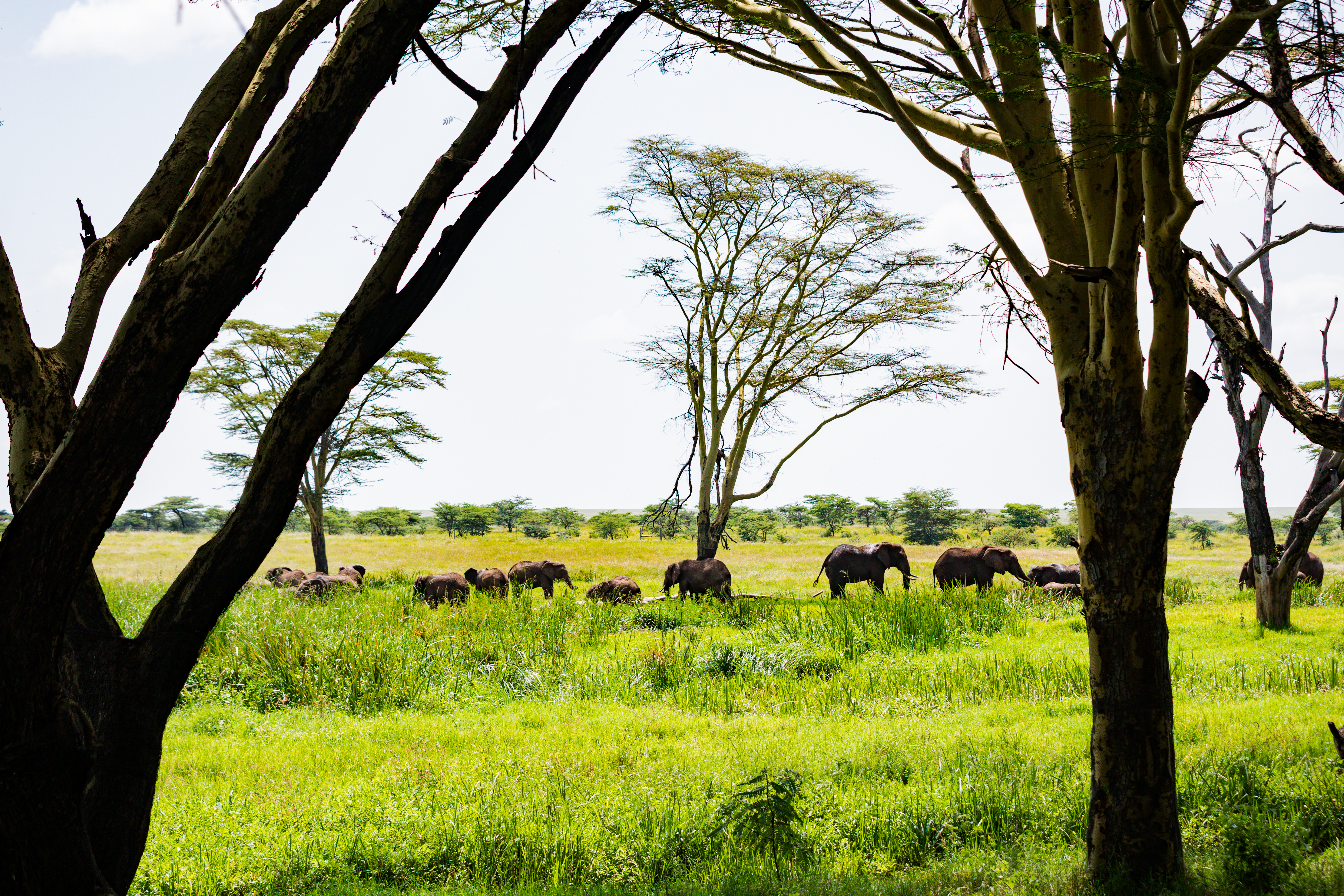
The single most consequential planning decision you will make is when you book. The finest luxury camps in the Serengeti's northern migration zone, the most sought-after crater rim lodges in Ngorongoro, and the most exclusive private concessions across Tanzania are booked twelve to eighteen months in advance for the July to October peak season. If you want the best, you need to plan ahead. Waiting until six months before your travel date and hoping for availability at the top properties is a strategy that consistently disappoints. Sokwe Africa Safaris recommends beginning the planning process at least nine to twelve months before your intended departure date for peak season travel, and six months minimum for the green season.
Tip 2: Choose a Specialist Operator, Not a Generalist
The operator you choose to design and execute your Tanzania safari is the most important single decision in the entire process. A specialist Tanzania operator — one whose guides live in the parks year-round, whose relationships with camps and lodges are built over years of direct partnership, and whose knowledge of the seasonal wildlife calendar is current and precise — delivers a fundamentally different experience from a large international travel company with Africa as one of fifty destinations in its catalogue. Sokwe Africa Safaris is based in Tanzania, operates exclusively in East Africa, and brings the depth of genuine local expertise to every itinerary we design.
Tip 3: Prioritise Guide Quality Over Lodge Luxury
This is perhaps the most counter-intuitive tip on this list, and it is the one that separates the best safari travellers from the rest. A truly exceptional guide in a comfortable but not extravagant camp will deliver a more memorable safari than an average guide in the most beautiful lodge in Africa. When evaluating safari packages, ask operators to describe specifically how their guides are selected, what their field experience looks like, and whether you will have a dedicated private guide or share one with other guests. At Sokwe Africa Safaris, every guest on a private safari has a single dedicated guide whose sole focus for the duration of the trip is creating the most extraordinary experience possible for that specific group.
Tip 4: Give Each Destination Enough Time
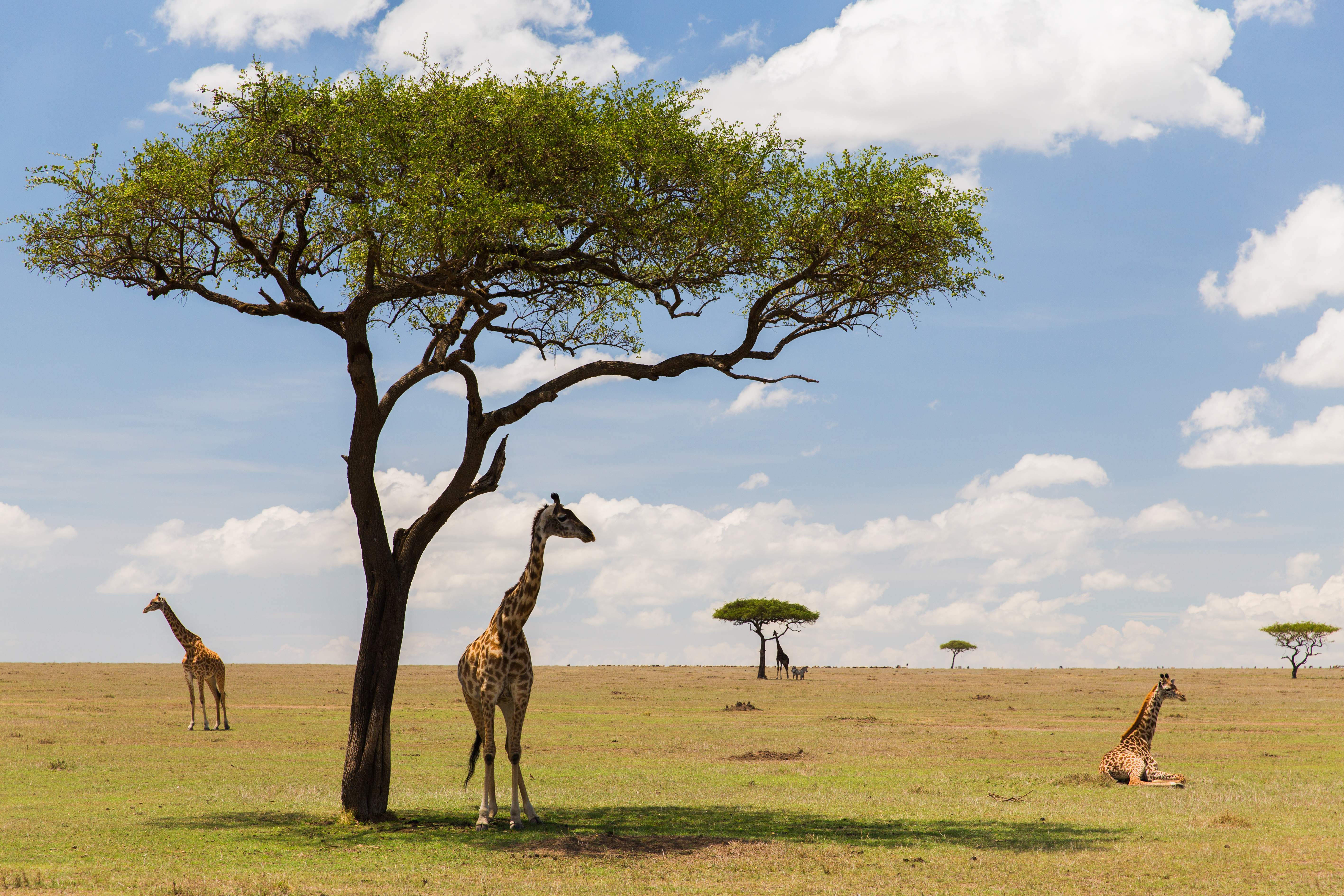
Rushing between parks is one of the most common planning errors made by first-time safari travellers, and it is one of the most reliably disappointing. The Serengeti does not reveal its full character in a single day, or even two days. The magic of extended time in a single ecosystem — when you begin to recognise individual animals, when the guide anticipates movements based on patterns observed over multiple days, when you stop trying to see everything and simply sit with what is in front of you — is what separates a genuinely transformative safari from an expensive highlight reel. Allow a minimum of three nights per destination, and four is always better.
Tip 5: Consider Internal Flights Seriously
Tanzania is a large country, and the road distances between its finest wildlife areas are substantial. The drive from Arusha to the central Serengeti takes eight to ten hours on a good day — a full day of travel that could be spent on game drives instead. Internal charter and scheduled bush flights between parks reduce travel time to under an hour and arrive you at each destination refreshed, alert, and ready to engage with the wildlife from the moment you step off the aircraft. The cost is real — $200 to $450 per sector per person — but the value in time, energy, and experience is consistently worth the investment for any traveller whose budget can accommodate it.
Tip 6: Pack Light and Pack Right
Most internal safari flights in Tanzania operate with a strict soft-bag luggage limit of 15 kilograms per person. Hard-shell suitcases are not accepted on bush aircraft. Pack a soft duffel bag of 70 to 80 litres, neutral-coloured clothing in khaki, olive, and tan tones, and the two most important pieces of equipment you will use on every game drive: good quality binoculars of at least 8x42 magnification, and reliable sun protection including a wide-brimmed hat and SPF50 sunscreen. Everything else is secondary.
Tip 7: Think About the Whole Journey, Not Just the Parks
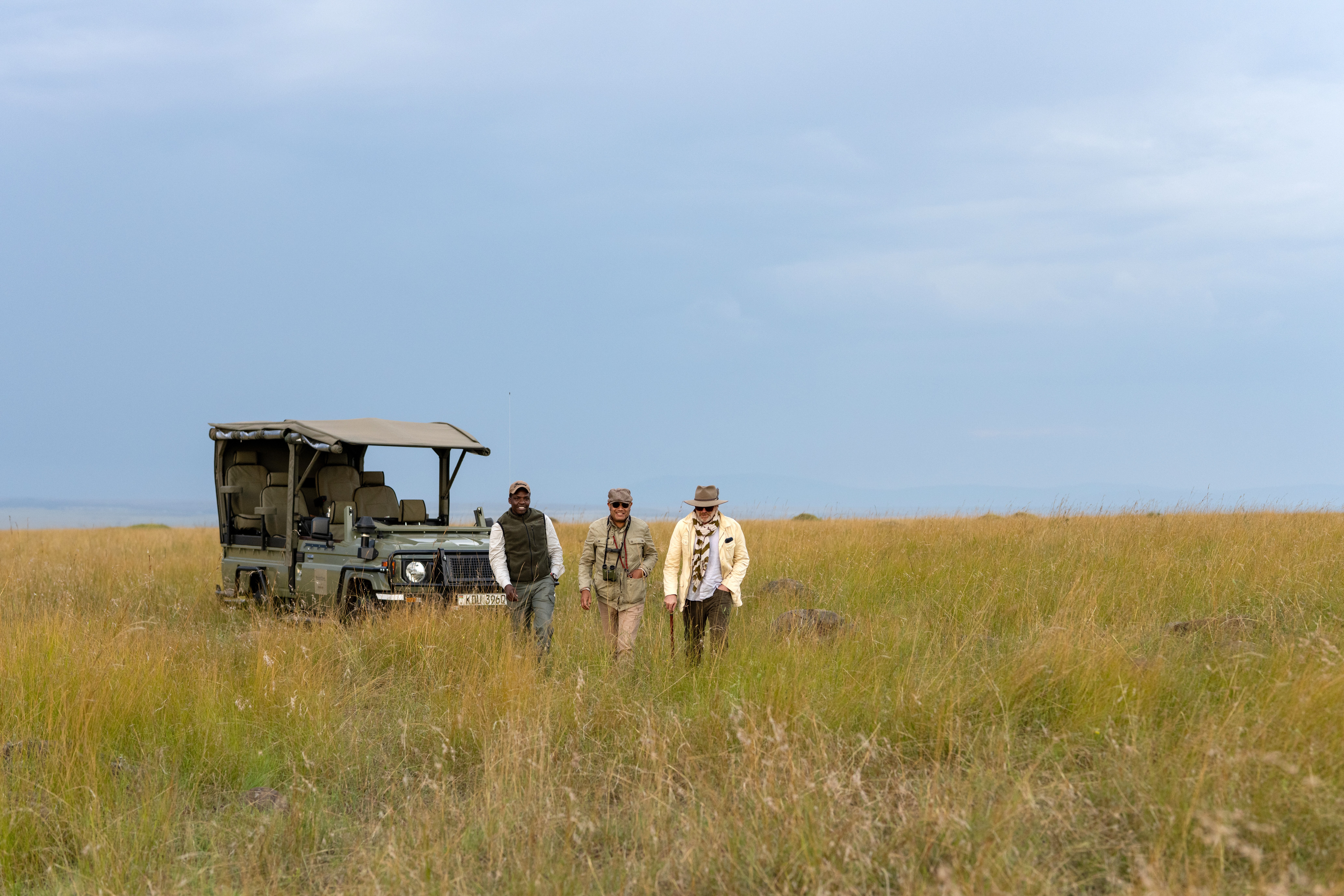
The finest Tanzania safari itineraries are not simply sequences of park visits — they are complete journeys with a beginning, a middle, and an end that creates a coherent narrative. A safari that begins in Tarangire's elephant landscape, moves through the volcanic drama of Ngorongoro, reaches its climax in the Serengeti's open plains, and concludes on Zanzibar's white sand beaches is a journey with genuine emotional architecture. The transitions between destinations — the bush flights, the changing landscapes, the cultural encounters along the way — are part of the experience, not simply logistics to be managed.
Tip 8: Understand What You Are Paying For
A luxury Tanzania safari is a significant financial investment, and understanding exactly what that investment covers helps set accurate expectations and prevents unpleasant surprises. Most luxury packages include accommodation, all meals, game drives, guide, and often park fees and internal flights. They do not typically include international airfare, tips, personal travel insurance, visa fees, or discretionary purchases. Ask your operator for a completely itemised breakdown of inclusions and exclusions before booking, and budget separately for tips — a couple on a ten-day luxury safari should budget $400 to $600 in USD cash for gratuities.
Tip 9: Get the Right Travel Insurance
Travel insurance for a Tanzania safari should be treated with the same seriousness as any other component of the trip. Standard travel insurance is not sufficient — you need a policy that specifically covers medical evacuation from a remote location, which on the Serengeti means a charter flight to Arusha or Nairobi for anything beyond minor injuries. Medical evacuation costs without insurance can reach $50,000 or more. Your policy should also cover trip cancellation for specific covered reasons, lost or delayed luggage, and the full value of your safari package if you need to cancel or postpone. Sokwe Africa Safaris recommends dedicated safari travel insurance policies and can advise on appropriate providers.
Tip 10: Stay Open to What the Bush Gives You
The final and perhaps most important tip is the hardest to implement for travellers accustomed to itinerary control: let go. The bush operates on its own schedule and according to its own priorities, and the travellers who surrender to that reality — who stay at the leopard sighting rather than rushing to find a cheetah, who spend a full morning with a single elephant family rather than ticking species off a list — are the ones who return home most profoundly changed. The African wilderness is not a service provider. It is a living world that reveals itself to those patient enough to receive it.
Want a full cost breakdown before you start planning? Read our Tanzania Safari Cost Guide — every expense explained honestly and in detail.
Ready to start building your itinerary? Explore our Tanzania Safari packages or contact us to design something completely bespoke.
If you are weighing this up, see our packages for first-time visitors.
We cover this further in our why guests book with us.
See also our guide: How Many Days for a Tanzania Safari? The Honest Answer from Expert Guides.
More on this in Does Tanzania require travel insurance? The new mandatory inbound policy explained (from 1 October 2026).
For official health and vaccination requirements for Tanzania travel, consult World Health Organization — Tanzania.
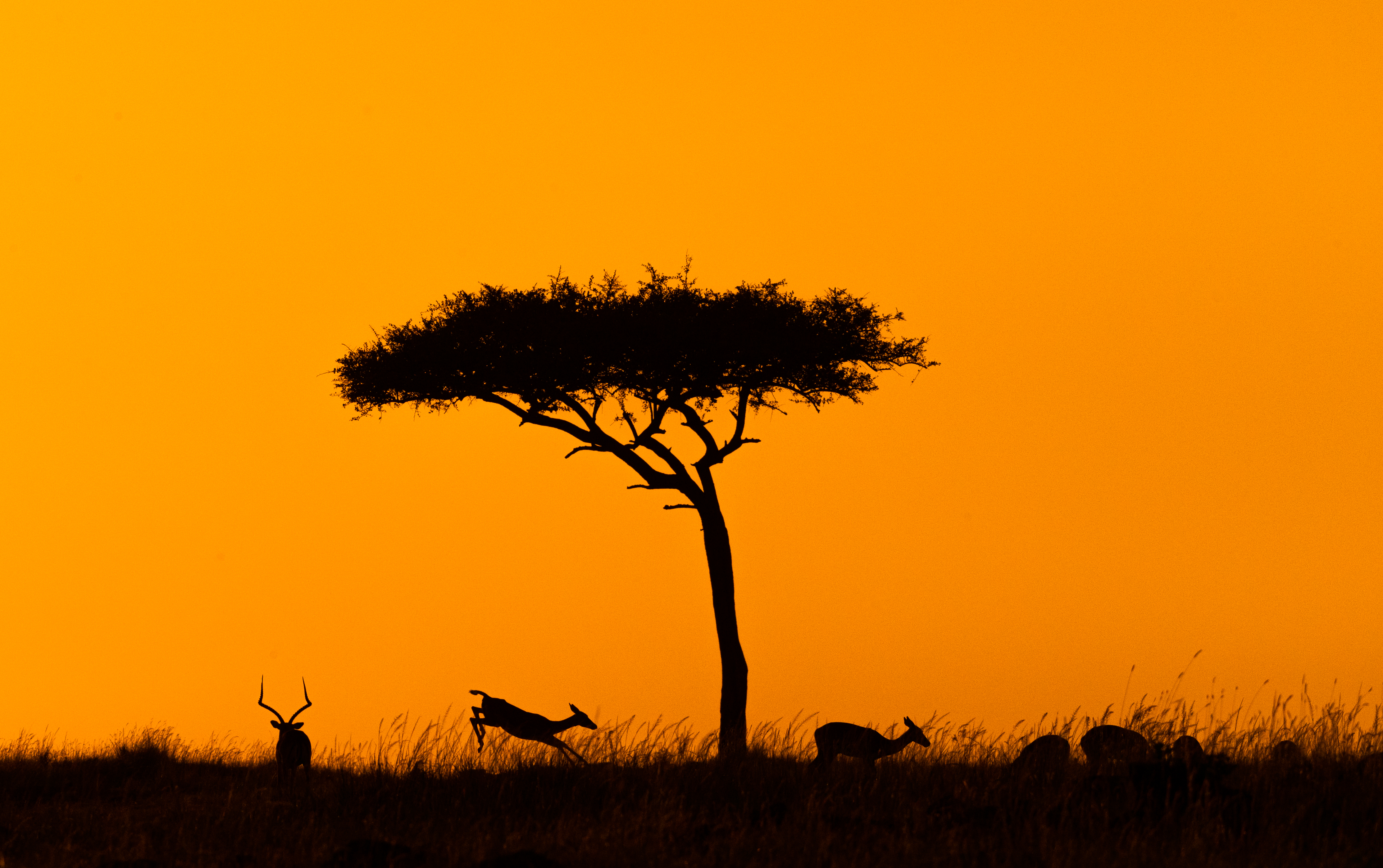
A safari is not planned into perfection — it is planned into possibility. What actually happens in the bush is the best part of all.
- Book 9–12 months ahead for peak season
- Choose a Tanzania specialist operator
- Prioritise guide quality above lodge rating
- Minimum 3 nights per destination — 4 is better
- Budget for internal flights — they save critical time
- Pack soft bag under 15kg with neutral clothing
- Bring quality 8x42 binoculars — non-negotiable
- Get medical evacuation travel insurance
- Budget $400–$600 cash for tips (couple, 10 days)
- Stay present — the best sightings come to the patient