What does an African safari really cost?
Ask ten operators about African safari cost and you will get ten evasive answers, because the honest one — it depends enormously on the country — takes longer to explain. The realistic range in 2026 runs from roughly 150 US dollars per person per day for a self-drive trip in South Africa to well over 2,000 dollars per day at the top camps in Botswana, with most guided safaris landing somewhere between 350 and 900 dollars per day. That is a vast spread, and understanding why it exists is the key to choosing the right country for your budget.
This guide is the continent-wide comparison we wish more travellers were given: realistic per-person-per-day bands for Tanzania, Kenya, South Africa, Botswana, Zambia, Zimbabwe, Namibia and the gorilla destinations of Uganda and Rwanda, followed by what actually drives the price everywhere, the budget levers that work in every country, and sample totals for a seven-day trip at three budget levels. As a Tanzanian operator we naturally know our own country best, but we have priced and planned enough trips across the region to tell you honestly where each destination sits.
What drives safari cost everywhere in Africa
Before comparing countries, it helps to understand the three forces that set safari prices everywhere. The first is park and conservation fees, which are government-set and non-negotiable: the Serengeti charges over 80 dollars per adult per day, the Masai Mara around 200 dollars in peak season, and a single gorilla trekking permit in Rwanda costs 1,500 dollars. These fees alone can account for a fifth or more of your total, and no operator, however cheap, can avoid them.
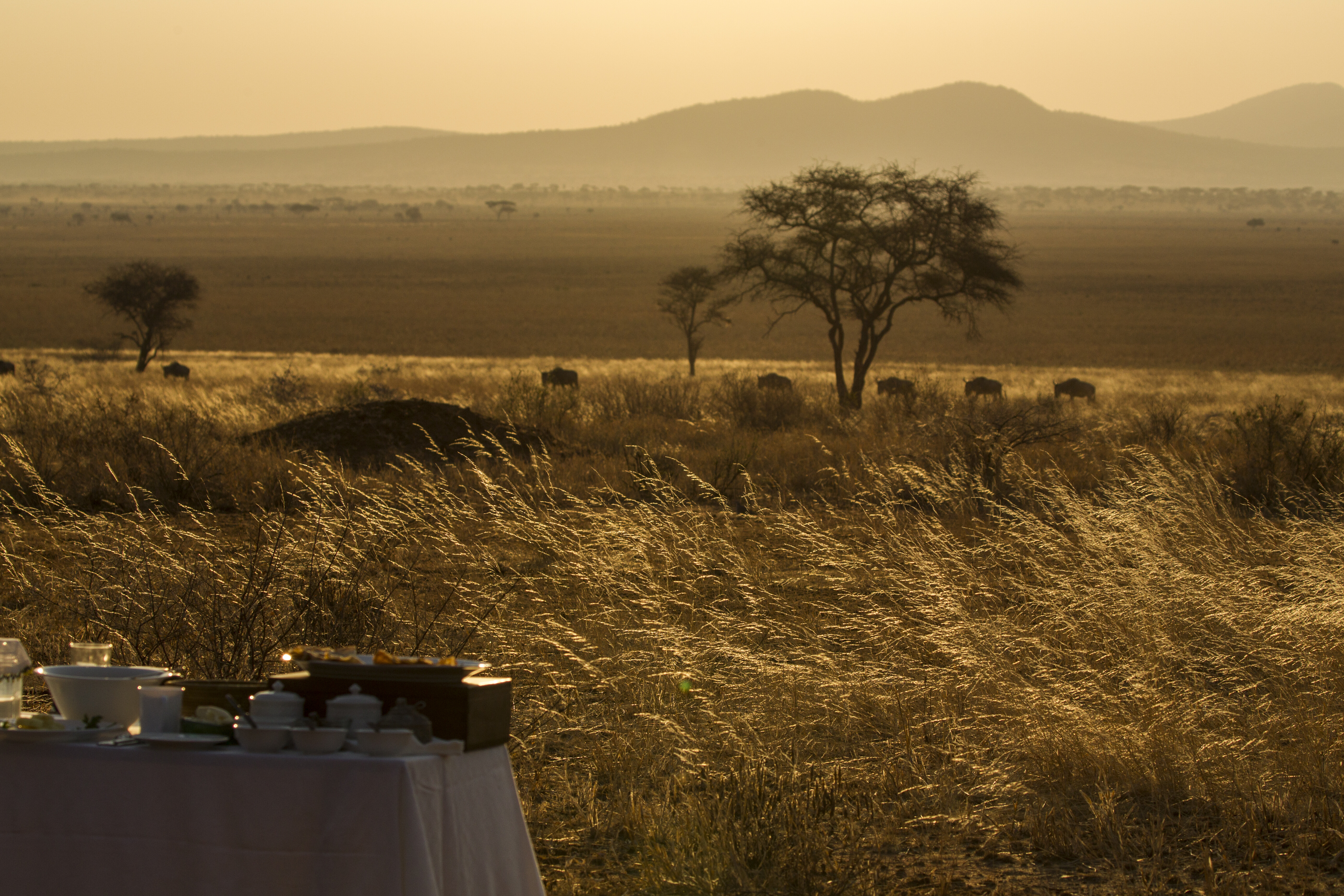
The second force is remoteness. Camps that must fly in every bottle of water, generate their own power and rotate staff by light aircraft cost far more to run than a lodge an hour from a tarmac road, which is why the deep Okavango Delta or the far Serengeti costs more than greater Kruger. The third is exclusivity: the fewer beds and vehicles an area allows, the more each guest pays for the privilege of empty sightings. Botswana built its entire tourism model on this principle, and it is the single biggest reason the same animals cost triple there what they cost elsewhere.
Tanzania: mid-priced, unmatched density
Tanzania sits squarely in the middle of the African price range, and in our honest view it is where the value equation works hardest in the traveller's favour. Realistic 2026 bands run from 250 to 350 dollars per person per day for camping safaris, 400 to 650 dollars for mid-range lodge trips, and 800 to 1,500 dollars and beyond for luxury tented camps, based on two people sharing a private vehicle. Park fees are significant — the Serengeti and Ngorongoro are among Africa's more expensive parks — but they buy access to wildlife densities nowhere else can match.
What you get for mid-range money in Tanzania — the Serengeti, the Ngorongoro Crater, the great migration, Tarangire's elephant herds — would cost considerably more to approximate in Botswana and simply is not available at any price elsewhere. The trade-off is that the famous northern parks are busier than Botswana's private concessions, though far quieter than the Masai Mara in peak season. For the full breakdown of what each level buys here, our Tanzania safari cost guide linked below goes deep on this one country.
Kenya: the close cousin, similar money
Kenya prices very similarly to Tanzania, with a slightly lower entry point and a slightly higher ceiling in the right places. Budget group safaris start around 300 dollars per person per day, mid-range lodge trips run 450 to 650 dollars, and the luxury camps of the Masai Mara and Laikipia run 750 to 1,500 dollars and more. The complication in 2026 is park fees: the Mara's peak-season fee of around 200 dollars per adult per day is now the highest mainstream park fee in Africa, which pushes Kenyan totals up noticeably in July to October.
Kenya's private conservancies bordering the Mara deserve special mention, because they offer a Botswana-style exclusive experience — limited vehicles, night drives, walking — at prices meaningfully below Botswana's. A conservancy camp at 800 to 1,100 dollars per day is arguably Kenya's best value at the top end. Many travellers also combine Kenya and Tanzania in one trip, which adds border logistics and a second set of fees but covers both sides of the migration ecosystem.
South Africa and Kruger: the affordable outlier
South Africa is the continent's budget-friendly exception, for one simple reason: the Kruger National Park has tarred roads, affordable rest camps and an entry fee of under 30 dollars per day, which makes self-drive safari possible at 100 to 200 dollars per person per day including hire car, accommodation and food. No other major safari country offers anything comparable. You give up the expert guide and the open vehicle, and sightings happen alongside other cars, but the Big Five are genuinely all present and a family can safari for a fraction of East African prices.
At the other end, the private reserves bordering Kruger — Sabi Sand above all — charge 600 to 1,800 dollars per person per day and deliver arguably the most reliable leopard viewing in Africa with superb guiding. South Africa therefore spans the widest price range of any country, from the cheapest honest safari on the continent to some of its most polished luxury lodges, and the weak rand in recent years has made it better value still for dollar, pound and euro travellers.
Botswana, Zambia and Zimbabwe: the exclusive end
Botswana is Africa's deliberately expensive destination. Its high-cost, low-volume policy keeps visitor numbers small and prices high: realistic 2026 rates run 600 to 1,000 dollars per person per day at the modest end and 1,200 to 2,500 dollars and beyond at the famous Okavango Delta and Linyanta camps, almost always on fly-in itineraries. What you buy is genuine exclusivity — private concessions where yours may be the only vehicle at a sighting — and a watery, beautiful ecosystem unlike anywhere else. It is magnificent, but you are paying a large premium for privacy rather than for more animals.
Zambia and Zimbabwe are the quiet value plays of the luxury end. Both offer superb guiding — Zambia invented the walking safari in South Luangwa, and Zimbabwean guides are widely considered Africa's best trained — at 450 to 750 dollars per day mid-range and 800 to 1,500 dollars at the top, noticeably below Botswana for a comparable wilderness experience. The trade-offs are less developed infrastructure, seasonal camp closures during the rains, and internal flights that add up, but for experienced safari-goers they are two of the most rewarding destinations on the continent.
Namibia, and the gorilla outlier of Uganda and Rwanda
Namibia is the second self-drive haven after South Africa, with excellent roads, safe travel and Etosha National Park's remarkable waterhole game viewing. Self-drivers manage comfortably on 150 to 250 dollars per person per day, guided trips run 350 to 600 dollars, and the lodges of Sossusvlei and Damaraland reach 500 to 1,000 dollars. Namibia sells landscape and space as much as wildlife — it is a photographer's country more than a Big Five density destination, and it prices accordingly.
Uganda and Rwanda sit outside every normal band because of one item: the gorilla permit. Rwanda charges 1,500 dollars per person for a single hour with the gorillas; Uganda charges 800 dollars for the same experience with rougher access roads and cheaper lodging around Bwindi. A gorilla trip therefore averages 500 to 1,200 dollars per day almost regardless of how modestly you sleep. Our honest advice: treat gorillas as a two-to-three-day add-on to a savannah safari elsewhere rather than as the main event, and choose Uganda if the permit price matters to you.
Budget levers that work in every country
Wherever you go, the same handful of levers move the price more than anything else. Season is the biggest: travelling in the green or shoulder months — April to May and November in East Africa, roughly November to April in the south — cuts accommodation rates by 20 to 40 per cent while the parks are at their quietest and greenest. The second lever is accommodation level, which can triple a trip on its own. The third is transport: shared group vehicles, road transfers instead of light aircraft, and self-drive where it is viable all cut costs substantially without shrinking the wildlife.
The levers that do not work are worth naming too. Cutting the number of days in the parks to afford a fancier room is usually a mistake — wildlife viewing rewards time more than thread count. And chasing the absolute cheapest quote in any country tends to buy old vehicles, rushed itineraries and guides paid so little they depend on kickbacks; the difference between the cheapest operator and a good-value one is small money for a very different trip. We explain how this works in practice in our guide to a budget safari in Tanzania, and the logic applies continent-wide.
- Travel in green or shoulder season for 20–40% off accommodation
- Choose camping or simple lodges over luxury tents
- Share a vehicle on a group departure
- Take road transfers instead of internal flights
- Self-drive where realistic — Kruger and Namibia
- Keep days in the parks; cut comfort before time
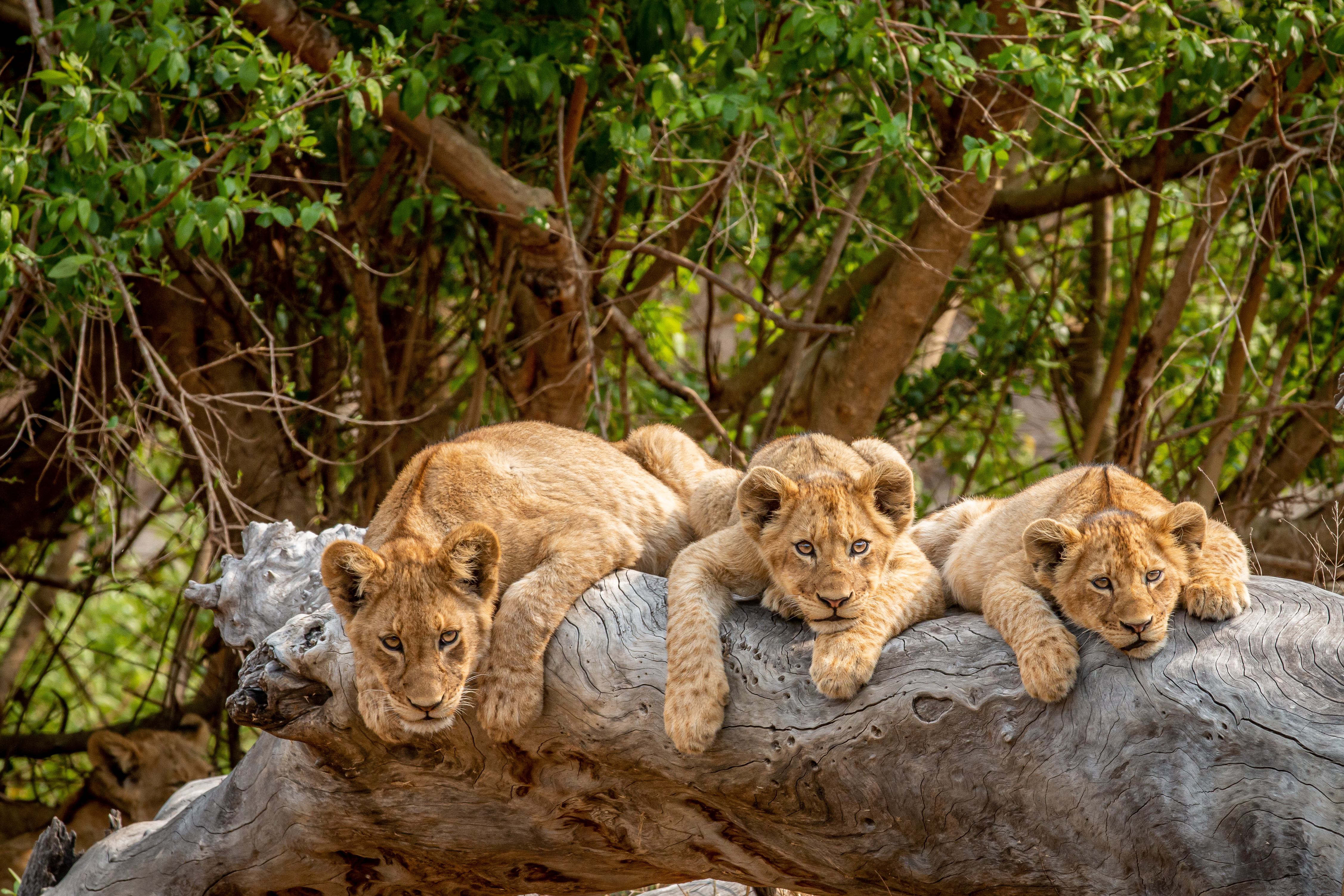
The same lion costs 250 dollars a day to see in one country and 2,000 in another. The difference is rarely the lion — it is fees, remoteness and how many other vehicles are allowed to watch it with you.
What a seven-day safari totals at three budgets
Bands per day are useful, but most people plan against a trip total, so here is how a realistic seven-day safari for one person, sharing a room, lands in 2026 — excluding international flights. At budget level, expect 1,000 to 1,500 dollars self-driving Kruger or Namibia, and 1,800 to 2,500 dollars for a camping safari in Tanzania or a group lodge safari in Kenya. These are honest, decent trips: real parks, real game drives, simple beds.
At mid-range, roughly 3,000 to 4,500 dollars buys a private-vehicle lodge safari in Tanzania or Kenya, a comfortable guided circuit of Namibia, or a good South African private reserve combined with self-drive days. This is the level most travellers choose and where value per dollar peaks. At luxury level, plan on 6,000 to 10,000 dollars for top tented camps in Tanzania, Kenya or Zambia with flights between parks — and 10,000 to 17,000 dollars or more for a week of Botswana's finest or a Rwanda gorilla itinerary at the famous lodges.
Two honest footnotes to those totals. First, international flights add 800 to 1,800 dollars from Europe or North America depending on season and routing, and gorilla permits, visas, tips and travel insurance sit outside most quotes, so budget a further 10 to 15 per cent on top of any headline figure. Second, prices across Africa have risen steadily since 2023 as park fees increase and camps rebuild margins, so a quote from an old blog post or a friend's 2022 trip will understate today's cost — always price against current-year rates.
Related reading: Rwanda vs Uganda gorilla trekking: which should you choose?.
If you are planning this route, read South Africa vs Tanzania safari: an honest comparison.
So which country should your budget choose?
If we strip away the marketing, the decision tree is fairly simple. On a tight budget, self-drive South Africa or Namibia beats everything, with a Tanzanian camping safari as the best guided option under 2,500 dollars a week. In the broad middle, Tanzania and Kenya offer the most wildlife per dollar on the continent, and Tanzania's edge is density and variety — Serengeti, Ngorongoro and Tarangire in one compact circuit. At the top end, Botswana, Zambia and the private reserves of South Africa compete on exclusivity, with Zambia and Zimbabwe the value picks among them.
How much is an African safari, then? Whatever your budget genuinely allows — the continent has an honest answer at almost every price point from 1,000 dollars a week upwards, and the countries that suit 2,000 dollars are simply different from the ones that suit 12,000. The only real mistakes are paying Botswana prices when what you wanted was maximum wildlife, or squeezing a famous circuit into too few days to save money. Match the country to the budget first, and the level of comfort second.
Tell us your budget and we will tell you what it buys
This is the conversation we have with travellers every week at Sokwe Africa Safaris, and we would rather have it honestly than win a booking with a pretty number that falls apart in the fine print. Tell us your budget and we will tell you plainly what it buys — in Tanzania, where we operate and where we believe the value is hardest to beat, or anywhere else in Africa, including the honest advice that another country suits your plans better. Send us your dates, your group and your figure, and we will come back with real options at real 2026 prices.
Tell us your budget — plan your African safari with Sokwe Africa Safaris
Frequently asked questions
How much does an African safari cost?
Realistically, between about 150 US dollars per person per day for a self-drive trip in South Africa and well over 2,000 a day at the top Botswana camps, with most guided safaris landing between 350 and 900 dollars daily. The country you choose moves that figure more than your level of comfort does, because government park fees alone can be a fifth of the total.
Which African country is cheapest for a safari?
South Africa, comfortably. Kruger has tarred roads, affordable rest camps and an entry fee under 30 dollars a day, so a self-drive safari works at 100 to 200 dollars per person daily. Namibia is the next cheapest self-drive option at 150 to 250. For a fully guided trip, a Tanzanian camping safari is the best value under 2,500 dollars a week.
How much does a seven-day safari cost in total?
Per person sharing and excluding international flights, expect 1,000 to 1,500 US dollars self-driving Kruger or Namibia, and 1,800 to 2,500 for a camping safari in Tanzania. Mid-range with a private vehicle runs 3,000 to 4,500 dollars, luxury tented camps 6,000 to 10,000, and a week of Botswana's finest 10,000 to 17,000 or more.
Why is a safari in Botswana so expensive?
Botswana built its tourism on a deliberate high-cost, low-volume policy, keeping visitor numbers small so that each guest pays for near-empty sightings. Rates run 600 to 1,000 dollars per person daily at the modest end and 1,200 to 2,500 in the Okavango Delta, almost always on fly-in itineraries. You are paying a premium for privacy and remoteness, not for more wildlife.
Is Tanzania or Kenya cheaper for a safari?
The two price very similarly. Kenya has a slightly lower entry point, with budget group trips from around 300 dollars per person daily, while Tanzanian camping safaris start at 250 to 350. The difference in 2026 is park fees: the Masai Mara charges roughly 200 dollars per adult in peak season, which pushes Kenyan totals up noticeably from July to October.
What costs should I budget on top of the safari price?
International flights add 800 to 1,800 US dollars per person from Europe or North America, depending on season and routing. Visas, vaccinations, travel insurance, tips, premium drinks and any gorilla permits sit outside almost every quote. As a working rule, add ten to fifteen per cent to any headline figure, and price against current-year rates rather than an older blog post.