
What Separates the Best Safari in Tanzania From the Rest
Tanzania has more UNESCO World Heritage Sites connected to wildlife and natural landscapes than any other country in sub-Saharan Africa. It is home to the world's greatest wildlife migration, the world's largest intact volcanic caldera, and some of the most celebrated private safari concessions on the African continent. Every year, hundreds of thousands of travellers visit Tanzania on safari — and they do not all have the same experience. Some return with a collection of impressive photographs and a general sense of having seen something extraordinary. Others return changed — quieter, more patient, more deeply moved than they expected, with the specific sensation that the world is larger and more beautiful than they had previously understood. The difference between these two outcomes is not luck. It is the quality of the safari itself.
The best safari in Tanzania is defined by a specific and learnable set of factors — factors that distinguish a truly exceptional experience from a merely good one, and that can be identified, planned for, and secured in advance by a traveller who understands what to look for. This guide examines each of those factors in depth: the parks and ecosystems that deliver the finest wildlife encounters, the private concessions that unlock the full range of safari activities, the seasonal intelligence that positions the traveller in the right place at the right time, the guiding quality that transforms observation into genuine understanding, and the camp experience that makes every hour in the bush feel like a privilege rather than a transaction.
Before exploring what makes a safari exceptional, it helps to understand the full range of options and costs. Our complete tanzania safari cost guide breaks down every expense across all market tiers — from park fees and accommodation to charter flights and tips.
The Best National Parks for a Safari in Tanzania
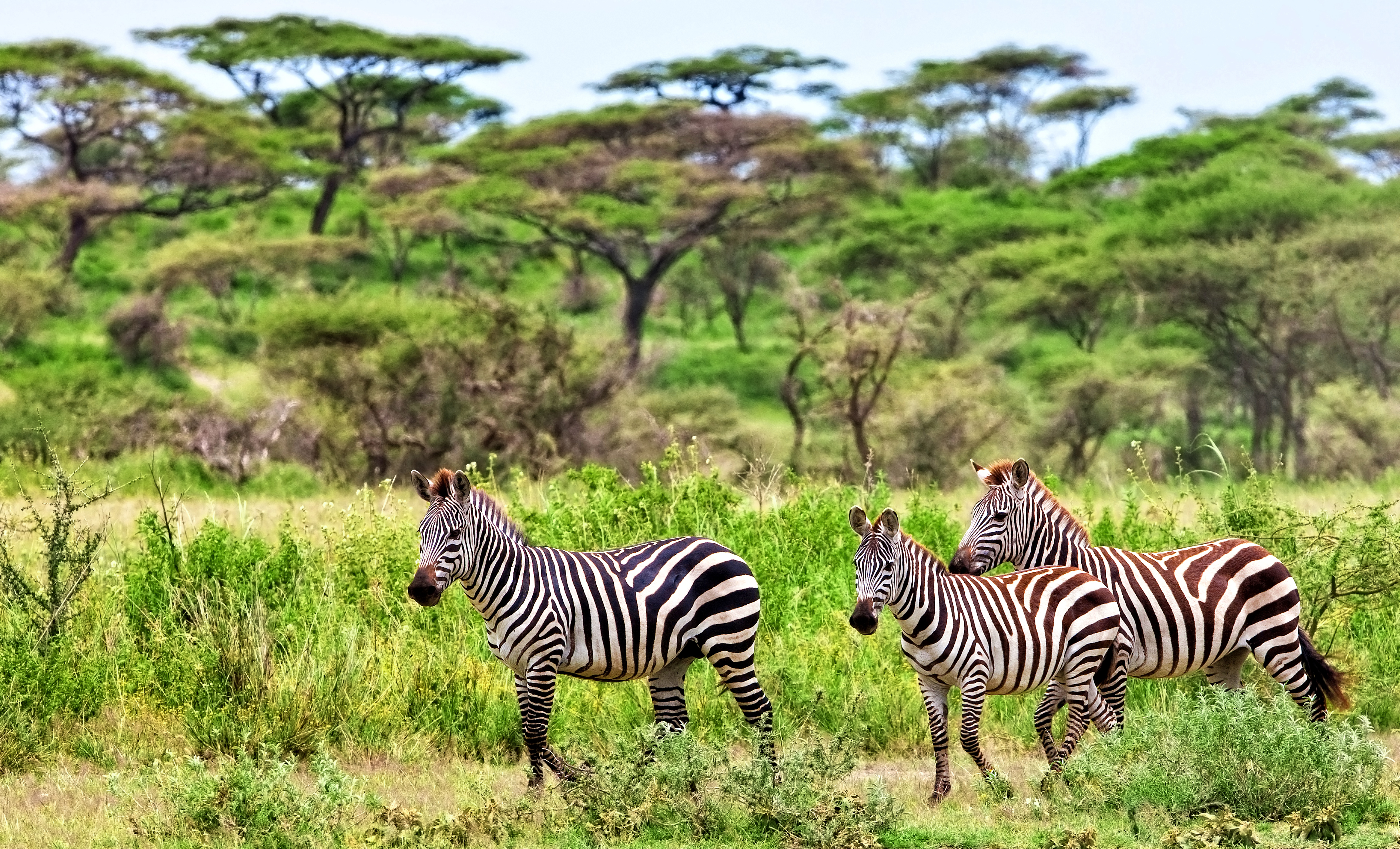
Tanzania's national park system is the most extensive and ecologically diverse in East Africa, and the choice of park — or combination of parks — is the first and most consequential decision in planning the best safari in Tanzania. Each major park offers a distinct ecosystem, a distinct wildlife community, and a distinct quality of experience that cannot be fully replicated anywhere else. Understanding what each delivers, and when, is the foundation of exceptional safari planning.
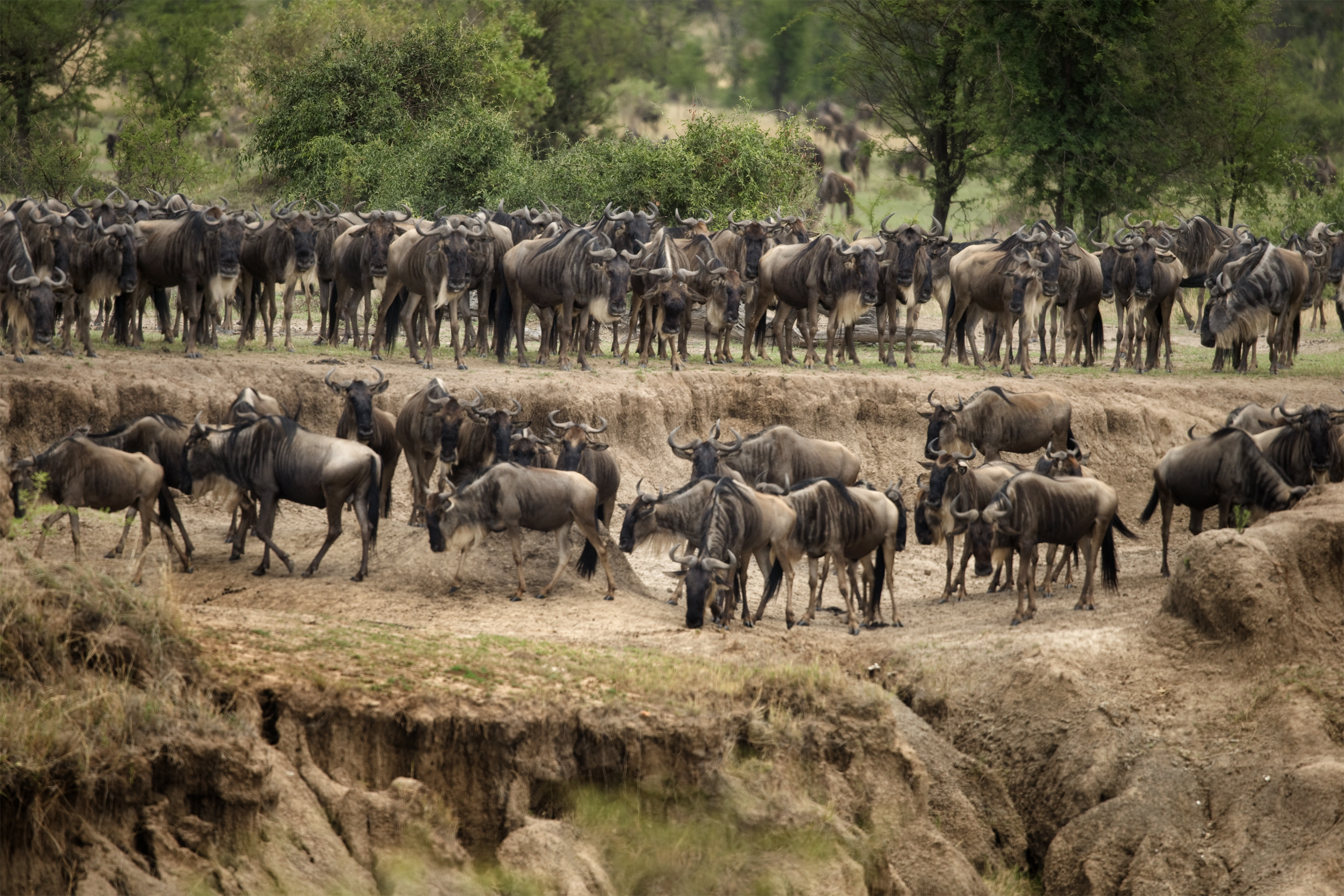
The Serengeti National Park is the natural starting point for any conversation about the best safari in Tanzania — not because it is the only great park, but because its scale, its wildlife density, and its annual migration cycle make it the most consistently extraordinary wildlife arena on earth. Covering nearly 15,000 square kilometres of open savannah, kopje-studded plains, and riverine woodland, the Serengeti supports year-round populations of lion, leopard, cheetah, elephant, buffalo, wild dog, and over 500 bird species. The Great Wildebeest Migration — in which 1.5 million wildebeest trace a year-round circuit across the Serengeti ecosystem — provides a different but equally dramatic spectacle in every month of the year, from the calving season in the southern plains in January and February to the river crossings of the north in July through October.
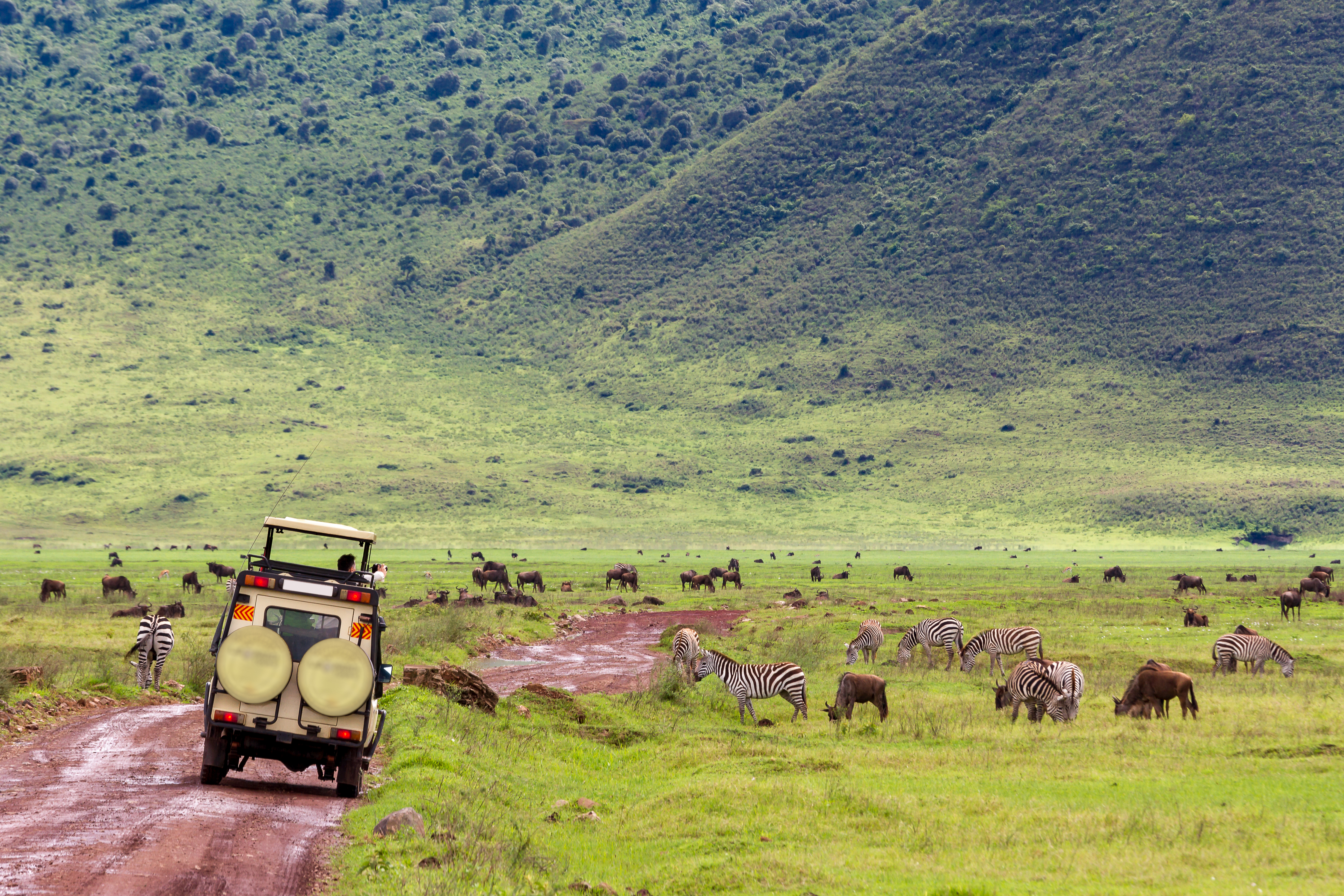
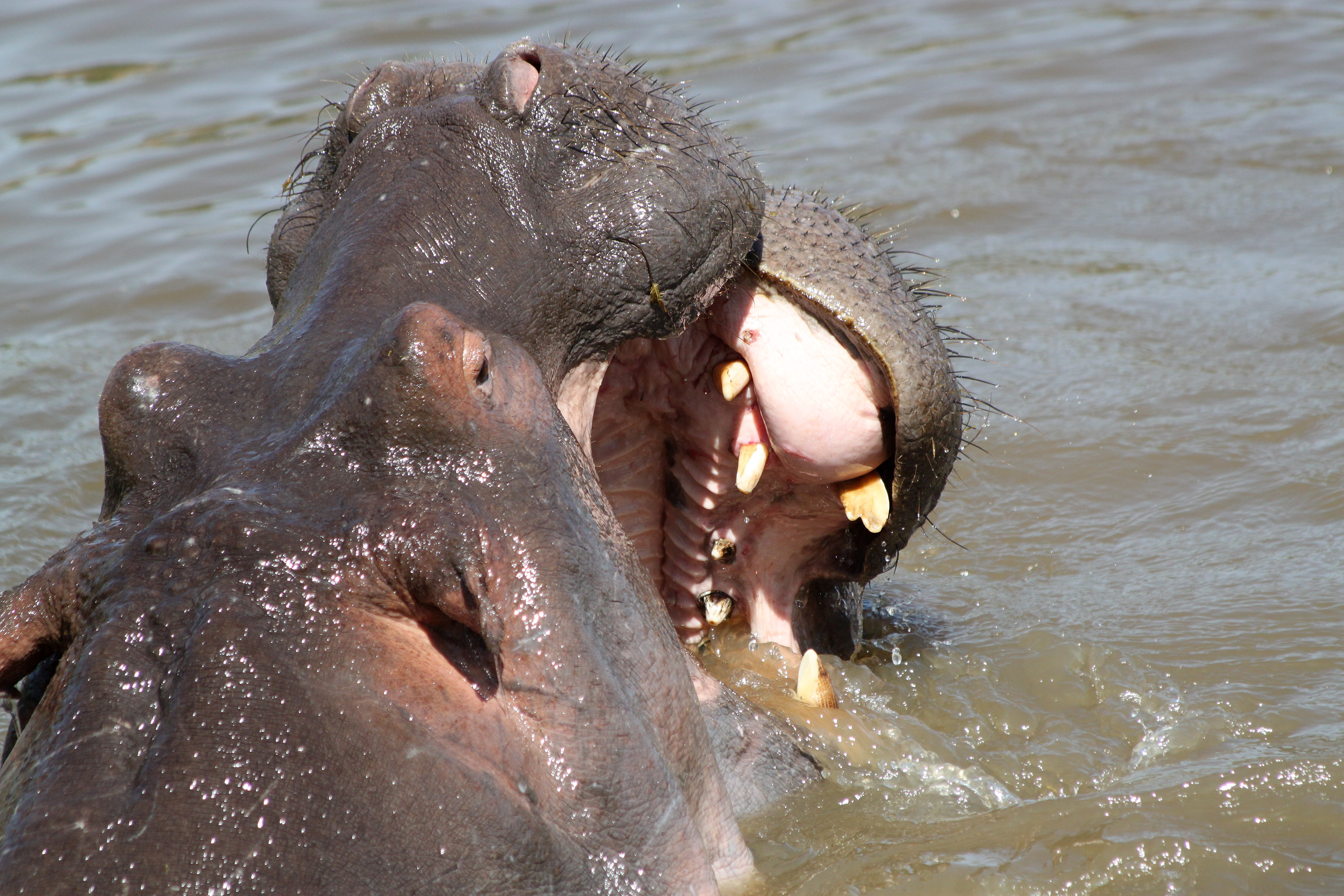
Ngorongoro Crater is Tanzania's second great safari destination and one that offers a completely different quality of experience from the Serengeti. The crater is a collapsed volcanic caldera 20 kilometres in diameter, its floor sitting 600 metres below the rim, and within it lives one of the most concentrated wildlife populations on earth. The black rhinoceros of the crater floor — one of Africa's most critically endangered species and one of the hardest to see elsewhere in Tanzania — is the encounter that most powerfully defines a Ngorongoro safari. The crater's lion prides, its hippo pools, its flamingo-lined alkaline lake, and the extraordinary intimacy of game viewing in an enclosed ecosystem all contribute to an experience that no other park in Tanzania can replicate.
The Role of Private Concessions in Delivering the Best Safari
One of the least understood but most important factors in what makes the best safari in Tanzania is the distinction between game viewing inside a national park and game viewing within a private concession. National parks are managed by the Tanzania National Parks Authority and are open to all licensed operators and vehicles — which means that during peak season, the most famous wildlife areas and sighting locations can attract multiple vehicles simultaneously. Private concessions — wildlife management areas leased by individual operators from the Tanzanian government or local communities adjacent to national parks — operate under a completely different framework that fundamentally changes the quality of the safari experience.
Within a private concession, off-road driving is permitted — meaning the guide can leave the track entirely and follow wildlife across open terrain to achieve the optimal position for viewing and photography. Night game drives are available, opening the extraordinary world of the nocturnal bush that the national park's after-dark restrictions completely exclude. Guided walking safaris in the presence of big game are conducted with armed rangers under strict safety protocols, providing the ground-level perspective that transforms the relationship between the traveller and the landscape from observer to participant. And the exclusive territory of the concession means that the game drive vehicle encounters no other vehicles in its wildlife area — the sighting belongs entirely to the guests in that vehicle, for as long as they choose to stay with it.
The finest private concession experiences in Tanzania are the centrepiece of our luxury serengeti safari packages — designed around exclusive territory, expert guiding, and the full range of activities that private land access makes possible.
What Makes a Safari Guide Exceptional
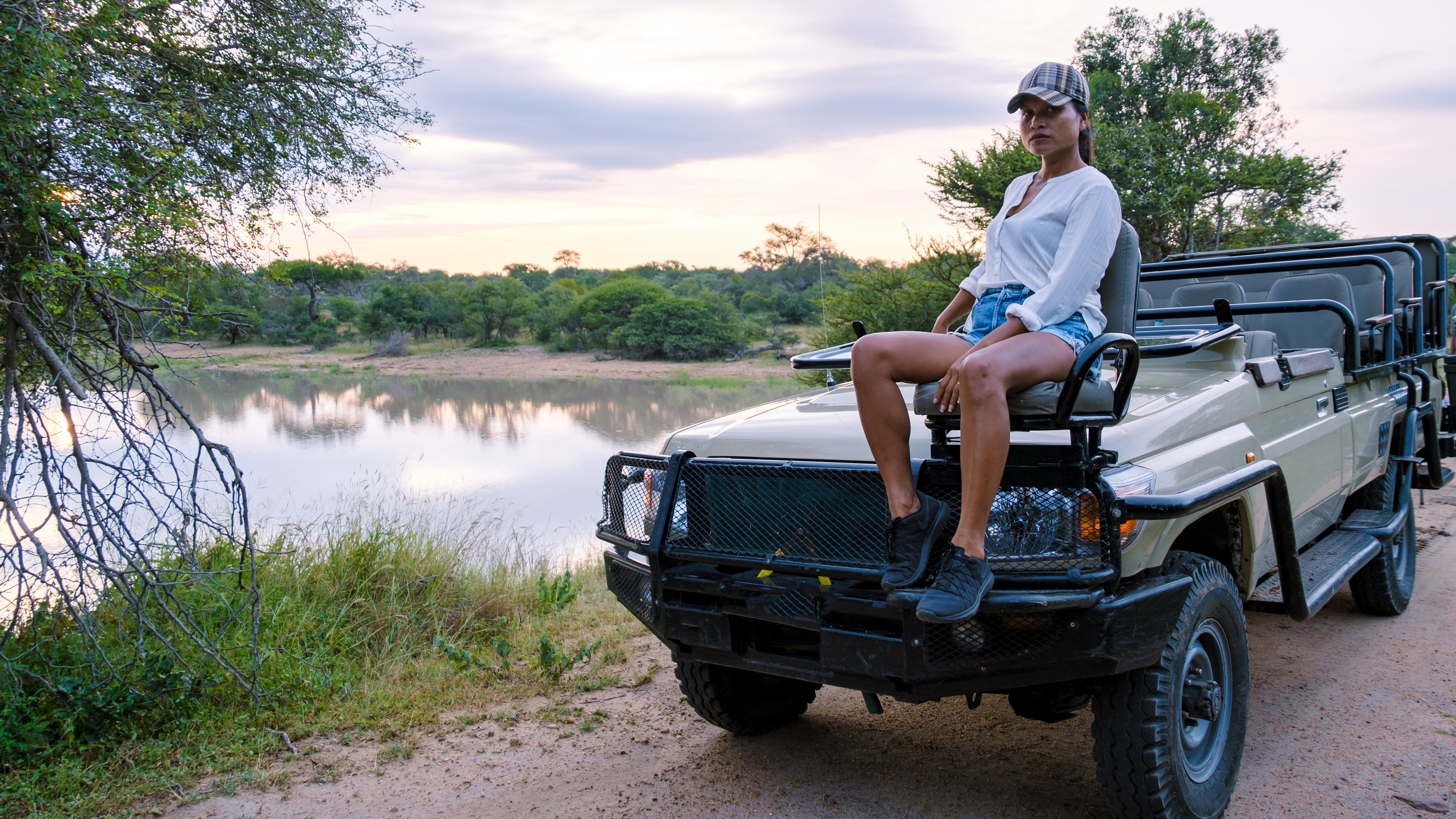
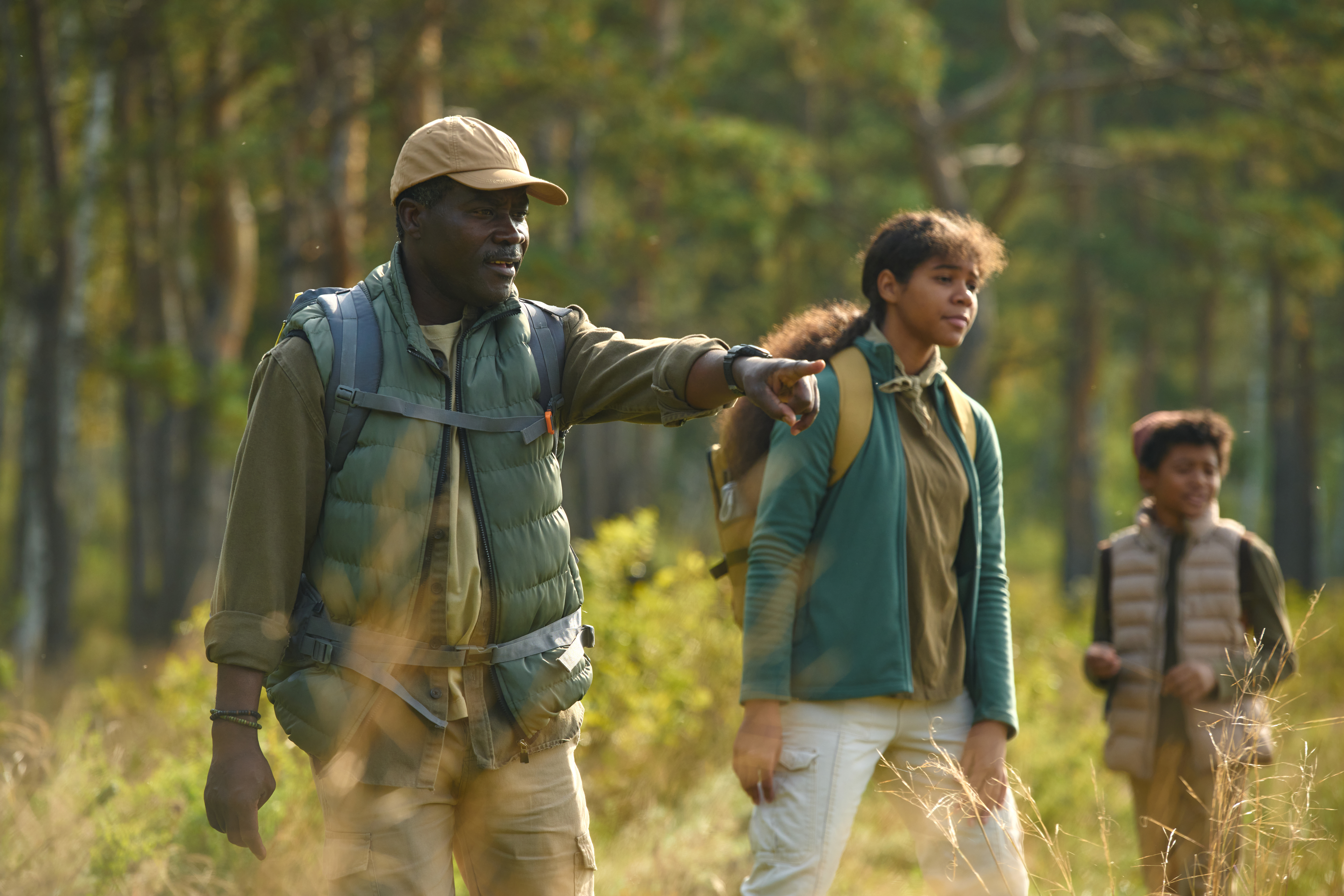
Of all the elements that define the best safari in Tanzania, the quality of the guide is the most significant — and the most difficult to assess from the outside. A great safari guide is not simply a competent driver who can identify the animals the vehicle encounters. A great guide is a naturalist, an ecologist, a storyteller, and an interpreter who has spent years — sometimes decades — learning a specific territory to a level of intimacy that most travellers have never encountered in any context. The difference between a capable guide and an exceptional one is the difference between seeing a lion and understanding a lion — between witnessing an event and comprehending what it means within the larger story of the ecosystem.
The finest guides in Tanzania know the individual animals in their territory. They know which lion pride denned where last month, which leopard female has new cubs in the kopje to the east, which cheetah coalition has been hunting the western boundary for the past three mornings. They read tracks and signs in the sand with a precision that seems almost supernatural to the uninitiated, and they explain animal behaviour in ways that illuminate rather than simply inform — connecting each observation to the broader ecological context in a manner that makes the landscape feel comprehensible and alive rather than random and opaque. A guide of this quality does not make a good safari great. They make a great safari unforgettable.
The best safari operators in Tanzania employ guides based on precisely these qualities — field knowledge, communication ability, ecological depth, and genuine passion for the environment they inhabit — and they know their guides personally. When a specialist operator recommends a specific camp for a specific traveller, they are often recommending a specific guide as much as a specific property. This is the kind of intelligence that no booking platform or review site can provide, and it is one of the most powerful arguments for working with a specialist who has first-hand knowledge of the people as well as the places.
The Best Safari Experiences Unique to Tanzania
The Great Wildebeest Migration
The Great Wildebeest Migration is the world's largest overland movement of mammals and the experience that draws more safari travellers to Tanzania than any other single event. Over 1.5 million wildebeest, accompanied by hundreds of thousands of zebra and gazelle, follow a year-round circuit across the Serengeti ecosystem driven entirely by the seasonal rhythm of rainfall and grass growth. The migration is not a single event with a single location — it is a continuous, evolving spectacle that offers a different but equally extraordinary experience in every month of the year. The river crossings of the northern Serengeti and Kenya's Masai Mara — in which thousands of wildebeest plunge into crocodile-filled water in a chaos of sound, dust, and primal urgency — are the most celebrated moments of the cycle, but the calving season of the southern Serengeti in January and February, with its extraordinary density of newborn animals and predator activity, is equally spectacular and considerably more intimate.
The Ngorongoro Crater Floor Experience
The daily descent into the Ngorongoro Crater — from the rim lodge, through the montane forest on the crater wall, and onto the extraordinary floor below — is one of the most distinctive and consistently rewarding safari experiences in Tanzania. The crater floor is a world unto itself: an enclosed ecosystem of approximately 260 square kilometres supporting some of the highest densities of large mammals on earth. The black rhinoceros, the dense lion population, the enormous buffalo herds, and the alkaline lake with its flamingo gatherings are all accessible within a single day's game drive, and the experience of moving between these different habitats within the caldera — forest, grassland, swamp, and lake — provides a wildlife diversity that open-country parks of equivalent area cannot match.
Walking Safari in the Ruaha Wilderness
The guided walking safari in Tanzania's Ruaha National Park represents the best safari in Tanzania for the traveller who wants to move beyond the vehicle entirely and experience the African wilderness on foot — at ground level, at human pace, and with every sense engaged simultaneously. Conducted with an experienced guide and an armed ranger, a Ruaha walking safari covers terrain that no vehicle can access and reveals details of the ecosystem — tracks, signs, insects, birds, plants, and the extraordinary interconnectedness of the bush — that the game drive vehicle, for all its advantages, inevitably misses. Walking in the presence of elephant herds, lion prides, and wild dog packs in one of Africa's most remote and least visited parks is an experience that most safari travellers describe as the single most intense and memorable of their entire Tanzania journey.
For detailed guidance on planning a walking safari in Ruaha and the other activities available in Tanzania's southern circuit, visit our ruaha national park safari page — where specialist knowledge of this extraordinary and undervisited park is available from guides who know it intimately.
The Best Camps for a Safari in Tanzania
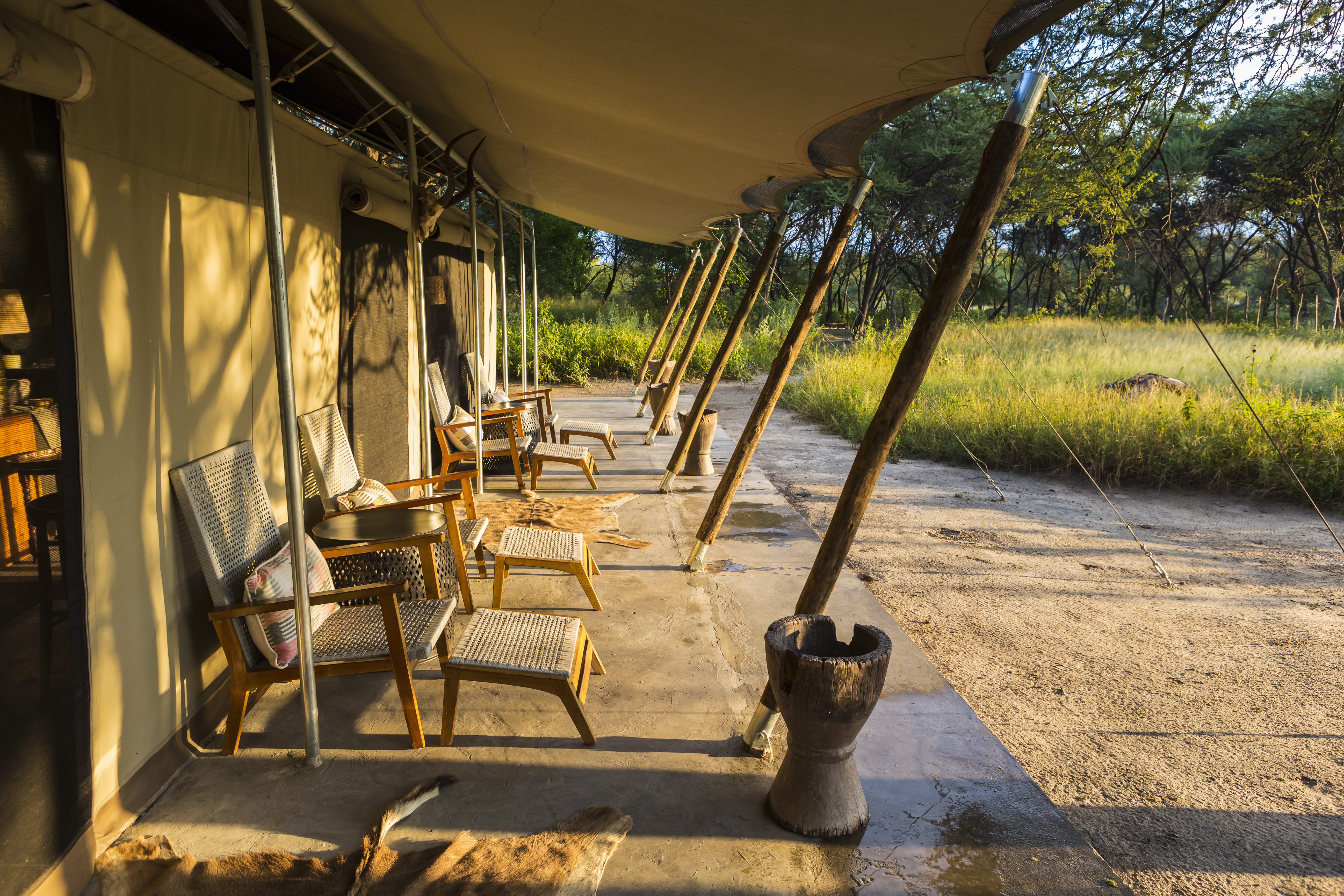
The camp is not merely where the best safari in Tanzania ends each day — it is an active component of the experience itself, shaping the quality of every game drive, every meal, and every hour spent in the bush through the quality of its location, its guiding team, its design, and its service philosophy. Tanzania's finest safari camps share a set of characteristics that distinguish them from the merely good: they are positioned within or immediately adjacent to prime wildlife habitat rather than near park gates or in tourist corridors; they operate on a fully all inclusive basis that removes the constant awareness of incremental costs from the guest experience; they maintain a low guest-to-guide ratio that ensures genuinely personal attention and flexible daily programming; and they are staffed by guides, managers, and camp teams who have chosen to be there rather than simply passing through.
The best camps in Tanzania are also the ones that understand the relationship between the physical experience and the emotional one — that a tent positioned to face the sunrise over the Serengeti is not an aesthetic choice but a deliberately crafted moment in the guest's day, that the outdoor shower open to the sky is not an eccentricity but an invitation to experience the bush in a state of genuine vulnerability, and that the bush dinner set up privately beside a waterhole is not a logistical exercise but the creation of a memory that will be described at dinner tables for years. These are the camps that produce the best safari in Tanzania — not because of what they cost, but because of how deliberately they have been designed around the experience of the person staying in them.
Our all inclusive tanzania safari guide provides the most comprehensive account available of what Tanzania's finest camps include within their rates — and how the all inclusive model transforms the quality of the daily experience.
How to Plan the Best Safari in Tanzania
Planning the best safari in Tanzania requires applying the principles outlined in this guide to the specific circumstances of the individual traveller — their available time, their budget, their wildlife priorities, their physical comfort level, and the season in which they are able to travel. The combination of these factors determines the optimal park selection, the appropriate camp tier, the seasonal positioning within each park, and the overall itinerary structure that will deliver the experience being sought. No single formula produces the best safari for every traveller, because the best safari is always the one that has been designed for the specific person making the journey.
The most reliable route to the best safari in Tanzania is through a specialist operator who has first-hand, current knowledge of the parks, the camps, and the guides — someone who has sat in the same vehicles, slept in the same tents, and walked with the same rangers as the clients they are advising. This knowledge is not available from a booking platform or a review aggregator. It lives in the conversations between operators who visit regularly, in the relationships between specialists and the camp managers who tell them honestly which properties are performing well and which have had staff changes, and in the accumulated experience of designing itineraries for travellers whose needs vary as widely as the landscapes of Tanzania itself.
Our step-by-step guide to how to book a safari in tanzania walks through every decision in the planning process — from defining objectives and choosing a circuit to confirming inclusions and securing the booking with a deposit.
Planning your Tanzania safari starts with the right operator. Whether you are researching the best safari in Tanzania or ready to commit to dates, our team at Sokwe Africa Safaris is here to help. Get a personalised quote built around your budget, travel style, and preferred parks. You can also explore our all inclusive tanzania safari packages, read our complete tanzania safari cost guide, or learn exactly how to book a safari in tanzania before making any decisions.
Explore our full range of all inclusive tanzania safari packages, read our complete tanzania safari cost guide, or learn exactly how to book a safari in tanzania before making any decisions.
Begin planning the best safari in Tanzania on our luxury tanzania safari page — where first-hand camp knowledge, transparent pricing, and genuine East Africa expertise come together to create an experience that exceeds every expectation.
For the complete bush and beach combination, explore our tanzania safari and zanzibar packages — the most complete Tanzania experience available, combining the world's greatest wildlife destination with the Indian Ocean's finest island.
If you are weighing this up, see our why guests book with us.
If you are planning this route, read How Many Days for a Tanzania Safari? The Honest Answer from Expert Guides.
For authoritative information on Tanzania's national parks, conservation areas, and wildlife management, visit the Tanzania National Parks Authority. For wildlife conservation research and field reporting across East Africa, the African Wildlife Foundation provides comprehensive and current information.
The best safari in Tanzania is not the one with the most animals or the most dramatic sightings — it is the one in which the traveller arrives as a visitor and leaves as someone who has genuinely inhabited one of the last great wildernesses on earth. That transformation requires the right park, the right camp, the right guide, and the right season. Get all four right and Tanzania will do the rest.
- The best safari in Tanzania is defined by park choice, private concession access, guide quality, seasonal positioning, and camp experience
- Serengeti delivers year-round excellence — the right zone for the right season is the critical positioning decision
- Ngorongoro Crater offers the black rhinoceros encounter and the most concentrated wildlife ecosystem in Tanzania
- Private concessions unlock off-road driving, night game drives, and walking safaris unavailable inside national parks
- Guide quality is the single most important factor — exceptional guides transform observation into genuine understanding
- The Great Migration is a year-round circuit — every month offers a different but equally extraordinary phase
- Walking safaris in Ruaha deliver the most intense and intimate ground-level bush experience in Tanzania
- The best safari camps are positioned within prime wildlife habitat and operate on a fully all inclusive basis
- A specialist operator with first-hand camp and guide knowledge is the most reliable route to the best safari
- The Zanzibar extension completes the Tanzania experience — bush drama followed by Indian Ocean recovery
FAQs: Best Safari in Tanzania
What is the best safari destination in Tanzania? The Serengeti is the most consistently exceptional safari destination in Tanzania for wildlife viewing across all seasons, anchored by the Great Migration and year-round big cat populations. Ngorongoro Crater delivers the most concentrated wildlife experience and the best opportunity to see black rhinoceros. Ruaha offers the most remote and exclusive safari in the south. The best Tanzania safari combines at least two of these destinations within a single itinerary.
When is the best time for a safari in Tanzania? The dry season from June to October delivers peak game viewing conditions across all of Tanzania's major parks, with the Mara River crossings peaking in July and August. January and February are exceptional for the calving season in the southern Serengeti. October and June offer peak-quality wildlife with fewer visitors and lower rates than the July-August peak. The best time for any specific safari depends on the parks included and the wildlife experiences being prioritised.
What makes a luxury safari in Tanzania better than a standard one? The defining differences between a luxury and a standard Tanzania safari are the private vehicle — which tailors the entire daily programme to the specific group — private concession access, which permits off-road driving, night drives, and walking safaris unavailable in shared parks, and the quality of guiding, which at the luxury level is consistently exceptional rather than variable. The all inclusive model, standard at luxury camps, removes the financial friction that reduces the quality of the experience at lower tiers.
How long should the best Tanzania safari be? Ten to fourteen nights is the recommended duration for a comprehensive luxury Tanzania safari that does justice to the destinations included. Seven nights is the practical minimum for a meaningful experience across two parks. Twelve nights or more allows for both northern and southern circuit parks plus a Zanzibar extension — the threshold at which the Tanzania safari experience becomes genuinely complete.
Is the Great Migration the best safari experience in Tanzania? The Great Migration is the most celebrated safari experience in Tanzania and one of the most extraordinary natural spectacles on earth — but it is not the only great safari experience the country offers. The Ngorongoro Crater floor, the walking safaris of Ruaha, the elephant gatherings of Tarangire, and the boat safaris of Nyerere all deliver experiences of comparable intensity and memorability that are entirely independent of the migration cycle.
What is the best safari camp in Tanzania? The best safari camp in Tanzania for any specific traveller depends on their priorities — wildlife zone, activity preferences, group size, season of travel, and budget. In the Serengeti, the finest camps occupy private concessions with exclusive territory and the full activity range. In Ngorongoro, the best properties sit on the crater rim with panoramic caldera views. In Ruaha, the finest camps are positioned on the Great Ruaha River with small guest numbers and exceptional guiding. A specialist operator can match the right camp to the right traveller with a precision that no booking platform can replicate.
How do I find the best safari operator in Tanzania? The best Tanzania safari operators have first-hand, current knowledge of the camps and guides they recommend, maintain direct contractual relationships with properties rather than booking through third-party agents, provide fully transparent pricing that includes all park fees and supplements, and design itineraries from genuine field knowledge rather than from a standard package menu. Personal references from verified clients, evidence of regular in-country visits, and a willingness to answer detailed questions honestly are the most reliable indicators of genuine quality.