Home  ›  Destinations  ›  Ruaha National Park

Tanzania · East Africa

Ruaha National Park

Tanzania's Untamed Giant

Africa's Last Great Wilderness

Stretching across 20,226 square kilometres of southern Tanzania, Ruaha National Park is the country's largest national park and one of the continent's least-visited — making it one of Africa's true final frontiers. Far from the crowds of the northern circuit, Ruaha offers a rare opportunity to experience the African bush in absolute seclusion, with a sense of wilderness that is vanishingly rare in today's world.

Ruaha shelters over 10,000 elephants — one of Africa's largest populations — alongside exceptional numbers of lion, leopard, wild dog, cheetah, and greater and lesser kudu. The Great Ruaha River forms the lifeblood of the park, drawing extraordinary concentrations of wildlife to its banks during the dry season in scenes that rival anything found in East Africa's famous parks.

A Sokwe Africa Safari to Ruaha is a deeply immersive, authentically wild experience — designed for travellers who want to go beyond the ordinary and discover Africa as it was meant to be explored.
Plan Your Ruaha Safari View Safari Packages
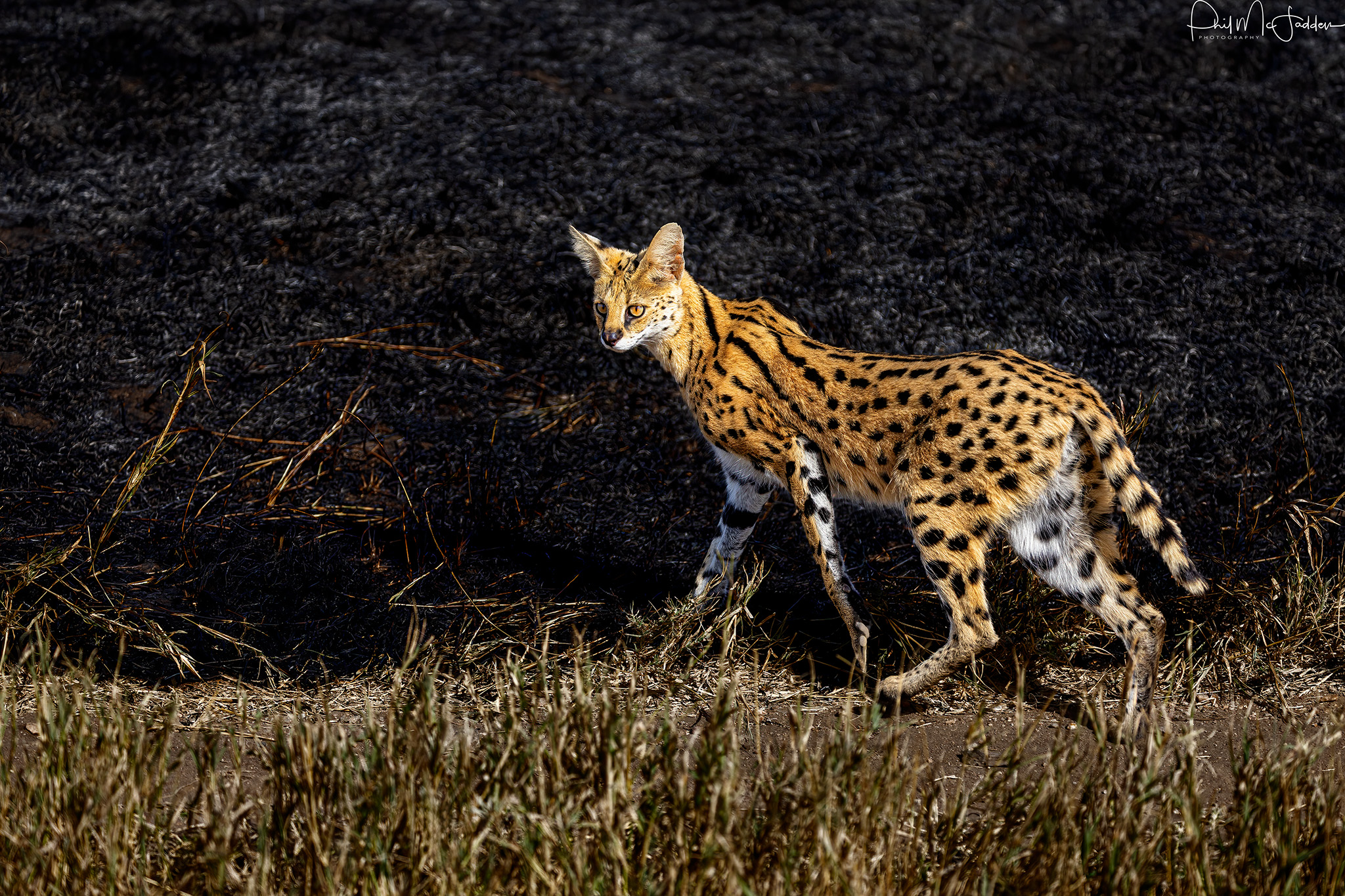
Serval cat in the wild — Ruaha National Park, Sokwe Africa Safaris Tanzania
20,226 km² — Tanzania's
Largest Park

Why Visit

Ruaha Highlights

Elephant Herds

Home to over 10,000 elephants — one of Africa's largest concentrations. Vast herds moving through baobab woodland are a defining Ruaha experience.

African Wild Dog

Ruaha holds one of Africa's healthiest wild dog populations. Watching a pack hunt across the open plains is one of the continent's most thrilling sights.

Great Ruaha River

The river draws hippo, crocodile, and vast herds of thirsty animals in the dry season — providing extraordinary game viewing along its banks.

Exclusive Safaris

Ruaha's remoteness means fewer vehicles and complete exclusivity. Game drives, walking safaris, and fly-camping in pristine, crowd-free wilderness.

Safari Experiences

What to Expect in Ruaha

Game Drives

Morning and evening 4WD game drives along the Ruaha River and across open plains — tracking predators, elephant herds, and rare antelope with expert guides.

Walking Safaris

Guided bush walks bring you face-to-face with the detail of the ecosystem — tracks, plants, insects, and the sheer silence of one of Africa's wildest places.

Fly-Camping

Sleep under the stars in a remote fly-camp beside the river — no fences, no other guests, just you and the sounds of the African night.

Enquire About Ruaha

Planning Your Journey

How to Get to Ruaha National Park

Part of what makes a Ruaha safari so special is precisely what makes it feel remote — it sits deep in south-central Tanzania, well away from the well-trodden northern circuit. The great majority of our guests fly in, and for good reason. Scheduled light-aircraft flights connect Ruaha's Msembe and Jongomero airstrips with Dar es Salaam (around 2 hours, often via Selous/Nyerere), with the coast at Zanzibar, and with the southern hub of Iringa. A direct hop from Dar es Salaam takes roughly 2 hours; the aerial views over the miombo woodland and the Great Ruaha River as you descend are an experience in themselves.

Reaching Ruaha overland from the northern circuit is a serious undertaking — it is not a short transfer. Driving from Arusha covers well over 900 kilometres and takes the best part of two long days, which is why almost nobody self-drives it as part of a northern-circuit trip. From Dar es Salaam the road journey runs around 10 hours via Iringa, and the final stretch into the park is rough, remote bush track. For most travellers, the sensible choice is to fly between the northern parks and Ruaha, saving precious days for game viewing rather than for the road.

Whichever way you arrive, Sokwe Africa Safaris handles every leg — domestic flights, airstrip transfers, and the drive from your camp — so that the logistics of reaching one of Africa's most isolated wildernesses are entirely off your shoulders.

When to Travel

The Best Time to Visit Ruaha

Ruaha is a genuinely year-round destination, but the dry season delivers the concentrations of game that make its reputation. From June to October, the bush thins out, the smaller waterholes dry up, and animals are drawn in ever-greater numbers to the Great Ruaha River. This is when the park is at its most dramatic: enormous elephant herds crossing the sand rivers, lion prides shadowing the buffalo, and predators working the shrinking water sources. September and October are the peak of this spectacle — hot, dusty, and superb for photography.

The green season, roughly November to April, is a different and quieter Ruaha. Short rains arrive around November, with the longer rains falling from March into April. The landscape turns lush and emerald, migratory birds arrive in force (Ruaha records over 570 species), and the plains fill with newborn antelope and their attendant predators. Rates are lower, camps are near-empty, and the light is beautiful — though a few camps close during the wettest months and some tracks become difficult. For the classic big-game experience we usually steer guests towards the dry months of June through October; for birding, dramatic skies and solitude, the green season is a rewarding choice.

The Wildlife

What Wildlife You'll See on a Ruaha Safari

Ruaha sits at a remarkable ecological crossroads, where the wildlife of East and Southern Africa overlaps. The result is a species list you will not find anywhere on the northern circuit. Alongside the classic big game, Ruaha is one of the few places in Tanzania where you can reliably see both greater and lesser kudu, along with sable and roan antelope — three of the most sought-after and elegant antelope in all of Africa.

  • Elephants — over 10,000 roam the park, one of Africa's largest populations, often in vast herds moving through ancient baobab groves.
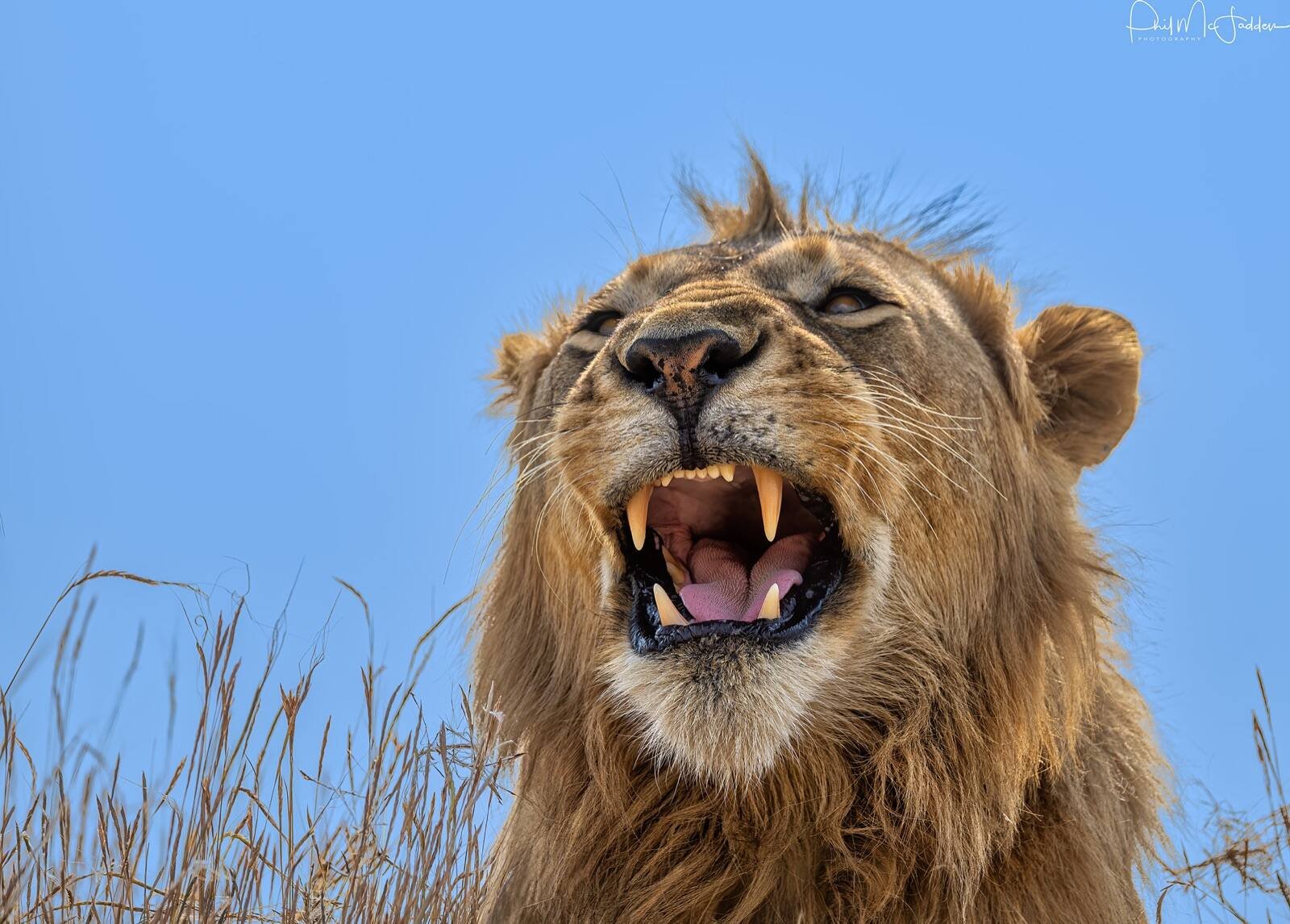
  • Lions — Ruaha is famous for exceptionally large prides, some numbering twenty or more, and is a stronghold for lion conservation.
  • African wild dog — Ruaha holds one of the continent's healthiest populations of this endangered predator, making it one of the very best places in Africa to watch a pack on the hunt.
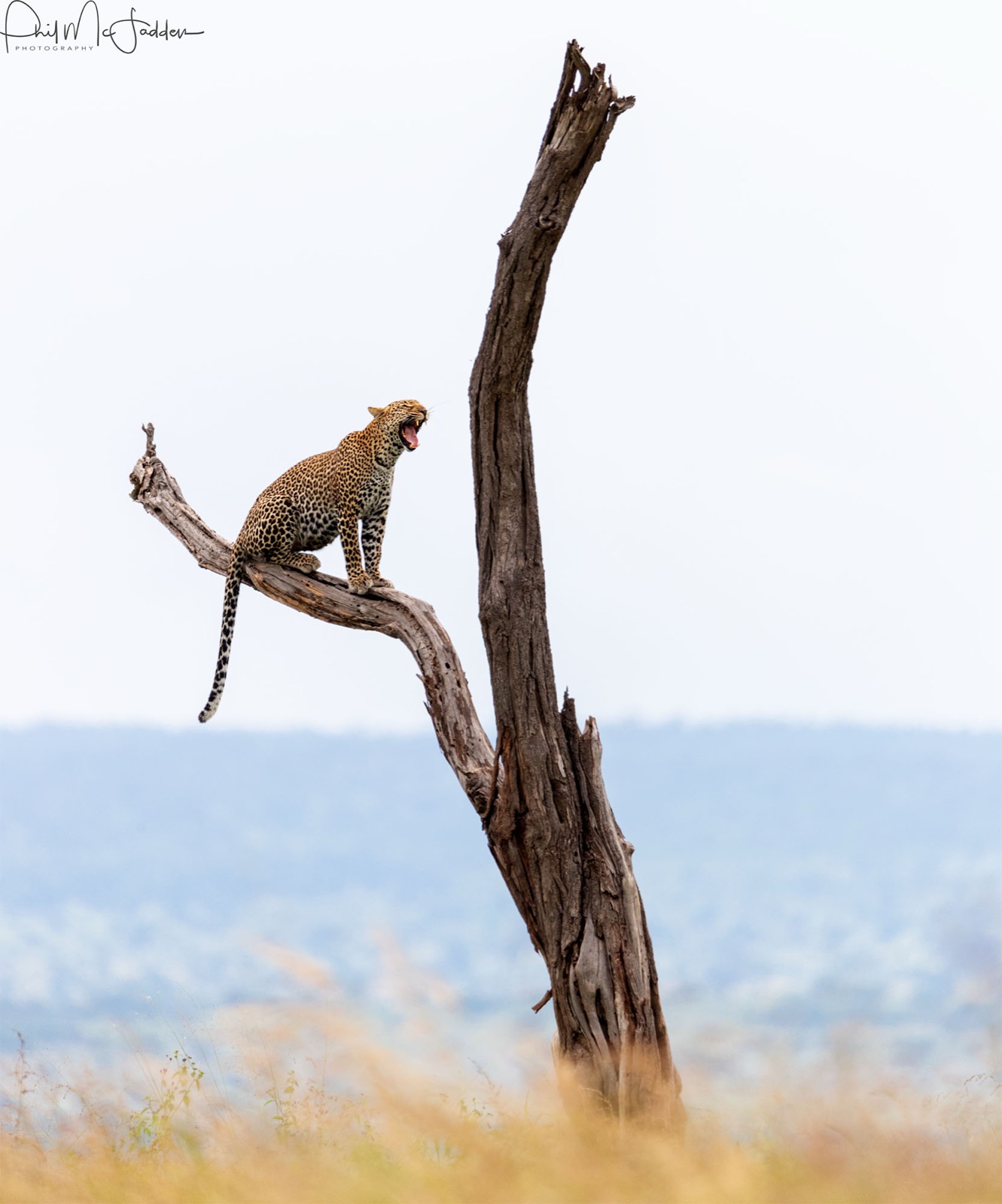
  • Leopard and cheetah — both are seen regularly, hunting the riverine thickets and open plains respectively.
  • Kudu, sable and roan — the spiral-horned antelope Ruaha is renowned for, seldom seen together elsewhere in Tanzania.
  • Birdlife — more than 570 recorded species, from crimson-and-black bee-eaters to the striking Ruaha red-billed hornbill.

Add buffalo, hippo, crocodile, giraffe, zebra, impala and a supporting cast of smaller predators, and you have one of the richest and least predictable game-viewing arenas in the country — with a fraction of the vehicles you would share a sighting with in the Serengeti.

Trip Length

How Many Days Do You Need in Ruaha?

Because Ruaha takes real effort to reach, it rewards those who linger. We recommend a minimum of three nights, which gives you two full days of game drives — enough to explore the Great Ruaha River frontage, the sand rivers and the open plains, and to give the wild dogs and big cats a proper chance to appear. Anything shorter and you spend a disproportionate share of your trip in transit.

Four or five nights is the sweet spot for a park of this size and diversity. That extra time opens up walking safaris, longer drives into the more remote reaches of the park, unhurried mornings at the river, and the flexibility to follow a particular pride or pack over consecutive days. For keen photographers and repeat safari-goers, Ruaha's sheer scale and low visitor numbers can justify a week without ever feeling repetitive. Sokwe Africa Safaris tailors the length to your wider itinerary, but our honest advice is simple: give Ruaha the time its remoteness deserves.

Accommodation

Where to Stay on a Ruaha National Park Safari

Ruaha's remoteness keeps its camps intimate and few — there are no sprawling hotels here, only a handful of tented camps and lodges, most set along or near the Great Ruaha River. This scarcity is a blessing: it guarantees the exclusivity and quiet that define a Ruaha safari. Accommodation broadly falls into three bands.

  • Classic tented camps — comfortable, well-run safari camps with en-suite tents and river or plains views, typically from around USD 350–550 per person per night.
  • Premium camps and lodges — more spacious, beautifully finished camps with excellent guiding and cuisine, usually in the region of USD 600–900 per person per night.
  • Top-tier and exclusive-use — the finest small camps and private, walking-focused bush camps, from roughly USD 1,000 per person per night upwards.

Rates generally include all meals, game drives and park activities; some also cover park fees and drinks. Note that Ruaha's park entry fees are payable on top of camp rates unless stated otherwise. Because bed numbers are so limited, the best camps book out well ahead for the peak dry-season months, so early planning matters. We match each guest to the camp and location that best suits their budget, pace and the wildlife they most hope to see.

Building Your Itinerary

Combining Ruaha with the Southern & Northern Circuits

Ruaha is the crown jewel of Tanzania's southern circuit, and it pairs most naturally with Nyerere National Park (formerly the Selous Game Reserve). A classic southern safari flies from Dar es Salaam or Zanzibar into Nyerere for boat safaris and walking on the Rufiji River, then hops across to Ruaha for big-game drives — two utterly different, water- and land-led wildernesses that complement one another perfectly, and both blissfully uncrowded.

Ruaha also makes a superb, contrasting add-on to a northern-circuit trip. Many of our guests complete the Serengeti, Ngorongoro Crater and Tarangire, then fly south to finish in the raw, crowd-free wilderness of Ruaha — trading the famous plains and the migration for elephants, wild dogs and rare antelope with barely another vehicle in sight. It is the ideal way to see both faces of Tanzania in a single journey. A beach finish on Zanzibar rounds off either itinerary beautifully.

As a licensed Arusha-based operator, Sokwe Africa Safaris designs seamless multi-park itineraries that stitch these regions together with the right flights, timings and camps — so you experience Tanzania's largest national park at its gloriously uncrowded best. Tell us how long you have and what you most want to see, and we will build the journey around it.

Plan Your Ruaha Safari
"