Home  ›  Destinations  ›  Ngorongoro Crater

Tanzania · East Africa

Ngorongoro Crater

UNESCO World Heritage Site

The World's Greatest Wildlife Arena

Formed millions of years ago by a colossal volcanic eruption, the Ngorongoro Crater is the world's largest intact volcanic caldera and one of Tanzania's most breathtaking natural wonders. This immense bowl — stretching 19 kilometres across and dropping 600 metres to its floor — cradles one of Africa's densest and most diverse concentrations of wildlife within its walls.

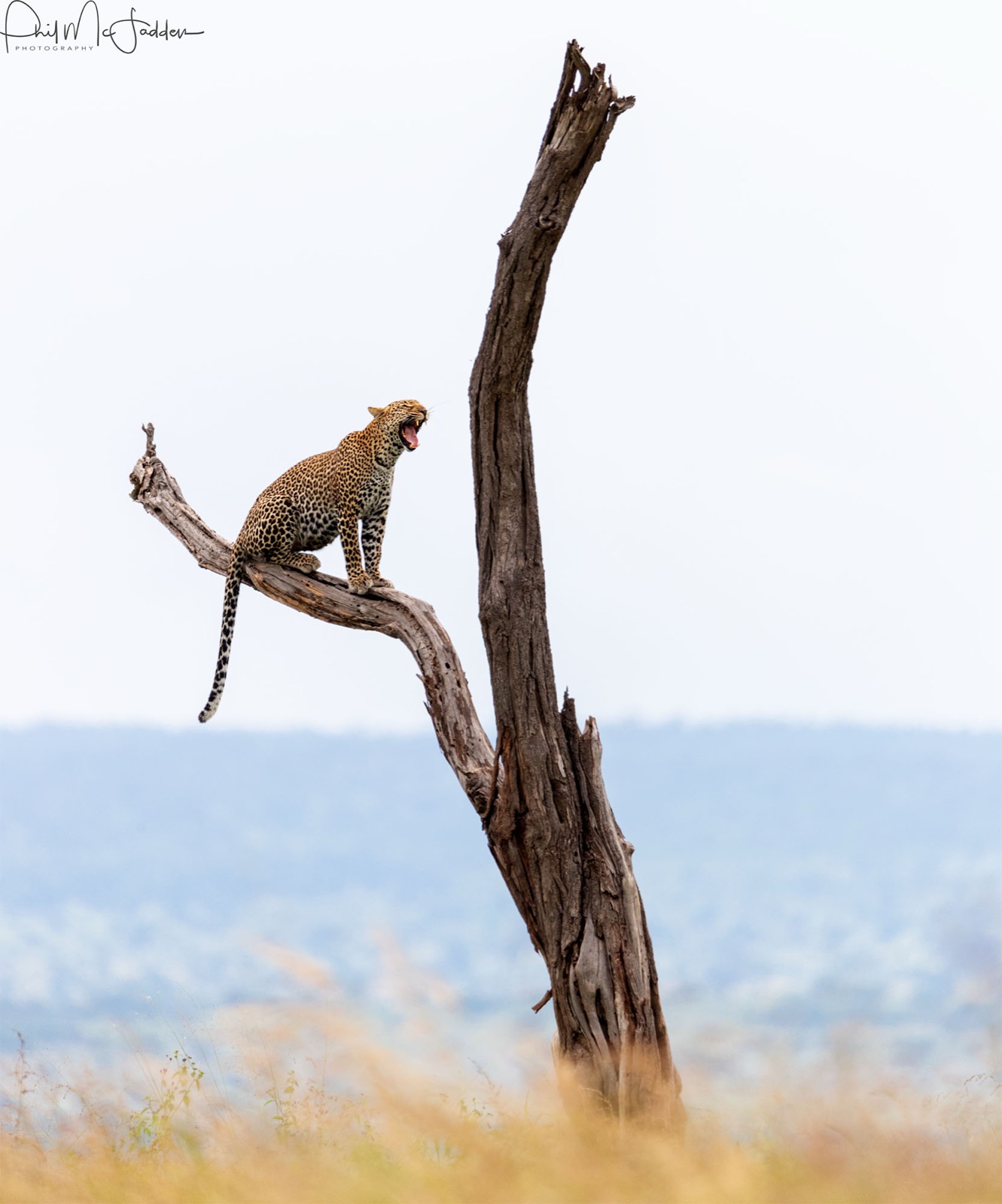
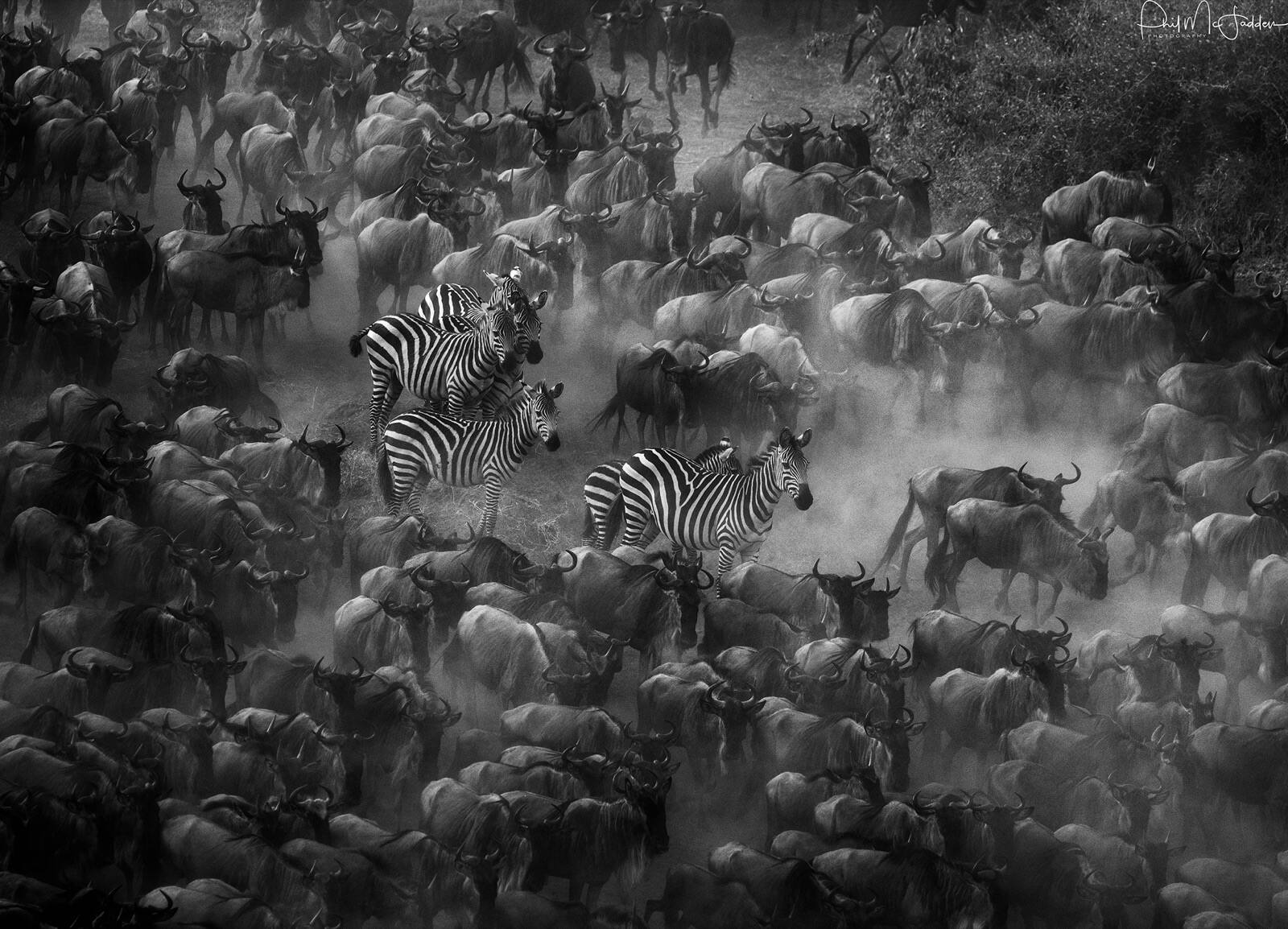
Inside the crater, approximately 25,000 animals roam in a near self-contained ecosystem — including lion, leopard, hyena, wildebeest, zebra, hippo, and one of Tanzania's last populations of critically endangered black rhino. The Crater's permanent water sources sustain this abundance of life year-round, making it one of the most reliable Big Five destinations on the continent.

Sokwe Africa Safaris combines crater floor game drives with visits to the Maasai villages on the crater rim, offering an experience that is at once wild and deeply cultural. Our expert guides ensure you discover the Crater's secrets at every level.
Plan Your Ngorongoro Safari View Safari Packages
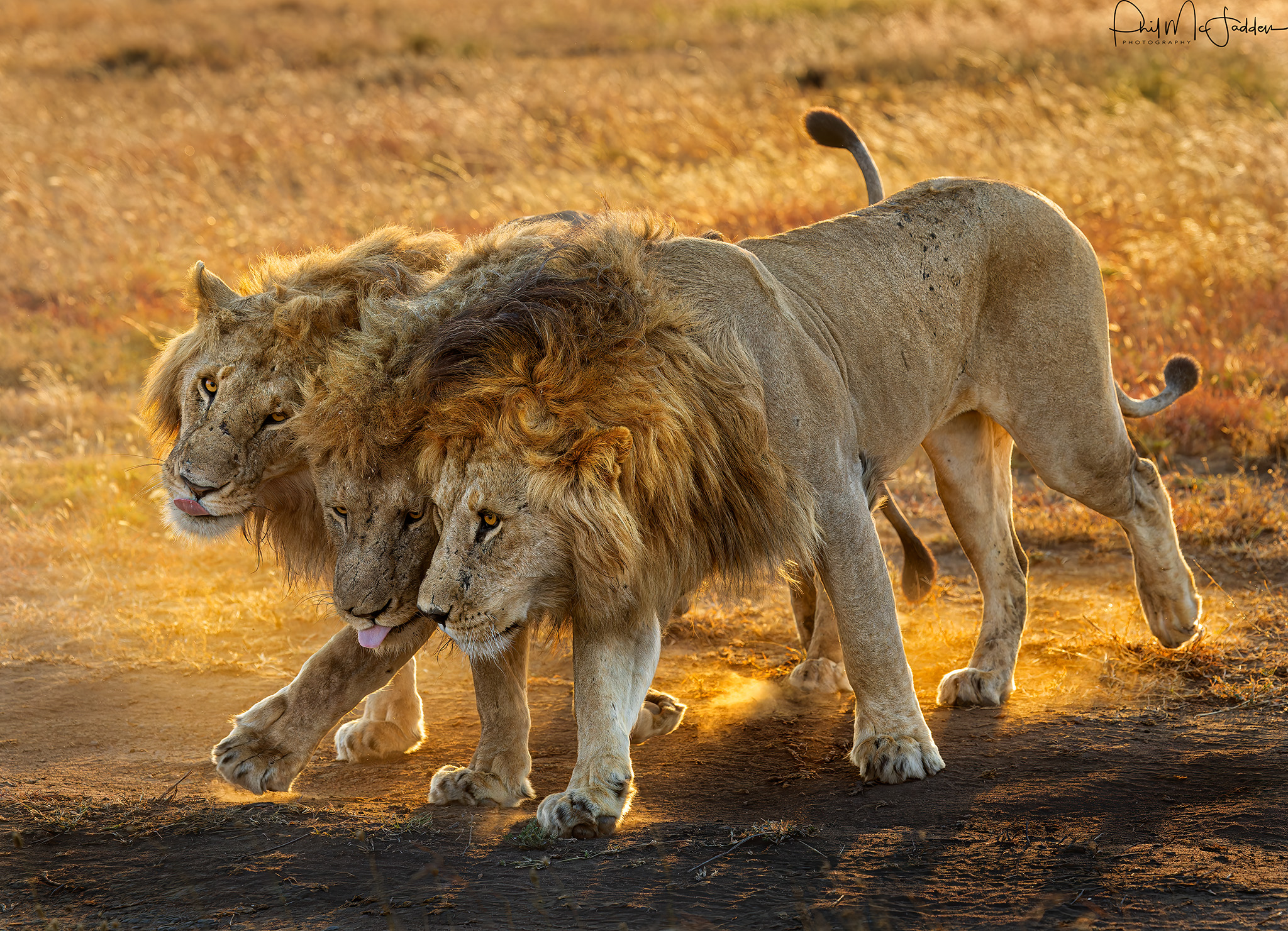
Lions on the Ngorongoro Crater floor — Sokwe Africa Safaris Tanzania
25,000 Animals Within
the Crater

Why Visit

Ngorongoro Highlights

Black Rhino

The Ngorongoro Crater shelters one of Tanzania's last populations of the critically endangered black rhino — a truly rare sighting.

The Big Five

Exceptional year-round Big Five sightings. Dense lion prides, leopard in the forests, vast herds of buffalo and elephant on the crater floor.

Maasai Culture

The Maasai people have lived alongside wildlife on the crater rim for centuries. Cultural visits offer a profound window into their traditions.

Scenic Rim Views

The drive down into the crater and the panoramic views from the rim at sunset are among the most dramatic landscapes in all of Africa.

By the Numbers

The Crater in Context

19 km
Crater Diameter

The world's largest unbroken and unflooded volcanic caldera, stretching 19 kilometres from rim to rim.

600 m
Crater Depth

The crater floor sits 600 metres below the rim, creating a distinct micro-ecosystem with its own climate and habitats.

1951
Year of Protection

Designated a UNESCO World Heritage Site, the Ngorongoro Conservation Area is one of Africa's oldest protected regions.

Begin Planning Your Visit
"