Tanzania · East Africa
The Eighth Wonder
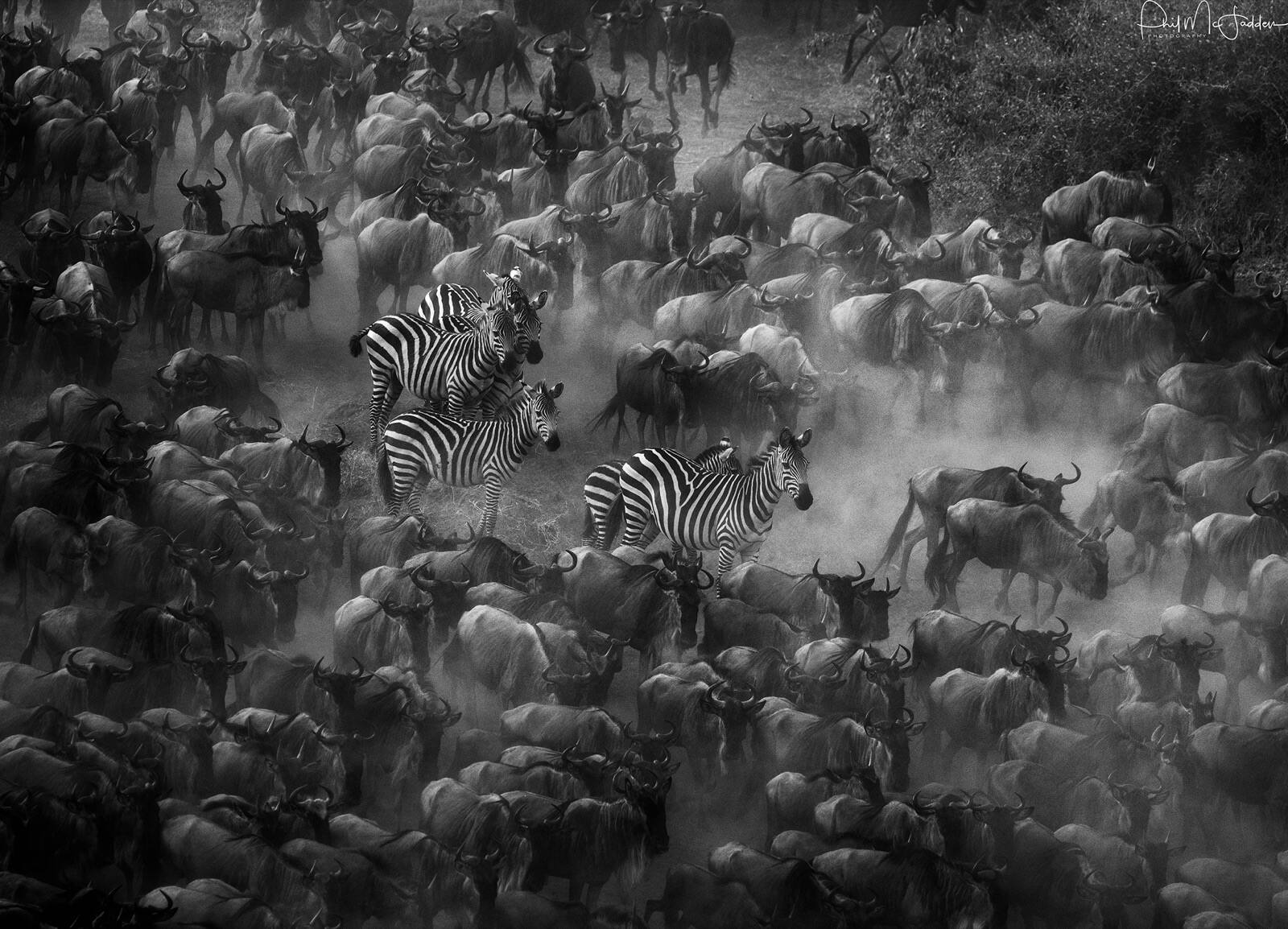
Covering 14,750 square kilometres of endless golden plains, the Serengeti National Park is Tanzania's oldest and most celebrated wilderness. A UNESCO World Heritage Site, it is home to the largest terrestrial mammal migration on Earth — over 1.5 million wildebeest, accompanied by hundreds of thousands of zebra and gazelle, sweeping in an eternal circle across the ecosystem.
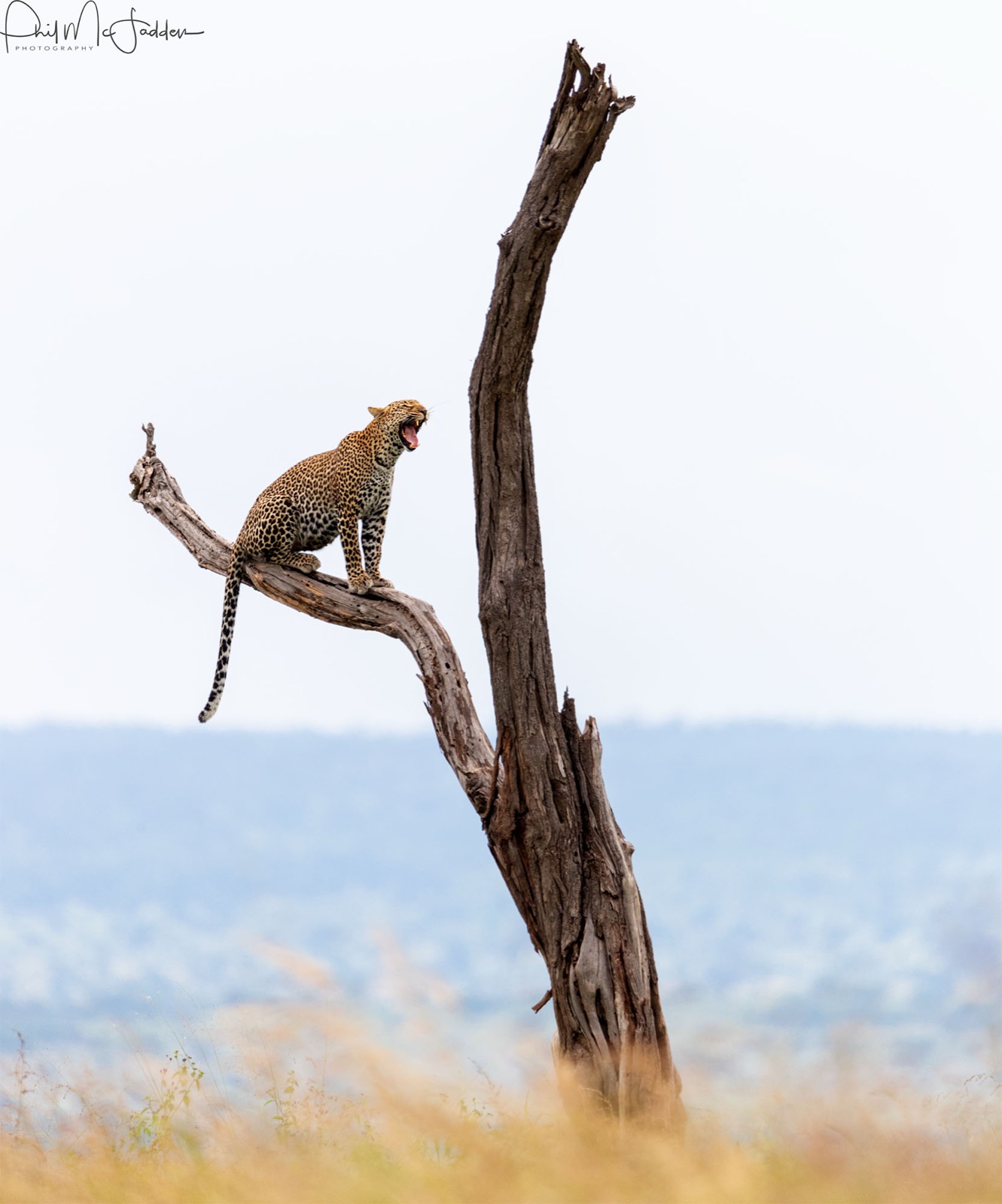
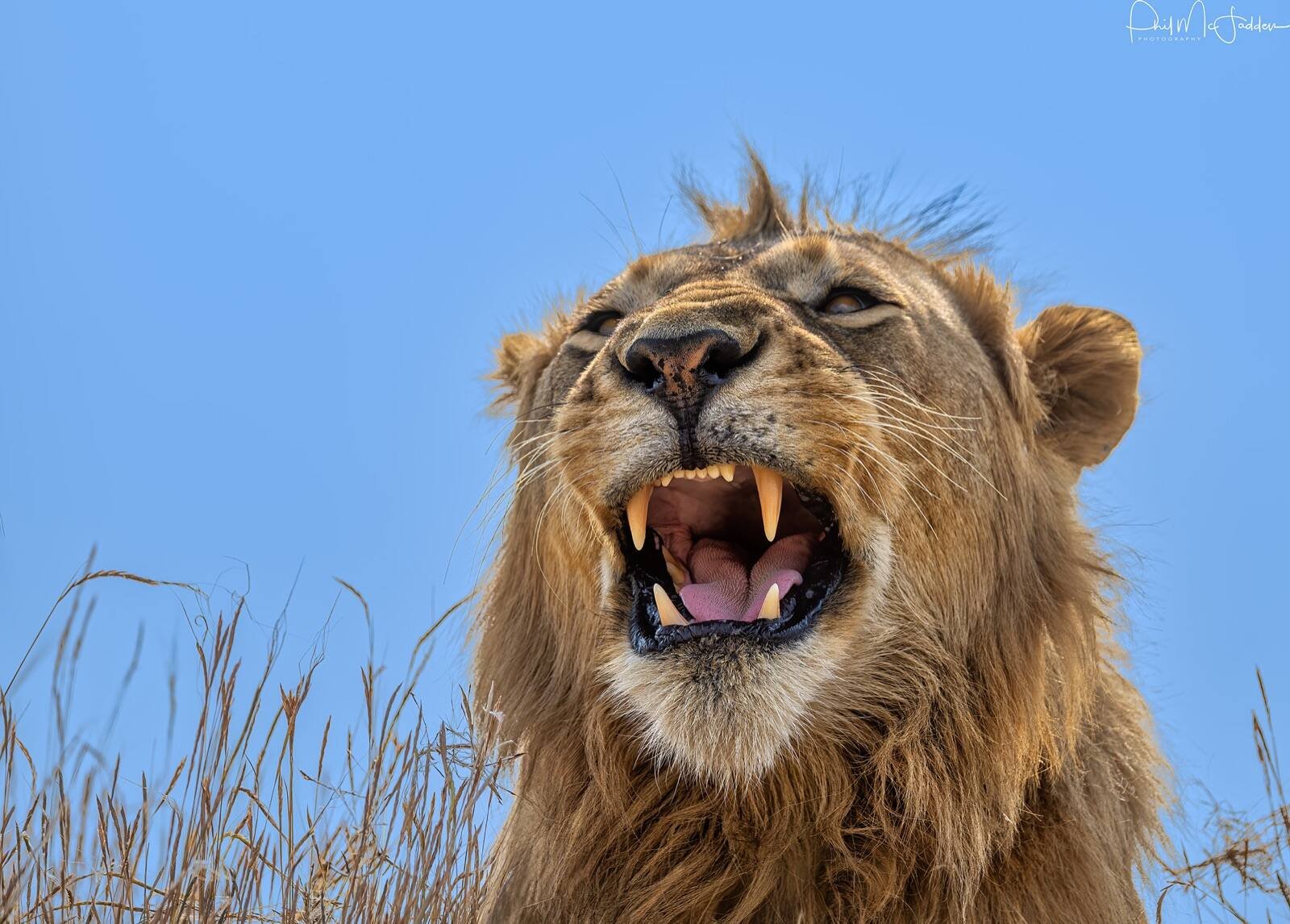
Beyond the Migration, the Serengeti shelters extraordinary concentrations of lion, leopard, cheetah, elephant and buffalo. The iconic kopjes — ancient granite outcrops scattered across the plains — are favoured resting spots for big cats and offer dramatic wildlife viewing unlike anywhere else in Africa.
Sokwe Africa Safaris designs bespoke Serengeti expeditions that position you in the right place at the right time — whether that means a private game drive at dawn, a fly-camp under the stars, or a hot-air balloon drifting silently above the migration.
Why Visit
Witness over 1.5 million wildebeest and 250,000 zebra in their annual journey — one of nature's most spectacular events.
Lion, leopard, buffalo, elephant and rhino all roam the Serengeti. Resident prides of lion are particularly prolific on the plains.
Drift silently above the golden savannah at sunrise in a hot-air balloon — a truly unforgettable perspective on the wild.
Sleep under canvas in some of Africa's finest mobile and permanent camps, positioned deep in the heart of prime game territory.
Plan Your Visit
The Serengeti rewards visitors year-round, but the timing of your safari determines what you'll witness. The Great Migration follows a predictable annual pattern, moving from the southern short-grass plains in calving season (January–February), north towards the Grumeti and Mara rivers for dramatic river crossings (June–October), before returning south again.
Our experts will match your travel dates to the most compelling wildlife events and ensure you're in the right location at exactly the right time.
Talk to an ExpertSouthern plains; 500,000+ calves born. Exceptional predator activity. Short rains possible.
Lush green landscapes. Fewer tourists. Migration heads north. Birding at its peak.
Dramatic Mara River crossings. Best overall game viewing. Ideal weather. Most popular period.
Migration returns south. Beautiful light for photography. Quieter camps and lodges.