The Great Rift Valley
Compact Beauty, Extraordinary Diversity
Nestled dramatically at the base of the Great Rift Valley escarpment, Lake Manyara National Park is one of Tanzania's most visually stunning destinations. Though compact in size — just 330 square kilometres — it packs an extraordinary range of ecosystems into its boundaries: lush groundwater forest, open acacia woodland, alkaline floodplains, and the shimmering expanse of the soda lake itself, which can be covered in a blush-pink carpet of over 75,000 flamingos.
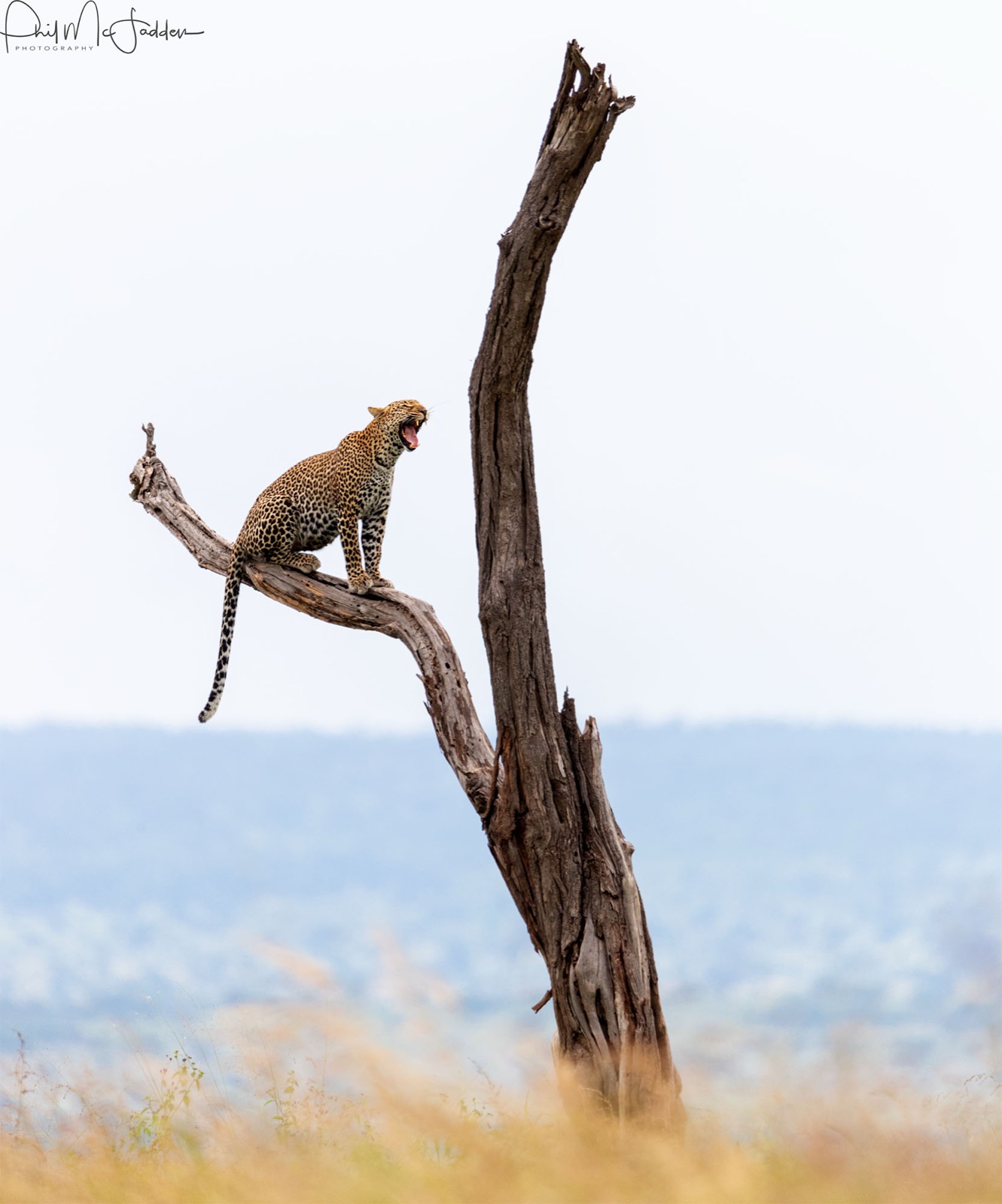
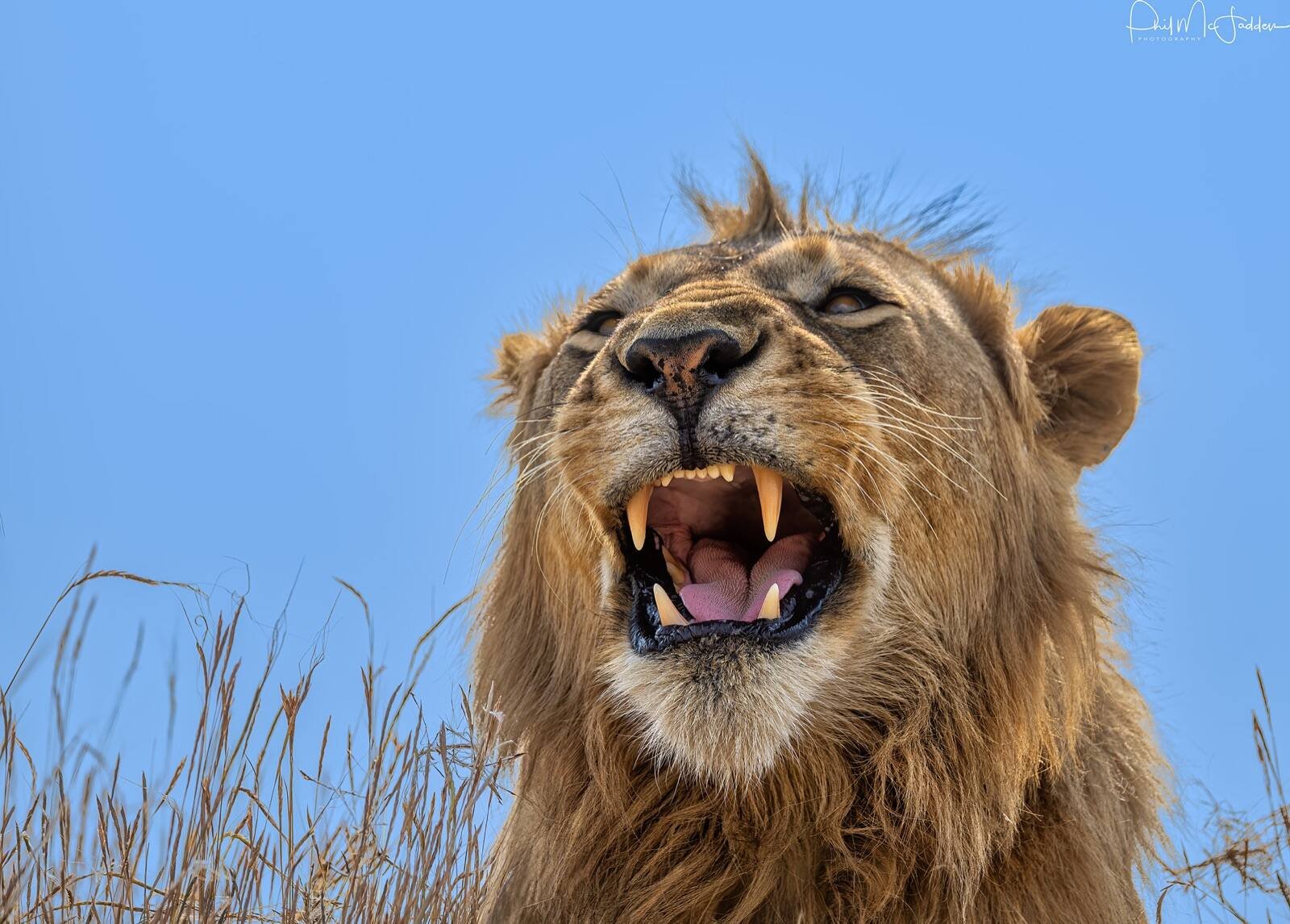
Manyara is world-famous for its tree-climbing lions — a remarkable behaviour rarely seen anywhere else in Africa, where prides drape themselves languidly across the branches of ancient fig and acacia trees. The park also supports exceptional elephant herds, enormous hippo pools, vast buffalo, and over 400 species of bird.
Perfectly positioned between Arusha and the Ngorongoro Crater, Lake Manyara makes a superb first stop on any northern circuit safari — a breathtaking introduction to Tanzania's wildlife that leaves a lasting impression from the very first drive.
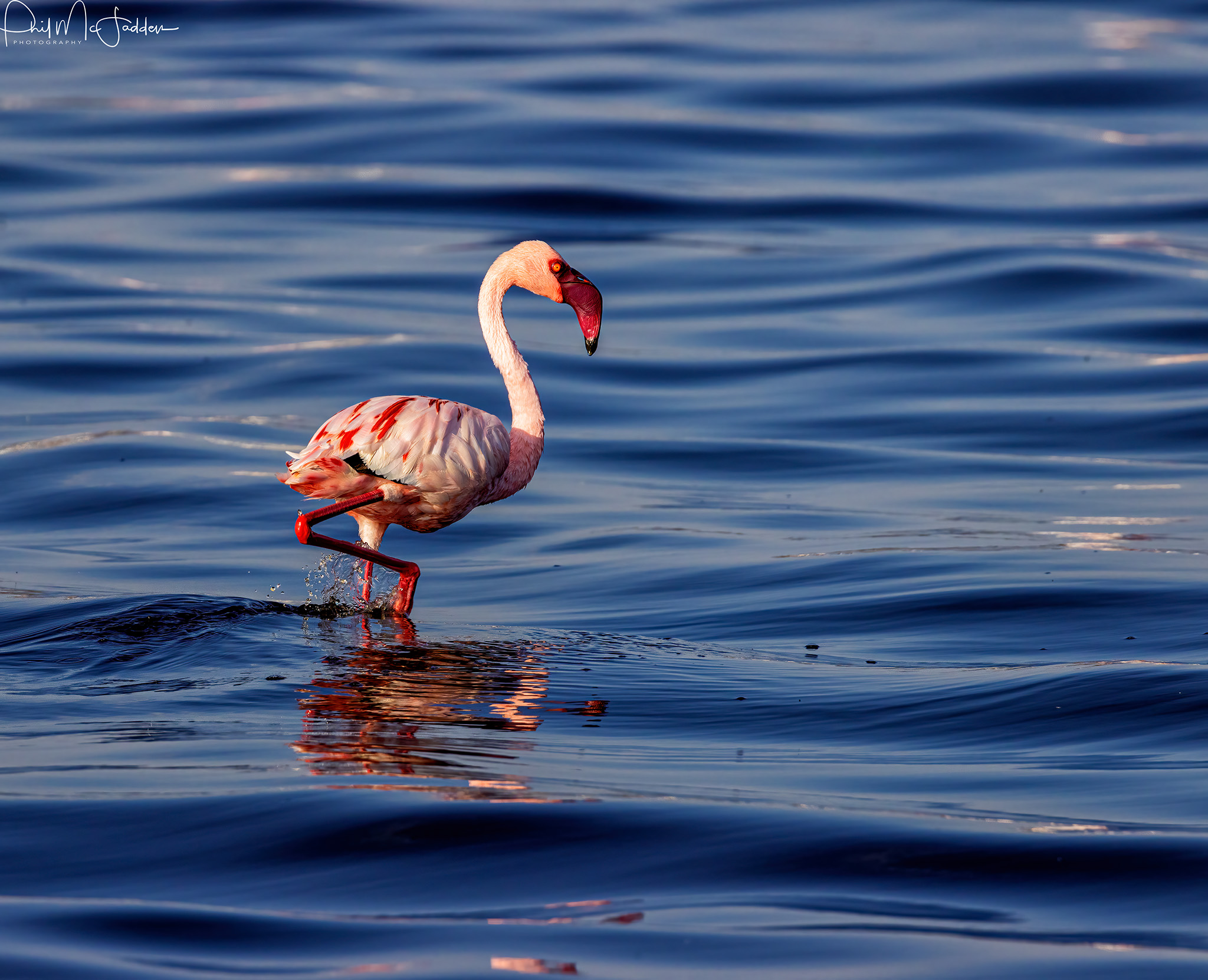
the Lake Shore