
Why Tarangire, and not the Serengeti
Ask most visitors to name Tanzania's great wildlife park and they will say Serengeti. Ask a birder and they will say Tarangire. The park records over five hundred species, the highest count of any park on the northern circuit, and on a good morning in the right season a competent guide can put a hundred and twenty species in front of you before lunch.
The reason is habitat variety compressed into a small area. Tarangire has permanent water in the Tarangire River, extensive acacia woodland, open floodplain, seasonal swamps in the south, and the famous baobab-studded ridges. Each of those supports a different bird community, and they sit within an hour of one another. The Serengeti, for all its grandeur, is dominated by grassland and holds a narrower range of species as a result.
Tarangire is also close to Arusha — around two hours by road — which makes it the easiest serious birding available to anyone on a northern circuit itinerary. Many operators treat it as a one-night stop on the way to somewhere else. For birds, that is a mistake, and we generally push guests towards two or three nights.
The specials: what Tarangire has that others don't
Tarangire holds several dry-country species that are difficult or impossible elsewhere on the northern circuit. The yellow-collared lovebird is a Tanzanian endemic and Tarangire is the most reliable place to see it, usually in noisy green flocks around the baobabs. The ashy starling, another Tanzanian endemic, is common here and scarce nearly everywhere else.
The rufous-tailed weaver deserves special mention. It is endemic to north-central Tanzania, it is not closely related to other weavers, and Tarangire is among the best places on earth to see it. For a visiting birder these three species alone justify the detour, and all three are realistically findable in a single day.
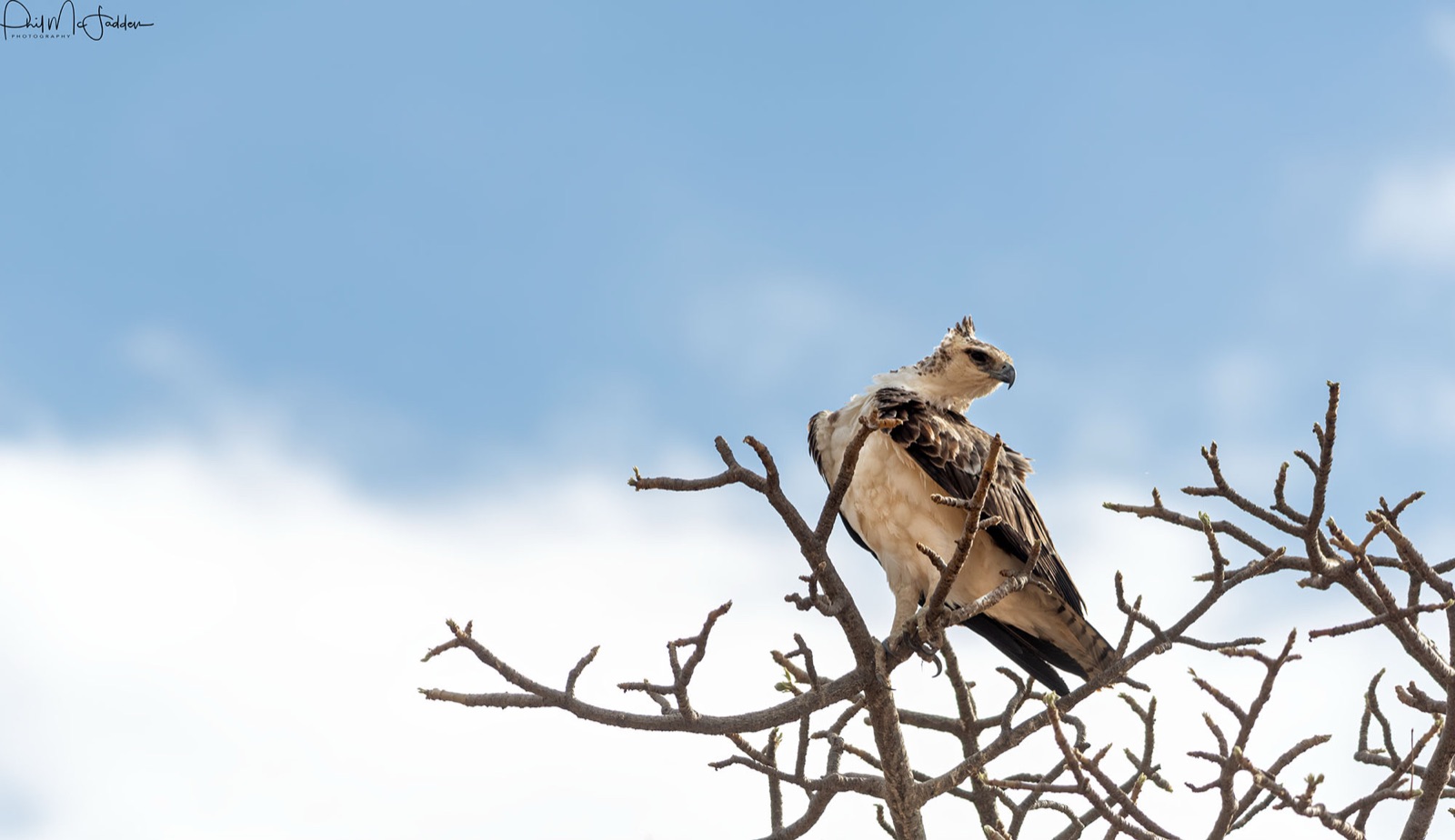
Beyond the endemics, the park is exceptional for raptors. Martial eagle, bateleur, brown snake eagle, and a good range of vultures are all present. The martial eagle is Africa's largest and most powerful, capable of taking a small antelope, and Tarangire's open woodland gives you a genuine chance of seeing one perched rather than as a distant speck.
Ground birds and the big showpieces
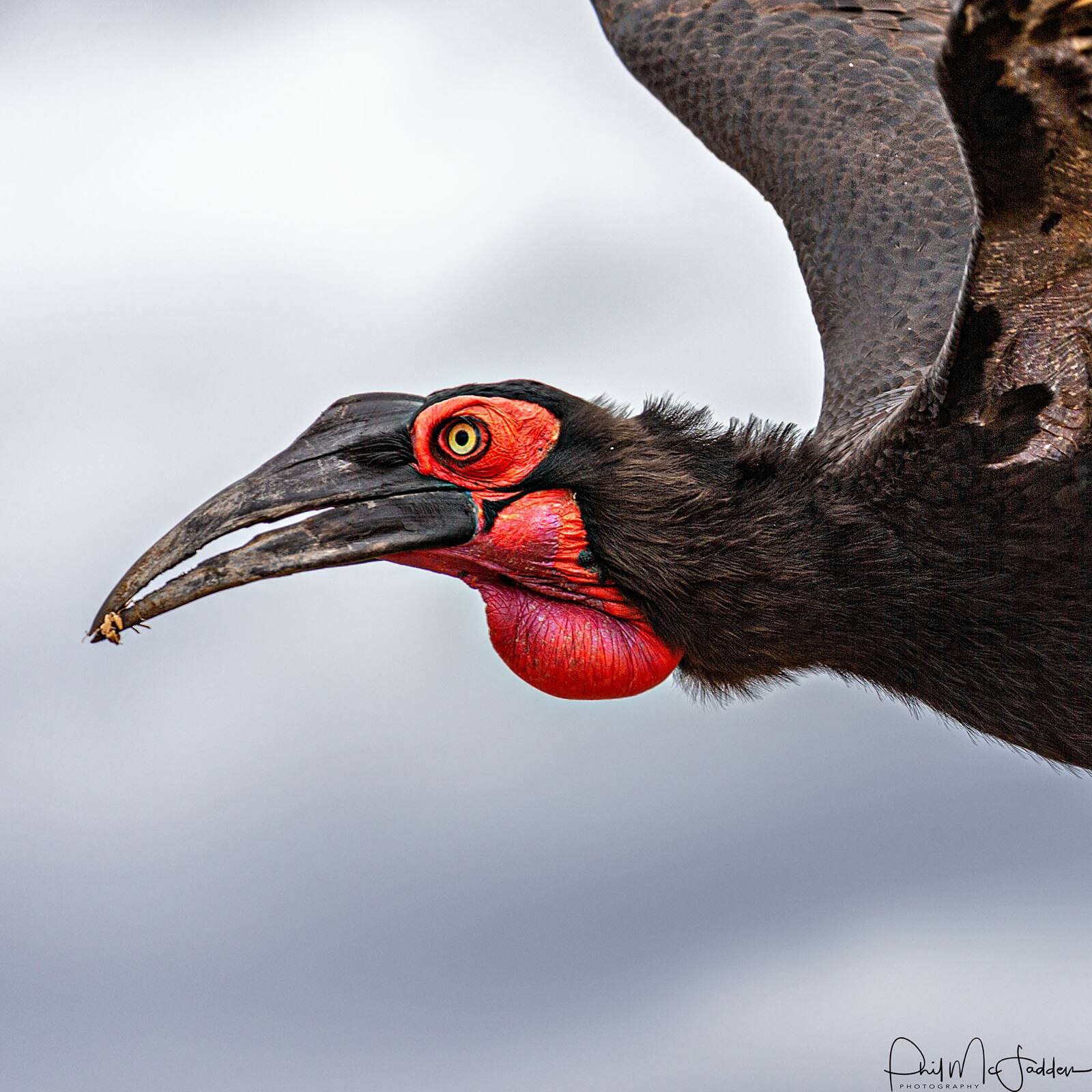
The southern ground hornbill is one of the birds guests remember longest — turkey-sized, glossy black with a scarlet face, walking in family groups through the grass. They are long-lived, slow-breeding and increasingly threatened across their range, and Tarangire holds them in good numbers. Their call is a deep booming that carries at dawn and is often mistaken for a lion.
Kori bustard, the heaviest flying bird in the world, walks the open ground. Secretary birds stride through the grass hunting snakes. Ostrich are present on the more open stretches. These are large, visible, photogenic birds that even guests with no particular interest in birding tend to enjoy, and they are all reliable in Tarangire.
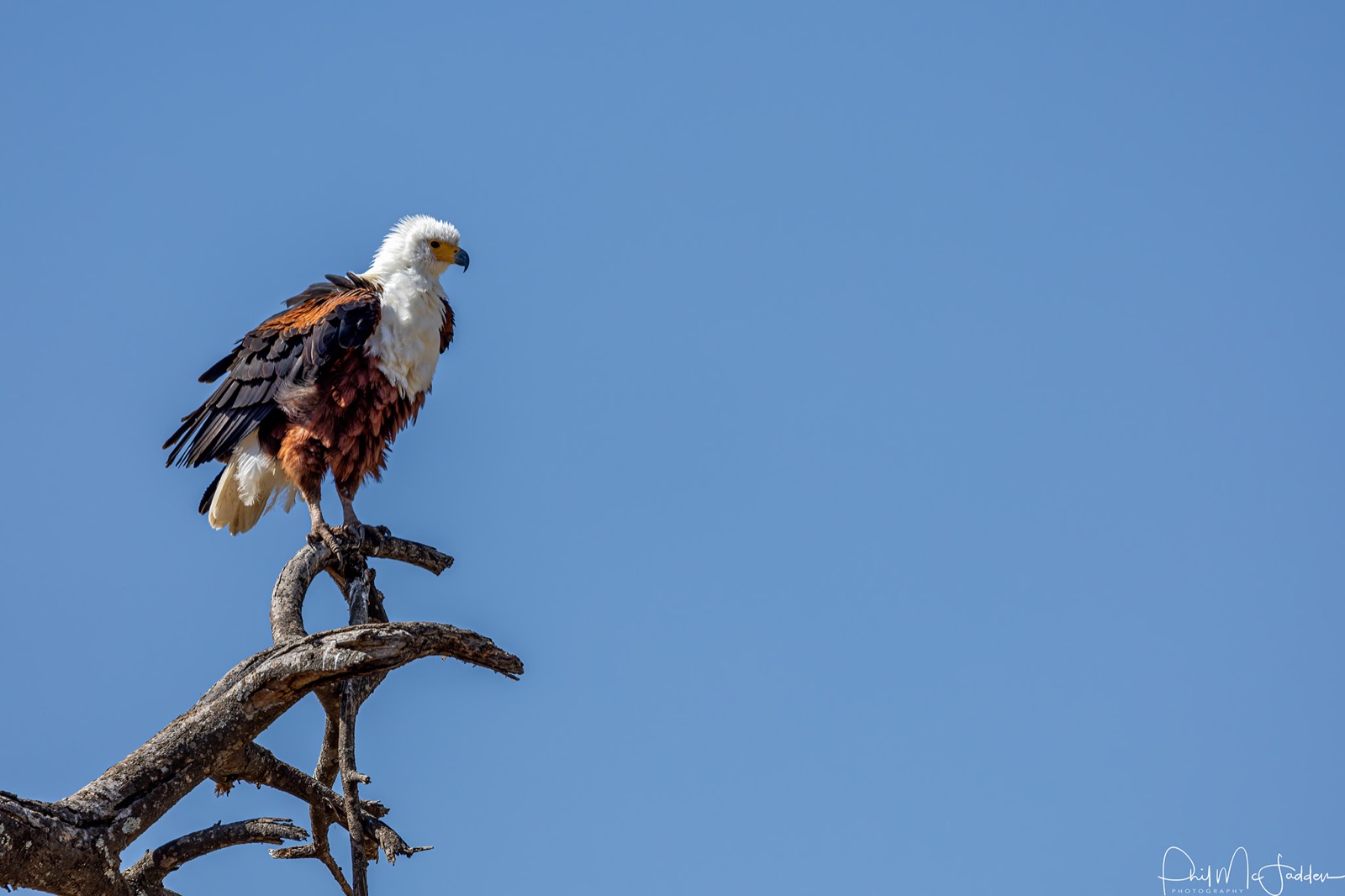
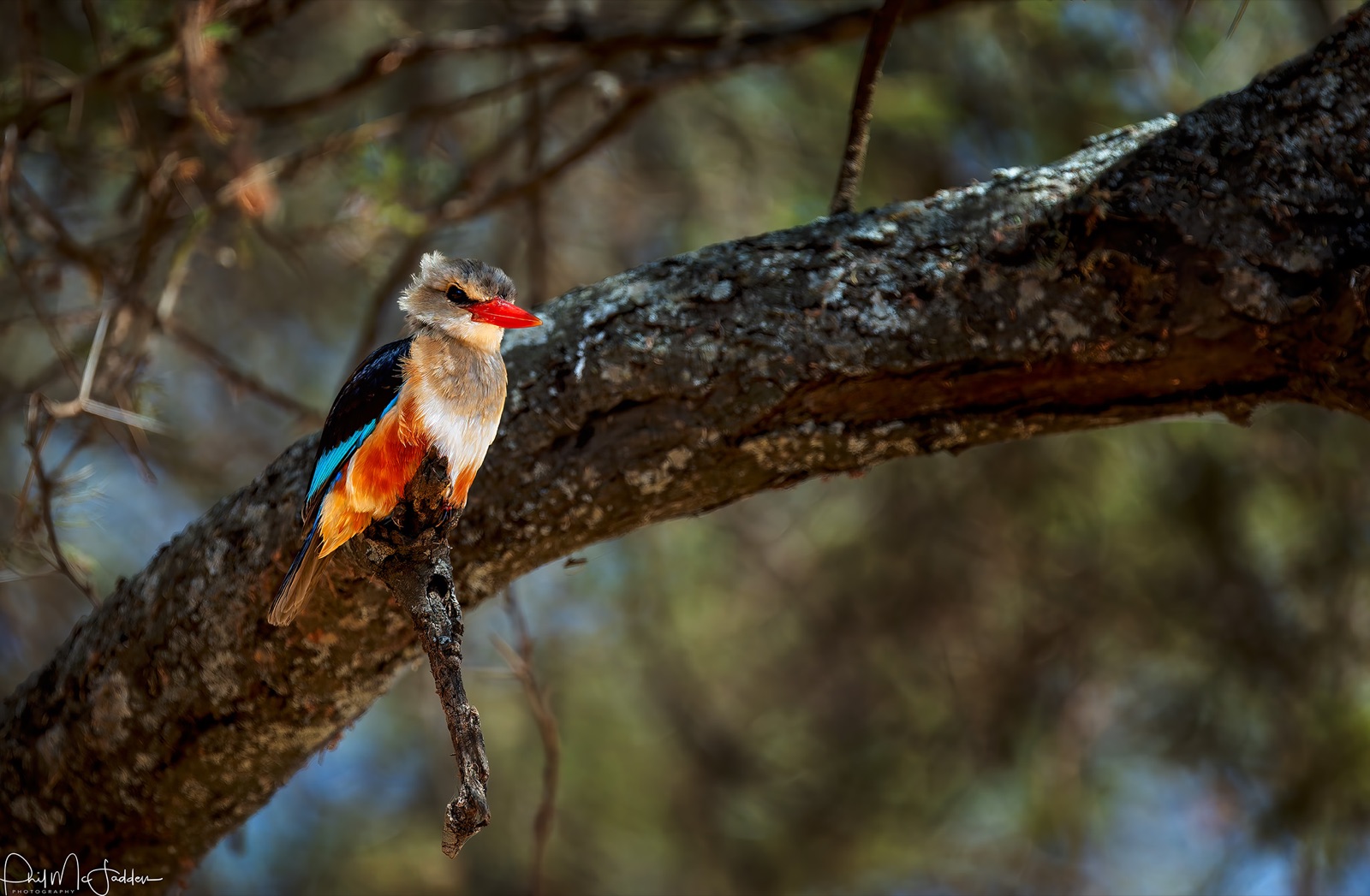
Along the river the picture changes entirely. Kingfishers, bee-eaters, herons and storks concentrate on permanent water. The grey-headed kingfisher, striking in chestnut and blue, hunts from low branches over the sand. The African fish eagle calls from the tall trees, and that ringing double note is probably the single most evocative sound in the whole country.
When to go
For birds specifically, November to April is the strongest window. The migrants arrive from Europe and Asia, resident species come into breeding plumage, and the park is green and full of insects. A November morning in Tarangire can produce a species list that a June morning simply cannot match.
This runs against conventional Tanzanian safari advice, which pushes everyone towards June to October for the dry season. That advice is correct for general game viewing — Tarangire's dry-season elephant concentrations along the river are genuinely world-class — but it is the wrong advice for a birder. If birds are your priority, travel in the green season and accept slightly harder driving conditions.
The compromise many of our guests choose is late November or early December, when the short rains have greened the park and brought in the migrants, but before the heavier rains of March and April. Prices are lower, the park is quiet, and the birding is close to its peak.
Tarangire is also famous for elephant — read our Tarangire National Park guide, or see when to travel in the green season.
How to bird from a safari vehicle
Most safari vehicles are built for large mammals, not for birds, and there are a few practical things that make a real difference. Ask for the roof hatch to be left open rather than the sides — a raised position gives you angles into the canopy that a window seat cannot. Bring your own binoculars; vehicle-provided pairs are usually adequate at best.
More importantly, tell your operator before you arrive that birds matter to you. A general guide will stop for a lion and drive past a lilac-breasted roller. A guide briefed to bird will work the riverine strips slowly, stop the engine and listen, and know where the ground hornbills have been. It is the same vehicle and the same park producing a completely different day.
Sokwe guides carry the Birds of East Africa field guide in every vehicle, and several of our team bird seriously in their own time. If you tell us at the enquiry stage, we will match you to one of them rather than leaving it to chance.
The swamps, the baobabs and the ridge
The southern swamps — Silale, Gursi and Larmakau — are the part of Tarangire most itineraries never reach, and they are the richest bird habitat in the park. These are seasonal wetlands fed by the rains, and when they hold water they draw waterfowl, waders, storks and herons in numbers that feel out of place in what is otherwise dry acacia country. Saddle-billed stork, yellow-billed stork and a range of egrets and herons work the margins, and the surrounding damp grassland is where you have the best chance of harriers quartering low over the reeds.
Reaching the swamps means a long day and a genuinely rough drive, and most operators will not do it on a one-night stop. It is the single strongest argument for giving Tarangire three nights rather than one. Guests who make the trip almost always describe it as the best day of the park, partly for the birds and partly because you can drive for hours down there without meeting another vehicle.
The baobab ridges are a different proposition again. These enormous trees are hollow, long-lived and full of cavities, which makes them apartment blocks for hole-nesting species. Rollers, barbets, hornbills, parrots and lovebirds all use them, and a single mature baobab worked patiently in the first hour of light can produce a dozen species without moving the vehicle. The yellow-collared lovebird flocks are noisiest here, and this is where most guests get their first proper look at one.
A realistic day
A birding day in Tarangire starts before six, because the first two hours produce more than the rest of the day combined. You work the riverine woodland while the light is soft and the birds are calling, take a proper break through the hot middle hours when activity collapses, and go out again from four until the gate closes.
The middle-of-the-day break is not laziness; it is how birding works in hot dry country. Guests who insist on driving through it see very little and finish the day exhausted. We build itineraries around the two productive windows and put the camp break in between, which is also when most people want to look through what they have photographed.
It is worth saying something about what birding does to a safari more generally. Guests who arrive focused entirely on the Big Five often find that the birds change how they see the whole landscape. Once you have learned to notice the oxpeckers working a giraffe's neck, the drongo shadowing a herd of buffalo to catch the insects they disturb, and the vultures circling before you can see what they have found, a plain that looked empty becomes densely occupied. Several of our most enthusiastic returning birders started as people who came for lion.
Tarangire's birds also tell you a great deal about the health of the park. Vulture numbers across Africa have collapsed by more than ninety per cent in some regions, largely through poisoning, and a park that still holds good numbers of white-backed and lappet-faced vultures is a park where that pressure is being managed. Ground hornbill, which breed slowly and need large undisturbed territories, are another indicator species. Their continued presence in Tarangire is a genuinely encouraging sign, and worth knowing about while you watch them.
Two full days handled this way will comfortably produce two hundred species for an attentive birder with a good guide, and considerably more in the green season. That is a substantial return for a park most itineraries allocate a single night to.
Combining Tarangire with the rest of the circuit
Tarangire sits close enough to Lake Manyara that the two are naturally paired, and for a birder that pairing is close to ideal because the habitats barely overlap. Manyara is a shallow alkaline lake backed by groundwater forest beneath the Rift Valley escarpment, which gives you flamingo, pelican and a large concentration of waterbirds, plus forest species — turacos, hornbills and barbets — that Tarangire's drier woodland does not hold. Two nights in each produces a species list that neither park could deliver alone.
Adding Ngorongoro brings a third community again: highland and crater-floor species, including flamingo on Lake Magadi, crowned crane on the grassland, and the montane forest birds along the crater rim road, which is one of the most underrated birding stretches in northern Tanzania. Most vehicles drive that rim road at speed on the way to somewhere else. Driven slowly with the windows down in early morning it is an hour of continuous calling, and the Hartlaub's turaco alone is worth stopping for.
Plan a birding safari
If birds are the reason you are coming to Tanzania, tell us at the enquiry stage and we will build the itinerary around them — more nights in Tarangire, green-season dates, and a guide who knows the calls. It is a different trip from a standard northern circuit and it deserves to be planned as one.
Plan your safari with Sokwe Africa Safari
Frequently asked questions
How many bird species are in Tarangire National Park?
Over five hundred have been recorded, the highest count of any park on Tanzania's northern circuit. A good guide in the green season can show an attentive birder more than a hundred species in a single morning.
What is the best time of year for birding in Tarangire?
November to April, when migrants from Europe and Asia are present and resident species are in breeding plumage. This differs from general safari advice, which favours the June to October dry season for large mammals.
What birds are endemic to Tarangire?
The yellow-collared lovebird, ashy starling and rufous-tailed weaver are all Tanzanian endemics and all reliably found in Tarangire. The rufous-tailed weaver is restricted to north-central Tanzania and Tarangire is among the best sites for it.
Is Tarangire better for birds than the Serengeti?
For birds, yes. Tarangire packs river, acacia woodland, floodplain, swamp and baobab ridge habitats into a small area, supporting a much wider range of species than the Serengeti's dominant grassland.
Do I need a specialist bird guide?
Not necessarily, but you should say at the enquiry stage that birds matter to you. A general guide will prioritise large mammals. A guide briefed for birding will work habitat slowly and stop to listen, which changes the day entirely.
How long should I spend in Tarangire for birding?
Two to three nights. Most itineraries allocate one night, which is enough for elephant and baobabs but not enough to work the different habitats properly. Two full days will produce two hundred species or more in the right season.