
The short answer
The cheapest time to visit Tanzania is April and May, the long rains, when camp and lodge rates drop by anywhere from 20 to 50 per cent against July prices and the parks empty almost completely. The catch is that these are also the wettest, greyest weeks of the year, and a number of camps simply shut their doors. If you want most of that saving without the risk, the genuine sweet spots are March and November — big discounts, perfectly good game viewing, a fraction of the vehicles. Here is why the prices move the way they do.
We are an Arusha-based operator and we sell every month of the year, so we have no reason to talk you into one season or out of another. What follows is the pricing picture as we see it on our own quotes: which months cost what, how much you really save, and what the rain does to a game drive in practice. Timing is the biggest single lever on the price of a safari here, but it is not the only one.
How safari pricing actually works
Almost every camp and lodge in Tanzania publishes three or four rate bands for the year, and those bands drive the cost of your trip far more than anything your operator does. A typical northern-circuit tented camp might charge around 750 US dollars per person per night in peak August, 500 in the shoulder months and 320 in April and May — the same tent, the same guides, the same food. Multiply that across seven nights and two people and it is a difference of several thousand dollars for the same holiday.
Lodges price this way because their costs are fixed and their beds are perishable. A Serengeti camp pays its staff, its concession fee and its supply runs whether it is full or empty, so in the quiet months it would rather sell a tent at a third off than leave it standing. In July and August, when demand outstrips the beds near the migration, nothing needs discounting. Park fees barely move: the Serengeti charges roughly 70 to 83 US dollars per adult per day, the Ngorongoro Crater around 70 plus a vehicle fee near 295.
That matters more than most travellers realise. Because government fees are close to fixed, the only parts of your bill that can really fall in low season are the accommodation and, to a lesser degree, the vehicle and guide. On a mid-range safari, accommodation is roughly half the cost, so a 40 per cent discount on beds works out closer to 20 to 25 per cent off the whole trip. Anyone promising you a half-price safari in May is quoting a very different standard of camp.
Tanzania's price seasons, month by month
Broadly, the year splits into four bands. Peak runs from July to October, plus the festive fortnight from around 20 December to 3 January. January and February sit high, when the calving herds draw people to Ndutu. Shoulder covers June, early December and much of March. Low season is April and May, and November sits between low and shoulder depending on the camp. Every property draws its own lines, but the shape is consistent across the industry.
The most useful trick is to look at where those lines fall. Many camps switch from low to shoulder rates on 1 June and from shoulder to peak on 1 July, so a trip starting 26 June rather than 3 July saves a substantial sum for the sake of a week, with almost identical conditions on the ground. The same applies in the last days of October. If your dates are even slightly flexible, ask your operator to quote across the boundary.
- Peak — July to October and 20 December to 3 January
- High — January and February, calving season at Ndutu
- Shoulder — June, March and early December
- Low — April and May, the long rains
- Variable — November, low to shoulder depending on camp
March and November: the genuine sweet spots
If you asked us where the cheapest time to go on safari sits without a real compromise, we would say March and November every time. Both are transitional months: March comes before the long rains properly settle in, while November's short rains fall as brief afternoon downpours rather than day-long grey. Rates run 25 to 40 per cent below July, most camps are open, roads are manageable, and the parks are quiet enough that you can sit with a leopard for twenty minutes without another vehicle appearing.
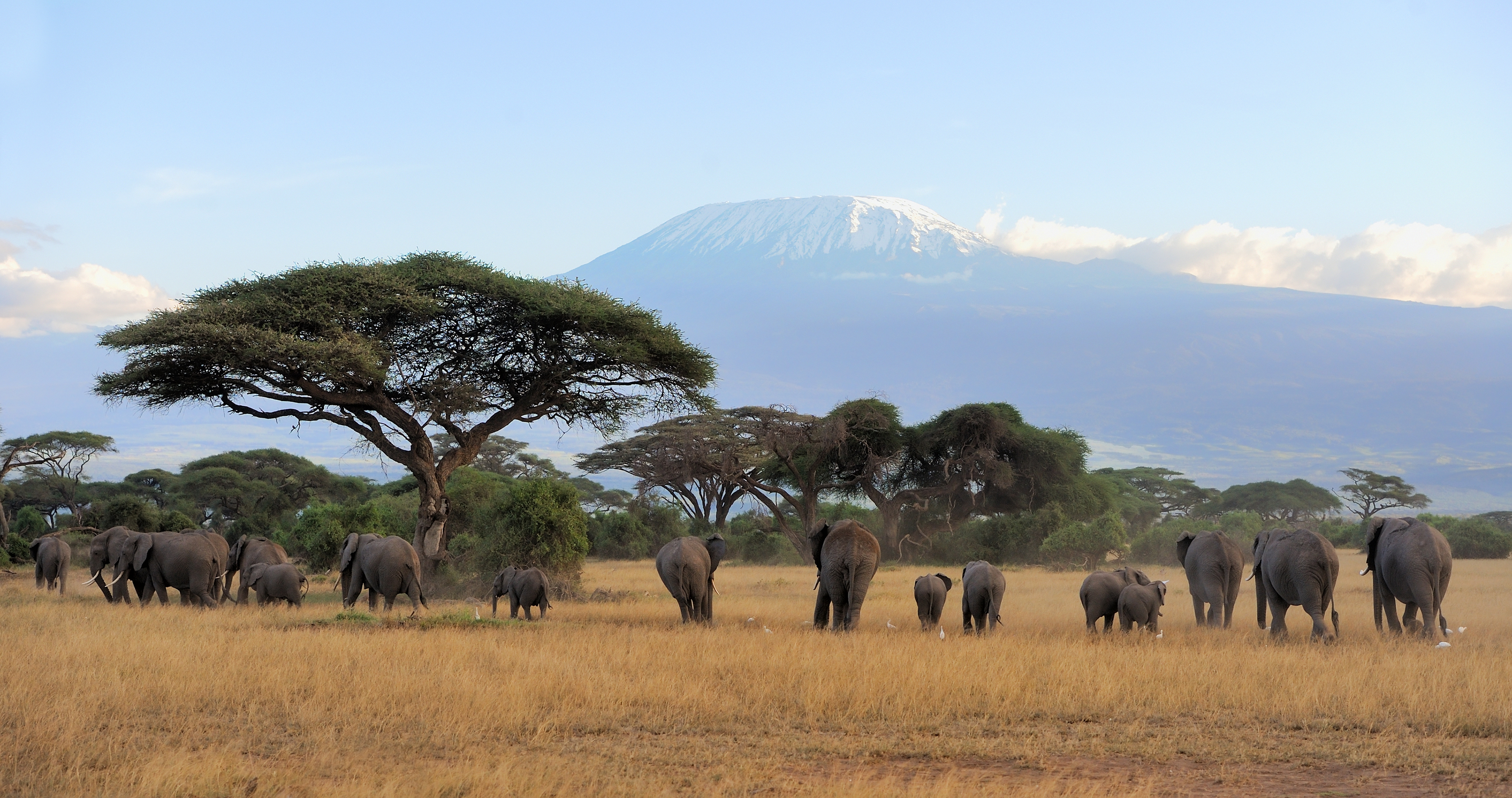
March in particular is underrated. The southern Serengeti and Ndutu still hold enormous numbers of wildebeest and their calves in the first half of the month, the predator action is concentrated, and the plains are green rather than the bleached dust of September. November suits travellers who want the central Serengeti and Tarangire, with big elephant herds along the river and superb birding as the migrants arrive. Neither month gives you the Mara River crossings, but both give you a great deal of Tanzania for meaningfully less money.
April and May: the deepest discounts and the honest warnings
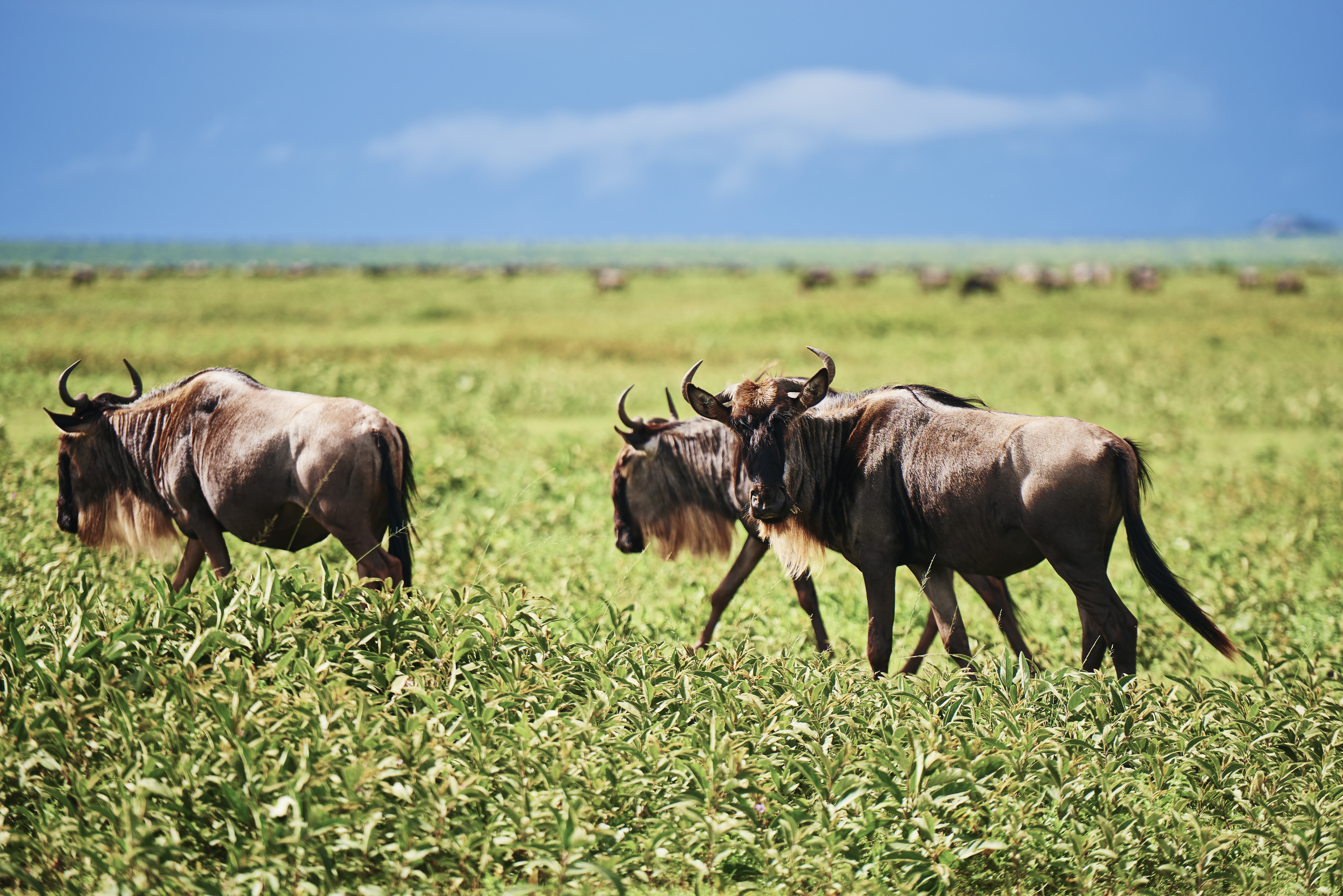
April and May are where the numbers get dramatic. This is low season proper, and camps charging 700 dollars a night in August will quote 300 to 380 in these weeks, sometimes with a stay-four-pay-three offer on top. Several operators run reduced-price group departures in the same window. If your priority is the Serengeti and the Ngorongoro Crater at the lowest possible price, these two months will do it and nothing else comes close.
The warnings are real, and we would rather set them out plainly than sell you a disappointing trip. Rain in April and May can be persistent rather than brief — several hours at a stretch, usually in the afternoon, occasionally all day. Black-cotton soil in the western and southern Serengeti turns to a grease that stops vehicles, and some tracks in Tarangire and Ndutu become impassable. Grass is long, so animals are harder to spot even where they are plentiful, and photography suffers in flat grey light.
There is also the question of which camps are open. A meaningful number of seasonal properties, especially the mobile camps that follow the migration and many lodges in southern Tanzania's Ruaha and Nyerere, close entirely for April and May. That narrows your choice, sometimes pushing you into a permanent lodge you would not otherwise pick. All manageable with local knowledge, but exactly the detail that catches out travellers booking blind from a rate sheet.
What low season buys you beyond the price
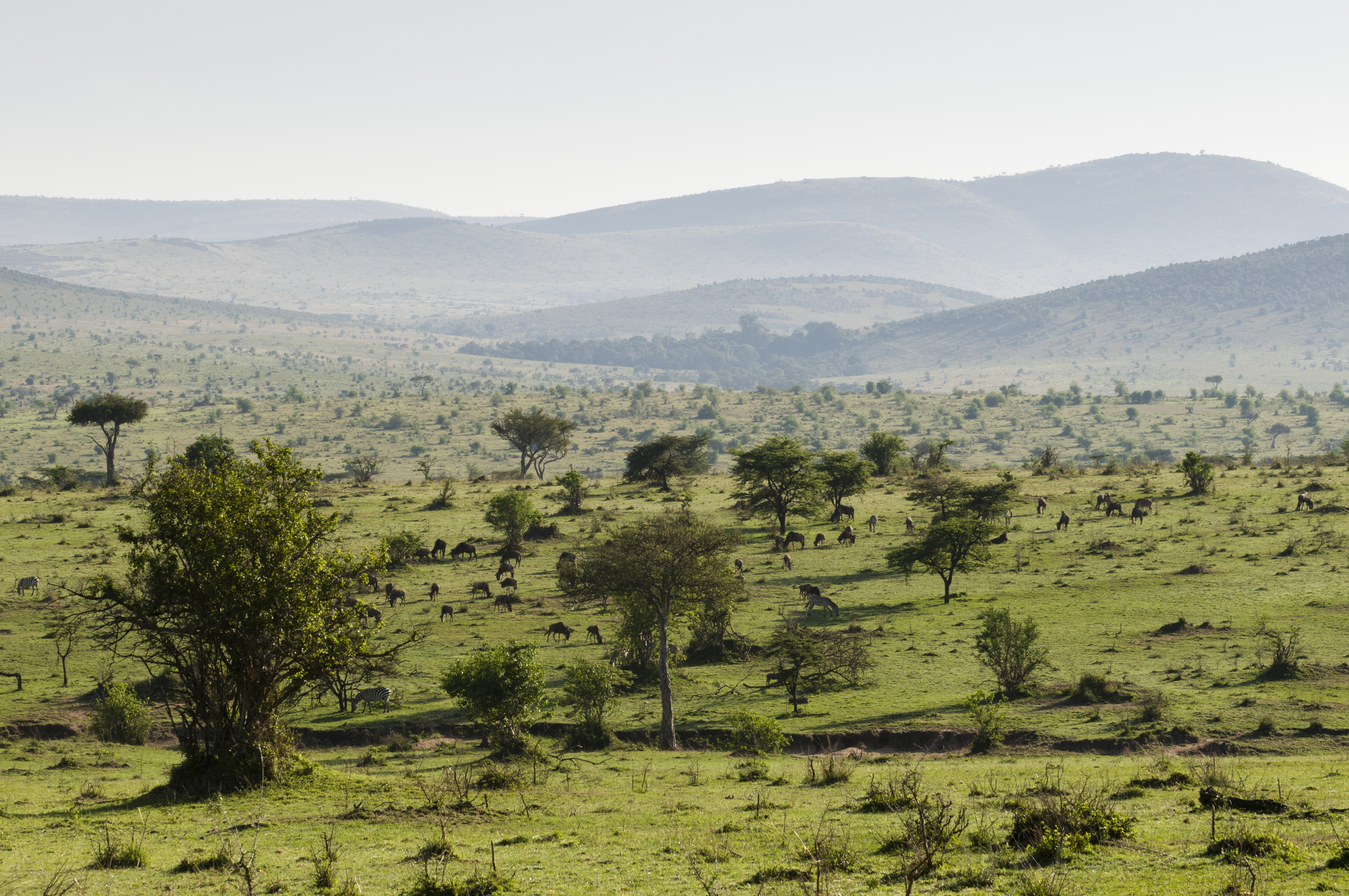
It would be a mistake to think of the quiet months as merely the cheap months, because several things are genuinely better then. The landscape is the obvious one: green plains, dramatic skies and clean air, against the dust and washed-out light of late dry season. Birdlife is at its richest, with European and intra-African migrants present from November through April and many residents in breeding plumage, which turns a general safari into serious birding at no extra cost.
Then there is space. In August the popular Serengeti circuits and the Ngorongoro Crater floor can feel busy, with a dozen vehicles at a good sighting. In late April you may see three other cars all day. That solitude changes how a safari feels, and it changes how your guide can work — no queueing, no rushing on, time to sit and wait. For the full picture of those months on the ground, our guide to a green season safari covers the experience in detail.
February deserves a mention of its own. It is not a cheap month — it sits in the high band at most Ndutu camps — but it delivers the calving season, when roughly half a million wildebeest calves are born on the short-grass plains in a matter of weeks and every predator in the ecosystem converges on them. For wildlife spectacle per dollar, February beats August even though it costs more than March. Value and cheapness are not the same thing.
What you actually give up
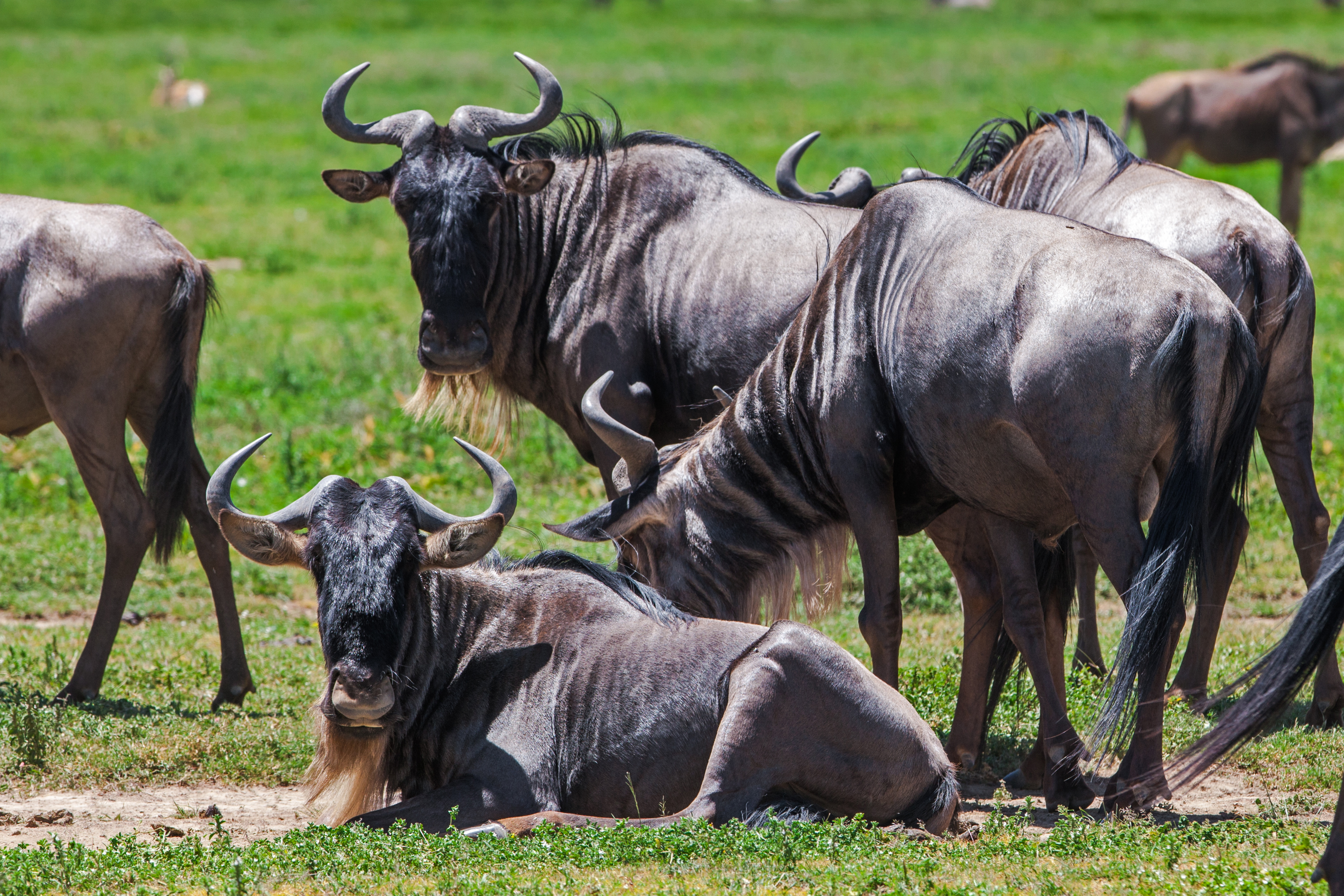
Being straight about the trade-offs: in low season you give up the Mara River crossings, which run from roughly late July to early October and are the reason many people come to Tanzania at all. You give up the dry-season concentrations, when animals gather at shrinking water and game viewing becomes almost effortless. You give up guaranteed sunshine and, in April and May, some certainty about the roads — and choice of camp, because the seasonal properties are shut.
What you do not give up is wildlife. Tanzania's resident game — lion, leopard, elephant, giraffe, buffalo — does not leave the country in the rains. The Ngorongoro Crater holds its animals year-round and drains well. Tarangire and the central Serengeti stay productive. The honest summary is that low-season game viewing is perhaps 70 to 80 per cent as easy as peak dry season, in exchange for a fifth to a quarter off the total bill and vastly fewer people. Whether that trade suits you depends on whether this is your first safari.
The other levers that save more than timing
Travellers fixate on months, but timing is only one of several levers, and often not the strongest. Camp tier is usually the biggest: moving from a top-tier tented camp to a good mid-range one saves 250 to 400 dollars per person per night in any month, which dwarfs a seasonal discount. Sharing a vehicle on a scheduled group departure rather than taking a private one splits the guide, fuel and vehicle cost several ways — typically 150 to 250 dollars per person per day.
Itinerary shape matters just as much. Because park entry is charged per adult per twenty-four hours, an itinerary hopping between four parks in six days pays far more in fees than one spending three nights in the Serengeti and two in the crater area — and it wastes half your days driving. Cutting one night, or dropping a park you were only visiting to tick it off, often saves more than shifting your whole trip into the rains. Our guide to planning a budget safari in Tanzania works these numbers through.
Combine two or three levers and the effect compounds. A couple travelling in late March, on a shared departure, in mid-range tented camps with a tight three-park routing, will pay less than half what they would for a private, top-tier, five-park trip in August. If you would rather start from the seasons themselves, our guide on when to visit Tanzania compares each month for game viewing rather than price.
The cheapest month and the best-value month are rarely the same month — and knowing the difference is worth more than any discount.
Which month suits which traveller
For a first safari on a firm budget we point people at March or November almost every time. You get the headline Tanzanian experience — Serengeti plains, the Ngorongoro Crater, Tarangire's elephants — at a quarter to a third off peak, with quiet parks and open camps. For families tied to school holidays, the Easter break falls awkwardly in the wettest weeks, so we suggest the very start of it, in late March, rather than mid-April.
For repeat visitors and photographers, April and May are often the right call: you are not chasing a checklist, and the light, the green and the emptiness are the point. For anyone set on the river crossings, low season is the wrong answer, and the honest advice is to save for another year and go in August rather than go cheaply and be disappointed. For spectacle regardless of price band, February at Ndutu remains our own favourite.
Plan the cheapest time to visit Tanzania with Sokwe
Flexible on dates? Tell us your budget and we will find the month that buys you the most safari — a side-by-side quote across two or three departure windows, with the trade-offs spelled out plainly. Send us your rough dates, your party size and the wildlife you most want to see, and the team at Sokwe Africa Safaris will come back with a properly costed plan and an honest opinion about which month to book.