
People ask whether a Tanzania safari is worth it for good reason. It is one of the more expensive holidays most people will ever take, the flights are long, and a poor trip would be a hard thing to forgive. As a licensed operator based in Arusha, we have a commercial interest in the answer being yes, so we will try to earn your trust by being specific. For the right traveller, in the right season, with the right operator, it is often the best trip of a lifetime. For others it is not, and it is better that you know the difference before you pay a deposit.
The short answer
A Tanzania safari is worth it if you want to see wildlife in large numbers and in wild, open landscapes, if you are happy to spend long days outdoors, and if you can afford the cost without it becoming a worry. It is less likely to be worth it if you expect guaranteed sightings of every animal, if you dislike early mornings and bumpy roads, or if the cost would stretch you so far that you spend the trip counting money. Value is not the same as price, and a well-planned mid-range safari often delivers more for the money than either the cheapest or the most expensive option.
Why a safari costs what it does
The price is not mysterious, and understanding it helps you judge value. A large part is government fees: park entry, conservation or concession charges and vehicle fees, which are set by the authorities and which every operator must pay. The next part is accommodation, which in remote parks is expensive to build, supply and staff, because everything including food and water must be brought in over rough roads or by air. Then there is the private vehicle and a professional driver-guide, fuel, maintenance and insurance, and finally the operator's own costs and margin.
None of these costs can be removed without something suffering, which is why very cheap safaris usually cut the same corners: crowded shared vehicles, long driving days, basic accommodation outside the parks and guides who are poorly paid. If you want the actual ranges, our cost guides set out what budget, mid-range and luxury safaris typically cost per person per day, and we keep them updated. We have deliberately not quoted figures here, because prices change each season and an out-of-date number does you no favours.
What you actually get for the money
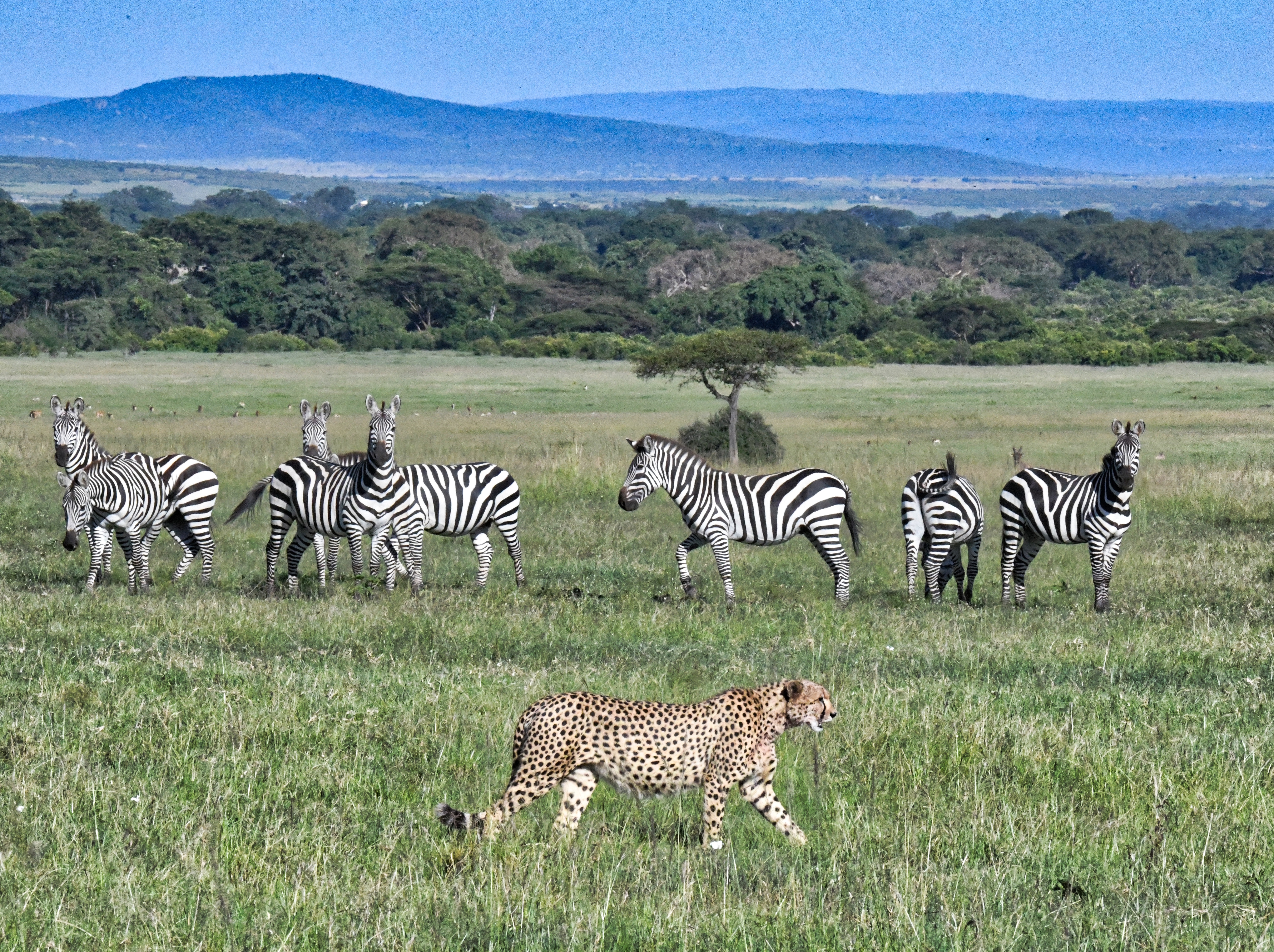
The best argument for a safari's value is not a list of inclusions but the quality of the experience. You are in landscapes that have changed little in thousands of years, with some of the densest wildlife on earth: the Serengeti's plains, the floor of Ngorongoro Crater, Tarangire's elephants and baobabs. With a skilled guide, a day can include lions at dawn, a leopard in a tree, a cheetah on a termite mound and elephants at a waterhole, and the memory stays with people for decades.
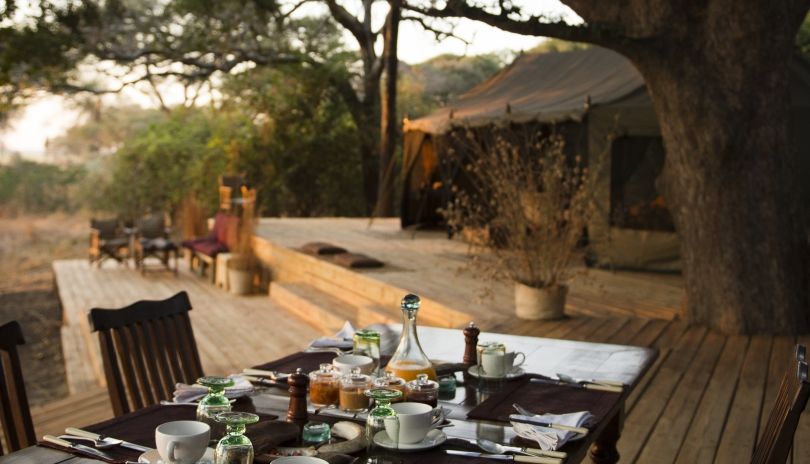
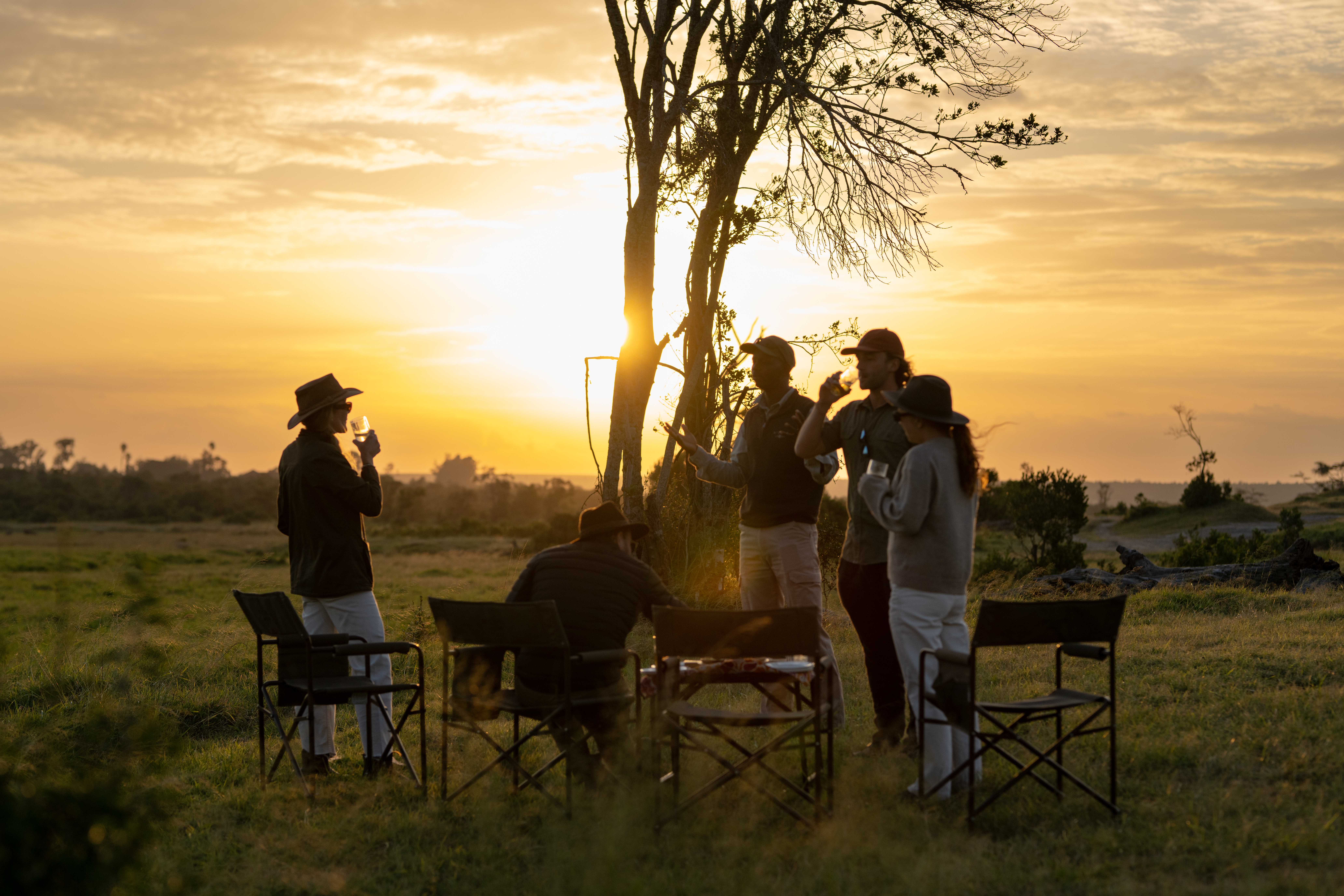
Alongside that, you get the experience of staying somewhere unlike anywhere else: a tented camp where you hear lions at night, a lodge on the crater rim with the whole caldera below you, a sundowner on the plains. You get the people, which for most guests is unexpectedly the best part: a guide who reads tracks, birds and weather, and who becomes a friend by the end of the week. And you get the contribution to conservation, since park fees and tourism income are what keep these landscapes protected.
When it disappoints
Honesty requires a list of the ways a safari goes wrong, because they are real and mostly avoidable. The most common is unrealistic expectation: wildlife is wild, and no guide can promise a leopard, a river crossing or a kill. A second is a poorly designed itinerary, with too many hours on the road, too little time in the best areas and too many camps in too few days. A third is the wrong season for what you wanted, such as hoping to see a river crossing in a month when the herds are elsewhere.
A fourth is the cheap, crowded option: a shared vehicle with strangers, a guide who is rushing to a schedule and accommodation outside the park, which adds hours of driving. These trips are not worthless, but they are the ones that most often leave guests saying it was fine but not what they imagined. A fifth is fatigue and health problems that were avoidable: no malaria preparation, no rest days, or a schedule built for a fitter, younger traveller. Almost all of these can be dealt with at the planning stage.
Work out the numbers in our guides to Tanzania safari cost, how many days you need and the best time to visit, or see our private Tanzania safari options.
Where the value comes from
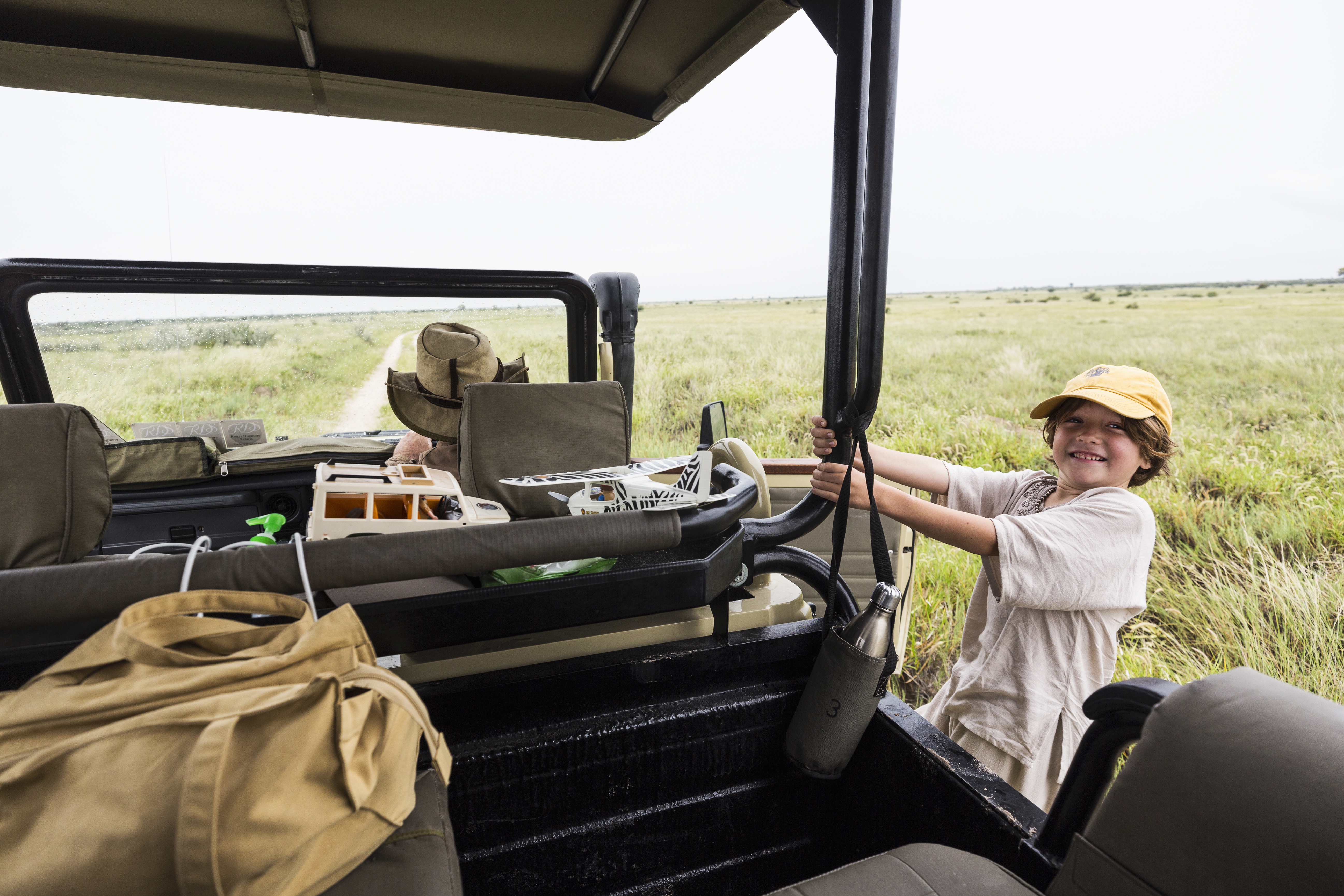
In our experience the biggest drivers of value are not the most expensive things. The first is the guide. A great guide turns a good day into an extraordinary one, finds the animals, explains what you are seeing and keeps you safe and comfortable. The second is the itinerary: a well-paced route that spends enough nights in each area, avoids unnecessary transfers and puts you in the right place for the season. The third is the vehicle: a private vehicle with a window seat for everyone and a roof that opens, which lets you stay at a sighting as long as you like.
After those, accommodation and extras matter, but with diminishing returns. A comfortable mid-range camp in the right location gives you most of what a luxury camp offers, which is why many experienced travellers spend on a few special nights and economise elsewhere. If your budget is limited, spend it on a good guide, a private vehicle and enough days, and accept simpler accommodation. If it is generous, spend it on location and exclusivity, such as a private camp in a quiet area during peak season.
Who gets the most from a safari
Some travellers are almost always delighted. Those who love nature and photography, who enjoy the rhythm of early starts and slow, observant days, and who go with an open mind about what they will see. Families with children old enough to sit through a drive and enjoy it, couples celebrating something, and groups of friends who want a shared adventure. People who have wanted to do it for years and have saved for it tend to value it highly, because the anticipation adds to the pleasure.
Others find it less satisfying: travellers who dislike long drives and dust, who need constant stimulation, or who are mainly looking for a beach or city holiday. If that is you, consider a shorter safari, perhaps three or four days, combined with Zanzibar, so that you get the wildlife without the fatigue. Another option is a lodge-based safari with more rest and shorter drives. It is much better to choose what you will enjoy than what sounds impressive.
How to make sure it is worth it
Value is made in the planning, so spend your effort there. Choose the season for what you most want to see, and be honest about what you can afford. Book a private vehicle if you can, because it is the single biggest factor in how you experience each day. Allow enough days: a safari of fewer than four or five nights tends to feel rushed once travel time is counted. Choose an operator with a verifiable licence, good independent reviews and clear terms, and ask them exactly what is included.
Talk to the operator about expectations before you book. A good one will tell you what is likely and what is not, will not oversell and will suggest changes if your plan does not suit your aims. Ask what happens if you are unwell, what the policy is on changes and refunds, and who your guide will be. Prepare yourself too: get the health advice, pack sensibly and arrive rested. Travellers who do these things nearly always say it was worth it, and many are planning the next one before they get home.
It also helps to think about what you will compare the trip with. If you imagine a safari as a week of constant action, you may be disappointed by the quiet hours between sightings; if you think of it as time in remarkable places with the chance of extraordinary moments, you will enjoy the whole of it. Guests who go with a camera and a curiosity about small things, such as birds, insects and tracks, rarely find it dull. Those who treat it as a checklist of animals tend to find the pace frustrating. Setting your expectations before you go is one of the cheapest ways to make the trip worth it.
What if the budget is tight?
If the cost worries you, there are sensible ways to reduce it without ruining the trip. Travel in the shoulder or green season, when rates are lower and the parks are quieter. Shorten the safari, and focus on one or two areas, such as Tarangire, Manyara and Ngorongoro, instead of trying to cover the whole circuit. Stay in simpler camps, and choose a good guide over a fancy room. You can also travel with friends or family to share the cost of a private vehicle, which spreads the largest single expense.
What we would not do is chase the lowest price at any cost. Very cheap offers are often unlicensed, unreliable or full of hidden extras, and a bad safari costs more than a good one in the end. Ask for a detailed quote that lists exactly what is included, from park fees to meals to the vehicle, and compare like with like. If someone's price is far below everyone else's, find out what has been left out before you hand over a deposit.
Our view
We think a well-planned Tanzania safari is worth it for most people who want it, and not worth it for people who do not. That is not a formula; it is a judgement you can only make for yourself, with good information. If you tell us what you hope for, how much you can comfortably spend and how much time you have, we will give you an honest view, including when we think a different plan, a different season or a different destination would serve you better.
Tell us what you hope for and what you would like to spend, and we will give you an honest view. Talk to Sokwe Africa Safaris.
Frequently asked questions
Is a Tanzania safari worth the money?
For travellers who want large-scale wildlife in wild landscapes and can afford it comfortably, usually yes. Value depends more on the guide, the itinerary, the season and a private vehicle than on the price of the accommodation.
Is a safari in Tanzania expensive?
It is one of the more expensive holidays because of park fees, remote accommodation and private vehicles and guides. Our cost guides set out current ranges for budget, mid-range and luxury safaris so you can plan realistically.
Is a cheap Tanzania safari worth it?
Sometimes, but cheap deals often cut corners, such as shared vehicles, long drives and unlicensed operators. Ask what is included, check the operator's licence and compare quotes that list the same inclusions.
How many days do I need for a safari to be worth it?
Most travellers find four to seven nights ideal. Fewer than four or five nights can feel rushed once travel time is counted, while more than a week suits those who want a deeper experience or several regions.
What is the best time for a Tanzania safari to be worth it?
It depends on what you want to see. The dry season, roughly June to October, is the classic time for game viewing, while the green season offers lower rates and fewer visitors. See our best time to visit guide.
Is Tanzania worth visiting if I do not like early mornings?
You can still enjoy it, but game drives usually start early because animals are most active then. Consider a shorter safari or a lodge-based trip with later starts, or combine a few days of wildlife with a beach stay in Zanzibar.