
Arusha: the gateway to Tanzania's northern circuit
Every great northern Tanzania safari begins in Arusha, and if you find yourself in town with limited time, you are far better placed than you might think. A safari from Arusha does not have to mean a week in the bush: within an hour of the city you can be watching giraffe beneath Mount Meru, within two and a half you can be among Tarangire's elephant herds, and even the Ngorongoro Crater is a realistic, if long, day trip. This guide sets out exactly what you can do with one day, two days, three or four — with honest drive times and realistic 2026 prices.
We say this with some authority, because Arusha is home. Sokwe Africa Safaris is based here, our guides live here, and we run these roads every week of the year. That matters, because the difference between a wonderful day trip and a wasted one usually comes down to logistics — leaving at the right hour, knowing which gate queues to avoid, and being honest about what is achievable. Plenty of visitors are sold trips that spend more time on tarmac than among wildlife; this article is our attempt to help you avoid that.
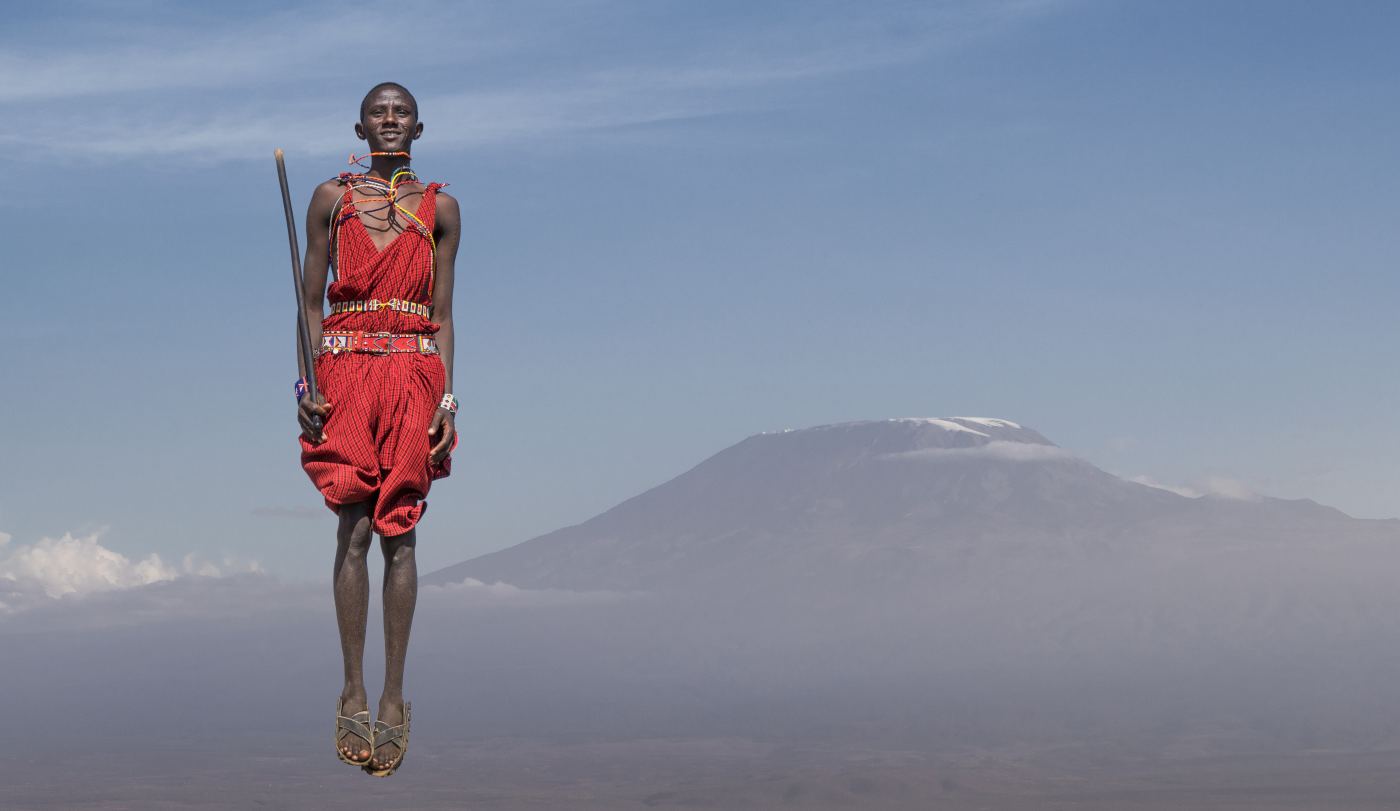
What a day trip from Arusha can genuinely deliver
The golden rule of any day trip is simple: the shorter the drive, the longer the game viewing. Four parks are genuinely within day-trip range of Arusha. Arusha National Park is 45 minutes away, Lake Manyara about an hour and three quarters, Tarangire around two and a quarter hours, and the Ngorongoro Crater roughly three to three and a half hours to the rim. All are on good tarmac roads until the final approach, and all can be done comfortably between a 6am pick-up and a sundowner back at your hotel.
What a day trip cannot deliver is the Serengeti — more on that below — or the unhurried rhythm of a multi-day itinerary, where dawn and dusk game drives bracket lazy middays in camp. But do not let anyone tell you a single day is not worthwhile. A full day in Tarangire in the dry season, June to October, will show you more elephants than many travellers see in a week elsewhere in Africa, and the crater compresses an extraordinary density of wildlife into a single morning.
- Arusha National Park — 45 minutes, walking and canoeing
- Lake Manyara — 1 hour 45 minutes, forest and flamingos
- Tarangire — 2 hours 15 minutes, elephants and baobabs
- Ngorongoro Crater — 3 hours plus, the big one
- Serengeti — not a day trip, fly or stay over
Arusha national park: the safari on your doorstep
Arusha National Park is the most underrated day out in northern Tanzania, and its great advantage is proximity: 45 minutes from town, so you spend the day in the park rather than the vehicle. It is a compact, beautiful reserve tucked beneath Mount Meru, taking in the Momella Lakes with their flamingos, the forested slopes where black-and-white colobus monkeys leap through the canopy, and the dramatic Ngurdoto Crater, a miniature Ngorongoro carpeted in green and grazed by buffalo.
What makes Arusha National Park special is what you are allowed to do there. This is one of very few northern parks offering walking safaris with an armed ranger, striding across open glades among giraffe and zebra, and canoeing on the Momella Lakes, drifting quietly past waterbuck and hippo. There are no lions in the park, which is precisely why walking is permitted, and the trade is a fair one: fewer predators, far more intimacy. A full day here in 2026 costs around 250 to 350 US dollars per person including fees, lunch and activities.
Tarangire day trip: elephants, baobabs and big skies
If you have exactly one day and you want classic big-game Africa, Tarangire is our usual recommendation for a day trip from Arusha. The drive is around two and a quarter hours each way on tarmac, leaving a solid six to seven hours inside the park. Tarangire's signature is elephants — in the dry season the Tarangire River draws herds in the hundreds — set among ancient baobab trees and golden savannah that looks exactly like the Africa of your imagination.
Timing matters more at Tarangire than almost anywhere else. From June to October the park is exceptional, as wildlife from the surrounding ecosystem concentrates on the river; lion sightings are reliable, and leopard and cheetah are regularly seen. In the green season the game disperses and the park is quieter, though birding is superb year-round with over 500 species. A private Tarangire day trip in 2026 runs around 280 to 380 US dollars per person for two travellers, dropping usefully with a larger group; shared group departures start nearer 200 dollars.
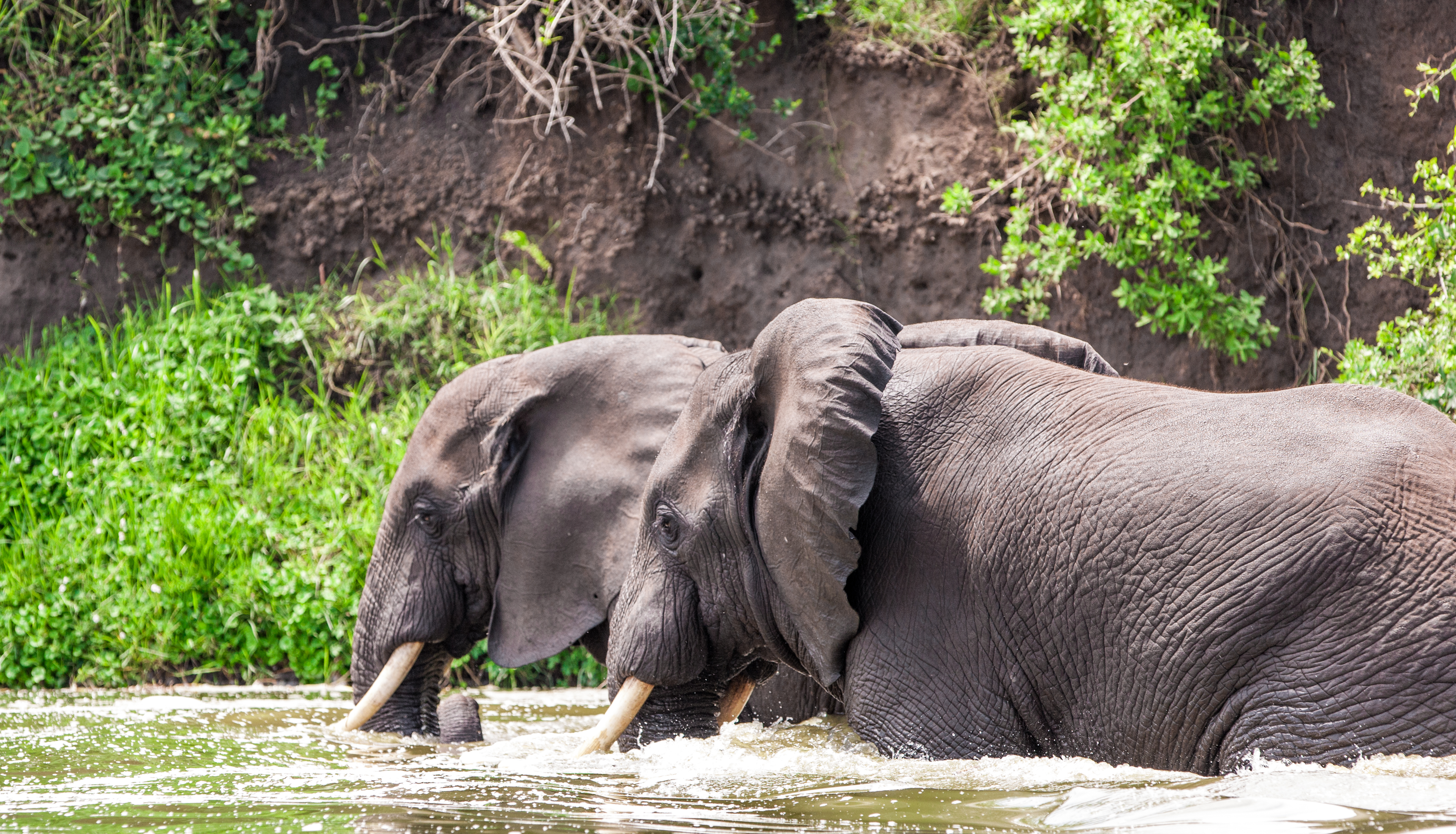
Lake Manyara day trip: forest, flamingos and tree-climbing lions
Lake Manyara National Park sits about an hour and three quarters from Arusha at the foot of the Rift Valley escarpment, and it offers the most varied scenery of any day trip on this list. In a single game drive you pass from lush groundwater forest alive with blue monkeys and baboons, through acacia woodland, to the shimmering soda lake itself, fringed in season with flamingos and thronged with hippos, pelicans and storks. Elephants are common, and Manyara is famous for its tree-climbing lions, draped along the branches on hot afternoons.
Manyara rewards travellers who value atmosphere and birdlife as much as big-ticket predators, and it is a gentler, shadier day than Tarangire — a good choice in the hotter months. It also offers a canopy treetop walkway, a lovely add-on for families. Expect a 2026 price of roughly 250 to 350 US dollars per person for a private day trip. Many of our guests combine Manyara with Ngorongoro on a two-day trip, since the parks sit on the same road, which is a far better use of the distance than doing either alone twice.
Ngorongoro crater day trip: a long day that earns its keep
Yes, you can do the Ngorongoro Crater as a day trip from Arusha — and no, we will not pretend it is a short day. Count on leaving town by 6am, reaching the rim around 9am, descending for five to six hours on the crater floor, and returning to Arusha by early evening. It is a big push, but the reward is arguably the densest concentration of wildlife in Africa: some 25,000 large animals inside a collapsed volcanic caldera, including lion, elephant, buffalo, hyena in numbers, and your single best chance in Tanzania of seeing black rhino.
The crater is also the most expensive day on this list, because Ngorongoro's fees are steep: in 2026 the conservation area charges roughly 70 to 80 US dollars per person to enter plus around 300 dollars per vehicle to descend to the crater floor. A private crater day trip therefore lands around 400 to 550 US dollars per person for two travellers, less per head for four. It is worth every dollar for the right traveller — but if you can possibly stretch to an overnight near Karatu, the same money goes noticeably further and the day feels half as long.
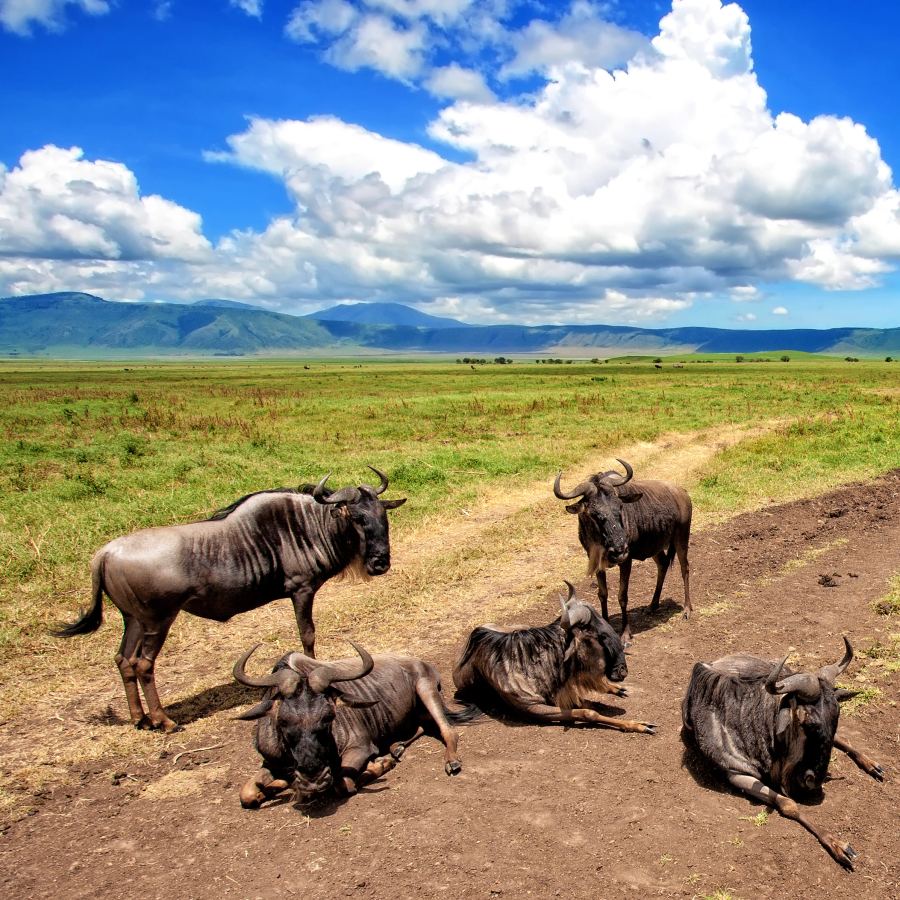
Why the Serengeti is not a day trip
Every week someone asks us for a Serengeti day trip from Arusha, and we always give the same honest answer: do not do it by road. The Naabi Hill gate is six to seven hours' drive from Arusha, much of it beyond Ngorongoro on rough gravel, which would mean thirteen hours in the vehicle for perhaps two hours of game viewing. The Serengeti deserves — and requires — at least one night, and ideally two or three, to reach the central Seronera area where the wildlife density justifies the journey.
There is one exception: flying. Daily light-aircraft flights connect Arusha Airport to the Serengeti's airstrips in around an hour, and a fly-in overnight safari puts you on a game drive by mid-morning. A one-night fly-in Serengeti safari is a genuine option for time-poor travellers, though at roughly 1,400 to 2,000 US dollars per person it is a different budget conversation. For most people with two or three days, the smarter play is the mini safari builds below, saving the Serengeti for a trip that gives it the time it deserves.
Mini safaris from Arusha: two, three and four day builds
With two days, the classic build is Tarangire plus the Ngorongoro Crater, overnighting in Karatu or on the crater rim. You get the elephants and baobabs on day one, descend into the crater at dawn on day two before the day-trip vehicles arrive, and you are back in Arusha for dinner. In 2026 expect around 600 to 850 US dollars per person for a private two-day safari with mid-range lodging, or from roughly 450 dollars per person on a group camping basis. This two-day safari from Arusha is, for our money, the best short safari in Tanzania.
With three days you add breathing room rather than mileage: Tarangire, then Lake Manyara or a Karatu cultural day, then the crater — or push into the Serengeti for one night between Tarangire and Ngorongoro if you are happy with longer drives. Three-day private mid-range itineraries run about 950 to 1,400 US dollars per person; camping group trips from around 700 dollars. The three-day version is the sweet spot for honeymooners on a Zanzibar-plus-safari trip who want the crater without feeling rushed through it.
Four days is where the northern circuit properly opens up: Tarangire, Serengeti overnight, and Ngorongoro Crater on the way home is the time-honoured route, touching all three great ecosystems. Expect roughly 1,300 to 1,900 US dollars per person private mid-range in 2026, from about 950 dollars camping, with luxury lodge versions from 2,500 dollars upwards. If your dates fall between December and March, four days can also catch the wildebeest calving season in the southern Serengeti — an extraordinary bonus for a short safari.
Private or group, and when a fly-in upgrade makes sense
The private-versus-group question shapes both price and experience. Group departures, shared with up to six other travellers on fixed dates, are the budget route and a sociable one, but you surrender control of the schedule — photography stops, early starts and route choices go to the majority. A private vehicle typically adds 15 to 30 percent for a couple and almost nothing for a family of four, and on a short safari, where every hour counts, we think private is worth it more than on any other trip type.
A fly-in upgrade makes sense in two situations. First, when the Serengeti is non-negotiable but your time is short: flying one or both ways converts two brutal driving days into game-viewing days. Second, at the luxury end, where the cost of flights is modest against lodge rates and the saved hours are precious. For the day trips and two-to-three-day crater circuits in this guide, driving remains the sensible choice — the distances are short, the roads good, and the drive through the Rift Valley and Maasai country is part of the experience.
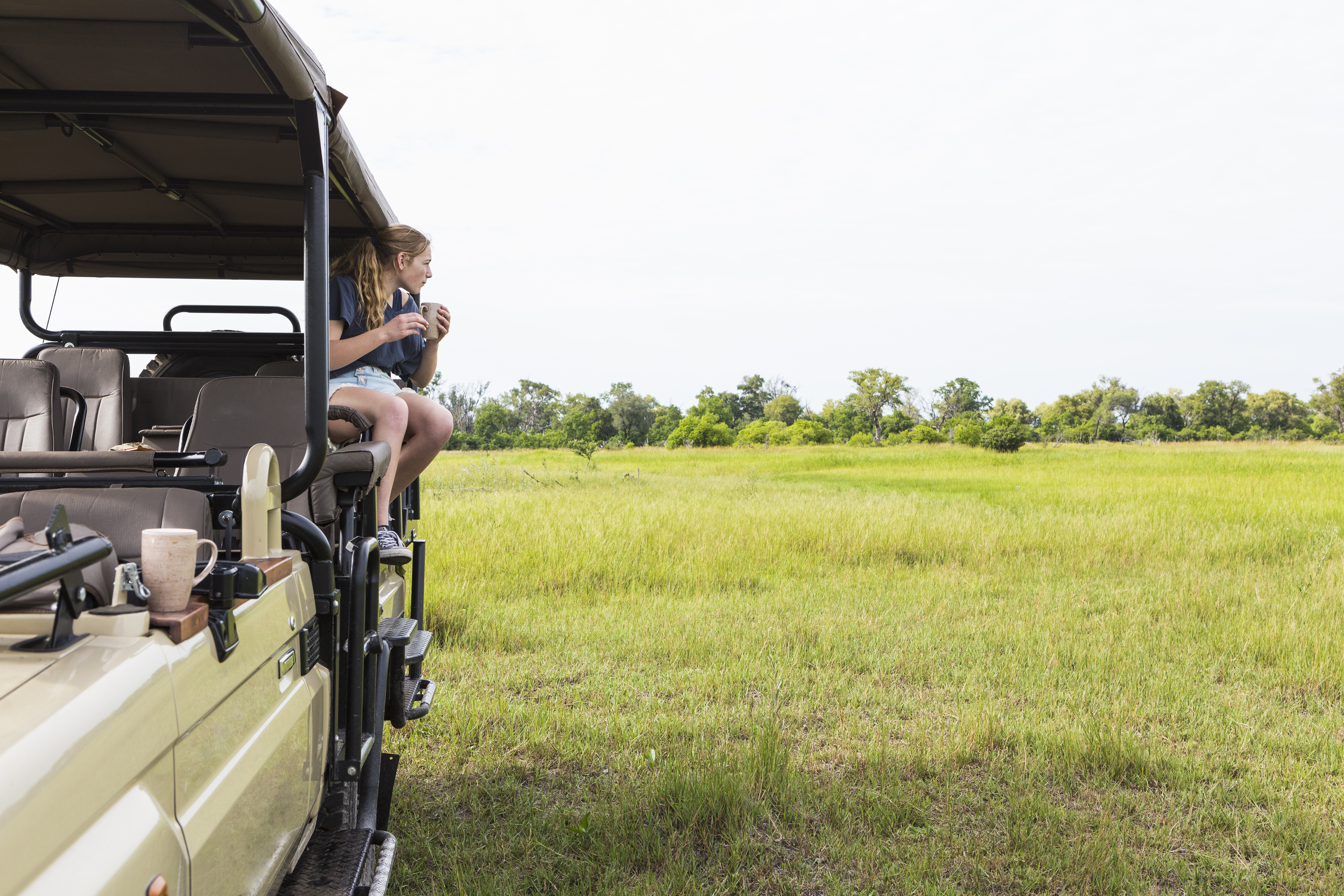
Dig deeper before you book: our Arusha safari guide, Tarangire guide, Lake Manyara guide and Ngorongoro crater guide cover each park in full, or browse our safari packages and plan your safari.
Related reading: Gran Meliá Arusha: the safari gateway hotel explained.
What a safari from Arusha costs in 2026
Pulling the numbers together, the honest 2026 picture looks like this. Day trips run from about 200 US dollars per person for a shared Manyara or Tarangire departure to 400 to 550 dollars for a private crater day. Two-day safaris span roughly 450 to 850 dollars per person depending on group versus private and camping versus lodge; three days about 700 to 1,400 dollars; four days about 950 to 1,900 dollars mid-range, with luxury versions well beyond. Park fees are the immovable core of any Tanzania safari cost — they alone exceed 100 dollars per person per day in most parks.
When comparing quotes, check three things. First, that all park and crater fees are included, since a suspiciously cheap price usually means fees are extra. Second, the vehicle: a proper 4x4 Land Cruiser with a pop-up roof and window seating for everyone, not a minibus. Third, the guide, who will make or break your trip more than any lodge will. An arusha safari booked with a licensed local operator costs little more than a resold one bought abroad — the difference is that your money stays with the people actually driving you.
The shorter your safari, the more the details matter — a 6am start, the right gate and a guide who knows where yesterday's lions were can double what you see in a day.
Make your days in Arusha count
Based in Arusha ourselves, we build these trips daily — tell us how many days you have and we will make them count. Whether that is a walking safari under Mount Meru tomorrow morning, a dawn descent into the Ngorongoro Crater, or a four-day loop through Tarangire and the Serengeti, Sokwe Africa Safaris will give you a straight answer on what fits your time and budget, a fair 2026 price with every fee included, and a guide who treats your one precious day like it is his own. Get in touch through our contact page and start with your dates — we will do the rest.
Plan your safari from Arusha with Sokwe Africa Safaris