
Why Stone Town is worth your time
Most travellers come to Zanzibar for the beaches, and the beaches deserve their fame — but to fly in and drive straight past Stone Town, Zanzibar's extraordinary old quarter, is to miss one of the most atmospheric places in East Africa. This is a living UNESCO World Heritage town of coral-stone merchant houses, carved wooden doors and rooftop terraces looking over the Indian Ocean, where the call to prayer drifts across the rooftops at dusk and the evening food market fills the seafront with smoke and chatter. It is unlike anywhere else in Tanzania, and it rewards even a short stay richly.
This guide covers what actually matters: the history, the highlights genuinely worth your time, the food, the spice tours, where to stay, etiquette and safety, and — the question we are asked most often — how many nights Stone Town really deserves before you head to the coast. The answers are drawn from years of building Zanzibar itineraries for our safari guests, so you can plan the old town with confidence rather than guesswork.
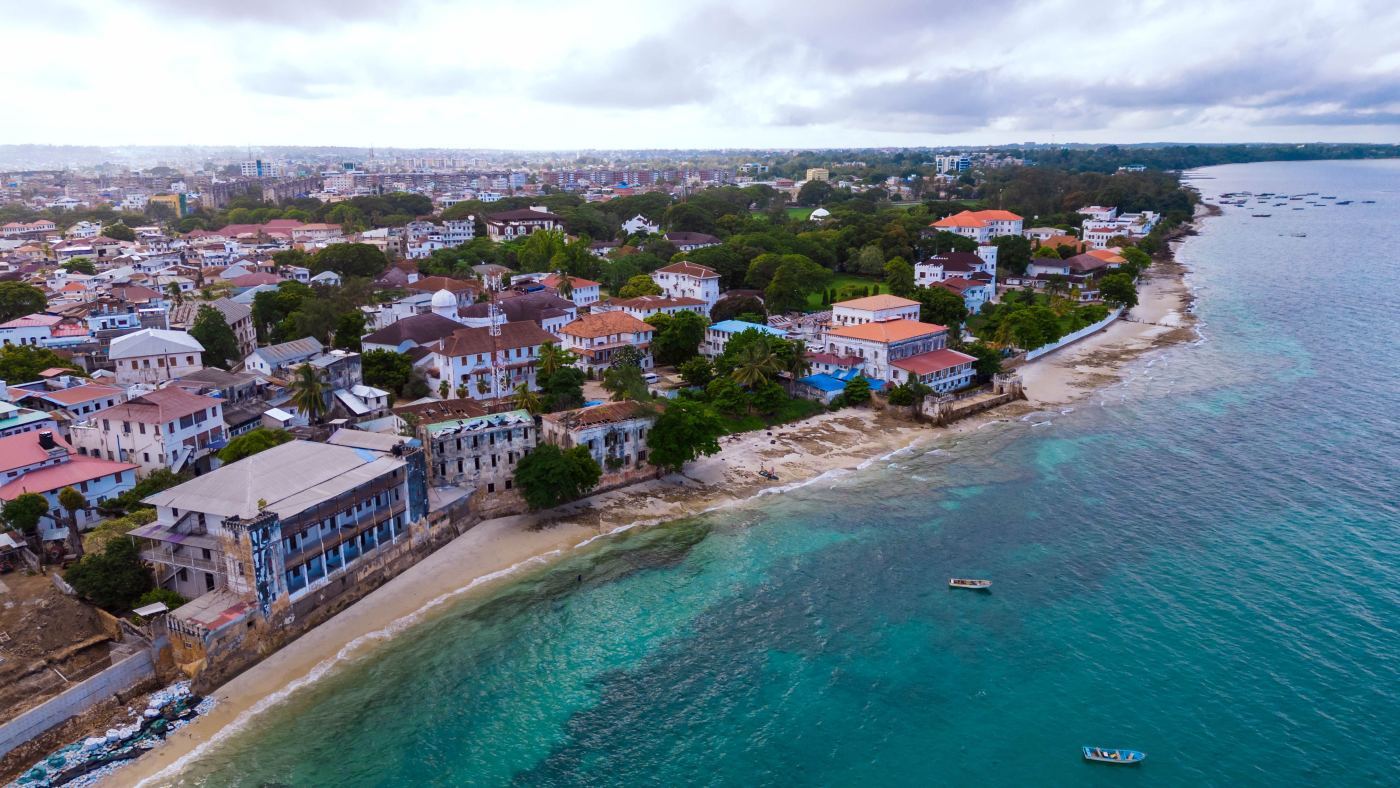
A short history of Zanzibar old town
Stone Town's magic lies in its layers. For over a thousand years Zanzibar sat at the crossroads of the monsoon trade routes, and the town absorbed everything that passed through it: Swahili and Bantu foundations, Persian and Omani Arab rule, Indian merchant wealth, Portuguese and later British colonial interference. In 1840 the Sultan of Oman moved his entire capital from Muscat to Zanzibar — a measure of how rich the trade in spices, ivory and, shamefully, enslaved people had become — and most of the grand buildings you see today date from that nineteenth-century heyday.
The result is a townscape found nowhere else: mosques, Hindu temples and an Anglican cathedral within a few minutes' walk of each other, Omani fortifications beside Indian-style balconied mansions, and a maze of lanes too narrow for cars. UNESCO inscribed Stone Town as a World Heritage Site in 2000 precisely for this fusion of Swahili, Arab, Indian and European cultures. It is not a museum piece — around sixteen thousand people still live and work in the old town — and that lived-in quality is what makes wandering it so rewarding.
The carved doors and the architecture
Stone Town's most famous emblem is its doors — several hundred carved wooden doors, some more than a century and a half old, each a statement of the original owner's wealth and origins. Rectangular, geometrically carved doors follow the Omani Arab tradition, often bordered with Arabic script, while arched doors with elaborate floral carving show Gujarati Indian influence; the brass studs on many are a decorative echo of Indian doors built to repel war elephants. Once you start noticing them, you will stop every few metres.
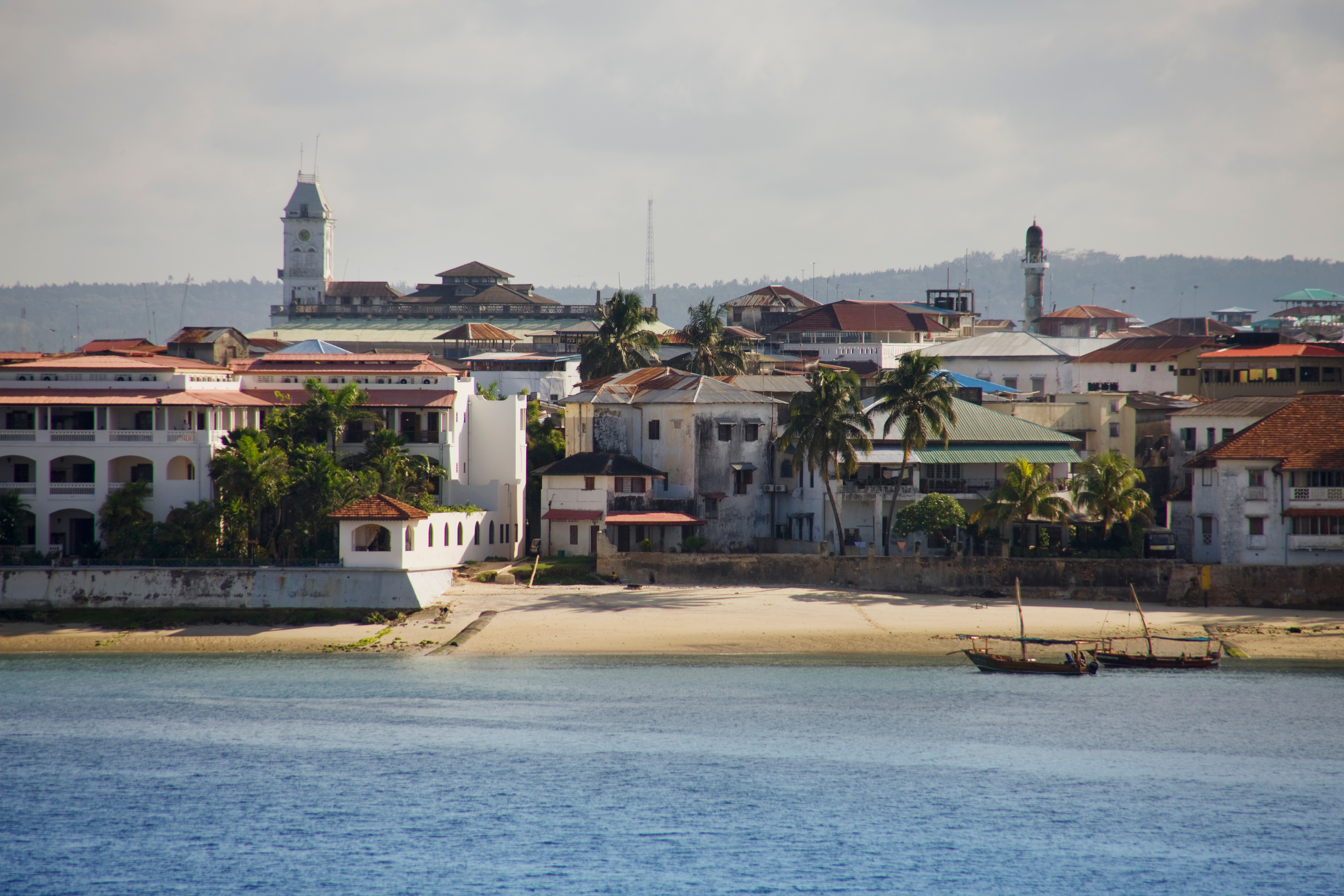
The architecture around the doors tells the same story of trade and status. The old town is built largely from coral rag stone dressed with lime plaster, which gives the buildings their soft, crumbling texture and the town its name. Look up as you walk: latticed balconies, rooftop terraces and mangrove-pole ceilings reveal the Indian and Omani hands that built them. Coral stone weathers badly in the humid sea air, and part of Stone Town's charm is seeing grand restored mansions beside atmospherically decaying neighbours.
Forodhani Gardens and eating your way through town
Come sunset, the place to be is Forodhani Gardens, the seafront park in front of the Old Fort, where every evening dozens of vendors set up the town's famous night food market. Grilled seafood skewers, Zanzibar pizza — a stuffed, fried pancake that is nothing like pizza and entirely delicious — sugar-cane juice pressed with ginger and lime, and urojo, the tangy Zanzibari soup, all cooked by lamplight. It is theatrical, inexpensive and great fun; choose busy stalls with high turnover, and be cautious with seafood that has clearly been sitting out.
Beyond Forodhani, Stone Town is the best eating in Zanzibar. Darajani market, the town's sprawling main bazaar, is the place to see island life at full volume — fish auctions, spice stalls, mountains of mangoes — and is best visited in the morning when the catch comes in. For dinner, several old merchant houses serve multi-course Swahili menus on their rooftop terraces as the sun drops over the harbour; it is touristy in the best sense, and a memorable way to spend an evening.
The slave market memorial: Stone Town's hardest history
Stone Town's beauty sits alongside a dark past that deserves unhurried attention. Through the nineteenth century Zanzibar was the centre of the East African slave trade, and tens of thousands of enslaved people passed through the island's market every year. The site of that market is now occupied by the Anglican cathedral, deliberately built there after abolition in 1873, with its altar placed where the whipping post is said to have stood. Beside it, the East Africa Slave Trade Exhibit and the haunting stone memorial of chained figures, sunk into a pit in the courtyard, form one of the most affecting monuments in Africa.
We encourage every visitor to go, and to go with a good guide who can present the history accurately and respectfully — this is remembrance, not sightseeing, and the underground chambers where captives were held make the reality of the trade brutally tangible. Allow an hour or more, dress modestly and be thoughtful about photography. Guests consistently tell us it was the most important thing they did in Stone Town, and we agree: the town cannot honestly be understood without it.
Museums, the House of Wonders and the Freddie Mercury house
Stone Town's grandest building is the House of Wonders, the sultan's ceremonial palace on the seafront — the first building in East Africa with electricity and a lift when it opened in 1883, hence the name. It has been closed for restoration since a partial collapse in 2020, so for now you admire it from outside; the neighbouring Old Fort, built by Omani Arabs around 1700, remains open with its craft stalls and amphitheatre, and the Palace Museum nearby fills in the story of the sultans.
Pop culture pilgrims have their own stop: Freddie Mercury was born Farrokh Bulsara in Stone Town in 1946, and the Freddie Mercury Museum on Kenyatta Road occupies a house associated with his family's years on the island — a small museum and an easy half-hour, best treated as a light interlude. Beyond the big names, the real museum is the town itself: the lanes of Hurumzi and Shangani, the coffee sellers with their brass pots, and the barazas, stone benches built into house fronts where conversation has flowed for centuries.
Spice tours: worth it or not?
Zanzibar was once the world's largest producer of cloves, and the spice-farm tour is the classic half-day trip out of Stone Town — usually to the plantations around Kizimbani, twenty to thirty minutes inland. A good tour is genuinely delightful: you walk through the farm crushing leaves and bark to guess cloves, cinnamon, cardamom, nutmeg, vanilla and lemongrass, taste fruit straight from the tree, and see how the spices that built the town actually grow. Expect to pay roughly 25 to 50 US dollars per person depending on group size, often with a Swahili lunch included.
Our honest advice: it is worth doing, with two caveats. Quality varies enormously, so book through your hotel or operator rather than taking the cheapest street offer — a knowledgeable guide is the whole experience. And manage expectations: this is farming, not a show, and what you see depends on what is ripe. A spice tour pairs neatly with a morning walking tour to make one full, well-balanced day before you head for the coast.
Where to stay: rooftops and merchant houses
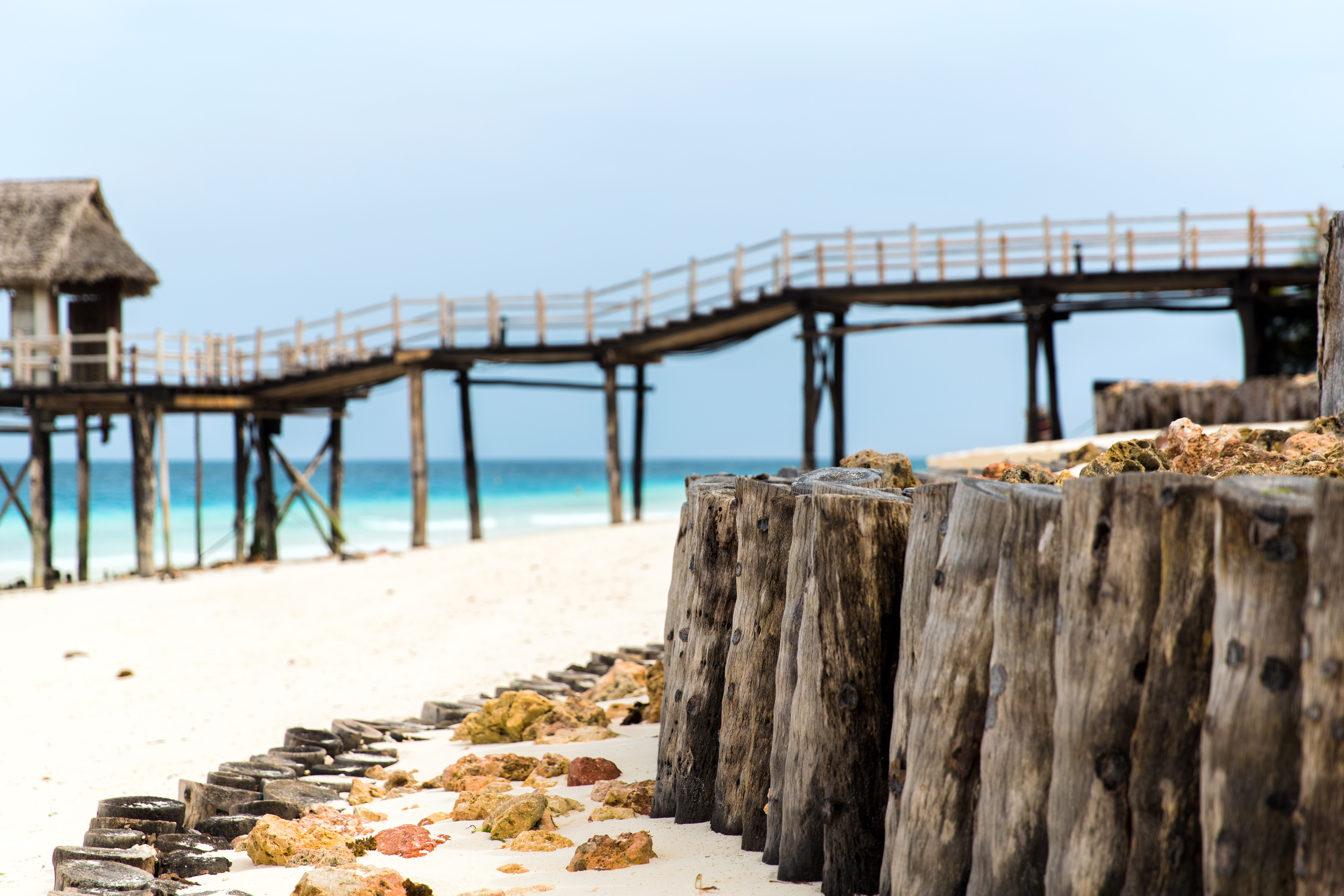
Stone Town's best accommodation is one of its pleasures: converted merchant houses and boutique hotels hidden behind those carved doors, built around cool central courtyards, with antique Zanzibari beds, fretwork balconies and — the detail that matters most — rooftop terraces where breakfast comes with a view over the ocean and the town's minarets. Rooms in the characterful boutique places typically run from around 100 to 250 US dollars a night, with a handful of genuinely luxurious properties above that and simple guesthouses well below.
Two practical notes. Choose a hotel in the Shangani or Hurumzi quarters if you want to walk everywhere, and accept that authenticity has quirks: coral-stone buildings mean steep stairs, no lifts, and rooms that vary wildly within one hotel, so ask for a higher floor with a breeze — and pack earplugs for the dawn call to prayer. We place guests in a short list of houses we know personally, because in Stone Town the gap between the good and the disappointing is wide.
Safety, dress and etiquette
Stone Town is generally a safe and welcoming place. Apply the usual town sense: keep phones and cameras unflashy, leave valuables in the hotel safe, take a taxi at night rather than walking unlit lanes alone, and politely decline the persistent street touts — a firm, friendly no thank you works. The maze of alleys is disorienting rather than dangerous; getting briefly lost is practically a rite of passage, and locals will cheerfully point you back towards the seafront.
Zanzibar is a conservative, predominantly Muslim society, and dressing respectfully in town is both courteous and appreciated: shoulders and knees covered for men and women alike, with swimwear kept strictly for the beach and pool. During Ramadan the town runs at a gentler rhythm — many local cafés close in daylight hours, and eating or smoking openly in the streets before sunset is considered disrespectful, though tourist hotels and restaurants serve as normal. Visiting during Ramadan is absolutely fine, and the festive iftar atmosphere each evening is a genuine bonus.
How long to stay: the honest answer
Here is the answer we give our own guests: one to two nights is right for almost everyone. One full day, done well — a morning walking tour taking in the slave market memorial, Darajani and the old quarter, an afternoon spice farm or simply getting lost among the doors, then Forodhani and a rooftop dinner — covers the essentials with time to breathe. Two nights suits history lovers, photographers and anyone who wants the town at dawn, when the lanes belong to schoolchildren and bread sellers rather than tour groups.
More than two nights is rarely the right call unless you have a special interest, because the heat, the hustle and the compact old town make the experience intense rather than expansive — and the beaches of the north and east coasts are only an hour away. We usually place Stone Town at the start of the Zanzibar leg, straight off the flight from the safari circuit, so you finish your holiday unwinding on the sand rather than packing up for sightseeing. Town first, beach last has never let our guests down.
Your next step
Adding Stone Town to a safari? Start here:
Or tell us your dates and what you want from the trip and our Arusha team will reply with a tailored proposal, usually within 24 hours — contact Sokwe Africa Safaris.
Planning the island leg? See our guides to the best beaches in Zanzibar and the top things to do in Zanzibar, read how a safari and Zanzibar combo fits together, or explore Zanzibar with Sokwe.
Related reading: What do people eat in Tanzania? A visitor's guide to Tanzanian food, halal and vegetarian options.
Give Stone Town one good day and two nights, and it will give you a thousand years of Indian Ocean history — then let the beach do the rest.
- UNESCO World Heritage Site since 2000
- Carved doors — Omani geometric and Indian arched styles
- Forodhani Gardens night food market every evening
- Slave market memorial and cathedral — essential, moving
- House of Wonders closed for restoration; Old Fort open
- Spice tours around 25–50 USD per person
- Dress modestly in town; swimwear for the beach only
- One to two nights, then onward to the coast
Getting there and fitting Stone Town into a Tanzania trip
Reaching Stone Town is easy from anywhere in Tanzania. Zanzibar's international airport is fifteen to twenty minutes from the old town, with direct daily flights from Dar es Salaam, Arusha and the Serengeti airstrips — which is why the town works so well as the hinge between a safari and a beach holiday. The ferry from Dar es Salaam takes around two hours, though we book flights for most guests coming off safari, as the connections from the northern circuit are quick and scenic.
In a typical ten-day trip we build for guests flying into Kilimanjaro, the shape is a week on safari in Tarangire, the Ngorongoro Crater and the Serengeti, a morning flight to the island, one or two nights in Stone Town, Zanzibar, Tanzania's most storied old town, and three or four nights on the beach before flying home. The town leg adds culture, history and remarkable food to a wildlife-and-beach holiday at almost no logistical cost, and guests who were initially tempted to skip it almost always tell us it was among the most memorable parts of the trip.
Plan your Zanzibar trip with Sokwe
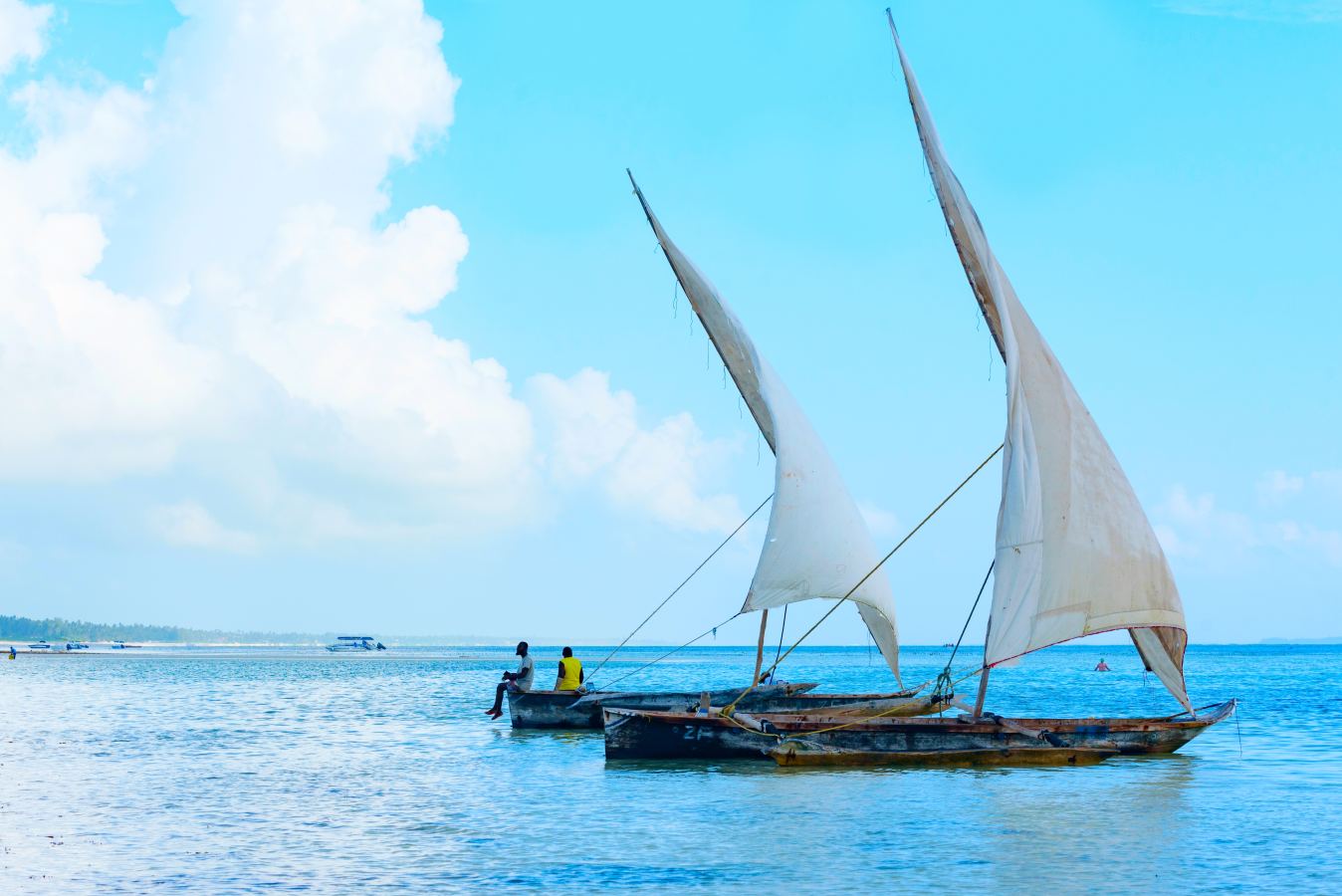
Stone Town, Zanzibar is one of those rare places that lives up to its postcard — a working Swahili town layered with Omani, Indian and European history, best experienced with just enough time and the right guiding, then followed by the beach it so perfectly sets up. Sokwe Africa Safaris builds Stone Town nights into almost every Zanzibar itinerary we design, with guides we trust for the harder history and hotels we know room by room. Tell us your dates and interests, and we will tell you honestly how much time the old town deserves in yours.
Plan your Stone Town and Zanzibar itinerary with Sokwe Africa Safaris
Frequently asked questions
What is Zanzibar famous for?
Spices above all — the island was once the world's largest producer of cloves — alongside white-sand beaches, dhows, and Stone Town itself, a UNESCO World Heritage Site since 2000 layered with a thousand years of Swahili, Omani, Indian and European trade. It is also the birthplace of Freddie Mercury, born Farrokh Bulsara here in 1946.
Is Zanzibar part of Tanzania?
Yes. The old Sultanate of Zanzibar united with Tanganyika in 1964 to form what became the United Republic of Tanzania, though the islands keep their own president and a great deal of self-government. That layered history — Swahili, Omani, Indian, Portuguese and British in turn — is precisely what you are walking through in Stone Town.
What is there to see in Zanzibar?
In Stone Town: the carved doors, Darajani market, the Old Fort, the Palace Museum, and the slave market memorial beside the Anglican cathedral, which we consider essential. Forodhani Gardens fills with food stalls every evening. Beyond the town lie the spice farms around Kizimbani, the lanes of Hurumzi and Shangani, and the beaches an hour away.
How do you get to Zanzibar?
Fly, mostly. Daily flights link Zanzibar's international airport with Dar es Salaam, Arusha and the Serengeti airstrips, and the airport sits fifteen to twenty minutes from Stone Town. The ferry from Dar es Salaam takes around two hours. For guests coming off safari we book the flight, as the northern-circuit connections are quick and scenic.
How many nights do you need in Stone Town?
One to two nights is right for almost everyone. One full day covers a morning walking tour taking in the slave market memorial and Darajani, an afternoon spice farm or simply getting lost among the doors, then Forodhani and a rooftop dinner. Two nights suits history lovers and photographers who want the lanes at dawn.
Are Zanzibar spice tours worth it?
Yes, with two caveats. Expect roughly 25 to 50 US dollars per person for a half-day at the plantations around Kizimbani, twenty to thirty minutes inland, often with a Swahili lunch included. Book through your hotel rather than the cheapest street offer, because the guide is the whole experience — and remember this is a working farm, not a show.