
Visitors often spend so much time planning the wildlife that they forget to ask what they will eat. The question matters for practical reasons, such as dietary needs and food safety, and for the pleasure of discovering a cuisine that is more varied than many people expect. Tanzanian food draws on African, Arab, Indian and European influences, and it differs between the mainland and the coast. This guide explains what people actually eat, what to try, how to manage halal, vegetarian and other needs and how to eat safely as a visitor.
The short answer
The staple food in much of mainland Tanzania is ugali, a stiff maize porridge, eaten with stews, beans, greens, fish or grilled meat. Rice dishes such as pilau, chapati flatbread, beans, plantains and grilled meat called nyama choma are also very popular. On the coast and in Zanzibar, seafood, coconut, spices and rice dominate. On safari, camps serve international-style meals with local touches, and they handle dietary requirements well when they have notice. You will not go hungry, and many visitors are pleasantly surprised.
The staples
Ugali is the heart of everyday Tanzanian eating. It is made from maize flour cooked in water to a thick, dough-like consistency, and it is eaten with the hand, rolled into a ball and used to scoop up the accompanying dish. Alone it is quite bland, and it is the stews and sauces that carry the flavour. Rice is also widespread, cooked plain, with coconut or as pilau, a spiced rice dish with meat and warm spices that shows the coastal and Indian influence.
Beans, called maharage, are a common accompaniment, often cooked in coconut milk, and so are leafy greens and tomato-based sauces. Cooking bananas, or plantains, appear boiled, fried or in stews, particularly in the north-west and around Kilimanjaro. Cassava, sweet potatoes and sorghum are also eaten depending on the region. Chapati, a flat, layered bread similar to a thin paratha, is served at breakfast and with stews, and is a favourite with visitors.
Meat, fish and street food
Nyama choma, which means grilled meat, is a national favourite, usually goat, beef or chicken grilled over charcoal and served with salt, kachumbari, a fresh tomato and onion salad, and ugali or chips. It is a social food, often eaten with friends over a drink, and local restaurants and roadside places serve it. Mishkaki, small skewers of marinated meat, are a popular snack. Fried or grilled fish is common near lakes and the coast, with Lake Victoria tilapia and Nile perch and coastal species served whole.
Street food is a big part of daily life, with samosas, mandazi, a lightly sweet fried dough, roasted maize, grilled cassava and, in Dar es Salaam, chips mayai, a fries and egg omelette. If you want to try street food, choose busy stalls with food cooked in front of you and eaten hot, and avoid anything that has been sitting out. Bring hand sanitiser, and be sensible about water and ice, as we explain in our guide to tap water. A cautious start on the first couple of days helps your stomach adjust.
More on eating well: food on safari in Tanzania, is Tanzania tap water safe to drink, health and safety and Arusha travel guide. See our private Tanzania safari options.
Zanzibar and the coast
The cuisine of Zanzibar and the coast is distinct, with strong Swahili, Arab and Indian influences. Rice, coconut and spices such as cloves, cinnamon, cardamom and pepper appear everywhere, and seafood is central: grilled fish, octopus, prawns and lobster, often cooked in coconut sauce or with local spices. Biryani and pilau are popular, and Zanzibar has its own street food specialities, including urojo, a tangy, spicy soup often called Zanzibar mix, and fresh sugarcane juice.
In Stone Town, the evening food market is a favourite with visitors, with grilled seafood and skewers and fresh juices, though quality varies and a cautious approach is wise. Resorts offer a range of international and local dishes, and many will arrange a Swahili meal or a cooking class. Fruit is abundant and delicious, including mangoes, pineapples, passion fruit and coconuts. If you eat seafood, choose places where it is fresh and hot, and avoid anything raw or tepid.
Fruit, drinks and coffee
Fresh fruit is one of the great pleasures of Tanzania, with sweet bananas, mangoes, pineapples, papayas, passion fruit and avocados in season. Peel fruit yourself or choose fruit from a trusted source. Fresh juices are widely available, but check that they are made with safe water and without unknown ice. Tea, called chai, is usually served sweet and often spiced, and Tanzanian coffee, particularly from the Kilimanjaro and Arusha areas, is excellent and worth trying.
Local beers, such as Safari, Kilimanjaro and Serengeti, are widely sold, along with Konyagi, a popular local spirit, and imported wine and spirits in lodges and restaurants. Bottled water and soft drinks are everywhere. In more traditional areas and during Ramadan, particularly on Zanzibar and the coast, alcohol is less available in public places, though resorts and tourist venues usually serve it. Be sensitive to local customs, and avoid drinking or eating openly in public during the day in Ramadan in local areas.
Is halal food available?
Yes. Tanzania has a large Muslim population, particularly on the coast and in Zanzibar, which is predominantly Muslim, and halal food is widely available in towns and tourist areas. Many restaurants serve halal meat, and pork is rarely served in Muslim-run places. Lodges and camps that cater to international guests are used to halal requests, but you should tell your operator in advance, so that the kitchen can plan, and ask about the source of the meat if it matters to you.
If you follow a halal diet strictly, say so when booking and confirm the arrangement at each camp, since standards vary and a remote camp may need more notice. Ask about cooking oils, cross-contamination and alcohol in sauces, as you would anywhere. Most guests find that, with a conversation beforehand, the camps manage very well. And if you want to eat at local restaurants in towns, your guide can recommend places that suit your needs.

Vegetarian, vegan and other dietary needs
Vegetarians can eat well in Tanzania, with beans, vegetables, rice, chapati, fruit and egg dishes widely available, though in some local places meat is the default and you may need to ask. Vegan travellers need a little more planning, since stews and sauces can contain meat stock or dairy, but camps and lodges are generally accommodating with notice. Gluten-free guests may find maize-based ugali and rice helpful, though cross-contamination is a consideration, and nut allergies require clear communication.
The key is to tell your operator about every dietary need and allergy when you book, and to repeat it on arrival at each camp. Be specific about what you can and cannot eat, and about how serious it is. Camp kitchens are used to catering for guests with a range of needs, and they take it seriously when they are told early. If you have a severe allergy, carry your own medication, and ask about the distance to medical help.
Fast food and international options
Larger cities such as Dar es Salaam and Arusha have a range of international restaurants, cafés and, in some places, fast-food outlets, and supermarkets sell familiar groceries. Outside the cities, choices are simpler, and local restaurants are the main option. Pizza, burgers and chips are available in many tourist areas, and Indian restaurants are common, reflecting the long Indian presence in East Africa. If you miss home food, you will find something, though the local dishes are worth the effort.

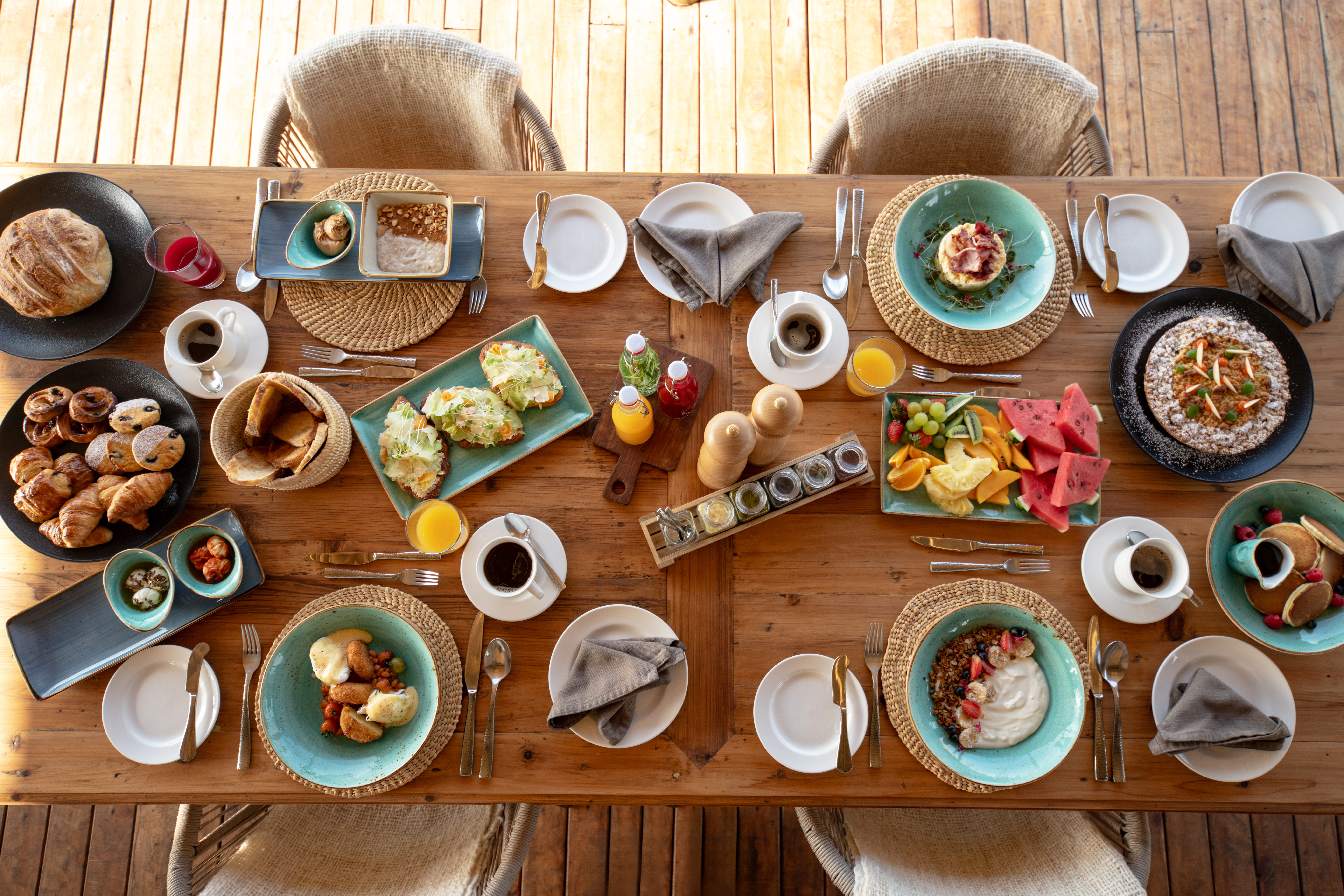
On safari, expect three meals a day, plus snacks and drinks, with a mix of continental breakfasts, bush lunches, picnic meals in the park and multi-course dinners in camp, with fresh bread, salads, soups, meat, fish and desserts. Many camps now source ingredients locally and include a Tanzanian dish or two. Special occasions, such as a bush breakfast or a sundowner, are part of the pleasure. If you have preferences, tell us, and we will pass them on.
Food experiences worth trying
If you are interested in food, there are good ways to go beyond the plate. Many lodges and resorts offer cooking lessons, with a chef showing you how to make chapati, pilau or a coconut fish curry, and in Zanzibar a spice farm tour lets you see, smell and taste the plants behind the cuisine. Coffee estates around Arusha and Moshi offer tours and tastings, and some communities offer meals in a family home, arranged through reputable operators so that the money reaches the people who cook.
A bush breakfast or sundowner in the middle of the park is another way to experience food in context. Choose experiences that are run respectfully, ask who benefits and bring an open mind. A meal at a local restaurant with your guide, who knows what to order, can be a highlight, and it gives you a view of everyday Tanzanian life that a lodge dining room cannot. Just remember the basic hygiene rules, and be willing to take a recommendation.
Eating safely
Most visitors eat well without problems, and a few simple habits help. Wash your hands or use sanitiser before meals. Choose food that is hot, freshly cooked and eaten promptly. Drink bottled or filtered water, and be careful with ice and salads in unfamiliar places. Peel fruit yourself. Be cautious with unpasteurised dairy and with raw or undercooked meat or seafood. If you do get a stomach upset, rehydrate, rest and see a doctor if it is severe or does not improve in a few days.
It also helps to go easy at first. Travel, heat and a new diet can unsettle your stomach, so a lighter meal on the first day and plenty of water make sense. Ask your guide or lodge for recommendations, since they know which restaurants are reliable. And be curious: trying ugali with a local stew, a plate of nyama choma or a Zanzibari biryani is one of the best ways to feel that you have really been to Tanzania.

Have dietary needs or allergies? Tell Sokwe Africa Safaris before you travel and we will pass them on to every camp on your route.
Frequently asked questions
What is the most popular food in Tanzania?
Ugali, a stiff maize porridge, eaten with stews, beans, greens or grilled meat, is the staple on the mainland. Rice dishes such as pilau, chapati and nyama choma, grilled meat, are also very popular.
What do they eat in Tanzania?
Ugali, rice, beans, plantains, chapati, grilled meat, fish and vegetables on the mainland, with seafood, coconut and spiced rice on the coast and in Zanzibar. Fresh fruit and sweet spiced tea are widespread.
Does Tanzania have halal food?
Yes. Tanzania has a large Muslim population, especially on the coast and in Zanzibar, and halal food is widely available. Tell your operator in advance so camps can prepare.
Is Tanzanian food vegetarian friendly?
Reasonably. Beans, vegetables, rice, chapati and fruit are common, though meat is the default in some local places. Camps and lodges accommodate vegetarians and vegans with notice.
Does Tanzania have fast food?
Larger cities such as Dar es Salaam and Arusha have international restaurants and some fast-food outlets. Outside the cities, local restaurants are the main option.
Is street food safe in Tanzania?
It can be, if you choose busy stalls with food cooked in front of you and served hot. Avoid food that has been sitting out, use sanitiser, and go easy for the first couple of days.