
The straightforward answer is no: do not drink tap water in Tanzania, and do not use it to brush your teeth unless it has been treated. That applies in Arusha, Dar es Salaam, Moshi and Zanzibar, and it applies to most visitors whatever their stomach is used to at home. The good news is that on a safari it is easy to avoid, because camps, lodges and good operators provide safe water as a matter of routine. This guide explains what to drink, what to avoid, and what we do to keep guests well on the road and on the mountain.
The short answer
Drink bottled or properly filtered water, hot drinks made with boiled water, and sealed soft drinks. Avoid tap water, ice made from unknown water, and anything washed in tap water that you will eat raw, such as salad or unpeeled fruit at an unreliable restaurant. In well-run lodges and camps this is handled for you, and your safari vehicle will carry plenty of drinking water. In towns and on your own, you need to be a bit more careful. Most stomach trouble among visitors comes from small slips, not dramatic exposures, so the habits matter more than the details.
Why the tap water is not safe
Municipal water systems in Tanzanian towns vary in quality, and pipes can be contaminated between the treatment plant and your tap, especially after rain or when supply is interrupted. Local people often boil or filter their water for exactly this reason. Even if the water looks clear, it may carry bacteria, viruses or parasites that residents have partly adapted to and visitors have not, and the result can be anything from a day of discomfort to a week of illness. Because the effects are unpleasant and avoidable, the rule is simple and applies everywhere.
What camps and lodges provide
Established safari camps and lodges treat their drinking water, using filtration, purification systems or bottled supplies, and they offer it in your room or tent, at meals and in the vehicle. At many properties, there are refillable bottles or flasks, filtered water stations and no single-use plastic, which is better for the environment as well. Ask your operator what each camp does. Also ask about water for brushing teeth: most camps put a flask of safe water by the basin, and you should use it.
Ice is usually made from the same purified water at good camps, but you can ask if you are unsure. In the bush, water is often brought in by truck or drawn from boreholes and then treated, and camps manage this carefully because their guests' health depends on it. If you are ever unsure about a drink, ask the staff and, if they cannot say, go without. Nobody will mind the question.
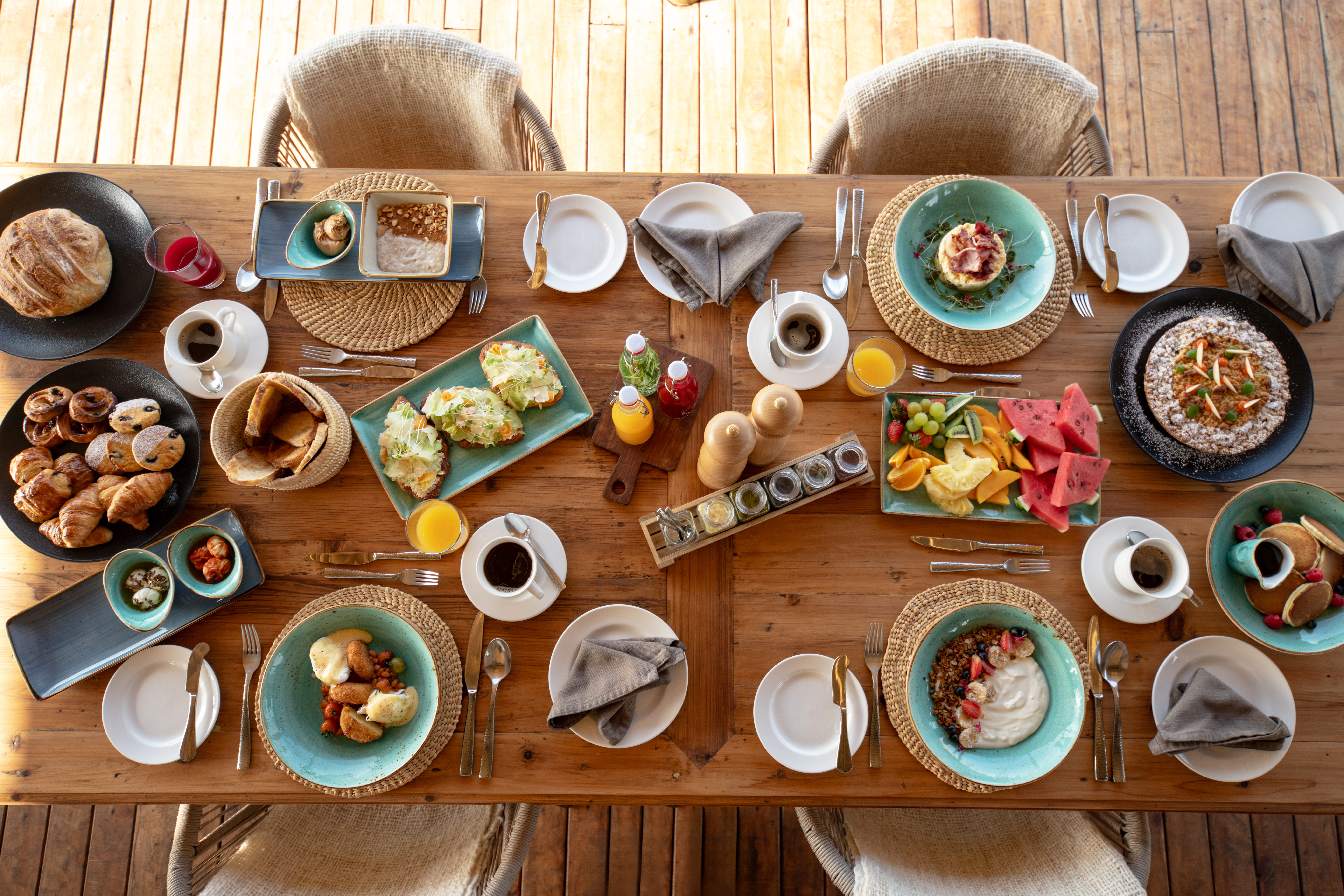
Coffee and tea are a pleasure of the trip, and they are safe when made with water that has been boiled, which in good camps is always the case. The same goes for the water used to wash fruit and vegetables in the kitchen, and for ice and cold drinks served at the table. If you have special needs, such as a filtered supply for medication or baby formula, tell your operator beforehand so the camp can prepare it properly. Camps are used to such requests and handle them well when they have notice.
In towns, restaurants and on the road
In Arusha, Moshi and Dar es Salaam, most hotels and restaurants that cater to visitors serve bottled or filtered water, and the sensible approach is to order bottled water, check that the seal is intact and pour it yourself. Be careful with ice in drinks at small places, with fresh juices that may contain tap water and with salads or cut fruit that have been washed in it. Hot, freshly cooked food is generally safe, and a place that is busy with local customers is usually a good sign. Street food is a matter of judgement; if you want to try it, choose a busy stall and food cooked in front of you.
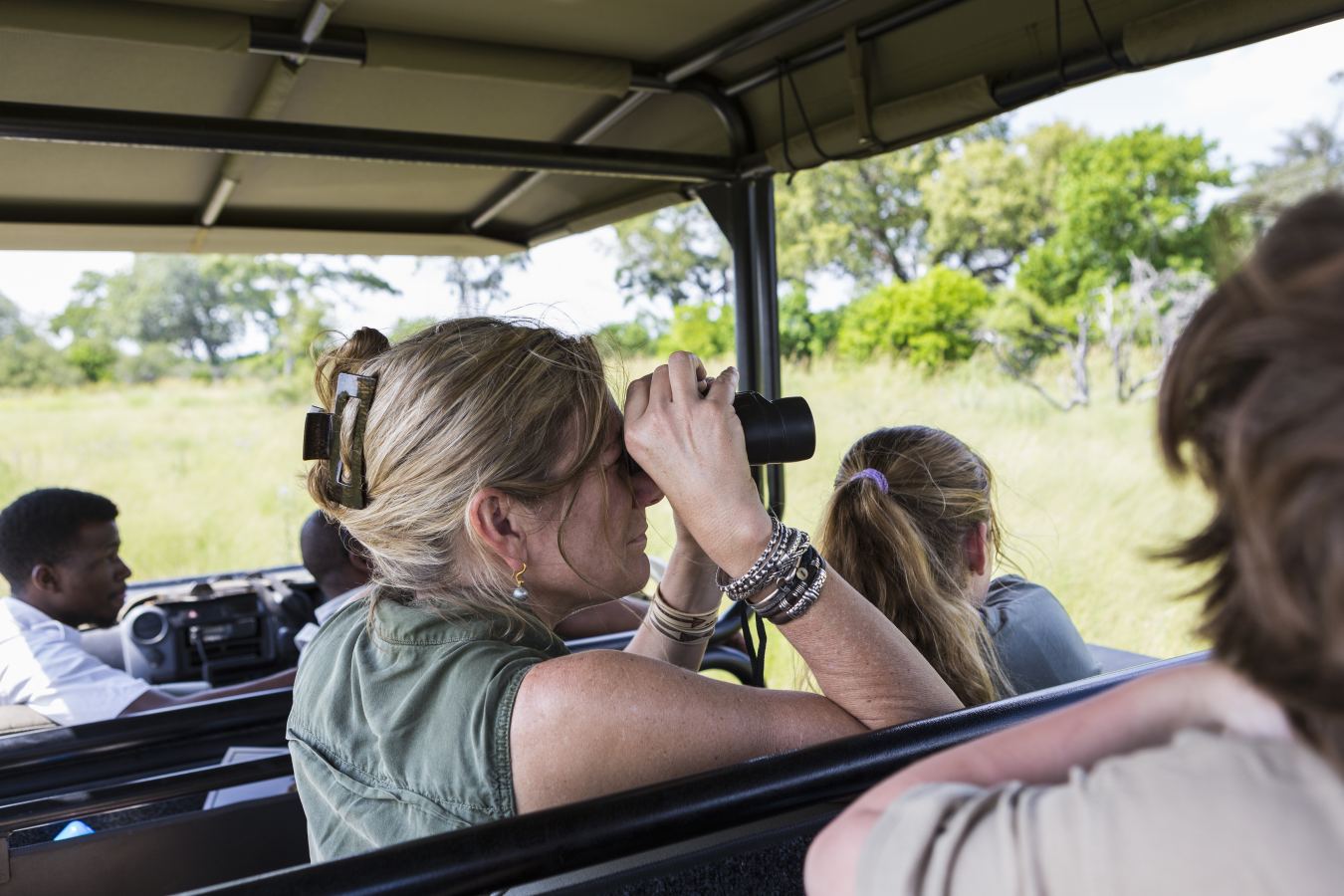
On long drives your guide will carry water, and you should too. Drink regularly even if you do not feel thirsty, because the heat and dust of a game drive dry you out faster than you realise. A reusable bottle that you fill from a safe source is a good idea, and an insulated one keeps the water cool through the afternoon. Keep a small stock of rehydration salts in your bag; they are light and can make the difference if you do get a stomach upset.
More on staying well: Tanzania safari health and safety, what to pack, food on safari and is Tanzania safe for tourists. See also our private Tanzania safari options or Tanzania safari from the USA.
More on this in Can you wear shorts on safari in Tanzania? What to wear, what to avoid and local dress norms.
Kilimanjaro and trekking
Water on Kilimanjaro and Mount Meru is a different question, because there are no taps on the mountain. Climbing crews collect water from streams or camp sources and treat it, usually by boiling or filtering, and often with purification tablets as an extra step. You should expect to drink a lot at altitude, commonly several litres a day, and you will carry bottles or a hydration bladder. Ask your operator how water is sourced and treated on your route, and bring your own purification tablets or a filter as a backup. Sip regularly, since dehydration makes altitude symptoms worse.
Zanzibar and the coast
The same rules apply on Zanzibar, where the heat and humidity make hydration even more important. Hotels and resorts serve safe water, but guesthouses and small restaurants vary. Choose bottled water, and be careful with drinks that include ice, and with seafood that is not fresh and hot. If you plan to eat in Stone Town's night food market, go for freshly cooked items and treat the first evening as a test of your stomach, with a lighter choice than a feast. Sea water is not for swallowing, and fresh water from hotel showers is not for drinking.
What if you get a stomach upset?
Mild traveller's diarrhoea is the most common health complaint among visitors, and it usually passes in a day or two. The priority is fluids: drink plenty of safe water and use rehydration salts, eat light bland food when you feel able, and rest. Avoid alcohol and heavy meals. Most people recover without medication, though some travellers bring a standard anti-diarrhoeal after discussing it with their doctor. Tell your guide, who can adjust the day, slow the pace and arrange extra rest.
Seek medical help if there is blood in the stool, a high fever, severe pain, signs of dehydration such as dizziness or very dark urine, or if symptoms last more than two or three days. Children, older travellers and anyone with a medical condition should be more cautious and seek advice earlier. Fever in a malaria area must always be treated as possible malaria until a test shows otherwise, so do not assume a fever is just a stomach bug. Your insurance should cover treatment and, if needed, evacuation, which is another reason to read the policy before you travel.
Simple habits that prevent most problems
Wash your hands or use sanitiser before eating, and especially after using the toilet and after touching animals or handrails. Use bottled or filtered water to brush your teeth, and keep your mouth closed in the shower. Choose hot, freshly cooked food, and peel fruit yourself. Be cautious with buffets where food has been sitting, with raw salads in unfamiliar places and with unpasteurised dairy. Bring a water bottle, rehydration salts and a small first aid kit, and keep any prescribed medication in your hand luggage.
It also helps to think about balance. A very cautious traveller who avoids everything can still get ill, and an adventurous one who follows a few basic rules often stays perfectly well. Pace yourself on the first couple of days, since travel, heat and unfamiliar food all take a toll, and give your body time to adjust. If you do get unwell, do not be embarrassed; guides and camp staff deal with it all the time and are very good at looking after guests.
Plastic, refills and being a responsible guest
Avoiding tap water does not have to mean a mountain of plastic bottles. Many camps now offer large refillable flasks or filtered water stations, and bringing your own insulated bottle lets you refill at each stop and keep the water cool. Tanzania introduced a ban on plastic carrier bags in 2019, so do not bring them, and pack toiletries in a reusable pouch. If you buy bottled water in towns, take the empties back to your camp or hotel, where they are more likely to be recycled or properly disposed of than if left on the roadside.
A refillable bottle also helps you drink more, which is the real point. Most visitors who feel unwell on the second or third day are simply dehydrated, tired and overheated, and a bottle in your hand is a better prompt than any reminder. Ask your guide how the camp handles refills and what the best option is for the day's drive. In the parks, never throw anything out of the vehicle, even fruit peel, and keep all rubbish with you until you can dispose of it properly.
Special cases: children, older travellers and health conditions
Children and older travellers dehydrate faster and can become seriously unwell more quickly, so be stricter about water and rest. Encourage regular sips rather than large gulps, and use rehydration salts early if there is any sign of an upset stomach. If you take regular medication, check with your doctor whether stomach illness or dehydration could affect it, and carry a supply in your hand luggage. Travellers who are pregnant, immunocompromised or managing a chronic condition should take medical advice before the trip, and share the details with us so each camp can prepare.
How we look after guests
On our private safaris, every vehicle carries drinking water, and we confirm with each camp how its water is supplied. We brief guests on food and water at the start of the trip so there are no surprises, and your guide is trained in first aid and carries a kit. If a guest is unwell, we adjust the programme: shorter drives, a rest day, a visit to a clinic if needed. The aim is a safari you enjoy, not one you endure, and a little attention to water goes a long way toward that.
Questions about health and preparation for your trip? Talk to Sokwe Africa Safaris and we will explain what each camp provides and how we look after guests on the road.
Frequently asked questions
Can I brush my teeth with tap water in Tanzania?
We advise against it. Use bottled or filtered water, which camps and good hotels put by the basin. Tap water quality varies and visitors are more likely than residents to get ill from it.
Is ice safe in Tanzania?
In good camps and hotels, ice is usually made from purified water. In small restaurants and bars it is a risk you cannot check, so ask or go without. If in doubt, choose a drink without ice.
Do safari camps provide drinking water?
Yes. Established camps and lodges provide treated or bottled drinking water in your room or tent, at meals and in the vehicle. Ask your operator what each camp does, including water for brushing teeth.
How do you get safe water on Kilimanjaro?
Crews collect water from streams or camp sources and treat it by boiling or filtering, often with purification tablets as well. Climbers should carry bottles or a hydration bladder, a backup filter or tablets and drink several litres a day.
What should I do if I get diarrhoea in Tanzania?
Drink plenty of safe water with rehydration salts, eat light food and rest. See a doctor if you have blood in the stool, high fever, severe pain, signs of dehydration or symptoms lasting more than two or three days. Treat any fever as possible malaria.
Is bottled water safe in Tanzania?
Generally yes, if the seal is intact and it comes from a reputable brand or hotel. Check the cap before you drink and avoid refilled bottles sold on the street.