
Most people who ask whether Tanzania is safe are really asking something more specific: will I be looked after, will my family be fine, and is there anything I should know that the brochures leave out? We are a licensed safari company based in Arusha, so we hear this question every week, usually from first-time visitors in the United States and the United Kingdom. The short, honest answer is that the great majority of visitors travel through Tanzania without any trouble, but the picture is not as simple as it was a few years ago, and anyone telling you there is nothing to think about is not being straight with you.
The short answer
For a well-organised private safari in the northern circuit, with a licensed operator, a professional guide and camps that have their own security, the practical risks are modest and familiar: road accidents, petty theft in towns, sunburn, stomach upsets and malaria if you ignore the precautions. Those are the things that actually go wrong for visitors, far more often than anything dramatic. What has changed is the political and security context around the country, and the advice from governments reflects that. We will set out exactly what they say, because you should read the official sources yourself and not rely on a tour company's reassurance.
What the UK and US governments say (as at 11 October 2026)
The UK Foreign, Commonwealth and Development Office currently advises against all but essential travel only within 20 kilometres of the border with Mozambique's Cabo Delgado province, because of attacks by groups linked with Islamic extremism. For the rest of Tanzania, including Arusha, the Serengeti, Ngorongoro, Tarangire, Kilimanjaro and Zanzibar, it no longer advises against travel. That is a change from late October 2025, when the advice was much tighter following unrest around the general election; the broader warning was lifted on 7 November 2025.
The United States Department of State is more cautious. It currently rates Tanzania at Level 3, which means reconsider travel, after raising it from Level 2 when it renewed the advisory on 31 October 2025. The reasons it gives are unrest, crime, terrorism and the targeting of gay and lesbian people. It notes that violent crime including robbery and carjacking can occur, and that the risk of terrorist violence is highest in the Mtwara region in the far south-east.
The northern safari circuit is a very different environment from the border region in the south, but you should know that the US position is cautious and plan accordingly. Advisories change, sometimes quickly, so treat anything written here, including this page, as a snapshot and check the official pages shortly before you book and again before you fly. We link both of them at the end of this guide.
Why the safari circuit is a different proposition
Geography matters more than most travellers realise. Mtwara and the Cabo Delgado border are in the far south-east of the country, more than 800 kilometres from Arusha in a straight line. The classic northern circuit of Tarangire, Lake Manyara, Ngorongoro and the Serengeti is in the opposite corner, and a standard safari never goes near the area the UK warns against. That does not make the rest of the country risk free, and we are not saying the US concerns can be waved away, but it does explain why two governments can look at the same country and write very different advice.
Day to day on a private safari you are in a vehicle with one driver-guide, moving between a small number of lodges or camps, most of which have their own guards and well-established routines. You are not wandering through crowds, not navigating unfamiliar public transport and not handling large amounts of cash. The time you spend in towns is short and usually organised: the airport, a drive, a hotel or lodge. That structure is much of the reason safari holidays have a very different risk profile from, say, backpacking through a capital city.
The risks that actually matter
Road safety is the real number one. Tanzanian roads outside the towns can be busy with trucks, buses, motorbikes, livestock and pedestrians, and overtaking on two-lane roads is where serious accidents happen. This is the single risk we would ask every visitor to take seriously. Do not hire a car and drive yourself at night, do not travel on long road legs after dark, and choose an operator whose drivers are salaried, licensed and not paid by distance. Many of the long transfers between parks can also be replaced with short bush flights, which is worth considering if you are anxious about the road.
Petty theft is the second. Bag snatching, pickpocketing and opportunistic theft from parked cars happen in Arusha, Dar es Salaam, Moshi and Stone Town in Zanzibar, as they do in most cities. Keep your phone and passport out of back pockets, do not leave valuables visible in a car, do not carry a camera openly while walking through a busy market, and use the safe at your hotel. If someone does take your bag, do not chase them; nothing in it is worth being hurt for. The US advisory also mentions more serious crime, including robbery and carjacking, which is why we advise against self-drive and against walking in towns after dark.
Scams are common and mostly unsophisticated. In Arusha in particular you may be approached on the street by friendly people offering safaris, cheap Kilimanjaro climbs or help finding a hotel. Some are honest; many are touts working on commission for unlicensed outfits, and a few are outright fraud. Book only with a company you have researched and whose tourism licence you have checked, pay by traceable methods and never hand over a cash deposit to someone you met on the pavement. Our guide on how to choose a safari company covers the checks in detail.
On the coast and in Zanzibar, the sea is the hazard. Beaches are often unsupervised, rip currents are real and drownings do occur each year, so swim where locals swim, ask your hotel about the day's conditions and take the tide times seriously. In the parks the hazards are mundane: heat, sun, dust and long days. Drink more water than you think you need, wear a hat, and listen to your guide. Health is the other area where preparation pays off, and we cover malaria, vaccinations and travel insurance in our guide to Tanzania safari health and safety.
Wildlife: the rules are there for a reason
People worry about lions and elephants more than they should and about the road less than they should. In practice, wildlife incidents on safari are rare because the rules are simple and the guides enforce them. You stay inside the vehicle during game drives unless the guide has chosen a safe place to get out, you keep your voice low, you never stand up on the seats in a way that breaks the outline of the vehicle, and you never feed or approach any animal. At camp, you are escorted between your tent and the dining area after dark. None of this is dramatic; it is routine, and it works.
Walking safaris, where they are offered, are led by armed rangers and are a different matter from game drives; the rules are stricter and the briefing is serious. If you take one, treat the briefing as the most important ten minutes of the day. A competent guide will tell you plainly what the plan is if an animal approaches, and what you must not do. If a guide ever seems casual about safety, that is a reason to change guide, not to relax.
Unrest, demonstrations and staying informed
The most useful thing the 2025 election period taught visitors is that political events can change travel conditions quickly and that information is the best protection. If there are demonstrations or heightened tension anywhere, avoid them, stay away from large gatherings, follow the instructions of local authorities and tell your operator where you are. Keep your phone charged, keep a paper copy of your insurance and operator contacts, and make sure someone at home knows your itinerary. If you hold a US passport, enrol in the State Department's traveller programme so the embassy can reach you; UK travellers can sign up for FCDO email alerts.
A good operator watches the situation for you and speaks up early. If we believed a route or a date was unwise, we would tell you plainly, even when that is inconvenient for us. Ask any operator, including us, how they would handle a change in advice and what the booking, change and cancellation terms are, in writing, before you pay a deposit. Also check that your travel insurance does not exclude areas covered by an official advisory, because the UK government warns that insurance can be invalidated if you travel against its advice.
Who should take extra care
Some travellers face particular questions and deserve specific answers rather than generic reassurance. Solo women generally have a good experience on organised safaris, and we have written a practical guide to travelling alone as a woman. Families with children need to think about malaria prophylaxis, sun and the age rules at individual camps. Same-sex couples face a legal environment that is genuinely different from Europe or North America, and that deserves a frank explanation, which we give in a separate guide. Anyone with a medical condition should discuss the trip with their doctor and check how far each camp is from the nearest clinic.
More detail where you need it: is it safe to go on safari in Tanzania, Tanzania safari health and safety, solo female safari guide, safari with children and how to choose a safari company. See also our private Tanzania safari options or Tanzania safari from the USA.
Elderly travellers and those with limited mobility can enjoy Tanzania very comfortably, but the logistics need planning: vehicle access, steps at camps, the bumpy roads and the distance to medical care. Tell your operator everything at the start, because a good itinerary can be built around it and a poor one cannot be fixed after you arrive. The same applies to dietary needs and allergies; camps cope well when they know in advance and badly when they find out at dinner.
Ten habits that keep a trip trouble-free
Over the years certain habits have separated smooth trips from stressful ones. First, book with a licensed operator you have checked, not a stranger on the street. Second, do not drive yourself or travel long road legs at night. Third, keep valuables out of sight and use hotel safes. Fourth, carry a copy of your passport and leave the original locked away. Fifth, take your malaria tablets exactly as prescribed. Sixth, drink only bottled or filtered water. Seventh, follow your guide's instructions without negotiating. Eighth, avoid demonstrations and large crowds. Ninth, take out proper travel insurance with medical evacuation cover. Tenth, keep your operator informed of your movements.
None of these is onerous, and together they remove most of the genuine risk. The visitors we see in difficulty are almost always people who skipped one of them, usually by taking a cheap deal from someone they had not checked, by hiring a car and driving at night, or by ignoring the malaria advice because they felt fine at the time. Preparation is dull, and it is what makes the holiday easy.
How to judge an operator's safety standards
You can tell a lot about a company by how it answers safety questions. A good operator will name its licence number, explain what happens in a medical emergency, say how vehicles are maintained and how often, tell you what its drivers are paid and trained to do, describe its contact arrangements in the field and be willing to share a recent client's contact if you ask. A poor one will answer every question with reassurance and no detail. Ask about radio or satellite communication in remote areas, about first aid training and about how quickly an evacuation can be arranged.
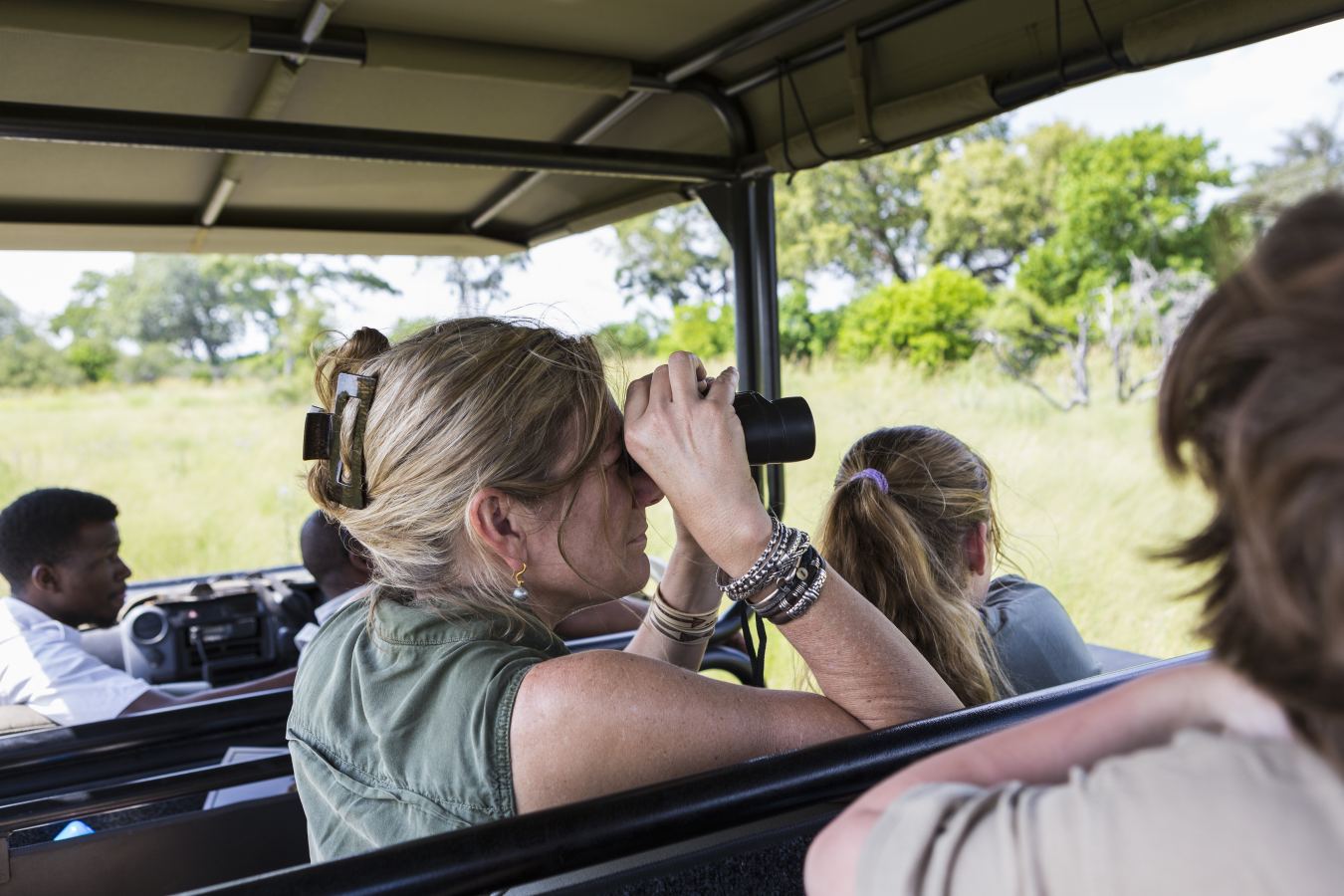
We run private safaris only, which means your party is alone in the vehicle with a guide who knows your plans, your health needs and your comfort level. That is not a safety guarantee, nothing is, but it makes it far easier to adapt the day to the situation and to keep you informed. It also means there is a single point of accountability if something is not right. Our tourism licence number is 033510, and you are welcome to check it and to ask us anything above before you decide.
So, is Tanzania safe?
For most visitors on an organised safari, yes, with the usual care and a clear head about the real risks, which are the road, opportunistic theft, health and the sea. At the same time, it is sensible to read both government advisories, to take the US position seriously, to arrange proper insurance and to choose an operator who will be honest with you when conditions change. If you are weighing it up, we are happy to talk it through candidly, including the reasons you might choose to wait.
Official sources to read before you book: the UK FCDO travel advice for Tanzania and the US State Department advisory for Tanzania. Then talk to Sokwe Africa Safaris about your plans and any concerns.
Frequently asked questions
Is Tanzania safe for tourists right now?
For most visitors on an organised safari, yes, but conditions change. The UK currently advises against all but essential travel only within 20 kilometres of the Mozambique border, while the US rates Tanzania Level 3, reconsider travel. Check both official pages before you book and before you fly.
Is it safe to go on safari in Tanzania?
Safaris are generally safe when run by a licensed operator with professional guides. The most common problems are road accidents, petty theft in towns and health issues such as malaria, not wildlife. Following your guide's instructions and your vaccination and malaria advice removes most of the risk.
Is the Serengeti far from the areas governments warn about?
Yes. The UK warning covers a strip along the Mozambique border in the far south-east, more than 800 kilometres from Arusha in a straight line. The northern safari circuit of Tarangire, Manyara, Ngorongoro and the Serengeti is in the opposite corner of the country.
Is it safe to walk around Arusha or Dar es Salaam?
By day, in busy central areas, generally yes with normal city awareness. Avoid walking after dark, keep valuables out of sight, and use a trusted taxi or your hotel's transport. Bag snatching and opportunistic theft are the most common problems.
Do I need travel insurance for Tanzania?
Yes. Take a policy with medical evacuation cover, and check that it does not exclude destinations covered by an official advisory, since insurance can be invalidated if you travel against government advice. Carry a paper copy of the policy details.
Can I book now and change later if advice changes?
That depends on the operator's terms, so ask for the change and cancellation conditions in writing before you pay a deposit. We will always tell you honestly if we think a date or route should change, and we are glad to talk through your options.