
Can children go on safari in Tanzania?
Yes, and a great many do — but the honest answer is more useful than the enthusiastic one. A Tanzania safari with children can be one of the best things a family ever does together, and it can also be an expensive week of boredom and heat if the itinerary was designed for adults and the children were simply added to it. The difference is almost entirely in the planning, and most of the planning decisions have to be made before you book rather than adjusted afterwards.
The most important thing to understand is that a safari is largely sitting still. Game drives involve long periods of quiet observation in a vehicle, punctuated by short bursts of excitement that cannot be scheduled. Adults who have chosen this find it meditative. A six-year-old who has been in a vehicle for four hours without seeing anything may not, and no amount of scenery will fix it. Recognising this honestly at the planning stage is what makes a family safari work.
We build family itineraries differently from adult ones as a matter of course: shorter drives, fewer parks, more nights in each place, a swimming pool wherever possible, and days structured around two shorter outings rather than one long one. The wildlife is identical. The pacing is not.
Minimum ages, and what they actually mean
There is no legal minimum age for a Tanzanian safari, but individual camps and lodges set their own policies and these vary widely. Many properties set a minimum of six or eight years, some luxury tented camps set twelve, and a few are adults-only entirely. The restrictions are usually about safety in unfenced camps where wildlife moves through at night, not about noise or other guests.
Where a camp has a minimum age it is generally firm, and this is one of the more common frustrations we encounter — a family falls in love with a property online and then discovers their five-year-old cannot stay there. We check this at the enquiry stage rather than after deposits are paid. Family-friendly camps do exist in every park and several are excellent, but the shortlist is shorter than the general one.
Ngorongoro Crater has its own consideration. The descent and ascent roads are steep and the crater floor is at altitude, and while there is no age restriction, very young children sometimes find the drive uncomfortable. Most families manage it without difficulty; it is simply worth knowing in advance rather than discovering on the road.
Malaria, vaccinations and the health conversation
This is the question we are asked most often and it deserves a straight answer: most of northern Tanzania's safari circuit is a malaria risk area, and antimalarial prophylaxis is recommended for children as for adults. The specific drug and dosage depends on your child's age and weight, and that is a conversation for your GP or a travel clinic rather than for a tour operator. Start it early, because some regimens need to begin before departure.
Practical prevention matters as much as medication. Long sleeves and trousers at dusk, repellent containing DEET or picaridin applied to exposed skin, and mosquito nets over beds. Most reputable camps provide nets as standard and many spray tents at turndown. The Anopheles mosquito that carries malaria bites principally between dusk and dawn, so the evening routine is where the effort should go.
Yellow fever vaccination is required if you are arriving from or transiting through a country with risk of transmission, which catches a number of routings people do not expect. Routine childhood vaccinations should be up to date. Altitude is not a significant concern on a standard northern circuit — Ngorongoro's rim is the highest point at around 2,300 metres, which is well within normal tolerance.
Which parks work best for families
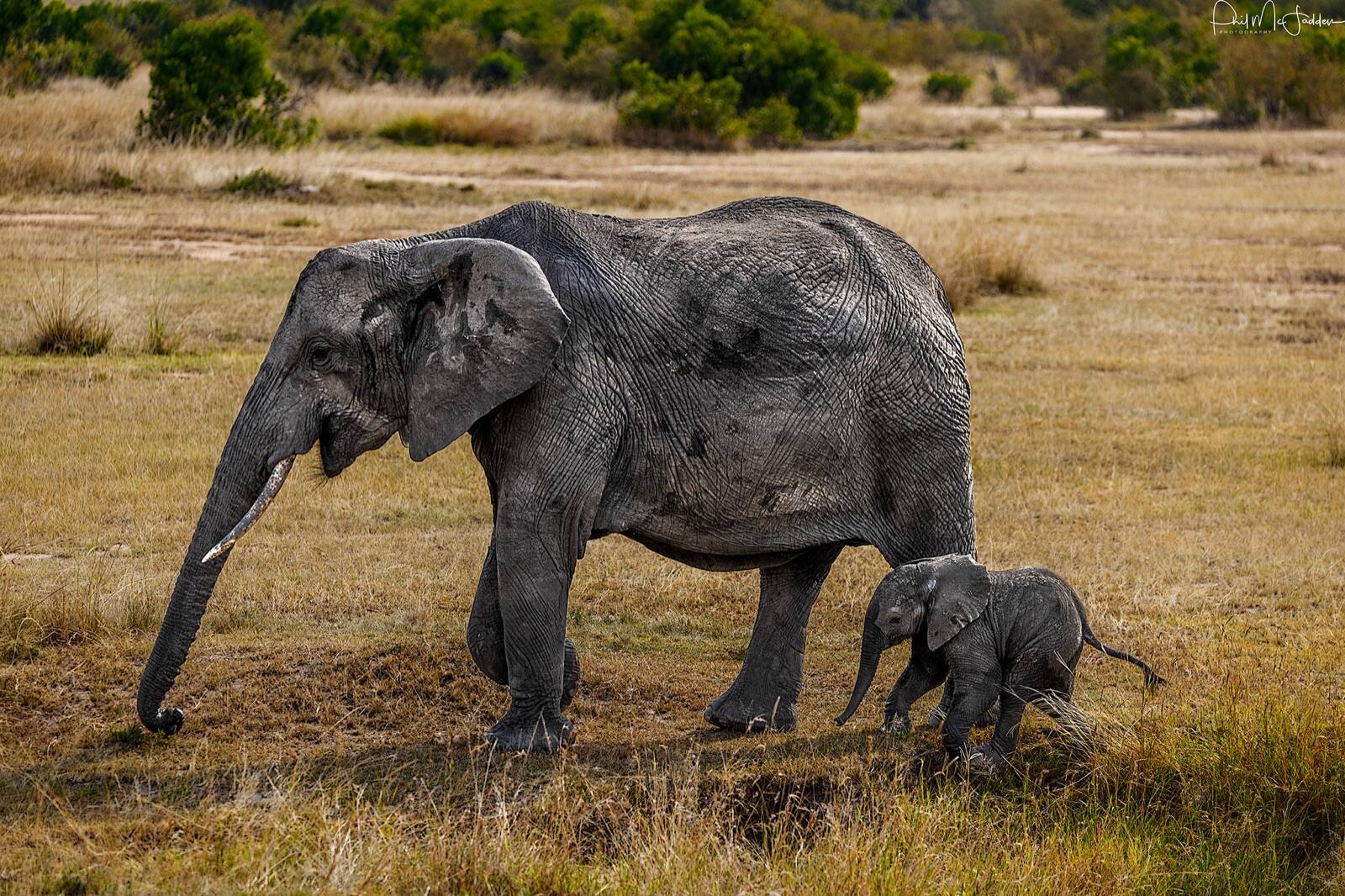
Tarangire is our usual recommendation for a family's first park. It is two hours from Arusha on good road, the elephant are abundant and close, and elephant are the animal children respond to most reliably — they are large, they behave visibly like families, and there is always something happening in a herd. The baobabs give the landscape a storybook quality that photographs well and holds attention.
Lake Manyara is short, close and easy, with tree-climbing lion, large baboon troops and a huge concentration of birds along the lake edge. Baboons are excellent value with children, because the social behaviour is legible and constantly entertaining in a way that a sleeping lion is not. It works well as a half-day rather than a full one.
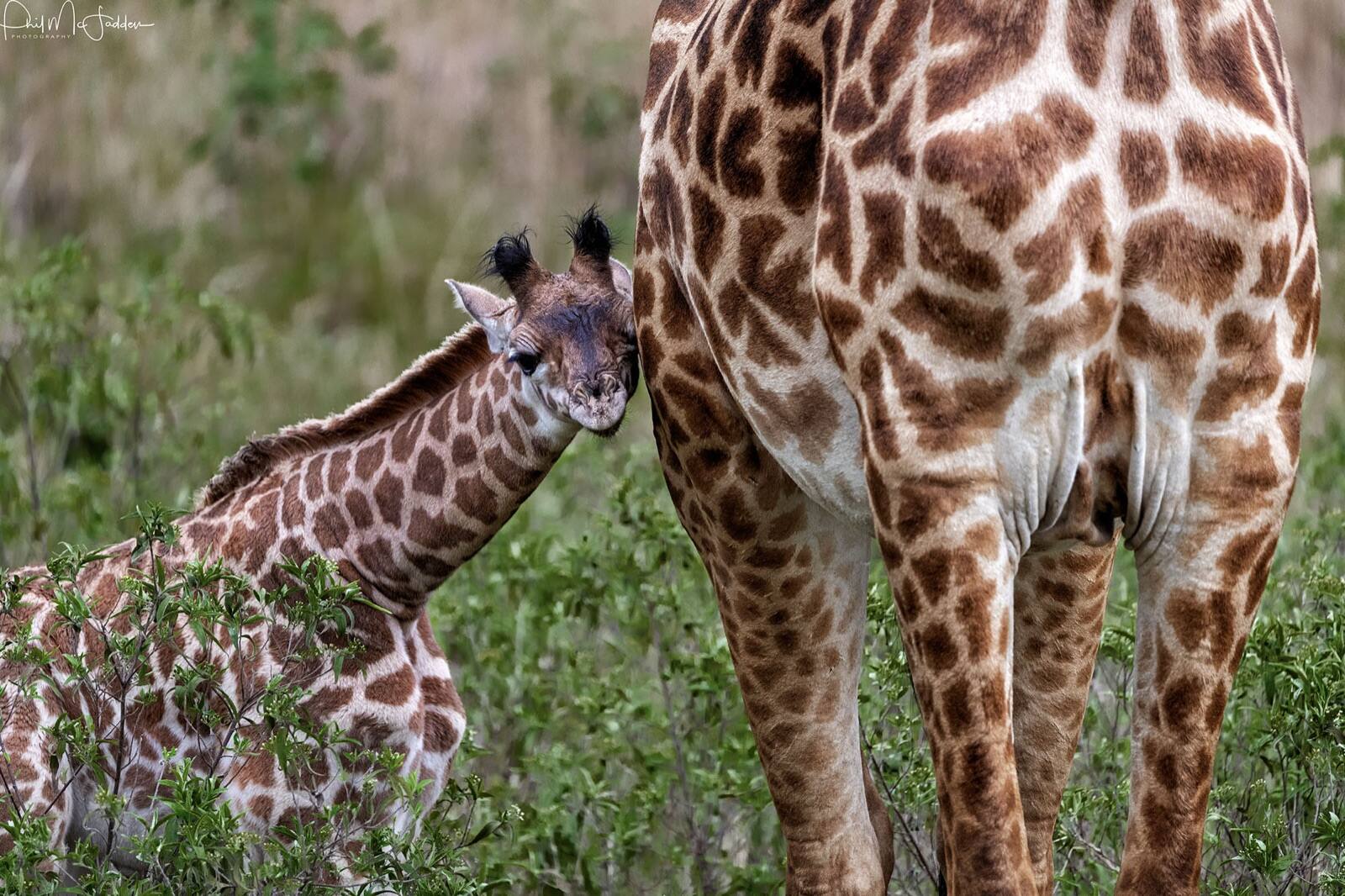
Arusha National Park deserves particular mention for families and is skipped by most itineraries. It is under an hour from town, holds giraffe, buffalo, colobus monkey and flamingo, and permits walking safaris with an armed ranger. For a child, walking in the bush is a completely different order of experience from sitting in a vehicle, and it is often the day they talk about afterwards.
The Serengeti and Ngorongoro are the headline destinations and most families want them, rightly. Our suggestion is to place them in the middle of the trip rather than at the start, once everyone has adjusted to the rhythm, and to fly at least one leg rather than driving both ways. The drive from Arusha to the Serengeti is long and it is where family itineraries most often come unstuck.
See our family-friendly safari guide and read about combining a safari with Zanzibar.
See also our guide: Tanzania safari for seniors: comfort, pace and accessibility.
Pacing: the thing that actually decides it
The most common mistake in family safari planning is too many parks. An itinerary that moves camp every night looks impressive on paper and is exhausting in practice, and the packing, driving and re-settling falls hardest on the youngest members of the group. Three nights in two parks beats one night in six, every time, for a family.
Structure the day in two halves. An early game drive from around six-thirty to nine-thirty, back to camp for breakfast, then the middle of the day at the pool or resting, then out again from four until the gate closes. This matches when the animals are active anyway, so you lose nothing, and it gives children the downtime that makes the second drive enjoyable rather than endured.
Consider ending on the coast. A week of game drives followed by four or five nights in Zanzibar is the structure a large proportion of our family guests choose, and it works because it inverts the pace at exactly the point everyone needs it to. Children who have been patient in a vehicle for a week get a beach, and parents get to stop packing.
Practical things that make a difference
Bring binoculars for each child rather than one pair to share, because sharing binoculars in a moving vehicle is a reliable source of conflict and a child with their own pair engages far more. A cheap lightweight pair is fine. A notebook or a simple checklist gives structure to the quiet periods and turns waiting into a game.
Pack layers. Mornings in the Ngorongoro highlands are genuinely cold — often single digits at dawn on the crater rim — and the same day will reach thirty degrees on the crater floor by noon. Families consistently underpack warm clothing for East Africa because it does not match their expectation. Bring snacks and refillable water bottles, and expect to use them constantly.
Finally, talk to your children beforehand about what they may see. Predation is a normal part of a Tanzanian safari and it is not edited. A pride on a kill, or a wildebeest calf taken during the calving season, can be distressing for a child who was not expecting it. Most handle it well when it has been discussed in advance and badly when it has not.
Keeping children engaged between sightings
The quiet stretches are what make or break a family game drive, and they are entirely manageable with a little preparation. Give each child a job. One is the official spotter for a particular animal, another keeps the day's list, a third is in charge of the binoculars for birds. Children who have a role look out of the window; children who do not look at a screen. It sounds trivial and it is the difference between two very different weeks.
Guides are the other half of it, and a good one adjusts naturally. Ours will teach children to read tracks in the sand at a stop, explain why the dung tells you what passed and when, and point out the small things — dung beetles rolling a ball twice their size, a chameleon on a branch, weaver birds building — that hold attention far better than a lion sleeping under a bush two hundred metres away. Ask for this explicitly at the enquiry stage.
It also helps to let children take photographs. An old phone or a cheap compact camera is enough, and having something to look for and frame converts passive waiting into active searching. Reviewing everyone's pictures over dinner becomes the ritual of the trip, and it gives children a stake in the day that a parent's camera never does.
How we build family safaris
We use a private vehicle for every safari as standard, which for a family is not a luxury but a practical necessity: you can stop when a child needs to, turn back early if the day is not working, and have conversations at normal volume without troubling other guests. We match families with guides who are genuinely good with children, which is a specific skill and not universal.
Tell us your children's ages at the enquiry stage and we will check camp minimums before proposing anything, rather than after. We would rather tell you honestly that a particular property will not take your five-year-old than have you find out later, and we would rather suggest a shorter, slower itinerary than sell you a longer one that nobody enjoys.
Plan a family safari
Tell us your children's ages and what they are interested in, and we will build something around them rather than around a standard adult route. We are based in Arusha, we run our own vehicles and guides, and we will be honest with you about what will and will not work at your children's ages.
Ready to make it real? Explore luxury Tanzania safari or talk to us about dates and prices.
Plan your safari with Sokwe Africa Safari
Frequently asked questions
What is the minimum age for a safari in Tanzania?
There is no legal minimum, but individual camps set their own policies — commonly six, eight or twelve years, with some properties adults-only. Restrictions are usually about safety in unfenced camps. We check camp minimums before proposing an itinerary.
Is a Tanzania safari safe for children?
Yes, with normal precautions. Malaria prophylaxis is recommended and should be discussed with your GP or a travel clinic. Camps brief guests on safety, escort guests after dark, and provide mosquito nets. The main practical risks are sun, dehydration and tiredness rather than wildlife.
Which Tanzanian parks are best for children?
Tarangire for its abundant, close elephant; Lake Manyara for baboons and birds on a short easy visit; and Arusha National Park, which is close to town and permits walking safaris with a ranger. Serengeti and Ngorongoro work best placed mid-trip rather than first.
How long should a family safari be?
Fewer parks and more nights in each. Three nights in two parks is far better than one night in six. Six to eight days of safari followed by time on the coast is the structure most of our family guests choose.
Do children pay full price on safari?
Most camps offer reduced child rates, typically for under-twelves sharing with parents, and park fees are lower for children. The savings vary by property, and we build the actual numbers into any family quote rather than quoting adult rates.
Will my children see animals being killed?
Possibly. Predation is a normal and unedited part of a Tanzanian safari, and it is more frequent during the January to March calving season. Most children cope well if it has been discussed beforehand, and less well if it comes as a surprise.