
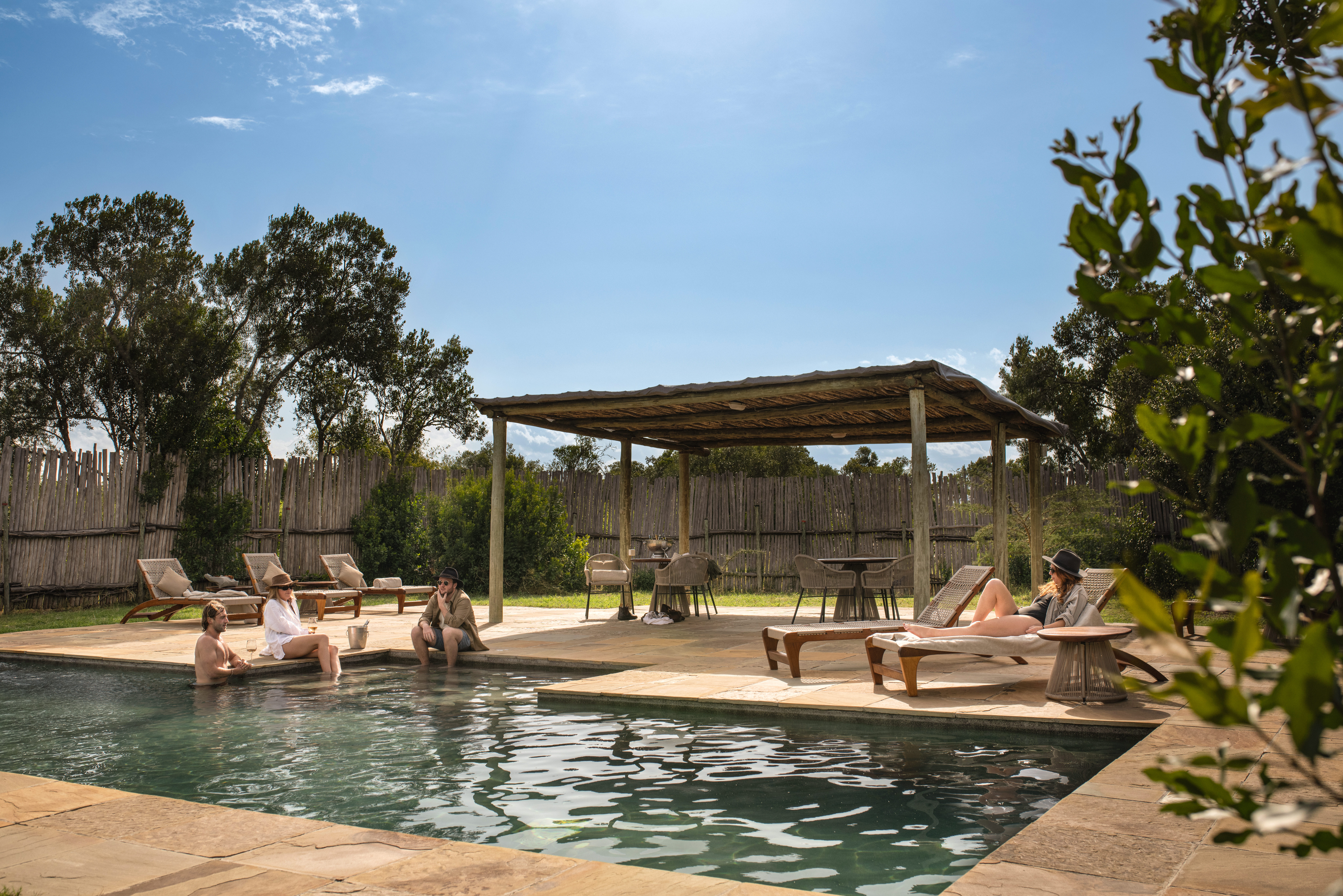
Parents who ask whether Tanzania is safe for children are rarely worried about lions. They are worried about malaria, about what happens if a child is ill a long way from a hospital, about heat and sun, and about whether a safari will be miserable for a seven-year-old after four hours in a vehicle. Those are the right questions, and they have honest answers. Children can have the trip of their lives in Tanzania, and many do, but it needs more thought than a holiday in Europe, and the preparation matters more than the destination.
The short answer
With sensible preparation, a private safari can be a safe and enjoyable family holiday. The risks to think about are health first, then sun and heat, then the practicalities of long days in a vehicle and the age rules that individual camps set. Wildlife is the least of it, because children are always supervised and the rules about staying in the vehicle and keeping close to an adult at camp are easy to follow. Before anything else, read our broader guide to whether Tanzania is safe for tourists, since the general advisories apply to families too.
One honest point first. Governments currently advise differently about Tanzania, with the UK advising against travel only near the Mozambique border and the US at Level 3, reconsider travel. Families should read both pages before booking and discuss them with their insurer. We link them at the end of this guide, and we are happy to talk through how they apply to a northern circuit itinerary with children.
Malaria and children
Malaria is present across Tanzania's safari areas and is the most serious health issue for families. Children, especially young ones, can become seriously ill more quickly than adults, which is why you need proper medical advice well before you travel, not a conversation at the airport. See a doctor or travel clinic at least six to eight weeks before departure, bring your children's ages and weights, and ask which preventive medication is suitable and how it is dosed. Do not decide this yourself from a website, including ours.
Alongside any medication, bite prevention is what actually reduces the risk day to day. Mosquitoes bite mostly from dusk to dawn, so children should wear long sleeves and trousers in the evening, use a repellent that is suitable for their age, and sleep under a net where one is provided. Camps are generally good at this, with nets, evening turn-down and sometimes coils or sprays, but check what yours offers. If a child develops a fever during the trip or in the weeks after you return, treat it as urgent and tell the doctor you have been in a malaria area.
Vaccinations and routine health
Check that routine childhood vaccinations are up to date, and ask your clinic about the travel vaccines they recommend for Tanzania, which commonly include hepatitis A and typhoid. Yellow fever is the one with entry implications: Tanzania may require proof of vaccination from travellers arriving from certain countries, so check the current rules for your route. Age limits apply to some vaccines and some medicines, which is another reason to start early. Bring a copy of your children's health records, and pack a small kit with plasters, rehydration salts, children's pain relief, antiseptic and any regular medication.
Stomach upsets are the most common minor problem. The best prevention is simple: bottled or filtered water only, including for brushing teeth, hot freshly cooked food, and hand washing or sanitiser before meals. Camps and lodges that cater to international guests are generally careful, and a private safari lets you set the pace. If a child does get diarrhoea, fluids and rehydration salts are the first response, and anything severe, bloody or lasting more than a day or two needs a doctor.
Sun, heat and altitude
Tanzania sits close to the equator, and the sun is strong even on cool or cloudy days. Children burn faster than adults, so pack high-factor sunscreen, wide-brimmed hats, sunglasses and light long-sleeved shirts, and reapply often. Aim for drinks and snacks during game drives, and keep to a rhythm that includes a long rest at midday, when animals are also resting. The highlands are a different story: Ngorongoro Crater rim sits above 2,000 metres and mornings and evenings can be properly cold, so bring layers and a warm jacket.
Planning with children? See our guides to safari with children, family-friendly safaris, what to pack and health and safety. See also our private Tanzania safari options or Tanzania safari from the USA.
More on this in Is Tanzania safe for LGBT travellers? A frank guide to the law and the practicalities.
See also our guide: Is Tanzania safe for pregnant women? Malaria, medical access and what to ask your doctor.
More on this in Malaria in Tanzania: is it a risk on safari, and how do you prevent it?.
Long days in a vehicle
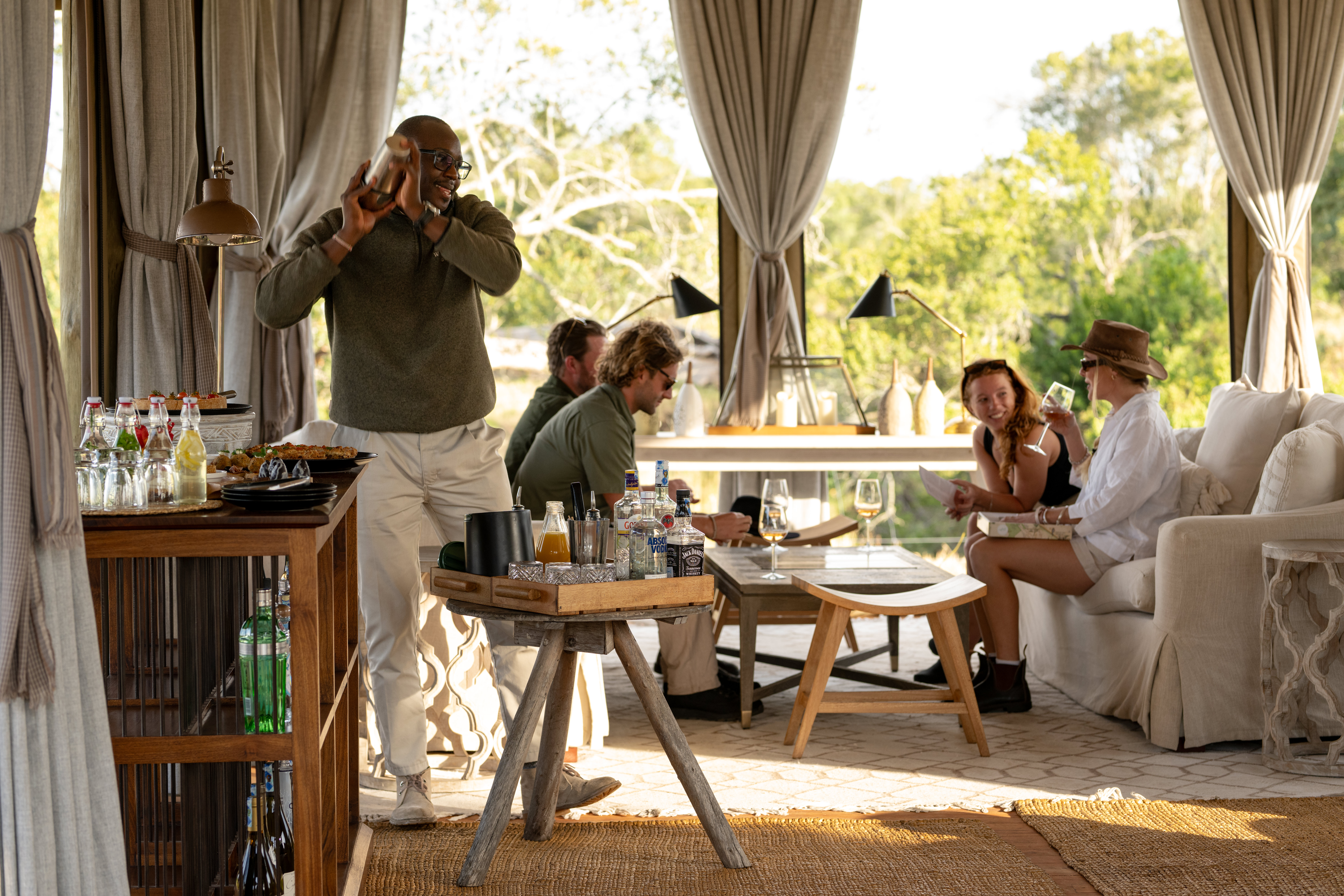
A typical game drive can run three or four hours in the morning and again in the afternoon, with bumpy roads and a lot of sitting. For children under about six or seven, that can be too much, and the best families we see plan shorter drives, build in a swim or a rest at camp in the middle of the day, and treat the animals as a bonus rather than a target. A private vehicle makes this easy, because you decide when to stop, when to turn back and how long to wait at a sighting. In a shared vehicle you are bound to the group's pace.
Think about the vehicle itself. Safari vehicles are not designed like family cars, seat belts and child seats may not be available or may not suit young children, and the roads are uneven. If your child needs a car seat, ask us in advance rather than assuming; we can discuss what is possible and what you may need to bring. Make sure children stay seated and hold on over bumps, keep hands and heads inside the vehicle at all times, and never let them stand on the seats when the guide is moving.
Camp age rules and what they mean
Many camps and lodges set minimum ages for children, or place conditions on them, and the rules vary widely. Some welcome children of any age and offer family rooms or family tents; some accept children only above a certain age, often for safety reasons connected with unfenced camps and wildlife walking through; and some restrict walking safaris and certain activities to older children. Never assume. When we plan a family safari, we confirm the age policy of every camp in writing before suggesting it, and we choose accommodation that suits the youngest child in the party.
Unfenced camps need particular care. At many tented camps animals can pass through at night, and guests are escorted between tents and the main area after dark. For very young children, that can mean a parent carrying a child or a family tent near the main area, and it can mean being quite careful in the evenings. Fenced lodges and established lodge-style properties are a good alternative, and some families choose them for the first trip. A good itinerary mixes both, using lodges for the youngest children and camps when the family is ready.
Medical access and insurance
Distances matter. Some camps are a short flight or a long drive from the nearest clinic, and serious cases can require an air evacuation. This is why comprehensive travel insurance including medical evacuation is not optional for a family trip. Read the policy for any exclusions connected with advisories, for age limits and for pre-existing conditions, and carry the policy number and emergency contact on paper and on your phone. Ask your operator how an emergency would be handled: who calls the flying doctors or the clinic, how quickly, and what the arrangements are at each camp.
Tell your operator about any allergies, medical conditions or special diets before you travel. Camp kitchens can handle most requirements when they have notice, and guides are trained in first aid and carry kits, but they cannot improvise if they do not know. If your child takes regular medication, bring more than you need, keep it in your hand luggage and carry a note from your doctor. A short conversation up front prevents most of the problems we see.
Questions to ask before you book a family safari
A handful of questions separate a well-planned family trip from a stressful one. What is the minimum age at each camp, and are there any activities the children cannot join? Is there a family tent or connecting rooms, and how far is it from the main area? How does the camp handle night-time movement and escorts? What is the nearest clinic, how far is it, and how would an evacuation work? Can the kitchen manage allergies and fussy eaters? Will the vehicle have a roof that opens for children to stand when the vehicle is stationary, and how long will each day's drive be?
Ask these of every operator you consider, and treat vague answers as information. A company that has planned family safaris before will answer quickly and specifically, and will probably suggest a few things you had not thought of, such as keeping the first night at a lodge near the airport so a tired child can recover from the flight. If the answers are all reassurance and no detail, keep looking.
Making it work for the kids
Preparation is not only about safety; it is about enjoyment. Children get more from a safari when they are involved: give them binoculars, a notebook, a checklist of animals and a role, such as spotting the first elephant. Choose destinations carefully, since Tarangire is famous for elephants and baobabs and tends to suit younger children well, while Ngorongoro Crater offers dense wildlife in a short drive. Keep the first game drive short, pace the trip with a pool day, and bring a few things from home for the quiet moments.
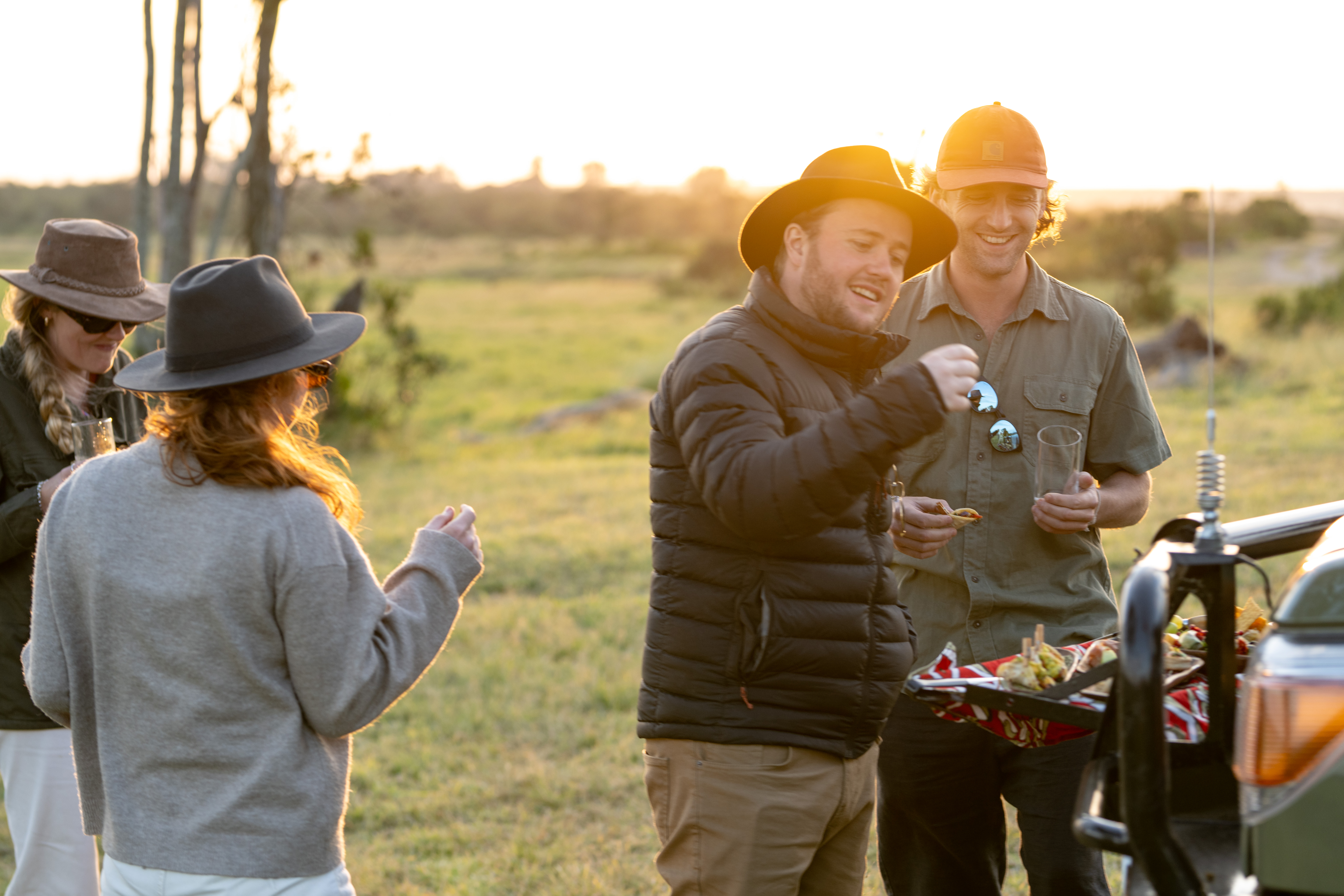
A private safari helps in an obvious way: the guide is yours and knows your children's ages and limits, the vehicle is quiet enough for them to talk and ask questions, and the programme can change if someone is tired. We run private safaris only for exactly this reason. If you are travelling with a toddler, or with a mix of ages, tell us at the start and we will design the pace, the camps and the timings around the youngest child.
Check the current official advice before you book: UK FCDO and US State Department. Then tell Sokwe Africa Safaris about your family and we will plan around the youngest child.
Frequently asked questions
Is it safe to take a baby or toddler to Tanzania?
It can be done, but it needs more care. Ask a doctor or travel clinic about malaria prevention and vaccines for the child's age, choose camps that accept very young children, and plan short drives. Some camps set minimum ages, so confirm each one in writing.
At what age can children go on safari in Tanzania?
There is no single rule. Some camps welcome children of any age, while others set minimum ages, often for safety reasons. Walking safaris and some activities usually have higher age limits. Always check each camp's policy before booking.
Do children need malaria tablets in Tanzania?
Malaria is present in the safari areas, and children can become seriously ill quickly. See a doctor or travel clinic six to eight weeks before departure for advice on prevention suited to each child's age and weight, and use bite prevention as well.
Are there car seats on safari in Tanzania?
Not as a standard. Safari vehicles differ from family cars, and child seats may not be available or suitable. If your child needs one, tell us when you enquire so we can discuss what is possible and what you may need to bring.
Is the water safe for children to drink?
Not from the tap. Use bottled or filtered water for drinking and brushing teeth. Camps that cater to international guests normally provide safe drinking water, and guides carry water on game drives.
What if my child gets ill on safari?
Tell your guide straight away. Guides are trained in first aid and camps have arrangements for medical help, including evacuation for serious cases. This is why insurance with medical evacuation cover is essential, and why we confirm emergency arrangements for every camp.