
Malaria is the health issue that comes up most often when people plan a safari, and it is the one most likely to be handled badly, either with unnecessary alarm or with a shrug. The truth sits between the two. Malaria is a real risk in much of Tanzania, it can be serious, and it is largely preventable with sensible steps and proper medical advice. We are a safari operator, not a doctor, so we will not tell you which tablets to take. What we can do is explain the picture on the ground, what keeps most of our guests well and what you should ask your own doctor or travel clinic.
The short answer
Yes, malaria is a risk on a Tanzania safari, and you should take it seriously. It is present in most of the country below about 1,800 metres, which includes most safari areas, and risk is generally higher in the wetter months, from around November to May. You should see a doctor or travel clinic well before you travel, six to eight weeks is the usual guidance, to be advised on preventive medication that suits you, and you should take bite-avoidance measures throughout the trip. Done properly, the risk to a traveller is greatly reduced, and the great majority of visitors return home perfectly well.
How malaria works, in brief
Malaria is caused by a parasite carried by certain mosquitoes, which bite mostly between dusk and dawn. It is not spread from person to person by contact. A bite from an infected mosquito can lead to illness after an incubation period of usually one to a few weeks, and sometimes longer, which is why symptoms can appear after you have returned home. The disease ranges from mild to severe, and can be life-threatening if untreated, particularly in young children, pregnant women and people who have never been exposed before.
Visitors from countries without malaria have little or no immunity, so they can become unwell faster than local residents who have built partial protection over years. That is one reason you should not rely on what a local person tells you about how they manage. It is also why prompt testing and treatment matter: malaria is very treatable when caught early. If you have a fever at any point in or after your trip, tell a doctor where you have been and ask for a malaria test.
Where and when the risk is highest
The risk is lower at altitude, so the highlands such as the rim of Ngorongoro Crater, where nights are cool, are less affected, though many visitors still take precautions across the whole trip because they travel between areas. Lower-lying parks and towns, such as Tarangire, Lake Manyara, much of the Serengeti, the southern parks and the coast and Zanzibar, are in the risk zone. Seasonally, the wetter months, roughly November to May, are associated with more mosquitoes, and the dry season has fewer, though no month is entirely free of risk.
Camps and lodges vary in how well they reduce the risk. Many provide nets, screens, evening spraying or coils, and staff who turn down beds and tuck nets in at dusk. Others are more open. Ask your operator what each place does. Your itinerary also matters: if you are outdoors at dusk, such as at a sundowner or a campfire, your protection must be in place, with long sleeves, trousers and repellent, before the mosquitoes become active.
Getting medical advice before you go
The most important step is the conversation with a doctor or a travel medicine clinic, and it should happen early. They will consider where you are going, when, for how long, your age, your health, your medications, any history of conditions or allergies, and whether you are pregnant or may become so. They will explain the options for preventive medication, how and when to start them and for how long after you return. Different medicines suit different people, and some have side effects or interactions that matter, so a general recommendation from a website is no substitute.
Be honest about your preferences and concerns. Some travellers dislike certain side effects or find a daily tablet difficult, and a doctor can discuss alternatives. Do not stop a course early or skip doses because you feel fine. Take the tablets with food if advised, at the same time each day, and keep taking them after you leave the risk area for the period the doctor specifies. Carry enough for the whole trip, plus extra, in your hand luggage, with the prescription.
Related guides: Tanzania safari health and safety, safe with kids, tap water and what to pack. See our private Tanzania safari options.
Preventing bites: the everyday habits
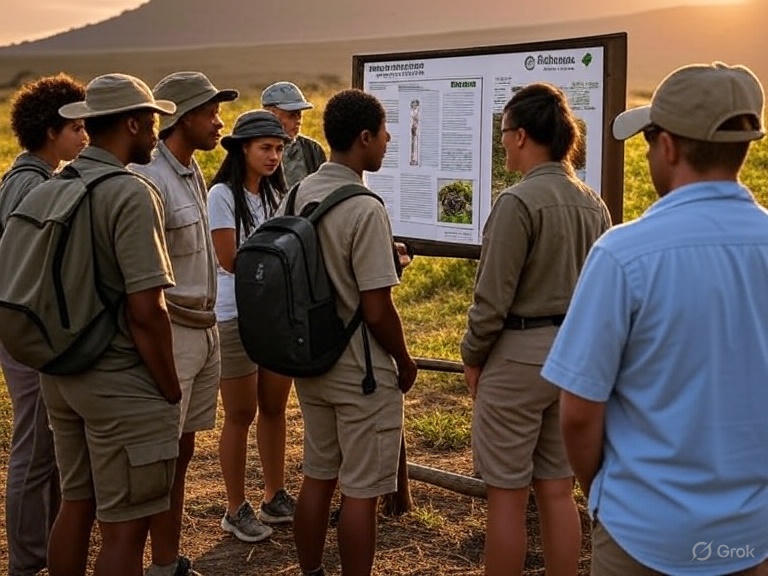
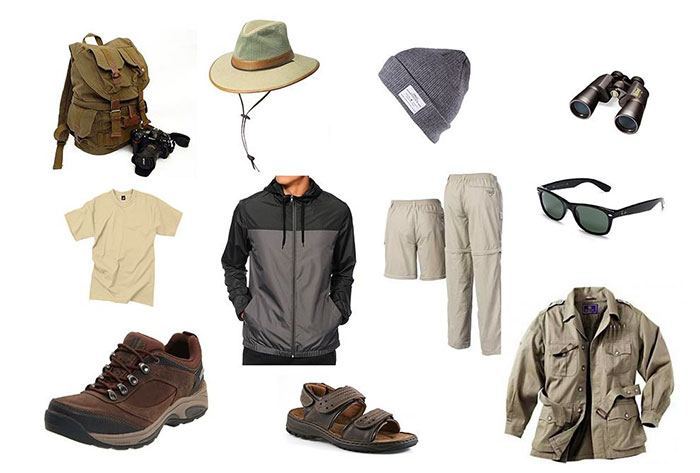
Tablets are only part of the answer. Avoiding bites is the first line of defence, and it works against other insect-borne illnesses as well. Wear long, light-coloured sleeves and trousers from late afternoon, with socks and closed shoes in the evening. Use an insect repellent containing an effective ingredient, applying it to exposed skin and following the instructions, and use a product that your doctor says is suitable for children or pregnancy where relevant. Treat clothing with a repellent such as permethrin if you wish, which many experienced travellers do.
At camp, sleep under a mosquito net if one is provided, check it for holes and make sure it is tucked in. Keep tent doors zipped, use fans or air conditioning where available and apply repellent before dinner and before walking back to your tent. Avoid strong perfumes, which can attract insects. In the vehicle, mosquitoes are less of an issue, but tsetse flies can be a nuisance in some areas, so neutral colours such as khaki and olive help, and dark blue and black are best avoided.
A few extra habits are worth building in. Shower and change in the early evening if you can, because sweat and dust attract insects, and keep a small repellent in your daypack so it is always to hand. If you are sitting outside after dark, sit close to a fan or a fire where possible, and ask staff for a coil or spray. Check your tent and net each evening before settling in. None of these steps is dramatic, and together they cut the number of bites very significantly.
Symptoms, and what to do
Malaria often starts like flu: fever, chills, sweats, headache, muscle aches, tiredness and sometimes nausea, vomiting or diarrhoea. It can develop from about a week after a bite and sometimes much later, even months after you return. The key rule is simple: any fever in a malaria area, or in the months after you have left one, is malaria until proven otherwise. Do not wait to see if it passes. Tell your guide or camp manager straight away, ask for a test and seek medical care, and tell any doctor at home that you have been in a malaria area.
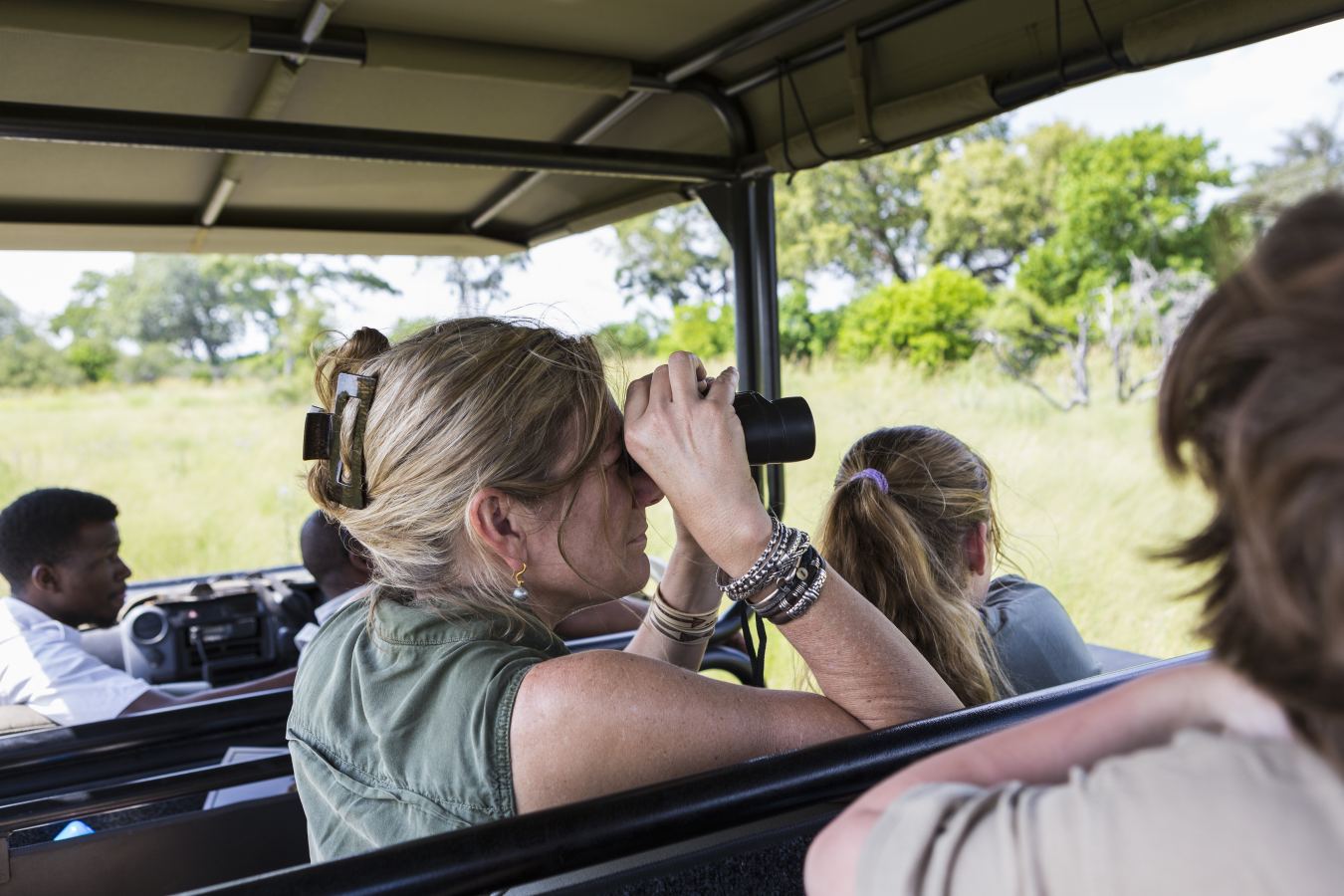
Camps and guides are used to this and know where to take you for a test, and good operators will arrange transport and stay in touch. A rapid test can give a result in minutes, and treatment is available in Tanzania, though you should check that your insurance covers it and, for serious cases, evacuation. Do not be embarrassed about raising a fever, and do not self-treat with leftover medication without advice. Early treatment is what makes the difference between a bad week and a dangerous illness.
Other vaccines and health points to ask about
While you are at the clinic, ask about other vaccinations and health matters for Tanzania. Routine vaccines, such as tetanus, should be up to date, and travellers commonly discuss hepatitis A and typhoid, and sometimes others depending on their plans and activities. Yellow fever is the vaccine with entry rules: according to the CDC's Tanzania information, proof is generally required for travellers arriving from countries with yellow fever risk, including some long layovers, but it is not generally recommended for travel to Tanzania itself. Rules change, so check the current position with your clinic and the Tanzanian authorities.
Also ask about rabies, which is a consideration if you will be around animals or in remote areas, and about sun, altitude, food and water precautions. Ask about the current situation regarding outbreaks in the region. At the time of writing there is a large Ebola outbreak in the eastern Democratic Republic of Congo, and Tanzania has tightened entry screening; our dated guide explains what we could verify. A good travel clinic will have the latest advice and can tailor it to your trip.
Children, pregnancy and other special cases
Children, pregnant women, older travellers and people with weakened immune systems or chronic conditions need individual advice and often more careful planning. Malaria can be more serious in young children, and some preventive medicines are not suitable for pregnancy or for certain ages and weights. Do not assume what works for one family member works for another. Tell your operator about any special needs so that camps can prepare, and see our separate guides for families and for pregnant travellers.
What we do on our safaris
We brief guests at the start of the trip on bite avoidance, and we choose camps with good practice on nets, screens and evening routines. Your guide knows the nearest clinics and can arrange a test and transport if you become unwell, and we stay in contact. We do not give medical advice on medication, because that belongs with your own doctor, but we are happy to tell you which areas and months carry more risk, how each camp manages mosquitoes and how remote each one is. If you have concerns, tell us early and we will plan around them.
A final thought: malaria prevention is easiest when it is routine. Put your repellent and tablets in the same bag, set a daily reminder, and make evening cover-up a habit from the first night. Most travellers find that after a day or two it is second nature, and they spend the rest of the trip thinking about lions instead. Preparation at home is what gives you that freedom.
Questions about health on safari? Talk to Sokwe Africa Safaris. We will tell you how each camp manages mosquitoes and how far it is from care.
Frequently asked questions
Is malaria a risk on safari in Tanzania?
Yes. Malaria is present in most of Tanzania below about 1,800 metres, including most safari areas, and risk is generally higher in the wetter months. It is largely preventable with medical advice, bite avoidance and prompt testing if you have a fever.
Do I need malaria tablets for Tanzania?
Most doctors advise preventive medication for safari areas, but the choice depends on your health, age and medical history, so see a doctor or travel clinic six to eight weeks before you travel. We cannot give medical recommendations.
When is malaria risk highest in Tanzania?
Generally in the wetter months, roughly November to May, but there is some risk all year at lower altitudes. The Ngorongoro rim and other high areas have lower risk, though most itineraries include lower-lying areas.
How can I avoid mosquito bites on safari?
Wear long, light sleeves and trousers from late afternoon, use an effective repellent, sleep under a net where provided, keep tent doors zipped and use fans or air conditioning. Prevention works best together with medical advice on tablets.
What should I do if I get a fever on or after safari?
Treat any fever in a malaria area as possible malaria. Tell your guide or camp manager straight away and get tested, and tell any doctor at home that you have been in a malaria area, even months after you return.
Do I need a yellow fever certificate for Tanzania?
Proof is generally required only for travellers arriving from countries with yellow fever risk, including some long layovers, and the vaccine is not generally recommended for Tanzania itself. Check the current rules with your clinic before you travel.