
Lesbian, gay, bisexual and transgender travellers who search for this question deserve a direct answer, not the cheerful reassurance that many travel websites offer. So here it is plainly. Same-sex sexual conduct is illegal in Tanzania, on the mainland and in Zanzibar. Many LGBTQ+ people have travelled on safari without any problem, and a private safari is a relatively insulated way to travel. But there is real legal and social risk, governments say so, and you should decide with full information. We are a Tanzanian company, and we would rather tell you this directly than have you find out on arrival.
The short answer
Same-sex sexual acts are criminal offences under Tanzanian law, with serious penalties, and public attitudes are conservative. Prosecutions of tourists are not common, and most travellers who are discreet have an uneventful trip, but that is not a guarantee, and the risk is not zero. The US State Department's current advisory for Tanzania, which is at Level 3, reconsider travel, specifically cites the targeting of gay and lesbian people among its reasons, and notes that people suspected of same-sex conduct can be targeted by police.
Whether to go is therefore a personal decision. Some travellers decide the safari is worth it and take sensible precautions. Others decide to wait, or to choose a destination with stronger legal protections. Neither choice is wrong, and we will not pressure you either way. What we can do is explain the situation honestly and describe how a trip is typically managed, so you can make the call yourself.
What the law says
Tanzania's criminal law prohibits same-sex sexual acts, and the offences can carry long prison sentences. The law applies to everyone present in the country, including visitors, and it applies in Zanzibar as well as on the mainland. There is no legal recognition of same-sex relationships and no protection against discrimination on the basis of sexual orientation or gender identity. This is the legal framework, and it is the same one that local LGBTQ+ people live under, often at far greater risk than a short-stay visitor.
The practical risk to a tourist usually comes not from being watched but from being reported or entrapped: a complaint from a hotel staff member, a neighbour, a taxi driver or a person met through an app. In recent years, rights organisations and governments have reported arrests of people suspected of same-sex conduct and, in some cases, intrusive treatment in custody. The US advisory refers to invasive physical examinations of people detained on suspicion. You do not need to be alarmed, but you do need to understand that the law is applied.
What the UK and US advisories say
The UK Foreign, Commonwealth and Development Office includes information on local laws and customs for LGBT travellers in its Tanzania page, and the US advisory includes the targeting of gay and lesbian people among its stated reasons for Level 3. We have not reproduced their wording beyond that, because you should read it yourself and because it changes. Both pages are linked at the end of this guide. If you are travelling from another country, check your own government's advice as well.
For the wider picture, see Is Tanzania safe for tourists?, solo female safari guide and how to choose a safari company. See also our private Tanzania safari options or Tanzania safari from the USA.
Related reading: Is Tanzania safe for pregnant women? Malaria, medical access and what to ask your doctor.
If you are planning this route, read Tanzania safari scams: how to spot them, how to check an operator and how to pay safely.
How safaris differ from the rest of Tanzania
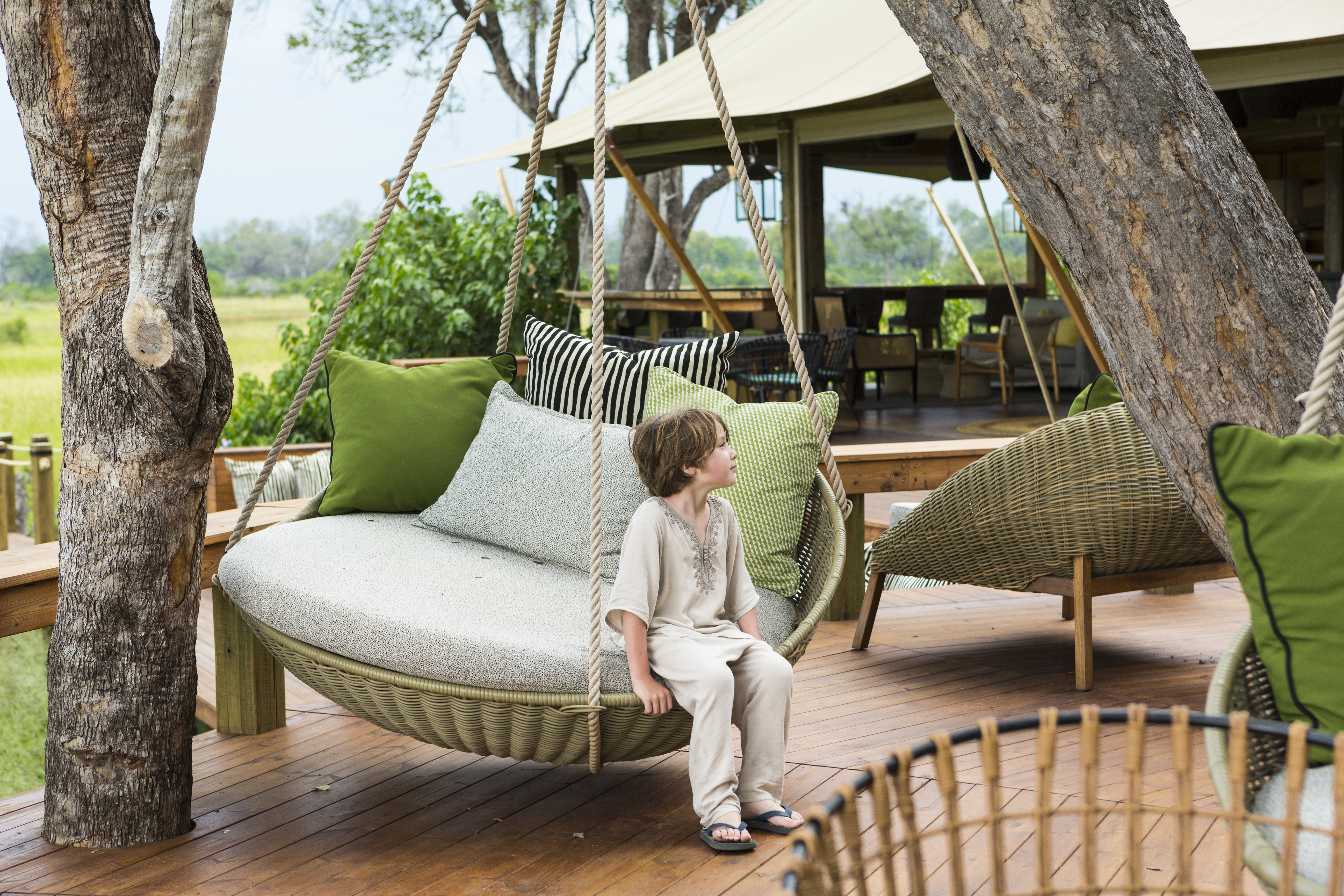
A private safari is a very different experience from a city stay. You are in a vehicle with a driver-guide, usually travelling as a couple or a small party, and you spend most of your time inside national parks and at camps where the staff are used to international guests. Your days are structured, your movements are limited, and you meet few people outside the camp team. This reduces exposure in the places where most problems arise, which are towns, bars, beaches and the use of dating apps.
It is not, however, a legal shield. The law applies in a lodge as it does anywhere, and staff at any property are employees who live in a conservative society. You can reduce risk by being thoughtful about public behaviour, but you cannot remove the underlying legal position. We say this because some LGBTQ+ travellers have been told that safaris are entirely safe, and a partial truth of that kind does not serve you.
Practical precautions most travellers take
People who travel to Tanzania as a same-sex couple usually follow a few simple rules. They avoid public displays of affection, including holding hands and kissing, in towns, at the airport, in vehicles and in the dining area. They are discreet on social media during the trip and consider not posting identifying photos or locations in real time. They keep conversations about their relationship private with people they do not know well, and they do not discuss sexuality with strangers, hotel staff or tour touts.
Dating apps deserve special mention. Authorities and rights groups have reported that apps have been used to entrap people in several countries with similar laws, and the risk is not worth taking in Tanzania. If you choose to use one, understand that you are accepting legal risk. For transgender and gender-diverse travellers, there are additional considerations around passports, appearance at border control and the use of facilities. Carry documents that match how you present, and speak to us beforehand so that we can think through each step of the journey with you.
Questions to ask any operator
If you are weighing up different companies, ask each of them the same direct questions and compare the answers. Will you book the room type I ask for without comment? Who in your company will know about my relationship, and who at the camps? Which of your camps have you stayed at, and which would you recommend for a couple like us? What would you do if a problem arose, and have you dealt with one before? Can you put your answers in writing? A company that is thoughtful will welcome these questions, and one that is evasive or embarrassed is telling you something useful.
It is also worth asking how the operator handles your information. Booking forms, passports and rooming lists pass through several hands, from the reservation team to the camp manager, and you can ask for only the details that are necessary to be shared. We keep guest information within the small team that needs it, and we are glad to explain what is shared with whom before you confirm anything. Be wary of any company that wants to collect more personal detail than a booking requires.
Rooms, bookings and how we handle them
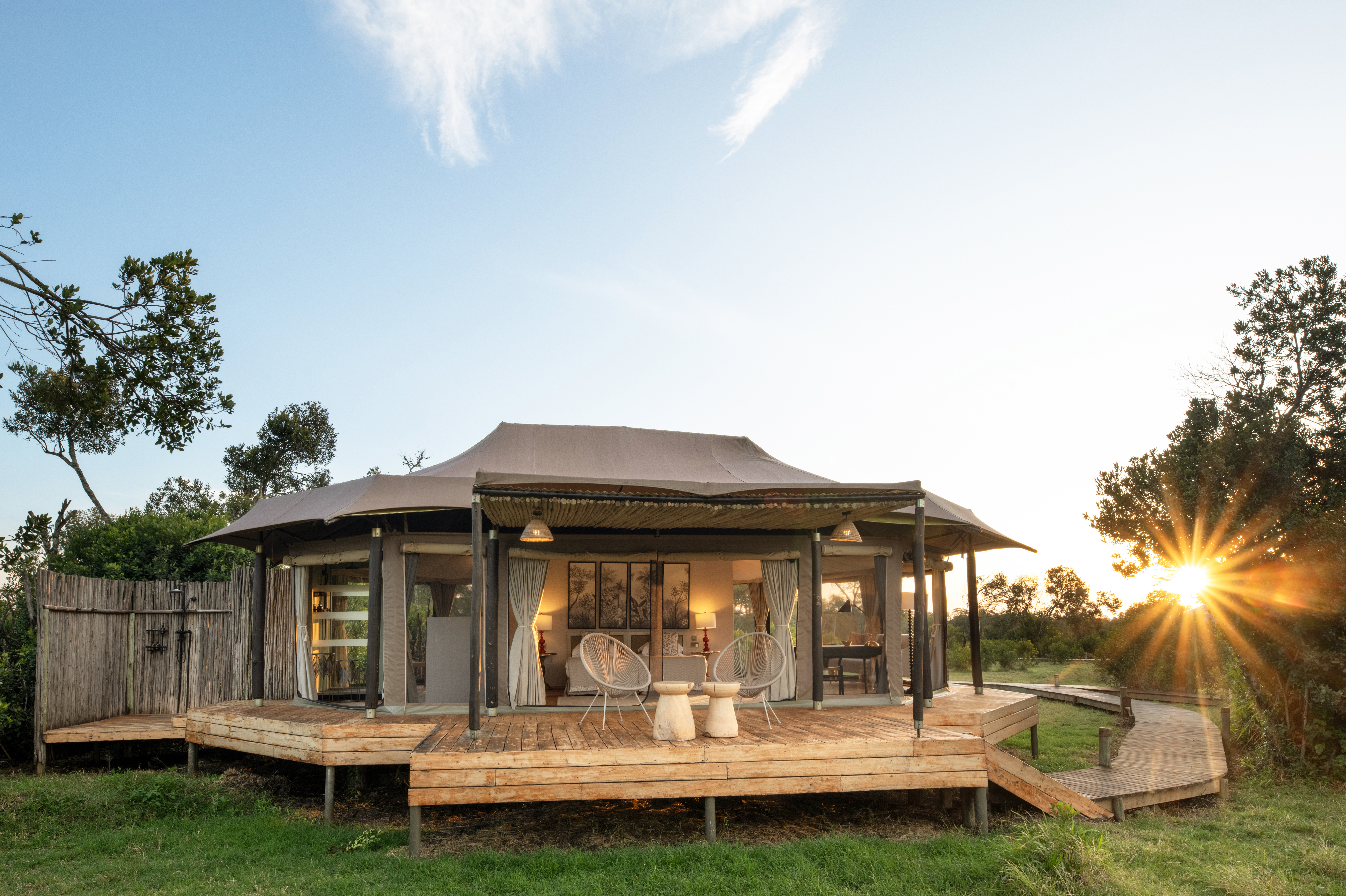
Same-sex couples often ask whether they can share a room. Most camps will provide a double or twin room as you request when you book, and in practice, safari camps do not ask about your relationship. We cannot promise how every individual at every property will behave, and we cannot control the attitudes of third parties, but we can book the room type you want, and choose camps whose management we know and trust. Tell us what you need, and we will take care with how the booking is described and who sees it.
We treat our guests' private lives as private. We do not ask about it, and we do not discuss it with camps beyond what is needed to arrange the room you asked for. What we will not do is tell you that nothing can go wrong, because we do not control the law or every person you meet. We will advise honestly on the choices that keep you most comfortable, such as which camps are discreet and well-run, and which towns and routes involve less contact with the public.
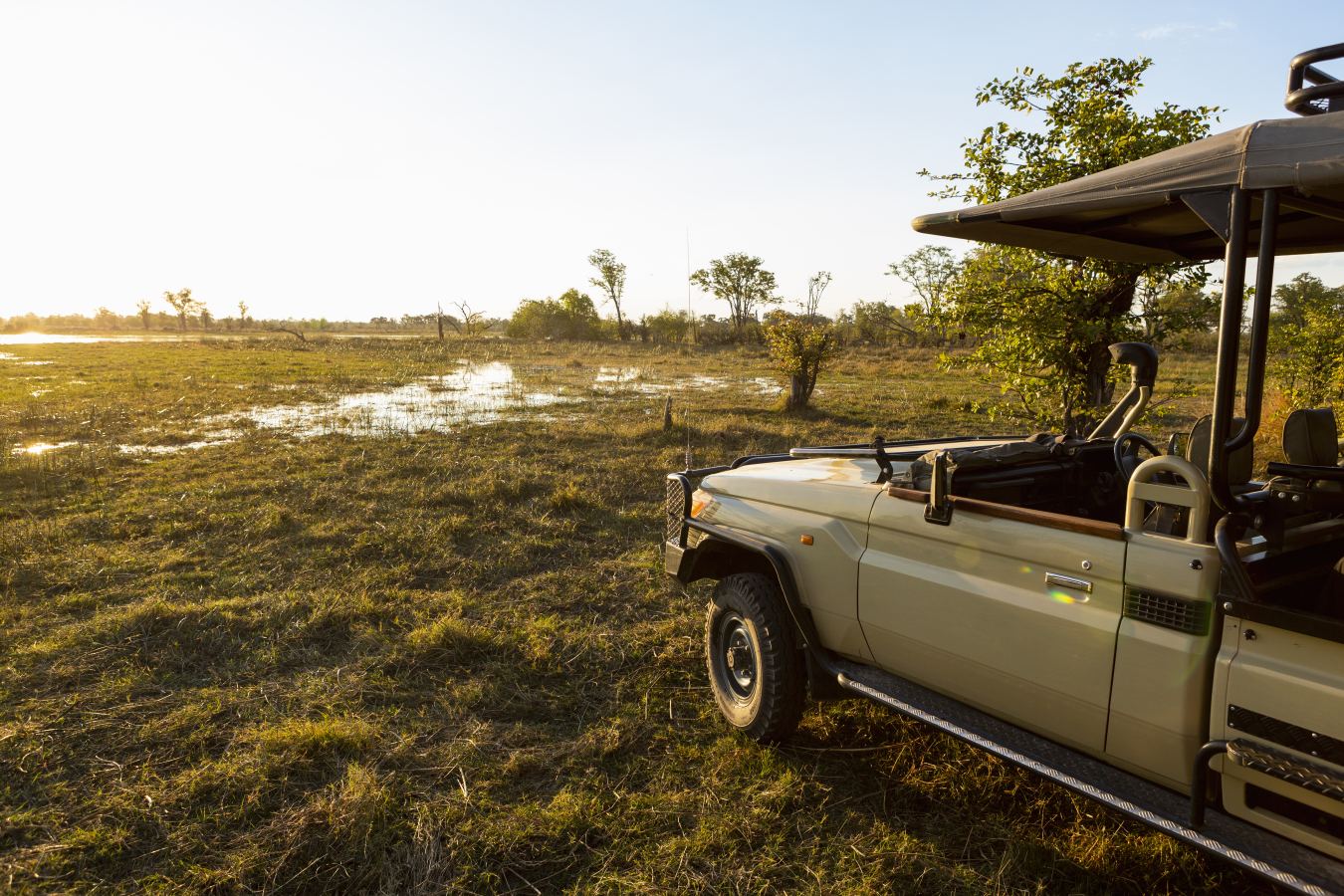
One more point on timing and planning. Build some flexibility into the trip so that nothing forces you into a situation you are uncomfortable with, such as a connecting night in a town you do not know. Where possible, we arrange airport meetings and transfers so that you move quickly from the terminal to the vehicle and from the vehicle to the camp, with a single guide throughout, and we avoid unnecessary stops in busy public places. Small decisions of this kind do more for your comfort than any amount of general reassurance.
Zanzibar and the coast
Zanzibar attracts many couples, but the same law applies there, and the island is socially conservative, with Islamic norms strongly shaping public life. Resorts are generally used to international guests and tend to be relaxed inside the property, but outside them modest dress and discretion are important, as is care around the use of apps and meeting new people. If Zanzibar is part of your plan, choose a resort rather than a guesthouse in town for the first visit, and apply the same precautions you would on safari.
If something goes wrong
Plan for it, even if you never need it. Save your embassy's emergency number, keep a copy of your insurance details, and give someone at home your itinerary. If you are questioned or detained, stay calm, ask to contact your embassy and a lawyer, do not sign anything you do not understand, and do not volunteer information. Let your operator know immediately; we can contact the embassy, arrange a lawyer and keep your family informed. Check that your insurance covers legal assistance, and understand that some policies exclude losses arising from illegal activity.
Should you go?
There is no right answer, and the most honest thing we can say is that it depends on how you weigh the risk. Many LGBTQ+ travellers have visited Tanzania, enjoyed their safari and had no problems. Some have decided it is not for them, and that is a reasonable decision. If you are thinking about it, you are welcome to have a private conversation with us before you commit anything, and we will answer candidly, including telling you if we think a particular plan is unwise. No one will be offended by a question on this subject.
Whatever you decide, go in prepared: read both advisories, take out comprehensive insurance, choose an operator you trust and keep your plans discreet. And if you would rather not travel to a country where the law treats you this way, that is a position we respect. We would rather lose a booking than send a guest into a situation they have not fully understood.
Read the official advice yourself: UK FCDO Tanzania travel advice and the US State Department advisory. For a private, candid conversation about your plans, contact Sokwe Africa Safaris.
Frequently asked questions
Is it illegal to be gay in Tanzania?
Same-sex sexual conduct is a criminal offence in Tanzania, on the mainland and in Zanzibar, with serious penalties. There is no legal recognition of same-sex relationships and no anti-discrimination protection. The law applies to visitors as well as residents.
Is it safe for a same-sex couple to go on safari in Tanzania?
Many couples travel without incident, particularly on private safaris where exposure to the public is limited. But the law applies and the risk is not zero. Discretion, careful bookings and a trustworthy operator reduce risk; they do not remove it.
Can two men or two women share a room in Tanzania?
Most camps will book the room type you request, and safari camps do not normally ask about your relationship. We cannot guarantee the behaviour of every individual, so tell us your needs and we will choose camps carefully.
Is it safe to use dating apps in Tanzania?
We advise against it. Authorities and rights groups in several countries with similar laws have reported entrapment through dating apps, and the legal consequences in Tanzania can be severe.
Is Zanzibar safer for LGBT travellers?
No. The same law applies in Zanzibar, and the island is socially conservative. Resorts are generally used to international guests, but discretion is important outside them.
What does the US advisory say about LGBT travellers?
The US State Department's Level 3 advisory for Tanzania lists the targeting of gay and lesbian people among its reasons and says people suspected of same-sex conduct may be targeted by police. Read the full text on the State Department website.