
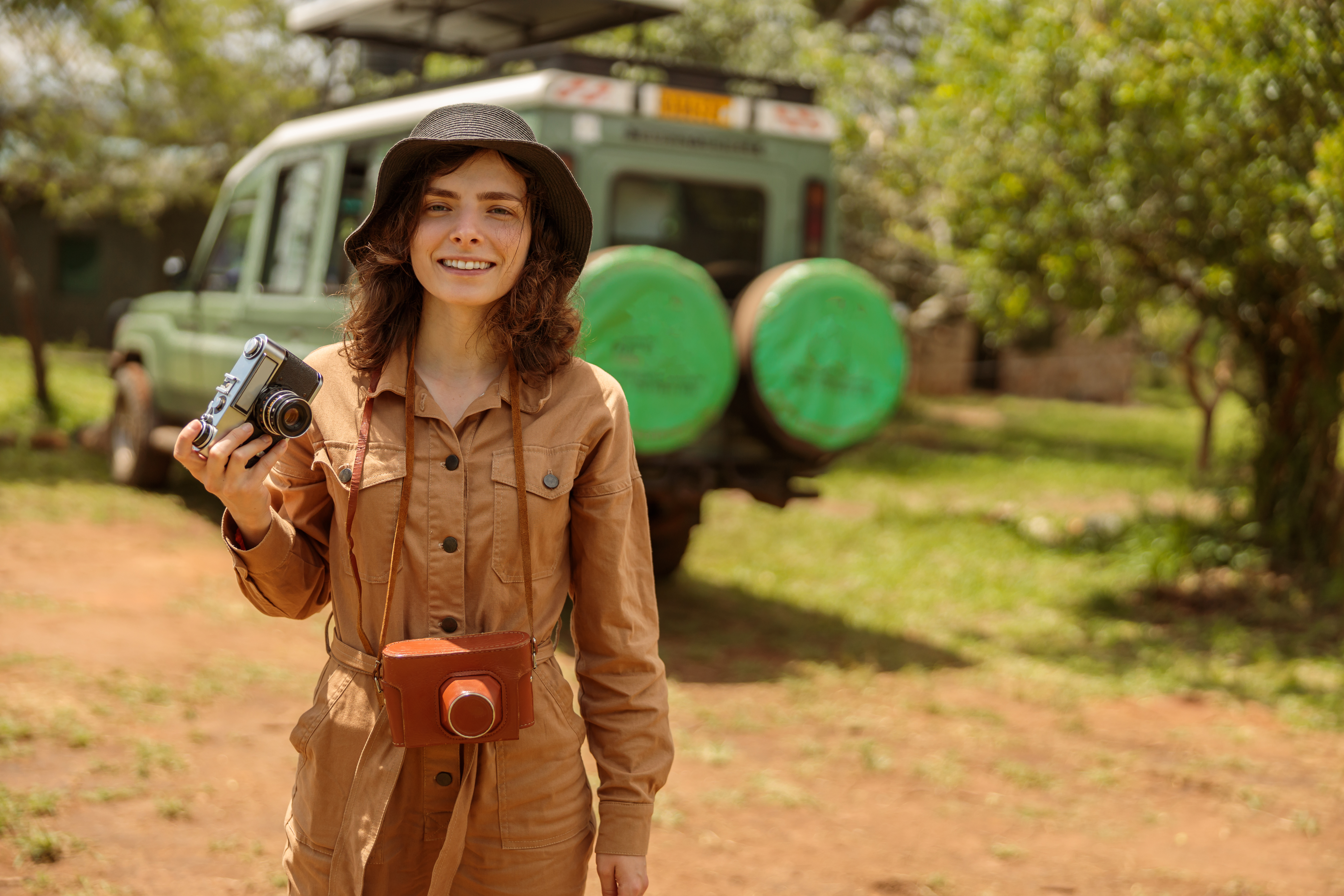
A safari is the kind of trip that people plan around big life events, and that sometimes includes a pregnancy. If you are expecting, or hope to be by the time you travel, you may be wondering whether Tanzania is a sensible choice. We are a safari company, not a medical service, and nothing here replaces advice from your own doctor or midwife. What we can do is explain, as plainly as we can, the issues that matter most for a pregnant traveller in Tanzania, what we know from running trips, and the questions you should take to a medical professional before you commit.
The short answer
Many pregnant women do travel to Africa, but Tanzania requires more care than most holiday destinations, mainly because of malaria, the distance from specialist medical care and the practical demands of safari days. Health authorities generally advise pregnant women to avoid travelling to areas where malaria is present if they can, because malaria in pregnancy can be serious for both mother and baby. Whether a trip is sensible for you depends on your health, how far along you are, your medical history and your own comfort, and that is a decision to make with your doctor, not with a tour operator.
Malaria: the main issue
Malaria is present in most of Tanzania's safari areas, particularly at lower altitudes, and the risk is generally higher in the wetter months. Pregnant women are more vulnerable to the disease and its complications, and some of the medicines used to prevent it are not suitable during pregnancy. That combination is why the malaria question needs to be settled with a doctor or a travel medicine clinic well before you book, and why the answer may be that this trip should wait.
If your doctor agrees you can travel, they will advise on which preventive medication is appropriate for you and your stage of pregnancy, and how it should be taken. We cannot and will not give medical recommendations here. Alongside any medication, avoiding bites matters: sleeping under a net where one is provided, using a repellent your doctor says is suitable, wearing long sleeves and trousers from dusk to dawn and choosing accommodation with screens or air conditioning. Anyone with a fever during or after the trip needs prompt medical attention and a malaria test, and pregnant women need to be especially quick.
Vaccinations and other health questions
Vaccines need individual advice in pregnancy. Some travel vaccines are live vaccines, which are generally avoided during pregnancy, and others are considered safe, so the answer depends on which are recommended for your route and your history. Yellow fever deserves a mention because it is the vaccine with entry rules attached: according to the CDC's Tanzania information, proof is generally required only for travellers arriving from countries with yellow fever risk, including some long layovers, and the vaccine is not generally recommended for travel to Tanzania itself. Check this with your clinic, because the rules and your route may differ.
Food and water hygiene matters more when pregnant. Drink only bottled or filtered water, eat food that is freshly cooked and hot, avoid unpasteurised dairy and undercooked meat and be careful with raw salads and street food. Camps that cater to international guests are generally careful and are used to dietary requirements, but you should tell your operator in advance. Stomach upsets can lead to dehydration, which is a bigger issue in pregnancy, so carry rehydration salts and drink plenty of safe water in the heat.
Read more: Tanzania safari health and safety, is Tanzania safe for tourists, is Tanzania safe from Ebola and what to pack. See our private Tanzania safari options.
See also our guide: Malaria in Tanzania: is it a risk on safari, and how do you prevent it?.
The Ebola outbreak and why you should ask about it
A large Ebola outbreak is under way in the eastern Democratic Republic of Congo, and the situation is changing. At our last check, on 12 October 2026, the CDC did not list Tanzania among the affected countries, and the risk to a typical safari traveller is low, but pregnant women and anyone with a health condition should raise it with their doctor. Our dated guide explains what we could and could not verify. This is another reason to talk to a medical professional before you book, and to check the official sources close to departure.
Medical access: the practical reality
Tanzania's safari areas are remote, and the nearest clinic can be hours away by road or a short flight, and a full obstetric service may be much further. In an emergency, evacuation by air is possible but depends on weather, daylight and the availability of a plane, and it takes time to arrange. That is the main reason many doctors are cautious about late pregnancy trips to remote areas. Ask your doctor what they would consider an acceptable distance from care, and ask us exactly how far each camp is from the nearest clinic and how an evacuation would work.
Insurance matters a great deal. Many travel insurance policies limit cover for pregnancy, especially in later weeks, and some exclude complications altogether or exclude remote destinations. Read the wording, ask in writing what is covered, including medical evacuation, and confirm that the policy remains valid for the dates you plan. Some camps and operators also have their own rules about pregnant guests, such as a cut-off week, or require a doctor's letter, and some activities are not allowed. Ask before you book, not after.
Timing and comfort
Many doctors consider the middle months of pregnancy the most comfortable time to travel, though this is general and individual advice differs. Airlines have their own rules on how late in pregnancy you can fly, usually requiring a letter after a certain point, and the long flights to Tanzania add to the strain, so check the policies of every carrier on your itinerary, including domestic and bush flights, which can be stricter. Light aircraft and small charter planes are a particular consideration, so ask us early if your route includes them.
Safari days can be physically demanding, even if you are only sitting. Roads are bumpy and corrugated, vehicles are not cushioned like a family car and the days are long, with early starts. Heat and dehydration are real. Altitude is also worth a mention: the Ngorongoro Crater rim is above 2,000 metres, and many people notice the cooler air and the thinner atmosphere. Talk to your doctor about whether you should avoid high-altitude stays, and never plan anything like a Kilimanjaro climb in pregnancy.
Activities to check or avoid
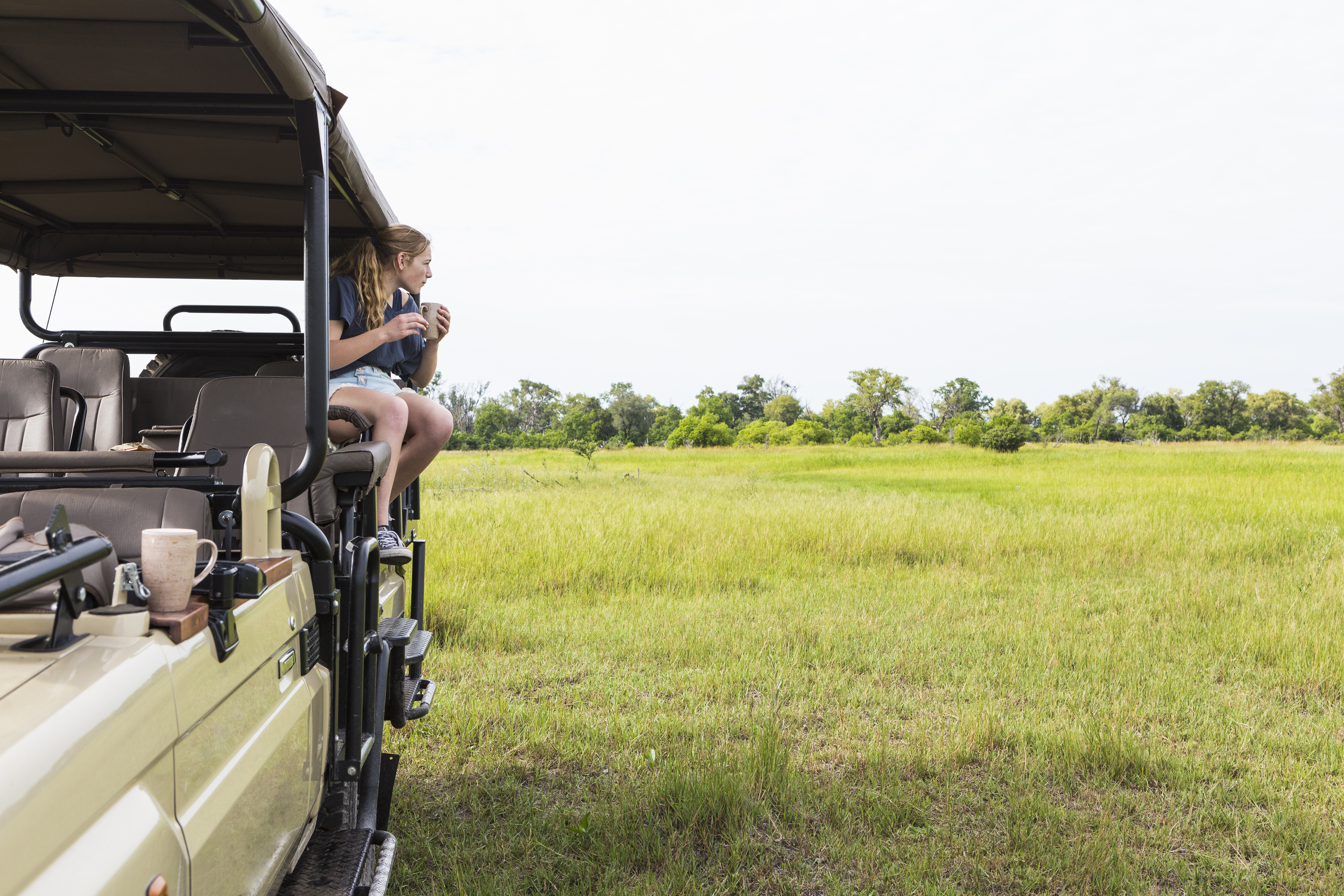
Some activities are not suitable or not permitted. Hot air balloon flights commonly have restrictions for pregnant passengers, and operators set their own rules. Walking safaris involve uneven ground, heat and the need to move quickly in an emergency, and most operators and doctors would advise against them. Long game drives need to be managed, with rest breaks and a flexible schedule. Swimming in lakes and rivers is not recommended anywhere because of waterborne illnesses, and sea swimming in Zanzibar needs care because of currents.
A private safari helps in a practical way. You decide the pace, the starting time and the stops, and you can have longer midday rests, shorter drives and an itinerary built around comfort. A guide who knows you are pregnant can adapt the day, drive more smoothly where possible and plan for toilet and rest breaks. Choose camps with comfortable beds, good food and short distances between your tent and the dining area, and consider lodges over remote tented camps for the later months.
Choosing camps and routes with pregnancy in mind
If your doctor is happy for you to travel, the choice of camps and route makes a real difference. Look for properties with comfortable beds, short walks between your room and the main area, good food and a manager who is calm and well organised. Fenced lodges with level paths can be easier than remote tented camps, especially later on. Keep the number of long road transfers low, build in at least one rest day, favour a base that you stay in for several nights and avoid itineraries that change camp every day, because packing, driving and settling in are what wear people out.
It also helps to choose areas that are closer to medical care, such as the northern circuit, where air access and clinics are better developed than in the remote south and west, and to stay at camps that have a clear emergency plan and a radio or phone link. Ask each camp how it would handle a medical problem and how long an evacuation would take. A good manager will answer calmly and in detail, and that conversation tells you a great deal about the camp.
Questions to take to your doctor
Before you book, ask your doctor or a travel medicine specialist a handful of questions. Is travel to a malaria area advisable for me at this stage of my pregnancy? If so, what preventive medicine is suitable? Which vaccines do I need, and which should I avoid? What is the latest I can safely fly? How far from an obstetric service am I comfortable being? What symptoms mean I should seek urgent care? And do you recommend I postpone? Get the answers in writing if you can, and share relevant parts with your operator and insurer.
It is entirely reasonable to decide that the safari should wait. A safari will still be there after the baby is born, and many families travel with young children, which brings its own planning, as our guide for families explains. If you do decide to go, be honest with your operator about your pregnancy and stage from the start. We would rather help you plan well, or advise you to delay, than have you hide something that affects your safety.
How we approach it
When a guest tells us they are pregnant, we start by asking what their doctor has said, and we do not offer our own medical view. We then look at how far each camp is from care, what each camp's policy is, which activities to leave out and how to design a slower itinerary with shorter drives. We will tell you honestly if we think a particular plan is unwise, and we will help you postpone without fuss if that is what you decide. Your comfort and safety matter more to us than a booking.
Tell us about your plans and what your doctor has said. Talk to Sokwe Africa Safaris and we will look at distances to care, camp policies and a gentler itinerary.
Frequently asked questions
Is it safe to go on safari in Tanzania while pregnant?
That depends on your health, stage of pregnancy and your doctor's advice. Malaria, distance from medical care and demanding travel days are the main concerns, and health authorities generally advise pregnant women to avoid malaria areas if they can.
Can pregnant women take malaria tablets for Tanzania?
Some preventive medicines are suitable in pregnancy and some are not, so you need individual advice from a doctor or travel clinic well before you travel. We cannot give medical recommendations.
Do I need the yellow fever vaccine for Tanzania if I am pregnant?
Proof is generally required only for travellers arriving from countries with yellow fever risk, including some long layovers, and the vaccine is not generally recommended for Tanzania itself. It is a live vaccine, so discuss your route and any waiver with a doctor.
Can pregnant women go on a hot air balloon safari?
Operators usually set their own restrictions for pregnant passengers, and many do not allow them. Ask your operator before you book and follow your doctor's advice.
Will my travel insurance cover pregnancy complications in Tanzania?
Many policies limit or exclude pregnancy-related claims, especially in later weeks or in remote areas. Read the wording, ask in writing what is covered including evacuation and check the policy remains valid for your dates.
What is the best trimester to travel to Tanzania?
Many doctors consider the middle months the most comfortable for travel, but advice is individual and depends on your health and the risks of the destination. Ask your own doctor.