
If you are planning a Tanzania safari this year, you have probably seen headlines about an Ebola outbreak in Central Africa, and you may be wondering whether it affects your trip. This is a serious subject and a fast-moving one, so we want to be careful about what we say. This page tells you what we have been able to verify from published sources as of 12 October 2026, where the evidence is thin or unconfirmed, and what we would do if we were in your position. It is a snapshot and not a medical or official statement, and you should check the official sources linked at the end before you book and again before you fly.
The short answer
The outbreak is concentrated in the eastern Democratic Republic of Congo, and it is large. At the time of writing, published figures put the total at roughly nine thousand confirmed cases and more than four thousand deaths, almost all in the DRC. The United States Centers for Disease Control and Prevention's guidance, last updated in August 2026, lists the DRC, South Sudan and Uganda as affected countries and does not list Tanzania. Tanzania has tightened screening at its points of entry. There has also been a news report of a case in Tanzania, which we could not verify, and which we explain below. The risk to a typical safari traveller is low, but it is not a reason to ignore the situation.
What is happening
The World Health Organization declared the outbreak a public health emergency of international concern in May 2026. Published reports say it is caused by the Bundibugyo strain of the virus, and the epicentre is in Ituri province in the north-east of the DRC, with cases also reported in several neighbouring provinces. Published updates in early October described dozens of new confirmed cases and deaths each day in the DRC, across seven provinces. Figures change daily, so the numbers in this paragraph will be out of date by the time you read it; the World Health Organization publishes the current situation.
Outside the DRC, the picture is more limited. Uganda reported cases earlier in the year, and its outbreak was reported as over in July. Kenya has reported a single imported case. France has reported one case, and some European countries have treated infected aid workers evacuated from Africa. Several countries have introduced entry restrictions or monitoring for travellers who have been in the DRC or neighbouring countries, with details varying widely. We are not epidemiologists, and we are not going to speculate beyond what the official sources say.
What we could not verify about Tanzania
On 6 October 2026, a Tanzanian news website reported that the country had confirmed its first Ebola case, in the lakeside city of Mwanza. We looked carefully at that report. It attributes the information only to unnamed health officials, it does not say the Ministry of Health made the announcement and it does not name the strain. We could not find a confirmation from the Tanzanian Ministry of Health, the World Health Organization or the CDC when we checked, and other situation updates from the same week did not mention Tanzania.
Because of that, we are not telling you that Tanzania has a confirmed case, and we are not telling you that it does not. What we can say is that the report exists, that it is unconfirmed by the official sources we could reach, and that this could change quickly in either direction. If you are deciding whether to travel, please look at the Ministry of Health, the WHO and your own government's travel advice on the day you decide, not at this page. We will update this article when the position is clear.
How Ebola spreads, and what that means on safari
According to the World Health Organization, Ebola spreads through direct contact with the blood or body fluids of a person who is sick with the disease or who has died from it, through contact with contaminated materials such as bedding and needles and through contact with infected animals. It is not spread by casual contact with people who have no symptoms, and it is not spread through the air in the way that colds or flu are. People become infectious once symptoms begin, and the incubation period can be up to 21 days, which is why authorities use that period for monitoring travellers.
For a visitor on a private northern circuit safari, the practical exposure is very small. You are in a vehicle with your own guide, staying in camps and lodges, and you have little close contact with the general public or with healthcare settings. The situations that carry most risk are caring for or touching someone who is ill, attending funerals or traditional burials where the body is handled, going into hospitals or clinics with patients who have the disease and handling or eating bushmeat. None of these is part of a safari, and all of them are worth avoiding.
See also our dated guide, Is Tanzania safe right now?, the wider Is Tanzania safe for tourists?, and Tanzania safari health and safety. Our private Tanzania safari page explains how we run trips.
Related reading: Does Tanzania require travel insurance? The new mandatory inbound policy explained (from 1 October 2026).
Where Tanzania's northern circuit sits
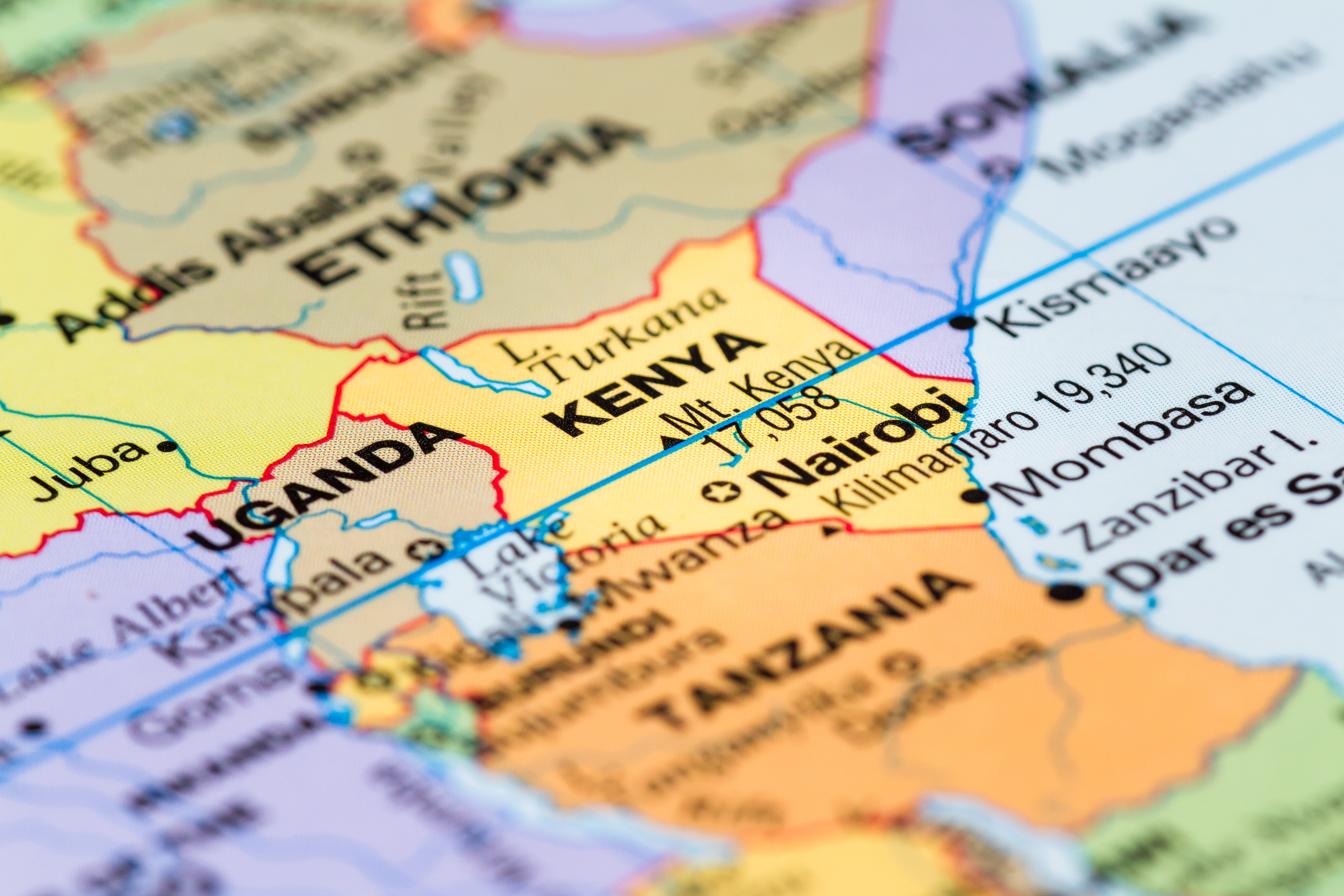
Tanzania borders the DRC across Lake Tanganyika in the far west of the country, and it shares borders with Uganda, Rwanda, Burundi and Kenya, so it is not isolated from the region. The northern safari circuit, which covers Arusha, Tarangire, Lake Manyara, Ngorongoro and the Serengeti, is in the north-east of the country, a long way from the DRC and from the Lake Tanganyika shore. Mwanza, the city named in the unconfirmed report, is on the southern shore of Lake Victoria, in a different part of the country from Arusha and the main safari areas.
Distance and geography are context, not a guarantee. People travel across borders and between cities, which is exactly why health authorities screen arrivals and monitor travellers. If an outbreak were to spread inside Tanzania, advice for different regions could change, and we would expect governments to say so. For now, the official sources we reviewed do not list Tanzania among the affected countries, but you should check them rather than rely on us.
Entry screening and what to expect at the airport
Tanzania has announced enhanced public health measures at its points of entry. In practice, travellers arriving at airports and some land and water crossings may be asked health questions, have their temperature checked and be asked about recent travel. This can add time at arrival, so allow for it, answer honestly and follow the instructions of the health staff. If you have been in the DRC, Uganda or South Sudan in the last 21 days, expect more questions and possibly additional measures.
Rules on your return journey matter too. The United States, for example, has temporarily restricted entry for travellers recently in the DRC and redirects passengers arriving from some affected countries to designated airports for screening. Other countries have their own rules, and they change. If your trip includes the DRC, Uganda, Rwanda or South Sudan, such as a gorilla trek combined with a Tanzania safari, check the entry and return requirements for your passport with the relevant authorities before you book. We would be cautious about adding any trip that goes into an affected area.
Insurance, booking terms and changing plans
Epidemics are the kind of thing that travel insurance policies often treat in specific ways. Some exclude losses arising from known outbreaks or epidemics, some cover cancellation only if a government advises against travel, and some require you to have bought the policy before the outbreak was announced. Read the wording, and ask your insurer in writing whether your policy covers cancellation or interruption linked to Ebola, and what triggers it. A phone call before you pay a deposit is worth much more than a dispute afterwards.
Ask your operator about its change and cancellation terms in writing as well. We cannot make promises on behalf of others, and every company is different. What we can say is that we would tell you promptly if we thought a date or route needed to change, and we would talk through the options openly. If you want to wait for more information before booking, that is a reasonable choice, and we would rather you were comfortable than rushed.
What you can do to protect yourself
Basic hygiene is sensible on any trip and is the main protection here. Wash your hands often with soap and clean water, or use an alcohol-based sanitiser when you cannot. Avoid contact with people who are visibly ill, and avoid contact with the bodies of the deceased. Do not handle or eat bushmeat, and avoid contact with bats and with sick or dead animals. Stay out of healthcare facilities unless you need to be there, and follow the advice of your guide and camp staff, who will know of any local concerns.
Know the signs, and what to do if you feel unwell. Early symptoms of Ebola can resemble malaria and other common illnesses, with fever, tiredness, headache, muscle pain and sometimes vomiting or diarrhoea, which is why anyone with a fever in Tanzania should be tested for malaria promptly. If you develop a fever during your trip or in the three weeks after you return, seek medical advice, tell the doctor where you have been and phone ahead instead of walking into a clinic unannounced. Make sure your insurance includes medical evacuation.
What we would do in your position
We want to be straightforward. If we were planning a northern circuit safari and the dates were soon, we would read the Ministry of Health, WHO and CDC pages, check our own government's advice and our insurance policy and then decide, knowing that the risk to a safari traveller who follows the precautions above is low and that the situation could change. If an official advisory covered the area we planned to visit, we would not go. If we had young children, a pregnant partner or a serious health condition, we would speak to a doctor first and think carefully about timing.
For our own guests, we keep in touch with the situation and will contact anyone with upcoming travel if official advice changes. We run private safaris only, so your plans are known to us, and we can talk through options such as moving dates, changing the order of the parks or waiting. We will also update this article when there is something new to say. You are welcome to ask us anything about it, including things we do not yet know.
Check the latest from the official sources: World Health Organization outbreak news, the CDC Ebola guidance, the UK FCDO advice and the US State Department advisory. Questions about your own plans? Talk to Sokwe Africa Safaris.
Frequently asked questions
Is there Ebola in Tanzania?
The outbreak is concentrated in the eastern DRC. The CDC's guidance, last updated in August 2026, does not list Tanzania. A news report on 6 October claimed a case in Mwanza, but we could not verify it with the Ministry of Health, WHO or CDC. Check them directly.
Is it safe to go on safari in Tanzania with the Ebola outbreak?
The risk to a typical safari traveller is low, because transmission requires direct contact with the body fluids of an ill person or animal, and safaris involve little such contact. Still, situations change, so check official sources before you book and before you fly.
Is the northern safari circuit near the outbreak?
No. The outbreak is centred in north-eastern DRC. The northern circuit, around Arusha, the Serengeti and Ngorongoro, is in north-eastern Tanzania, far from the DRC border and Lake Tanganyika. Distance is context, not a guarantee.
Will I be screened at the airport in Tanzania?
Tanzania has announced enhanced public health measures at points of entry. You may be asked health questions and have your temperature checked. Allow extra time and answer honestly.
Can I still get travel insurance for Tanzania?
Often yes, but policies treat epidemics differently. Ask your insurer in writing whether cancellation or interruption linked to Ebola is covered and what triggers it, and buy medical evacuation cover.
Should I cancel or postpone my Tanzania safari because of Ebola?
That is your decision and depends on your comfort, health and insurance. If you are unsure, talk to your operator about change terms and to a doctor about your own situation. We are glad to talk it through.