

Searches for "is Tanzania safe right now" spike whenever there is news from the region, and the answers on the first page of Google are often a year out of date. This page is different in one respect: it carries a review date, it says exactly what the official sources say, and it tells you where we are not sure. We last checked the official advisories on 11 October 2026. If you are reading this much later than that, treat it as background and go straight to the official pages linked at the bottom, because advice can change within days.
What we checked, and when
We read the UK Foreign, Commonwealth and Development Office travel advice for Tanzania and the US State Department's Tanzania travel advisory on 11 October 2026. The UK page showed a most recent update about wildfires in the Kilimanjaro area, reported on 6 October 2026. The US advisory in force is the one renewed on 31 October 2025. We are a safari operator, not a government, so we are reporting what they say, not offering our own security assessment, and we have not added anything to their wording that is not there.
What the UK says
The FCDO currently advises against all but essential travel only to areas within 20 kilometres of Tanzania's border with the Cabo Delgado province of Mozambique, because of attacks by groups linked with Islamic extremism. It also warns of a risk of violent attacks in the neighbouring Mtwara area. For the rest of the country, including the northern safari circuit, Kilimanjaro, Arusha and Zanzibar, the FCDO no longer advises against travel. The UK page also reminds travellers that travel insurance can be invalidated if you go against FCDO advice, which is the practical reason this matters for your booking.
The wildfire note is worth understanding. Dry-season fires on the slopes of Kilimanjaro are not unusual, and they can affect trekking routes, smoke levels and sometimes access. If you plan to climb in the coming weeks, ask your operator what the park authorities have said about your specific route, and keep the plan flexible. For safari travellers in the Serengeti, Ngorongoro, Tarangire and Manyara, the wildfire reports do not change the picture.
What the US says
The US State Department rates Tanzania at Level 3, reconsider travel. That level was set when the advisory was renewed on 31 October 2025 and raised from Level 2. The reasons given are unrest, crime, terrorism and the targeting of gay and lesbian people. The advisory notes that violent crime, including assault, robbery and carjacking, is common, that terrorism risk is concentrated in the Mtwara region, and that unrest can occur at holidays or large events. It also says people suspected of same-sex conduct may be targeted by police.
A Level 3 advisory is not a ban and does not stop anyone from travelling, but it is a serious signal and you should read the full text, not just the headline. It also affects practical things: some insurers, employers and universities may treat Level 3 destinations differently, and other rules may apply to you. If any of those apply to you, check before you pay a deposit. If you are comfortable going ahead, take the precautions in the advisory seriously, and enrol in the State Department's traveller enrolment programme so the embassy can contact you in an emergency.
What happened in late 2025
Tanzania held a general election at the end of October 2025, and the period around it was marked by unrest in parts of the country. Advisories were tightened at the time: the US raised its level on 31 October 2025, and the UK temporarily advised against all but essential travel across the country. The UK then lifted that wider warning on 7 November 2025, leaving only the border area in place. Older articles that describe the UK advising against travel everywhere are describing that short period and are now out of date, and so are articles that still describe the US at Level 2.
We want to be careful here. We are not going to describe events we cannot verify or offer commentary on Tanzanian politics. The point for a traveller is simple: events around that election changed the advice quickly, and the lesson is to rely on current official sources and a candid operator, and not on anything written months ago, including by us.
What this means for a safari in the north
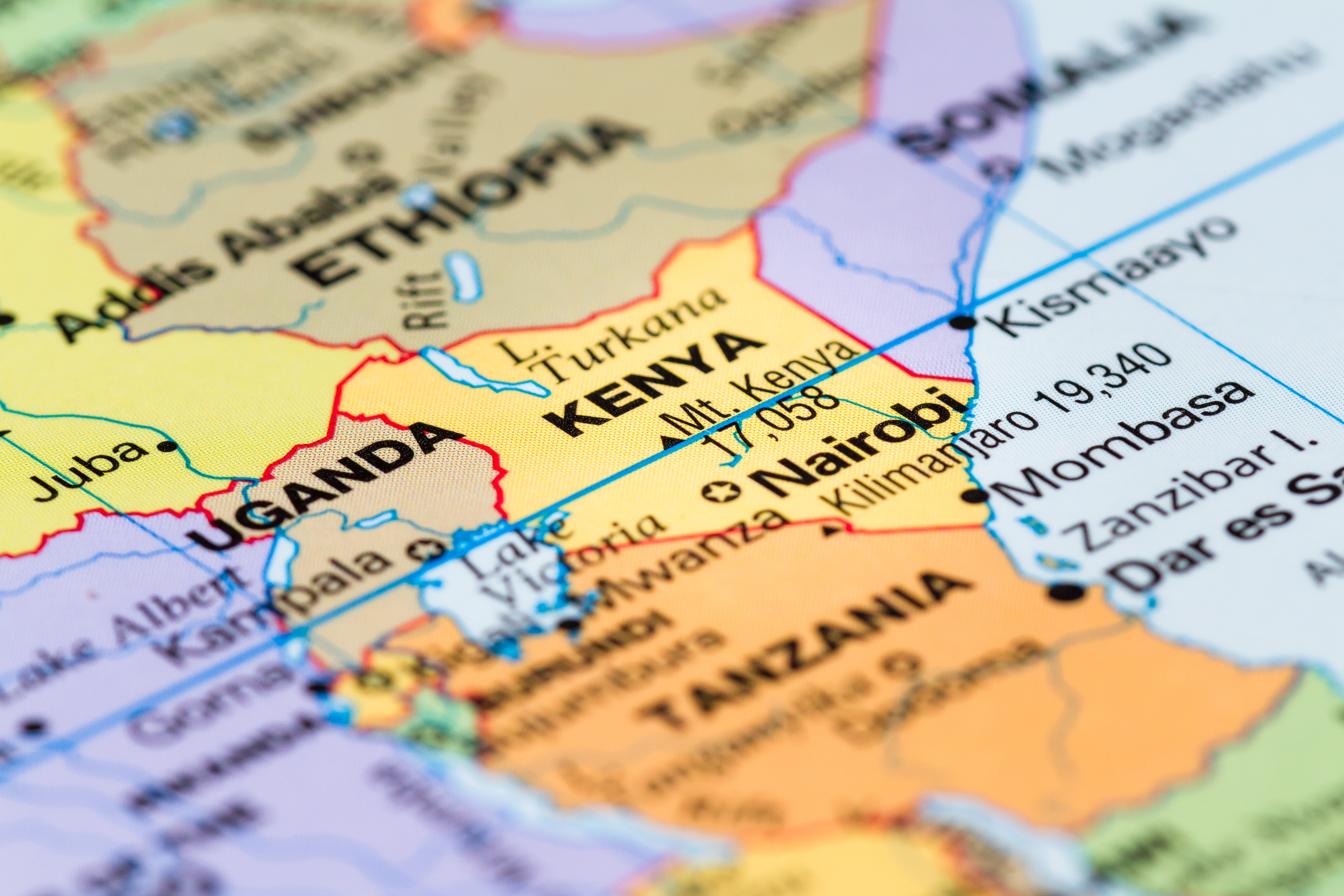
The northern circuit, which covers Arusha, Tarangire, Lake Manyara, Ngorongoro and the Serengeti, is geographically far from the area the UK warns about. Mtwara and the Mozambique border are in the far south-east, more than 800 kilometres from Arusha in a straight line. Our guests travel on a private basis with a guide and move between a small number of lodges or camps, so the time spent in towns, where the US advisory's crime concerns are most relevant, is short. That is context, not a guarantee, and it does not remove the US advisory.
What we ask every guest to do is straightforward. Avoid demonstrations and large gatherings anywhere. Do not walk in towns after dark. Do not drive yourself. Keep valuables out of sight. Tell us where you are and let us know if you hear anything worrying. And keep up to date: look at the official pages before you book, again a few weeks before departure, and again in the days before you fly.
Zanzibar, Kilimanjaro and the southern parks
The same advisories apply to every part of the country, so it helps to know how the places people actually visit sit against them. Zanzibar is not within the area the UK warns about, and the everyday issues there are petty theft in Stone Town and the sea: unsupervised beaches and strong currents. Kilimanjaro is also outside the warned area, and the live concern on the mountain this month is wildfire, which is a question of route conditions and park management and not of security.
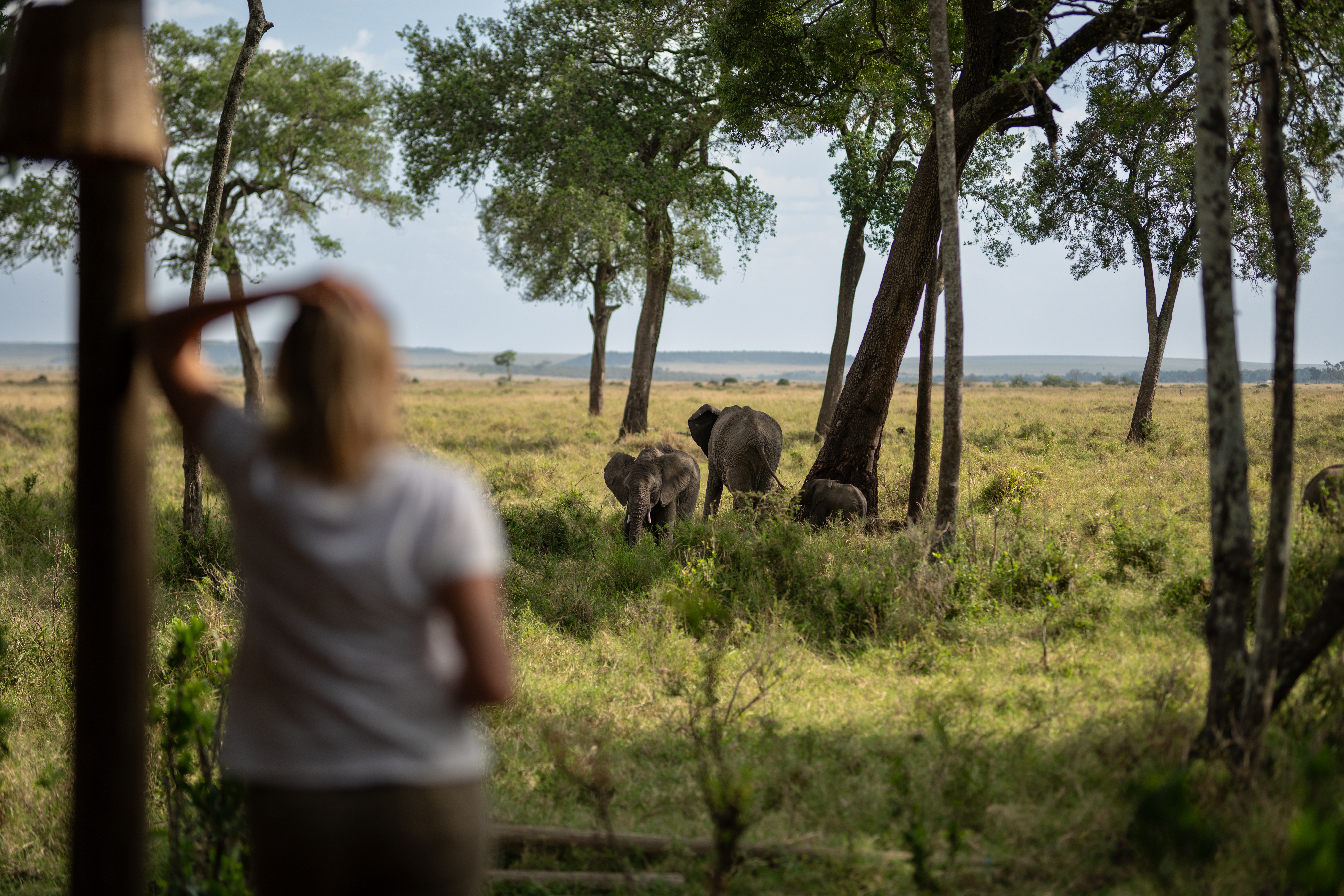
If you are considering the southern parks, Ruaha or Nyerere, neither lies within the 20-kilometre border zone the UK names, but they are in a different part of the country from the northern circuit, with different logistics, and the same advice about checking current conditions applies. Ask your operator precisely where your camps are in relation to any area an advisory mentions. A good operator can answer that in a sentence and will show you on a map without being asked twice.
What would change our advice
We watch for a few specific things. A change in the UK or US wording that extends a warning beyond the border area would be the clearest signal, and we would contact guests with upcoming travel at once. Reports of road closures, curfews or disruption to flights and communications would lead us to review transfers and to consider bush flights or changes of date. Large demonstrations in Arusha or Dar es Salaam would lead us to adjust airport and hotel timings. The official sources we checked on 11 October 2026 do not describe any of these affecting the northern circuit, and we would rather you heard the list now than discovered it later.
Our wider guide, Is Tanzania safe for tourists?, covers everyday risks such as roads, petty theft and scams. For health preparation see Tanzania safari health and safety, and for entry rules our visa and entry guide. See also our private Tanzania safari options or Tanzania safari from the USA.
Should you book now, wait, or postpone?
There is no single right answer, and anyone who tells you otherwise is guessing. If your concern is the US Level 3 and you are not comfortable with it, waiting is a legitimate choice, and a good operator will not pressure you. If you are comfortable with the northern circuit and the precautions above, booking is reasonable, and booking early often gets better availability at the camps you want. The deciding factors are usually your own risk tolerance, your insurer's position and how flexible your dates are.
If you do book, be clear about the terms. Ask for the deposit, balance, change and cancellation conditions in writing. Ask what happens if an advisory changes before you travel, and whether dates can be moved. Ask your insurer in writing whether Tanzania is covered given the current advisories, and whether cancellation cover applies if an advisory is raised after you book. Insurers differ widely on this, and a conversation before you buy is far better than a dispute afterwards.
How we would handle a change
Our approach is to tell guests early and plainly when we think something has changed, and to talk through the options before anything is decided for them. If an official advisory covered the area you were due to visit, we would not ask you to go. If it did not, but we had concerns about a date or a route, we would say so and suggest alternatives, such as a different park sequence, a bush flight in place of a long road leg, or a later date. We cannot promise outcomes we do not control, but we can promise that you will hear it from us first and without spin.
We also keep our own contact arrangements simple: one point of contact in Arusha who knows your itinerary and can reach your guide, and a clear plan for what happens if you need medical help. Ask any operator for the same thing, and be wary of one who cannot describe it. A safari company that is relaxed about the question of what happens when something goes wrong is not the one to choose.
What to do before you travel
Check the UK and US pages on the day you book and again before departure. Take out travel insurance that includes medical evacuation, and read what it says about advisories. Make sure your passport has enough validity and blank pages, apply for your visa in good time, and check your vaccination and malaria plans with a travel clinic. Save your operator's contact numbers offline, share your itinerary with someone at home, and register with your embassy's traveller service if there is one.
Finally, keep perspective. The great majority of visitors to Tanzania still travel without incident, the safari circuit is a long way from the areas of greatest concern, and the people most likely to have a bad time are those who skip preparation. But perspective is not the same as dismissing the advisories. Read them, weigh them honestly, and decide on your own terms. We would rather you travel when you are comfortable than when you have been talked into it.
Check the current wording yourself: UK FCDO travel advice for Tanzania and the US State Department advisory. Questions about your own plans? Talk to Sokwe Africa Safaris.
Frequently asked questions
Is Tanzania safe to visit right now?
Most visitors on organised safaris travel without incident, but official advice is mixed. At our last check on 11 October 2026 the UK advised against all but essential travel only within 20 kilometres of the Mozambique border, while the US rated Tanzania Level 3, reconsider travel. Read both pages before you book.
Is Tanzania safe after the election?
Advisories were tightened around the October 2025 election; the UK lifted its wider warning on 7 November 2025, and the US advisory remains at Level 3. Rely on current official sources, as advice can change quickly.
Does the UK advise against travel to Tanzania?
Only within 20 kilometres of the border with Cabo Delgado in Mozambique, because of attacks by extremist groups. It does not currently advise against travel to the rest of the country, including the northern safari circuit and Zanzibar.
What does US Level 3 mean for Tanzania?
Level 3 means reconsider travel. It is not a ban, but it is a serious warning citing unrest, crime, terrorism and the targeting of gay and lesbian people. Read the full advisory and check how your insurer treats Level 3 destinations before you book.
Will my travel insurance still cover me?
It depends on the insurer and the policy. UK insurance can be invalidated if you travel against FCDO advice, and some insurers treat high US advisory levels differently. Ask your insurer in writing before you pay a deposit.
Should I cancel or postpone my Tanzania safari?
That is your decision, and it depends on your comfort with the advice, your insurer and your dates. If you are worried, speak to your operator about moving dates and about their change terms. We are happy to talk it through candidly.